




Pharmaceutical manufacturing runs on strict rules, tight timelines, and little room for error. An ERP helps streamline daily operations while supporting compliance and consistent quality.
With one system, teams can connect manufacturing, supply chain, finance, quality control, and regulatory data in a single flow. This improves real-time visibility into production, resources, and inventory, so decisions are faster and more accurate.
Can your team trace every batch and quality check in minutes when an audit or recall happens? An ERP makes that level of traceability and control much easier to maintain.
Key Takeaways
|
What is Pharmaceutical Manufacturing Software?
Pharmaceutical manufacturing solutions help drug makers manage production, quality, compliance, and supply chain in one place. The goal is to reduce manual work, improve control, and keep operations consistent in a highly regulated environment.
Common capabilities include inventory and batch tracking, formulation management, electronic batch records, QA, document control, and compliance management. This helps teams boost productivity while protecting product safety and meeting regulatory requirements.
Why do Pharmaceutical Manufacturing Businesses Need ERP Software?

ERP helps pharmaceutical manufacturers stay compliant through traceability, documentation, and reporting. Standardizing workflows and reducing manual errors, it improves productivity, cost control, and product safety.
Benefits of Pharmaceutical Manufacturing ERP Software
Pharmaceutical manufacturing ERP helps streamline operations, improve efficiency, and support compliance. Here are the key benefits.
Regulatory compliance
Pharma runs under strict regulations to protect patient safety. ERP supports compliance by keeping records structured, traceable, and easier to audit.
Inventory optimization
Pharma inventory needs to be tight and compliant, not overstocked or running short. ERP helps teams keep stock at the right level so production stays smooth and costs stay controlled.
Enhanced quality assurance
In pharma, quality and compliance can’t be left to manual checks. ERP helps by streamlining QA work with tools like document control, change management, deviation tracking, and corrective actions.
Seamless integration with laboratory information management systems (LIMS)
LIMS manages lab testing, sample analysis, and results tracking in pharma manufacturing. When integrated with ERP, lab data flows automatically to other teams, reducing manual entry, errors, and delays.
Improved batch traceability
Batch traceability is critical in pharma, especially for audits and recalls. ERP makes it easier to track each batch from raw materials to finished goods, so you can quickly see where it came from, where it went, and what changed along the way.
Read More: Best Practices to Manage Facility Effectively for Manufacture Industries


The Best Pharmaceutical Manufacturing Business ERP Software
Pharmaceutical manufacturing is complex and highly regulated, so choosing the right ERP matters. Here are top ERP options for pharmaceutical businesses.
1. NetSuite
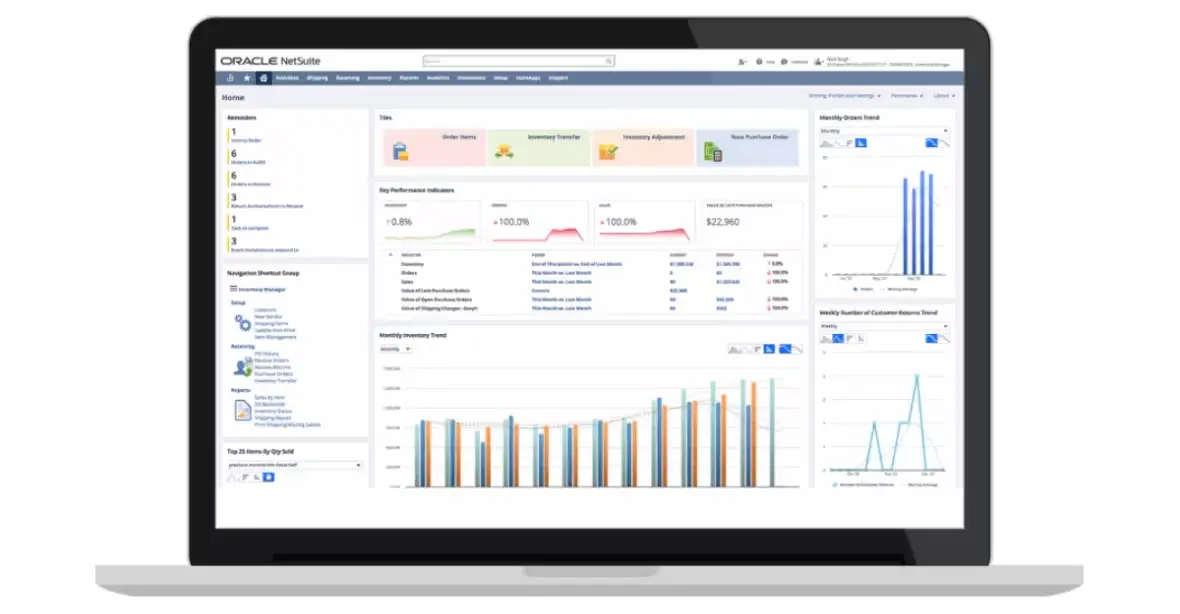
NetSuite provides an ERP built to support pharmaceutical manufacturing needs, covering inventory, supply chain, and compliance workflows in one system. This helps teams streamline operations and improve efficiency.
It also gives real-time visibility into inventory levels, making it easier to optimize stock, avoid shortages, and reduce carrying costs.
Key Features:
- Inventory Management
- Supply Chain Management
- Manufacturing Execution and Planning
- Quality Management
| Pros | Cons |
|
|
2. Misys manufacturing
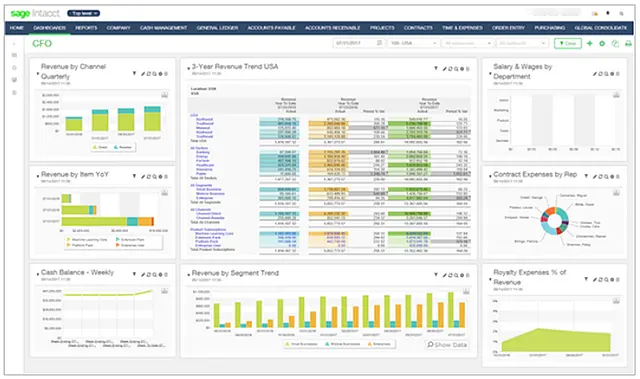
MISys Manufacturing helps manufacturers manage inventory, purchasing, and production in one system, with tools like MRP, shop floor control, and cost tracking to improve efficiency.
It also connects with accounting platforms like QuickBooks and Sage, so inventory and financial data stay aligned for cleaner costing and reporting.
Key Features:
- Inventory tracking (serial/lot, bins)
- MRP and production scheduling
- Shop floor control with labor tracking
- Accounting integrations (QuickBooks, Sage)
| Pros | Cons |
|
|
3. R4 enterprise
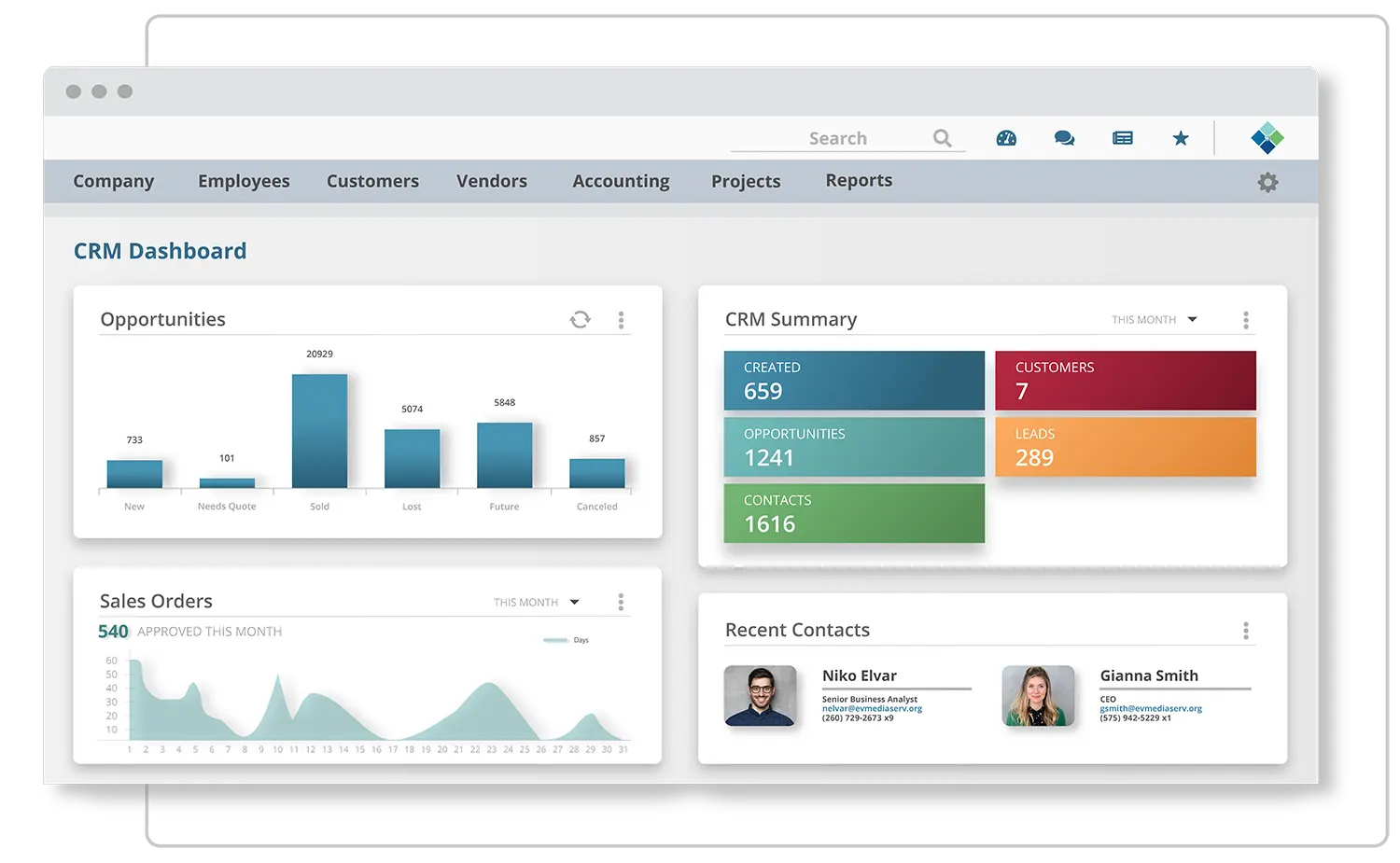
R4 Enterprise helps manufacturers trace each batch from raw materials to finished goods, so it’s easier to prove quality, investigate issues, and respond fast when something looks off.
It also supports structured quality checks with testing, inspections, and documentation. For smoother adoption, follow an ERP implementation lifecycle for pharmaceutical manufacturing compliance, from data prep to go-live.
Key Features:
- Batch and lot traceability
- Quality control with inspection records
- MRP/DRP planning and forecasting
- Financials, inventory, and manufacturing in one system
| Pros | Cons |
|
|
4. Datacor ERP
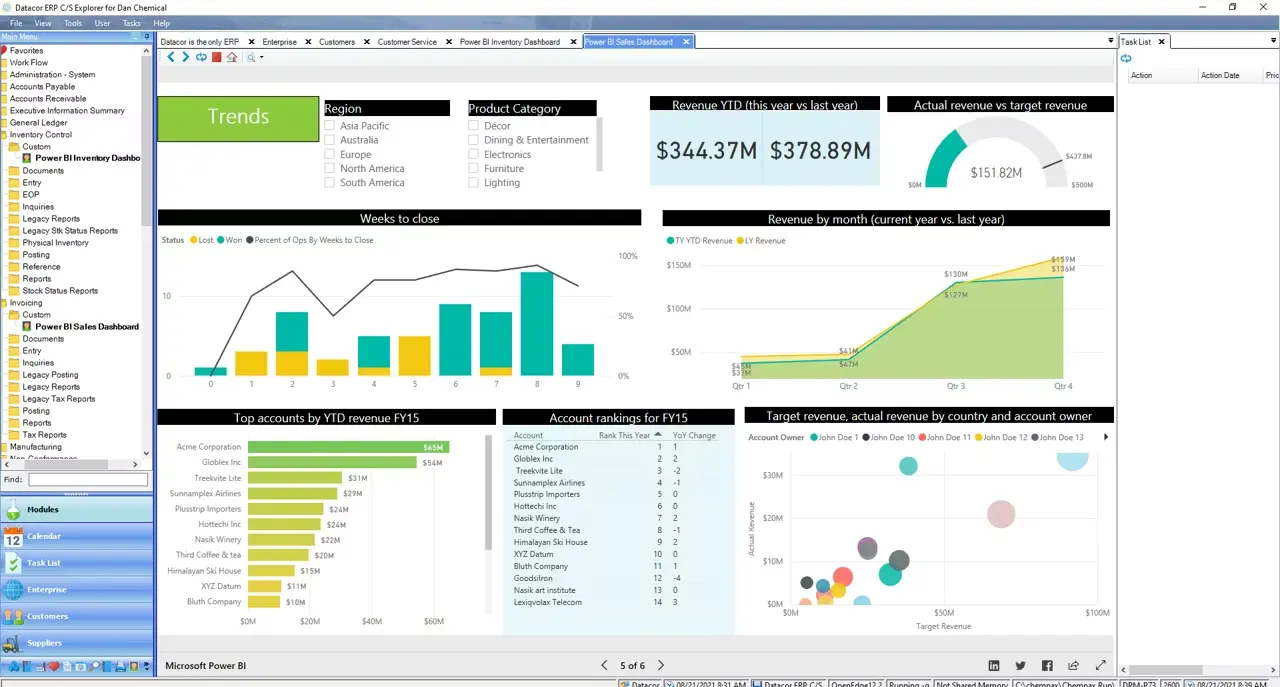
Datacor supports pharmaceutical manufacturers by bringing key workflows into one system, so teams spend less time on manual steps and rework. It helps streamline day-to-day operations through standardized processes and automation.
It also improves control with real-time visibility across production, inventory, and finance, so decisions are based on current data, and resources can be planned more accurately.
Key Features:
- Inventory tracking with lot and expiry visibility
- Compliance documentation and reporting support
- Real-time dashboards and analytics
- Integrated finance and procurement workflows
| Pros | Cons |
|
|
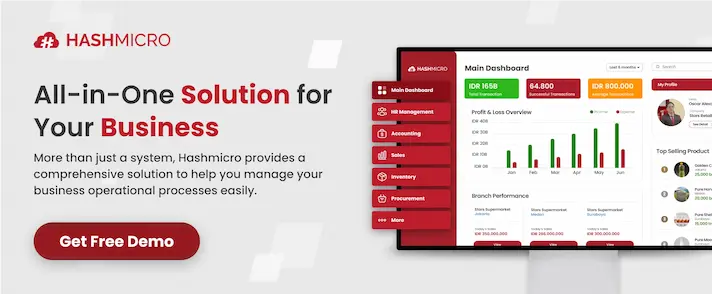
5. HashMicro

HashMicro provides an ERP for pharmaceutical manufacturing with inventory controls for stock levels, expiry dates, and lot numbers to reduce waste and keep records accurate.
It also supports batch tracking for end-to-end traceability and faster recalls, plus quality control tools to manage testing and inspections.
Key Features:
- Real-time data recording with kiosk mode
- Tracking costs of materials, labor, subcontractors, and overhead
- Planning to monitor production processes
- Manufacturing process scheduling
- Predicting consumer trends and demands
| Pros | Cons |
|
|
6. PRIMS
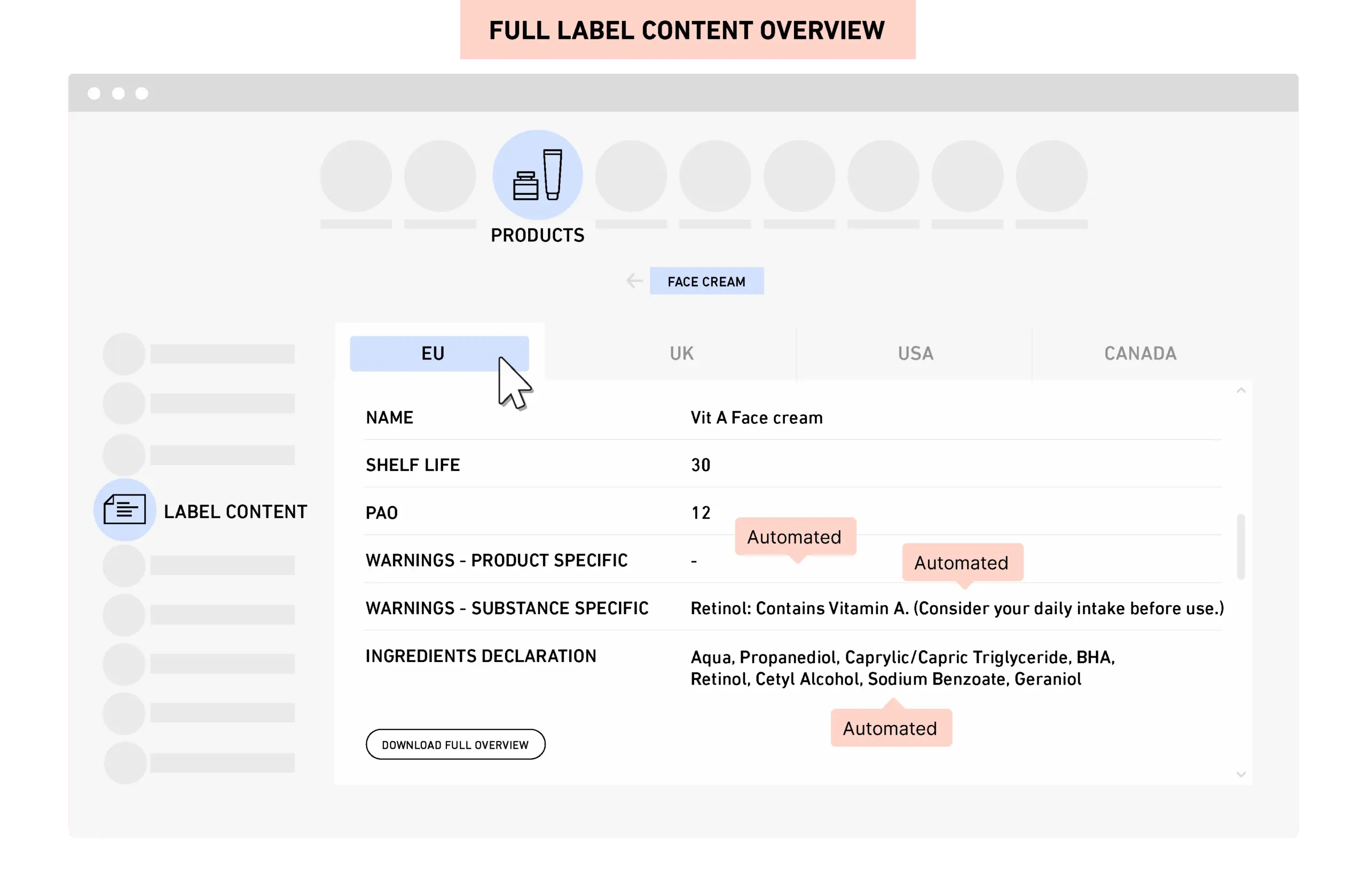
PrismERP is an ERP solution for manufacturing that helps teams manage the full flow from raw materials to finished goods in one system. It’s built to reduce manual follow-ups and keep daily operations more predictable.
For manufacturers that are adopting new tools, PrismERP focuses on making planning, workflows, and tracking easier to run consistently, so production and coordination stay on track as operations get busier.
Key Features:
- Material requirements planning for raw materials
- Rule-based workflow automation
- Real-time push notifications for tasks and deadlines
- Authorized access verification with layered security
| Pros | Cons |
|
|
7. SYSPRO
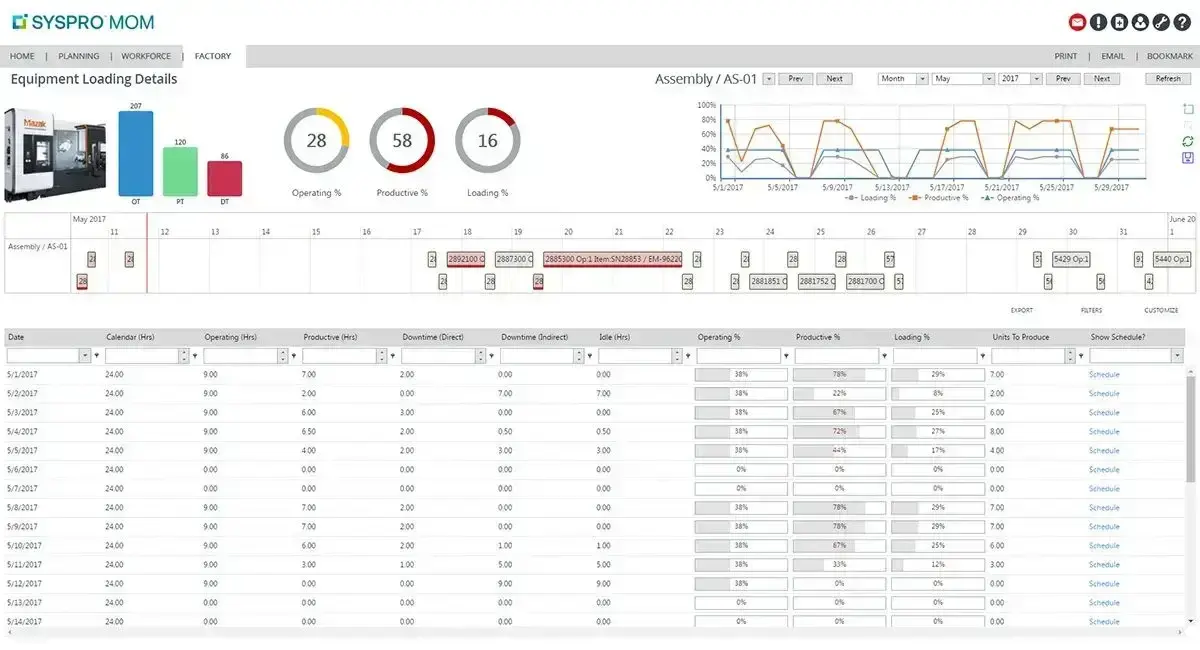
SYSPRO provides planning and forecasting tools that help teams build realistic production schedules and use labor and equipment more efficiently.
It also offers quality management features for testing, inspections, and controlled documentation, helping manufacturers maintain consistent standards and support compliance.
Key Features:
- Real-time shop floor, inventory, and supply chain visibility
- End-to-end modules
- Planning and scheduling for production operations
- Flexible deployment
| Pros | Cons |
|
|
8. Nulogy
Nulogy improves supply chain visibility by tracking materials, production progress, and shipments in real time. This helps teams collaborate better and reduce stockouts or delays.
It also supports quality control with testing, inspections, and documentation, making it easier to protect product integrity and stay consistent.
Key Features:
- Production planning & scheduling
- Shop floor execution
- Inventory management
- Quality management & traceability
| Pros | Cons |
|
|
9. Opcenter
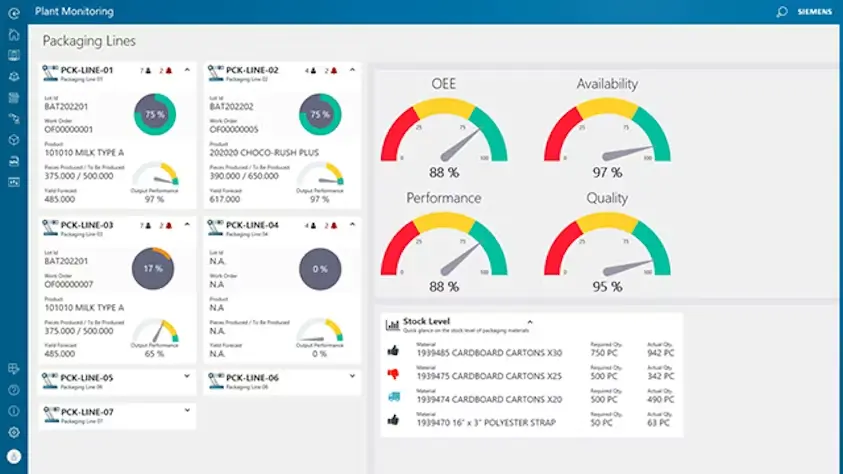
Opcenter offers a comprehensive ERP software solution that significantly advantages pharmaceutical businesses. One key advantage is its ability to streamline and optimize production processes.
The software provides production planning, scheduling, and resource management tools, enabling businesses to maximize productivity, reduce lead times, and improve overall operational efficiency.
Key Features:
- MES execution
- QMS quality management
- APS planning & scheduling
- Operations analytics
| Pros | Cons |
|
|
Read More: How to Reduce Lead Time to Increase Your Manufacture Business Revenue

Conclusion
ERP helps pharmaceutical manufacturers connect production, quality, compliance, inventory, and finance in one system. This reduces manual work and improves control.
Its biggest value is traceability and documentation, making audits, deviations, and recalls easier to handle.
Match the system to your workflows and regulatory needs. A short consultation can help confirm priorities and rollout steps.