








Running an automated trading business involves more than executing trades efficiently. Financial reporting, transaction records, risk management, and compliance all require accurate, well-coordinated data. As operations become more complex, relying on disconnected tools can make it harder to maintain visibility and manage daily activities effectively.
ERP software can help bring these processes together, but not every system is suited to the specific demands of automated trading businesses. Choosing the right solution means evaluating how well its features support financial control, data integration, and operational requirements. This guide explores 5 ERP software for the trading industry in Singapore, comparing their key features and suitability to help you make a more informed decision.
Key Takeaways
A trading system sets standard rules for stock selection, entry, cut loss, and take profit, so trading decisions become measurable and disciplined.
An automated trading system monitors market prices and executes trades automatically once predetermined parameters are met.
ERP software brings finance, supply chain, procurement, and reporting into one source of truth for trading businesses.
Five ERP trading software options are compared here, from HashMicro and NetSuite to SAP, Acumatica, and Infor LN.

What is Trading System?
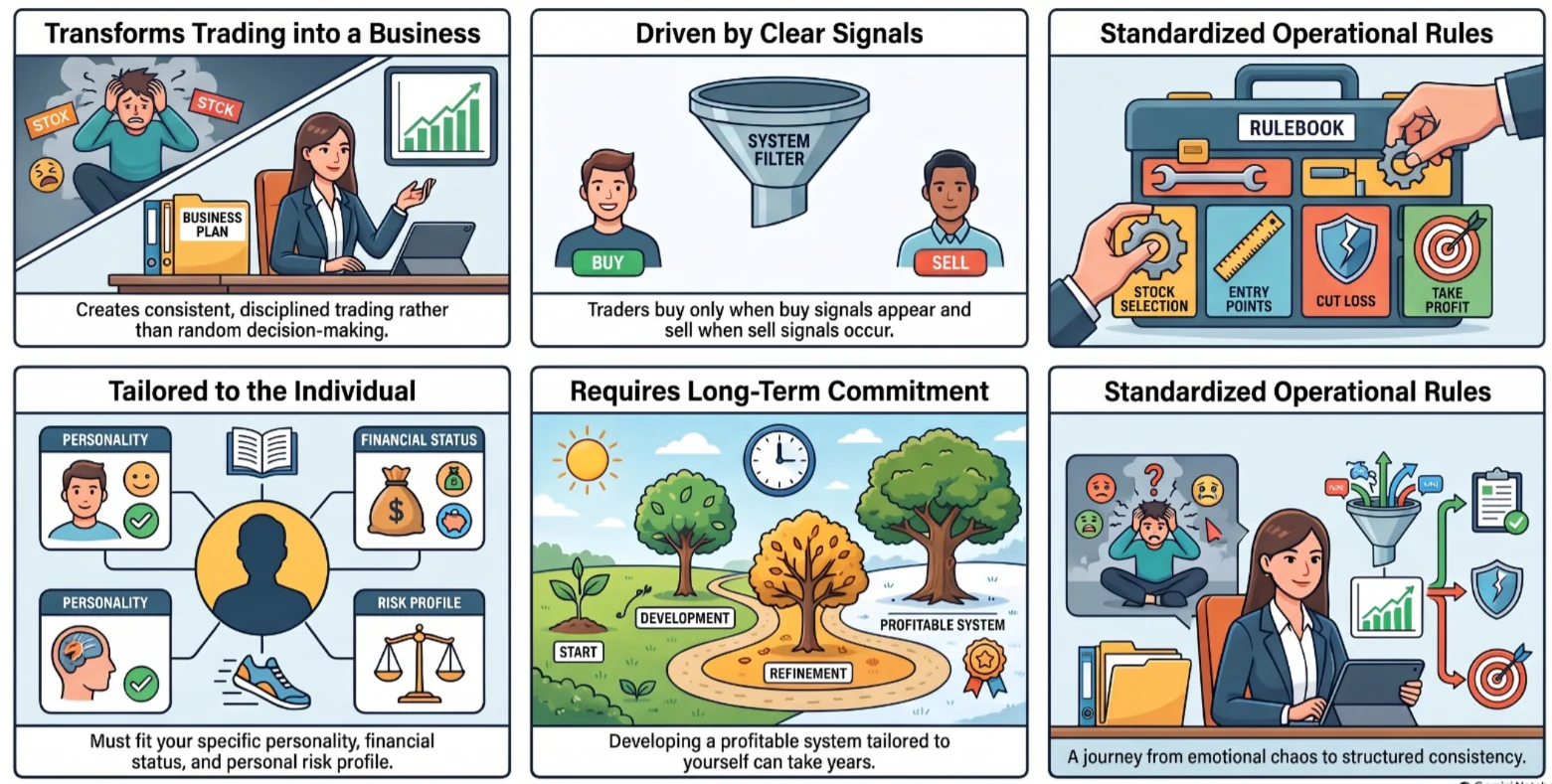
A trading system is a system that helps our trading grow consistently, like a good business. It also forms the basis of why we buy and sell a stock. With a trading system, trading becomes more regular, measurable, and disciplined, rather than random. If there is a buy signal, buy; if there is a sell signal, sell. Like a franchise with its own system and standardization, a trading system works the same way. All traders have different trading systems.
Trading has standard rules, for example: stock selection must be standard, entry point and reason to buy, cut loss point, take profit point. With a trading system, decision-making is easier and suitable to the system. With the trading system, the stock purchase and the chart form are made by default, so that traders only buy what is specified. A profitable trading system only suits the person who developed it. Your system must fit your personality, financial status, risk profile and more. It can take years to develop.
Automated Trading System
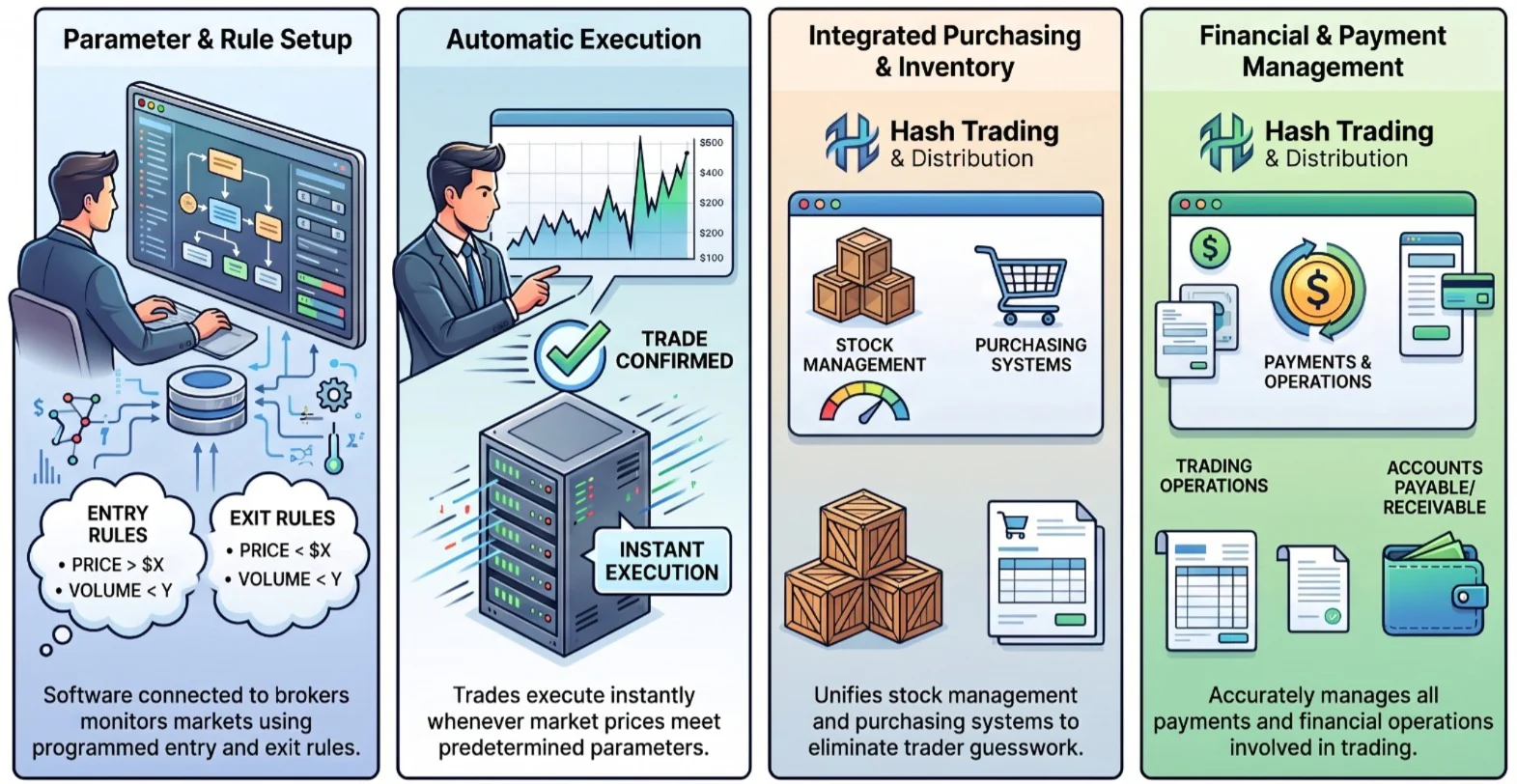
Automated trading systems typically require the use of software linked to a direct access broker, and any specific rules must be written in that platform’s proprietary language. The automated trading strategy that’s been set will constantly monitor financial market prices, and trades will automatically be executed if predetermined parameters are met. The trade entry and exit rules could be found on a qualified programmer’s subject-matter knowledge.
Hashmicro has a solution for streamlined distribution process in the trading industry. Hash Trading & Distribution has 3 key features, namely; integrated purchasing system, ease of managing inventory, financial and payment management. Traders can carry out their trades without having to guess because Hash Trading & Distribution has taken care of everything. All processes and aspects involved with your trading can be managed accurately.
Also read: Top 10 Best Fintech Startups in Singapore
Using ERP for Trading System
ERP or enterprise resource planning, is an information system intended for manufacturing and service companies whose role is to integrate and automate business processes related to aspects of operations, production and distribution in the company concerned. ERP is the backbone of a company, because it’s a software that manages finances, HR, manufacturing, supply chain, services, procurement. It’s a single source of truth in a business because it houses all the data.
Enhanced reporting of real-time data from a single source system is advantageous to some enterprises. Companies can better plan, budget, forecast, and communicate the state of operations to the organisation and interested parties, such as shareholders, when reporting is accurate and comprehensive. Accurate payroll calculations, including prorated salary calculations, also help businesses maintain reliable financial records. This increases accuracy rates, reaction times, and customer and employee satisfaction. As the business performs more effectively, associated costs frequently decline.
From the explanation above, ERP is basically software that helps run all business operations in one location. ERP can do almost everything nowadays. Thanks to its wide range of capabilities, ERP can be a good solution for trading systems. By using ERP for trading systems, all related processes will be more secure, because ERP monitors and records all of them. Not only that, it can also help traders plan better. Traders will also receive notifications and even recommendations during trading.
Also read: The Role of ERP in Logistics Industry for Singapore Company
5 Best ERP Trading Software
Here are the 5 best ERP trading software recommendations that you may implement to streamline your trading business.
1. HashMicro

HashMicro stands at the forefront of ERP trading software solutions, providing a suite of cutting-edge software that optimize trading businesses. Its capabilities lie in automation, a powerful feature that empowers the software to handle complex processes with seamless efficiency.
One of the remarkable advantages of HashMicro’s ERP trading software is its affordability, making it an ideal choice for businesses of varying scales. Also, this software harnesses advanced technology, delivering unrivaled quality and performance.
By adopting HashMicro’s ERP trading software into your trading operations, you can increase your sales possibilities. Benefit from upselling and cross-selling recommendations, based on insightful sales analytics data.
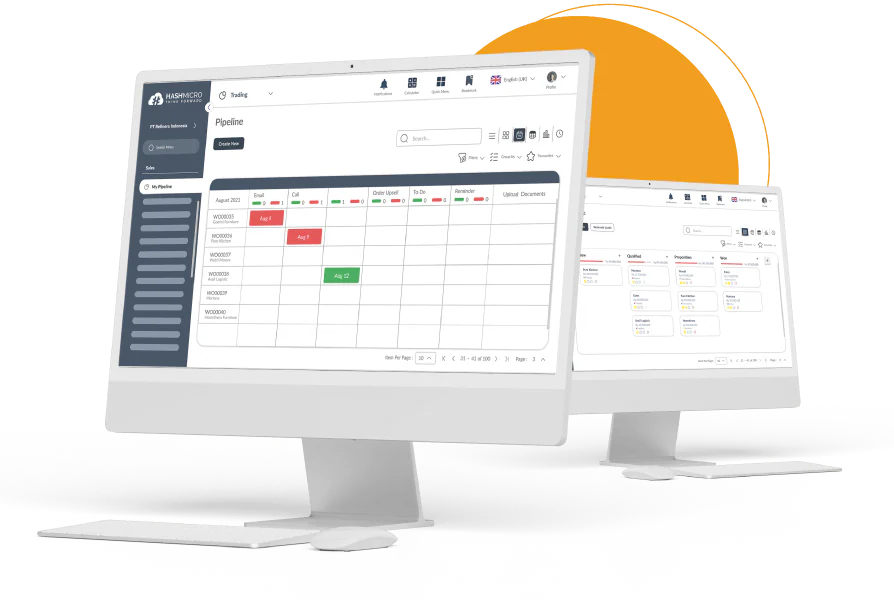
Customization takes center stage with HashMicro, as its intuitive and user-friendly dashboard allows businesses to fine-tune and control multiple processes seamlessly. No longer will you struggle with juggling various tools; instead, you’ll find everything you need neatly integrated into a single dashboard.
The advantages do not stop there – HashMicro’s ERP trading software empowers businesses to monitor just-in-time stock and implement intelligent ordering systems, culminating in a masterful approach to inventory management. Achieve optimal stock levels and eliminate wastage while maximizing productivity and profitability.
In an ever-evolving digital landscape, HashMicro ensures your business stays connected and competitive by integrating with banks and various e-commerce platforms. This integration streamlines sales and financial control, allowing you to focus on expanding your business horizons with confidence.
2. NetSuite
Drawing from a wealth of experience with countless successful implementations, NetSuite exhibits a profound understanding of the challenges that these businesses encounter in various sectors.
With a focus on optimizing the supply chain, NetSuite empowers users with supply chain portals, enabling enhanced efficiency for vendors, customers, and sales partners.
Furthermore, the platform embraces a modern sales experience, enabling businesses to engage customers seamlessly across multiple channels, including online, phone, email, and in-person interactions.
3. SAP ERP
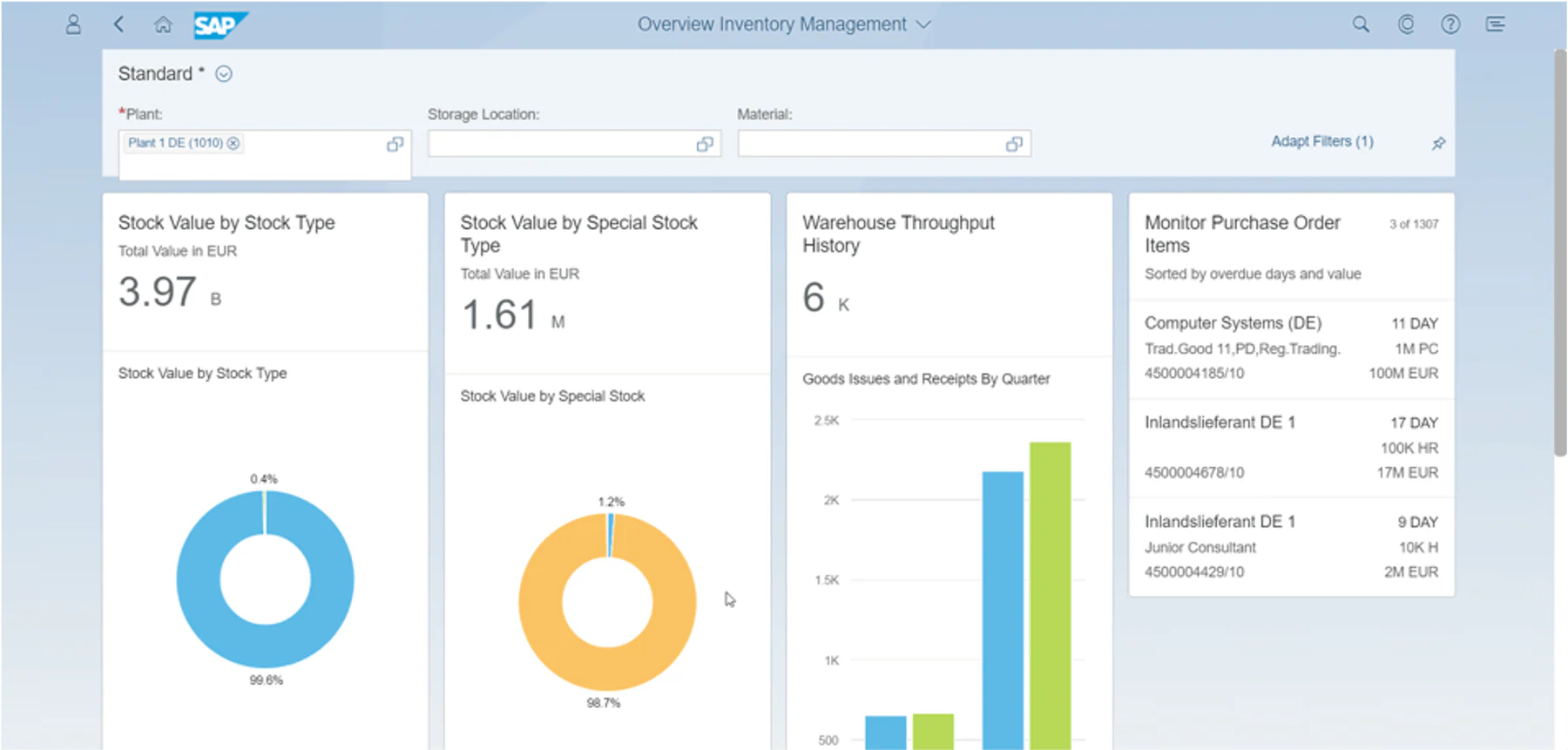
In response to the ever-increasing demands of B2B customers, SAP ERP facilitates personalized and modern e-commerce experiences, encompassing a diverse array of products and services.
Meeting expectations for shorter delivery times and expanded delivery options becomes seamless, fostering enhanced customer satisfaction.
Elevating wholesale distribution networks to new heights, SAP ERP empowers top distributors to establish themselves as trusted partners, forging collaborative relationships with customers and wider networks.
This proactive approach ensures the delivery of comprehensive products and services at every phase of a project, setting businesses apart in the market.
4. Acumatica
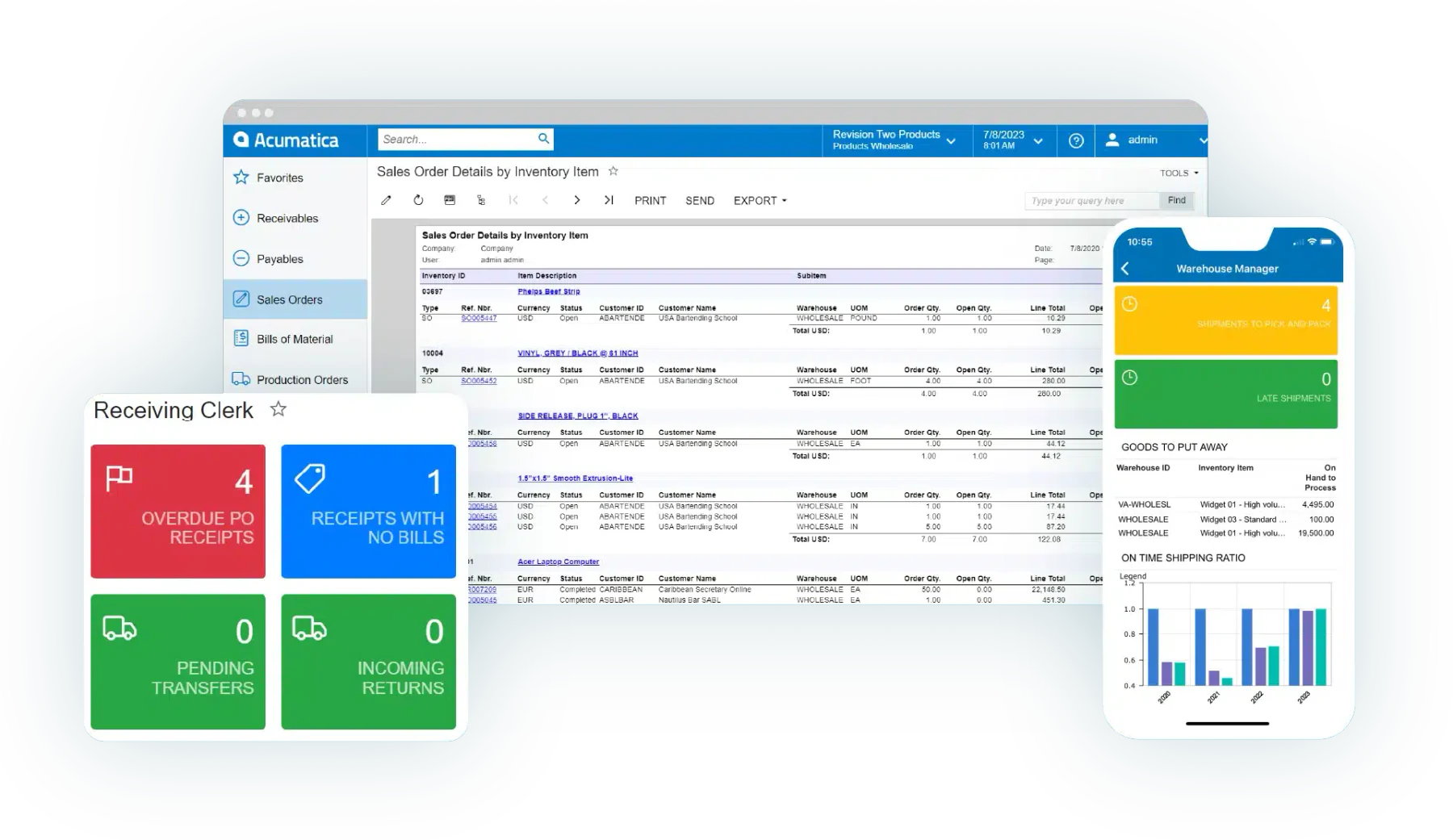
With a comprehensive suite designed explicitly for distribution needs, Acumatica proves to be a catalyst for growth and operational efficiency.
From empowering sales through item substitutions, up-selling, and cross-selling to streamlining processes with embedded CRM, commerce connectors, and native point-of-sale capabilities, Acumatica equips businesses to excel in the market.
5. Infor LN
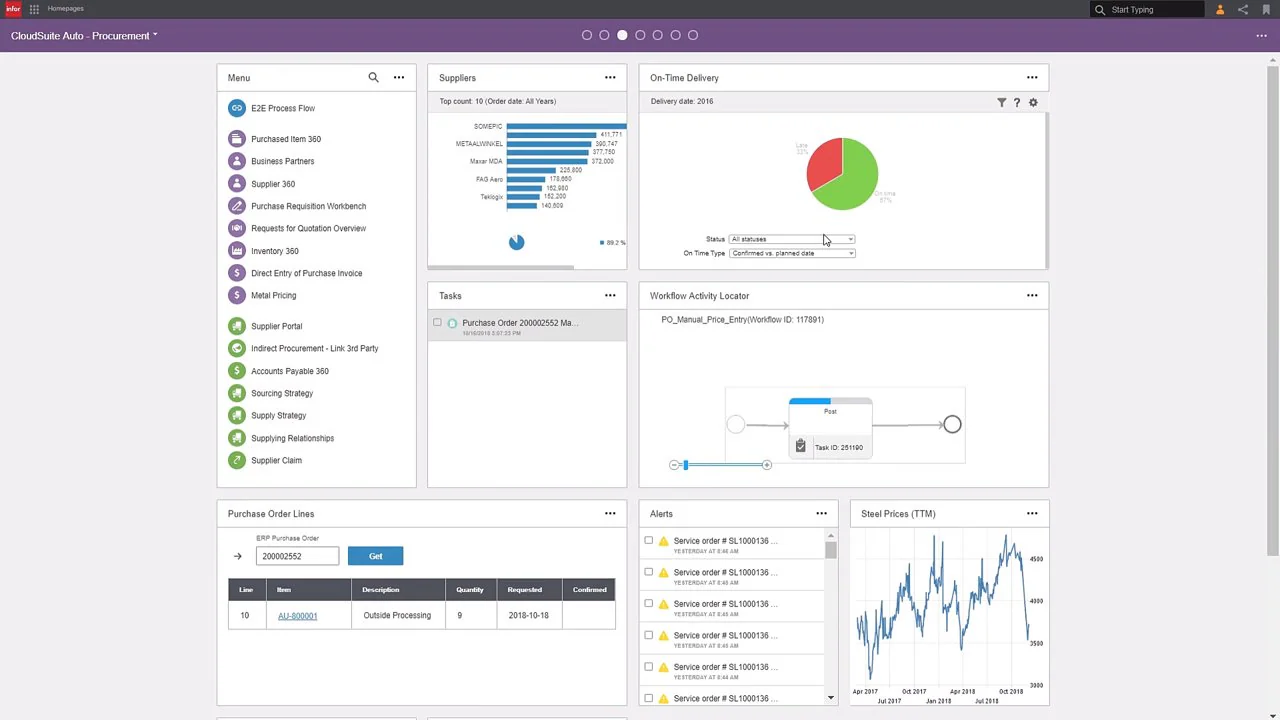
By leveraging pre-built distribution software best practices, Infor LN streamlines processes, enabling faster delivery of products and services through preconfigured capabilities, tools, training, and analytics.
The platform further distinguishes itself by offering automated monthly updates with zero downtime, eliminating costly upgrade projects, and allowing businesses to preview and adopt innovative features at their own pace through toggle on/off switches.
Conclusion
The trading system has standard rules starting from stock selection, entry point to main point. Automated trading system makes the trading process easier and more efficient because it is connected to a software. This software is linked to a direct access broker so traders know what to buy or sell. Hash Trading & Distribution offers a solution as ERP Software to optimize and help manage your trading process. You can try the free demo and start your trading journey now with Hash Trading & Distribution.

FAQ
A trading strategy is the idea behind a trade, such as buying on a breakout. A trading system turns that strategy into a complete set of rules covering stock selection, entry, exit, position size, and risk limits, so decisions can be tested and repeated consistently.
Trading systems are usually grouped as discretionary, where the trader makes the final call within a set of guidelines, systematic, where fixed rules decide entries and exits, and automated, where software executes those rules through a broker without manual input.
It can be, but there is no guarantee. Results depend on the quality of the strategy, testing, trading costs, and risk management, and past performance does not guarantee future returns. Review how a system behaves in different market conditions before committing real capital.
No. ERP software manages business operations such as purchasing, inventory, sales, finance, and reporting for trading and distribution companies. Placing trades in financial markets needs a broker platform or dedicated trading software, although an ERP can support the records, reporting, and financial controls around trading activity.
Cost depends on the number of users, modules, deployment model, and implementation scope. Many vendors quote on request, so ask for a written breakdown covering licences, implementation, training, and support, and check whether any Singapore grants apply to your business.