








Key Takeaways
SAP (Systems Applications and Products) system is an ERP software that integrates various business functions into a single platform, facilitating efficient management of finances, logistics, and other operations.
The SAP system consolidates data from all integrated business functions, facilitating communication and monitoring of performance progress.
HashMicro offers various SAP modules including Sales, Inventory, Accounting, and Procurement, each designed to streamline specific business processes and improve overall efficiency.
Various industries such as Manufacturing, Retail, and Construction utilize HashMicro’s SAP system to enhance production, supply chain efficiency, and project management.
Choosing an ERP system can be challenging when a solution offers extensive capabilities but may not fully match your business needs. SAP provides a range of enterprise management tools, yet its implementation costs, system complexity, and suitability for different business sizes can raise questions about whether it is the right investment.
This SAP review explores its key features, advantages, and limitations to help you understand what the system offers in practice. By examining its capabilities alongside potential alternatives, you can determine which solution best fits your operational requirements and long-term business goals.
Frequently Asked Questions
SAP ERP is enterprise resource planning software from SAP SE that integrates core business processes and shared data across an organization.
SAP ERP centralizes data from connected departments and applies shared workflows and business rules so transactions can update related processes and reports.
The main advantages are broad process coverage, integrated data, scalability, and governance for organizations with complex requirements.
Alternatives include HashMicro and other ERP platforms. Compare features, implementation effort, integrations, support, and total cost against your requirements.
Definition of SAP ERP
SAP ERP is enterprise resource planning software developed by SAP SE, a software company that provides applications for managing core business processes. The platform connects finance, procurement, supply chain, manufacturing, sales, human resources, and other functions so organizations can work with shared data and consistent processes.
Because SAP is the software company and SAP ERP is the product category, the terms should not be used interchangeably. SAP provides several ERP products for different organization sizes and requirements, while each implementation is configured around the customer’s processes, data, and compliance needs.
How Does SAP ERP Work?
SAP ERP works by collecting operational data from connected departments in a central database and applying shared business rules to that data. For example, a confirmed sales order can update inventory availability, create a delivery requirement, and post the appropriate accounting entries without re-keying the same information in separate systems.
Role-based workflows, approvals, reporting, and integrations then turn these transactions into operational insight. The exact modules, integrations, and deployment model depend on the SAP product and the organization’s requirements, so implementation planning and user training remain important parts of the project.
Key Features of SAP ERP
SAP’s official ERP information describes capabilities that help organizations coordinate finance and operations on a common platform. Key features include:
- Financial management: accounting, financial close, planning, and reporting supported by connected business data.
- Procurement and spend management: purchasing workflows, supplier processes, and spend visibility.
- Supply chain management: planning, inventory, logistics, and fulfillment processes linked across the organization.
- Manufacturing management: production planning and execution supported by real-time operational information.
- Analytics and intelligent automation: embedded analytics, dashboards, and automation that help teams monitor performance and act on exceptions.
HashMicro module examples include SAP ERP sales module, the SAP ERP inventory system, the accounting module, and the procurement module. These examples show how ERP capabilities can be mapped to specific operational workflows.
Advantages and Disadvantages of SAP ERP
Independent software explainers commonly highlight SAP ERP’s breadth and integration, while also noting that the value depends on implementation scope and organizational readiness. The following summary is based on guidance from Forbes Advisor’s ERP guide and PCMag’s ERP software coverage.
Advantages
- Broad process coverage: a mature suite can support finance, supply chain, procurement, manufacturing, sales, and reporting in one operating model.
- Integrated data: shared master data and workflows reduce duplicate entry and make cross-functional reporting easier.
- Scalability and governance: configurable controls, roles, and audit trails can support growing or regulated organizations.
Disadvantages and considerations
- Implementation effort: configuration, data migration, testing, and change management can require substantial time and specialist support.
- Total cost of ownership: licensing, implementation, integration, training, and ongoing administration should be assessed together.
- Complexity for smaller teams: organizations with simpler processes may find a broad suite more functionality than they need, which can increase adoption demands.
These are practical trade-offs rather than a judgment on SAP’s quality. Fit depends on business complexity, internal capability, budget, and the level of control the organization needs.
HashMicro as One of the SAP ERP Alternatives
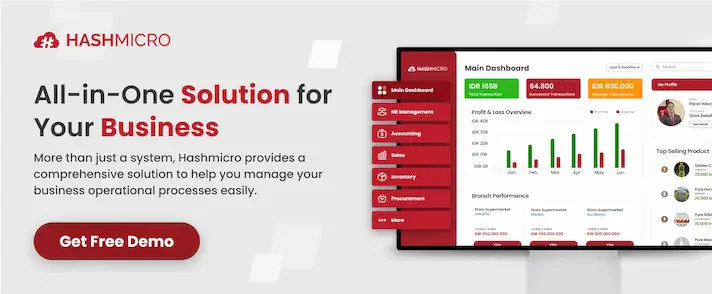
HashMicro is an ERP alternative for businesses that want an integrated system with a focused implementation path and configurable modules. Its platform brings core operations into one environment, including accounting, inventory, procurement, sales, human resources, and industry-specific workflows.
Businesses can select the modules relevant to their operations and connect them through shared data. Features such as inventory control, purchasing approvals, sales management, accounting automation, dashboards, and role-based access help teams manage day-to-day work without maintaining separate tools for every department.
Businesses researching SAP alternatives can also review HashMicro’s ERP system, Hash Core ERP, and SAP system alternatives guide for additional context.
To compare scope and workflows directly, review HashMicro vs SAP. The right choice should be based on required features, implementation resources, integration needs, and the level of support your team expects.
Conclusion
SAP offers comprehensive ERP capabilities for businesses seeking to integrate operations and manage complex processes. However, its implementation costs, configuration requirements, and learning curve may present challenges, particularly for businesses with limited resources or specific operational needs. Before making a decision, consider whether SAP's capabilities justify the investment and implementation effort required.
Comparing SAP with other ERP solutions such as HashMicro can help you find a system that balances functionality, cost, and ease of implementation. If you need help finding the right ERP solution for your business, book a free consultation to discuss your operational needs and explore a system that fits your goals and budget.