










 Limited to 100 registrants


Early-stage startups often manage finances, inventory, sales, and operations with separate spreadsheets and tools. This works at first, but as the business grows, data becomes fragmented and manual updates slow down every process.
ERP software for startups brings these core workflows into one integrated system. It reduces manual errors, gives teams shared data for faster decisions, and adds the operational structure needed to scale.
Key Takeaways
ERP software for startups integrates finance, sales, inventory, and operations in one platform instead of separate apps.
Workflow automation and automated reporting reduce manual work, errors, and repetitive tasks across teams.
ERP supports startup growth through scalability, standardized workflows, and clearer business data.
What Is ERP Software for Startups?
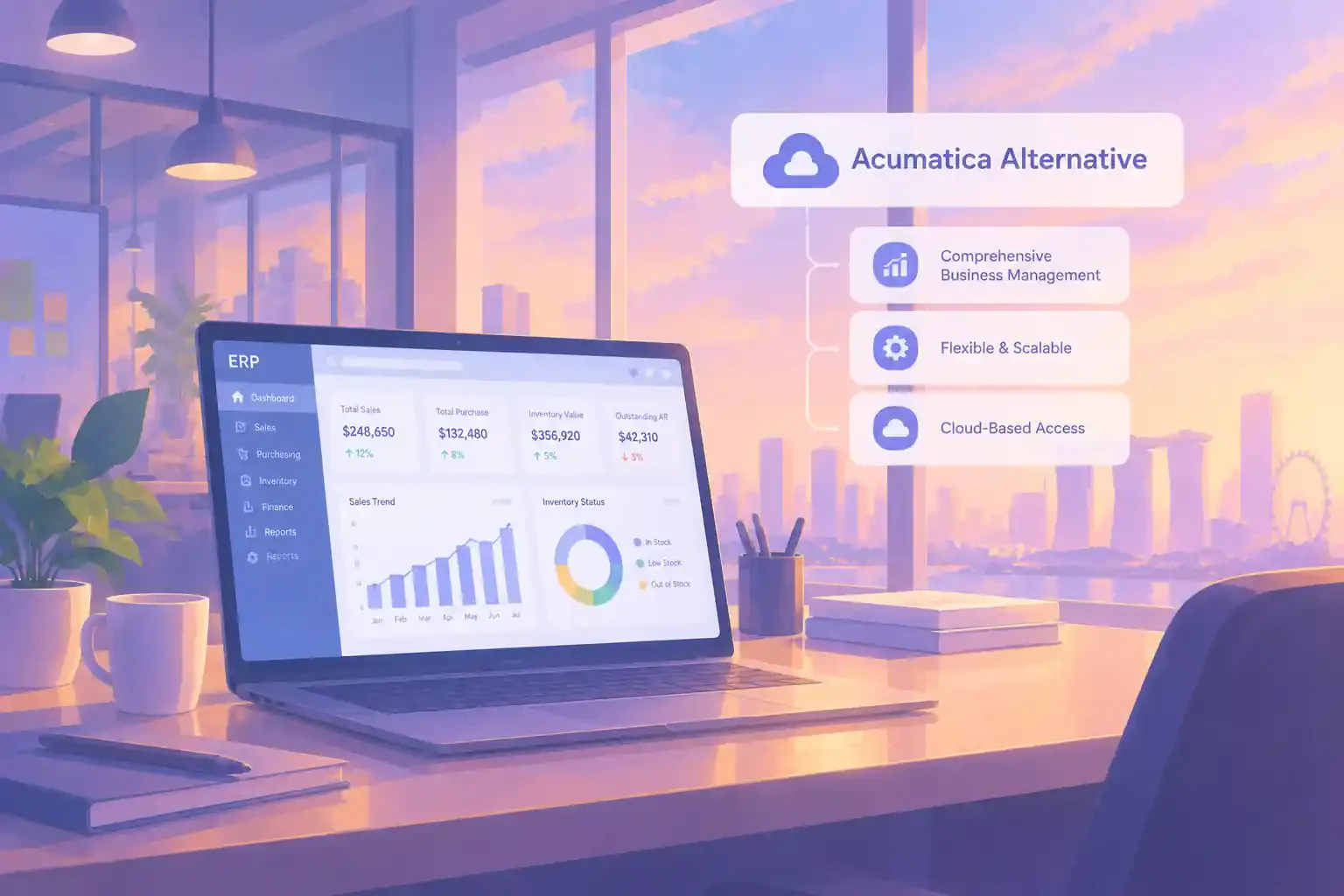
ERP software for startups is a unified platform that connects core business processes, such as finance, sales, inventory, procurement, HR, and production, on a single database.
Separate apps each store their own data, so teams re-enter information and reconcile figures by hand. With ERP, a sales order can update stock levels, invoices, and financial records from the same source of data.
Common Operational Challenges for Startups
Startups face operational pressure that increases as the business grows. The challenges below are typical for growing teams.
- Limited cash flow: The runway often depends on uncertain revenue and funding timelines, so every cost and purchase needs close control.
- Limited workforce: Lean teams share overlapping roles, and hiring or retaining skilled staff is difficult, so manual tasks take up valuable time.
- Fragmented data: Finance, sales, and inventory records sit in separate files and tools, which leads to conflicting figures and slow reporting.
- Difficulty managing growth: More orders, products, and staff expose process gaps that informal methods cannot handle.
ERP software addresses these challenges by standardizing workflows and centralizing data.
Benefits of ERP Software for Startups
ERP offers four core benefits for startups that need to keep costs and operations under control.
Reduce operational costs
Cash flow matters, especially when the runway is tight. ERP reduces operational costs by automating repetitive work and providing real-time data, so teams avoid costly mistakes and rework.
Workflow automation
Many startups run lean teams with overlapping roles. ERP automates approvals and day-to-day workflows, such as purchase approvals, invoice matching, and vendor tracking. This saves time and reduces the need to add headcount too early.
Automated reports
ERP compiles reports from one system instead of scattered spreadsheets. Founders spend less time preparing data and more time reviewing finance, sales, inventory, or project performance.
Better visibility across teams
With a centralized system, key information is easier to access and share. Every department works with the same data and priorities.
7 Ways ERP Software Supports Startup Growth
Each point below covers a different way ERP supports startup growth, from revenue operations to data access.
Automate the Order-to-Cash Process
Manual order processing, fulfillment, and invoicing increase errors and slow cash collection. An ERP automates most of the workflow and connects finance, sales, and fulfillment for faster, more accurate revenue reporting.
Improve Market Analysis with ERP Data
ERP consolidates sales data, customer trends, and performance reports in one place. Teams can review which products sell best, how customer buying patterns change, and how each sales channel performs.
These findings support pricing, stock, and marketing decisions. ERP does not predict market changes by itself. It supplies the data that people analyze.
Prepare Operations for Business Growth

Standardized workflows keep processes consistent as teams and order volumes increase. Many ERP platforms also let businesses add users or modules as needs expand, so startups can begin with core functions such as finance and inventory and extend the system later.

Improve Production Cost Control
This benefit applies mainly to startups that run production. ERP records material costs, purchasing, production expenses, and defects in one system, so teams can see the cost of each batch or product and spot waste or quality issues sooner.
Access Real-Time Business Reports
ERP dashboards and reports show current performance across finance, sales, inventory, and operations, so teams can monitor the business as it runs. Role-based access keeps sensitive data limited to the right people.
This differs from market analysis. Monitoring tracks internal performance, while market analysis studies sales and customer trends.
Strengthen Customer Relationship Management
When CRM is part of the ERP or integrated with it, customer data, sales activities, and follow-ups sit in one database. Sales teams can see order history and open quotations, and follow-ups are tracked, which supports faster and more consistent responses.
Not every ERP includes a CRM module, so confirm this when evaluating a platform.
Access Business Data Across Devices
Cloud-based ERP can be accessed through a browser, and some platforms also offer mobile apps. Founders and teams can then check orders, stock, and reports away from the desk. Access depends on the platform, so confirm device and mobile support before choosing.
Also read : The Powerful Impact of Cloud ERP for Small Business
Key Features of ERP Software for Startups
ERP platforms give startups tools to manage money, operations, and growth in one place. Features vary by vendor and module, so the table below describes common capabilities rather than what every platform offers.
| Feature | What it does for a startup |
|---|---|
| Budgeting | Supports budget planning and compares actual spending against budget to control costs. |
| ROI tracking | Compares costs and returns by project or investment, when the system supports project costing and financial reporting. |
| Dashboard | Shows key operational and financial data in one view for faster monitoring. |
| Sales forecasting | Uses historical sales data to support revenue projections. Accuracy depends on data quality. |
| Asset management | Records assets, depreciation, and maintenance schedules to improve accountability, in platforms with an asset module. |
| Lead management | Organizes leads and follow-ups, typically through a CRM module or integration. |
Check which of these features match your workflows before choosing a platform, so you pay only for what the team needs.
"ERP software for startups delivers the most value when data is integrated from the start. When finance, sales, and inventory share one source, workflows can be automated with fewer errors, and the business is operationally ready to grow."
Conclusion
ERP helps startups scale by centralizing workflows, reducing manual work, and improving visibility across teams. This leads to faster decisions and fewer errors.
As competition grows, startups relying on manual tools often fall behind due to slower execution and weaker control over operations and data.
Start by mapping your main bottlenecks and priority workflows. If needed, a short consultation can help validate what to implement first.

Frequently Asked Questions
Startups need ERP software to streamline operations, reduce manual work, and support scalability as the business grows.
ERP software is modular, so startups can begin with the modules they need and add others later. Pricing varies by vendor and scope, so request a quotation to compare costs.
Key features include financial management, customer relationship management (CRM), inventory tracking, and reporting tools that help startups operate efficiently and make data-driven decisions.