












Why are more companies rethinking the way they run their core systems today? As operations grow more complex, relying on on-premise ERP often means higher maintenance costs, slower updates, and limited flexibility when the business needs to move fast.
Cloud-based ERP changes that dynamic by shifting infrastructure, updates, and scalability to the cloud. Teams can access real-time data anywhere, collaborate across locations, and adapt processes without being tied to physical servers.
As businesses look for systems that support growth without adding operational burden, the cloud offers a more practical and resilient foundation. This is why cloud-based ERP has become the choice for businesses.
Key Takeaways
|
What is Cloud ERP?
Cloud ERP is an enterprise resource planning (ERP) solution hosted on a vendor’s cloud platform, allowing organizations to access it via the internet rather than through on-premises networks.
This software streamlines and automates vital financial and operational processes, consolidating data from sources such as inventory, orders, and supply chain management. It facilitates tasks such as procurement, production, distribution, and fulfillment.
Given the broad range of functionalities involved, an ERP system must ensure widespread availability across business units, regardless of employees’ locations, and provide a coherent, real-time overview of data.
Cloud-based ERP services fulfill these criteria effectively. As users access the software via the internet, all that’s necessary is an internet connection and a web browser.
Cloud ERP vs Conventional ERP
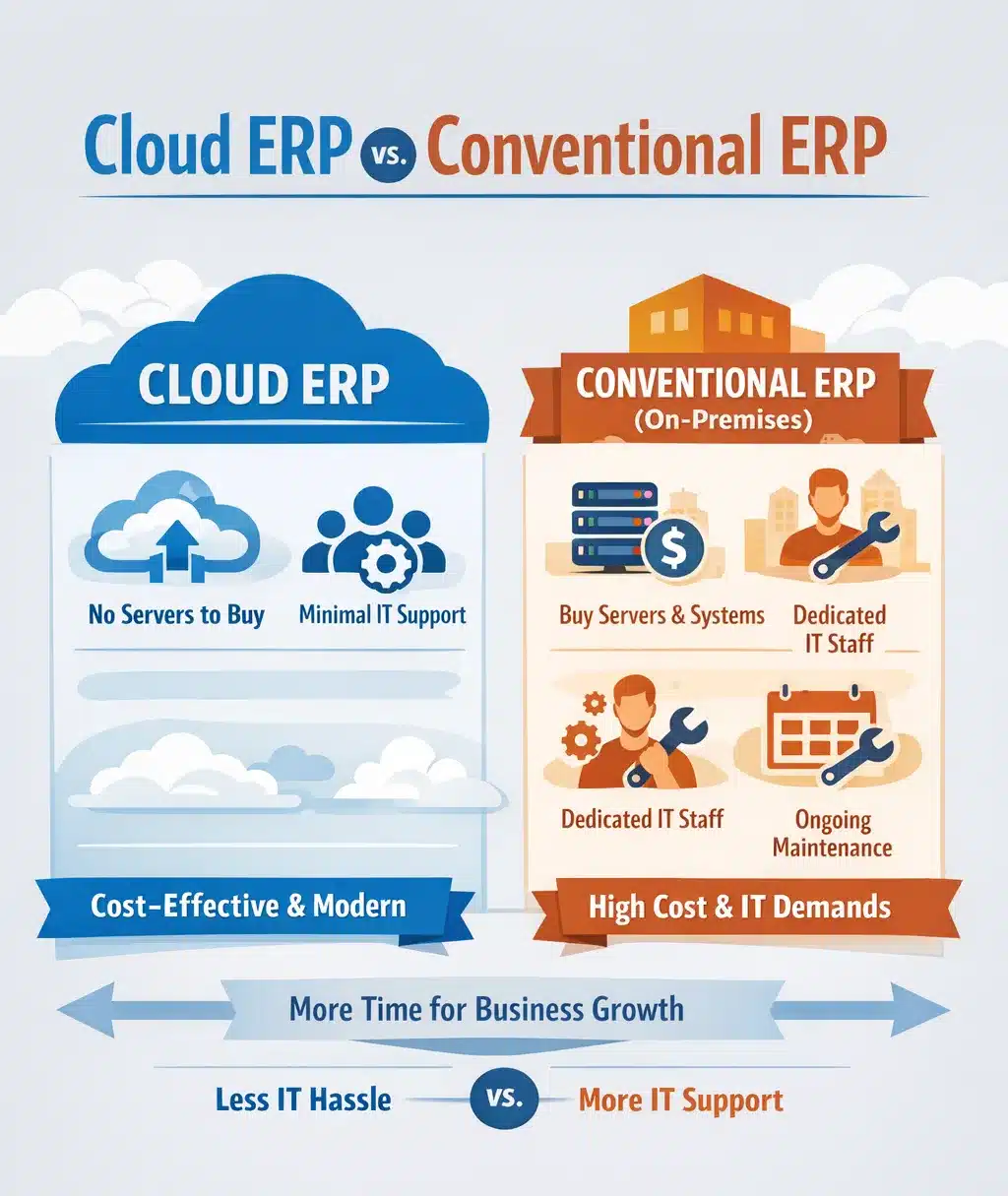
To fully understand cloud-based ERP, you need to have a good understanding of what makes it different from conventional ERP. Conventional ERP is usually called on-premises ERP. On-premises is a system of ERP software and tools installed locally on hardware and managed by an IT person or team. To use on-premises ERP, you have to buy the outsourced servers and operating systems, and hire an IT staff. It will cost a lot.
On-premises applications require ongoing support from IT staff to keep your system up to date, rather than focusing on initiatives to drive business growth. However, deploying an ERP requires little to no involvement from IT staff. So that your team can elevate their value to the business by spending more time on tasks to support your business growth. Simply, on-premises requires more cost and support than the cloud one which is more practical and modern.
To fully understand, take a look at this infographic.
The Benefit of Cloud ERP
As is well-known, cloud ERP systems make business operations easier. But, do you know the main benefit to be a reason why you have to move to cloud ERP? Here are 5 answers:
- Rapidly updates and upgrades
Cloud ERP offers instant updates and upgrades, so you never have to worry because you are using the most up-to-date technology to complete your business needs. It will help you get to the surface of your business, because the best technology is always in your hands. - Adjustment
Cloud ERP can be designed according to your business needs. Not only that, but you can also adjust the making of the software to the budget you have and still achieve optimal results. With this, you will get a system that makes it easier to access real-time information in your business operations. The system will provide everything you need to improve your business flow by boosting efficiency. - Sales automation
With Cloud ERP, your partners, loyal customers, vendors, and all potential customers can connect to your system seamlessly, anytime, anywhere. This will make it easier for you to optimize sales through various strategies. As we know, sales are the main destination for every business. - Highest security standards
As mentioned, cloud ERP generally offers world-class security to protect your data, including customer data. With the system, you can ensure that all your company data is safe and not easily accessible to everyone. This is very important because data is also an important company asset. - Transparency costs
When you deploy the systems, you can easily and transparently predict the cost. In addition, there are no unexpected expenses related to software updates or technology upgrades for the system. So you can estimate the company’s monthly expenses due to fixed costs.
Cloud ERP Solutions Recommendations
There are numerous cloud-based companies, but here are five cloud-based ERP software companies you should be aware of before investing in cloud ERP for your business. Use the following list to compare cloud-based ERP vendors:
1. Oracle
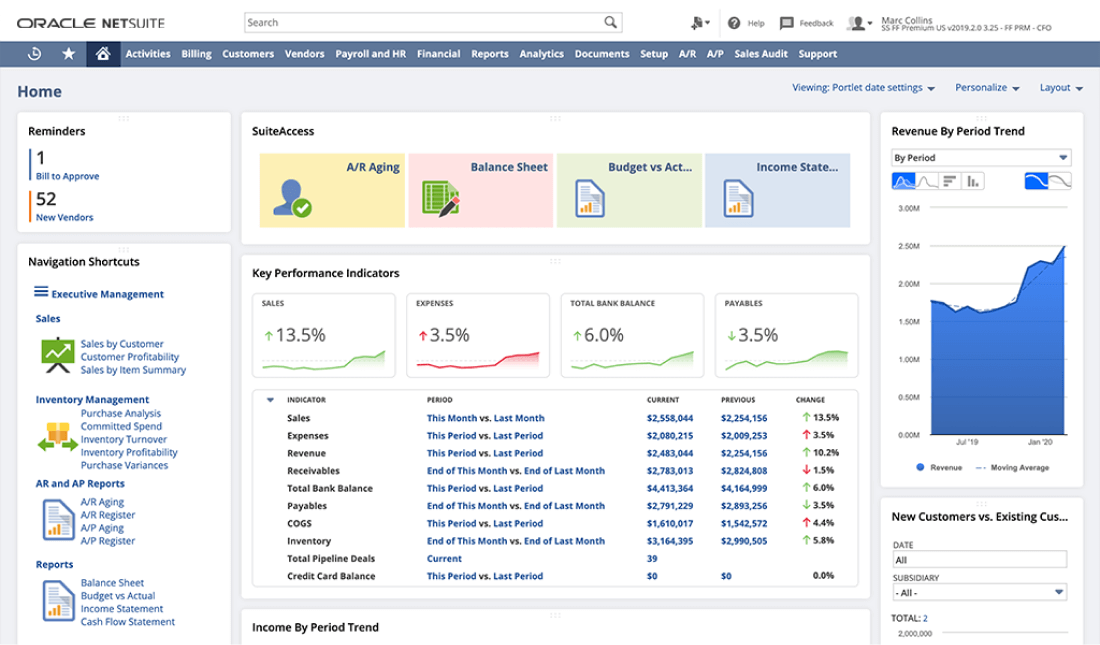
From my experience, Oracle ERP Cloud provides a solid business foundation with well-known solutions. I also appreciate that its pricing is flexible, allowing you to run the app whenever you want. Payments can be adjusted based on the features you use, with no contracts or conditions.
Furthermore, Oracle offers a 1 to 7 year agreement, with costs depending on the module you select.
I have found Oracle ERP especially useful for managing a global business environment, as it helps coordinate different locations and teams seamlessly. Moreover, if any issues arise, Oracle provides customer support staff who are available 24 hours a day, 7 days a week to assist you.
2. Scoro
 In my experience, Scoro’s detailed performance management helps me handle multiple tasks and team activities efficiently. I also value that it includes a CRM for broader sales, s, as well as insightful reporting and analytics tools.
I have found Scoro particularly useful in supporting business growth from sales to billing, as it provides all the tools I need within a single comprehensive solution.
What stands out to me is Scoro’s ability to organize and update portfolios, align projects with budgets, and prioritize billable work over non-billable tasks. The dashboard design allows you to see all of your ongoing and completed projects at a glance.
3. HashMicro
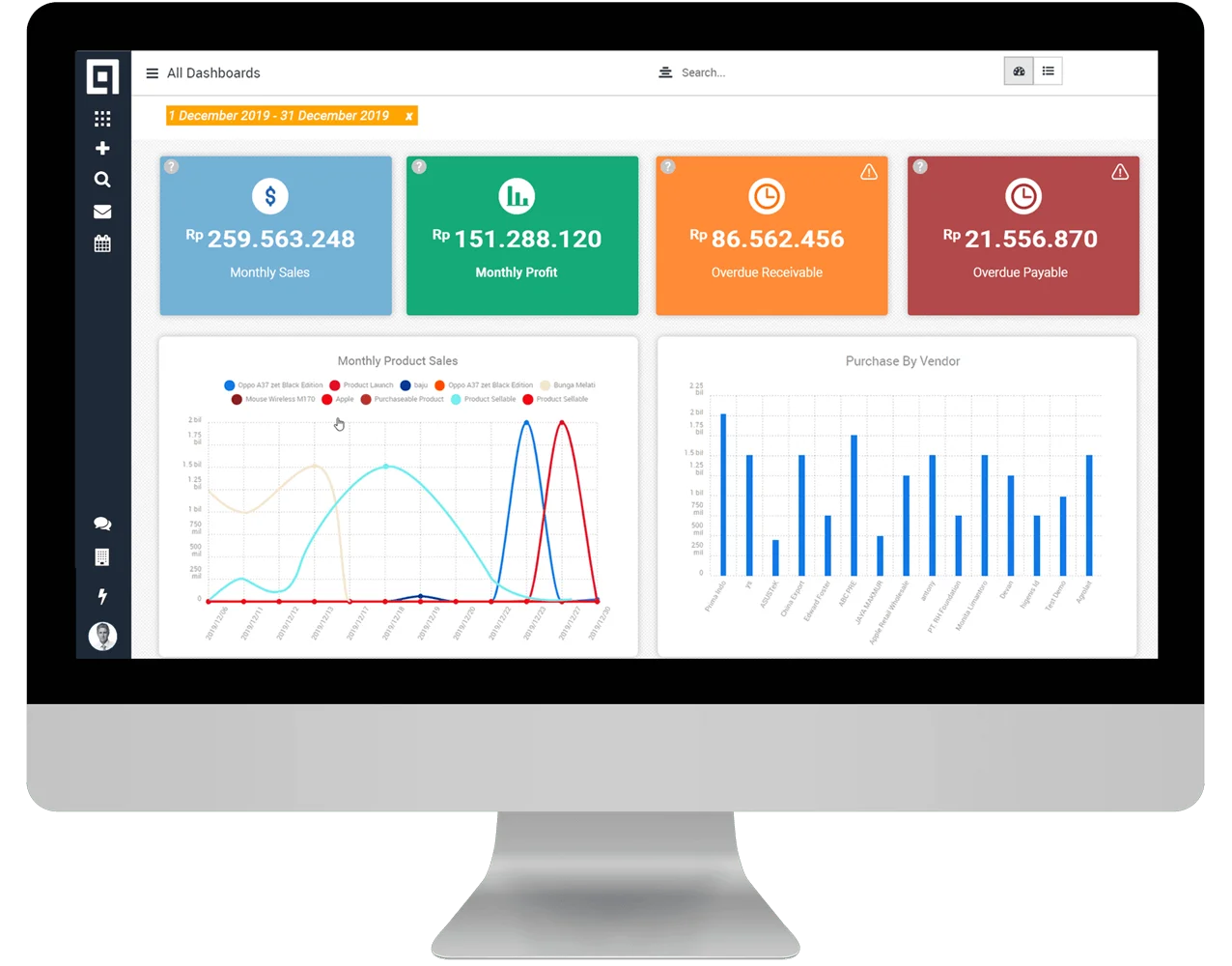
HashMicro is a cloud ERP solution provider, offering systems with cutting-edge features. This organization ensures that ERP professionals are properly trained. This software is free for as many users as possible within the same company.
As a result, I see HashMicro as a customizable solution that fits a company’s type, structure, needs, and goals. HashMicro has years of experience operating in various countries.
To put it another way, HashMicro has provided business software solutions to thousands of customers in industries such as trading and distribution, construction, engineering, manufacturing, food and beverage, education, and professional services.
As I explored their offerings, I discovered that they provide integrated accounting systems, inventory management, HRIS, CRM, and more. If you’d like to learn further, you can download the ERP software pricing scheme calculation here:

4. Odoo
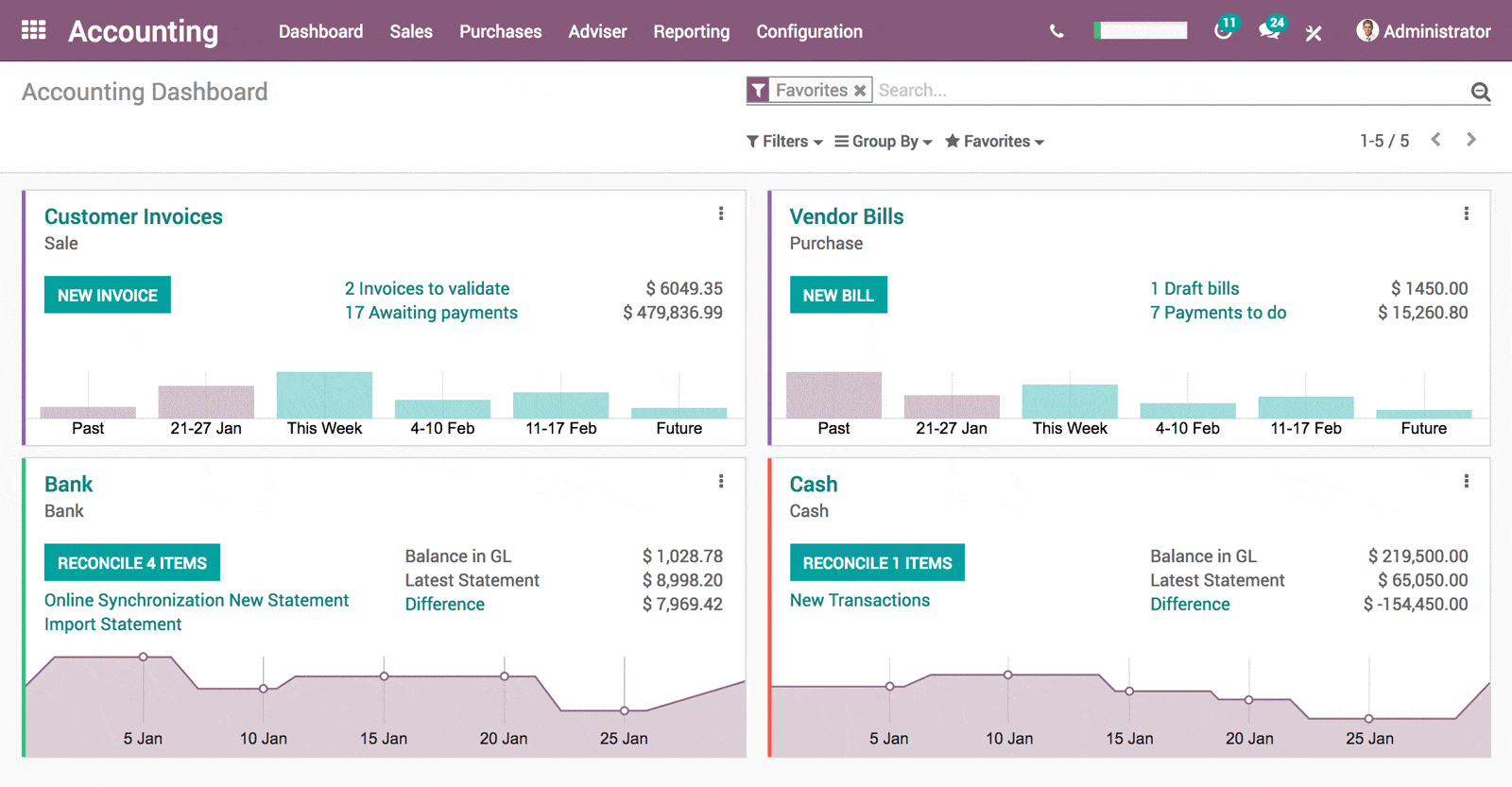
I have found that Odoo is a cloud-based, open-source platform with a variety of modules worth exploring. It caters to accounting and financial management, CRM and sales, purchasing, invoices, costs and payments, HR and recruitment, eCommerce, timesheets, project management, and more.
From my perspective, this platform supports businesses with applications that can be customized to your specific needs. Payments are flexible, the price list offered is also available on the official website of the Odoo platform. This scheme benefits you, allowing you to plan other expenses to take care of your business.
If you are exploring options beyond Odoo Cloud ERP that are not included in this list, I recommend checking out our detailed article on the Odoo alternatives or reading our in-depth Odoo review before making a decision.
5. Sage Inttact
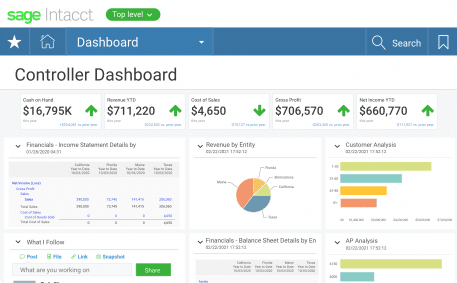
I’ve observed that Sage Intacct, which is AICPA certified, provides comprehensive solutions for financial management in businesses. I find its cloud-based platform ensures accurate accounting and also includes extensions for inventory management, bank reconciliation, sales tax, and multiple currency support.
I find that major business security standards safeguard all financial information, while the analytics engine generates insightful reports that support company growth. I’ve noticed that Sage Intacct can also help minimize the risk of projected revenue by relying on realistic cost accounting and margins.
In my view, pricing is based on bids that include uptime guarantees and reliable future upgrades. As a web-based platform, Sage Intacct is accessible on various systems, including desktop, iOS, and Android.
Also read: Get to Know Fulfillment Process and Functions!
Conclusion
Numerous business activities require Cloud ERP-based software. You can use cloud ERP software at any time as long as you have access to the internet. The benefits of cloud-based ERP have piqued the interest of many businesses looking to automate and streamline their operations.
Need help deciding what solution fits your business? Consult with our experts on your business concerns and receive practical guidance tailored to your operational needs and growth plans.
Frequently Asked Questions About Cloud ERP Solutions
What is a cloud ERP solution?
A cloud ERP solution is enterprise resource planning software hosted on a vendor’s cloud platform, providing real-time access to business processes and data via the internet.What is the difference between cloud ERP and traditional ERP?
Cloud ERP is delivered through the internet and hosted on the vendor’s servers, offering scalability, lower upfront costs, and easier updates. Traditional ERP, on the other hand, is installed on local servers, requiring significant infrastructure, higher initial investment, and manual system upgrades and maintenance.What is the difference between cloud ERP and on premise ERP?
Cloud ERP runs on the vendor’s cloud environment with flexible access and lower upfront costs, whereas on-premise ERP is deployed within a company’s own servers, offering more control but requiring higher investment in hardware and IT management.