

















Financial reporting software simplifies organizing, analyzing, and presenting financial data. Automating key tasks like generating income statements, balance sheets, and cash flow reports ensures accuracy and compliance with accounting standards, saving you time and effort.
Choosing the right financial reporting software can reduce the hours spent managing finances by up to 50%. It’s crucial to pick a solution that fits your company’s needs and scales with your goals.
This article will explore the 20 best financial reporting software in Singapore for 2026. Ready to streamline your reporting? Try our free demo today and see how it can help your business thrive.
Key Takeaways
Financial reporting software streamlines tasks, ensures compliance, and provides valuable insights to boost growth.
Benefits include fewer errors, cost savings, better planning, and improved efficiency through automation.
Features like automated data aggregation, templates, and BI/AI capabilities enhance accuracy and strategic planning.
For a complete solution, consider HashMicro’s Accounting Software with its full range of financial reporting features.
20 Best Financial Reporting Software – Highlights
- HashMicro: Bank integrations & auto reconciliation for accurate financial data.
- Datarails: Automated data analysis with visual financial reports.
- Vena: Excel-based interface with Power BI & PowerPoint integration.
- LicenseOne: Optimize SaaS spending and track software usage.
- Phocas: Advanced analytics with interactive financial dashboards.
- FreshBooks: Bank account sync for automatic financial tracking.
- Sage: Full audit trails for financial data integrity.
- Tipalti: Streamline global accounts payable & procurement.
- Insightsoftware: ERP integration with customizable financial reporting.
- Xledger: Real-time financial insights for business snapshots.
- Workiva: Automated financial document collaboration.
- Tagetik: What-if scenario analysis for financial planning.
- Planful: Operational & financial intelligence for planning and budgeting.
- Anaplan: End-to-end business performance monitoring.
- Prophix: Automated budgeting & forecasting for accurate planning.
- Workday: Flexible financial modelling for quick adjustments.
- Cube: Streamlined financial report compilation and tracking.
- Jedox: Robust data security for financial planning integrity.
- Syntellis: Enhanced database administration for accurate reporting.
- OneStream: Unified financial consolidation of operational data.
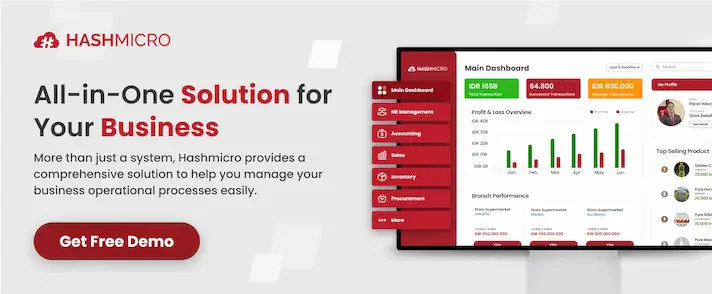
What is Financial Reporting and Analysis Software?
Did you know financial reporting software can simplify managing your finances and provide clearer insights? It automates complex tasks, making financial data more accurate and accessible. Primarily used by financial teams, it helps ensure compliance and supports informed decision-making.
By automating data collection and analysis, this software saves time and reduces errors. It’s essential for businesses aiming to optimize financial strategies, manage spend aggregation, control costs, and drive growth, while aligning financial data with company goals for long-term profitability.
20 Best Financial Reporting Software in 2026
The right financial reporting software is more crucial than ever to ensure accuracy, efficiency, and strategic insight. In this context, we’ve curated a list of Singapore’s 20 best financial reporting software options.
1. HashMicro Financial Reporting Software
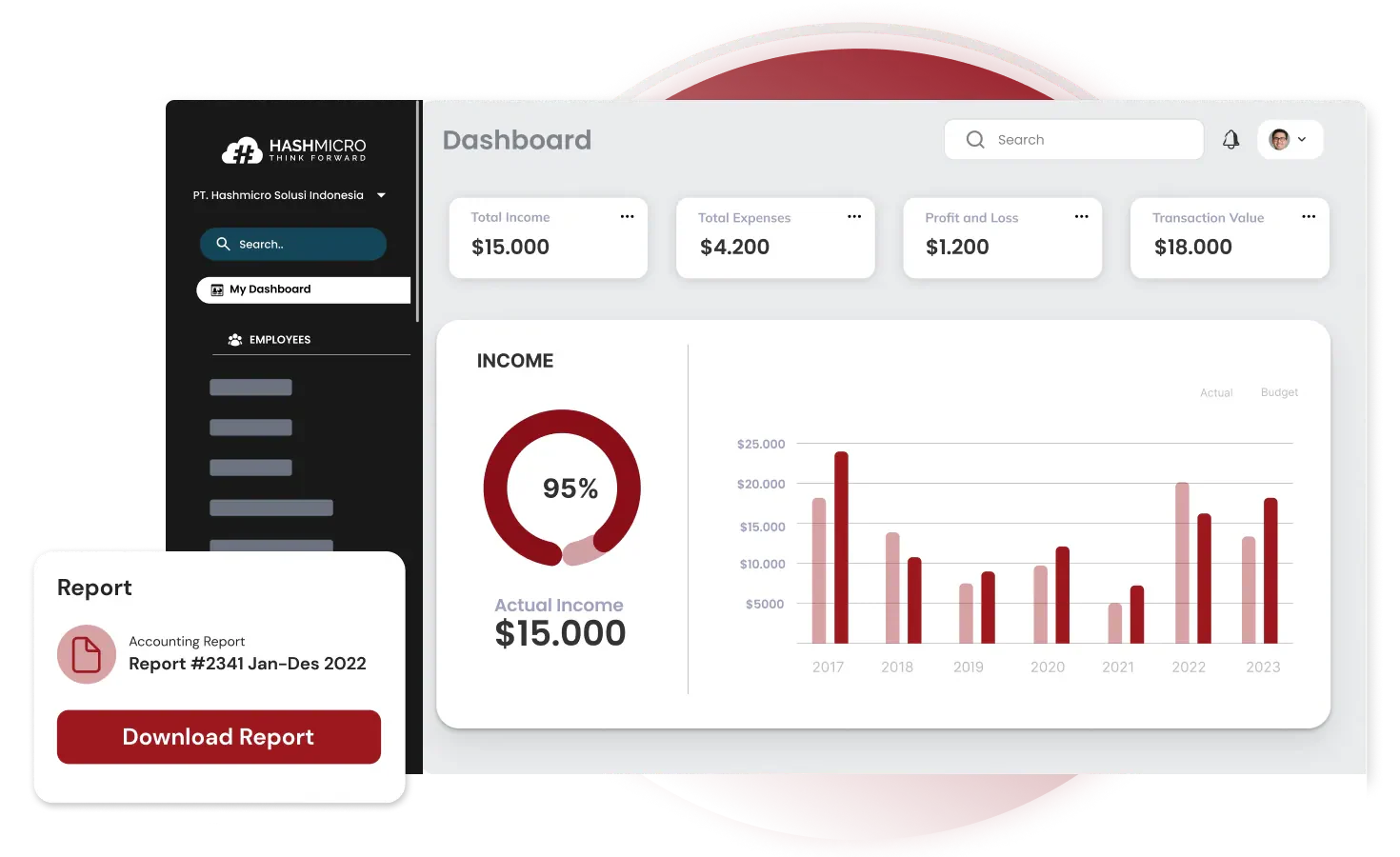
Why I picked it: Strong for teams that want financial reporting tied directly to day-to-day ops (purchasing, inventory, sales) so numbers reconcile faster and stay audit-ready.
Rating: 5.0/5
HashMicro is one of Singapore’s top financial reporting software solutions, known for its reliability and precision. With more than 1750 clients, HashMicro helps businesses streamline their financial processes effectively with its comprehensive software solution.
HashMicro offers a range of benefits such as unlimited user licenses, free demo service, comprehensive features, and the ability to integrate various modules.
Designed to meet the needs of every industry, HashMicro is especially useful for enterprises and large-scale businesses. Its scalability and robust functionality support complex financial management requirements.
Key features:
- Bank Integrations – Auto Reconciliation: HashMicro streamlines reconciliation by automatically matching bank transactions with recorded entries. This reduces discrepancies, ensures accuracy, and simplifies end-of-period reporting.
- Multi-Level Analytical: Businesses can analyze financial data across departments, projects, or other levels of detail. This supports in-depth reporting and informed decision-making.
- Profit & Loss vs. Budget & Forecast: Compare actual results with budgets and forecasts to identify performance gaps. This feature supports timely adjustments and more accurate future planning.
- Financial Statement with Budget Comparison: HashMicro enables direct comparison of financial statements against budgetary projections. This highlights variances, improves financial governance, and supports strategic management.
- Cashflow Reports: Gain a clear view of liquidity and financial health by tracking cash inflows and outflows. These reports help assess operational efficiency and the ability to meet short-term obligations.
- Custom Printouts for Invoices: Tailor invoice documents to align with branding and compliance needs. Customization ensures professional and transparent communication with stakeholders, supporting audits.
| Pros | Cons |
|
|
“HashMicro delivers an advanced, highly customizable finance platform that gives CFOs real-time visibility and strong control over financial operations. It’s ideal for businesses that need flexible automation and enterprise-grade accuracy.”
— Angela Tan, Regional Manager
If you’re curious about HashMicro and willing to explore its full potential, you can find a price scheme to download below.

2. Datarails Financial Reporting Tools
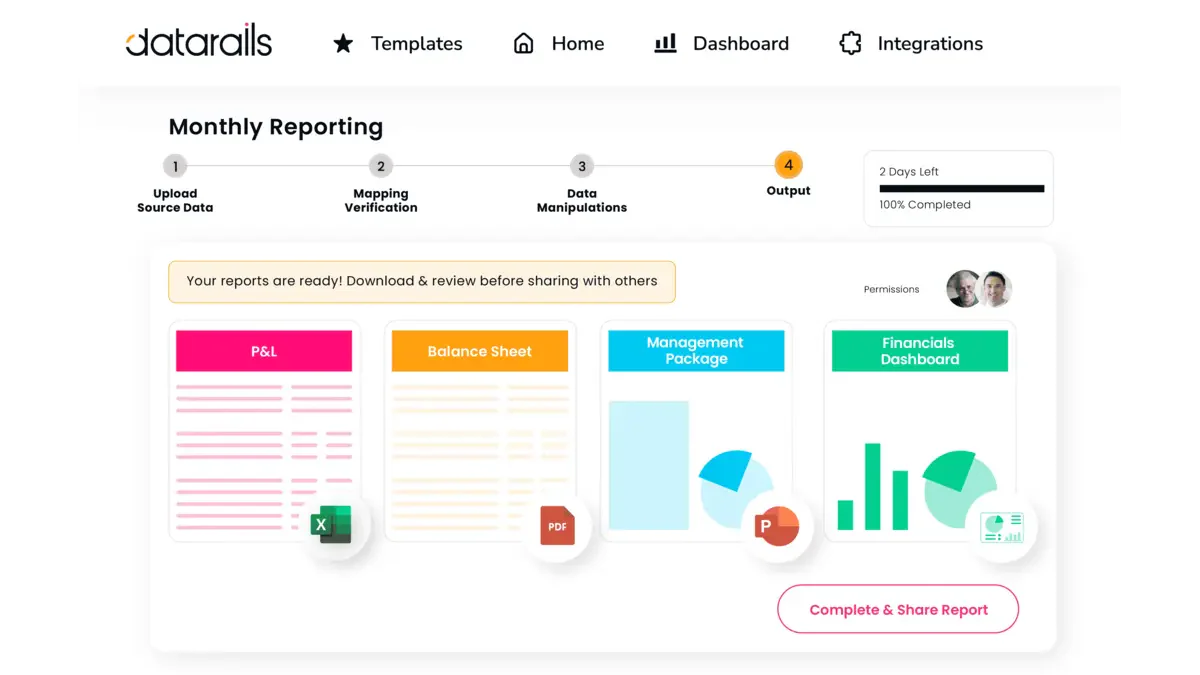
Why I picked it: Best fit if your finance team lives in Excel but needs automation, faster consolidation, and clearer reporting without rebuilding everything from scratch.
Rating: 4.6/5
Datarails is a cloud-based financial planning and analysis platform that specializes in automated data analysis. It offers easy-to-understand charts, graphs, and data visualizations that help demystify complex financial data. By leveraging its powerful data integration capabilities, Datarails allows organizations to consolidate financial data from multiple sources.
This software is ideal for companies looking to enhance their financial decision-making and reporting efficiency by ensuring accuracy and real-time insights.
Key features:
- Data integration
- Automated consolidation
- Customizable dashboards
- Collaboration tools
- Scenario analysis
| Pros | Cons |
|
|
3. Vena Financial Reporting Systems
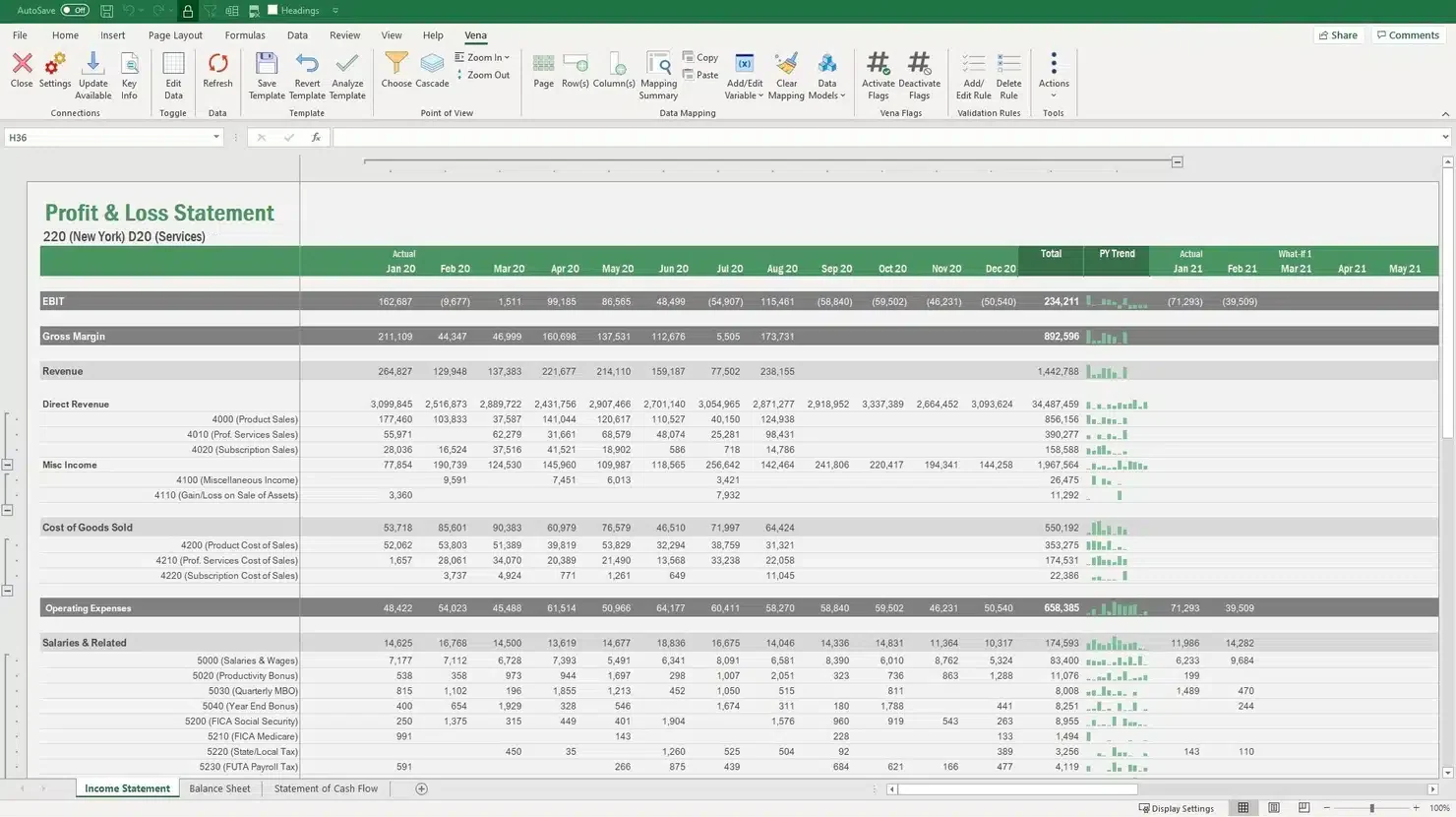
Why I picked it: Ideal when you want an Excel-forward experience with structured planning, collaboration, and stronger controls for management reporting.
Rating: 4.5/5
Vena combines the flexibility of Excel with the robustness of a complete financial planning and analysis (FP&A) platform. It automates many essential financial consolidation and reporting processes. Integrations with Microsoft Power BI and PowerPoint enhance the familiarity of its Excel interface.
Key features:
- Excel interface integration
- Automated reporting
- Scenario planning
- Real-time data access
- Collaborative workflow
| Pros | Cons |
|
|
4. LicenseOne Financial Performance Software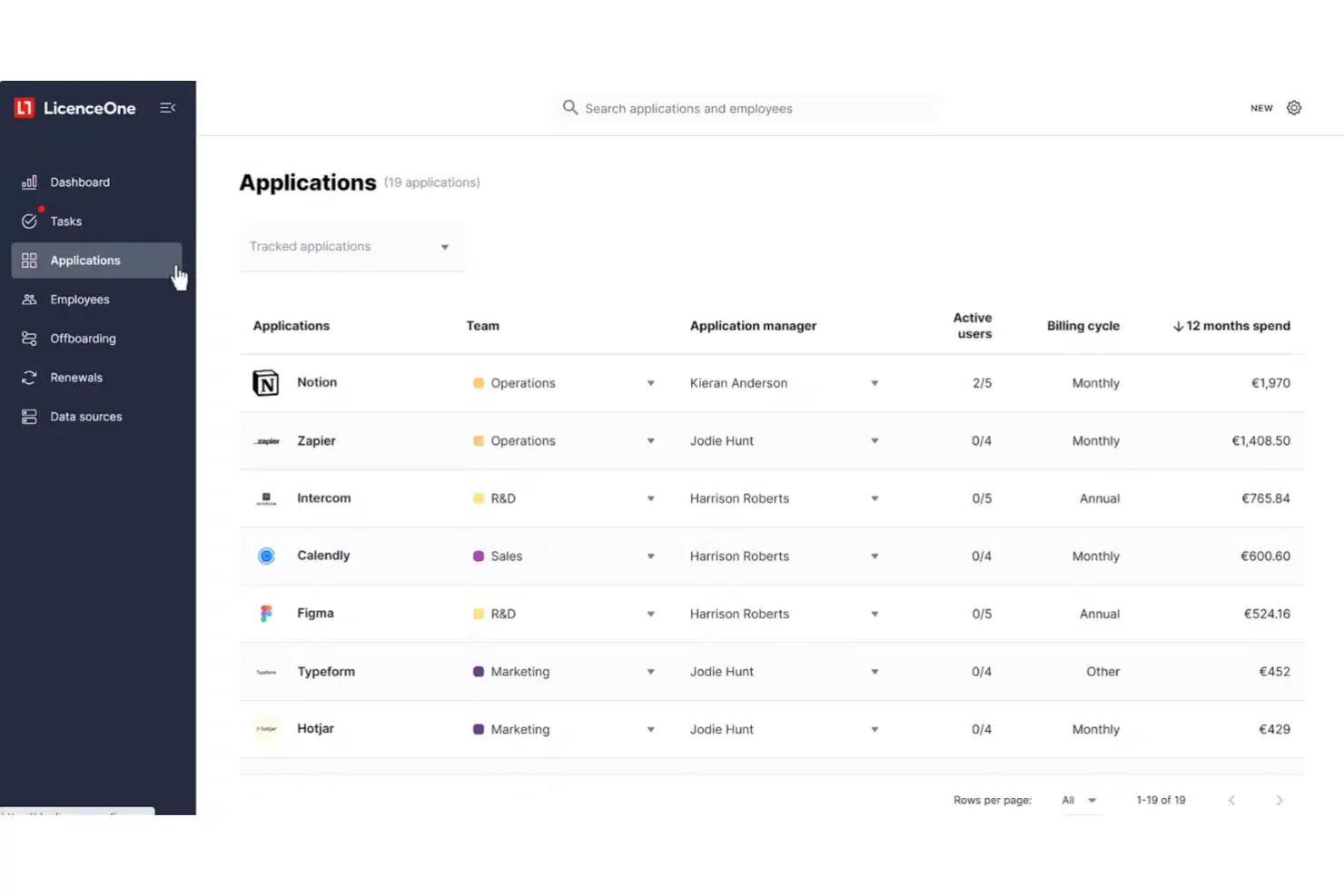
Why I picked it: Useful when finance needs visibility into SaaS spend and license usage, especially to reduce waste and control renewals.
Rating: 4.7/5
LicenceOne is primarily designed as a software management platform that aids businesses in managing their software subscriptions efficiently. By focusing on cost optimization, spend management, and app usage tracking, LicenceOne helps companies avoid overspending on SaaS subscriptions.
Key features:
- License/subscription tracking and easy software license oversight
- Spend visibility for SaaS usage and renewals (based on review positioning)
- Tools aimed at simplifying license management operations
| Pros | Cons |
|
|
5. Phocas Financial Reporting Solutions
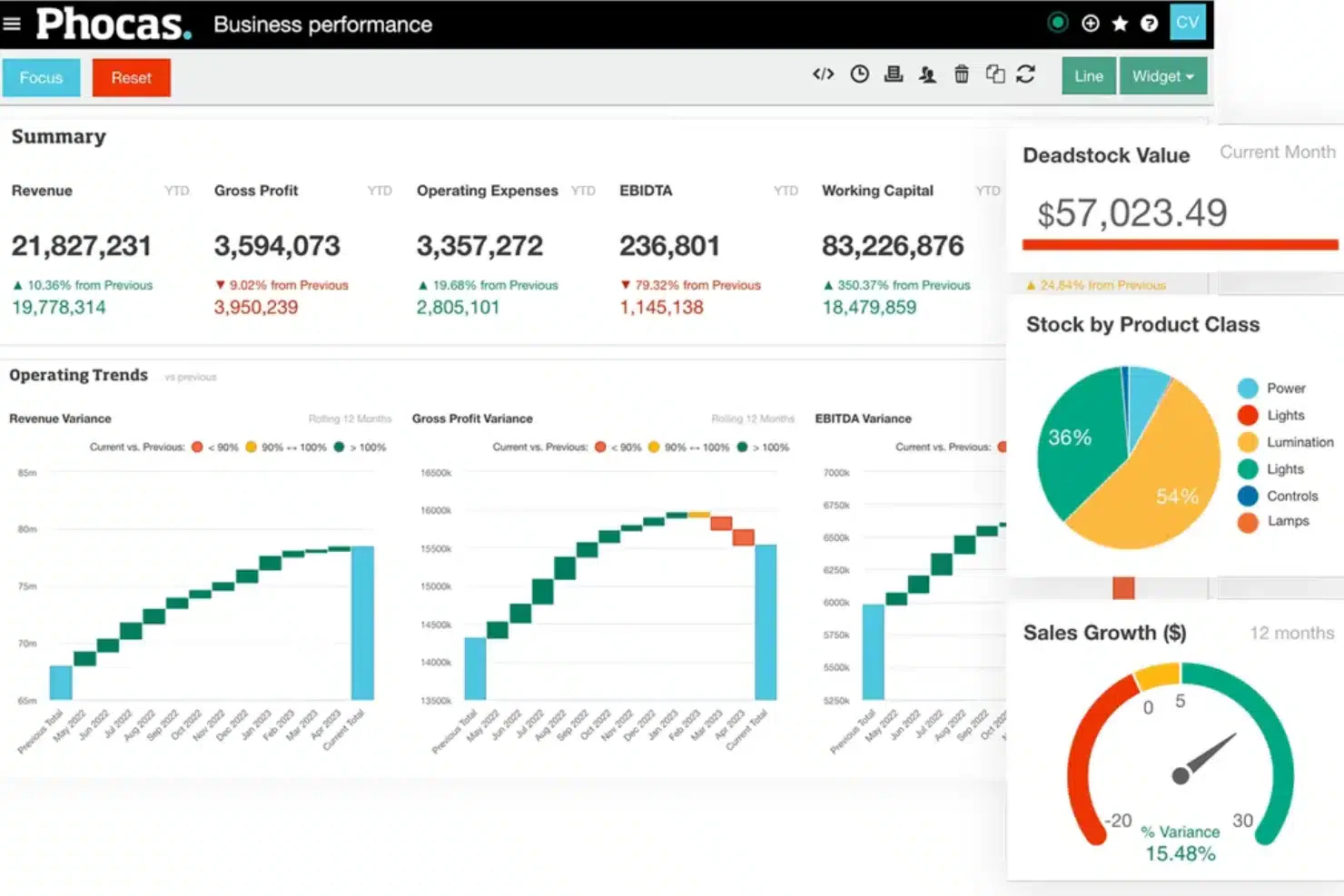
Why I picked it: Great for exec-friendly dashboards and analysis when you need faster answers from sales, inventory, and finance data in one place.
Rating: 4.6/5
Phocas is an automated financial reporting software that empowers organizations with advanced data analytics, visualization, and reporting capabilities. It supports businesses in enhancing their data-driven decision-making by integrating with a wide range of data sources, such as ERP and CRM systems.
Key features:
- Collaborative tools
- Data visualization tools
- AI features for reports
- Software integration
| Pros | Cons |
|
|
6. FreshBooks Financial Statement Software
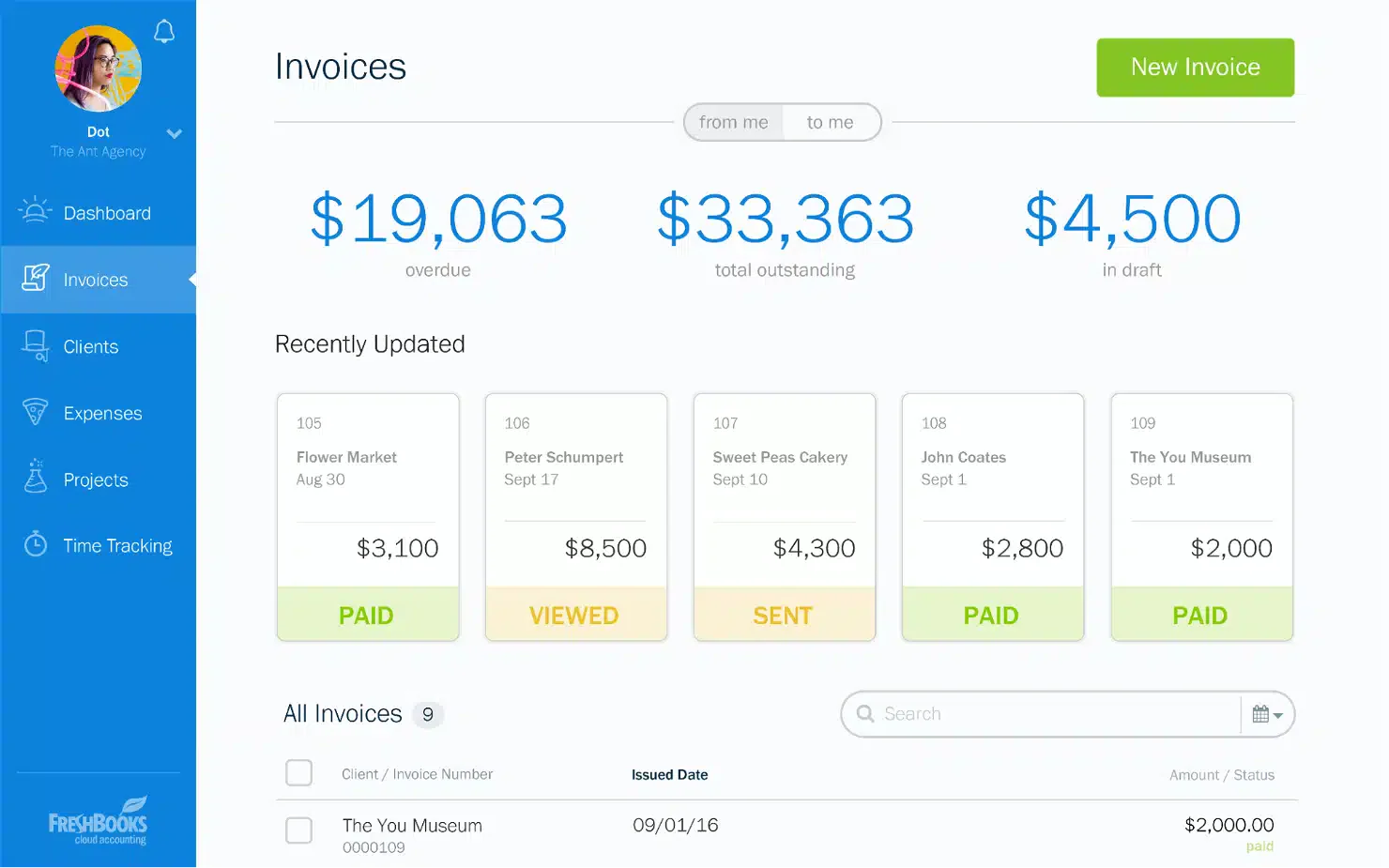
Why I picked it: A solid choice for smaller teams that want simple reporting, invoicing, and finance visibility without heavy implementation.
Rating: 4.5/5
FreshBooks is accounting software primarily for small businesses, freelancers, and solopreneurs. It offers key features like annual and interim financial statements, bank account synchronization, and detailed tax reporting that streamline various financial tasks.
Key features:
- GST and VAT reporting.
- Expense tracking.
- Payroll management.
- Automated bill payments.
| Pros | Cons |
|
|
7. Sage Business Cloud Accounting
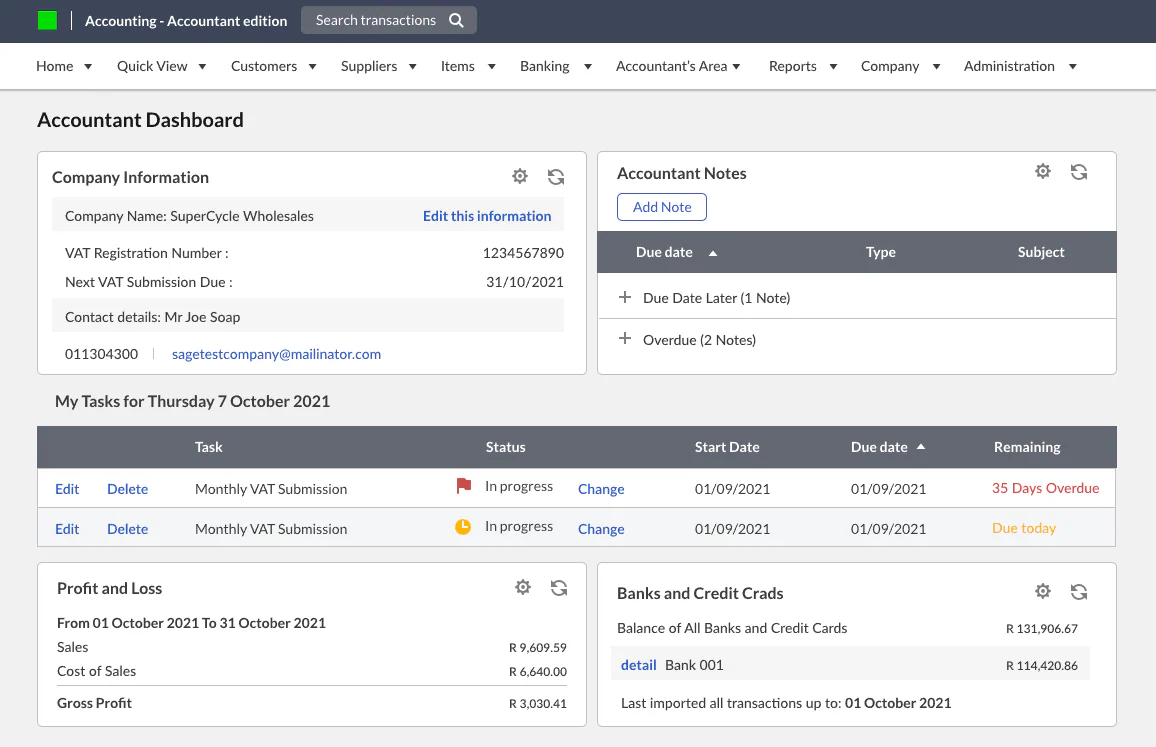
Why I picked it: Strong for mid-market finance teams needing structured reporting, multi-entity capability, and deeper accounting controls.
Rating: 4.3/5
Sage Business Cloud Accounting is a cloud-based financial reporting tool that offers affordability and simplicity, particularly appealing for small teams and startups. It covers all basic financial reporting needs, including full audit trails, cash flow management and forecasting, automated tax reporting tools, and inventory tracking.
Key features:
- Multi-module accounting + reporting foundation (including reporting features highlighted in reviews)
- Workflow and reporting capabilities used in finance operations
- Strong finance controls and structured reporting environment
| Pros | Cons |
|
|
8. Tipalti Financial Performance Software
Why I picked it: Best when your reporting pain is driven by payables complexity, approvals, and supplier onboarding across teams or regions.
Rating: 4.5/5
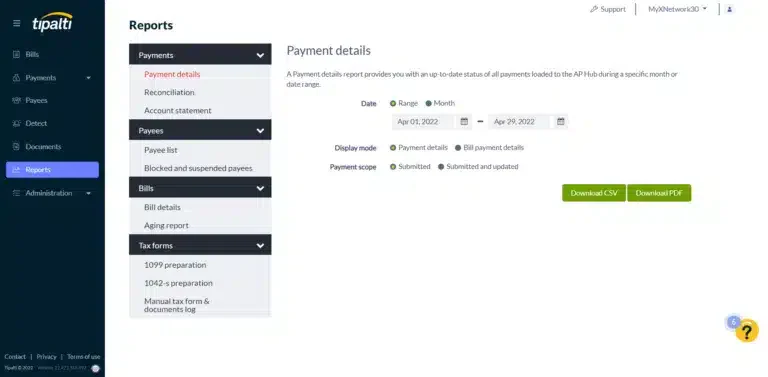
Tipalti is an automated financial reporting software that incorporates extensive financial reporting capabilities. It is particularly valued for its comprehensive tools that support internal controls over financial reporting (ICFR), procurement, and international accounts payable.
Key features:
- Payment status tracking.
- Automated accounts payable processes.
- Vendor management.
| Pros | Cons |
|
|
9. Insightsoftware Financial Reporting Solutions
Why I picked it: Good fit for finance teams that want faster close reporting and flexible reporting outputs across connected systems.
Rating: 4.3/5
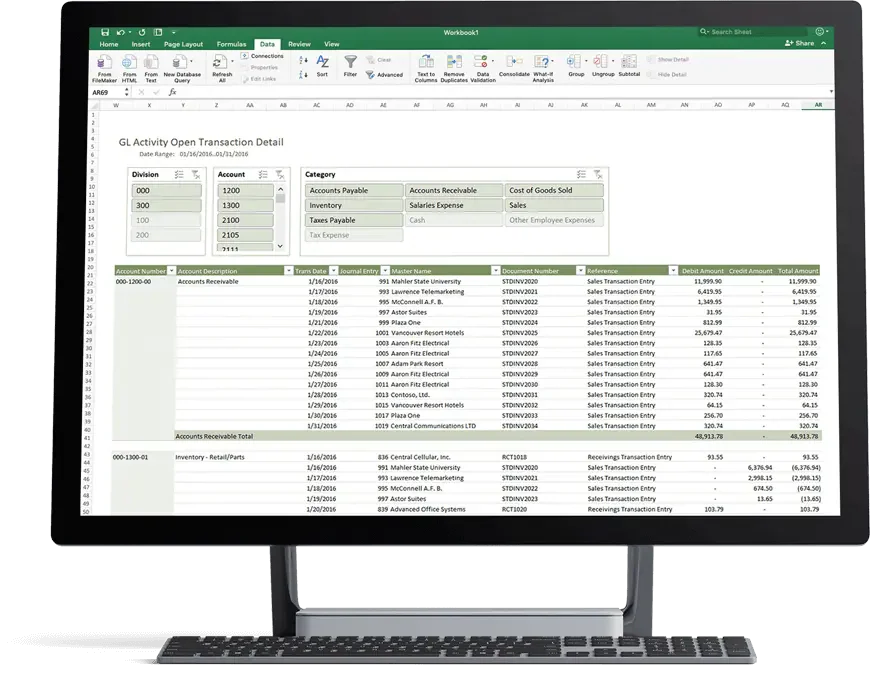
Insightsoftware is tailored for organizations that require robust integration capabilities and extensive customization in their financial reporting. It facilitates seamless data exports from ERP or enterprise performance management (EPM) systems to Excel, where users can create highly customized dashboards.
Key features:
- Broad reporting ecosystem across multiple finance/reporting needs
- Review presence across reporting-related products (close, reporting, analysis categories)
- Common focus on finance reporting acceleration and connectivity
| Pros | Cons |
|
|
10. Xledger Financial Statement Software
Why I picked it: Great for organizations that need real-time finance snapshots and automation (like bank reconciliation) for cleaner reporting.
Rating: 4.5/5
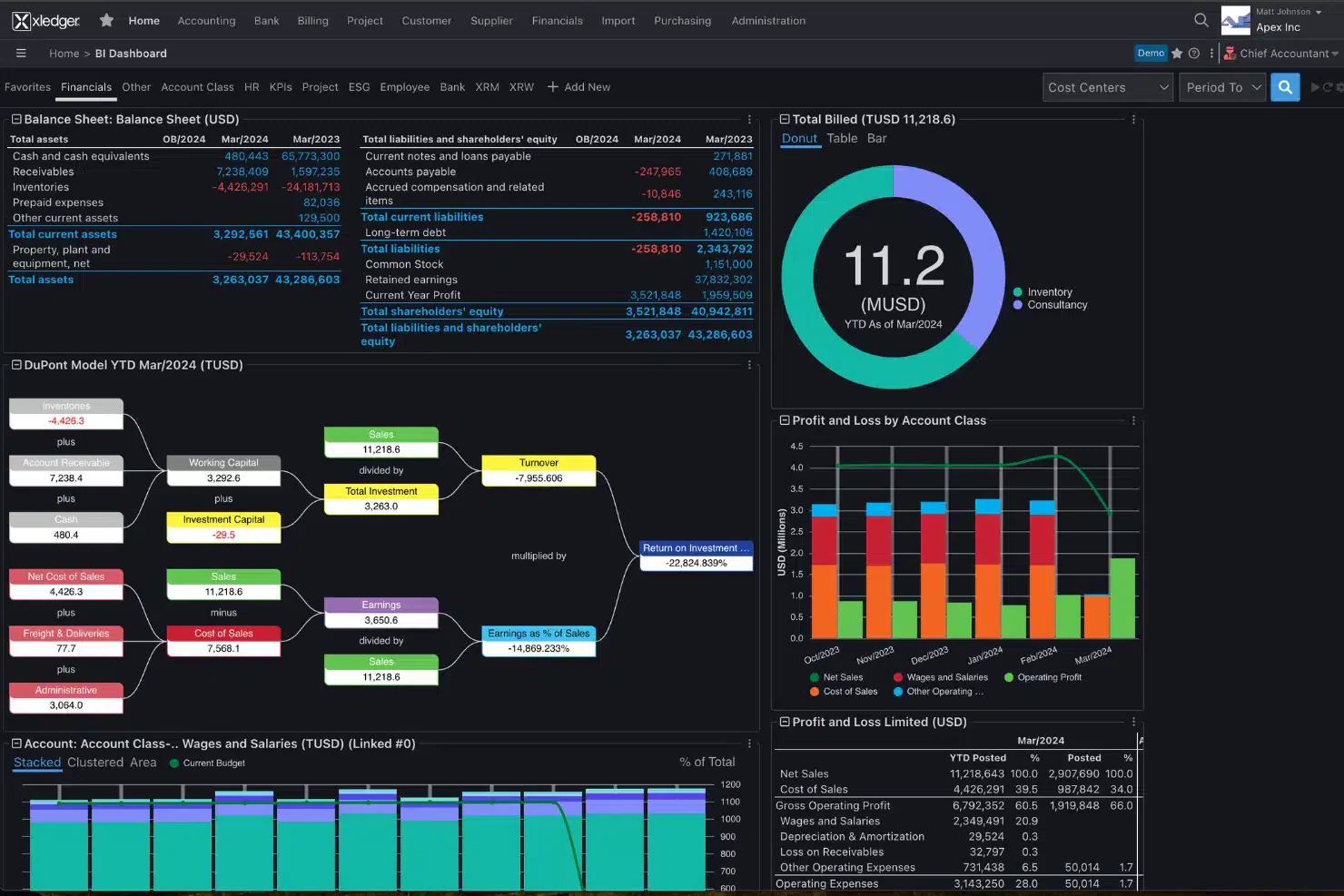
Xledger is a cloud-based financial management system with advanced automation capabilities and real-time financial insights. It offers instant access to financial data across multiple dimensions such as projects, departments, and entire companies, supported by extensive drill-down capabilities.
Key features:
- Real-time finance visibility and reporting snapshots
- Automation support (including bank-related automation mentioned in reviews)
- Reporting support for finance teams managing frequent transactions
| Pros | Cons |
|
Customization options can be limited for advanced reporting needs |
11. Workiva Financial Reporting Software
Why I picked it: Strong for collaborative reporting workflows where multiple stakeholders contribute to regulated or high-visibility reports.
Rating: 4.5/5
Workiva is a financial reporting software with robust document collaboration capabilities. Its extensive automations facilitate streamlined data collection and enhance financial reporting processes, ensuring accuracy and timeliness across various reports such as budget-to-actual variances and management reporting.
Key Features:
- ESG and carbon accounting integration
- Real-time data collaboration
- Automated sustainability reporting
| Pros | Cons |
|
|
12. Tagetik Financial Reporting Systems
Why I picked it: Good for structured planning + consolidation-heavy reporting when you need strong governance and repeatable processes.
Rating: 4.3/5
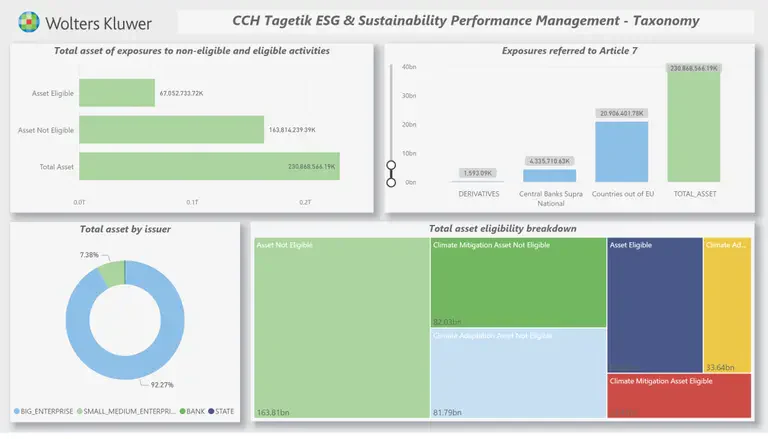
CCH Tagetik is a robust financial reporting and analysis software that leverages historical financial data to create more accurate budgets, financial plans, and forecasts. The platform is known for its advanced analytics and sophisticated reporting features, which include what-if scenario analysis and activity-based and driver-based costing models.
Key features:
- Financial consolidation, planning, and disclosure-oriented reporting
- Data analysis and data management features supporting reporting workflows
- Structured platform approach for repeatable finance processes
| Pros | Cons |
|
|
13. Planful Financial Reporting Tools
Why I picked it: Ideal for forecasting and actuals tracking when leadership needs rolling visibility and cleaner performance narratives.
Rating: 4.3/5
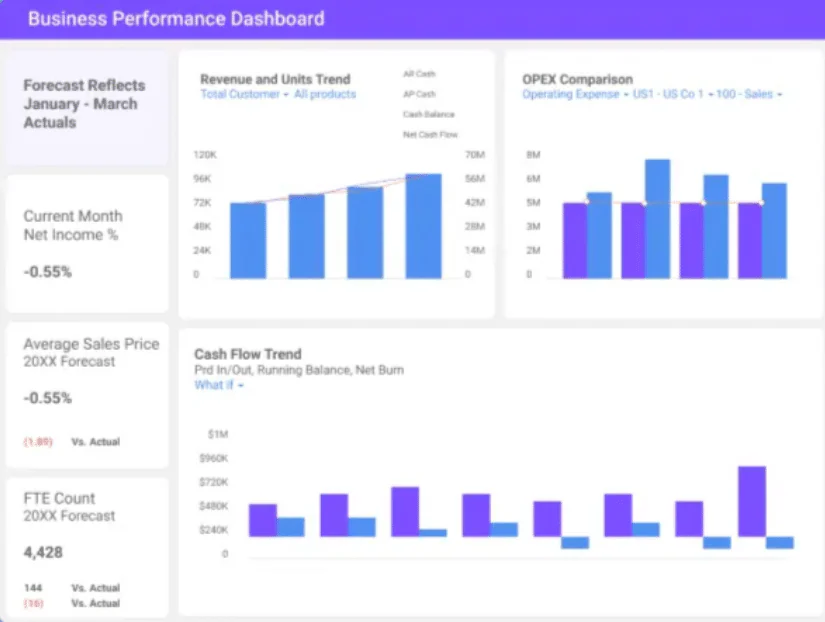
Planful is a cloud-based financial planning and analysis (FP&A) platform that provides businesses with robust operational and financial intelligence tools. Designed to enhance financial data management, decision-making, and reporting, Planful supports businesses in streamlining their planning and budgeting cycles.
Key features:
- Planning + forecasting with actuals tracking
- Reporting support for finance performance visibility
- Tools aimed at faster planning cycles and better finance narratives
| Pros | Cons |
|
|
14. Anaplan Financial Performance Software
Why I picked it: Best for complex, cross-functional planning where finance needs fast scenario planning and alignment across teams.
Rating: 4.6/5
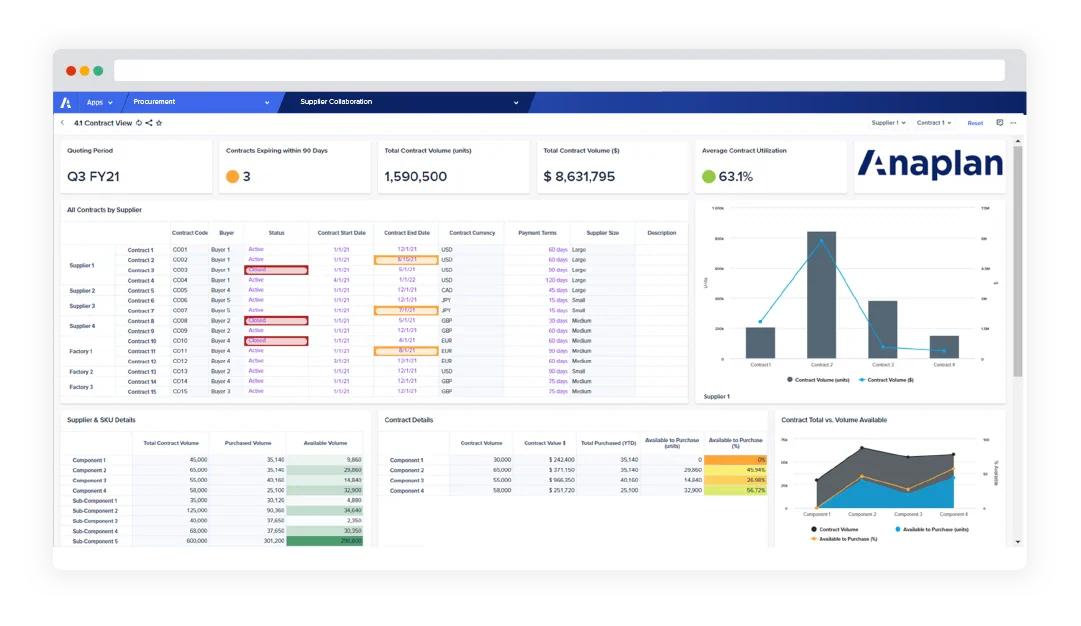
Anaplan is a cloud-based planning and performance management platform that assists organizations in connecting their data rapidly and automating various financial, operational, and reporting processes. The platform excels in creating complex models that calculate and monitor end-to-end business performance, aiding organizations in reporting and analyzing critical KPIs to top-level management.
Key features:
- In-memory calculation (Hyperblock™) engine that enables instant scenario updates and simulations.
- Cross-department collaboration across multiple divisions.
- Supports integration with Microsoft Dynamics, Salesforce, and more.
| Pros | Cons |
|
|
15. Prophix Financial Reporting Solutions
Why I picked it: Great for mid-market finance teams that want automation around budgeting, reporting, and close efficiency.
Rating: 4.4/5
Prophix eliminates tedious manual reporting tasks, providing tools for streamlined budgeting, planning, forecasting, reporting, and analysis. Notably, Prophix includes currency conversion capabilities, which simplify financial reporting across multiple currencies, an essential feature for global businesses.
Key features:
- Advanced financial analytics: In-depth analysis with high granularity down to the transaction level.
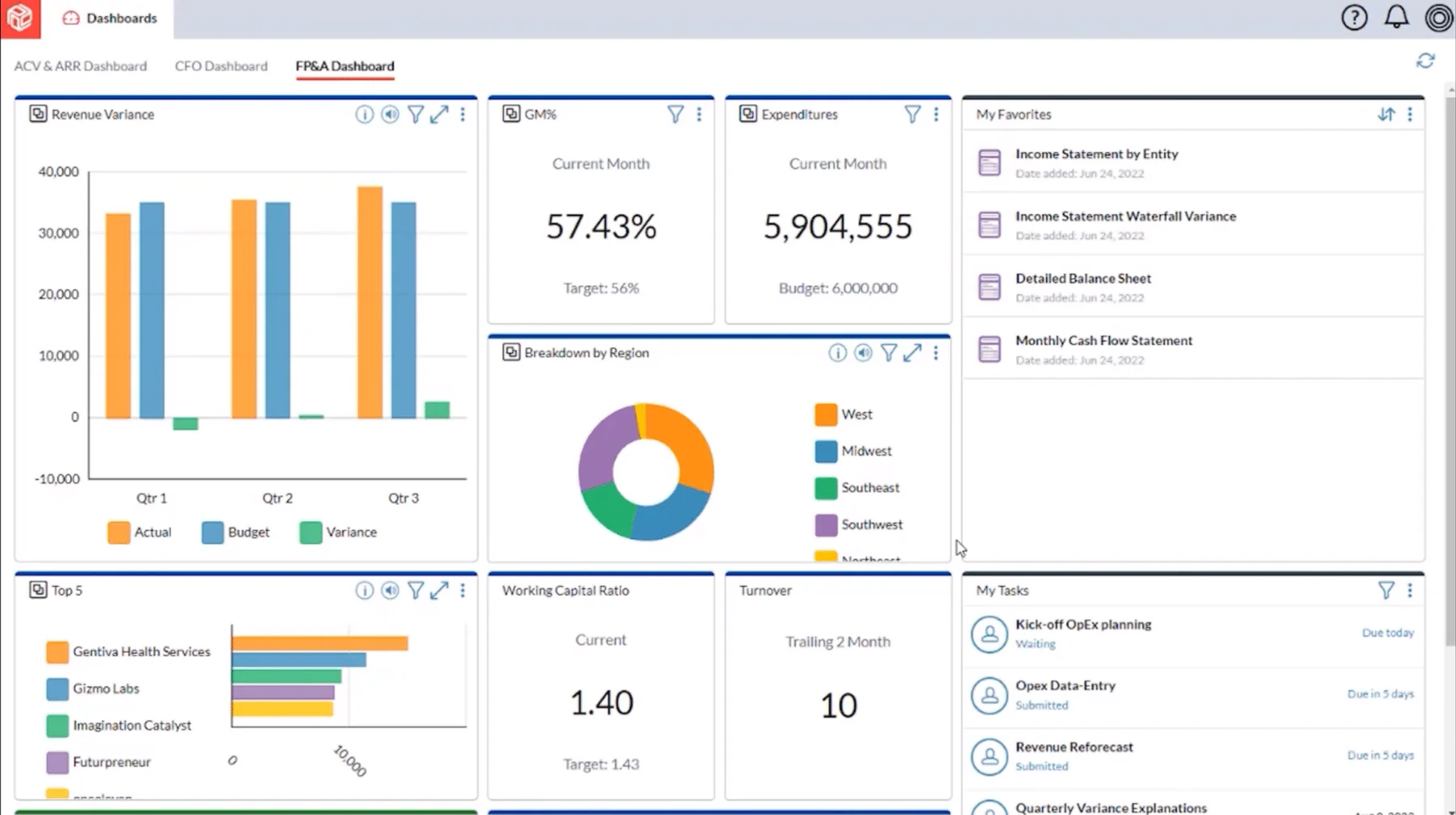
- Interactive visuals: Easy-to-understand dashboards and charts for performance evaluation.
- Automatic data consolidation: Data from multiple systems is integrated into a single platform.
| Pros | Cons |
|
|
16. Workday Adaptive Planning
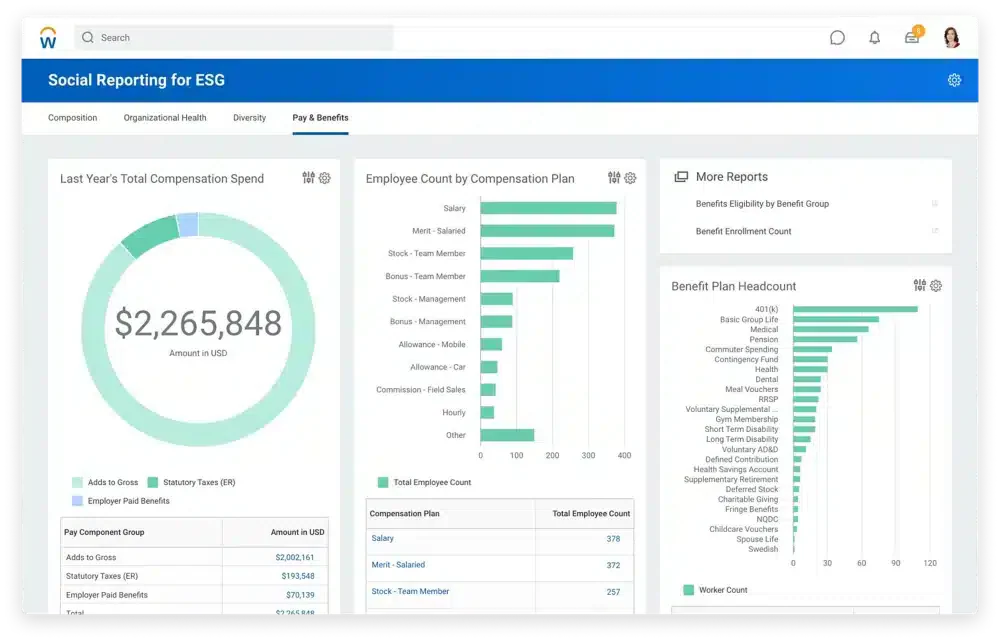
Why we chose it: Workday offers sustainability ESG reporting software with comprehensive integration into enterprise operational management.
Rating: 4.1/5
Workday Adaptive Planning is cloud-based corporate financial reporting software renowned for its flexibility and user-friendly design. It is a popular choice among organizations aiming to automate and enhance their reporting processes. This makes Workday Adaptive Planning particularly effective for companies needing to quickly adapt to changing conditions, prioritize tasks, and foster efficient collaboration across departments.
Key features:
- Real-time ESG reporting
- Data-driven sustainability risk analysis
- Seamless integration with ERP and financial platforms
- Sustainable workforce management
| Pros | Cons |
|
|
17. Cube Financial Statement Software
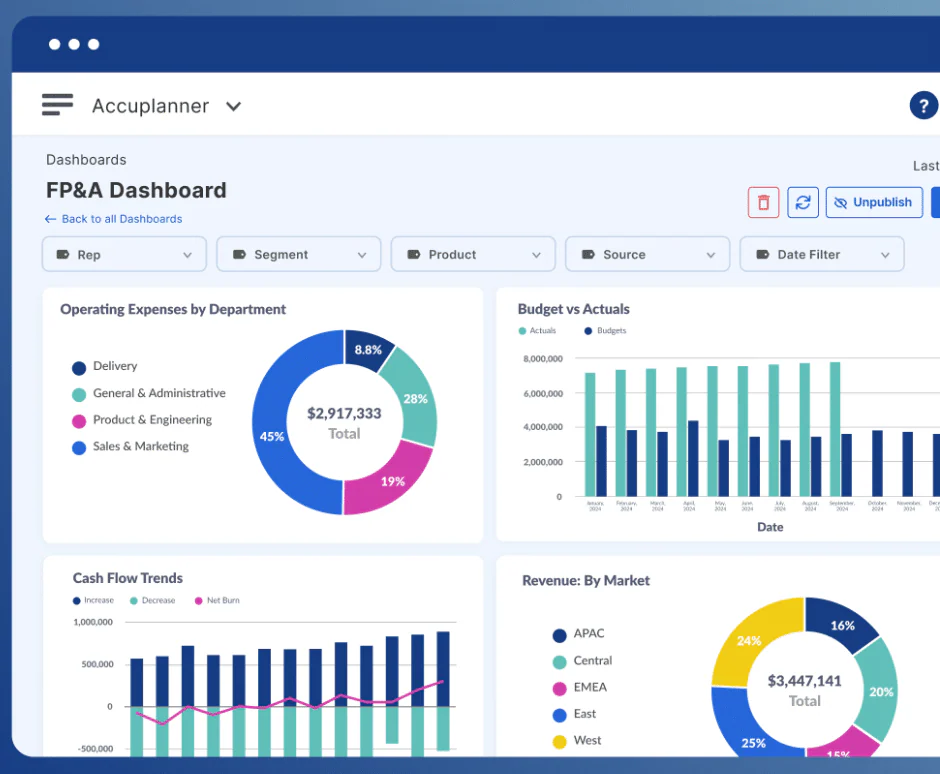
Why I picked it: Excellent for spreadsheet-native finance teams that want tighter controls, collaboration, and faster monthly reporting cycles.
Rating: 4.5/5
Cube is a financial planning and analysis (FP&A) platform designed to enhance strategic decision-making within finance teams by automating and streamlining repetitive reporting tasks. It allows users to create custom models to map and store complex datasets efficiently, featuring an easy-to-use interface that simplifies the building, configuring, and monitoring these models.
Key features:
- Spreadsheet-native planning and reporting (Excel/Sheets-friendly)
- Real-time collaboration and structured workflows for finance teams
- Planning, forecasting, and reporting built around finance operations
| Pros | Cons |
|
|
18. Jedox Automated Financial Reporting Software
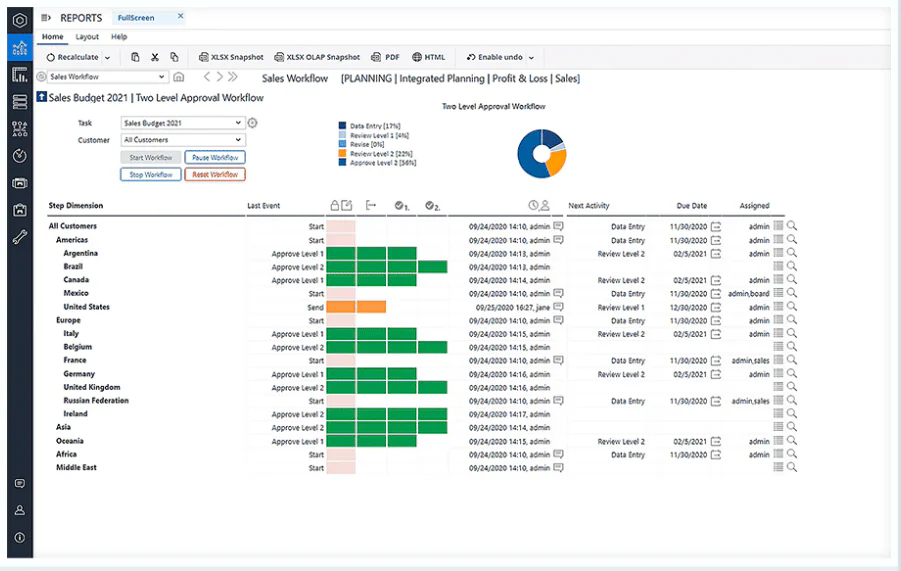
Why I picked it: Strong for modeling and planning when you need flexible scenario work and structured reporting outputs.
Rating: 4.4/5
Jedox is a unified business planning and analytics platform that helps organizations efficiently analyze and report on essential financial, operational, and customer data. It provides robust security features that ensure that data remains safe, secure, and up-to-date.
Key features:
- Planning and performance management with scenario modeling
- Data integration support across sources for unified reporting inputs
- Controls to support structured planning cycles and reporting
| Pros | Cons |
|
|
19. Syntellis Financial Performance Software
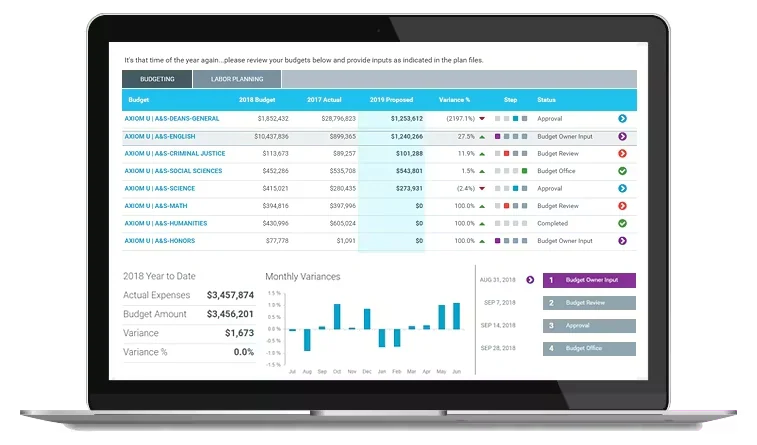
Why I picked it: A strong fit for organizations needing advanced planning/reporting with industry-oriented structure and governance.
Rating: 4.3/5
Syntellis Performance Solutions is a software and analytics provider that caters predominantly to financial and healthcare organizations in the upper mid-market and enterprise space. The platform is recognized for its strong database administration and data engineering expertise, supported by a team of knowledgeable consultants who assist organizations in streamlining processes and simplifying reporting.
Key features:
- Budgeting, forecasting, and financial planning tools built for structured reporting
- Analytics and decision support for finance visibility
- Centralized planning and reporting governance
| Pros | Cons |
|
|
20. OneStream Financial Reporting Software
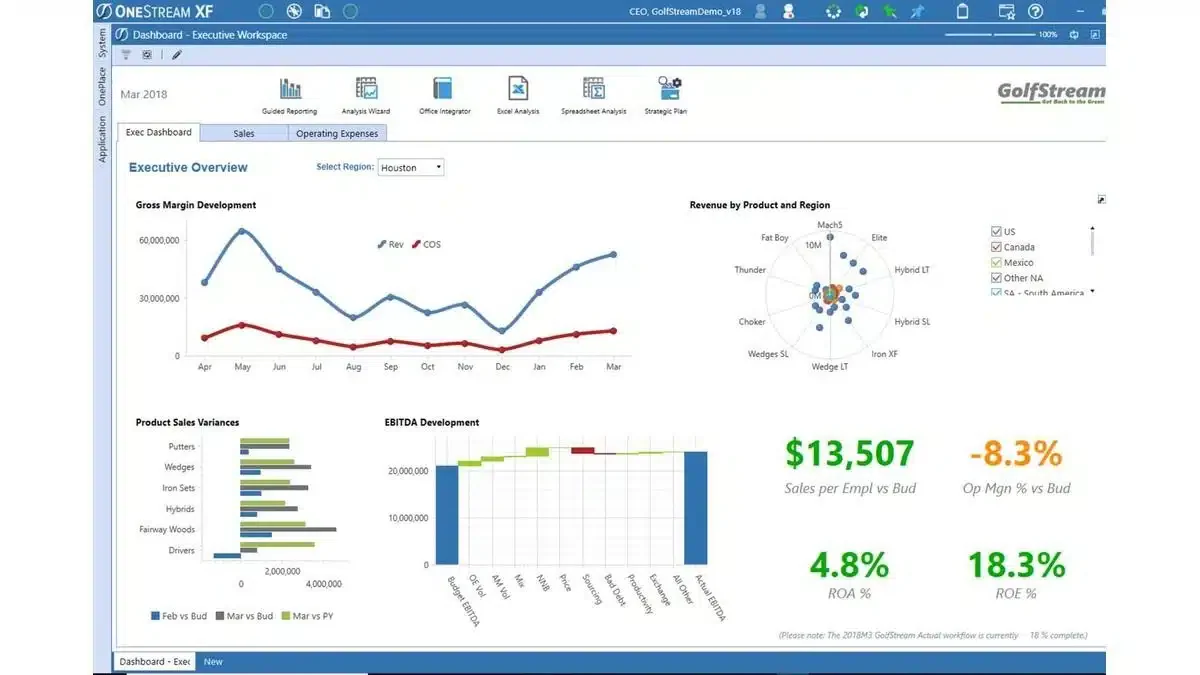
Why I picked it: Great for consolidation-heavy environments that want unified reporting and performance management with strong user satisfaction.
Rating: 4.6/5
OneStream provides a unified corporate financial reporting software that integrates financial and operational data, enhancing visibility and control. The platform creates flexible reports and dashboards while offering strong financial consolidation and close capabilities. These features ensure accuracy and efficiency throughout the financial cycle.
Key features:
- Unified budgeting, forecasting, and
- AI-assisted financial intelligence and predictive analytics
- Compliance tools with built-in audit trails
| Pros | Cons |
|
|
Benefits of High-Quality Financial Reporting Software

Implementing high-quality financial reporting components in your business can significantly transform your financial management processes. These advanced financial reporting systems are designed to streamline complex data handling and bolster transparency and accountability.
Below are the key benefits of implementing financial reporting software:
- Risk Reduction: Financial statements software minimizes the risks of errors in your financial data. Accurate and timely reporting is vital for compliance and maintaining stakeholder trust. Inaccuracies can result in serious legal and financial consequences.
- Cost Savings: Financial reporting solutions automate routine tasks, enabling your finance teams to avoid overtime expenses and reduce the need for additional personnel during financial closing periods. Moreover, creating reusable reporting templates saves significant resources in the long run.
- Strategic Planning: Financial reporting systems provide vital data for strategic planning. Analyzing financial reports provides insights to forecast revenues, assess liquidity, and plan exit strategies, which are key elements for scaling SaaS companies.
- Regulatory Compliance: With regulations continually evolving, having robust financial reporting software ensures that your financial statements comply with the latest standards. This compliance is critical for avoiding costly penalties and maintaining a company’s reputation.
- Increased Efficiency: Automation is a key feature of superior financial reporting solutions, drastically reducing the time dedicated to manual report generation. Automation in financial reporting software saves time on report compilation, enabling teams to focus on more strategic activities.
Key Features of Financial Reporting Software
When choosing the right financial reporting software, there are key features to look for. This section will discuss the key features of financial reporting software that may benefit your company in managing financial administration.
1. Automated data aggregation
Automated data aggregation effortlessly merges information from different systems. This quick data gathering highlights the accuracy and speed that can significantly improve your company’s performance. This type of software is designed to work well with businesses of any size, from small to large, meeting the needs of each with simplicity or complexity as required.
2. Pre-built reporting templates and dashboards
Modern financial reporting tools are known for their quick report generation, using ready-made templates and dashboards that are both organized and adaptable to get started easily. You can create instant analyses and enable users to manage their reports, making planning and budgeting faster and more efficient. These templates are flexible enough to meet the varied needs of a global business, working with different currencies and following international accounting standards.
3. BI and AI capabilities
The introduction of Business Intelligence (BI) and Artificial Intelligence (AI) in financial reporting has greatly enhanced analytical capabilities, allowing businesses to predict trends and gather essential insights for strategic planning. This shift from manual to automated analysis improves accuracy and, as demonstrated in a case study, increases efficiency and visibility within large organizational structures.
4. Automated report distribution
Automated report distribution is a standout feature of financial reporting software. Automation ensures that reports are shared quickly and consistently, reducing the risk of human errors and improving communication efficiency. In a time when security and data integrity are critical, using trusted platforms like HashMicro can help strengthen your organization’s reputation as secure, reliable, and innovative.
Conclusion
Choosing the right financial reporting software is crucial to managing and deeply analyzing a company’s financial health. In the article above, several choices of financial reporting software are available in the market. But, considering the best software that suits your company’s criteria and needs is a priority.
One of the best accounting software programs available is HashMicro, which offers complete features and benefits for better financial management. Equipped with a user-friendly interface and professional assistance, the software is easy to access.
Adopting the best financial reporting software can lead your business to better financial management and avoid human errors. Grab the chance to enhance your business by trying the free demo of HashMicro financial reporting software now!

Questions about Financial Reporting Software
Financial accounting software automates the process of tracking and managing financial transactions. It records income and expenses, generates financial reports, and ensures accurate financial data by integrating with other business systems.
To choose the best financial reporting software, consider user-friendliness, features matching your business needs, integration capabilities with other systems, security, scalability, and customer support.
The best financial reporting software is the HashMicro Accounting System. It offers comprehensive features, user-friendly interfaces, and robust integration options, making financial management efficient and accurate.