







Applying for an FDA License to Operate (LTO) in the Philippines starts with identifying two things: the regulated product and the activity your establishment performs. A manufacturer, importer, distributor, trader, and retailer may follow different licensing routes even when they handle similar products.
This guide explains who may need an FDA LTO, how to select the correct establishment category, which requirements to prepare, and how to apply through the FDA eServices LTO application page. It also clarifies the difference between an establishment license, product authorization, and local sanitary permits.
Key Takeaways
An FDA LTO authorises an establishment to conduct a covered regulated activity. It does not automatically register or authorise every product the business handles.
Requirements depend on the product group, establishment activity, transaction type, and current category instructions.
Record the LTO scope and expiry date, monitor the applicable filing window, and review variations whenever the business, site, personnel, or activity changes.
What Is an FDA License to Operate in the Philippines?
An FDA License to Operate (LTO) authorizes an establishment to carry out a regulated activity within the scope approved by the Philippine FDA. It applies to the business operation, while product registration or notification may be required separately. The FDA eServices applications page lists these application types separately.
Who Needs an FDA License to Operate in the Philippines?
The answer depends on the product and what the establishment does with it. Manufacturers, repackers, importers, distributors, traders, and certain retailers should check the category that matches their actual activity against FDA Administrative Order No. 2024-0015.
A restaurant or café preparing food for customers should also check local sanitary permit requirements. That differs from assessing an FDA LTO for manufacturing, importing, or distributing regulated food products; the sanitary permit guide can cover the local process.
How Do You Choose the Correct FDA Establishment Category?
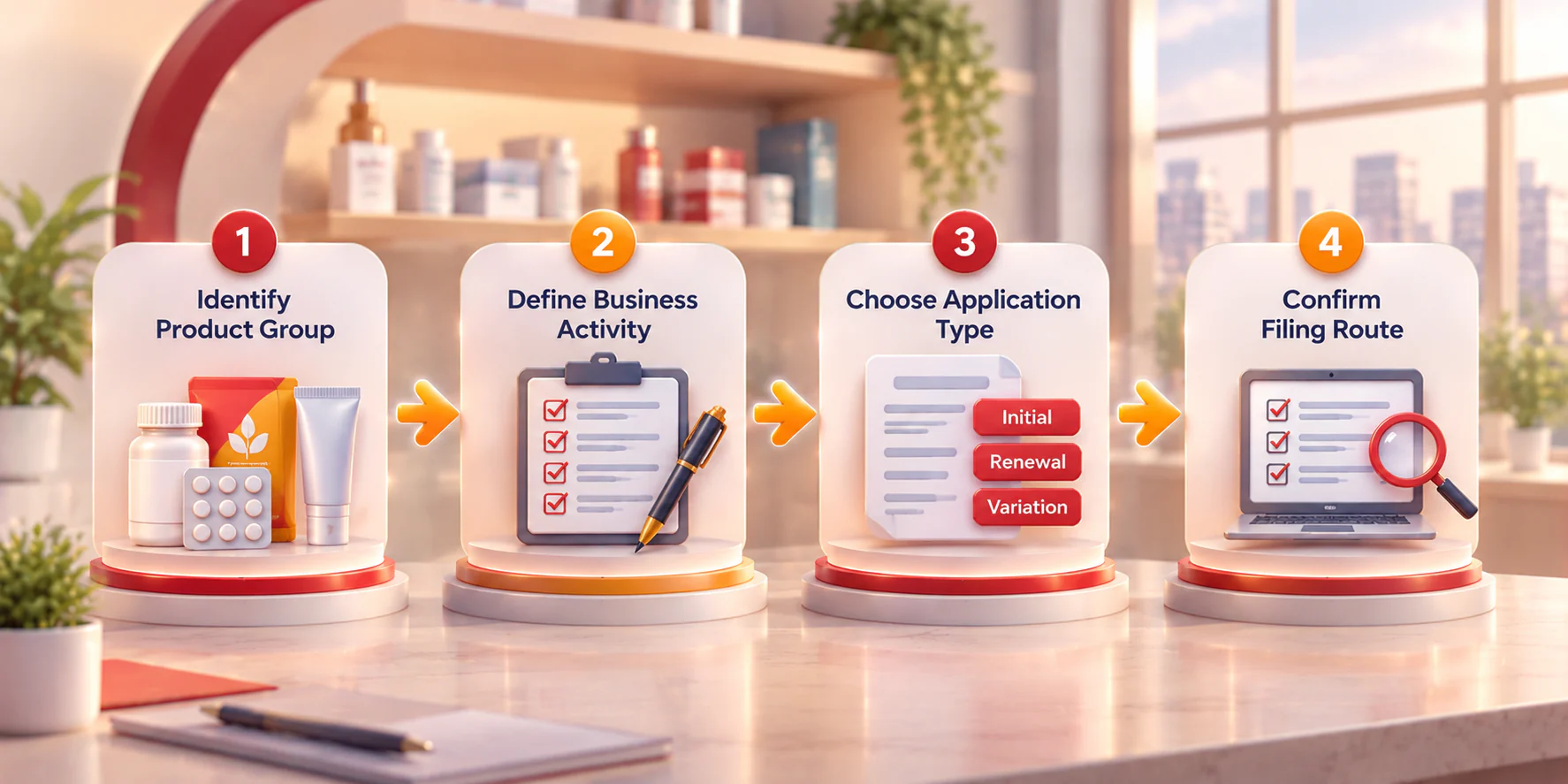
Choose the category that matches your product and your establishment’s actual activity before preparing documents.
1. Identify the product group. Check whether you handle food, drugs, medical devices, cosmetics, household or urban hazardous substances, or another regulated product.
2. Define your activity. List every role that applies, such as manufacturing, repacking, importing, distributing, trading, or retailing. Businesses handling the same product may need different LTO scopes.
3. Choose the application type. Determine whether you need an initial application, renewal, or variation. If you already hold an LTO, check whether its approved details still reflect your operations.
4. Confirm the current filing route. Check FDA eServices and the latest FDA guidance for your category before submitting or paying.
For example, a food importer that begins repacking should check whether its existing LTO covers the new activity.
What Are the FDA LTO Requirements in the Philippines?
FDA LTO requirements vary by product group, establishment activity, and application type. Check the current instructions for your category, then prepare:
- Business details: Legal name, registration, address, and contact information.
- Activity and product scope: The establishment’s operations, regulated products, and any required supplier records.
- Responsible personnel: Details and declarations for the authorized or qualified personnel.
- Supporting documents: The permits, technical records, and signed forms required for your category.
How Do You Apply for an FDA License to Operate?
FDA LTO requirements depend on the regulated product, establishment activity, location, and application type. Before applying, prepare the business details, product and activity scope, responsible-person information, and category-specific permits or supporting documents. Check that names, addresses, dates, signatures, and uploaded files match and remain valid. A document management system can help organize these records and track expiry dates.
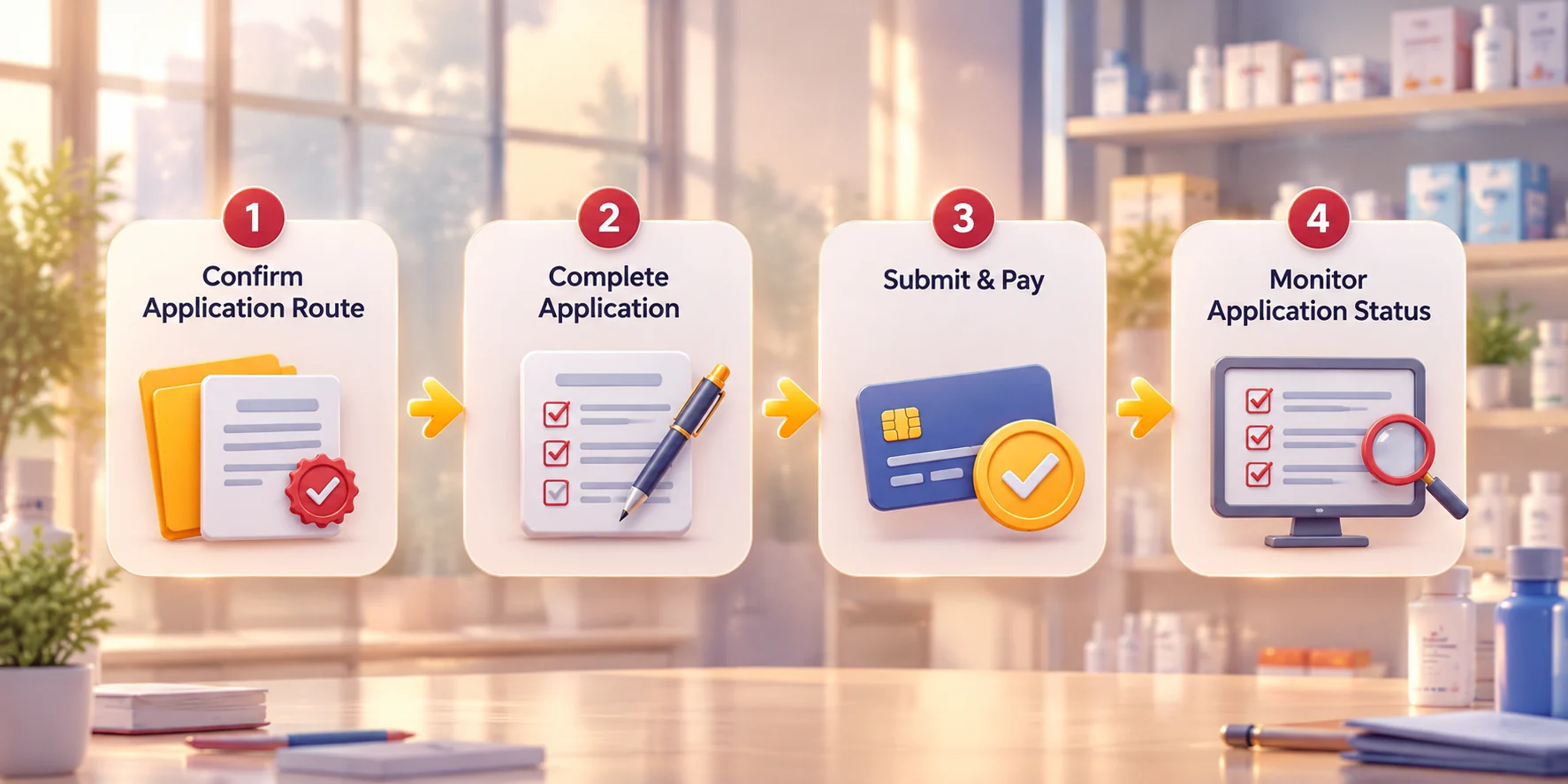
1. Confirm the correct route.
Identify the product group, establishment activity, location, and transaction type: initial application, renewal, or variation. The selected route must match the establishment’s actual operation, including activities such as manufacturing, repacking, importing, distributing, trading, or retailing.
2. Open and complete the application.
Follow the current instructions on the FDA eServices License to Operate page. Use an email address controlled by authorized personnel, enter consistent legal and operational details, and upload complete, readable documents. Review every declaration before submission.
3. Submit and follow payment instructions.
Save the reference number and acknowledgement after filing. The FDA conducts a pre-assessment and may issue an Order of Payment through the registered email. Fees and pre-assessment charges depend on the application category and current FDA instructions, so do not apply a fee from another establishment type. Submission or payment does not guarantee approval.
4. Monitor the application until a decision is issued.
Check the registered email and use the application status function with the reference number and verification code. Respond promptly to requests for corrections or additional evidence, then retain the final LTO and all related records with the submitted application.
How Do You Renew an FDA LTO and Maintain Compliance?
After receiving the LTO, record its approved scope, establishment site, validity period, conditions, and expiry date. Assign someone to monitor the renewal window and keep the registered application email accessible to the organization.
FDA renewal requirements may change, so confirm the current filing period and category-specific instructions before applying. FDA Advisory No. 2025-0095-A stated that renewals reverted to a period of 90 calendar days before expiry under AO 2024-0015. Use a compliance checklist to track the review, but check the latest FDA guidance rather than relying on an old reminder or screenshot.
Review the LTO whenever the business changes. A new business name, premises, owner, responsible person, or regulated activity may require a variation rather than a standard renewal. Keep the current LTO, submitted forms, approved variations, supporting documents, payment records, FDA notices, and renewal reminders in one controlled record.
FDA LTO vs Product Authorization vs Sanitary Permit
These documents answer different compliance questions. Check each one against the activity and product rather than treating any one as a substitute for the others.
| Comparison point | FDA LTO | Product Authorization | Sanitary Permit |
|---|---|---|---|
| Main purpose | Authorises an establishment to conduct a regulated activity | Authorises or registers a specific regulated product | Confirms compliance with local health and sanitation requirements |
| Applies to | The establishment and its approved activity scope | A product that meets applicable FDA requirements | Food premises or businesses covered by local health rules |
| Issued by | Philippine FDA | Philippine FDA or the applicable FDA office | Local government or health authority |
| Common examples | Manufacturing, importing, distributing, trading, or retailing regulated products | Product registration, notification, or marketing authorisation | Restaurant, café, food-service, or other local sanitary permit |
| Relationship | May be required together with product authorisation | Does not replace the establishment’s FDA LTO | Does not replace an FDA LTO or product authorisation |
How Do You Check an FDA LTO Application Before Submission?
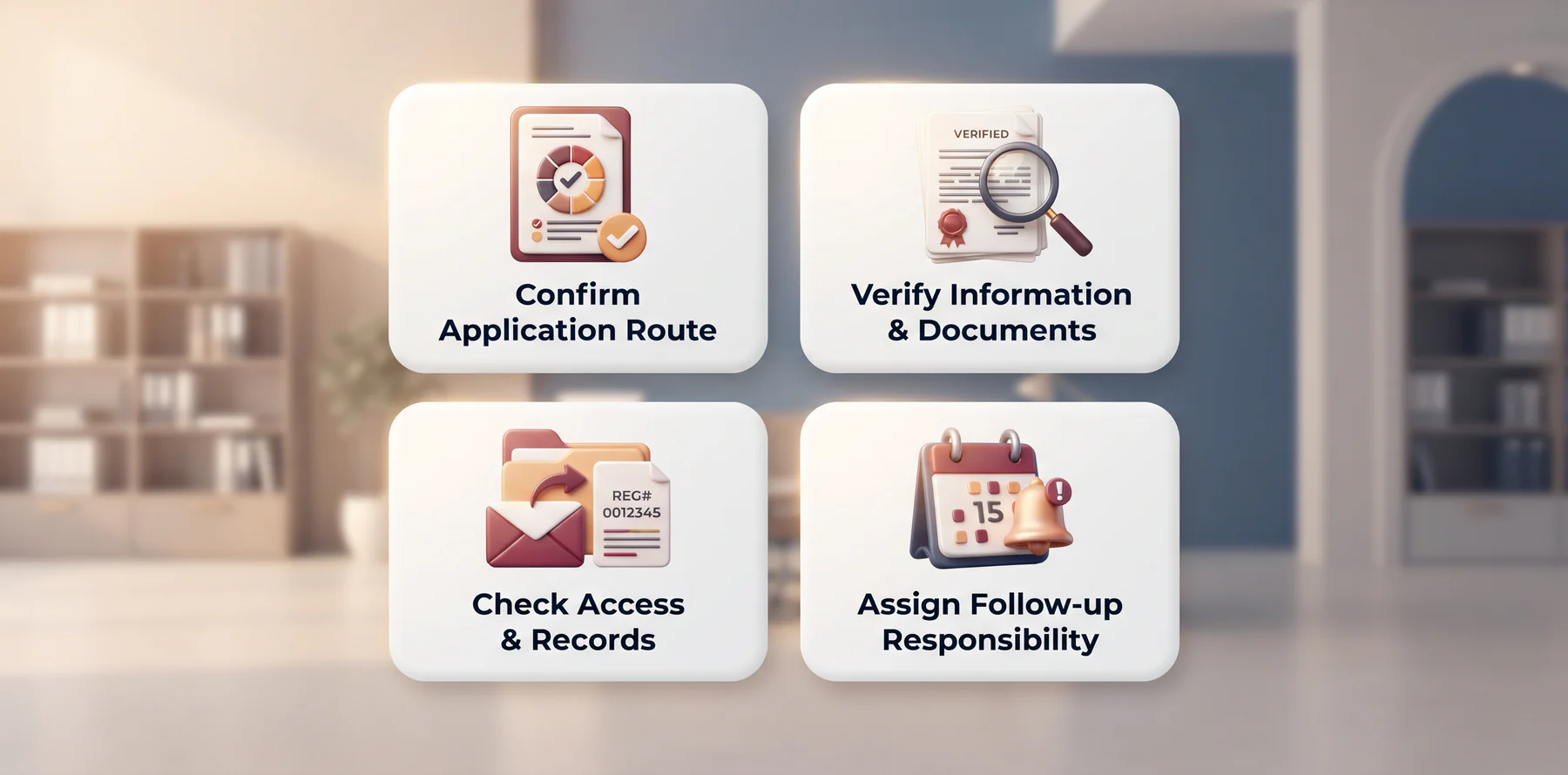
A final review helps confirm that the selected FDA route matches the establishment’s actual activity and that the application contains complete, consistent, and readable information. It can also prevent delays caused by incorrect categories, mismatched business details, expired documents, or missed FDA notices.
Before submitting, review the application in this order:
Confirm the application route: Check that the product group, establishment activity, location, and transaction type match the business’s current operations.
Verify the information and documents: Compare the legal name, address, responsible personnel, dates, signatures, permits, and supporting files across the form and uploaded records. Replace documents that are incomplete, expired, or difficult to read.
Check access and submission records: Make sure the registered email is controlled by authorized personnel. Save the reference number, acknowledgement, submitted document versions, and any payment instructions generated by the system.
Assign follow-up responsibility: Designate someone to monitor the application status and respond to FDA requests for correction, additional evidence, or clarification. Keep the final decision and issued LTO with the application record.
Conclusion
An FDA License to Operate application begins with classification. Identify the regulated product, describe the establishment’s actual activity, select the correct initial, renewal, or variation route, and follow the current FDA requirements for that category. Keep establishment licensing separate from product authorization and local permits.
Good record control makes the process easier to manage: one owner for the application email, consistent legal details, readable evidence, and a saved trail of FDA notices and decisions. If your team manages permits and expiry dates across several sites, HashMicro’s document management system can help organize records and responsibilities. The FDA remains the authority that assesses and issues the LTO.

Frequently Asked Questions
Food businesses do not all follow one FDA route. A business manufacturing, repacking, importing, or distributing regulated food products should check the relevant FDA establishment category. A restaurant or café should check its local food-premises and sanitary-permit obligations separately. Decide from the actual activity and product, not the label “food business.”
No. An LTO concerns the establishment and its licensed activity. A product may also need registration, notification, or another authorization under its applicable FDA rules. Check the product route independently.
Use the Application Status option for the applicable FDA eServices route. According to the FDA eServices FAQ (https://eservices.fda.gov.ph/faqs), you enter the application reference number and then the verification code sent to the registered email address. Retain access to that mailbox until the application is resolved.
No single amount should be assumed for every category and transaction. Use the current FDA instructions and the Order of Payment generated for your application. Check whether any current advisory affects the charge before payment.
Use the filing window currently applicable to your category. The FDA’s 30 June 2025 renewal advisory (https://www.fda.gov.ph/wp-content/uploads/2025/06/FDA-Advisory-No.2025-0095-A.pdf) stated a return to 90 calendar days before expiry after lifting a temporary extension. Recheck the latest FDA instruction before filing.