





Running a business today means staying on top of countless moving parts. Companies must track growing lead volumes, monitor sales team activities, and respond to customer inquiries in real time. A 2025 study of Philippine retail firms found that higher lead volumes don't always boost conversions without structured relationship management. This volume of work often overwhelms teams managing both online and offline operations.
Sales reps face constant interruptions from phone calls, emails, and follow-ups. Juggling a to-do list, managing key contacts, and maintaining communication with leads quickly becomes a burden. Without a system in place, even the most organized teams struggle to maintain focus and deliver consistent results.
A Customer Relationship Management (CRM) system solves these challenges. This article covers everything from basic CRM definitions to the tools that make customer management effective. Whether you own a hybrid store, lead a growing company, or manage a sales team, CRM can transform your work.
Key Takeaways
A CRM system is a tool that manages every interaction your business has with existing and prospective customers. It centralizes customer data, automates key tasks, and gives your team a clear view of every relationship.
Any business that manages customer relationships can gain real value from CRM software. Explore the key advantages that help growing and enterprise-level companies improve workflows and drive better results.
A complete CRM system includes 8 key features built to improve how your team works. Read on to explore each one and find which capabilities best fit your business needs.
Choosing the right CRM system makes a real difference. See why HashMicro leads as a top CRM provider in Southeast Asia.
CRM Definition
Customer Relationship Management (CRM) is a system that manages every interaction your business has with existing and prospective customers. As technology advances and competition grows, adopting a strong CRM system has become essential. It centralizes customer data and automates key tasks to streamline your operations.
CRM systems do more than manage relationships. They identify sales opportunities, target specific customer segments, and optimize marketing campaigns. Businesses use CRM to improve efficiency and make smarter decisions across sales, marketing, and customer service teams.
In a competitive market, a strong CRM system can set your business apart. It gives you a clear view of your customers and equips your team with the right tools to perform. Now is the time to adopt one and take your company to the next level.
Who benefits from CRM?

After learning the CRM system meaning, you'll see why it has become a key part of modern businesses. But who actually needs a CRM system? Organizations of every size and sector use customer relationship management tools. Large corporations gain streamlined monitoring of client interactions on a centralized platform. They also benefit from seamless information exchange among departments.
Smaller firms benefit too. They typically need to achieve more productivity with fewer resources. Emerging ventures also rely on CRM systems for agility and efficiency.
Regardless of your industry, a CRM system can benefit your business in certain cases. This applies if your team interacts with clients and your staff depends on client-related data.
Benefits of CRM Software
Many companies have to manage countless tools and platforms, yet only a fraction integrate seamlessly. To stay competitive, businesses must focus on their customers and use the right technology. Without a centralized system, collecting timely, accurate insights from sales, marketing, support, and social media is difficult. A CRM solves this by delivering key business benefits:
1. Boosted Productivity for Sales Teams
A CRM organizes customer data and helps sales teams prioritize leads and close deals faster. Centralizing data prevents lost contacts and missed follow-ups. When employees leave, nothing gets lost. By cutting administrative tasks, teams redirect time and energy toward revenue-generating activities instead.
2. Contact Management
CRM software serves as a central repository for all customer data, including contact details, purchase history, meeting notes, and service records. It delivers a consolidated, customizable dashboard for every team member. A study by Microsoft in 2017 shows that 70% of customers expect representatives to know their interaction history regardless of the channel used.
3. Actionable Analytics and Dashboards
CRM systems offer customizable dashboards that analyze customer behaviors, sales trends, and marketing performance in real time. These insights surface patterns teams might otherwise miss. Businesses use this data to adjust strategies quickly and improve outcomes across sales, marketing, and customer service operations.
4. Automated Customer-Centric Workflows
CRM software automates repetitive tasks like sending follow-up emails, logging interactions, and scheduling outreach. Automation removes manual work from daily routines and reduces the risk of missed touchpoints. Teams can then focus on building personalized, high-value interactions that strengthen customer relationships and drive conversions.
5. Proactive Customer Service
Detailed customer histories empower service agents to anticipate needs before customers voice them. Agents resolve issues faster when context is already available. Automation tools like chatbots handle routine inquiries around the clock, extending service capacity and improving customer satisfaction at every touchpoint.
6. Simplified Team Collaboration
CRM systems act as a shared resource across departments, giving every team member access to current customer data. Marketing manages campaigns with live insights, sales tracks leads, and support teams use customer histories for personalized service. Collaborative notes and built-in communication tools strengthen cross-team alignment.
7. Enhanced Productivity with AI
AI-powered CRM tools personalize outreach, automate content like emails and campaigns, and generate predictive insights that identify high-potential leads. Teams make faster, better-informed decisions with AI-driven forecasts at their fingertips. This reduces manual effort while increasing the precision and impact of every customer interaction.
8. Integration with Existing Tools
CRM software integrates seamlessly with ERP systems, marketing platforms, and supply chain tools. This connectivity eliminates data silos and keeps workflows running smoothly across every platform. Teams experience fewer manual handoffs and deliver more consistent, well-informed customer interactions as a result.
9. Anywhere, Anytime Access
Cloud-based CRM systems let teams access customer data from any location or device, at any time. This flexibility supports remote and hybrid work environments without disrupting collaboration. Real-time updates ensure every team member works from the same current information, no matter where they are.
10. Scalability for Business Growth
CRM systems grow alongside your business, allowing you to add users, features, and integrations as demand increases. This scalability means your CRM investment stays relevant through periods of rapid expansion. Businesses avoid costly platform switches by choosing a solution that adapts to evolving operational needs.
11. Reliable Data Security
Modern CRM systems prioritize data protection with built-in security features that safeguard sensitive customer information. Encryption, access controls, and compliance tools help businesses meet regulatory requirements. Customers and partners are more willing to engage when they trust a company handles their data responsibly.
Investing in the right CRM system transforms how businesses manage customer relationships. Companies that leverage these capabilities gain a measurable edge in productivity, customer retention, and revenue growth. A strong CRM not only organizes data, but it also powers the decisions that drive lasting business success.
Types of CRM
CRM systems help businesses manage customer relationships effectively by serving different purposes:
- Operational CRM: Automates daily sales, marketing, and customer service tasks to streamline workflows and improve customer interactions.
- Analytical CRM: Collects and analyzes customer data to provide insights that guide better decision-making and enhance customer experiences.
- Strategic CRM: Focuses on long-term planning to build strong customer relationships aligned with business goals, driving loyalty and growth.
- Collaborative CRM: Facilitates communication and teamwork across departments to deliver a consistent and unified customer experience.
Choosing the right CRM type can boost efficiency, improve customer relations, and support business objectives.
CRM Key Features
A CRM system includes key components that support peak performance across sales, marketing, and customer service. These core features help businesses build strong customer relationships, streamline daily workflows, and drive sustainable growth. Key elements of a modern CRM system include:
- Contact Management: Stores names, addresses, and social media accounts in one searchable database.
- Interaction Tracking: Adds notes and tracks conversation history with specific leads and customers.
- Lead Management: Tracks lead details, sales opportunities, and the next scheduled activities.
- Email Integration: Connects with email platforms to keep team communication fast and organized.
- Quotation/Proposal Management: Creates and tracks the status of quotes and proposals for customers.
- Sales Pipeline Management: Manages and visualizes each sales stage and the actions that follow.
- Workflow Automation: Automates repetitive sales tasks and processes to improve overall team efficiency.
Before knowing more about the features of the CRM system, you can start considering the price calculation of HashMicro CRM software by clicking the banner below.

AI in CRM
Integrating AI into CRM systems transforms how businesses manage customer relationships. AI-powered tools enhance CRM software by providing deeper insights into customer behavior, preferences, and needs, enabling personalized and effective loyalty programs that are interactive.
The evolution of customer relationship management reflects the shift toward customer-centric strategies. While traditional CRM systems began as simple databases, they now incorporate advanced features like automated ticket routing, intelligent notifications, and AI-driven insights to meet rising customer expectations.
Today, businesses can leverage AI-powered CRM tools from providers like Salesforce CRM (Einstein GPT) and Zoho CRM (Zia). These solutions offer innovations such as actionable meeting summaries and custom email templates, empowering businesses to deliver real-time, personalized experiences that foster stronger customer relationships.
How to Choose The Best CRM Software
Choosing the best CRM software for your business in the Philippines requires careful consideration of your company’s unique demands and goals. For businesses with a loyalty program, it’s essential to select a CRM that offers tools to build lasting customer relationships through personalized rewards and engagement strategies.
Here’s a quick guide to help you make an informed decision:
1. Identify your business goals
Determine what you want to accomplish with a CRM system. This could involve enhancing client relationships, boosting sales, or streamlining communication. Think about your company’s size, the complexity of your sales cycle, and the level of client involvement. This will help you identify the characteristics you require.
2. Review the features and tools
Look for key features such as salespeople management, interaction tracking, lead management software, and reporting. Consider the ease of use and customization choices. Check if the CRM integrates with your existing tools and software, such as inventory, human resource, and accounting software. This can save you time and reduce complexity.
3. Try free demo or free trials
Some CRM system providers offer free trials. You can take advantage of this before purchasing their product. Through the trial, you will get to know the system’s user experience and explore more about the features that can support your company’s needs.
How much does a CRM charge?
CRM software can significantly influence how your organization operates. The price does not have to be high. Various pricing plans exist to suit companies of every size and type. This makes CRM accessible to businesses across many industries and budgets.
Companies can tailor CRM solutions based on the products and services they need, business size, industry, and departmental requirements. Whether you run a mid-sized company or a large corporation, you can learn the implementation steps for CRM in a straightforward, hassle-free way.
HashMicro as the Best Solution for Your Business
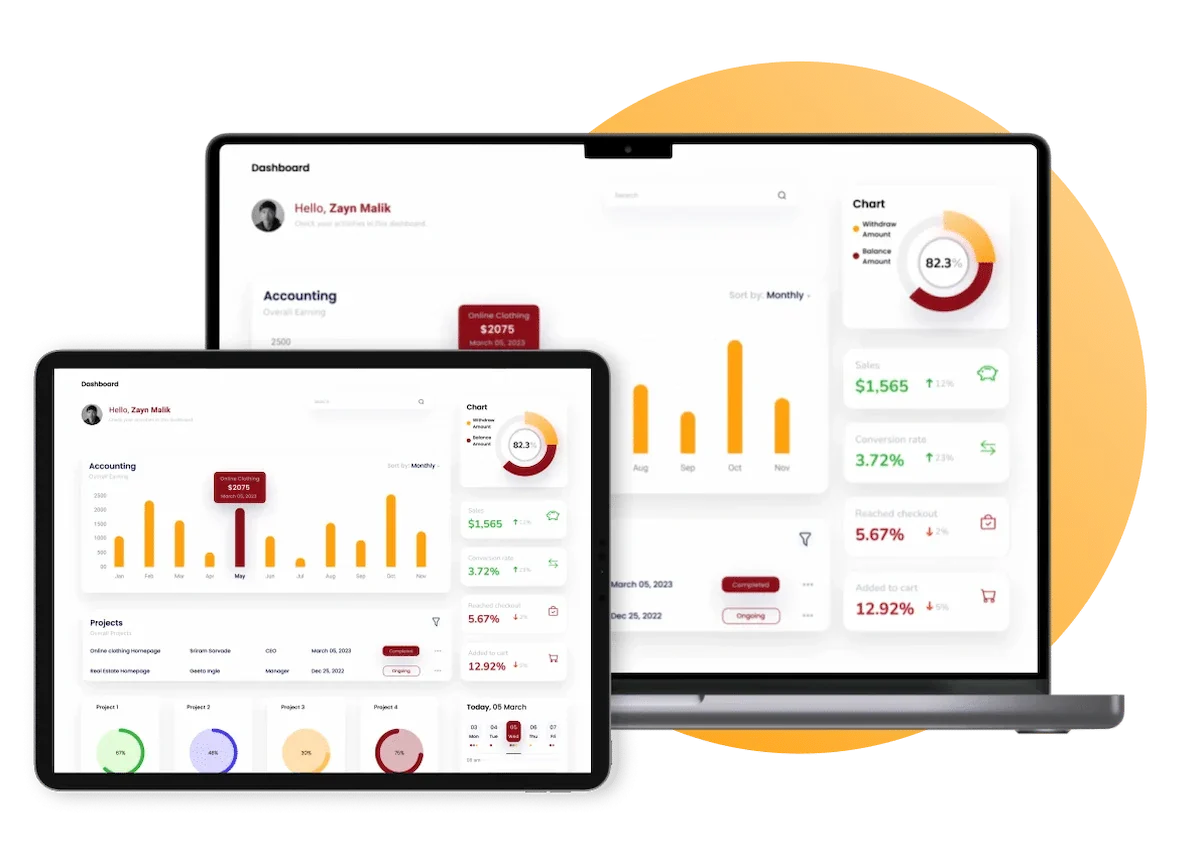
HashMicro is a leading CRM provider in Southeast Asia, including the Philippines. It serves over 1,750 businesses, with clients like Changi Airport, McDonald's, Bank of China, and Generali Insurance. Known for its efficient and innovative CRM tools, HashMicro helps businesses improve their sales processes with ease.
HashMicro's CRM system strengthens customer relationships and drives business growth. It automates sales tasks to turn potential leads into loyal customers. The system also helps businesses meet BIR eSales requirements for accurate sales reporting. Designed for specific business needs, it offers additional features that enhance its functionality, such as:
- Sales pipeline: Leads are moved from one stage to another based on their sales status. The sales pipeline can be customized according to individual preferences.
- Sales team management: Monitor sales progress and each salesperson’s performance. Assign appropriate tasks and receive notifications regarding sales representatives’ achievements.
- Revenue forecasting: Accurately forecast revenue from each lead and effortlessly compile a list of prioritized prospects.
- Email marketing management: Create, customize, and send pertinent emails to segmented subscribers, customers, or leads. Respond directly to emails through the system.
- Call logging management: Every conversation with each prospect is meticulously logged to assist sales representatives in understanding leads better and optimizing customer service.
- Sales report management: The system generates real-time sales reports, which cover sales activities, team performance, profits, and losses, among other metrics.
- GPS Sales Tracking: Monitors each sales team member's progress, supports task distribution, and sends achievement notifications. It is a core feature of retail CRM software.
- Chatroom: This function provides a platform for real-time and integrated communication within teams, enhancing collaboration and information flow.
- KPI for Activity Targeting: This metric assesses the effectiveness of customer relationship management and team performance, offering insights into business prospects and operational cycles.
These CRM benefits are exclusive to HashMicro. Choosing HashMicro means choosing a CRM system built around the value of each client. Try the system for free with a demo. You can also connect with our expert team through the chat feature on this page to learn more about HashMicro's features.
Conclusion
Customer Relationship Management (CRM) is a key technology that strengthens a company's interactions with existing and prospective customers. An effective CRM system drives business growth by optimizing customer relationships and streamlining daily operations.
A comprehensive CRM system encompasses various essential components and tools. Despite numerous software options, only some provide a complete CRM solution. In contrast, HashMicro is a premier sales CRM provider in Southeast Asia.
It invites businesses to explore its offerings through a free demo. Companies in the Philippines are encouraged to seize this opportunity or connect with HashMicro to learn about systems that can significantly improve their operational efficiency.
FAQ About CRM
A CRM tool is used to manage and improve customer relationships by organizing interactions, tracking customer data, and automating tasks. It helps businesses streamline sales, marketing, and customer service processes for better efficiency and customer satisfaction.
The purpose of a CRM system is to centralize customer information, enhance communication, and build stronger customer relationships. It enables businesses to deliver personalized experiences, improve retention, and drive sales growth.
Cloud-based CRM software is a system for managing customer relationships that is hosted on remote servers. Unlike traditional on-premise CRMs, cloud CRMs like HashMicro allow users to access customer data and manage interactions from any internet-connected device, offering greater flexibility and easy integration with other tools.
A CRM system offers benefits like improved productivity, actionable insights through data analysis, and enhanced customer service. It also supports better collaboration across teams, streamlines workflows, and provides scalability for business growth.