






Looking for alternatives to SAP? SAP ERP is a market-leading platform for managing finance, human resources, manufacturing, procurement, and logistics. However, it may not suit every organization. Businesses evaluating SAP competitors often seek systems that provide greater flexibility, simpler implementation, stronger local support, or a more manageable total cost of ownership.
This article compares the top SAP competitors and alternatives in 2026. It covers established SAP ERP competitors, emerging SAP ERP alternatives, and SAP alternatives to help businesses identify a system that matches their operational requirements. A strong SAP alternative should offer scalable functionality, flexible deployment, and industry-specific capabilities without adding unnecessary complexity.
Key Takeaways
SAP ERP is a robust software that helps companies streamline processes across procurement, manufacturing, service, sales, finance, and HR.
Despite its strong market presence and features, businesses might look for alternatives to SAP ERP.
Choosing the right ERP software for your business is crucial and can significantly impact your company’s efficiency and growth.
What is SAP ERP?
SAP ERP refers to enterprise resource planning software developed by SAP to integrate core business functions within one system. It centralizes data from finance, procurement, manufacturing, inventory, sales, and human resources, enabling departments to coordinate workflows using consistent information.
ERP is the broader category of integrated business management system, while SAP is one provider within that category. Understanding this distinction helps businesses compare SAP with other SAP competitors based on functionality, scalability, implementation requirements, industry fit, and total cost. It also provides a clearer foundation for evaluating different SAP ERP alternatives.
Why Consumers Should Look for SAP Alternatives?
Despite its strong market presence and broad functionality, SAP ERP may not be the best fit for every business. Companies comparing SAP competitors commonly consider implementation complexity, licensing, consulting costs, customization requirements, usability, and dependence on a particular vendor ecosystem.
These factors often push smaller and mid-sized companies to evaluate SAP alternatives that may be easier to use, faster to deploy, or more aligned with their operational needs.
Common SAP Limitations
When assessing SAP competitors, businesses should compare the following potential limitations against their operational priorities:
- Complexity and cost: SAP requires substantial time and financial investments and a complex implementation. High costs and potential extra expenses for customization and training also make SAP less feasible for cost-sensitive businesses.
- Scalability and flexibility: Companies that experience rapid growth or frequent changes in their operations might find SAP’s configurations too cumbersome or slow to adapt to their evolving needs.
- Customization and usability: Customizing SAP to fit specific business processes can be complex and expensive. Additionally, some users report that the interface is less intuitive than newer ERP systems.
- Vendor lock-in and support issues: Committing to SAP can sometimes result in vendor lock-in, which can be risky if the support does not meet the company’s expectations or costs escalate beyond initial forecasts.
Need to know!
Many businesses are shifting to AI-powered ERP to automate workflows, predict demand, and reduce manual errors. One of the best solutions is Hashy AI from HashMicro with complete features.
Get a Free Demo Now!
Top 10 SAP Competitors & Alternatives
Below are the top 10 SAP competitors to guide you in choosing the best alternatives suited to your needs. Each has been evaluated for its features, ease of use, scalability, and how well it can integrate with existing business processes. The order is intended to support comparison rather than represent an independent ranking. Businesses should validate all SAP ERP competitors through demonstrations, references, technical assessments, and commercial proposals.
1. HashMicro ERP System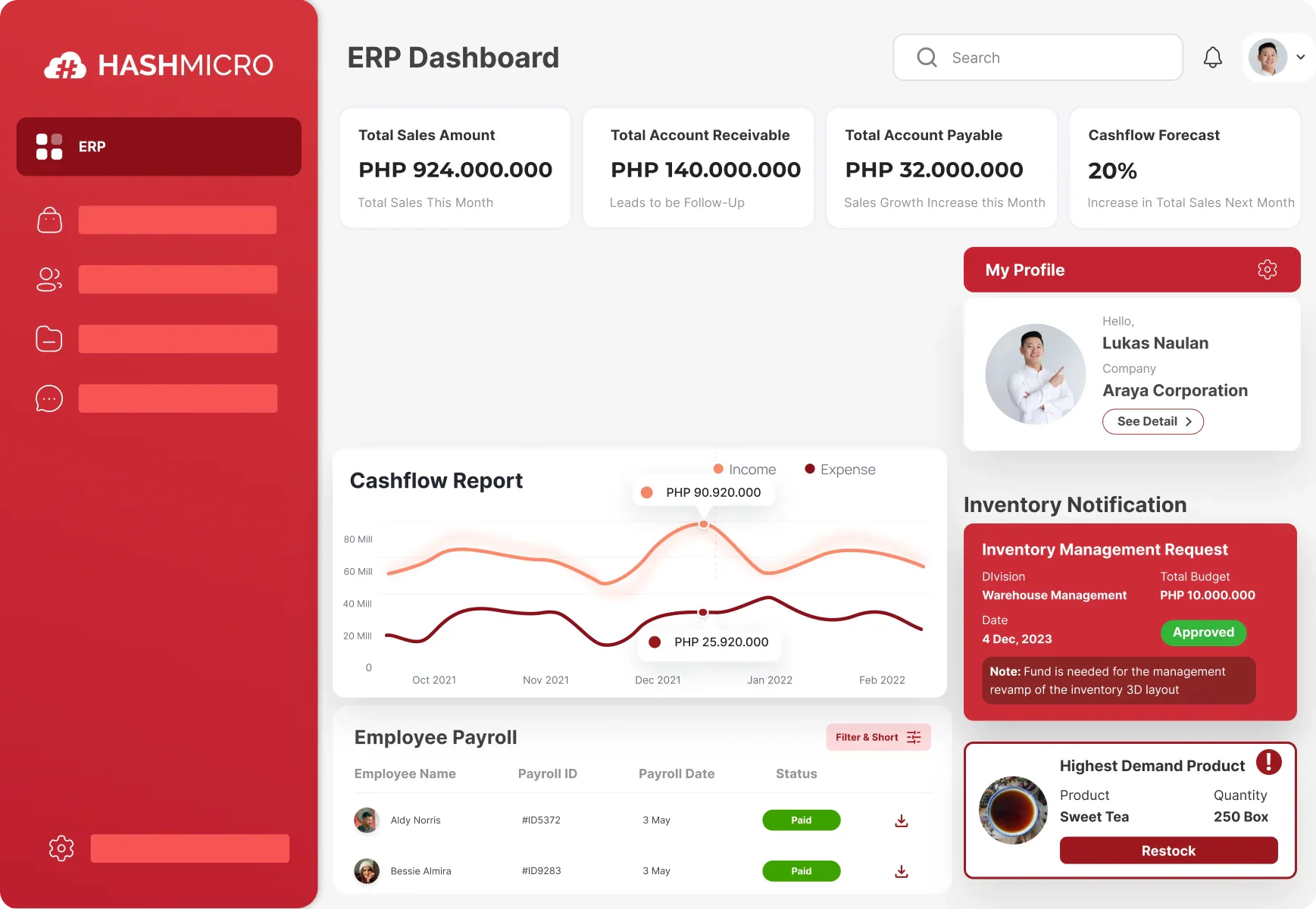
HashMicro is one of the SAP competitors designed for medium-sized and enterprise businesses that need integrated operations with local implementation and support. The platform connects accounting, procurement, inventory, sales, CRM, manufacturing, and human resource management within one ERP environment.
Among SAP alternatives, HashMicro is an ERP module that is suited to companies that require extensive workflow customization, multiple integrated modules, and support for local regulatory requirements. Its architecture can also integrate with external platforms and other HashMicro applications.
HashMicro provides product demonstrations so prospective users can evaluate its workflows, reporting, and module coverage before making a purchasing decision.
| Pros | Cons |
|
|
Price: Custom quote based on modules and scale. Free consultation available.
As an end-to-end solution, HashMicro covers all aspects of business management, from initial planning and procurement to delivery and customer service. Click the banner below to view HashMicro’s pricing scheme and find the perfect fit for your business needs.
2. Oracle NetSuite
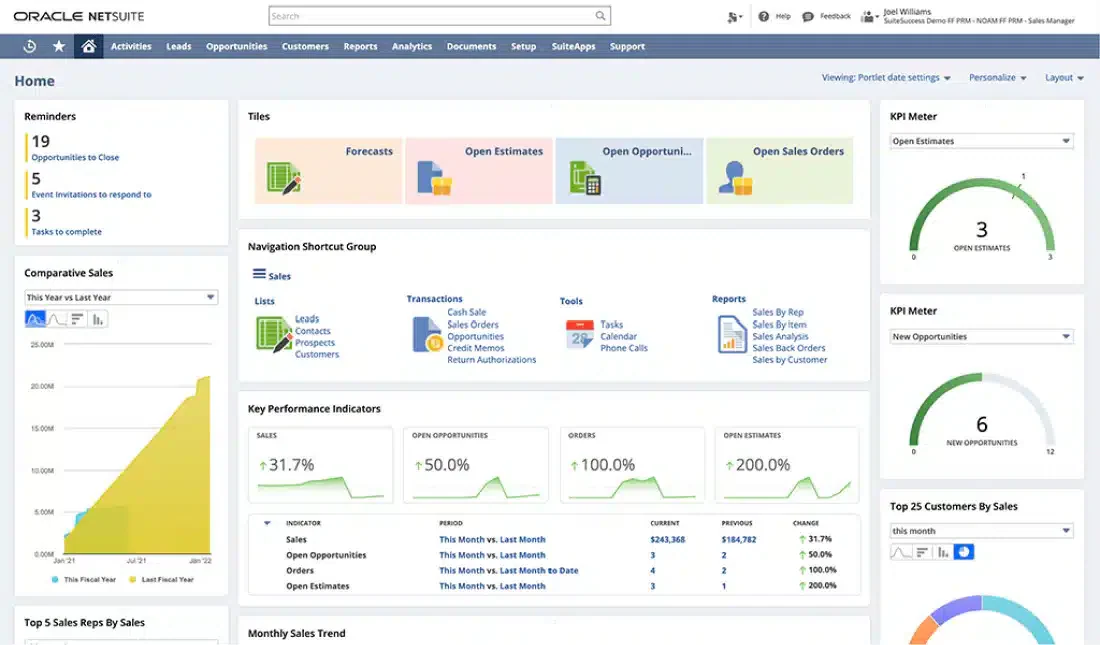
Oracle NetSuite ERP is a cloud-based platform frequently evaluated alongside other SAP alternatives. It combines financial management, CRM, e-commerce, project management, supply chain, and inventory capabilities within one system.
NetSuite is suitable for organizations that prioritize cloud deployment, multi-entity management, and access across different locations. Its broad functionality can also create implementation and configuration complexity.
| Pros | Cons |
|
|
Price: Starter edition (₱61,673/month), Mid-Market/Enterprise Edition (₱154,338–₱308,675+/month), Full User License (₱7,964–₱12,285 per user/month), and Employee Self-Service License (₱926–₱1,543 per user/month)
3. Microsoft Dynamics 365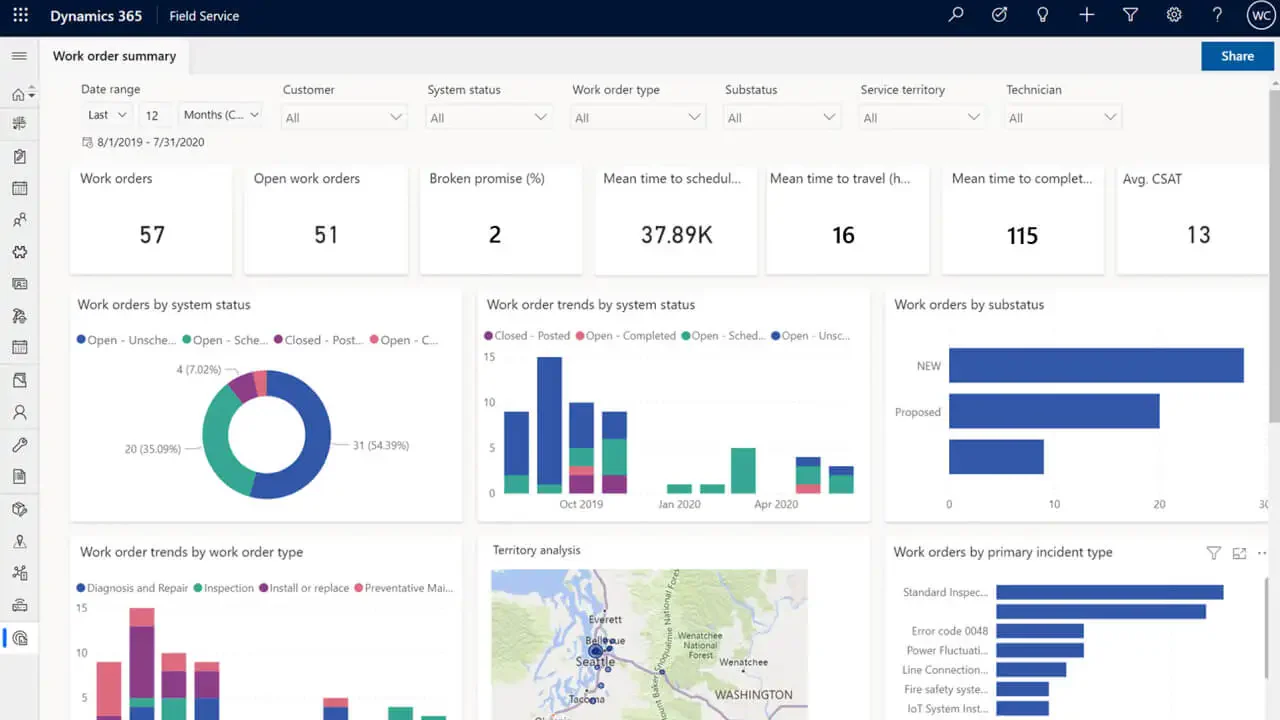
Microsoft Dynamics 365 is one of the prominent SAP competitors for organizations already using Microsoft products. It supports sectors such as retail, finance, distribution, and manufacturing through applications for sales, customer service, field service, finance, supply chain, and marketing.
Among SAP ERP competitors, Dynamics 365 stands out for its integration with Microsoft 365, Power BI, Power Platform, and Azure. However, licensing, implementation, and application selection can become complicated for companies requiring multiple modules.
| Pros | Cons |
|
|
Price: Dynamics 365 Sales Professional (₱4,013 per user/month), Sales Enterprise Edition (₱6,482 per user/month), Sales Premium (₱9,261 per user/month), and Microsoft Relationship Sales (custom pricing with a 10-seat minimum).
4. Odoo
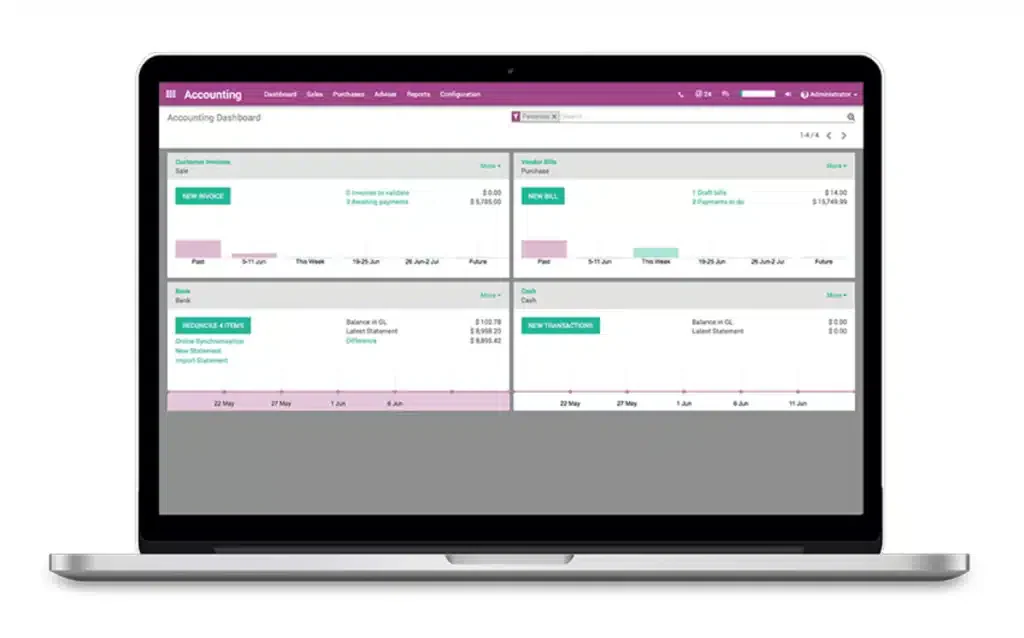
Odoo ERP stands out as a prominent choice among SAP competitors ERP, offering an open-source system that integrates various business functions into a single platform, enhancing operational efficiency and data consistency across departments.
Odoo’s modular structure allows businesses to start with basic modules and add more as their needs evolve, including CRM, e-commerce, accounting, inventory, point of sale, project management, and more.
| Pros | Cons |
|
|
Price: One App Free (₱0/month), Standard (≈₱474 per user/month), and Custom (≈₱732 per user/month).
5. Sage X3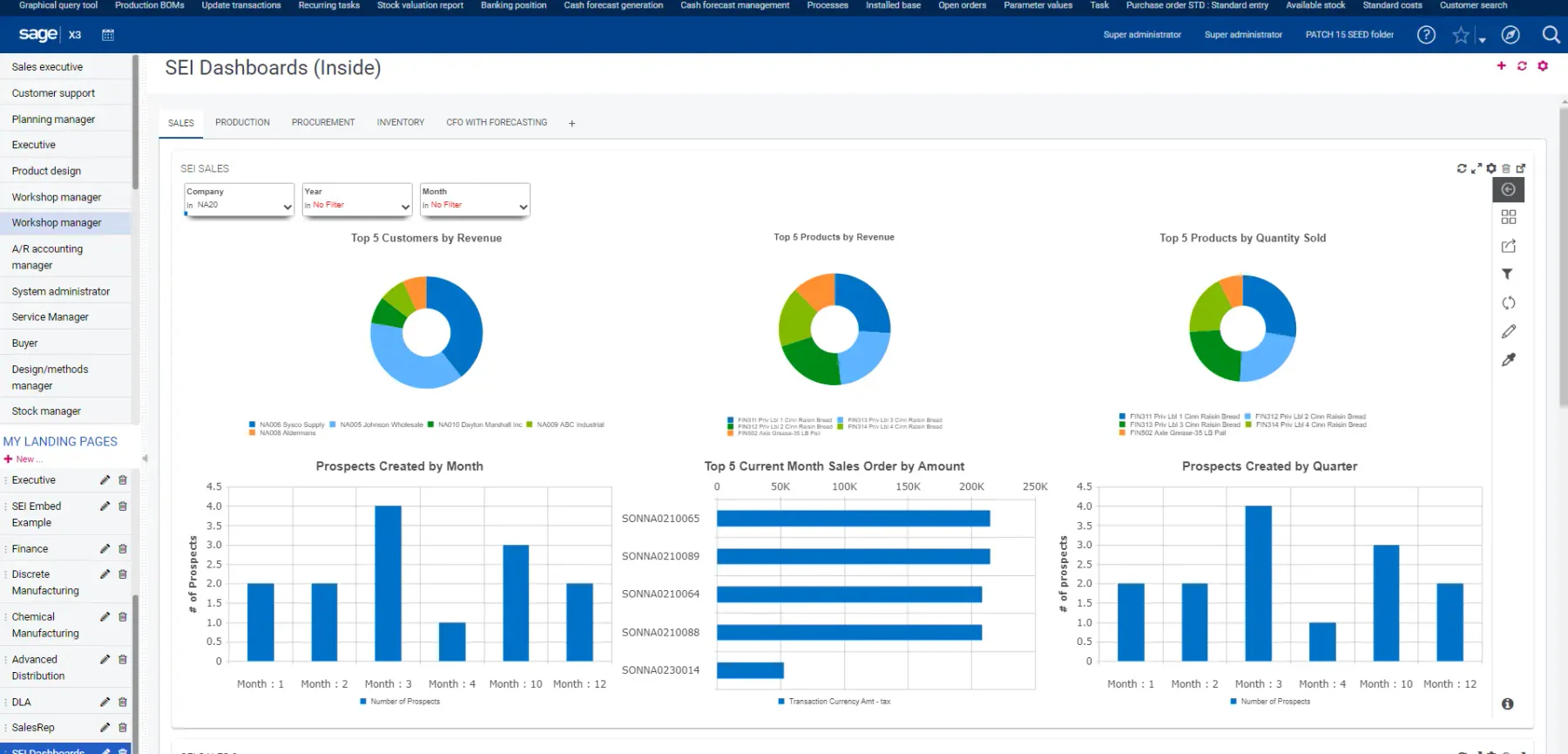
Sage X3 is included among SAP competitors for companies requiring financial, supply chain, and production management. It is commonly considered by manufacturing, distribution, and service businesses that need an ERP system capable of handling complex operations.
Sage X3 provides multi-language and multi-currency functionality, making it relevant to organizations operating across different markets. Its functional depth can also result in a steep learning curve and longer implementation period.
| Pros | Cons |
|
|
Price: Cloud Subscription (₱12,347–₱30,869 per named user/month), Perpetual On-Premise License (₱185,211–₱370,422 one-time per named user), and Annual Maintenance (approximately ₱33,338–₱81,493 per named user/year).
6. Infor
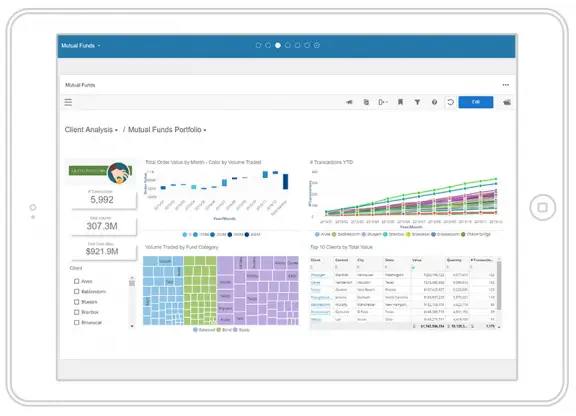
Infor ERP is one of the industry-focused SAP competitors, with ERP products designed for sectors such as manufacturing, retail, distribution, healthcare, and hospitality. Its applications combine operational management with cloud services, analytics, automation, and industry-specific functionality.
Infor can be a strong choice for companies that prefer software designed around their industry. The trade-off is that implementation, integration, and employee training may require significant resources.
| Pros | Cons |
|
|
Price: Custom quote based on modules and scale.
7. Acumatica
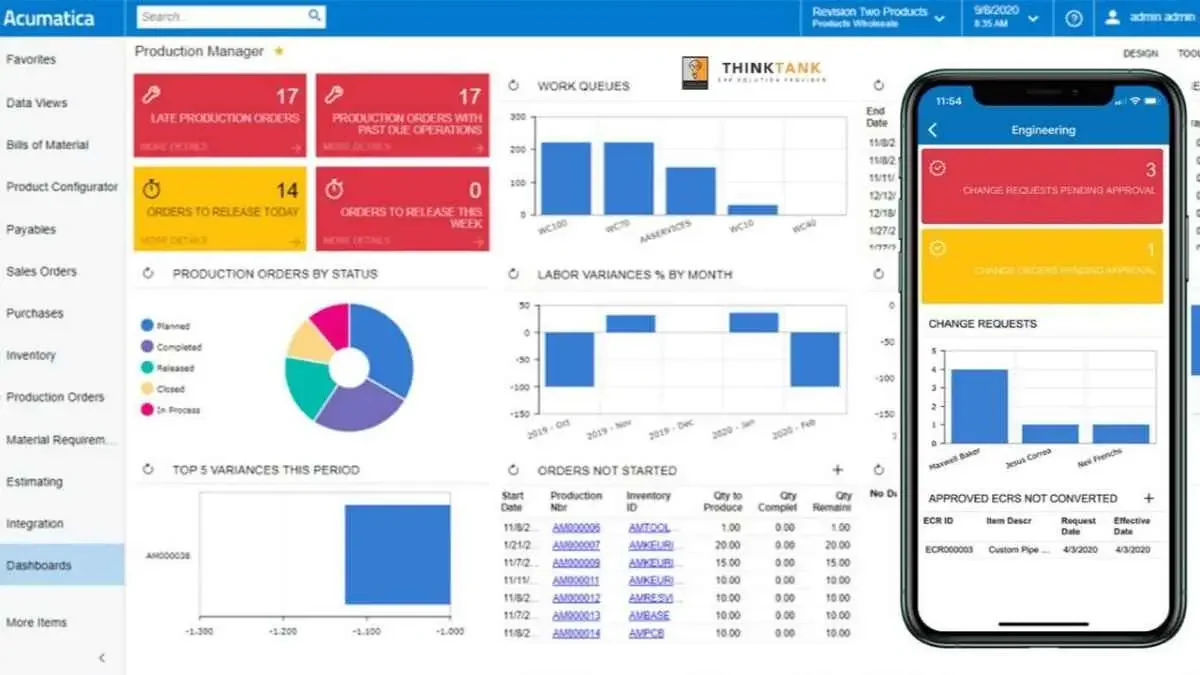
Acumatica ERP is one of the cloud-based SAP alternatives designed primarily for growing mid-market companies. It covers financial management, project accounting, CRM, inventory, distribution, construction, and manufacturing.
As one of the SAP ERP alternatives, Acumatica emphasizes browser-based access, collaboration, and flexible deployment. Companies with large data sets or highly specialized processes should assess performance, integration availability, and customization requirements during evaluation.
| Pros | Cons |
|
|
Price: Custom consumption-based model
8. Epicor
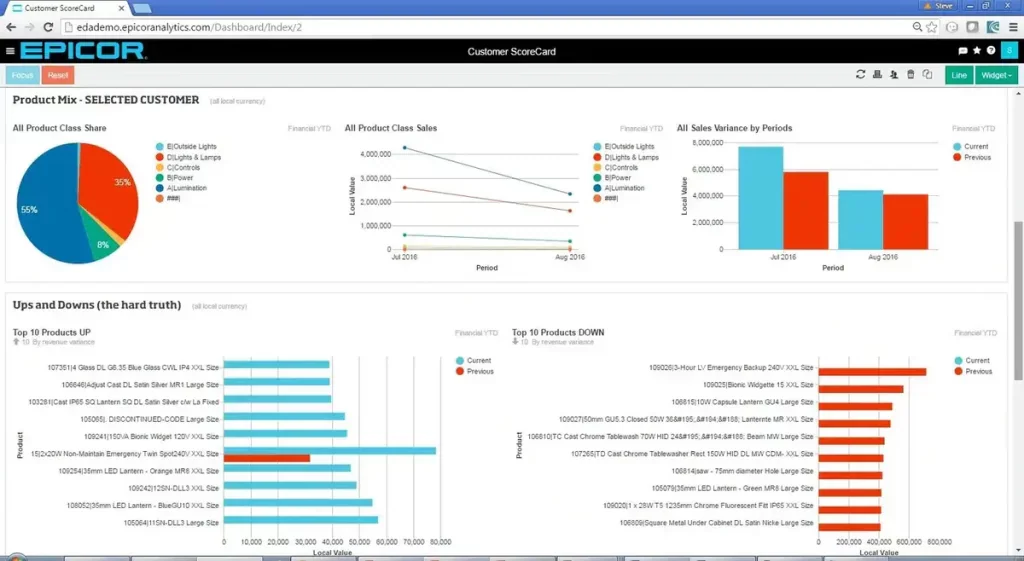
Epicor is a robust option among SAP competitors, offering solutions to support the unique needs of manufacturing, distribution, retail, and service industry sectors. The system is highly customizable, allowing businesses to tailor functionalities to their specific requirements.
Companies considering alternatives to SAP may evaluate Epicor when they need industry-specific manufacturing or distribution functionality. The platform is customizable, but implementation can be time-consuming and new users may need extensive training.
| Pros | Cons |
|
|
Price: Base Platform Fee (₱92,606/month), Starting Subscription (₱6,174 per user/month), and Per-User Subscription Range (₱6,174–₱12,347 per user/month).
9. Zoho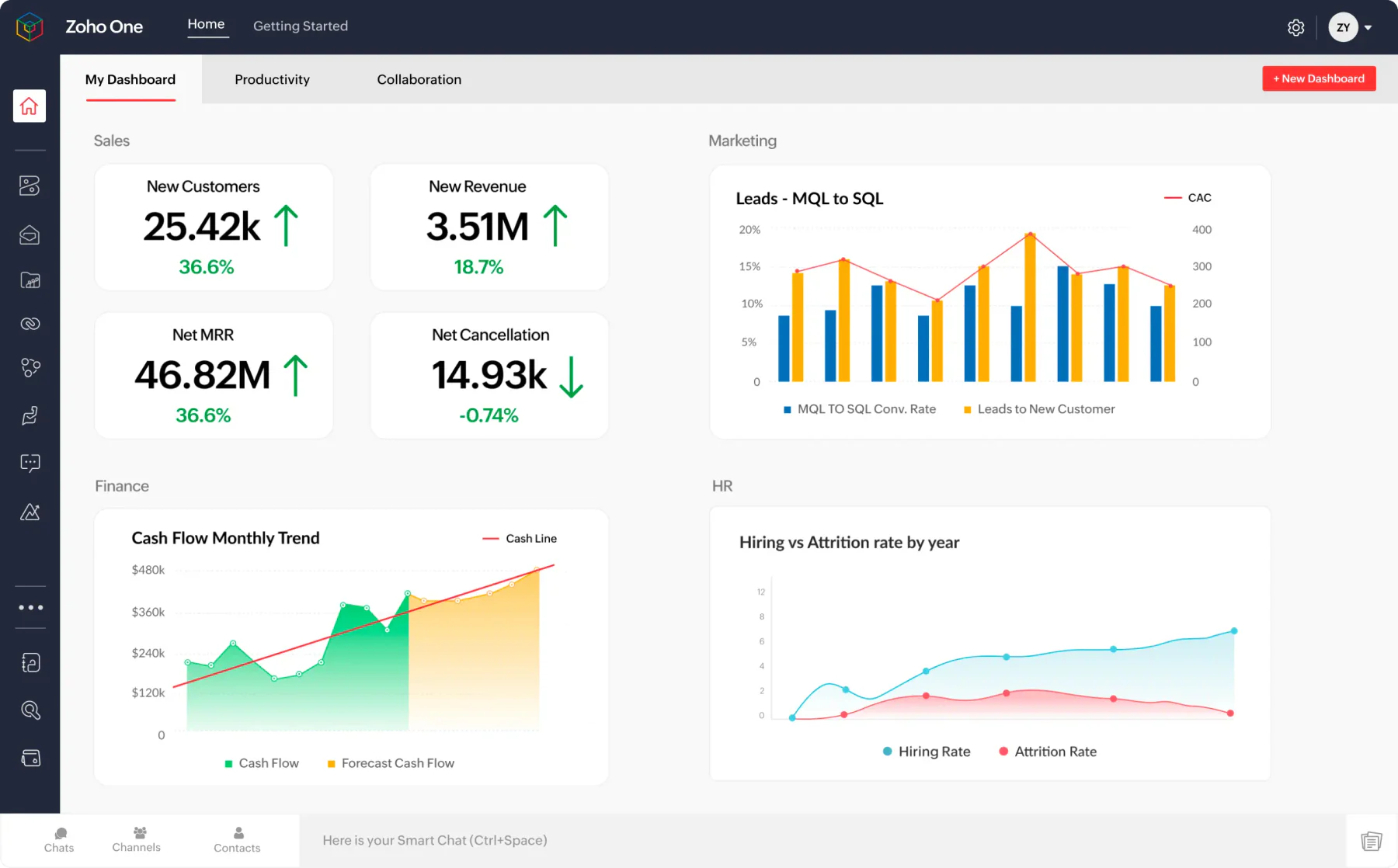
Zoho is one of the SAP competitors commonly considered by smaller and growing businesses. Its ecosystem includes applications for finance, inventory, CRM, human resources, collaboration, project management, and other operational needs.
Compared with larger SAP ERP alternatives, Zoho generally provides a simpler entry point and easier application adoption. However, companies with complex manufacturing, consolidation, or enterprise governance requirements may find its functionality less comprehensive.
| Pros | Cons |
|
|
Price: All-Customer Plan (₱2,137/month) and Flexible-User Plan (₱4,985/month).
10. SYSPRO ERP
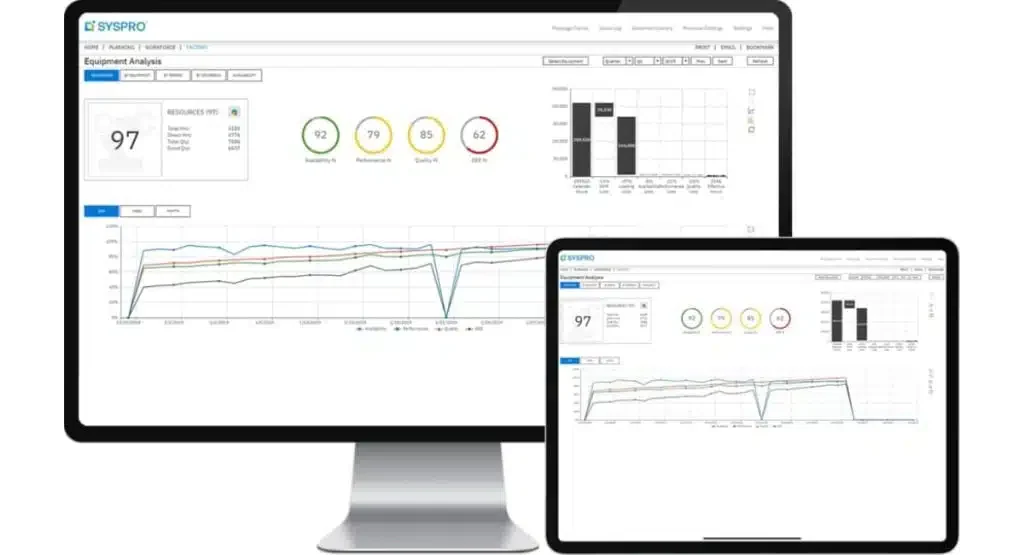
SYSPRO ERP is a prominent choice among SAP alternatives, offering tools that enhance operational efficiency, manage inventory, streamline supply chains, and integrate financial management in a single platform
The system stands out for its modular design, which allows companies to customize the software with the specific functionalities they require. This feature extends to various industry-specific needs, making it suitable for specialized markets such as automotive, electronics, and F&B.
| Pros | Cons |
|
|
Price: SYSPRO Cloud (₱6,174–₱9,260 per user/month) and SYSPRO On-Premise Subscription (₱4,630–₱7,408 per user/month).
How to Choose the Best SAP Alternatives for Your Business
Choosing between SAP competitors requires more than comparing feature lists. Businesses evaluating SAP ERP competitors should examine how each platform supports current processes, future expansion, regulatory requirements, integrations, and user adoption:
- Identify your business needs: Identify your business processes and what you need from an ERP system. Identify the key areas where you need improvement, such as inventory management, human resources, or customer relationship management.
- Features and functionality: Ensure the ERP software has the essential features and functionalities for your business operations. Look for software that offers tools for efficiently managing your specific business tasks.
- Consider scalability: As your business grows, your ERP system should grow with you. Look for software that can easily scale up to accommodate new users, more complex operations, or additional features without requiring a complete overhaul.
- Evaluate ease of use: The software’s usability is crucial for your team’s adoption. Choose a system with an intuitive interface and good user support. This will help reduce training time and increase productivity.
- Check customization options: Every business has unique needs. Ensure the ERP software you choose can be customized to fit your specific business processes and workflows.
- Review integration capabilities: Your ERP software should integrate seamlessly with other tools and systems you already use. This integration capability will prevent data silos and enhance overall operational efficiency.
By following these steps, you can choose an ERP system that meets your current needs and supports your business as it evolves. This approach will help you leverage ERP’s full potential to streamline operations, enhance decision-making, and drive business growth.
Conclusion
SAP ERP remains a strong choice for organizations that require broad functionality and can support a large implementation program. However, it may not be the most practical option for every business in the Philippines, particularly those seeking faster deployment, localized support, simpler customization, or lower operational complexity.
Comparing SAP competitors helps businesses identify which platform best matches their processes, industry, resources, and growth plans. The evaluation should include SAP ERP alternatives for enterprise requirements and SAP alternatives for organizations seeking a more accessible mid-market system.
Businesses researching additional alternatives to SAP can also consult a broader comparison of the best ERP software in the Philippines before creating a final shortlist. One of those software options is HashMicro ERP Philippines, which combines localized functionality, flexible customization, and AI-enabled operations into one integrated system.
FAQ for SAP Competitors
Many Philippine businesses look for alternatives to SAP ERP because implementation can be complex, customization may be costly, and the total investment may be too high for companies that need a more flexible and practical system. Businesses also compare alternatives based on usability, scalability, and how quickly the software can adapt to changing operations.
Philippine companies should review their business needs, required features, scalability, ease of use, customization options, and integration capabilities before choosing a SAP alternative. It is also important to assess whether the ERP system can support local operational requirements and help teams adopt the system without long implementation delays.
For many growing businesses in the Philippines, a cloud ERP can be a better option when they need faster deployment, remote access, and easier scalability. However, the best choice still depends on the company’s budget, process complexity, and need for customization, since some businesses may still prefer more advanced or highly specialized ERP environments.
The best SAP competitor for a Philippine mid-market company depends on its industry, process complexity, budget, and localization needs. Companies should prioritize platforms that support Philippine accounting and regulatory requirements, integrate with existing tools, scale across branches, and provide reliable local implementation and after-sales support.
A company can migrate from SAP by first mapping current processes, data, integrations, controls, and reporting requirements. It should then clean and validate master data, configure the replacement ERP, test critical workflows, train users, and run a controlled cutover. A phased migration can reduce operational disruption and implementation risk.