



Philippine businesses that manage fleet armadas do so across delivery, service, construction, company, and transport operations. They must coordinate drivers, maintenance, fuel, registration, repairs, and trips, while accounting for availability. A 2024 PSA study counted 257 bus-transport and 1,029 other land-transport establishments, underscoring the need for efficient vehicle records and renewal schedules.
The LTO handles vehicle registration and driver licensing, while the Department of Transportation oversees the broader national transport system for Philippine businesses. Businesses need reliable records and timely reminders to prevent expired documents, unavailable vehicles, and operational disruption across branches.
Fleet management software can centralize vehicle information, driver assignments, maintenance schedules, operating costs, and reports in one system. Each company should select capabilities that match its priorities, including GPS visibility, maintenance control, dispatch management, compliance reminders, ERP integration, or a combination.
Key Takeaways
Fleet management software centralizes vehicle, driver, trip, maintenance, compliance, cost, and reporting data so Philippine businesses can coordinate daily operations.
A practical evaluation compares asset records, tracking, maintenance, drivers, costs, compliance, dispatch, reporting, integrations, implementation, support, and total ownership cost.
The best solution matches each fleet’s tracking, maintenance, compliance, dispatch, ERP, support, and budget requirements.
ERP-connected fleet management improves visibility by linking vehicle availability, maintenance, fuel, inventory, accounting, driver assignments, and delivery planning.
What Is Fleet Management Software?
Fleet management software helps Philippine businesses organize vehicles, drivers, trips, maintenance, compliance records, and operating costs in one system for daily operations. A fleet management system Philippines search should also consider how GPS tracking covers location while broader tools manage the vehicle lifecycle.
Common capabilities include vehicle and asset records, driver assignments, preventive maintenance, inspections, repair orders, fuel costs, GPS or telematics, trip dispatch, registration reminders, utilization reports, downtime tracking, and accounting, inventory, procurement, or ERP integrations.
GPS tracking remains one capability within a broader platform. Businesses that coordinate delivery operations can also review a distribution management system to connect fleet decisions with order fulfillment, dispatch planning, and distribution visibility.
The Benefits of Fleet Management Software for Supply Chain Visibility
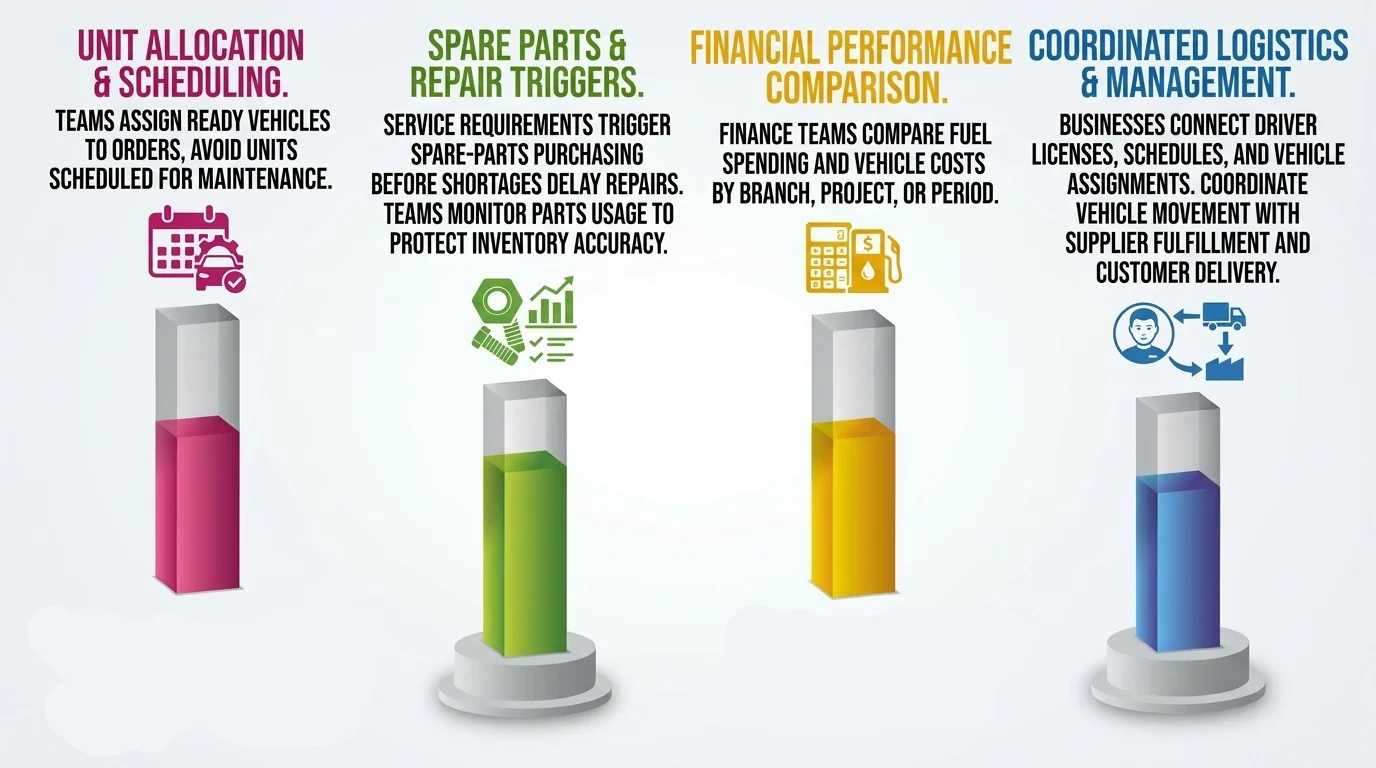
ERP-connected fleet management software improves supply chain visibility by linking vehicle availability with delivery planning, maintenance, fuel, inventory, accounting, and employee records. Philippine businesses can evaluate more than vehicle locations by measuring readiness, operating costs, service risks, and delivery effects across branches, projects, and customer commitments. The key benefits include:
- Vehicle availability and delivery planning: Teams assign ready vehicles while avoiding scheduling conflicts related to maintenance
- Maintenance and procurement coordination: Service needs trigger spare-parts purchasing before shortages delay repairs.
- Fuel and accounting visibility: Finance compares fuel spending by vehicle, branch, project, and operating period.
- Downtime and operational planning: Managers adjust schedules when breakdowns reduce available capacity.
- Inventory and fulfillment control: Teams monitor parts usage while supporting perishable inventory workflows.
- ERP-connected fleet control: Leaders connect vehicles, drivers, inventory, accounting, and delivery execution.
Comparison of the Best Fleet Management Software
Compare these seven platforms by operational fit, tracking depth, maintenance coverage, Philippine availability, and the pricing information each vendor publishes. The best fleet management software that Philippine buyers choose should support and automate workflows, while vendor features, integrations, and prices require confirmation before purchase.
| Software | Best for | Tracking | Maintenance | Philippine fit | Pricing |
|---|---|---|---|---|---|
| HashMicro | Fleets needing connected ERP workflows | Real-time tracking | Maintenance linked with asset and business records | Philippine product offering | Custom quote |
| Cartrack | Vehicle visibility and driver monitoring | Device-based GPS and telematics | Service alerts and diagnostics | Philippine provider site | Subscription rental, request a quote |
| Fleetio | Maintenance and repair records | Telematics integrations | Service schedules, inspections, and work orders by plan | Confirm Philippine billing and support | From ₱254/vehicle/month, billed annually |
| Ramco | Large transport operations | Fleet tracking and integrations | Fleet and workshop management | Confirm local implementation scope | Custom quote |
| Simply Fleet | Small fleets and lean teams | Optional telematics integration | Reminders and inspections; work orders on Advanced | Confirm Philippine billing and support | ₱190–₱317/vehicle/month |
| Altair FMS | Fleets needing telematics and deployment flexibility | Live GPS and driver analytics | Preventive and corrective maintenance | Confirm Philippine support and hardware arrangements | Request a quote; public tier prices unverified |
| TrackMe Suite | Philippine distribution and delivery teams | Live trips, geofences, and GPS integrations | Confirm required maintenance functions in a demo | Philippine provider | Request a quote |
Best Fleet Management Software for Philippine Businesses
The seven reviews below cover different fleet needs, from vehicle tracking and preventive maintenance to enterprise transport control and delivery coordination. To find the most suitable software, Philippine buyers should verify local support, connectivity, compliance reminders, integration, and total cost in a demonstration.
1. HashMicro
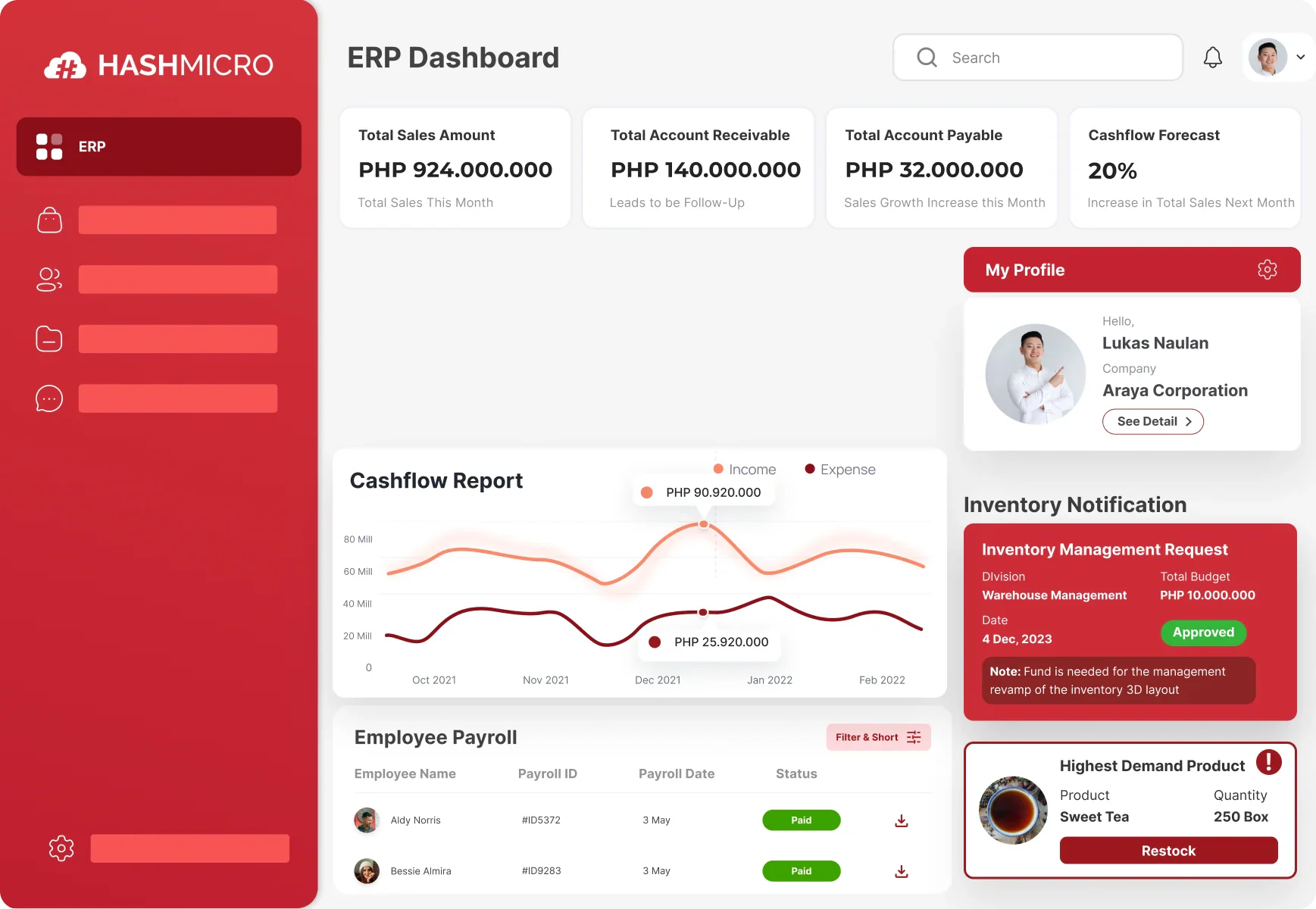
HashMicro helps Philippine businesses manage vehicle and driver records while connecting fleet operations with procurement, inventory, accounting, and reporting. Its Asset Control scope stores ownership status, plate numbers, VINs, vehicle types, engine specifications, driver license details, and expiration dates for each vehicle and driver.
This makes HashMicro fleet management software's ERP-connected approach relevant for companies that need more than vehicle location. Fleet records can be connected with asset lifecycle information, maintenance activities, spare-parts procurement, operating expenses, and management reporting, subject to the selected product configuration.
Key features:
- Fleet and driver master data: HashMicro centralizes vehicle and driver records, including ownership, specifications, license details, and expiration dates.
- License and assignment controls: License alerts and assignment checks help prevent vehicles from being assigned to drivers with expired licenses.
- Maintenance and cost visibility: Teams can connect preventive maintenance, repairs, spare parts, fuel, downtime, and operating costs for each vehicle.
- ERP workflow and governance: ERP integration links fleet operations with procurement, inventory, accounting, approvals, reporting, and audit trails across branches.
| Pros | Cons |
|---|---|
|
|
Best for: Multi-branch logistics, construction, courier, field-service, and enterprise fleets needing integrated asset and financial records.
Pricing: Custom pricing based on a quote.
HashMicro ERP can help Philippine fleet teams organize vehicle and driver information in one broader business workflow. Request a tailored consultation to assess whether the configuration, integrations, support model, and total cost match your fleet’s operating requirements.
2. Cartrack
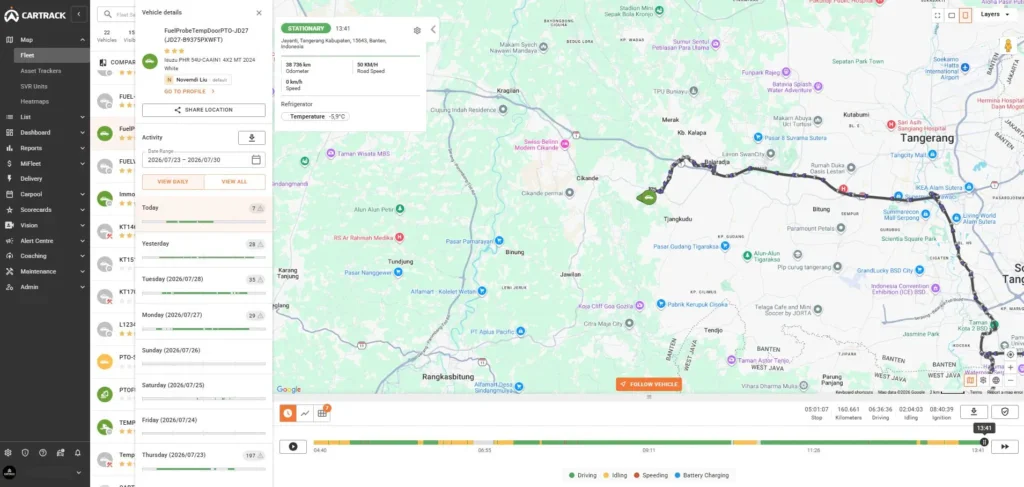
Cartrack Philippines provides telematics for businesses that need to monitor vehicle movements and driver activity. Installed devices feed live positions, location history, geofence alerts, and diagnostics into its fleet tracking software, giving dispatchers a clearer view of delivery and service vehicles across operating locations.
Cartrack stands out for combining tracking with driver scorecards, dispatch communication, and maintenance alerts. Buyers can compare its vehicle-level cost reports with their broader financial reporting needs, then confirm which features their selected subscription includes. Cartrack product details
Key features:
- GPS visibility: Installed devices show live positions, location history, and geofence events across active vehicles.
- Driver monitoring: Scorecards flag speeding, harsh driving, and idling for targeted coaching and safer operations.
- Dispatch communication: Mobile tasks and messaging connect drivers with dispatchers during deliveries and service visits.
- Maintenance alerts: Vehicle diagnostics and usage-based reminders help teams schedule service before problems disrupt trips.
| Pros | Cons |
|---|---|
|
|
Best for: Delivery and field-service fleets prioritizing live tracking, driver visibility, and hardware-supported dispatch.
Pricing: Subscription rental with monthly payment options based on the contract duration.
3. Fleetio
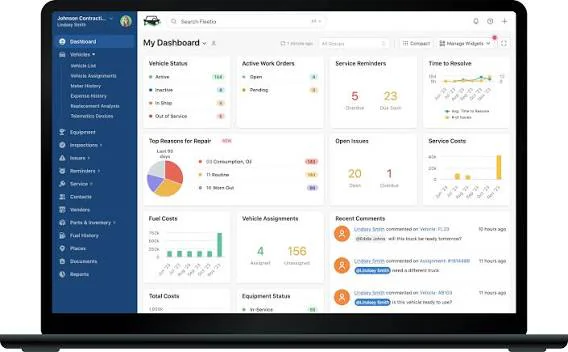
Fleetio brings vehicle records, maintenance plans, inspections, work orders, parts, and operating costs into one platform. This fleet management system can help Philippines-based teams assess when scattered service logs make it difficult to see upcoming work or a vehicle’s repair history.
Its maintenance depth is the main distinction. Higher plans add work orders and parts controls, helping teams connect repairs with stock usage. Fleet managers can compare those records with an inventory report to decide how fleet parts data should reach accounting.
Key features:
- Preventive maintenance: Service programs and reminders help teams schedule recurring vehicle maintenance.
- Digital inspections: Mobile forms capture defects and establish a consistent record of each vehicle’s condition.
- Work orders and parts: Higher plans track repair tasks, parts usage, and inventory by location.
- Cost reporting: Fleet reports bring service, fuel, and operating expenses into vehicle-level decisions.
| Pros | Cons |
|---|---|
|
|
Best for: Fleets prioritizing preventive maintenance, inspections, repair history, and parts control over live dispatch.
Pricing: Essential (₱254 with annual billing, or ₱317 with monthly billing), Professional (₱444, billed annually), Premium (₱634, billed annually). The displayed rates assume Fleetio’s five-asset plan band, so larger fleets should request a tailored price.
4. Ramco
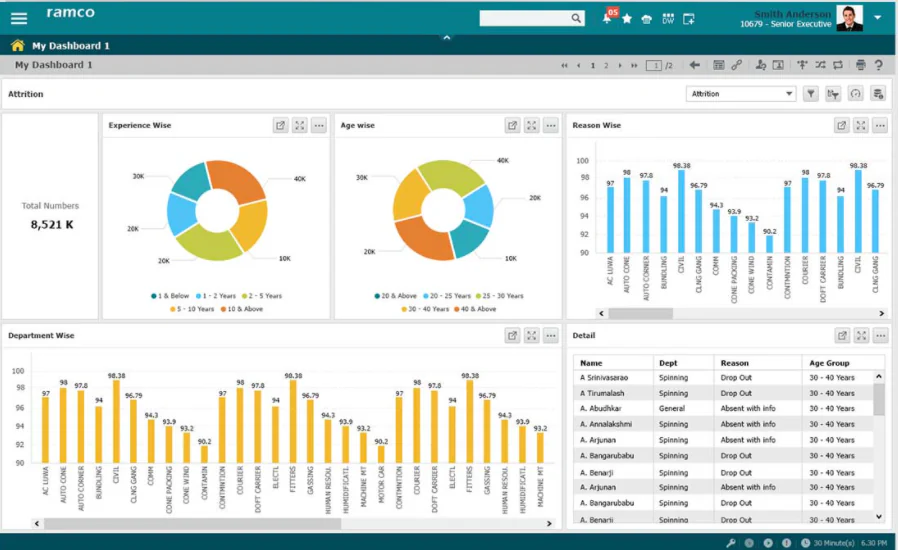
Ramco offers enterprise fleet and asset management within a broader logistics platform. It brings vehicle records, maintenance, workshop operations, allocation, and retirement planning together, making it relevant to transport operators that coordinate large fleets across locations and complex delivery workflows.
Ramco stands out through its links with transport, warehouse, hub, and billing modules. Its workshop tools also track parts, which teams can reconcile against an inventory report. That breadth calls for careful process mapping, configuration, and training during implementation.
Key features:
- Fleet lifecycle: Central records support vehicles from induction through maintenance, allocation, and retirement planning.
- Workshop management: Integrated tools coordinate service work, parts inventory, workshop operations, and billing.
- Vehicle allocation: Recommendations consider maintenance schedules and cargo compatibility when matching vehicles to trips.
- Transport integration: Complementary modules connect fleet management with transport, warehouse, hub, and billing workflows.
| Pros | Cons |
|---|---|
|
|
Best for: Large transport and logistics organizations managing complex fleet, workshop, and multi-location workflows.
Pricing: Custom quote based on company size, user count, selected modules, and cloud or on-premises deployment.
5. Simply Fleet
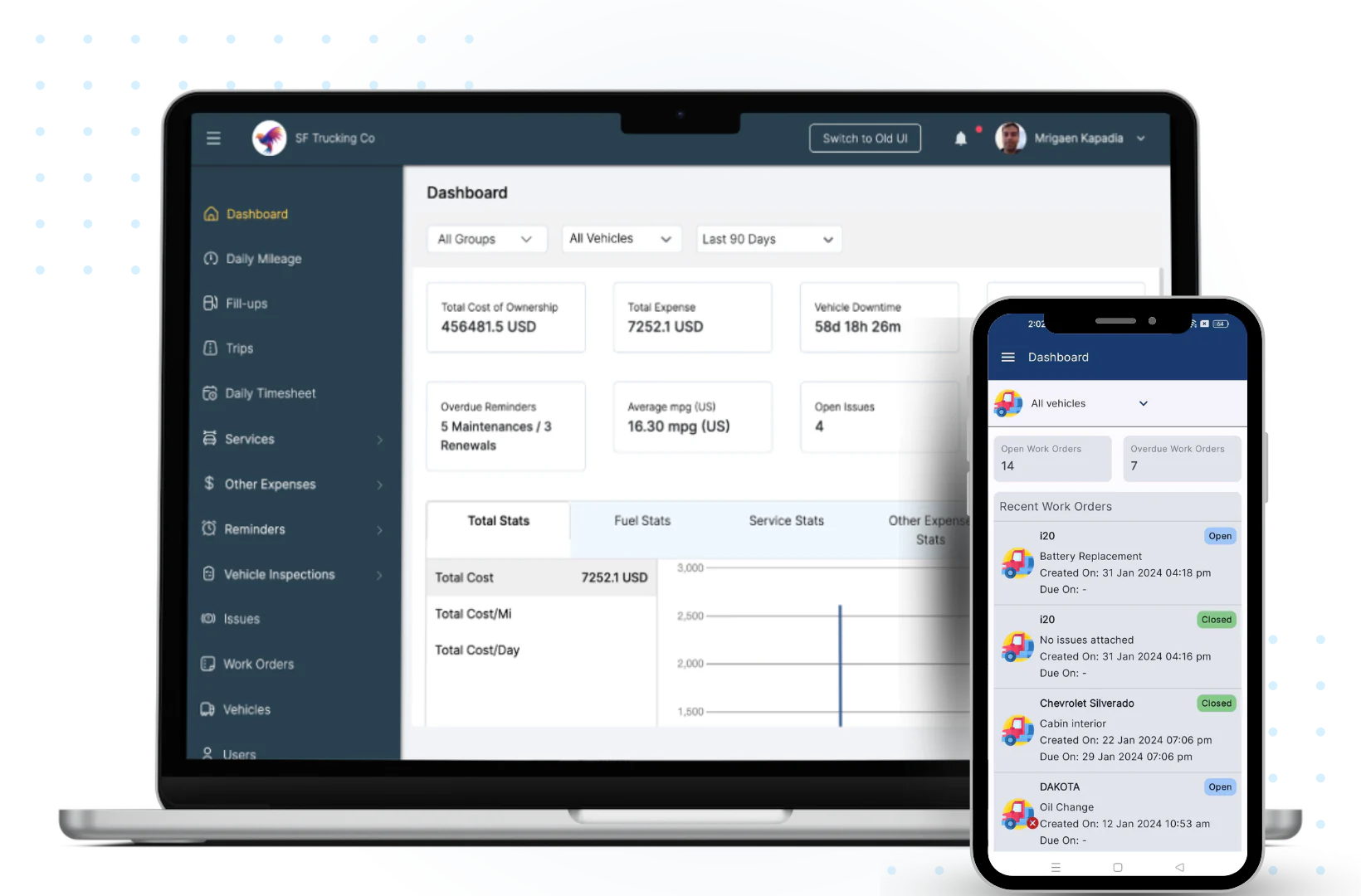
Simply Fleet offers vehicle, maintenance, inspection, fuel, and expense records in a compact platform. It is a fleet management system that Philippines-based small businesses can evaluate when they need consistent service reminders and cost records without starting with a broad enterprise implementation.
Its plan structure separates everyday fleet administration from workshop management. Essential covers preventive maintenance and digital inspections, while Advanced adds work orders and parts inventory. Telematics integration is a separately priced add-on, so buyers should check their GPS requirements before comparing totals.
Key features:
- Vehicle records: Asset and user profiles keep essential fleet details accessible to small operations teams.
- Maintenance scheduling: Reminders and digital inspections help teams keep preventive service on track.
- Cost records: Fuel, service, and expense entries show day-to-day spending by vehicle.
- Workshop controls: Advanced adds work orders and parts inventory for businesses managing repairs internally.
| Pros | Cons |
|---|---|
|
|
Best for: Small fleets and lean teams seeking maintenance and cost records with a clear upgrade path.
Pricing: Essential (₱190 per vehicle per month), Advanced (₱317 per vehicle per month), and Telematics integration is an optional, separately billed add-on.
6. Altair FMS
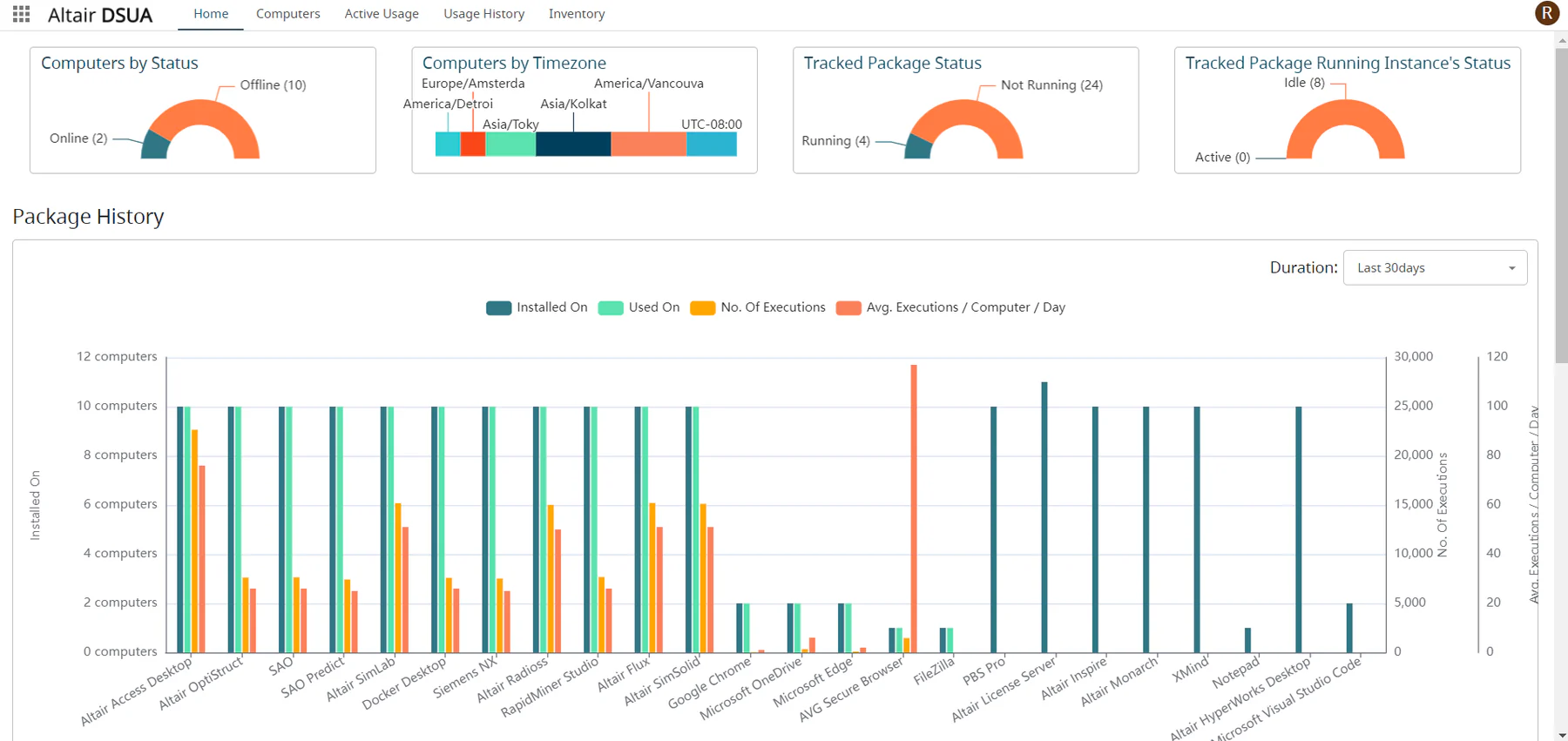
Altair FMS is a fleet platform listed on Microsoft Marketplace, with live tracking, driver monitoring, maintenance, analytics, and ERP integration capabilities. It provides fleet tracking software for organizations that want operational vehicle data alongside broader business systems and deployment options.
Its distinction is deployment flexibility: the provider describes cloud, on-premises, and hybrid arrangements. Buyers should establish who supplies tracking hardware, implements integrations, owns the data, and supports Philippine users before treating Marketplace availability as confirmation of a local service package. Microsoft Marketplace listing and provider details
Key features:
- Live tracking: Vehicle feeds show movement, routes, and location history through connected telematics hardware.
- Driver analysis: Scorecards and behavior alerts highlight speeding, harsh braking, and other driving risks.
- Maintenance management: Service workflows and work orders connect vehicle condition with scheduled repair activities.
- Deployment options: Cloud, on-premises, hybrid, and ERP integration options address different enterprise IT requirements.
| Pros | Cons |
|---|---|
|
|
Best for: Organizations evaluating connected telematics, maintenance, and ERP integration under defined IT requirements.
Pricing: Starter (₱2,473/month), Growth (₱5,010/month), and Pro (₱9,449/month)
7. TrackMe Suite
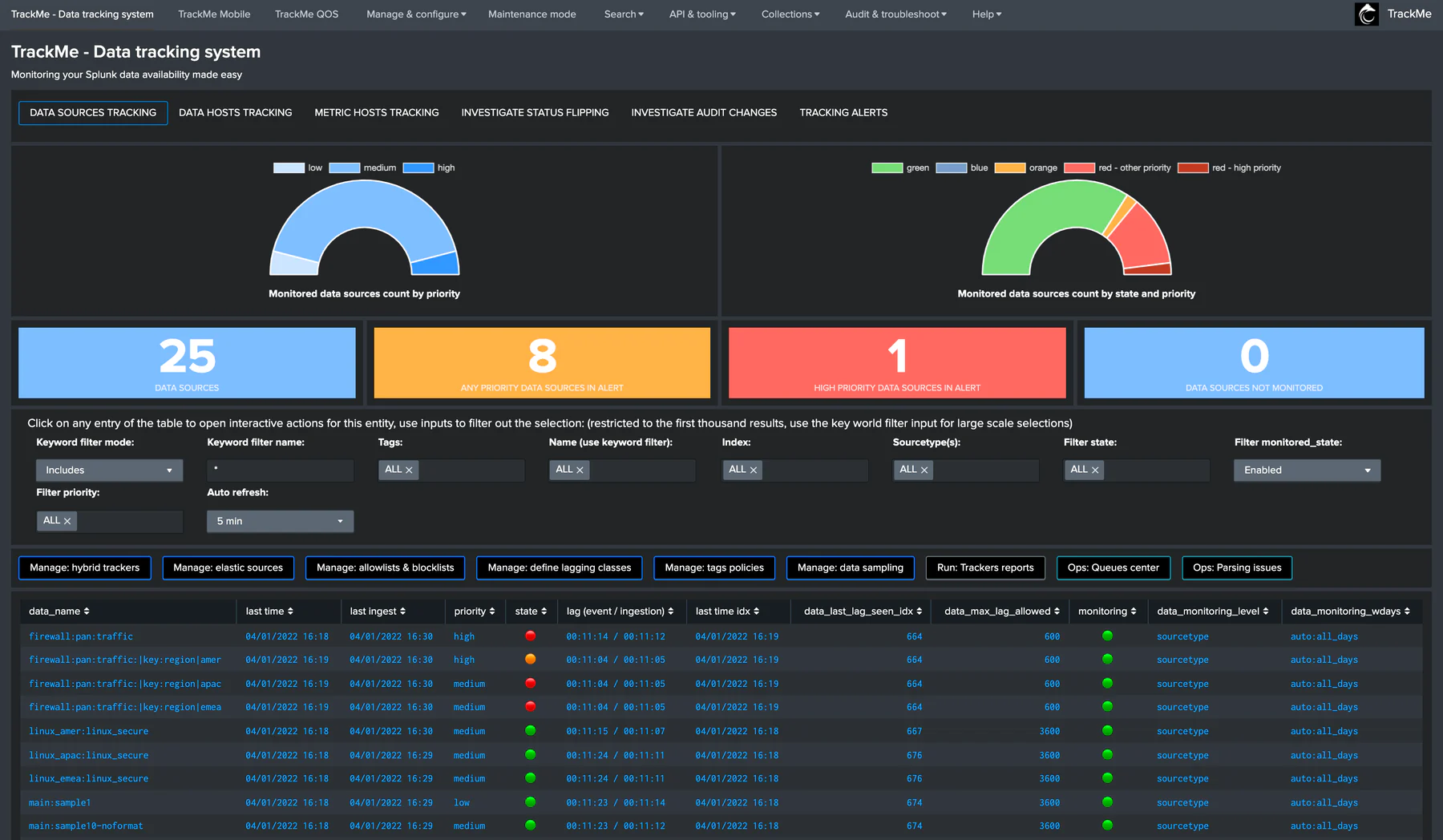
TrackMe Suite is a Philippine fleet and delivery-monitoring platform developed by Webcast Technologies. It combines vehicle records, live trips, geofences, estimated arrival times, dispatch, and shared supply-chain visibility, giving local distributors a way to coordinate vehicles and orders in one operational view.
The best fleet management software Philippines-based distributors choose should connect fleet visibility with delivery execution. TrackMe Suite emphasizes that connection and offers ERP and third-party GPS integration options. Teams can compare its order-to-delivery flow with other high-quality distribution ERP systems, then test any required LTO or driver-license reminders separately.
Key features:
- Fleet command center: Live trip monitoring, geofences, and vehicle records give dispatchers shared operational visibility.
- Delivery coordination: Teams assign vehicles to orders, dispatch trips, and manage itineraries in one platform.
- ETA and load visibility: Trip monitoring shows estimated arrival times and load information to stakeholders.
- Integration options: e-Connect links ERP or transport systems, while t-Connect consolidates third-party GPS feeds.
| Pros | Cons |
|---|---|
|
|
Best for: Philippine distributors needing shared fleet visibility, order-linked dispatch, and locally available implementation discussions.
Pricing: Request a custom quote for the selected Fleet, Logistics, or Pro package.
Fleet Management Software Evaluation Guideline
Choosing the best fleet management software requires more than comparing GPS features. GPS shows location, telematics adds vehicle data, and CMMS handles repairs, while transport, asset, and ERP platforms manage broader workflows. Businesses should assess operations, compliance, integrations, and total ownership costs before selecting a scalable solution for Philippine fleets.
Features to Prioritize:
- Vehicle and driver records: Maintain asset details, assignments, expiration alerts, and related compliance documents.
- Tracking and dispatch: Monitor routes, mileage, and driver behavior while coordinating trips across branches.
- Maintenance and repairs: Schedule preventive service, manage work orders, and record inspections, downtime, and spare parts.
- Costs and reporting: Track vehicle expenses, export reports, and record approvals and changes in audit trails.
- ERP integration: Connect fleet records with accounting, procurement, inventory, and HR as operations grow.
- Implementation and total cost: Compare migration, training, support, and cancellation terms using 12- or 36-month estimates.
These ten criteria help buyers compare feature depth, compliance readiness, implementation effort, and total cost instead of monthly subscription prices alone. Request Philippine peso estimates covering hardware, installation, connectivity, migration, training, support, maintenance, customization, integrations, and cancellation terms.
How to Evaluate Based on Industry Needs
| Business Type | Priorities Recommended | Evaluation Angle | What to Ask |
|---|---|---|---|
| Logistics and Distribution | Dispatch, route visibility, delivery records, fuel monitoring, maintenance, downtime reporting, and branch coordination. | Confirm the platform links trips with vehicle availability, operating costs, delivery workflows, inventory, and accounting. | Does it support GPS hardware, geofences, multiple branches, delivery integrations, fuel tracking, downtime reports, and ERP connectivity? |
| Construction | Heavy vehicle and equipment utilization, preventive maintenance, project allocation, spare parts, and asset cost tracking. | Check whether the system records engine hours, service history, work orders, downtime, parts, and project costs. | Can it track equipment usage, maintenance schedules, parts, project assignments, offline activity, and total costs by asset? |
| Courier and Last-Mile Delivery | Driver assignment, route tracking, trip records, proof of delivery, estimated arrival times, and vehicle visibility. | Assess fleet tracking software for live location, geofences, mobile access, connectivity, and delivery integration. | Does it support driver assignment, delivery status, proof of delivery, license reminders, connectivity monitoring, and vehicle availability? |
| Field Service | Technician scheduling, customer visits, vehicle availability, service assignments, maintenance, and parts usage. | Test whether the platform connects vehicles with calendars, work orders, customer records, maintenance, and technician activity. | Can it integrate with service scheduling, customer records, work orders, employee data, spare-parts inventory, and accounting? |
| Small Businesses | Simple setup, transparent recurring costs, essential maintenance, clear hardware requirements, and manageable user access. | Compare setup effort, per-vehicle fees, user limits, data export, support, upgrades, and implementation requirements. | What are the subscription, installation, connectivity, training, cancellation, data export, and support costs in Philippine pesos? |
Conclusion
Fleet management software helps Philippine businesses coordinate vehicles, drivers, trips, maintenance, compliance, and operating costs across branches from one reliable system. By linking service schedules with availability and spending, teams can reduce avoidable downtime, improve decisions, and keep daily operations moving.
HashMicro connects fleets with ERP workflows, Cartrack emphasizes telematics, and Fleetio specializes in maintenance records and repair planning. Ramco supports complex enterprises, Simply Fleet serves smaller teams, Altair FMS offers deployment choices, and TrackMe Suite links dispatch with deliveries.
The best choice depends on fleet size, operating priorities, growth plans, and whether you need tracking, maintenance, dispatch, or connected financial controls. HashMicro provides a free consultation for interested businesses to assess ERP integration, implementation scope, and future fleet requirements.
FAQ About Fleet Management Software
LTO-related support depends on the vendor’s local configuration, data fields, and notification rules. Ask whether the system records registration, inspection, insurance, and driver's licence dates. Sends escalating reminders, preserves renewal evidence, and blocks noncompliant assignments. Confirm whether updates follow Philippine requirements or require manual monitoring by administrators.
Integration quality depends on what data moves, when it moves, and which system remains authoritative. Ask whether fleet management software syncs vehicle costs, fuel transactions, purchase orders, spare-parts issues, and maintenance invoices automatically. Confirm API limits, error handling, reconciliation controls, fees, and support for companies, branches, and currencies.
Free plans can work for a small pilot, but they may restrict vehicles, users, storage, reports, integrations, mobile access, or support. Compare those limits with your compliance and continuity needs. A low subscription cost may create higher administrative effort when teams rely on spreadsheets, manual reminders, or disconnected maintenance records.