










 Limited to 100 registrants

Facility management isn’t just about keeping things in order; it’s about creating a space where businesses can thrive. From handling daily maintenance tasks to adopting smarter ways to manage facilities. In the Philippines, this approach can make a noticeable difference in how a business operates and grows.
As we dive into the evolving world of facility management, you’ll discover the crucial roles FM plays, the game-changing technologies driving the industry, and how an integrated facility management system can streamline operations. Read on to uncover how these strategies can boost your business efficiency and future-proof your operations.
Key Takeaways
Roles of Facility Managers: Facility managers oversee daily operations, ensuring maintenance, safety, and optimal space utilization. Their proactive approach enhances efficiency, compliance, and employee productivity in the workplace.
Technologies in Facility Management: Integrating technologies like IoT and AI improves maintenance, asset tracking, and energy efficiency. These tools help businesses adapt quickly to changing conditions and optimize building operations.
HashMicro’s Software: HashMicro’s software streamlines tasks like asset tracking, maintenance scheduling, and reporting. It empowers businesses to manage facilities efficiently, reducing costs and improving performance.
What is Facility Management?

Facility management is a strategic approach to overseeing buildings, assets, and services to ensure they function efficiently. It includes maintenance, security, space management, and resource optimization, helping businesses create safe, productive, and cost-effective environments.
Facility management integrates technology, processes, and people to streamline operations. Facility managers oversee maintenance, energy consumption, and regulatory compliance while improving workflow efficiency. This proactive approach reduces downtime, minimizes costs, and enhances the overall functionality of a facility.
Beyond daily operations, facility management plays an important role in long-term sustainability. It helps extend asset lifespans, improve safety standards, and adapt facilities to changing business needs. For organizations with complex asset portfolios, managing assets across their lifecycle connects facility maintenance with acquisition, performance monitoring, and disposal planning. This coordinated approach supports operational continuity and sustainable business growth.
Roles and Responsibilities of Facility Managers
Facility managers (FMs) oversee the day-to-day operations of buildings, ensuring they remain safe and functional. This comes with a number of things that they are responsible for, including:
- Managing maintenance and repairs: Facility managers coordinate maintenance teams, schedule inspections, prioritize work orders, and arrange emergency repairs. Facility management software helps them assign tasks, monitor progress, and maintain service records.
- Ensuring safety and compliance: Effective facilities management keeps buildings aligned with health, safety, accessibility, and fire regulations. FMs conduct inspections, document risks, and coordinate corrective actions.
- Coordinating vendors: A facility management system allows FMs to organize vendor contracts, service requests, performance records, and maintenance schedules in one place.
- Controlling budgets and upgrades: Facility management involves preparing operational budgets, evaluating repair costs, and planning building or equipment upgrades. FMs must balance immediate requirements with long-term asset value.
- Improving energy efficiency: Facilities management software can help monitor energy consumption, identify inefficiencies, and support sustainability initiatives that reduce operating costs and environmental impact.
- Solving operational problems: For readers asking “what is facility management?”, it is ultimately the coordination of people, buildings, assets, and services. FMs use communication, financial management, and problem-solving skills to provide practical and cost-effective solutions.
- Supporting Philippine business needs: In Philippine organizations, facility management may involve coordinating local vendors, responding to climate-related building risks, and adapting maintenance plans to each organization’s operational requirements.
Technologies in Facility Management
Technology has transformed FM by offering tools that streamline processes, improve maintenance, and reduce costs. Here are some technologies in facility management:
| Technology | Facility Management Application | Main Value |
|---|---|---|
| Computer-Aided Facility Management (CAFM) | Manages spaces, assets, maintenance schedules, and work orders | Centralized facility information |
| Building Management System (BMS) | Monitors and controls lighting, ventilation, security, and other building systems | Greater operational control |
| Internet of Things (IoT) | Uses connected sensors to monitor equipment and building conditions in real time | Predictive maintenance and faster issue detection |
| Artificial Intelligence (AI) | Analyzes facility management data, automates routine tasks, and identifies operational patterns | Smarter decisions and improved efficiency |
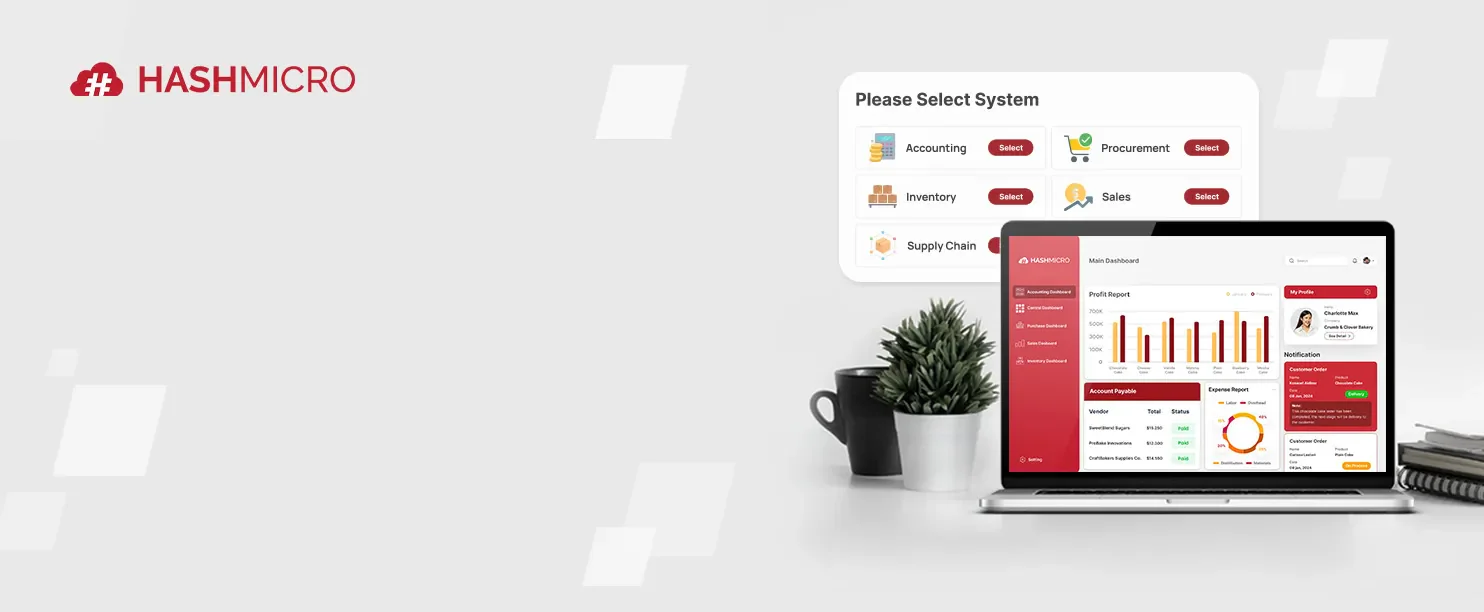
Integrating these technologies into a single platform can significantly improve facility management efficiency. Learn more through the banner below.
Functions of Facility Management

Facility management encompasses several essential functions, each crucial to ensuring smooth operations and meeting the needs of employees and customers. By covering various aspects like maintenance, space planning, and safety management, FM can optimize resources and prevent operational hiccups.
Functions of Facility Management:
- Maintenance: Involves regular inspections, repairs, and servicing of equipment to prevent costly breakdowns and extend asset lifespans.
- Space Planning: Optimizes office layouts to enhance productivity and accommodate changing workforce needs.
- Safety Management: Implements protocols to safeguard occupants, ensuring compliance with health and safety regulations.
- Asset Management: Uses centralized tools for tracking facility assets to monitor their use, condition, maintenance, and life cycles while improving overall performance.
- Energy Management: Focuses on monitoring and optimizing energy use within a facility to reduce costs and promote sustainability.
- Emergency Preparedness: Develops plans for emergencies, such as natural disasters or health crises, to ensure safety and continuity of operations.
The impact of facility management on business efficiency is significant. Well-maintained facilities help reduce downtime, boost employee morale, and create a professional image for clients. For Philippine businesses, facing specific challenges like climate and infrastructure, proactive FM is vital.
Benefits of Integrated Facilities Management Software
By integrating functions like maintenance tracking, cloud asset management, and space utilization into a single platform, it simplifies processes. For Philippine businesses that operate across multiple locations, this software provides a centralized approach, making it easier to manage all facilities efficiently.
Benefits of Facility Management Software:
- Improved Maintenance Scheduling: Automates maintenance schedules to prevent delays and reduce equipment downtime.
- Asset Tracking: Allows real-time tracking of assets, helping extend their lifespan and optimize their usage.
- Real-time Monitoring: Monitors building conditions, enabling quick responses to issues and maintaining a safe environment.
- Automated Work Orders: Reduces administrative tasks by generating work orders automatically, improving task allocation and completion.
- Inventory Management: Keeps track of supplies and equipment, preventing shortages and oversights in facility management.
By providing actionable insights through data analytics, the software empowers facility managers to make informed decisions. This leads to enhanced building performance and reduced operational costs, significantly benefiting the overall efficiency of the business.
Preparing for the Future in Facility Management
The future of facility management is shaped by advancements in sustainability, smart building technologies, and data analytics. Facility managers increasingly focus on creating energy-efficient buildings, using renewable sources, and adopting green building practices.
FM is also adapting to remote and flexible work arrangements, which require more dynamic office spaces. Smart buildings supported by integrated tools for managing facilities integrated tools for managing facilities can use IoT and AI technologies to adjust lighting, temperature, and security settings based on occupancy.
HashMicro’s Software For Facility Management
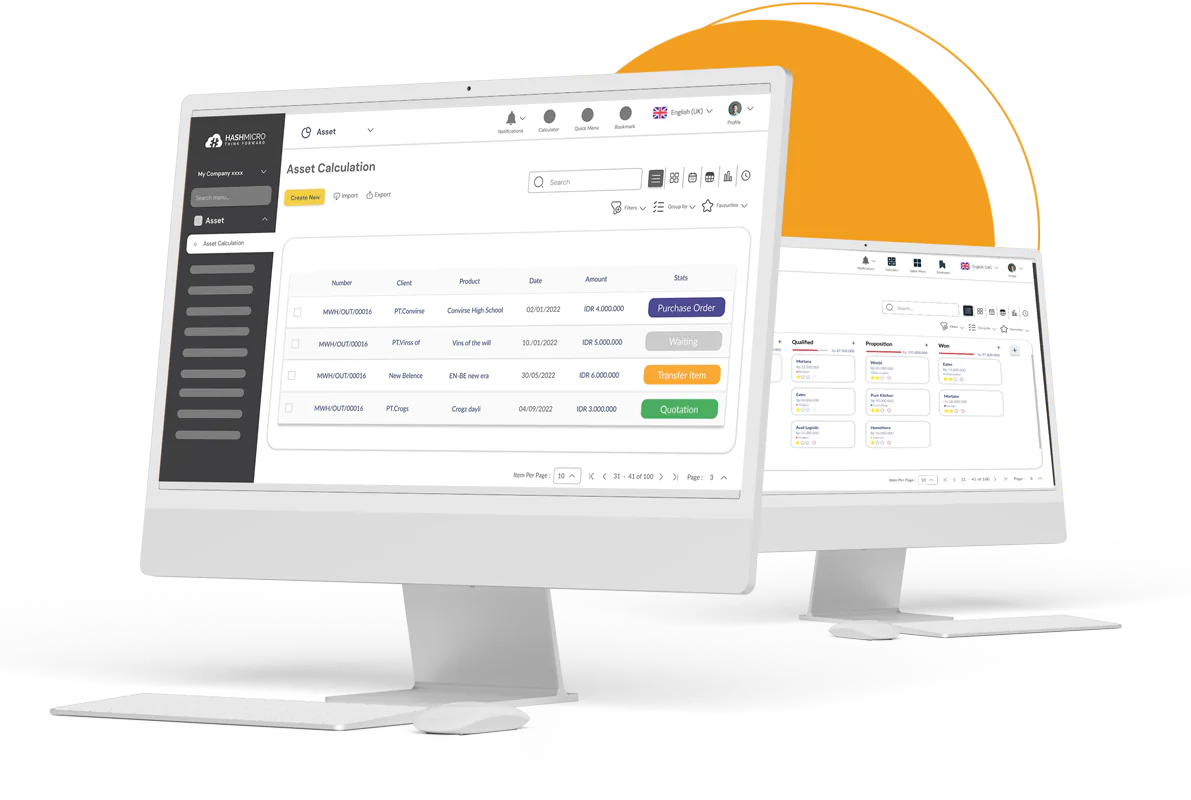
HashMicro’s facility management software provides a complete solution to streamline building operations and asset management. By integrating essential features, the software simplifies FM tasks and makes maintenance, asset tracking, and space utilization easier.
Features of HashMicro’s FM Software:
- Automatic Maintenance Scheduling: Effectively manage asset maintenance schedules to ensure timely maintenance and prevent unexpected breakdowns.
- Customizable Asset Reporting: Gain comprehensive insights through detailed asset reports, supporting informed decision-making and asset performance tracking.
- Easily Tracking Company Assets: Monitor the position and condition of company assets in real-time, providing greater visibility from anywhere.
- Notification and Asset Condition Update: Receive instant updates on asset conditions, allowing facility managers to address issues promptly and efficiently.
These features empower businesses to manage their facilities more effectively, reduce costs, and improve overall building performance. HashMicro’s software supports proactive facility management, adapting to changing needs and ensuring a well-maintained, productive environment.
Conclusion
Facility management is crucial to the success and growth of any business, especially in the fast-paced Philippine market. By focusing on aspects like maintenance, asset tracking, space planning, and safety management, facility managers create environments where businesses can thrive.
Integrated solutions like HashMicro’s facility management software provide the tools needed to streamline building operations and reduce costs. Investing in these technologies can future-proof your business and help maintain a competitive edge in the market. Call for a free consulation and try HashMicro’s software today!

FAQ for Facility Management
Facilities management is essential because it keeps buildings safe, functional, and cost-efficient. By coordinating maintenance, space use, compliance, utilities, and workplace services, facilities management reduces operational disruptions, supports employee well-being, extends asset life, and helps organizations create productive environments that support long-term business performance.
Industries with complex buildings, equipment, or multiple locations benefit most from facility management software. These include manufacturing, healthcare, education, retail, hospitality, logistics, real estate, and government. Facility management software helps these organizations coordinate maintenance, monitor assets, manage spaces, meet compliance requirements, and maintain consistent service across sites.
Yes. Facility management software can integrate with ERP systems to connect maintenance, asset, procurement, inventory, finance, and workforce data. This integration reduces duplicate entry, improves reporting, and gives managers a unified view of facility costs, work orders, spare parts, vendor services, and operational performance.
Businesses should choose facility management software based on their building portfolio, maintenance workflows, user needs, integration requirements, reporting capabilities, scalability, mobile access, security, and vendor support. The right system should be easy to use, fit existing processes, provide measurable operational visibility, and accommodate future facilities management requirements.
Facility management software can solve fragmented records, reactive maintenance, missed inspections, unclear asset histories, inefficient space use, rising operating costs, and slow vendor coordination. By centralizing facility data and automating work orders, schedules, alerts, and reports, the software improves accountability, supports preventive maintenance, and enables faster operational decisions.