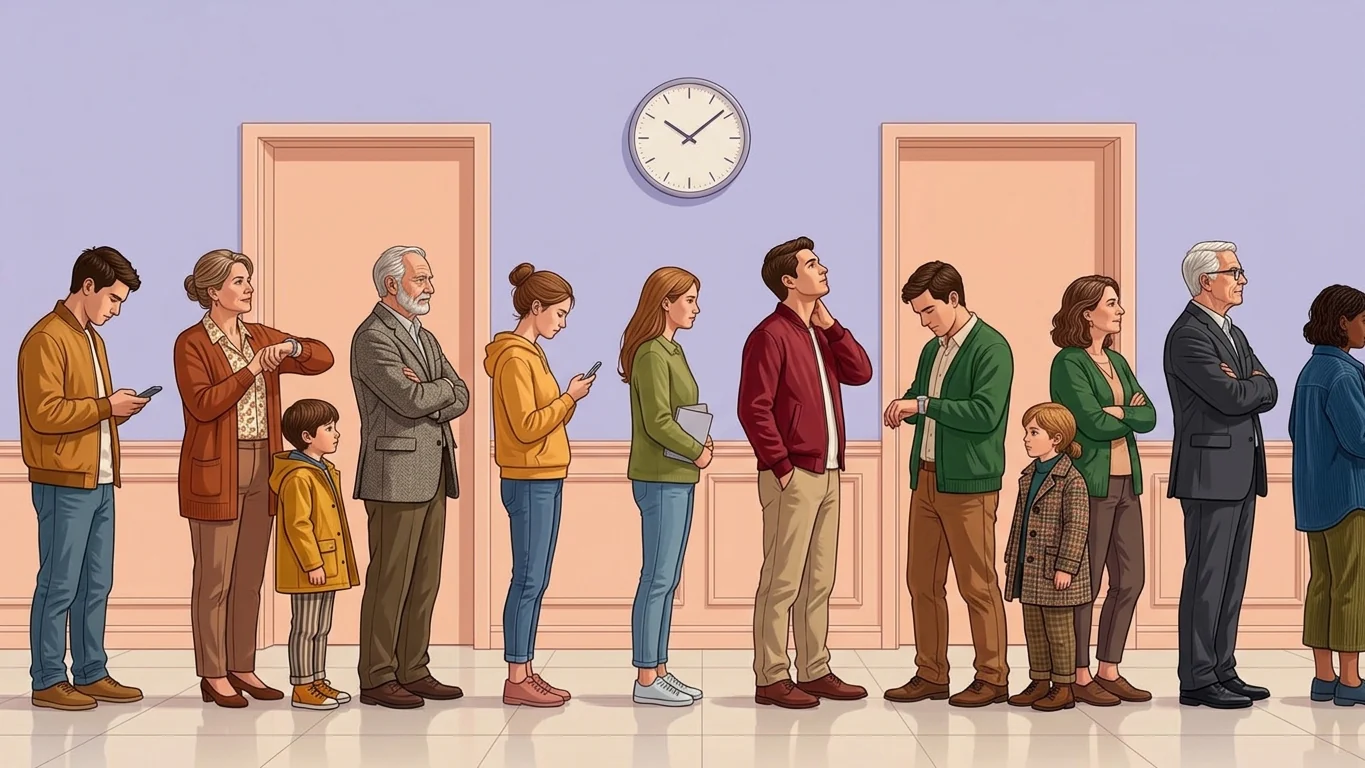







In the rapidly evolving retail landscape, physical storefronts remain a critical touchpoint for consumer engagement, brand-building, and revenue generation. While the business digital transformation has reshaped how products are discovered and purchased, the value of visiting a brick-and-mortar store continues to endure.
Understanding and optimizing foot traffic like how and why customers visit stores has become crucial for businesses aiming to stay competitive in 2026. This article delves into advanced strategies for optimizing retail foot traffic, exploring how businesses can attract, engage, and retain customers using data-driven insights, cutting-edge technology, and innovative approaches.
Key Takeaways
Increase customer visits and conversions by understanding and optimizing foot traffic in your retail business.
Use real-time data and POS systems to streamline operations and improve foot traffic management
Boost in-store visits with loyalty programs, targeted marketing, and exclusive promotions tailored to customer behavior.
Embrace innovations like AI and mobile payments to future-proof your business and keep customers coming back.
Why Retail Foot Traffic Still Matters in 2026

The Philippines is one of the most dynamic retail markets in Southeast Asia. Based on BusinessMirror, the Philippine retail market is projected to reach around PHP 2.65 trillion in 2026, using the BSP reference rate of PHP 59.45 per USD 1. Retail continues to contribute significantly to the local economy, while urbanization drives the concentration of consumers in city centers, increasing foot traffic to physical stores.
Enhancing visits to retail locations allows businesses to boost transactions, strengthen customer loyalty, and maximize conversions when consumers are already at the store, a critical aspect that remains relevant despite the growth of e-commerce
How Understanding Foot Traffic Data Drives Profitability
Understanding foot traffic data provides retailers with actionable insights that directly impact profitability. By using inventory forecasting software to analyze patterns such as peak visit times, customer dwell times, and traffic flow within the store, businesses can optimize staffing, inventory, and store layouts. For example, data-driven insights enable retailers to adjust staff schedules during high-traffic hours, ensuring customers receive quick service, which increases conversion rates.
Additionally, understanding which store sections attract the most foot traffic helps businesses strategically place high-margin products in these areas, maximizing revenue per square foot. Leveraging foot traffic data ensures businesses can reduce operational costs, enhance the customer experience, and ultimately drive higher profits.
How Technology Can Transform Foot Traffic Management
Below, we compare the key differences between using technology and operating without it in managing foot traffic, showcasing how automation and real-time insights can drive operational efficiency and business profitability.
| Aspect | Using Technology (POS System) | Without Technology |
| Customer Insights | Real-time tracking of customer behavior and foot traffic patterns | Limited visibility on customer behavior, reliance on manual observation |
| Operational Efficiency | Automates processes like staffing, promotions, and inventory management | Manual processes that increase time spent on routine tasks |
| Store Layout Optimization | Data-driven decisions on store layouts to maximize high-traffic areas | Store layouts are based on assumptions rather than real customer data |
| Inventory Management | POS systems track inventory in real-time, ensuring stock is available when needed | Potential for stockouts or overstock due to lack of precise data |
| Customer Experience | Personalized promotions and loyalty programs tailored to customer preferences | Generic promotions with limited personalization for customers |
| Decision Making | Data analytics provide actionable insights for smarter decisions | Decisions are based on guesswork, intuition, or outdated data |
| Cost Efficiency | Reduces manual work, lowers overhead costs, and improves profitability | Higher operational costs due to manual effort and inefficiencies |
| Scalability | Easily scalable, supports multiple locations and advanced integrations | Limited scalability, harder to manage as the business grows |
How Integrated Systems Help Stores Handle More Shoppers
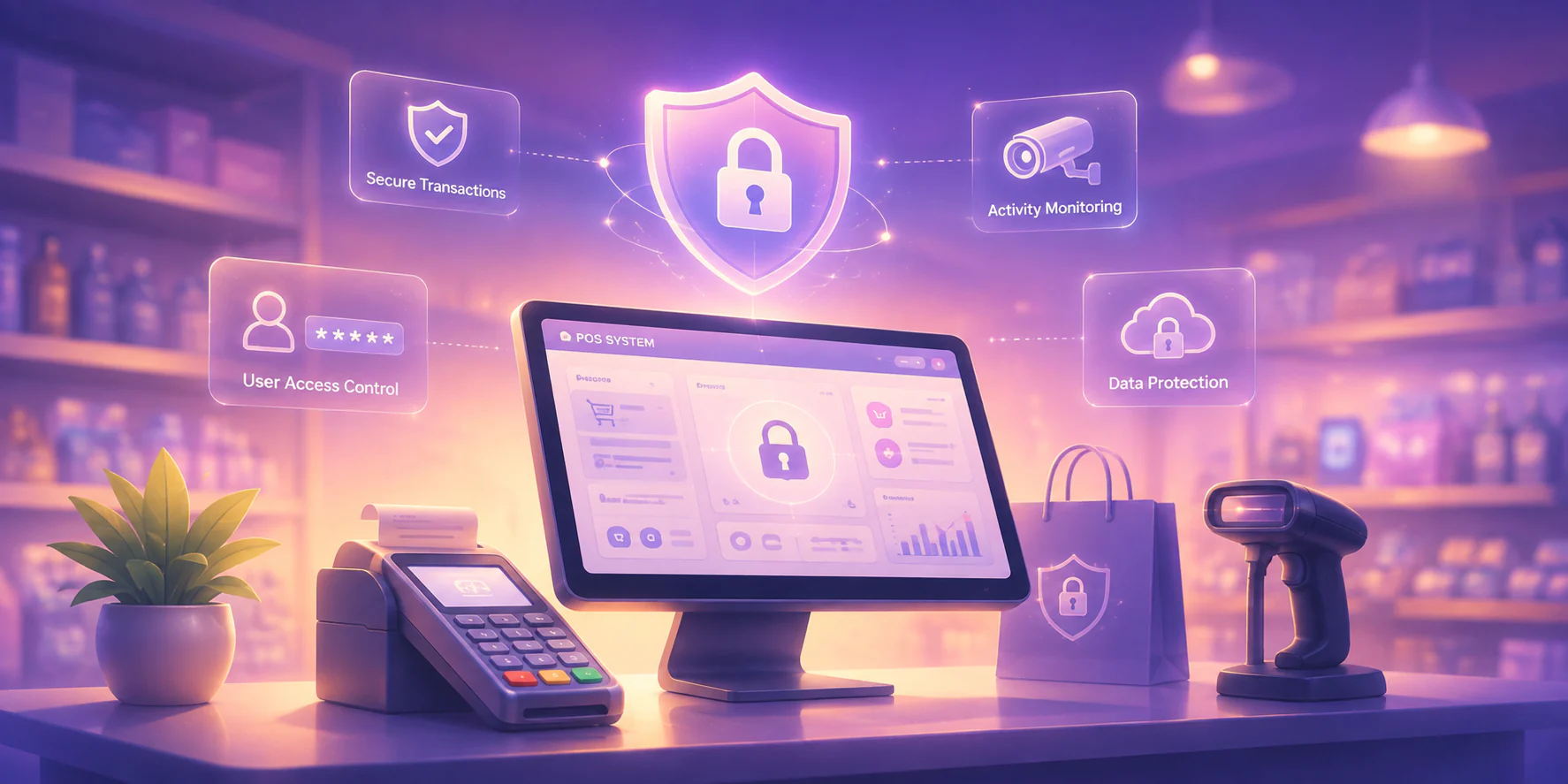
Integrated systems, including point-of-sale (POS) technology, help retailers manage foot traffic efficiently by collecting valuable data on purchases and customer behavior. A unified system combines sales data, customer insights, and inventory tracking to optimize store operations.
For instance, POS software in Cebu can help identify busy periods and adjust staffing levels accordingly, ensuring customers receive the best experience possible. These systems not only enhance customer satisfaction but also streamline operations, minimize human error, and improve the overall store efficiency, making it easier for businesses to handle high volumes of foot traffic.
Strategies to Increase Foot Traffic and Drive Sales
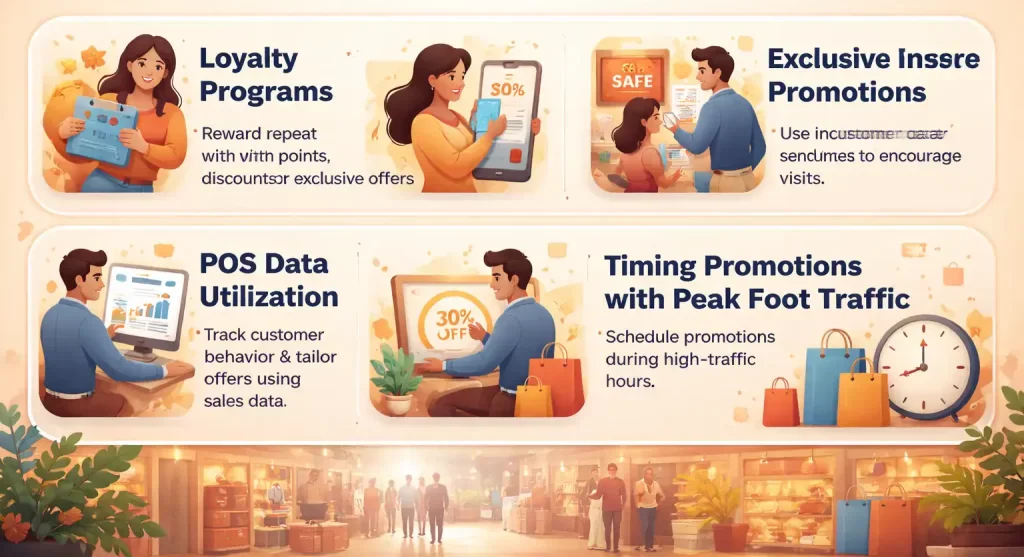
The following methods are proven to boost foot traffic and drive higher sales:
- Loyalty Programs: Reward repeat customers with points, discounts, or exclusive offers to encourage frequent visits and build long-term relationships.
- Personalized Marketing: Use customer data to send targeted promotions that align with their preferences, increasing the likelihood of visits and purchases.
- Exclusive In-Store Promotions: Offer in-store-only discounts or limited-time promotions to drive customers to visit physically rather than shop online.
- POS Data Utilization: Leverage POS data to track customer behavior, understand purchasing patterns, and customize offers for targeted segments based on real-time insights.
- Timing Promotions with Peak Foot Traffic: Analyze foot traffic data to schedule promotions during high-traffic hours, maximizing exposure and conversion during the busiest times.
These strategies leverage data-driven insights and personalized experiences to not only increase foot traffic but also boost sales by aligning marketing efforts with actual customer behavior and store dynamics.
Retail Trends That Will Affect Foot Traffic in the Philippines 2026
Retail is rapidly evolving, and businesses must adapt to stay competitive. Here are the key trends that will shape foot traffic in the future:
- Artificial Intelligence (AI): AI will drive personalized shopping experiences, offering tailored recommendations and promotions based on real-time customer data, leading to higher engagement and more visits.
- Augmented Reality (AR): AR will create immersive in-store experiences, allowing customers to interact with products virtually before making a purchase, enhancing foot traffic and customer satisfaction.
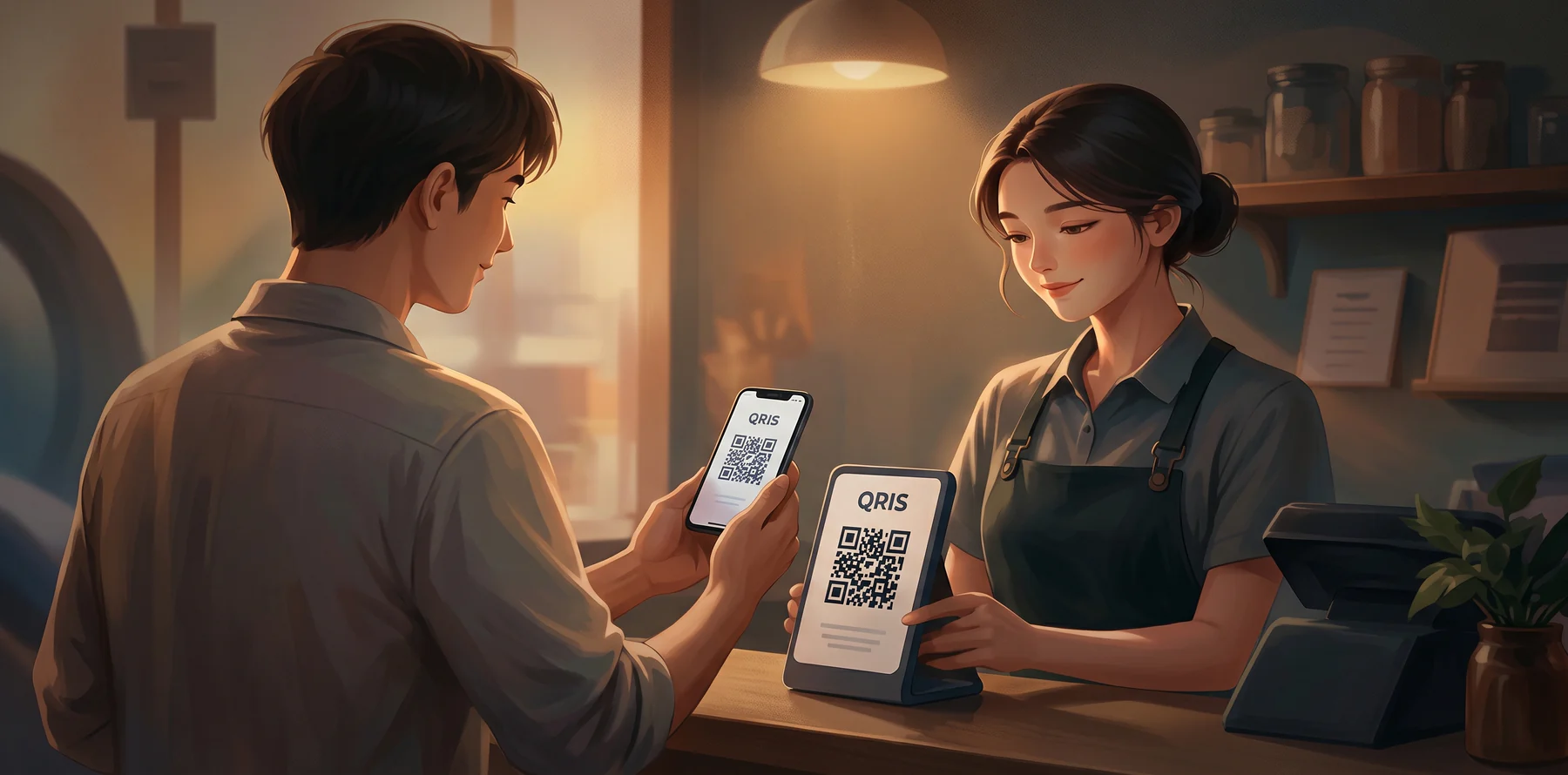
- Mobile Payments: The rise of mobile payment solutions will enable faster, frictionless transactions, encouraging customers to make more purchases and visit stores more frequently.
- POS Systems Integration: Retail POS systems will be central in managing these innovations, providing seamless integration with mobile apps, virtual stores, and real-time analytics to optimize foot traffic management and customer engagement.
- Data-Driven Decisions: As the retail landscape becomes more complex, a data-driven approach will be essential for understanding customer behavior, predicting foot traffic trends, and adapting marketing strategies in real time.
Conclusion
Leveraging technology, from data-driven insights to real-time analytics, is crucial for staying competitive and driving profitability. As businesses adopt trends like AI, augmented reality, and mobile payments, integrating POS technology enhances customer satisfaction, manages foot traffic, and improves operational efficiency.
To future-proof your business, integrating a reliable POS system is key. Discover how a POS system can transform your retail operations in the Philippines.
FAQ Around Foot Traffic
Philippine retailers typically measure foot traffic using sensors, video cameras, and POS data to track visitor numbers and analyze peak hours. This helps optimize store operations and marketing efforts.
Foot traffic matters because it directly correlates with potential sales opportunities. Higher foot traffic means more customers and a higher chance of conversion, which is crucial for retail success.
Yes, POS software can help by providing valuable insights into customer behavior, optimizing inventory management, and facilitating promotions, which can lead to an increase in foot traffic.