

Australian businesses face growing supply chain challenges, from supplier delays to rising logistics costs. Many companies need better visibility across procurement, inventory, warehousing, and distribution.
Supply chain management software helps businesses automate purchasing, inventory tracking, warehouse operations, and logistics planning. These systems improve efficiency while reducing operational delays.
This article compares the top supply chain management software in Australia for 2026 based on features, scalability, integrations, and business suitability.
Key Takeaways
Understand the core definitions and key functionalities of modern systems to gain a clearer perspective on how they operate and support improved efficiency, integration, and decision-making across processes.

If you only have a few minutes, start by identifying the operational gaps causing the most delays, whether that’s procurement, inventory visibility, warehouse coordination, or demand forecasting. I group these supply chain management platforms by where they typically perform best in Australia: ERP-connected operations, warehouse-heavy environments, enterprise planning, logistics visibility, and procurement-driven supply chains.
Best Because
A unified ERP and supply chain platform combining inventory, procurement, and real-time operational visibility for growing businesses.
Best Because
An enterprise-grade supply chain platform powered by AI, designed to optimise logistics, forecasting, and warehouse operations.



Best Because
A powerful enterprise supply chain solution focused on advanced planning, forecasting, and end-to-end operational optimisation.
Best Because
A global supply chain platform that connects suppliers, logistics, and operations with real-time visibility and collaboration tools.
What is Supply Chain Management Software?

Supply chain management (SCM) software helps businesses manage procurement, inventory, warehousing, logistics, and supplier operations within one platform.
These systems automate purchasing workflows, inventory tracking, demand forecasting, and operational reporting. Many also integrate with ERP and accounting software.
By centralising operations, SCM software helps businesses improve efficiency, visibility, and supply chain coordination.
Why Australian Businesses Need Supply Chain Management Software
Australian businesses often manage suppliers, warehouses, and logistics across multiple locations. Without a centralised system, operations can become inefficient and difficult to track.
Supply chain management software helps automate procurement, inventory control, warehouse management, and logistics coordination through a modern logistics framework.
Many businesses also use SCM software to support GST-ready purchasing, inventory reporting, and supplier management processes.
Quick Comparison of the Top Supply Chain Management Software in Australia
| Features | Oracle NetSuite | Microsoft Dynamics 365 SCM | SAP SCM | HashMicro | Infor Nexus | Blue Yonder | Kinaxis RapidResponse | Manhattan Associates | E2open | Coupa SCM | TradeBeyond | Cario |
|---|---|---|---|---|---|---|---|---|---|---|---|---|
| Ease of Use | ||||||||||||
| Pricing | ||||||||||||
| Scalability | ||||||||||||
| Integration Capability | ||||||||||||
| Supply Chain Visibility | ||||||||||||
| Warehouse & Logistics Strength |
"Supply chain software delivers the most value when it connects procurement, inventory, logistics, and finance into one system, giving teams a single source of truth for faster and more accurate decision-making."
10 Top Supply Chain Management Software in Australia
We’ve reviewed the leading supply chain management platforms available to Australian businesses. Below is our comprehensive breakdown of the top 10 solutions for 2026.
1. Oracle NetSuite
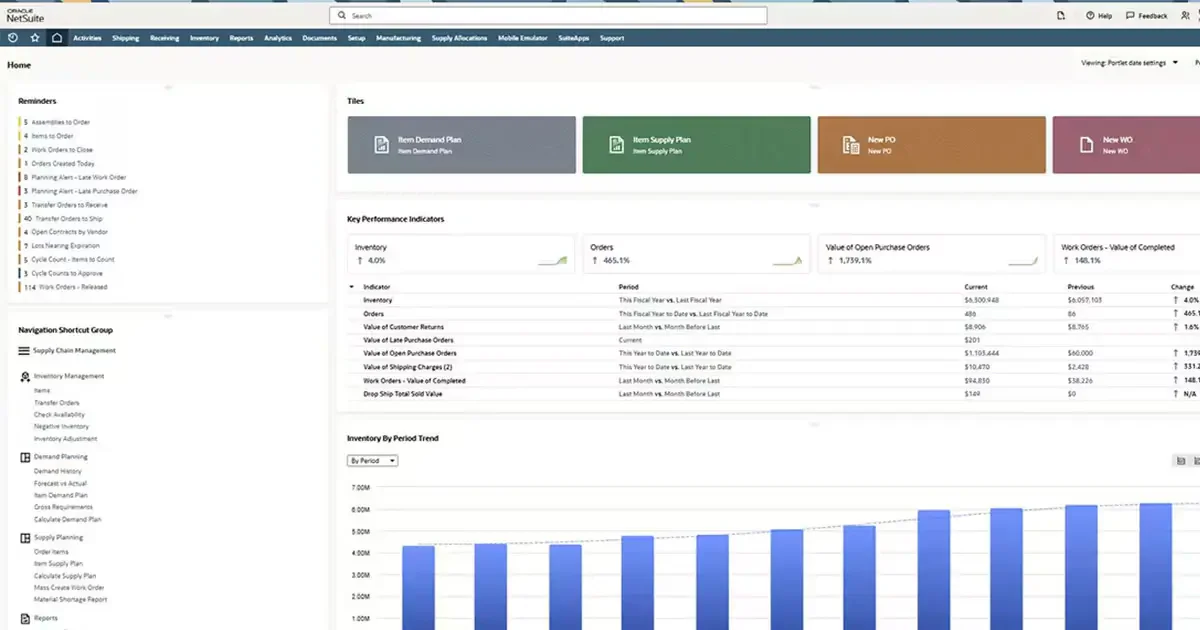
Oracle NetSuite is a cloud-based ERP system with strong supply chain management capabilities across inventory, procurement, warehousing, and order management. It is widely used by growing and mid-sized businesses that need an all-in-one operational system.
The platform provides real-time visibility across the supply chain and integrates finance, inventory, and purchasing into a single system. However, it can become costly as more modules and users are added.
| Pros | Cons |
| ✓ Strong all-in-one ERP and SCM integration. | ×Can become expensive as you scale. |
| ✓ Real-time visibility across operations. | ×Requires implementation support. |
| ✓ Highly scalable for growing businesses. | ×Customisation can be complex. |
Pricing: AUD $150–$300+ per user/month (customised ERP pricing)
2. Microsoft Dynamics 365 Supply Chain Management
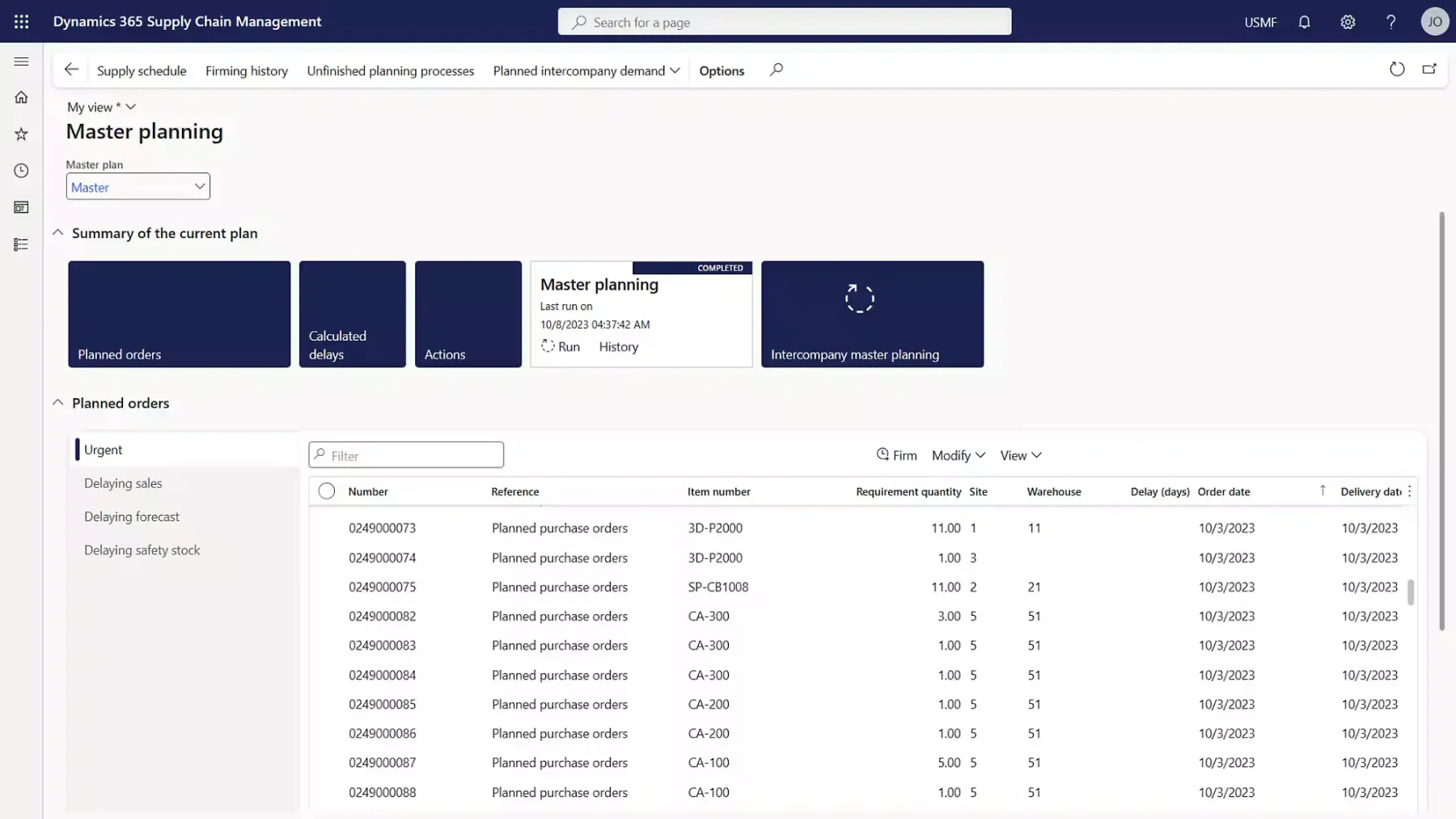
Microsoft Dynamics 365 Supply Chain Management is designed for enterprises that need advanced logistics, warehousing, and production planning capabilities. It integrates deeply with the Microsoft ecosystem.
The platform uses AI and automation to improve forecasting, inventory accuracy, and warehouse efficiency. However, implementation can be complex for smaller teams.
| Pros | Cons |
| ✓ Deep Microsoft ecosystem integration. | ×Complex setup and deployment. |
| ✓ Advanced analytics and forecasting tools. | ×Steep learning curve for users. |
| ✓ Strong enterprise scalability. | ×Can be resource-heavy. |
Pricing: AUD $300–$450 per user/month.
3. SAP Integrated Business Planning (SAP IBP) / SAP SCM
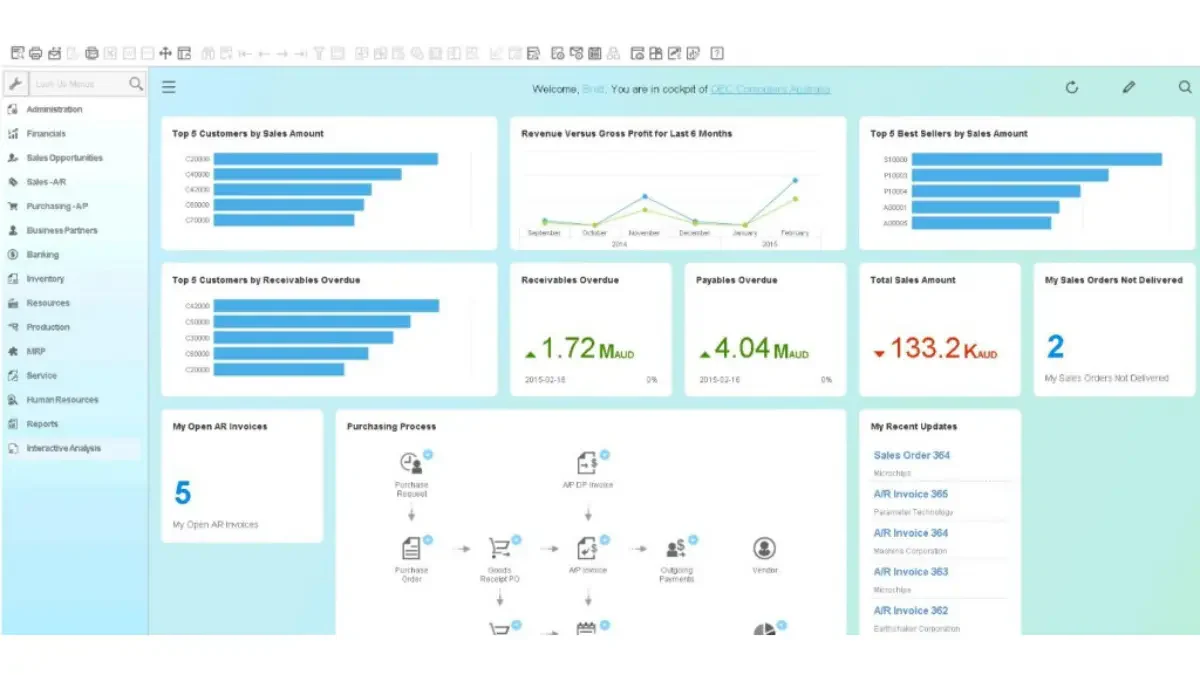
SAP IBP and SAP SCM are enterprise-grade solutions built for complex, global supply chain environments. They focus heavily on planning, forecasting, and optimisation.
The platform offers powerful supply chain modelling and analytics capabilities. However, it is best suited for large organisations with dedicated IT support.
| Pros | Cons |
| ✓ Industry-leading supply chain planning tools. | ×Very high implementation cost. |
| ✓ Strong global enterprise capabilities. | ×Requires technical expertise. |
| ✓ Powerful forecasting and optimisation. | ×Not suitable for SMEs. |
Pricing: AUD $400–$1,000+ per user/month (enterprise-only, custom quote).
4. HashMicro
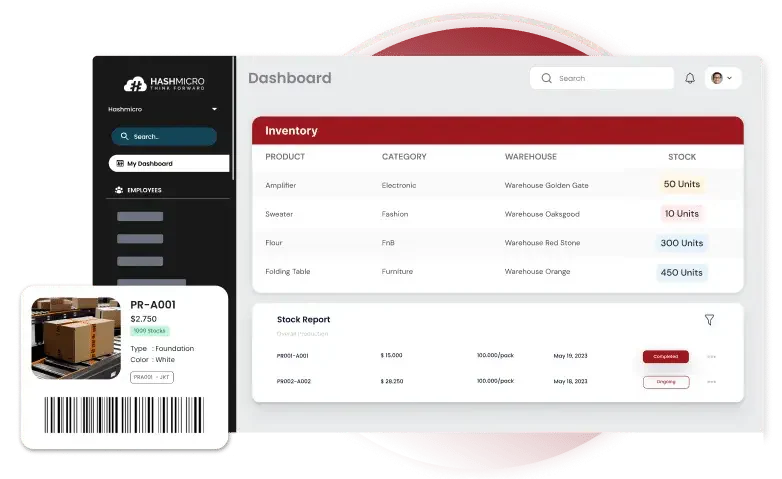
HashMicro provides an integrated ERP and supply chain management system designed for automation across procurement, inventory, and warehouse operations.
It is particularly useful for businesses that need flexibility and custom workflows. However, onboarding may require guidance depending on configuration needs.
| Pros | Cons |
| ✓ Highly customisable ERP system. | × Requires onboarding support. |
| ✓ Strong procurement and inventory tools. | × Pricing not fully transparent. |
| ✓ Suitable for multiple industries. | × Setup can take time. |
| ✓ AI demand forecasting tools. | × Setup may take time. |
| ✓ Supplier risk alerts. | × Pricing needs consultation. |
Pricing: Custom pricing based on business requirements.
Before exploring HashMicro’s pricing in detail, it’s important to understand how its supply chain modules are structured to support different business needs and levels of operational complexity.
5. Infor Nexus
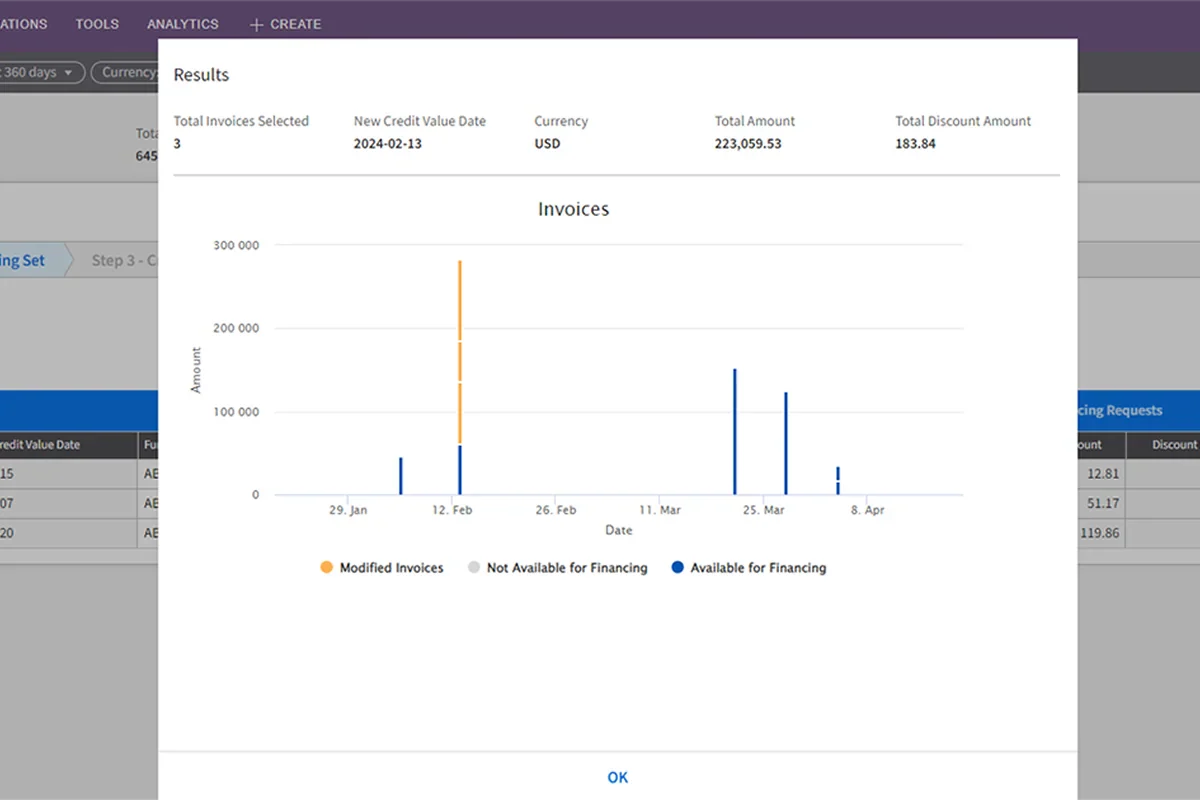
Infor Nexus is a cloud-based supply chain platform focused on end-to-end visibility across suppliers, logistics providers, and distribution networks.
It is especially strong for global supply chain coordination and real-time shipment tracking. However, it is more suitable for large-scale enterprises.
| Pros | Cons |
| ✓ Strong global supply chain visibility. | ×Complex implementation process. |
| ✓ Excellent supplier collaboration tools. | ×Enterprise-focused platform. |
| ✓ Real-time logistics tracking. | ×Not ideal for SMEs. |
Pricing: AUD $250–$700+ per user/month (enterprise logistics platform)
6. Blue Yonder
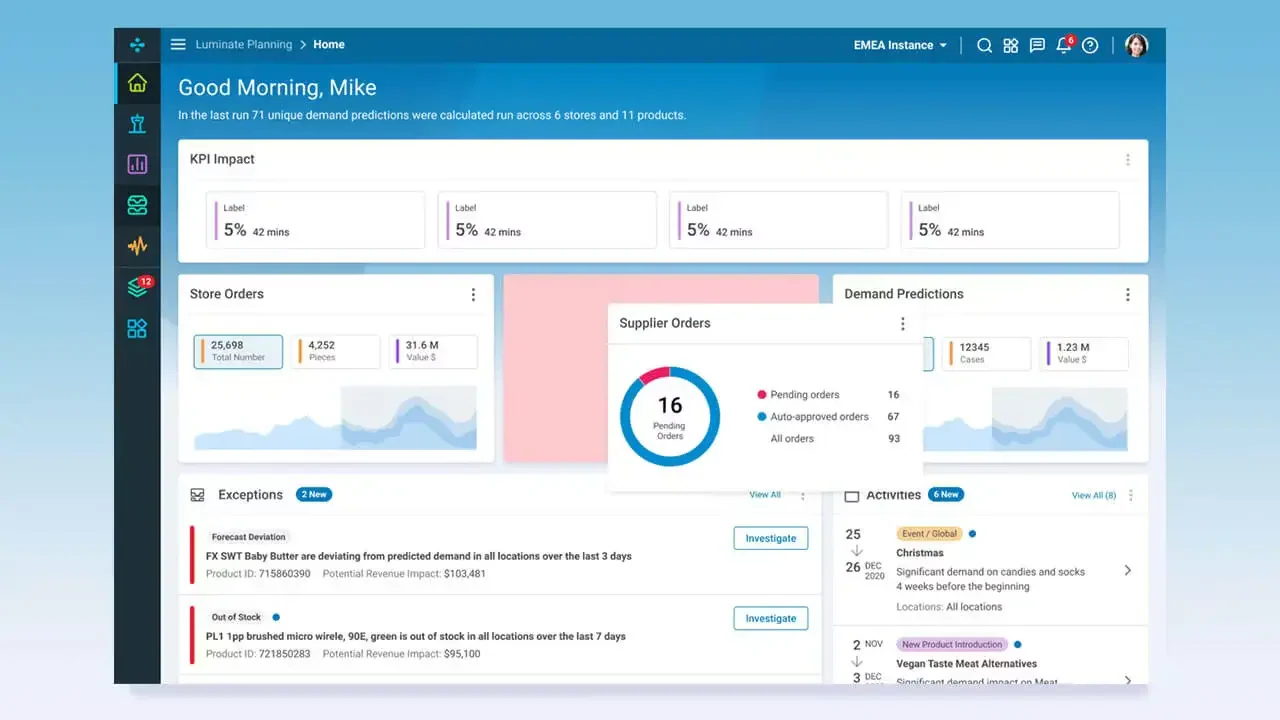
Blue Yonder is an AI-powered supply chain platform focused on forecasting, demand planning, and retail fulfilment optimisation.
It helps businesses improve inventory accuracy and reduce supply chain inefficiencies. However, it is primarily designed for large enterprises.
| Pros | Cons |
| ✓ Advanced AI-driven forecasting. | ×High enterprise pricing. |
| ✓ Strong retail and fulfilment capabilities. | ×Complex deployment process. |
| ✓ Powerful inventory optimisation. | ×Requires user training. |
Pricing: AUD $300–$900+ per user/month (AI-driven enterprise SCM)
7. Kinaxis RapidResponse
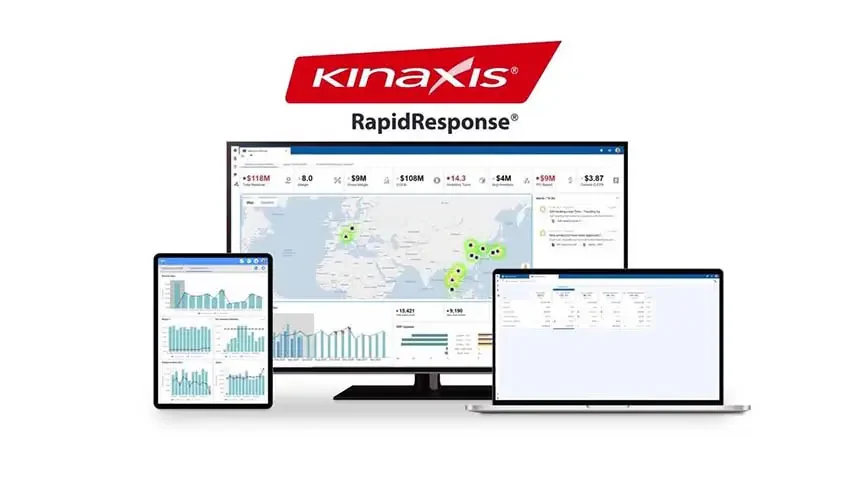
Kinaxis RapidResponse is a supply chain planning platform known for real-time scenario modelling and fast decision-making capabilities.
It helps businesses simulate supply chain risks and adjust plans quickly. However, it is more focused on planning than execution.
| Pros | Cons |
| ✓ Real-time scenario planning. | ×Limited warehouse execution features. |
| ✓ Strong forecasting capabilities. | ×Enterprise-level pricing. |
| ✓ Fast decision-making support. | ×Not suitable for SMEs. |
Pricing: $350–$1,000+ per user/month (planning-focused enterprise solution)
8. Manhattan Associates
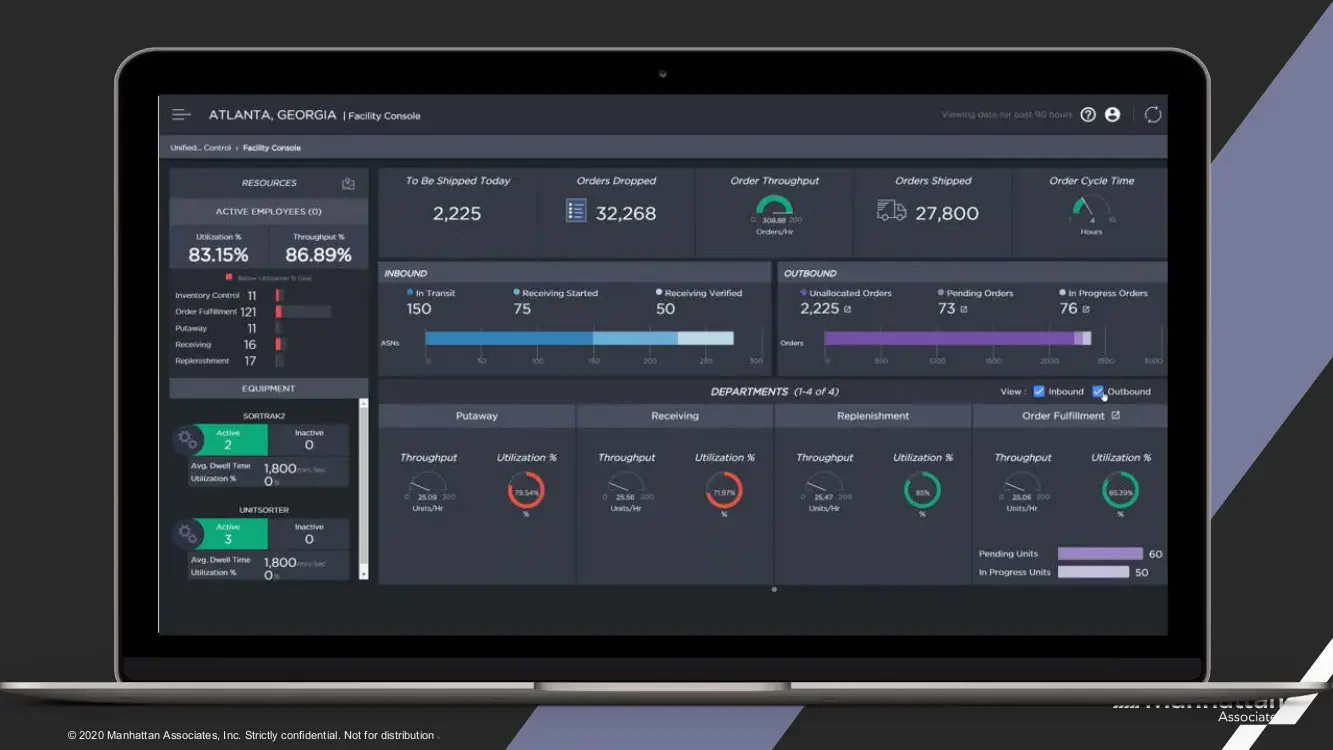
Manhattan Associates provides warehouse, transportation, and omnichannel fulfilment solutions for complex logistics operations.
It is widely used in large distribution and retail environments. However, it may be too advanced for smaller businesses.
| Pros | Cons |
| ✓ Strong warehouse management system. | ×Requires technical implementation. |
| ✓ Advanced logistics capabilities. | ×High cost for smaller businesses. |
| ✓ Scalable for large operations. | ×Can be overkill for SMEs. |
Pricing: $300–$800+ per user/month (warehouse + logistics enterprise suite)
9. E2open
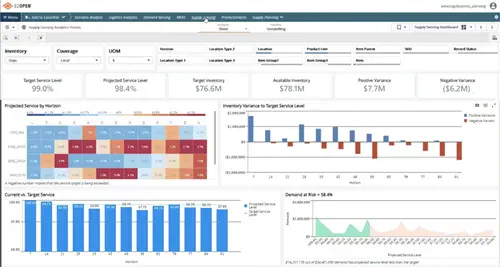
E2open is a connected supply chain platform that delivers improved operational transparency across suppliers, logistics, and distribution networks.
It is strong in multi-tier supply chain coordination and real-time data sharing. However, it requires structured processes to implement effectively.
| Pros | Cons |
| ✓ End-to-end supply chain visibility. | ×Complex setup requirements. |
| ✓ Strong supplier and logistics tracking. | ×Enterprise-focused system. |
| ✓ Real-time data insights. | ×Requires mature processes. |
Pricing: AUD $250–$700+ per user/month (global supply chain network platform)
10. Coupa Supply Chain Design & Planning
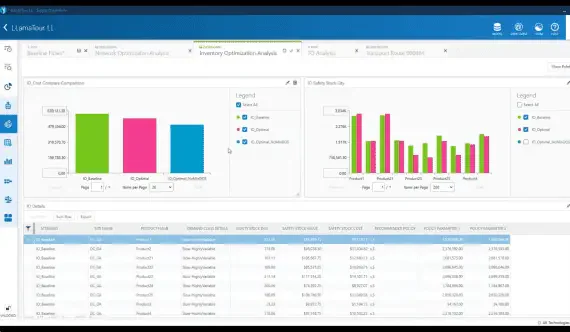
Coupa combines supply chain planning with procurement and spend management to help businesses optimise inventory and purchasing decisions.
It is especially useful for organisations focused on cost control and operational planning. However, it is better suited for mid-to-large enterprises.
| Pros | Cons |
| ✓ Strong procurement integration. | ×Not ideal for small businesses. |
| ✓ Good planning and forecasting tools. | ×Module-based pricing structure. |
| ✓ Strong cost optimisation features. | ×Enterprise-oriented setup. |
Pricing: AUD $200–$600+ per user/month (procurement + planning suite)
11. TradeBeyond

TradeBeyond is a retail-focused supply chain management platform designed to connect sourcing, supplier management, product development, and compliance in one unified system. It is especially strong for brands managing complex global supplier networks.
The platform replaces manual spreadsheets with automated workflows across sourcing, purchasing, production, and logistics. However, it is more specialised for retail and may not suit all industry types.
| Pros | Cons |
| ✓ Strong retail supply chain visibility. | ×Best suited for retail-focused businesses. |
| ✓ Excellent supplier management tools. | ×Can be complex for small teams. |
| ✓ Strong compliance and traceability features. | ×Enterprise-level pricing. |
Pricing: AUD $200–$600+ per user/month (custom retail SCM pricing)
12. Cario
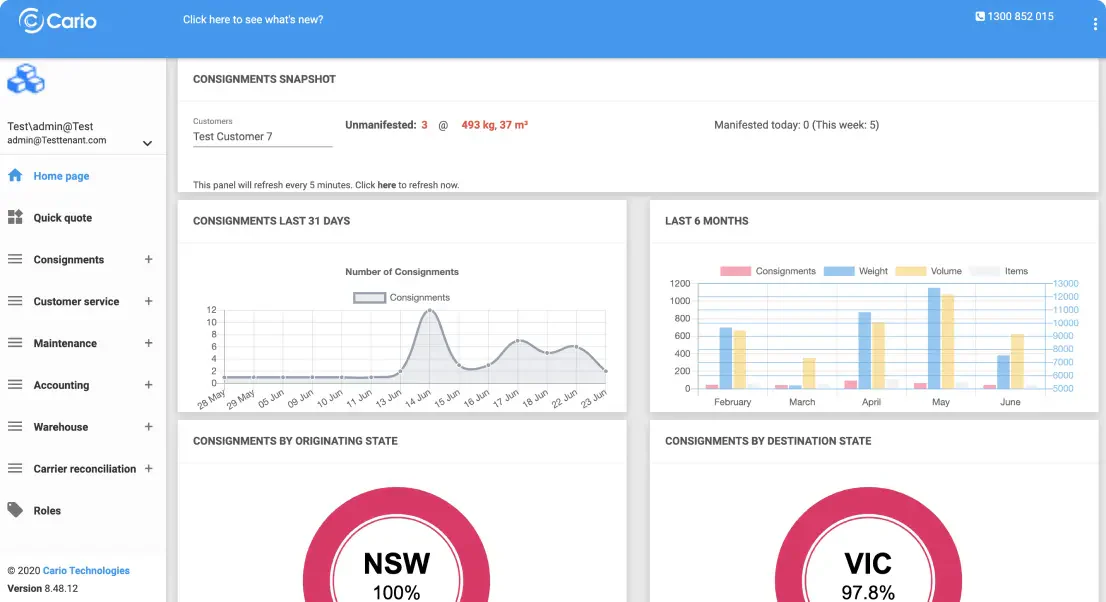
Cario is a transport and logistics management platform designed to help businesses streamline freight booking, shipment tracking, and carrier coordination. It focuses more on logistics execution than full end-to-end supply chain planning.
The platform is useful for businesses that want better control over shipping workflows and delivery visibility. However, it is not a full-suite supply chain management system like ERP-based platforms.
| Pros | Cons |
| ✓ Strong freight and logistics tracking. | ×Limited full SCM functionality. |
| ✓ Simple shipment coordination tools. | ×Not an end-to-end SCM platform. |
| ✓ Improves delivery visibility. | ×Narrow feature scope. |
Pricing: AUD $50–$150+ per user/month (lightweight logistics management tool)
Key Features to Look for in Supply Chain Management Software
Choosing the right supply chain management software is essential for improving efficiency, accuracy, and end-to-end operational visibility.
- The right SCM software should improve visibility across procurement, inventory, warehousing, and logistics operations. This ensures every stage of the supply chain is connected and easier to manage.
Supply chain management may also include supplier relationship management (SRM), covering supplier performance, risk, collaboration and purchase-order visibility.
- Key features often include inventory tracking, procurement automation, warehouse management, demand forecasting, and reporting tools. These functions help businesses reduce errors and make faster, data-driven decisions.
- Businesses should also evaluate ERP integrations, scalability, deployment flexibility, and ease of use. This ensures the system can grow with the business and adapt to changing operational needs.
For execution teams, useful visibility includes stock by location, supplier and transport lead times, estimated delivery times (ETAs), exception alerts, carrier or delivery status, and analytics that show where a delay or cost variance is developing.
Availability depends on the selected modules, integrations and data quality.
Benefits of Using Supply Chain Management Software
Supply chain management software helps businesses automate key operational processes and improve overall efficiency across the supply chain.
- Automates procurement, inventory, and warehouse operations, reducing manual work and improving day-to-day efficiency. This allows teams to focus more on strategic tasks rather than repetitive processes.
- Helps minimise stock shortages, improve demand forecasting accuracy, and enhance supplier coordination through a streamlined distribution workflow.
- Provides centralised operational data that improves visibility across the entire supply chain. This results in faster decision-making, improved fulfilment performance, and lower operational costs.
How We Selected the Top Supply Chain Management Software
We evaluated each platform using the following criteria. These criteria help Australian businesses compare software fit; they are not an independent market-share ranking. HashMicro published this comparison. Vendor capabilities, pricing, integrations and compliance statements should be checked against the linked official sources and your organisation's requirements.
- Planning and forecasting: demand planning, scenario modelling, and how well forecasts adjust when actual sales or lead times shift.
- Procurement and supplier workflows: purchase requisitions, approval routing, supplier onboarding, and purchase-order tracking through to receipt.
- Inventory, warehouse and fulfilment: stock by location, batch and serial tracking, picking and packing, and stocktake accuracy across multiple sites.
- Order, transport and delivery execution: order processing, freight booking, carrier coordination, and delivery status visibility through to proof of delivery.
- ERP, WMS, TMS and SRM integrations: whether connections are native or rely on middleware, and how cleanly data flows between finance, warehouse and transport systems.
- Deployment, implementation and support: cloud or on-premise options, typical rollout timelines, local support coverage, and available training.
- Scalability by industry, locations and transaction volume: how the platform handles added sites, users, and order volume without a rebuild.
- Total cost and data-migration effort: licence and implementation cost, plus the work involved in migrating supplier, product and inventory records.
Conclusion
Supply chain management software helps businesses improve procurement, inventory management, warehousing, and logistics coordination.
These systems support better operational visibility, forecasting accuracy, and supply chain efficiency across multiple locations. The right solution depends on business size, operational complexity, and integration requirements.
If you want a clearer recommendation tailored to your business, you can schedule a free consultation with our team.
We’ll review your supply chain workflows, key system integrations, and operational requirements, then help you shortlist the most suitable SCM software options for your organisation.
Frequently Asked Questions
Supply chain management software provides real-time visibility into supplier performance, shipment status, and inventory levels, allowing businesses to quickly respond to delays and disruptions.
SCM software manages the full supply chain including procurement, logistics, warehousing, and forecasting, while inventory management software focuses mainly on stock tracking and control.
Costs vary depending on features, number of users, and deployment type, ranging from subscription-based pricing for SMEs to custom enterprise pricing.
Industries such as retail, manufacturing, logistics, wholesale distribution, construction, healthcare, and eCommerce commonly use SCM software.
Yes, many SCM platforms support GST-ready purchasing, inventory reporting, and integration with ERP and accounting systems for Australian businesses.
The best fit depends on your planning complexity, procurement volume, inventory structure, warehouse operations, logistics needs, integration requirements, business scale, and implementation resources. A platform strong in enterprise-level demand planning may not suit a business that mainly needs warehouse execution, so the right choice comes from matching these requirements rather than picking a single universally best system.
AI can improve forecasting accuracy, detect anomalies earlier, and support faster decision-making within supply chain systems. However, organisations still need strong data governance, human oversight for exceptions and judgement calls, and operational execution workflows that AI alone cannot replace.
SAP for supply chain refers to SAP's planning and supply-chain capabilities, such as SAP Integrated Business Planning (SAP IBP) and SAP SCM, which focus on demand planning, forecasting, and supply chain optimisation. This is a specific product offering within the broader supply chain management software category, rather than a synonym for SCM as a whole.