







If NetSuite is starting to feel too expensive, too complex, or too dependent on external consultants, you are not alone, and the good news is that Australian businesses now have strong alternatives to compare.
The best NetSuite alternatives for the Australian market in 2026 are HashMicro, Microsoft Dynamics 365 Business Central, Acumatica, SAP Business One, Sage Intacct, MYOB, Xero, Cin7, and Epicor, each suited to a different operating model, budget, and level of complexity.
This article explains why businesses leave NetSuite, how to compare the options objectively, and what to plan before you migrate, so you can shortlist the right platform with confidence.
Key Takeaways
Learn why Australian businesses are looking beyond NetSuite and what factors are driving businesses to switch ERP platforms
Compare the leading NetSuite alternatives side by side, including ERP capabilities, Australian compliance, implementation, and AI features
Explore the 9 best NetSuite alternatives in Australia and find the right ERP solution for your business needs and future growth

Why Australian Businesses Look for NetSuite Alternatives

NetSuite is one of the leading cloud ERP platforms for mid-market businesses, but it's not the right fit for every organisation. As businesses grow, many begin comparing alternatives due to rising costs, increasing complexity, and the ongoing effort required to customise and maintain the system.
1. High Total Cost of Ownership
NetSuite uses custom pricing, with costs increasing as you add users, modules, and services. When implementation, integrations, support, and renewals are included, the long-term total cost of ownership can be significantly higher than the initial subscription, prompting many Australian businesses to explore more cost-effective alternatives.
2. Dependence on Implementation Partners
Most NetSuite deployments in Australia rely on implementation partners for setup and customisation. Businesses that frequently update workflows, reports, or forms may need ongoing consultant support, increasing costs and reducing agility.
3. Reporting, Automation, and Workflow Challenges
While NetSuite offers robust reporting and workflow tools, advanced customisation and automation often require additional configuration. As businesses increasingly expect AI-driven automation and streamlined operations, these limitations can become a reason to evaluate other ERP solutions.
How We Compared the Best NetSuite Alternatives
To keep this comparison objective, we evaluated each ERP system using the criteria Australian businesses consider most when replacing NetSuite.
1. ERP Module Depth
We assessed whether each platform provides a complete ERP suite—including finance, inventory, procurement, manufacturing, and CRM—rather than relying heavily on third-party add-ons.
2. Australian Compliance
We prioritised support for Australian requirements such as GST, BAS reporting, AASB standards, and Peppol e-invoicing to ensure businesses can meet local compliance obligations.
3. Implementation and Support
We considered each vendor's implementation model, including whether deployments are handled directly or through partners, along with the quality of ongoing local support.
4. AI and Scalability
We evaluated each platform's AI capabilities, automation, and ability to scale across users, entities, and transaction volumes without significant increases in cost or complexity.
NetSuite Alternatives Compared At a Glance
The table below summarises how the leading options compare on the factors Australian buyers care about most. Treat it as a shortlisting aid, then validate the detail against your own scenarios during demos.
| ERP | ERP Depth | Australian Compliance | Implementation | AI & Automation | Best For |
|---|---|---|---|---|---|
| HashMicro | Full ERP suite | Strong (GST, BAS, e-invoicing) | Direct vendor | AI-native | Mid-market businesses seeking an all-in-one ERP |
| Microsoft Dynamics 365 Business Central | Full ERP suite | Good (partner-led localisation) | Partner | Microsoft Copilot | Microsoft-centric SMEs |
| Acumatica | Full ERP suite | Good (partner-led) | Partner | Selective AI | Growing product-based businesses |
| SAP Business One | Full ERP suite | Good (partner-led) | Partner | Limited native AI | Established SMEs |
| Sage Intacct | Finance-led ERP | Good (partner-led) | Partner | Selective AI | Finance-focused and service organisations |
9 best NetSuite alternatives in Australia
Each option below suits a different profile. The order reflects overall fit for Australian mid-market businesses replacing NetSuite, not a single universal ranking.
1. HashMicro
HashMicro is a comprehensive ERP platform built for growing businesses that need more than accounting software. It includes finance, inventory, procurement, manufacturing, CRM, and HR in one system, with built-in support for Australian requirements such as GST, BAS, and e-invoicing. Unlike many ERP providers, HashMicro manages implementation directly instead of relying solely on third-party partners.
It also includes Hashy OS, an AI-powered workspace that helps automate everyday tasks, from drafting documents to reconciling data and answering business questions.
| Pros | Cons |
|---|---|
| Complete ERP with finance, inventory, CRM, HR, and manufacturing | Pricing is quote-based |
| Built-in Australian compliance | May offer more features than very small businesses need |
| AI-powered automation with Hashy OS |
Best for: Mid-market businesses looking for an all-in-one ERP with built-in AI and direct implementation.
Pricing: Custom quote based on modules and business requirements. Unlimited-user licensing is available.
2. Microsoft Dynamics 365 Business Central
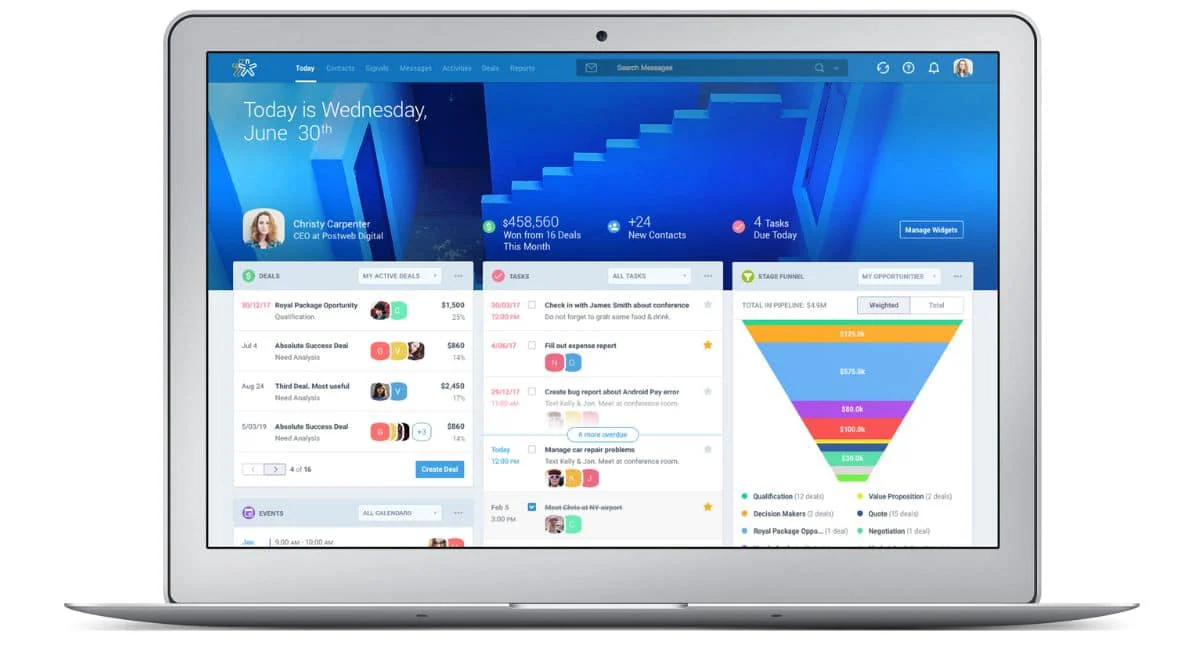
Microsoft Dynamics 365 Business Central is a popular choice for businesses already using Microsoft 365. It combines finance, supply chain, sales, and project management with seamless integration across Outlook, Teams, Excel, and other Microsoft tools. In Australia, implementation is typically handled by Microsoft partners, so support and project experience can vary.
Microsoft Dynamics 365 Business Central is a popular choice for businesses already using Microsoft 365. It combines finance, supply chain, sales, and project management with seamless integration across Outlook, Teams, Excel, and other Microsoft tools. In Australia, implementation is typically handled by Microsoft partners, so support and project experience can vary.
Microsoft Dynamics 365 Business Central is a popular choice for businesses already using Microsoft 365. It combines finance, supply chain, sales, and project management with seamless integration across Outlook, Teams, Excel, and other Microsoft tools. In Australia, implementation is typically handled by Microsoft partners, so support and project experience can vary.
Microsoft Dynamics 365 Business Central is a popular choice for businesses already using Microsoft 365. It combines finance, supply chain, sales, and project management with seamless integration across Outlook, Teams, Excel, and other Microsoft tools. In Australia, implementation is typically handled by Microsoft partners, so support and project experience can vary.
| Pros | Cons |
|---|---|
| Excellent integration with Microsoft 365 | Implementation depends on partners |
| Built-in Microsoft Copilot AI | Ongoing support costs vary by partner |
Best for: Businesses already invested in the Microsoft ecosystem.
Pricing: Per-user monthly subscription, with implementation quoted separately by partners.
3. Acumatica
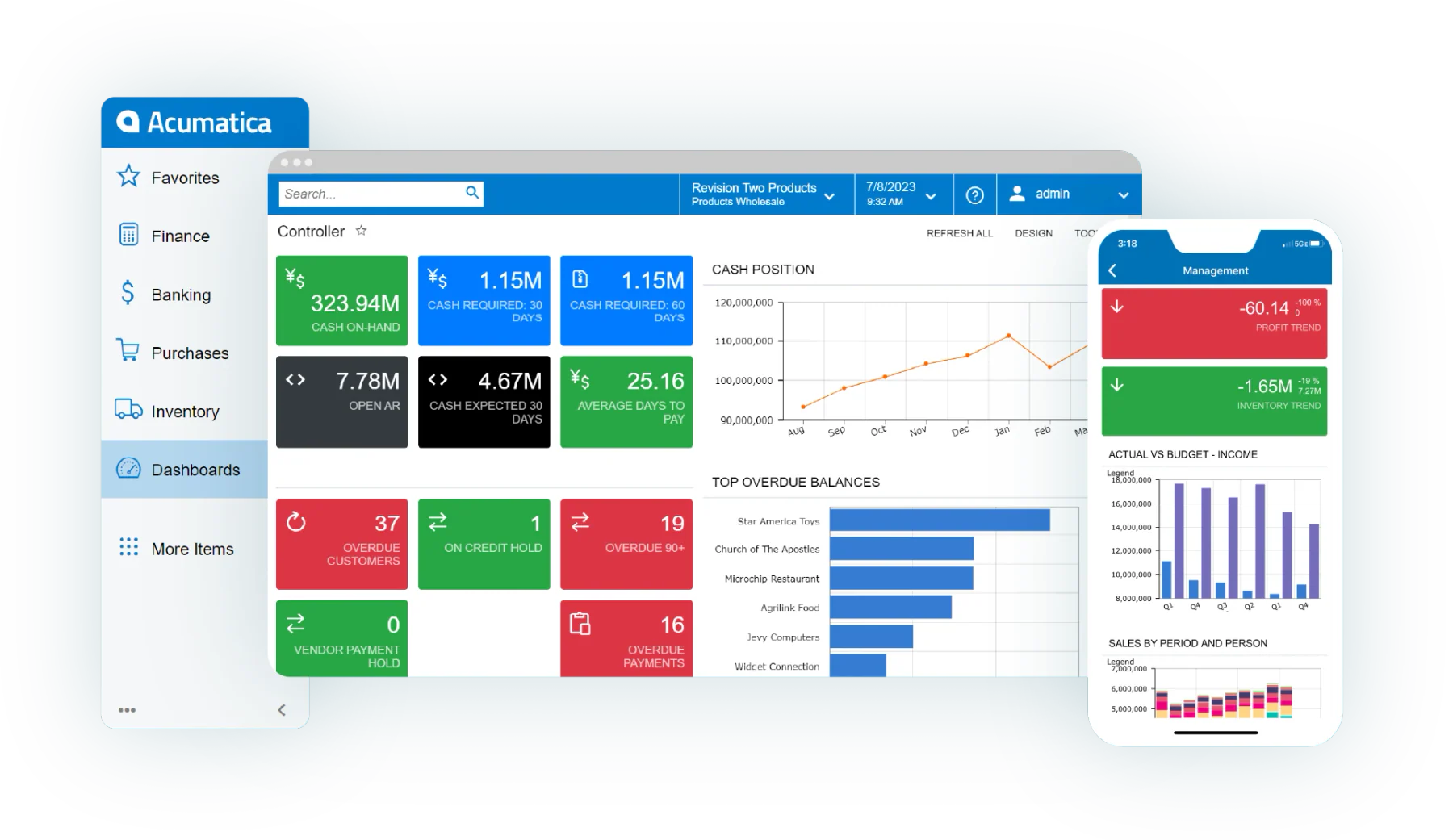
Acumatica is a cloud ERP designed for growing businesses that want flexible licensing. Instead of charging per user, it uses a consumption-based pricing model, making it a good option for organisations with many occasional users. It offers strong finance, inventory, and distribution capabilities, with implementation delivered through local partners.
| Pros | Cons |
|---|---|
| No per-user licensing | Partner-led implementation |
| Strong finance and inventory features | Australian support varies by partner |
Best for: Growing product-based businesses that want flexible licensing.
Pricing: Custom quote based on system usage rather than the number of users.
4. SAP Business One
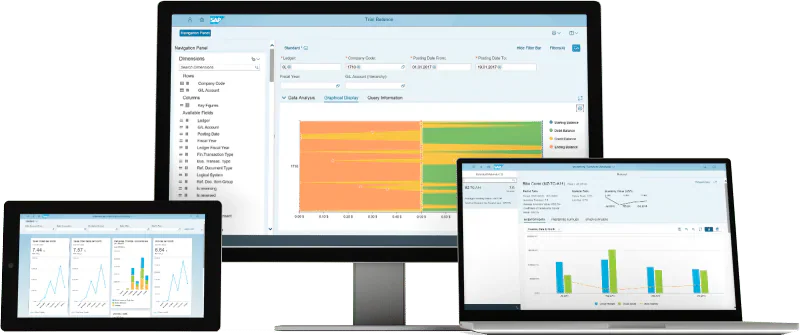
SAP Business One is a long-established ERP solution for small and medium-sized businesses. It provides core functionality across finance, inventory, purchasing, sales, and production, making it a dependable option for companies seeking a mature ERP platform. Australian implementations are generally delivered through SAP partners.
| Pros | Cons |
|---|---|
| Trusted and well-established ERP | Limited native AI features |
| Strong finance and inventory management | Support quality depends on the implementation partner |
Best for: SMEs looking for a proven ERP with strong finance and inventory capabilities.
Pricing: Available as a subscription or perpetual licence, with implementation quoted separately.
5. Sage Intacct
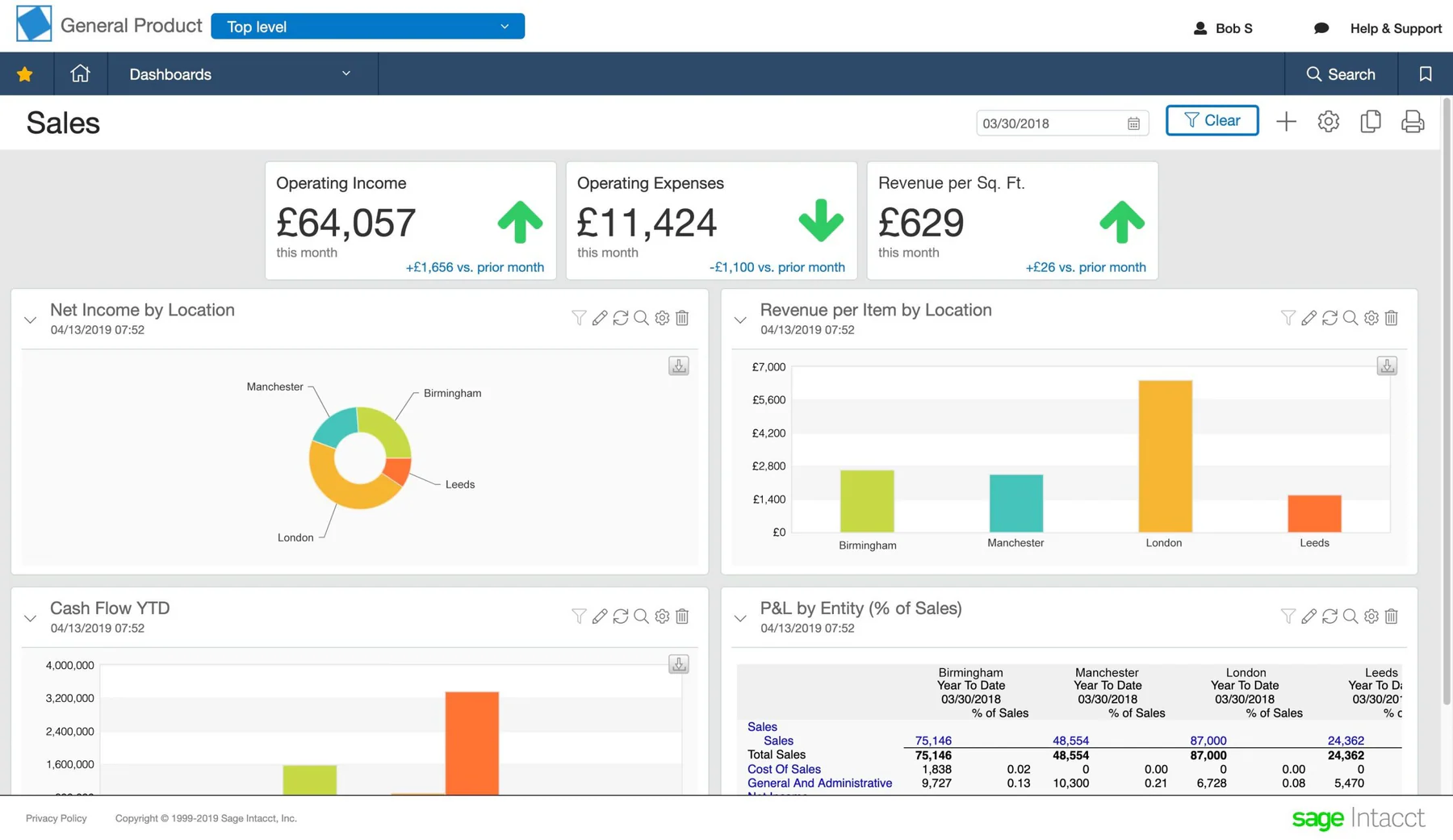
Sage Intacct focuses on financial management and is particularly well suited to businesses with complex accounting requirements. It offers advanced reporting and multi-entity financial management, making it a popular choice for service organisations and non-profits. Businesses with extensive manufacturing or inventory needs may require a broader ERP platform.
Sage Intacct focuses on financial management and is particularly well suited to businesses with complex accounting requirements. It offers advanced reporting and multi-entity financial management, making it a popular choice for service organisations and non-profits. Businesses with extensive manufacturing or inventory needs may require a broader ERP platform.
| Pros | Cons |
|---|---|
| Excellent financial reporting | More focused on finance than operations |
| Strong multi-entity accounting | Less suitable for manufacturing and inventory-heavy businesses |
Best for: Service organisations and businesses requiring advanced financial management.
Pricing: Quote-based subscription with modular pricing.
6. MYOB
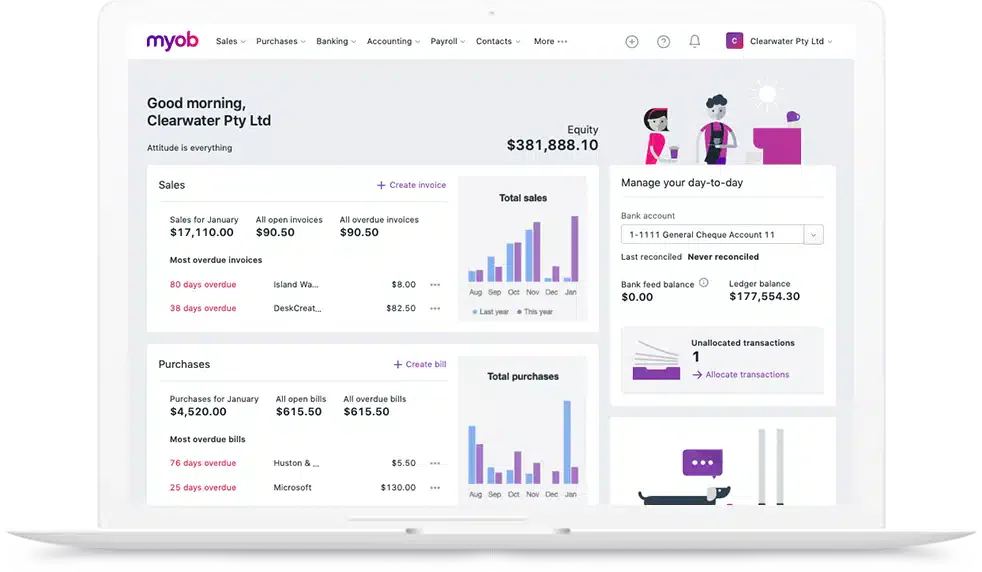
MYOB is a familiar option for Australian businesses moving beyond entry-level accounting software. Its ERP offering, MYOB Acumatica, provides stronger financial management, inventory, and operational capabilities while maintaining excellent local compliance and support.
MYOB is a familiar option for Australian businesses moving beyond entry-level accounting software. Its ERP offering, MYOB Acumatica, provides stronger financial management, inventory, and operational capabilities while maintaining excellent local compliance and support.
MYOB is a familiar option for Australian businesses moving beyond entry-level accounting software. Its ERP offering, MYOB Acumatica, provides stronger financial management, inventory, and operational capabilities while maintaining excellent local compliance and support.
| Pros | Cons |
|---|---|
| Strong Australian compliance | Less suited to complex manufacturing |
| Easy upgrade from accounting software | Advanced ERP needs may require a more comprehensive platform |
Best for: Australian businesses upgrading from accounting software to their first ERP.
Pricing: MYOB Business offers fixed monthly plans, while MYOB Acumatica is priced by quotation.
7. Xero
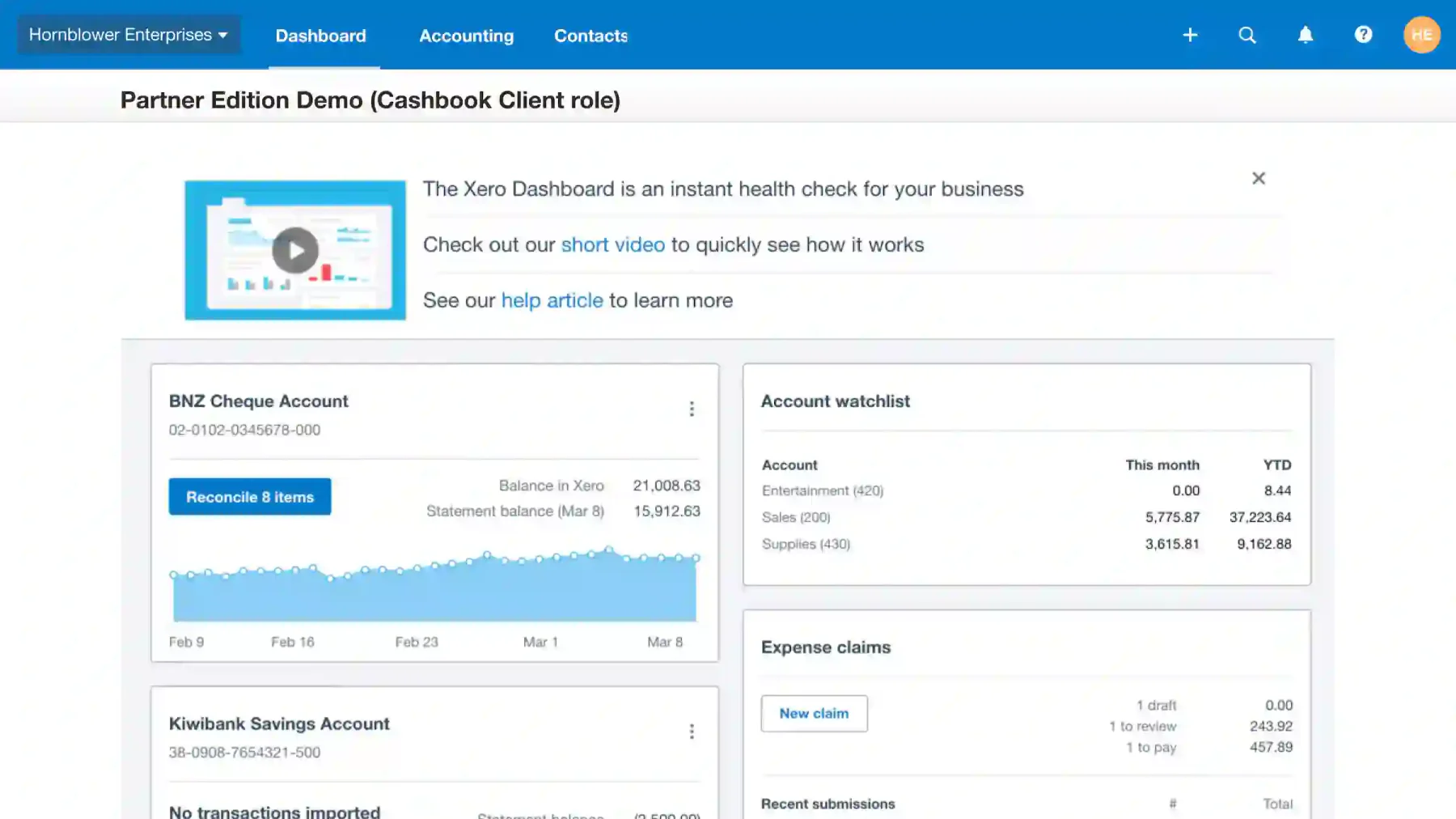
Xero is one of Australia's most widely used accounting platforms, known for its ease of use, local compliance features, and extensive app marketplace. While it integrates with many business tools, it remains accounting software rather than a full ERP, making it better suited to businesses with relatively simple operational needs.
| Pros | Cons |
|---|---|
| Easy to use with strong Australian compliance | Accounting software, not a full ERP |
| Large app marketplace | Requires add-ons for advanced operations |
Best for: Small businesses focused on accounting and bookkeeping.
Pricing: Fixed monthly subscription plans, with optional add-ons available.
8. Cin7
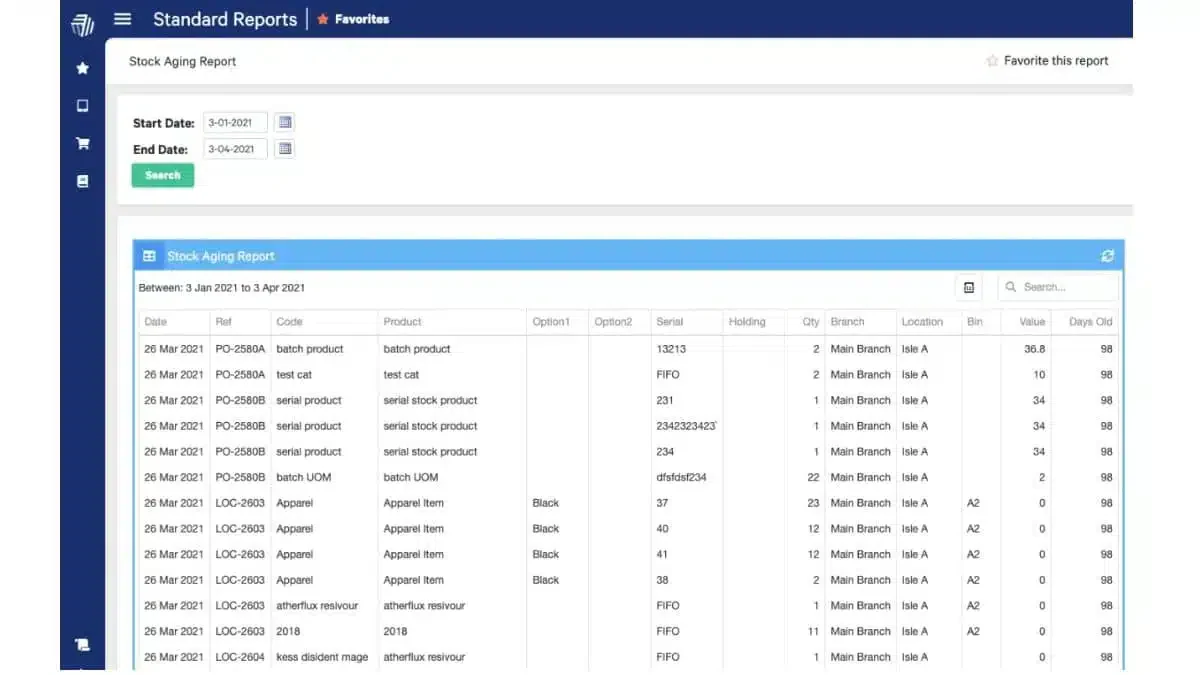
Cin7 is designed for businesses that need strong inventory and order management across multiple sales channels. It is especially popular with wholesalers, retailers, and ecommerce businesses. However, because it focuses on inventory rather than full ERP functionality, many organisations continue using separate finance systems alongside it.
| Pros | Cons |
|---|---|
| Strong inventory and order management | Ideal for retail and ecommerce |
| Ideal for retail and ecommerce | Often requires separate finance software |
Best for: Product-based businesses managing inventory across multiple sales channels.
Pricing: Tiered subscription plans, with enterprise pricing available on request.
9. Epicor
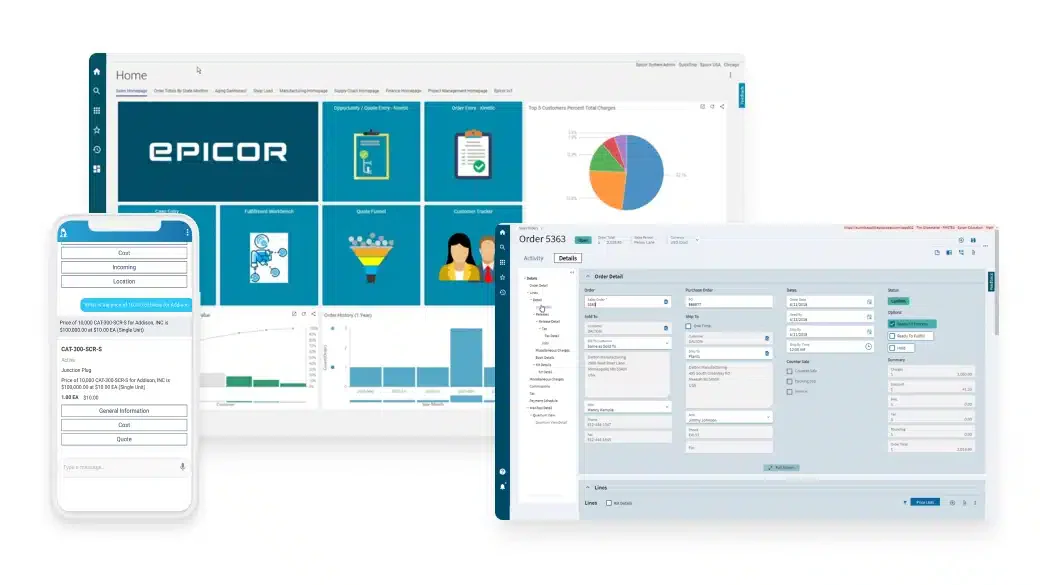
Epicor Kinetic is built primarily for manufacturers that require advanced production planning, shop-floor management, and manufacturing inventory control. Its depth in manufacturing makes it a strong choice for industrial businesses, although companies outside this sector may find broader ERP platforms more suitable.
| Pros | Cons |
|---|---|
| Excellent manufacturing capabilities | Best suited to manufacturers only |
| Advanced production and shop-floor management | Quote-based pricing and partner implementation |
Best for: Manufacturers requiring advanced production and shop-floor management.
Pricing: Custom quote based on deployment and business requirements.
Why HashMicro Is a Strong NetSuite Alternative
Many Australian businesses replace NetSuite because of rising costs, ongoing reliance on consultants, and limited built-in automation. HashMicro is designed to address these challenges with a more flexible and integrated approach.
1. Complete ERP in One Platform
HashMicro combines finance, inventory, procurement, manufacturing, CRM, and HR in a single system. This reduces the need for multiple third-party applications and gives growing businesses one platform to manage their operations.
2. Direct Implementation and Support
Unlike many ERP providers that rely on implementation partners, HashMicro manages implementation and support directly. This gives businesses a single point of contact throughout the project and makes future changes easier to manage.
3. Built-In AI with Hashy OS
Hashy OS brings AI directly into the ERP, helping users automate routine tasks such as creating documents, reconciling data, and finding information from company records. Instead of acting as a separate tool, the AI works within everyday business processes to improve efficiency.






Australian Compliance and Finance Checks
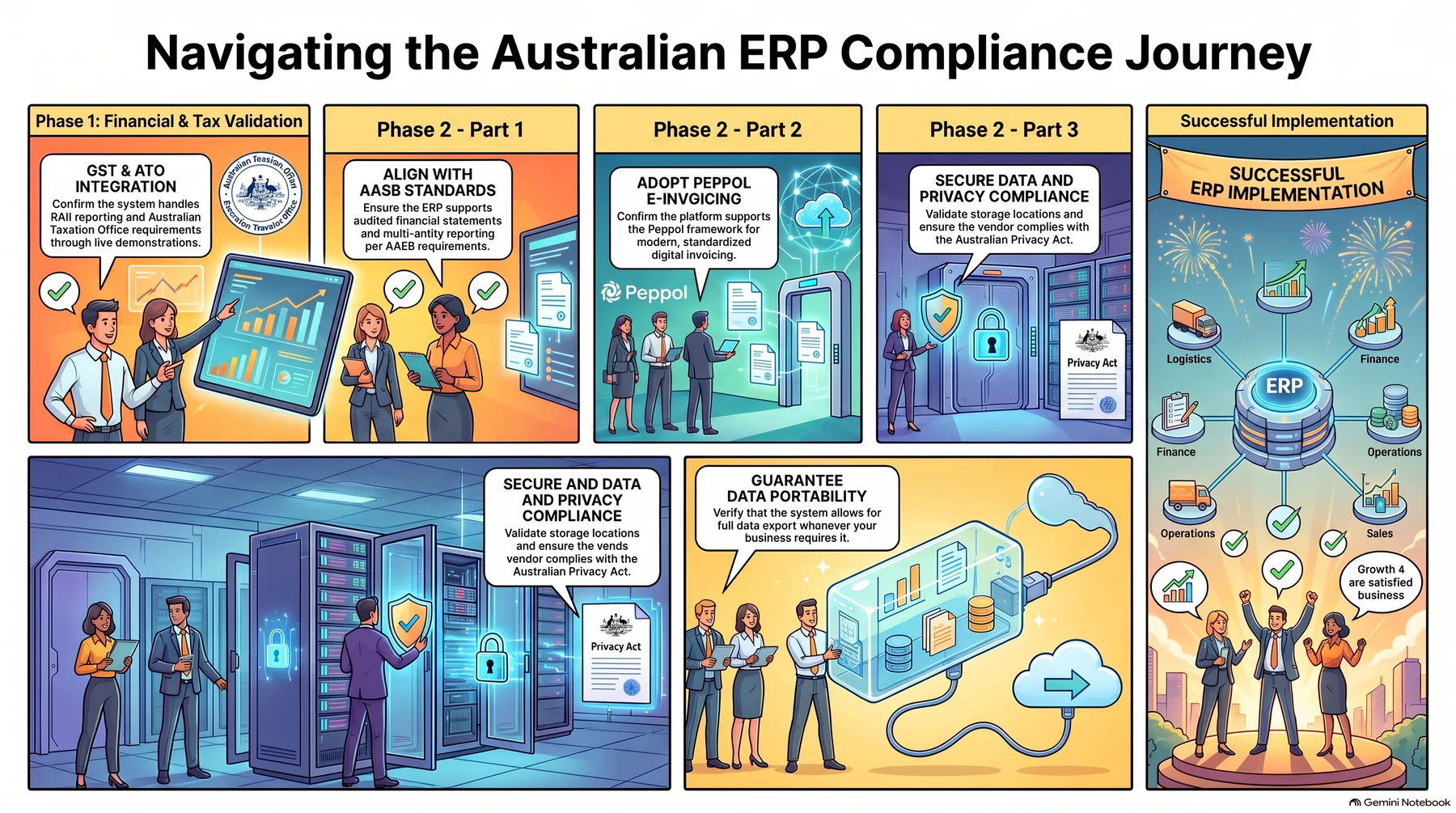
Before choosing an ERP, make sure it meets Australian compliance requirements. These are easy to overlook during a product demo but can be costly to fix after implementation.
1. GST, BAS, and ATO Reporting
Check that the system supports GST, BAS reporting, and Australian Taxation Office (ATO) requirements. It's also worth asking for a demonstration of how these processes work in a real business scenario.
2. AASB Financial Reporting
If your business manages multiple entities or requires audited financial statements, confirm the ERP supports reporting in line with Australian Accounting Standards Board (AASB) requirements.
3. Peppol and Data Security
Ask whether the platform supports Peppol e-invoicing, where your business data will be stored, and how the vendor complies with Australia's Privacy Act. You should also be able to export your data whenever you need it.
How to Choose the Right NetSuite Alternative
Choosing the right NetSuite software alternative starts with understanding your business needs, not simply comparing feature lists. Focus on the platform that best supports your workflows today while giving you room to grow.
Consider the total cost of ownership, including implementation, support, integrations, and future customisation, not just the subscription price. A lower upfront cost does not always mean lower long-term costs.
Finally, check how the ERP is implemented and supported, how well it integrates with your existing systems, and how easy it is to customise as your business evolves. These factors often have the biggest impact on long-term success.
Conclusion
NetSuite remains a strong ERP solution, but it is no longer the only option for Australian businesses. If rising costs, ongoing reliance on consultants, or limited automation are becoming challenges, it may be time to explore alternatives that better match your business needs.
The platforms in this guide each offer different strengths, from accounting software for smaller businesses to full ERP solutions for growing organisations. For mid-market businesses, HashMicro stands out with its all-in-one ERP, built-in Australian compliance, direct implementation, and AI-powered automation.
If you're unsure which ERP is the right fit, consult with our ERP experts for free. We'll help you assess your requirements, compare your options, estimate the total cost of ownership, and plan a smooth migration from NetSuite with confidence.
FAQ
NetSuite's main competitors include HashMicro, Microsoft Dynamics 365 Business Central, Acumatica, SAP Business One, and Sage Intacct. The best choice depends on your business needs.
HashMicro is one of the best NetSuite alternatives for Australian businesses. It offers a complete ERP system, built-in Australian compliance, AI features, and direct implementation.
Yes. HashMicro is a good choice for businesses that need finance, inventory, CRM, manufacturing, and HR in one platform, with built-in AI and Australian compliance.
Many ERP solutions, including HashMicro, Acumatica, and Microsoft Dynamics 365 Business Central, can offer a lower total cost than NetSuite, depending on your requirements.
Yes, but only for businesses with simple accounting needs. If you need inventory, manufacturing, or multi-entity management, a full ERP like HashMicro is a better fit.