






Philippine companies need reliable ways to collect ESG data, monitor sustainability performance, and prepare reports for regulators, investors, employees, and other stakeholders. When this information is spread across spreadsheets and departments, teams may struggle to verify data or track progress consistently.
A 2024 AIM policy study of 500 Philippine SME owners and managers found that technology and market access shape readiness for sustainable practices. Nearly 98% of respondents wanted their businesses to address climate change. The findings support ESG tracking and reporting, but do not prove results from any specific platform.
This guide compares 10 ESG software solutions in the Philippines based on data collection, reporting, compliance support, collaboration, integrations, and usability. It also explains which type of organisation each platform may suit, including the capabilities and limitations businesses should review before making a decision.
Key Takeaways
Environmental, Social, and Governance (ESG) is a set of criteria used to evaluate a company’s impact on the environment, its relationships with stakeholders, and the strength of its internal policies.
Choose ESG software that fits your reporting goals, data needs, collaboration requirements, support expectations, and budget while advancing your company’s sustainability strategy.
The 10 ESG software solutions for 2026 address Philippine businesses’ needs across ERP-integrated reporting, carbon accounting, governance, and supply chain transparency.
What is ESG software?
ESG software helps organizations manage Environmental, Social, and Governance information across daily operations while reducing manual work. These platforms automate data collection, organize performance metrics, and simplify reporting, enabling teams to evaluate business impacts, identify improvement opportunities, and connect sustainability initiatives with broader strategic goals.
For companies comparing ESG software Philippines solutions, these tools support regulatory compliance, stakeholder transparency, and measurable progress through dashboards, analytics, and reporting workflows. Teams should first review what ESG means and why companies should care to align platform capabilities with their sustainability priorities.
Benefits of ESG Software
Businesses use ESG software to connect sustainability goals with daily operations, reduce manual reporting, and improve decisions across every department today. The best ESG software centralizes environmental, social, and governance data into one ESG platform, making it easy for teams to measure progress, identify risks, and communicate credible results.
Key benefits include:
- Supports regulatory compliance: ESG software tracks required metrics, organizes evidence, and flags reporting gaps, helping teams understand what ESG compliance means while reducing delays, supporting accurate submissions, and keeping regulatory responsibilities visible across departments.
- Improves transparency and accountability: ESG reporting software standardizes data collection and audit trails, allowing leaders to share consistent performance updates with investors, regulators, employees, and customers while strengthening accountability across sustainability programs.
- Streamlines data management: ESG platforms centralize environmental, social, and governance information, replacing disconnected spreadsheets with shared dashboards that help teams analyze KPIs, compare trends, and act quickly when performance falls below target.
- Strengthens stakeholder trust: By documenting progress and publishing clearer results, ESG software helps companies demonstrate responsible practices, strengthen stakeholder trust, protect brand reputation, and show how sustainability efforts support business priorities.
- Mitigates risks and improves decisions: ESG software identifies environmental, social, and governance risks early, giving managers reliable evidence to prioritize corrective action, allocate resources wisely, and support long-term growth through more informed decisions.
Comparison of the Best ESG Software
Choosing the right ESG software requires considering reporting priorities, operational needs, industry requirements, and budget expectations. Compare the platforms below and also explore the best ERP software to evaluate which software fits your ESG goals the most.
| Software | Key Features | Best For |
|---|---|---|
| HashMicro | Automates ESG reporting, carbon monitoring, compliance management, and governance risk assessment. | Large enterprises, manufacturing, retail, and e-commerce companies |
| Workday | Connects social ESG reporting with workforce data, sustainability tracking, and enterprise workflows. | Medium to large businesses |
| Workiva | Combines ESG reporting, framework templates, collaboration, audit trails, and materiality assessments. | Businesses needing ESG, GRC, and financial reporting together |
| Diligent | Unifies board, risk, audit, ESG reporting, benchmarking, and compliance workflows. | Organizations managing governance, risk, compliance, and ESG oversight |
| Persefoni | Measures carbon emissions, supports disclosures, enables decarbonization planning, and manages Scope 3 suppliers. | Companies and financial institutions focused on carbon accounting and climate risk |
| Sweep | Collects sustainability data, manages carbon emissions, supports ESG reporting, and coordinates action plans. | Companies of all sizes managing carbon and ESG data |
| Cority | Centralizes auditable ESG data through sustainability cloud tools, compliance tracking, and reporting. | Organizations seeking structured sustainability and ESG data management |
| Fairly Made | Tracks material sourcing, production impact, supply chain transparency, and ethical manufacturing compliance. | Fashion and textile companies improving supply chain sustainability |
| Benchmark Gensuite | Provides mobile analytics, data mining, interactive dashboards, and multi-source ESG integrations. | Business leaders and enterprise organizations |
| AuditBoard | Centralizes ESG evidence, disclosure management, enterprise risk integration, and audit workflows. | Audit, risk, and compliance teams across industries |
How to Choose the Best ESG Software for Your Company?
Choosing ESG software requires more than comparing dashboards or subscription plans. Define your reporting goals, data needs, collaboration requirements, and support expectations before selecting a platform. This guide also explains how to avoid mistaking CSR for ESG so your sustainability software supports accurate priorities, credible reporting, and long-term business decisions.
Evaluation steps to choose the best ESG Software:
- Define ESG objectives: Identify compliance, transparency, emissions, supply chain, or workforce goals your ESG software must support.
- Assess data processing: Confirm the platform handles sector benchmarks, supply chain emissions, gender pay gaps, and modern slavery risks.
- Evaluate product strength: Review market experience, leadership, performance history, and whether the tool was purpose-built for ESG governance.
- Check collaboration tools: Choose centralized workspaces that let cross-functional teams share data, review evidence, and prepare reports together.
- Verify support quality: Prioritize knowledgeable specialists who understand emissions management, reporting standards, implementation challenges, and ongoing user needs.
- Compare costs and reviews: Balance subscriptions, implementation fees, user feedback, scalability, and long-term value before choosing sustainability software.
The 10 Best ESG Software to Consider in 2026
As Philippine businesses strengthen sustainability and governance, the right ESG software can simplify data collection, compliance, reporting, and performance tracking. This guide compares 10 leading ESG solutions for 2026 and explains how each supports different business needs, alongside practical insights from an ESG strategy guide covering its definition, benefits, and practices.
1. HashMicro
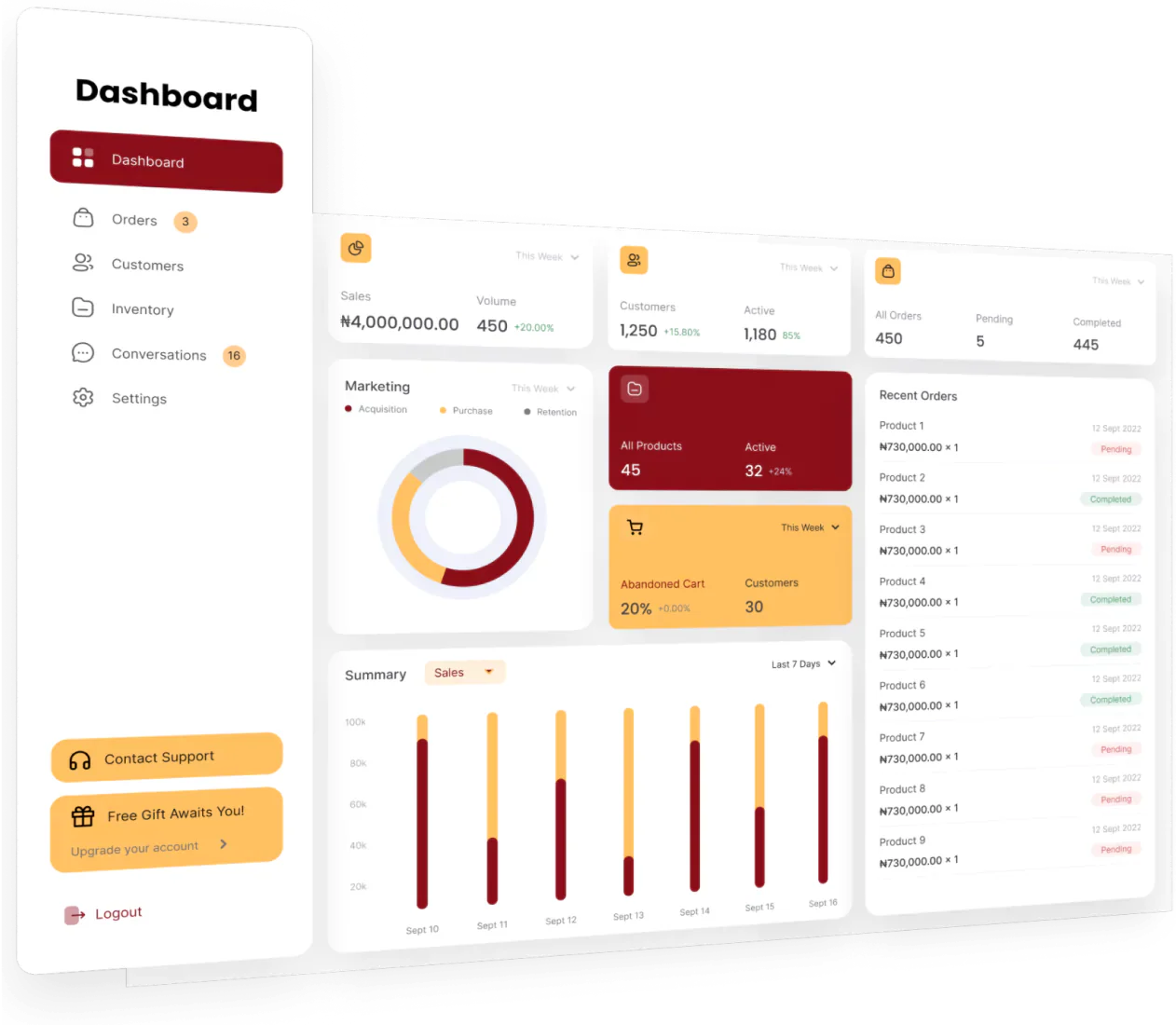
HashMicro ESG Software integrates sustainability management with your existing ERP system, helping Philippine businesses centralize ESG data, automate reporting, and act on real-time insights. For readers still understanding what ERP is, this solution stands out by connecting ESG oversight with everyday financial and operational workflows.
By using HashMicro ESG Software, companies can track sustainability metrics, strengthen compliance, improve transparency, and reduce risk through automated workflows and analytics that align operations with ESG goals.
Key Features:
- Automated ESG reporting
- Carbon footprint and energy monitoring
- Regulatory compliance management
- Governance and risk assessment
| Pros | Cons |
|---|---|
|
|
Best for: Large enterprises & corporations, manufacturing, retailers & e-commerce companies.
Pricing: For pricing details, contact the vendor to consult their expert team and receive a customized quote tailored to your needs.
Ready to evaluate the investment? Review the HashMicro ERP price list to compare plans and estimate the cost of adopting this best ESG software for your organization. Then speak with an expert to plan implementation around your ESG priorities.

2. Workday
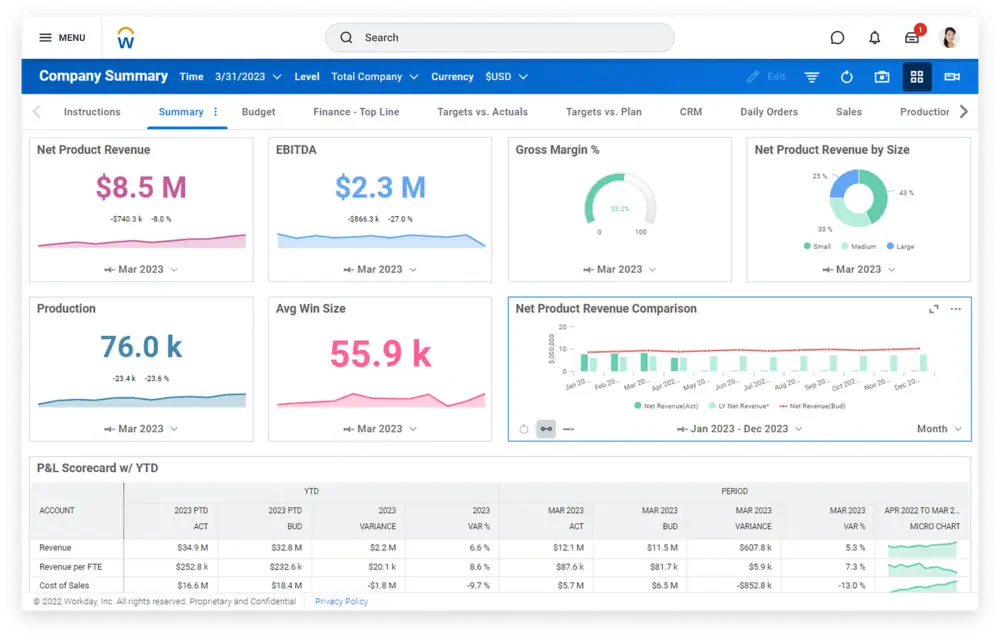
Workday ESG Software helps medium to large businesses manage sustainability data within their broader Workday environment. Its standout strength is native integration across enterprise systems, which connects ESG activities with workforce, finance, and operational information for consistent reporting.
Workday improves stakeholder transparency, regulatory readiness, and sustainability coordination. Companies comparing ESG reporting software can assess its reporting complexity, integration needs, user experience, and compatibility with existing enterprise systems.
Key Features:
- Social ESG reporting
- Workforce and sustainability data tracking
- Enterprise system integration
- Stakeholder and regulatory reporting
| Pros | Cons |
|---|---|
|
|
Best for: Medium to large businesses.
Pricing: Custom pricing based on a quote. Existing Workday customers can access the software at no extra cost.
3. Workiva
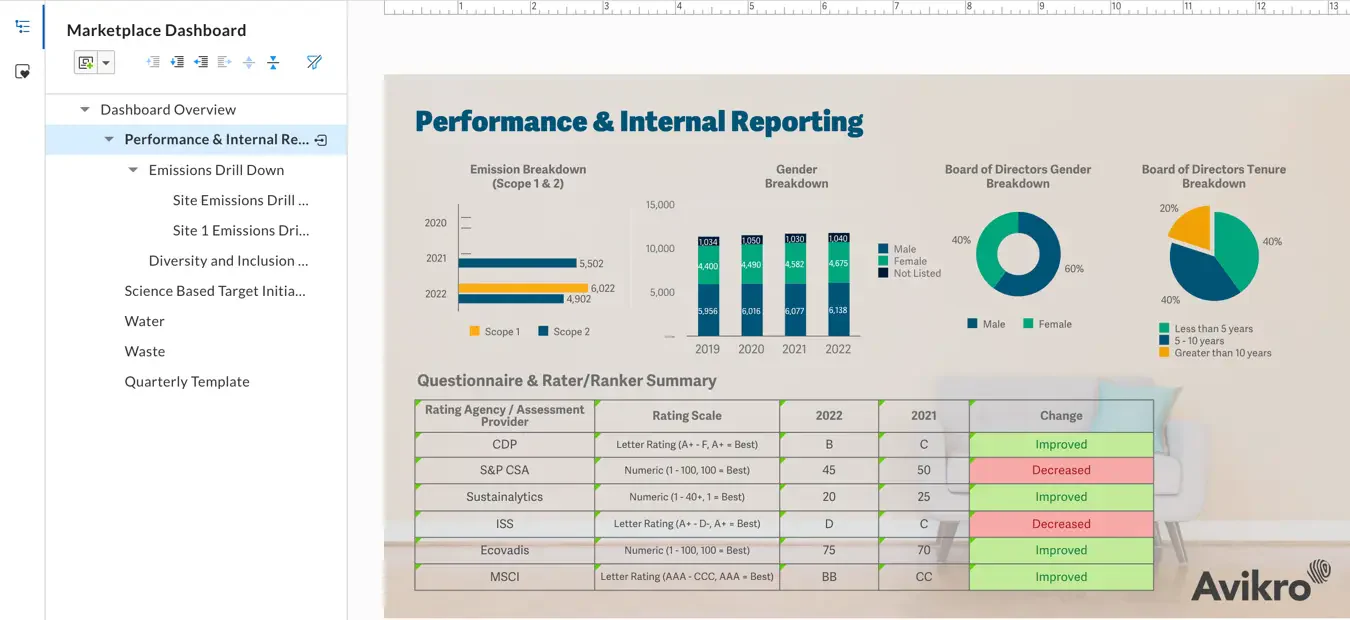
Workiva ESG Platform centralizes sustainability, governance, risk, compliance, and financial reporting in one connected workspace. It stands out through cross-team collaboration, structured disclosures, and audit-ready documentation for complex reporting requirements.
Workiva strengthens data consistency, stakeholder trust, and disclosure workflows. When comparing ESG platforms, teams can evaluate reporting depth, collaboration tools, framework coverage, and governance requirements against their organization’s needs.
Key Features:
- Comprehensive ESG reporting
- Pre-built ESG framework templates
- Cross-team collaboration and audit trails
- Materiality assessment tools
| Pros | Cons |
|---|---|
|
|
Best for: Businesses seeking an all-in-one platform for ESG, GRC, and financial reporting.
Pricing: Tailored pricing based on each organization’s requirements.
4. Diligent
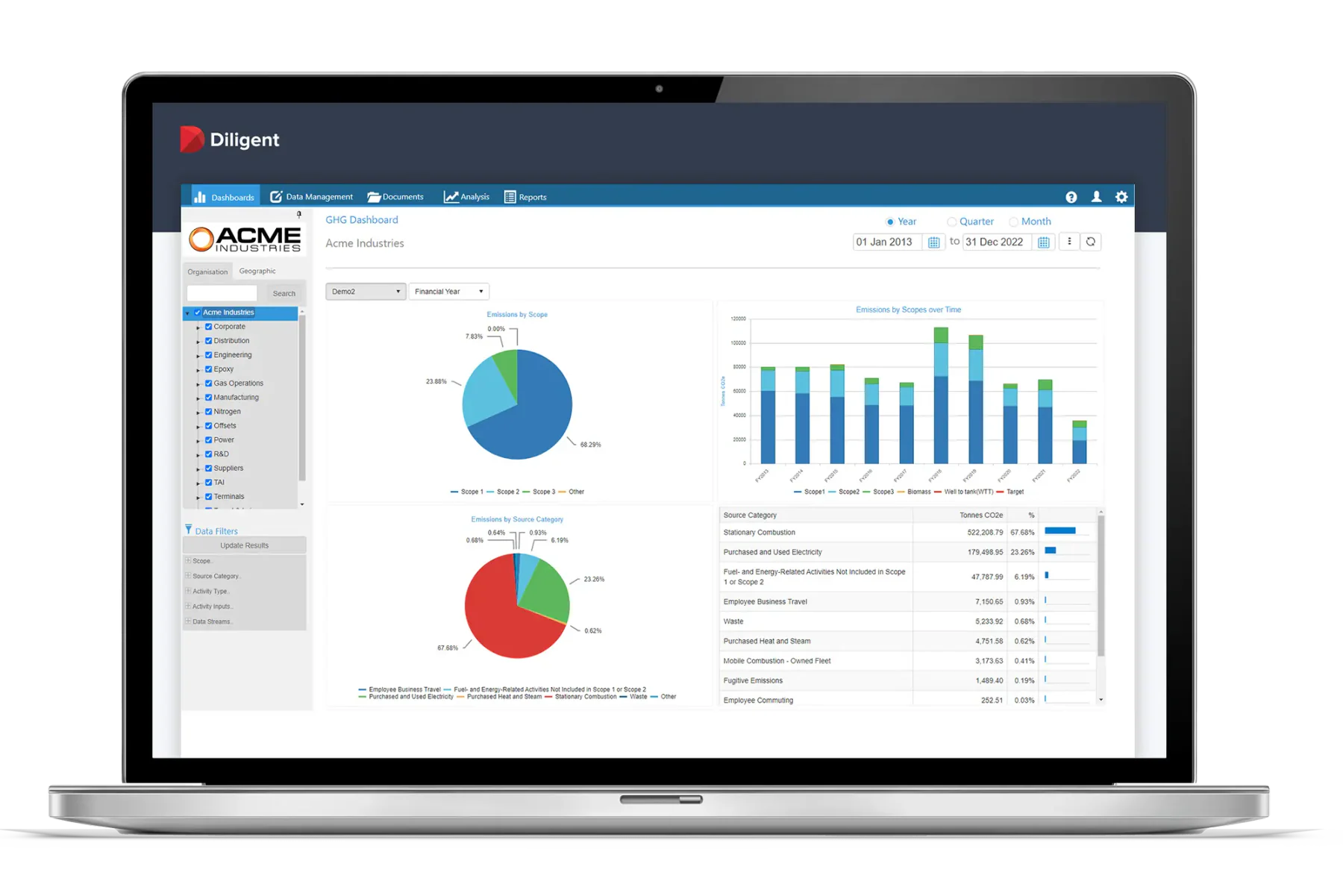
Diligent ESG Software gives organizations a structured workspace for governance, risk, compliance, and sustainability oversight. Its main strength is the unified connection between board reporting, audit processes, risk monitoring, and ESG management.
Diligent improves accountability, regulatory readiness, and executive visibility across ESG programs. Businesses comparing the best ESG software can assess governance depth, reporting workflows, benchmarking tools, and usability before selecting a platform.
Key Features:
- Board, risk, audit, and ESG reporting
- Benchmarking and analytical insights
- Unified GRC and ESG workflows
- User-friendly interface
| Pros | Cons |
|---|---|
|
|
Best for: Organizations seeking governance, risk management, compliance, and ESG oversight.
Pricing: Customized pricing is available upon request.
5. Persefoni
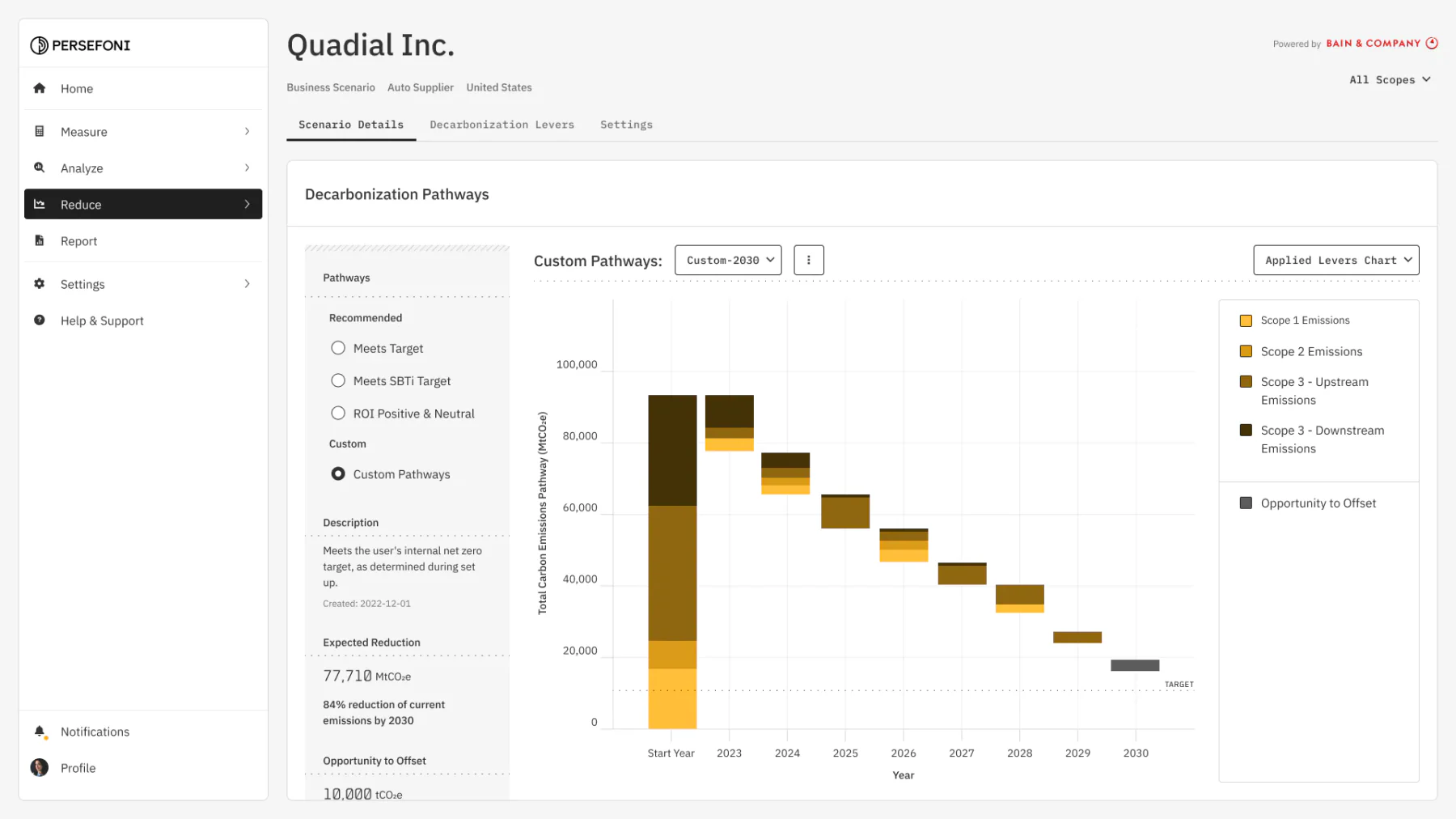
Persefoni is specialized carbon accounting software built around climate risk, emissions disclosure, and sustainability reporting. Its standout value comes from measurement tools that help companies and financial institutions quantify environmental impact and plan decarbonization programs.
Persefoni supports regulatory disclosures, supplier engagement, and climate planning. Organizations reviewing ESG software Philippines options can compare local operational breadth with Persefoni’s specialized carbon management capabilities.
Key Features:
- AI-driven carbon measurement and tracking of carbon emissions
- Regulatory and investor emissions disclosures
- Decarbonization planning
- Scope 3 supplier engagement
| Pros | Cons |
|---|---|
|
|
Best for: Companies and financial institutions specializing in carbon accounting and climate risk management.
Pricing: Available through PRO plans, with specific details provided upon request.






6. Sweep
Sweep is a sustainability platform that helps organizations collect, manage, and reduce ESG data across environmental and social programs. It stands out through structured carbon management workflows, data collaboration, and practical tools for organizations at different growth stages.
Sweep helps teams simplify sustainability reporting, support compliance, and make informed reduction decisions. Companies comparing ESG platforms can assess data collection, collaboration, carbon management, and integration needs before choosing a solution.
Key Features:
- Sustainability and CSR data collection
- Carbon emissions management
- ESG reporting and compliance
- Collaboration and sustainability action planning
| Pros | Cons |
|---|---|
|
|
Best for: Companies of all sizes and industries seeking ESG data and the best carbon management tools.
Pricing: Tailored pricing based on business requirements.
7. Cority
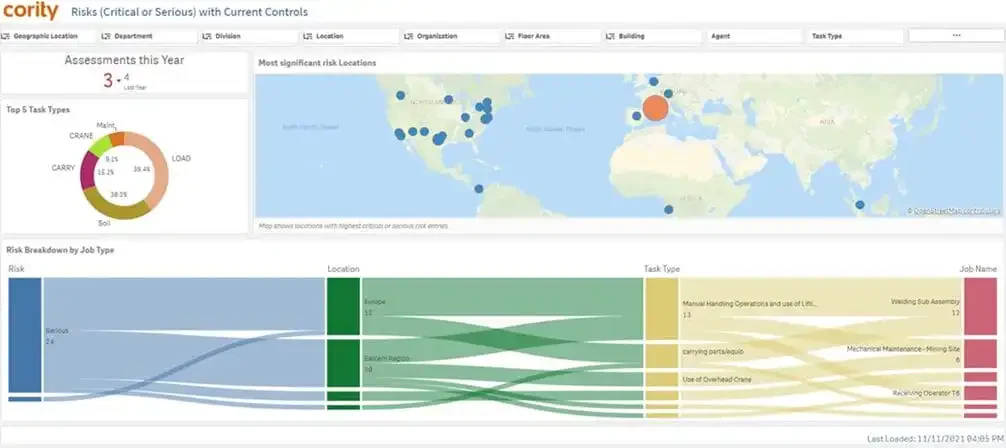
Cority ESG software helps organizations manage sustainability data, compliance activities, and corporate ESG performance through a centralized platform. Its strength lies in structured data management and auditable reporting that support consistent decisions across complex operations.
Cority improves data accuracy, regulatory readiness, and sustainability oversight. Organizations assessing the best ESG software can compare data governance, auditability, reporting scope, implementation needs, and operational coordination.
Key Features:
- Sustainability Cloud
- Auditable ESG data management
- Compliance and regulatory tracking
- Centralized sustainability reporting
| Pros | Cons |
|---|---|
|
|
Best for: Organizations seeking a reliable solution for sustainability and ESG data management.
Pricing: Tailored pricing based on the organization’s specific requirements.
8. Fairly Made
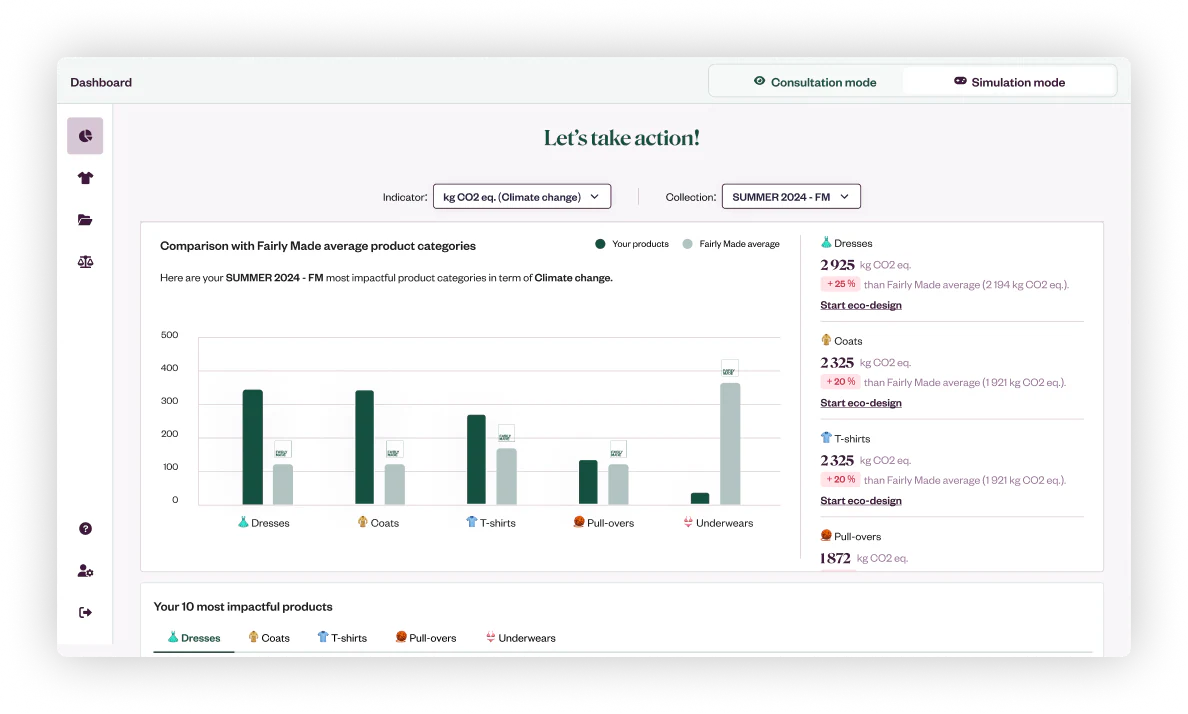
Fairly Made is an ESG platform designed for fashion and textile businesses that need greater supply chain transparency. It stands out by connecting material sourcing, production impact, and ethical manufacturing data in one sustainability-focused workflow.
Fairly Made helps brands improve sourcing decisions, demonstrate responsible production, and support sustainability standards. When comparing ESG software Philippines solutions, teams can assess fashion-specific supply chain tools, reporting needs, and broader operational requirements.
Key Features:
- Material sourcing insights
- Production impact tracking
- Supply chain transparency
- Ethical manufacturing compliance
| Pros | Cons |
|---|---|
|
|
Best for: Fashion and textile companies improving supply chain transparency and sustainability.
Pricing: Custom pricing based on business needs.
9. Benchmark Gensuite
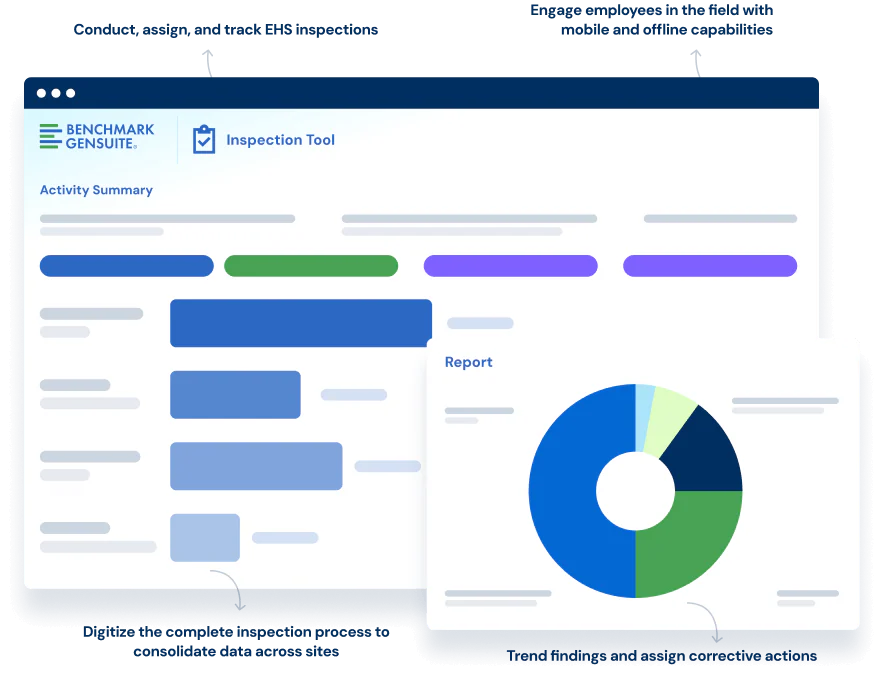
Benchmark Gensuite provides enterprise ESG software for managing sustainability data, regulatory compliance, analytics, and corporate reporting. Its broad data integration connects desktop and mobile workflows, giving leaders a clearer view of ESG performance across locations, teams, and reporting activities.
Benchmark Gensuite supports collaboration, risk oversight, and informed sustainability decisions. Companies comparing ESG platforms can assess analytics depth, mobile access, data integration, reporting flexibility, and implementation requirements while using a compliance checklist for Philippine businesses to organize evidence and strengthen integrity.
Key Features:
- Desktop and mobile analytics
- Advanced data mining and reporting
- Interactive collaboration dashboards
- Multi-source ESG data integration
| Pros | Cons |
|---|---|
|
|
Best for: Business leaders and enterprise organizations.
Pricing: Not publicly disclosed. Businesses can request a demo and a customized solution.
10. AuditBoard
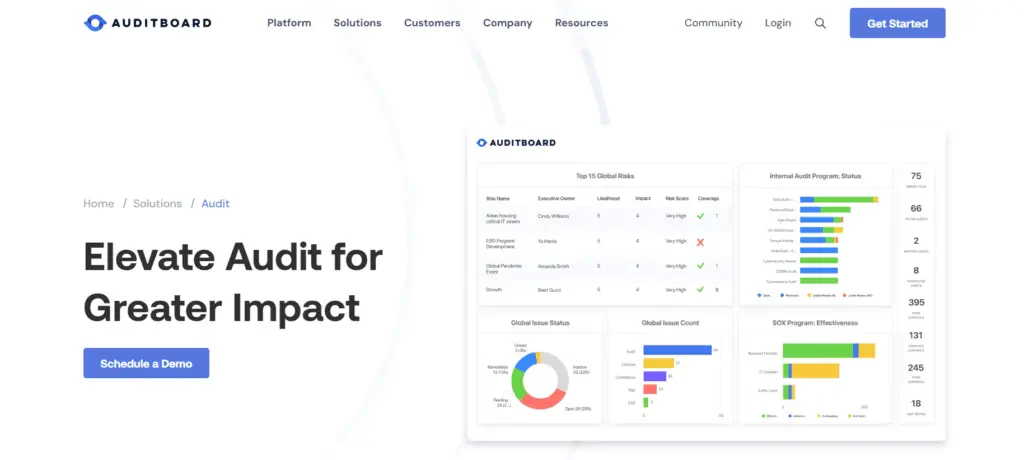
AuditBoard ESG Software connects ESG data collection with audit, risk, compliance, and sustainability reporting. Its key advantage is linking ESG evidence to enterprise risk management, helping teams monitor controls and disclosures in one structured environment.
AuditBoard improves reporting consistency, evidence management, and risk visibility. Businesses comparing ESG reporting software can review audit workflows, disclosure controls, enterprise risk integration, and broader operational reporting needs.
Key Features:
- Centralized ESG data and evidence
- ESG disclosure management
- Enterprise risk management integration
- Audit and compliance workflows
| Pros | Cons |
|---|---|
|
|
Best for: Audit, risk, and compliance teams across different industries.
Pricing: Not publicly available. Potential users can request a demo for further details.
Conclusion
Choosing the right ESG software helps Philippine businesses organize sustainability data, strengthen compliance, and communicate progress with confidence. The 10 solutions reviewed serve different priorities, including ERP integration, enterprise reporting, carbon accounting, supply chain transparency, and audit management.
HashMicro stands out for businesses that want to connect ESG reporting with finance and daily operations through one ERP-integrated platform. Its automated reporting, carbon monitoring, compliance management, and governance tools support structured sustainability oversight.
See how HashMicro can support your ESG goals by requesting a tailored product demonstration. Explore its capabilities, discuss your reporting requirements, and identify an implementation approach that fits your organization.
FAQ About ESG Software
Environmental, social and governance (ESG) is a framework used to assess an organization’s business practices and performance on various sustainability and ethical issues. It also provides a way to measure business risks and opportunities in those areas.
Private companies that can demonstrate strong ESG performance and provide evidence of their commitments are more likely to stand out in competitive bidding processes, gaining a competitive advantage and increasing their chances of winning work.
Employees benefit from a healthier work environment, reduced exposure to harmful substances and the satisfaction of working for a company that prioritizes environmental stewardship. Social: The social aspect of ESG directly impacts employees by fostering a supportive and inclusive workplace culture.
The purpose of ESG software is to help organizations track, manage, and report on their Environmental, Social, and Governance (ESG) performance. It streamlines data collection, ensures compliance with regulations, and provides actionable insights to improve sustainability efforts and build stakeholder trust.
ESG software encompasses a broader range of Environmental, Social, and Governance factors, providing tools for tracking and reporting sustainability performance across various areas like social impact, governance practices, and environmental data. In contrast, carbon accounting platforms specifically focus on measuring, managing, and reporting an organization’s carbon emissions and environmental footprint.
The ROI of investing in ESG software comes from improved operational efficiency, enhanced compliance with regulations, and strengthened stakeholder trust. By automating data collection, streamlining reporting, and offering actionable insights, ESG software helps businesses reduce risks, avoid fines, and attract more sustainable investors, ultimately leading to long-term financial and reputational benefits.