





Accurate estimating is essential for profitable construction projects. Even small mistakes in labour or material costs can affect margins, especially as project costs continue to rise across Australia.
Construction estimating software helps builders create faster, more accurate quotes. Many solutions also include takeoff tools, supplier pricing, and cost databases to reduce manual work.
This guide reviews the 10 best construction estimating software platforms for Australian businesses in 2026. We'll compare their features, strengths, and limitations to help you find the right fit.
Key Takeaways
Learn how construction estimating software helps builders manage takeoffs, cost calculations, quoting, and tender preparation.
Explore how estimating software improves accuracy, reduces manual work, and helps control project costs.
Compare the top construction estimating platforms based on features, pricing, integrations, and ideal business size.
Review the top construction estimating software solutions for Australian builders, contractors, and construction businesses.
Choosing the right construction estimating software is easier when you first understand your main challenges, such as inaccurate cost forecasting, slow takeoffs, poor collaboration, or difficulty tracking budgets and subcontractor pricing.
The shortlist below features widely used construction estimating tools in Australia, selected for their performance across residential, commercial, and large-scale projects.


What Is Construction Estimating Software?
Construction estimating software helps builders, contractors, and quantity surveyors calculate project costs before work begins. It replaces manual spreadsheets with tools for measuring quantities, calculating costs, and creating quotes.
Modern estimating software can also manage labour rates, material pricing, and tender documents in a single system. This helps improve accuracy and reduce the time spent preparing estimates.
Many platforms now connect estimating with accounting, procurement, and project management tools. This allows businesses to track costs more effectively from the initial quote through to project completion.
Why Australian Builders Need Construction Estimating Software
As projects become larger and more complex, manual estimating can be difficult to manage. Construction estimating software gives builders better control over quantities, costs, quote revisions, and project budgets.
The software helps contractors create quotes faster, standardise pricing, and reduce costly errors. It also makes it easier to compare estimated costs against actual project spending.
Beyond saving time, estimating software improves confidence in decision-making. Teams can work from consistent data, identify potential budget issues early, and manage projects more effectively.
Key Features to Look for in Construction Estimating Software
The best construction estimating software should support your entire estimating workflow, not just cost calculations. Before choosing a platform, look for features that improve accuracy, speed, and project cost control.
1. Digital Takeoff
Digital takeoff tools help estimators measure quantities directly from plans, drawings, and PDFs. This reduces manual work and improves estimating accuracy.
2. Cost Database
A cost database stores standard labour, material, subcontractor, and equipment rates. This helps teams create consistent estimates and update pricing more easily.
3. Quote and Tender Management
Estimating software should help turn cost calculations into professional quotes and tender submissions. This can speed up bid preparation and improve presentation.
4. Project Budget Tracking
Good software helps compare estimated costs against actual project spending. This makes it easier to monitor budgets and identify cost overruns early.
5. Accounting and ERP Integration
Integration with construction financial, procurement, inventory, and project management systems helps keep data connected. This reduces duplicate data entry and improves financial visibility.
Quick Comparison Table
| Software | Best For | Estimating Features | Takeoff Features | Scalability |
|---|---|---|---|---|
| HashMicro Construction ERP | End-to-End Construction Management | ★★★★★ | ★★★★★ | ★★★★★ |
| Buildxact | Residential Builders | ★★★★★ | ★★★★★ | ★★★★★ |
| Procore Estimating | Large Construction Teams | ★★★★★ | ★★★★★ | ★★★★★ |
| Cubit Estimating | Quantity Surveyors | ★★★★★ | ★★★★★ | ★★★★★ |
| Buildsoft | Professional Estimators | ★★★★★ | ★★★★★ | ★★★★★ |
| Xero Projects | Small Business Cost Tracking | ★★★★★ | ★★★★★ | ★★★★★ |
| Autodesk Construction Cloud | Enterprise Construction Projects | ★★★★★ | ★★★★★ | ★★★★★ |
| Costminer | Australian Cost Estimating | ★★★★★ | ★★★★★ | ★★★★★ |
| STACK | Cloud-Based Takeoff & Estimating | ★★★★★ | ★★★★★ | ★★★★★ |
| Buildertrend | Builders & Remodelers | ★★★★★ | ★★★★★ | ★★★★★ |
"Good estimating software does more than produce a quote. It gives builders confidence that the numbers behind the quote are consistent, repeatable, and connected to the financial reality of the project."
10 Best Construction Estimating Software in Australia
Below are ten construction estimating software options to consider in Australia. The list includes estimating-first tools, takeoff software, accounting-connected options, and ERP-connected platforms for larger construction businesses.
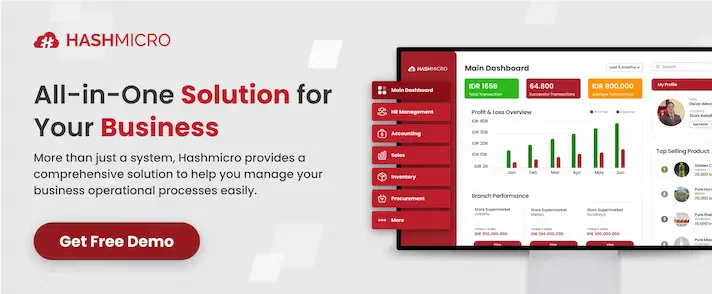
1. HashMicro Construction ERP
HashMicro Construction ERP is an integrated construction management platform designed to connect estimating with procurement, inventory, accounting, project management, and HR. It is well suited to construction companies that need greater control over project costs beyond the estimating stage.
One of its key strengths is its ability to link estimates directly to project budgets and operational workflows. This helps businesses improve cost visibility and reduce budget overruns throughout the project lifecycle.
Key features:
- Construction Estimating: Create detailed project estimates and budgets.
- Procurement Management: Manage purchasing and supplier workflows.
- Inventory Tracking: Monitor material usage across projects.
- Financial Integration: Connect estimating with accounting and reporting.
| Pros | Cons |
|---|---|
| ✓ End-to-end construction ERP platform. | ✗ May offer more functionality than small businesses need. |
| ✓ Strong integration across departments. | ✗ Implementation requires planning and setup. |
| ✓ Supports project cost control and reporting. | ✗ Pricing is available on request. |
Best for: Growing construction companies that need estimating integrated with project operations.
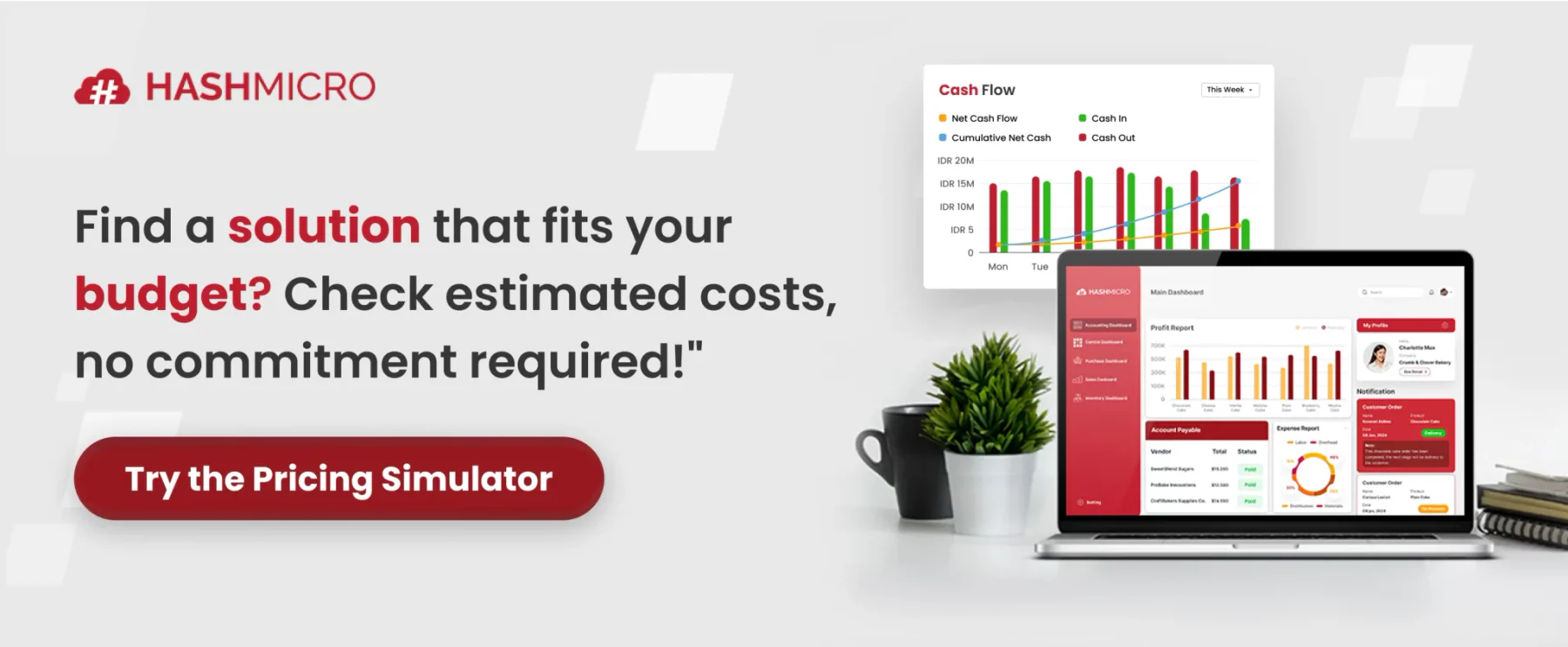
Pricing: Custom quote-based pricing depending on modules, users, and implementation scope. Access our pricing simulator by clicking the banner below.
2. Buildxact
Buildxact is a cloud-based estimating and job management platform designed for residential builders, remodelers, and trade contractors. It helps users create estimates, manage takeoffs, and prepare professional quotes. Its user-friendly interface makes it a popular choice for small to mid-sized construction businesses.
Key features:
- Digital Takeoffs: Measure quantities directly from plans.
- Cost Estimating: Build quotes using cost libraries.
- Job Management: Track projects from quote to completion.
- Supplier Integration: Access supplier pricing and materials.
| Pros | Cons |
|---|---|
| ✓ Easy to learn and use. | ✗ Less suited to large enterprise projects. |
| ✓ Strong residential construction focus. | ✗ Limited ERP functionality. |
| ✓ Combines takeoff and estimating tools. | ✗ Advanced customisation may be limited. |
Best for: Residential builders and small contractors.
Pricing: Plans start from AU$199/month (or AU$169/month billed annually), with higher-tier plans available for larger teams.
3. Procore Estimating
Procore Estimating is part of the wider Procore construction management platform. It helps contractors create estimates while keeping project data connected across teams. The software is particularly useful for companies already using Procore for project management.
Key features:
- Cost Estimating: Create detailed project budgets.
- Collaboration Tools: Share estimates across teams.
- Project Integration: Connect estimating with project workflows.
- Reporting: Monitor estimate and budget performance.
| Pros | Cons |
|---|---|
| ✓ Integrates with the wider Procore platform. | ✗ Higher cost than some alternatives. |
| ✓ Strong collaboration features. | ✗ May be complex for smaller businesses. |
| ✓ Suitable for large projects. | ✗ Some features require additional modules. |
Best for: Mid-sized to large construction companies.
Pricing: Custom quote pricing based on company size, modules, and annual construction volume.
4. Cubit Estimating
Cubit Estimating is a specialist takeoff and estimating solution widely used by estimators and quantity surveyors. It focuses on improving measurement accuracy and speeding up estimating workflows. Its digital takeoff tools are among its strongest capabilities.
Key features:
- Digital Takeoff: Measure quantities from drawings and PDFs.
- Cost Estimating: Generate detailed project estimates.
- Cost Libraries: Store reusable pricing information.
- Reporting: Produce estimate and tender reports.
| Pros | Cons |
|---|---|
| ✓ Excellent takeoff functionality. | ✗ Limited ERP capabilities. |
| ✓ Designed for professional estimators. | ✗ Learning curve for new users. |
| ✓ Strong quantity measurement tools. | ✗ Less focused on project management. |
Best for: Quantity surveyors and dedicated estimators.
Pricing: Pricing is available on request and varies based on licensing and deployment requirements.
5. Buildsoft
Buildsoft provides estimating and takeoff software for construction professionals. It is designed to help businesses prepare accurate tenders and improve estimating efficiency. The platform is commonly used by contractors that require detailed measurement and cost planning tools.
Key features:
- Digital Takeoff: Calculate quantities from plans.
- Estimating Tools: Build detailed project estimates.
- Cost Database: Store pricing information and templates.
- Reporting: Generate tender and costing reports.
| Pros | Cons |
|---|---|
| ✓ Strong takeoff and estimating features. | ✗ Interface may feel dated. |
| ✓ Suitable for detailed cost planning. | ✗ Limited operational management features. |
| ✓ Widely used by estimators. | ✗ Requires training to maximise value. |
Best for: Contractors and professional estimators.
Pricing: Custom pricing available through direct quotation, depending on selected modules and users.
6. Xero Projects
Xero Projects is a project tracking and job costing tool that works within the Xero ecosystem. While not a dedicated estimating platform, it helps businesses monitor project costs and profitability. It is often used by small businesses already using Xero accounting software.
Key features:
- Job Costing: Track project expenses and margins.
- Time Tracking: Record labour hours.
- Financial Integration: Connect with Xero accounting.
- Budget Monitoring: Compare project costs against budgets.
| Pros | Cons |
|---|---|
| ✓ Easy integration with Xero. | ✗ Limited estimating functionality. |
| ✓ Simple project cost tracking. | ✗ No advanced takeoff tools. |
| ✓ Suitable for small businesses. | ✗ Not built specifically for construction estimating. |
Best for: Small businesses using Xero.
Pricing: Included with selected Xero business plans, with pricing typically starting from around AU$35–$80+ per month depending on the plan.
7. Autodesk Construction Cloud
Autodesk Construction Cloud is a comprehensive construction management platform that connects planning, design, estimating, and project execution workflows. Its strength lies in connecting project data across teams and project stages.
Key features:
- Quantity Takeoff: Extract quantities from drawings.
- Cost Management: Track project budgets and costs.
- Collaboration Tools: Share information across teams.
- Document Management: Centralise project records.
| Pros | Cons |
|---|---|
| ✓ Strong project collaboration features. | ✗ Can be expensive for smaller firms. |
| ✓ Integrates with Autodesk products. | ✗ Implementation may require training. |
| ✓ Suitable for complex projects. | ✗ Some features require additional modules. |
Best for: Large contractors and enterprise projects.
Pricing: Custom pricing based on products, users, and project requirements; quote required.
8. CostMiner
CostMiner is an Australian estimating platform designed specifically for construction cost planning and tender preparation. It combines cost databases with estimating workflows. Its local construction pricing focus makes it popular among Australian contractors.
Key features:
- Estimating Software: Build detailed project estimates.
- Cost Database: Access Australian construction rates.
- Takeoff Tools: Measure quantities digitally.
- Reporting: Generate tenders and cost reports.
| Pros | Cons |
|---|---|
| ✓ Australian-focused pricing data. | ✗ Smaller ecosystem than larger platforms. |
| ✓ Strong estimating functionality. | ✗ Limited ERP capabilities. |
| ✓ Includes takeoff tools. | ✗ Fewer project management features. |
Best for: Australian builders and estimators.
Pricing: Subscription pricing starts from approximately AU$149/month, depending on features and user requirements.
9. STACK
STACK is a cloud-based takeoff and estimating platform that helps construction teams measure plans and prepare estimates online. Its browser-based design makes it accessible from different locations and devices.
Key features:
- Digital Takeoff: Measure quantities from plans.
- Cloud Collaboration: Access projects online.
- Estimating Tools: Build and share estimates.
- Reporting: Generate cost and quantity reports.
| Pros | Cons |
|---|---|
| ✓ Easy cloud access. | ✗ Less comprehensive than full ERP systems. |
| ✓ Strong digital takeoff tools. | ✗ Limited accounting functionality. |
| ✓ Good collaboration features. | ✗ Primarily focused on estimating workflows. |
Best for: Contractors needing cloud-based takeoff and estimating.
Pricing: Subscription pricing starts from approximately AU$4,650 per year, with custom enterprise options available.
10. Buildertrend
Buildertrend is a construction management platform that combines estimating, scheduling, customer communication, and project tracking in one system. It is especially popular among residential builders and renovation contractors.
Key features:
- Estimating & Quotes: Create project estimates and proposals.
- Scheduling: Manage project timelines.
- Client Communication: Share updates with customers.
- Budget Tracking: Monitor project costs.
| Pros | Cons |
|---|---|
| ✓ Easy-to-use platform. | ✗ Less suitable for enterprise projects. |
| ✓ Strong client communication tools. | ✗ Limited advanced takeoff functionality. |
| ✓ Good all-in-one project management solution. | ✗ Can become costly as teams grow. |
Best for: Residential builders, remodelers, and renovation contractors.
Pricing: Plans typically start from approximately AU$775 per month, with higher-tier packages available for growing construction businesses.
Construction Takeoff Software vs Construction Estimating Software
Construction takeoff software and construction estimating software are closely related but serve different purposes. Takeoff software measures quantities from plans, while estimating software converts those quantities into project costs and quotes.
For example, takeoff tools calculate floor areas, wall lengths, material volumes, and item counts. Estimating software then applies labour, material, subcontractor, and overhead costs to create a final estimate.
Many platforms combine both functions. Buildxact, Cubit, and Procore include takeoff and estimating features, while Xero Projects focuses more on project costing and financial tracking.
How to Choose the Right Construction Estimating Software
The best software depends on your business size, project type, and estimating process. Some companies need faster quotes, while others need stronger cost control across projects. It is also useful to compare each option with your budget expectations before deciding.
1. Choose a standalone tool for faster quotes
If your main goal is to create quotes faster, tools like Buildxact and Cubit can help streamline estimating and tender preparation.
2. Choose a takeoff-focused tool for better accuracy
If measuring plans takes too much time, software with strong takeoff features can improve accuracy and speed up the estimating process.
3. Choose an ERP-connected platform for cost control
If project costs often exceed estimates, an ERP-connected solution like HashMicro can help. It links estimating with procurement, inventory, accounting, and project budgets.
Why HashMicro Is a Strong Choice for Construction Estimating
HashMicro helps construction businesses connect estimating with purchasing, inventory, accounting, payroll, and reporting in one system.
This allows project costs to be tracked more accurately once work begins. Teams can monitor spending, budgets, and financial performance without relying on disconnected tools.
By keeping operational and financial data connected, businesses gain better visibility into project profitability and can make more informed decisions throughout the project lifecycle.
Common Mistakes When Choosing Construction Estimating Software
Many businesses focus only on estimating features. However, the software should also support the way your team manages projects, budgets, and costs.
1. Choosing software that solves only one problem
A good estimating construction tool may not handle procurement, budgeting, or reporting. Consider your entire workflow before making a decision.
2. Overlooking Australian requirements
Check that the software supports GST, AUD, metric units, and integrations with your existing business systems.
3. Not testing real-world workflows
Always test the software using your own projects and templates. This provides a better picture than relying on a demo alone.
Conclusion
The best construction estimating software depends on your business needs. Platforms like Buildxact, Cubit, Procore, and Xero Projects each offer different strengths, from takeoffs and estimating to project and cost management.
For businesses that want estimating connected with procurement, inventory, accounting, and project management, HashMicro offers a more integrated solution. This can help improve cost control and visibility across the entire project lifecycle.
If you're exploring construction estimating software, you can consult with our experts for a free demo and personalised recommendation based on your business requirements.
Frequently Asked Questions
Popular construction estimating software used in Australia includes Buildxact, Cubit Estimating, Buildsoft, CostMiner, Buildertrend, and HashMicro. Each platform offers different features for estimating, takeoffs, project management, and cost control.
Buildxact, CostMiner, and Buildertrend are popular choices for small builders because they simplify estimating and quoting. Businesses that need broader project, inventory, procurement, and financial management may prefer HashMicro.
Takeoff software measures quantities from plans and drawings, while estimating software uses those quantities to calculate costs and create quotes or tenders. Many modern platforms combine both functions.
Excel can work for basic estimates, but dedicated estimating software is generally faster, more accurate, and easier to manage. It also helps track costs and reduce manual data entry as projects become more complex.
Start by identifying your biggest challenge, whether it's quantity takeoffs, quote creation, or cost control. Then choose software with features that best support your estimating and project management workflow.