






Logistics software helps companies centralize supply chain operations, reduce manual work, and improve visibility from inventory to delivery. That matters even more now, as cost reduction and operational efficiency have become the main priorities for shippers and logistics providers adopting digital tools. BCG’s 2026 research found that nearly 80% of respondents cited those two factors as their main reason for investing in AI and logistics technology.
In the current environment, it functions more like an operational control layer for dispatch, route planning, delivery visibility, order coordination, and exception handling. The strongest systems connect that layer to wider supply chain management operations. They do not only show where a truck is. They reduce wasted trips, speed up decision-making, and help teams act before a delay becomes a service failure.
Ready to experience smarter logistics operations? Take a look at the quick overview below!
Key Takeaways
Logistics software delivers seven core benefits, from scalable operations and automated routing to driver safety monitoring.
Twelve logistics platforms compared by features, pricing, and best-fit industry so you can shortlist faster.
HashMicro, Oracle, and SAP lead in route control. Pick yours by the handoff slowing operations the most.
What Is Logistics Management Software and How It Functions?

Logistics software also improves timing when tighter schedules leave less room for missed updates between dispatch, warehouse release, and approvals. Rushed releases can also weaken warehouse safety standards. Teams spot disruptions earlier, reassign resources faster, and adjust routes quickly. Coordinated systems maintain speed, visibility, and control when missed handoffs delay the next step.
"Logistics software centralizes and automates supply chain tasks, covering orders, warehousing, transportation, and fleet management, to improve efficiency, cut costs, and enhance customer satisfaction through real-time tracking and insights."
Benefits of Logistics Management Software
Logistics management software delivers seven core benefits. These cover scalable operations, automated route planning, real-time tracking, and better customer experience. They also include centralized transport control, operational analytics, and driver safety monitoring. The best supply chain management platforms extend these gains beyond transport and delivery work.
- Scalable and Adaptable Logistics Solutions
Logistics management software supports growth without forcing businesses to rebuild workflows. It helps companies handle higher delivery volumes, improve margins, and adjust faster to changing demand. - Smarter Route Planning with Automation
Automation improves route scheduling across multiple drop-offs. This reduces travel time, lowers fuel costs, and gives customers better visibility into deliveries. - Real-Time Tracking and Route Optimization
Logistics software uses real-time data to improve route efficiency and update delivery plans when conditions change. This helps teams respond faster to delays, traffic, or other disruptions. - Improved Customer Experience
Faster deliveries, live tracking, timely updates, and accurate ETAs give customers more visibility and fewer uncertainties. This improves service quality and increases satisfaction. - Transportation Oversight with Centralized Control
A centralized logistics platform helps businesses monitor drivers, vehicles, and routes in one place. GPS and mobile integration improve visibility across daily transport operations. - Insightful Analytics and Operational Intelligence
Built-in analytics help businesses identify inefficiencies, track performance, and improve planning. This supports faster decisions and more efficient logistics operations. - Monitoring Driver Conduct and Enhancing Safety
Driver tracking features help businesses review driving behavior, reduce risks, and improve road safety. The data also supports better coaching and performance management.
12 Best Logistics Management Software in the Philippines (2026)
For businesses in the Philippines, choosing the right logistics management solutions is essential. Each of these tools offers features tailored to enhance efficiency. Let’s explore the best 12 logistics management software in the Philippines in 2026.
| Brand | What It Excels In | Biggest Flaws |
|---|---|---|
| HashMicro | Best overall for fuel and route optimization because it combines fuel management, vehicle scheduling, fleet management, travel management, delivery tracking, and reporting in one suite. Compared with Oracle, SAP, Infor, and Trimble, it gives a more complete view of transport costs, not just routing. | Implementation may take longer than lighter tools like ClickUp or Zoho, and the free demo queue may take time. Still, that trade-off comes with broader logistics depth than project-led tools like ClickUp or niche tools like Trimble. |
| Oracle Transportation Management | Excels in enterprise transportation planning, freight auditing, and route optimization. It looks stronger than ClickUp, Zoho, or Fishbowl for complex transport execution, but it does not show the same explicit fuel-management depth as HashMicro. | It has a steeper learning curve and a more complex setup than Zoho, ClickUp, or Fishbowl. It also looks less practical than HashMicro for businesses that want route and fleet oversight without enterprise-heavy deployment. |
| SAP Transportation Management | Stands out for global freight execution, SAP ERP integration, analytics, and route/load optimization. Compared with Oracle, it looks similarly enterprise-focused, while offering stronger SAP ecosystem value than Acumatica or Infor for SAP-centered companies. | Its interface is less intuitive than simpler tools like Zoho or ClickUp, and implementation is more resource-intensive than HashMicro or Acumatica. It also does not highlight direct fuel-management controls the way HashMicro does. |
| ClickUp | Best for logistics teams that need a flexible and user-friendly workspace for task coordination. Compared with Salesforce, it is less CRM-heavy, and compared with HashMicro or Oracle, it is easier to use for workflow visibility and team collaboration. | It is still a project management tool first, so it lacks the specialized logistics depth of HashMicro, Oracle, SAP, or Trimble. Its route optimization angle is lighter and less purpose-built than tools that focus directly on transport operations. |
| Acumatica | Strong for growing businesses that want ERP breadth with logistics, inventory, warehouse, and route/load planning in one system. Compared with Zoho or Fishbowl, it offers a broader operational backbone, while staying more flexible than SAP for mid-market use. | Advanced features may require extra modules, so it can feel less all-in-one than HashMicro in the pasted code. It also demands more technical setup than simpler options like Zoho or Brightpearl. |
| Zoho Inventory | Excels for SMEs that need multichannel inventory visibility, shipping-carrier integration, and an intuitive interface. Compared with Fishbowl, it looks more modern and cloud-friendly, while feeling easier to adopt than Oracle, SAP, or Infor. | It may not handle complex logistics operations as well as HashMicro, Oracle, SAP, or Infor. It also lacks the transport optimization depth of Trimble and the fuel-focused fleet controls that make HashMicro stand out. |
| Salesforce | Best for companies that want logistics tied closely to CRM, customer visibility, and analytics. Compared with ClickUp, it offers a more mature customer-centric platform, and compared with Brightpearl, it feels broader outside pure retail workflows. | It may need extra modules for full logistics functionality, so it looks less logistics-native than HashMicro, Oracle, or SAP. The interface can also feel more overwhelming than Zoho or Fishbowl for faster deployment. |
| Brightpearl | Excels in retail and wholesale logistics, especially inventory, order, fulfillment, and retail CRM workflows. Compared with Zoho, it looks more retail-specialized, while offering more commerce alignment than Oracle or SAP for merchants. | Its retail focus makes it narrower than HashMicro, Acumatica, or Infor for broader logistics use cases. It also lacks the transport, routing, and fuel visibility that are more central in HashMicro, Oracle, or Trimble. |
| Quixy | Best for businesses that want to build custom logistics workflows through a no-code approach. Compared with ClickUp, it offers more process customization, and compared with Oracle or SAP, it gives more flexibility for teams that want to shape their own apps. | It lacks out-of-the-box logistics depth, so companies may need more setup effort than with HashMicro, Oracle, SAP, or Acumatica. It also does not directly match Trimble or HashMicro for transport optimization features. |
| Fishbowl | Excels in inventory, warehousing, and QuickBooks-linked control for SMEs. Compared with Zoho, it offers stronger warehouse and production support, while staying simpler than Acumatica or Infor for smaller operations. | Its scalability is weaker than HashMicro, Oracle, SAP, or Infor, and its interface looks more dated than Zoho or ClickUp. It also lacks the route and fuel optimization focus that gives HashMicro and Trimble a stronger transport edge. |
| Infor Nexus | Strong for large enterprises that need broad logistics coverage, industry-specific functionality, analytics, and route/load planning. Compared with Oracle and SAP, it sits in the same enterprise class, while looking broader than Trimble outside pure transport and fleet use. | It is complex to implement and less intuitive than lighter platforms like Zoho or ClickUp. It also does not show the same explicit fuel-management layer that makes HashMicro more attractive for fuel-sensitive fleet operations. |
| Trimble | Excels in transportation and fleet management with strong real-time visibility and route optimization. Compared with Oracle and SAP, it looks more fleet-focused, and compared with ClickUp or Zoho, it is much stronger for transport-heavy operations. | Its broader logistics coverage looks weaker than HashMicro, Acumatica, or Infor. Even with strong routing, HashMicro still looks more complete because it pairs route-related controls with explicit fuel management and wider operational coverage. |
1. HashMicro 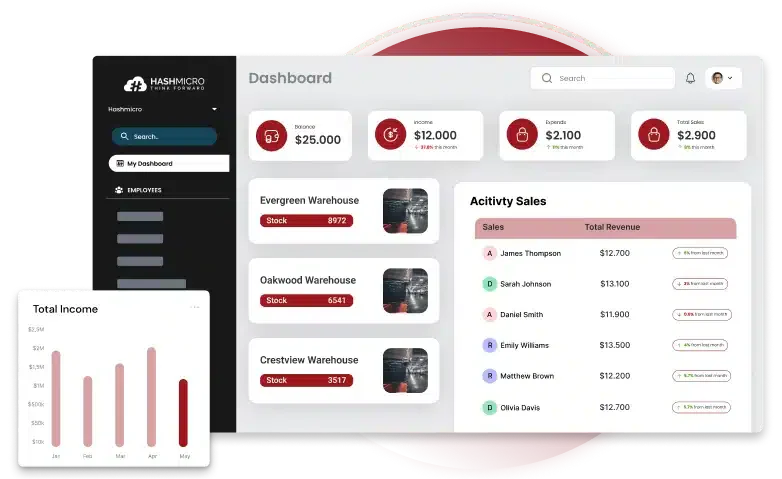
With over 2,000 satisfied clients, HashMicro is a leading provider of Logistics Management Software (LMS) in the Philippines, trusted by businesses of all sizes. Moreover, it does not require a credit card to get started; it offers a free consultation of the software, which is an opportunity for companies wanting to see what it’s capable of.
HashMicro Logistics Software can also integrate with various other systems, such as inventory systems, bonded-warehouse, and sales platforms. Whether you’re handling inventory, tracking shipments, or optimizing delivery routes, HashMicro equips you with the tools to transform your logistics operations.
Pricing: HashMicro also offers transparent pricing plans with no added costs, as well as competitive pricing for the service it offers. Consult HashMicro's expert team to get a customized quote.Best fit for industry: Logistics and distribution companies, FMCG and wholesale distributors, manufacturing businesses with delivery fleets, and construction firms that need fuel cost visibility alongside route and fleet tracking in one system.
Features:- Real-Time Updates
- Vehicle Scheduling
- Fuel Management
- Delivery Tracking
- Fleet Management
- Report Generation
- Travel Management
| Pros | Cons |
|
|
HashMicro Logistics Management Software covers fleet control, real-time delivery tracking, and fuel management without per-user fees or hidden costs. Businesses across the Philippines can book a free consultation to see the platform in action before committing to a plan.
2. Oracle Transportation Management
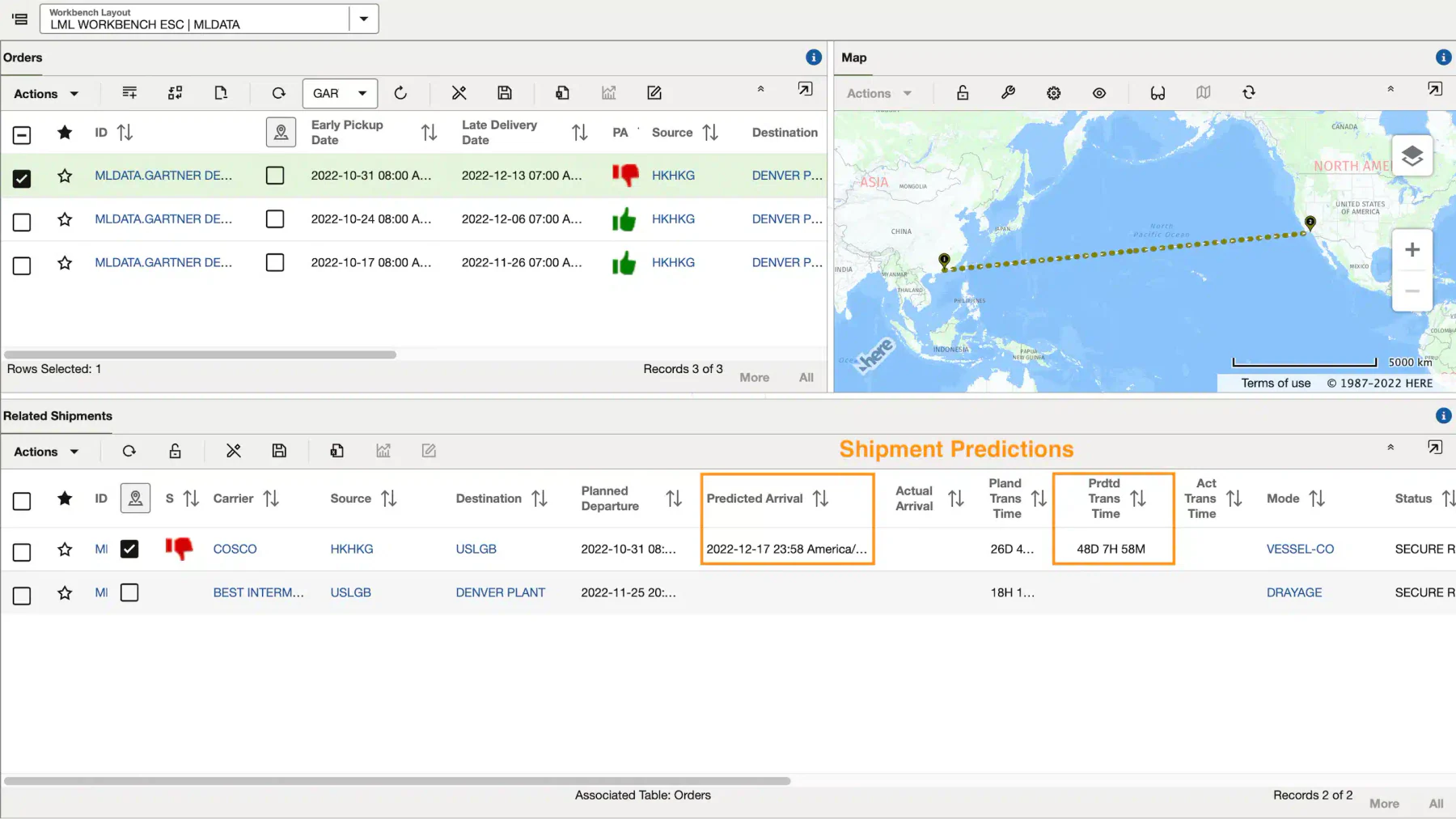
Oracle Transportation Management (OTM) is software for logistics management that manages transportation across supply chains. It handles order management, shipment planning, and freight auditing in one platform.
With real-time shipment tracking, businesses can monitor progress and address delays. Its optimization engine selects the most cost-effective carriers and routes while considering constraints. OTM also supports multimodal transport and integrates with enterprise systems for seamless logistics management systems.
Pricing: Oracle Transportation Management uses customizable pricing based on business scale, transportation volume, and selected modules. Contact Oracle's sales team directly for a tailored quote. A free demo is available to evaluate the platform before making a commitment.
Best fit for industry: Large enterprises in global manufacturing, third-party logistics (3PL) providers, retail and consumer goods companies with complex multimodal transportation networks, and multinational corporations already operating within Oracle's ERP ecosystem.
Features:
- Pricing Management System
- Route Optimization
- Automated Task Management System
- Real-Time Network Modeling
- Forecasting Analysis
| Pros | Cons |
|
|
3. SAP Transportation Management
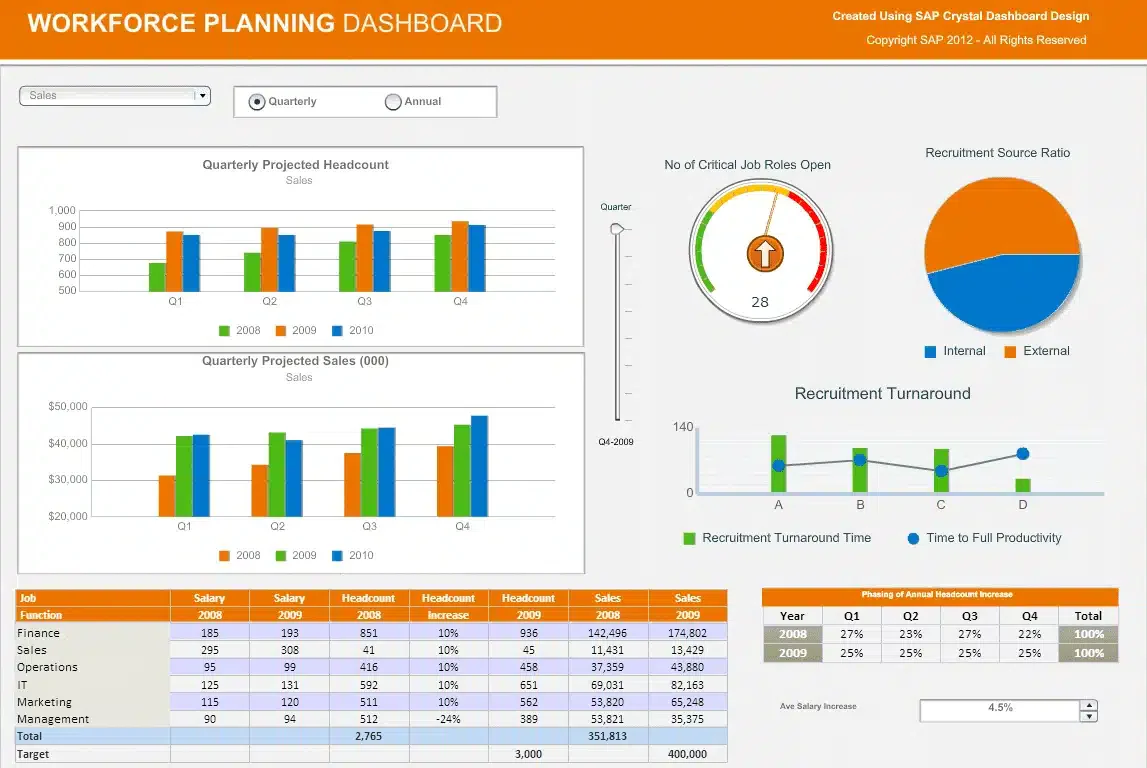
SAP Transportation Management (TM) is a key component of SAP’s design-to-operate strategy, focused on enhancing digital supply chains. The software offers flexibility to plan, execute, and settle freight for both global and domestic supply chains.
Available in the cloud or on-premises, SAP adapts to business needs for efficient supply chain management.
Pricing: This service is charged in increments of ₱150,000,000 in annual spending or the equivalent in your local currency supported by SAP. Only freight expenses, covering all costs related to product transportation, are included in the calculation for this Cloud Service.
Best fit for industry: Large enterprises and multinationals already running SAP ERP, global manufacturing with complex freight execution needs, automotive and high-tech industries with multi-tier supply chains, and companies requiring tight SAP ecosystem integration across procurement, production, and distribution.
Features:
- Efficient Route Planning
- Automation Powered by AI
- Adaptable Tendering Process
- Customizable Scalability
- Improved Load Optimization
- Logistics Execution
| Pros | Cons |
|
|
4. ClickUp
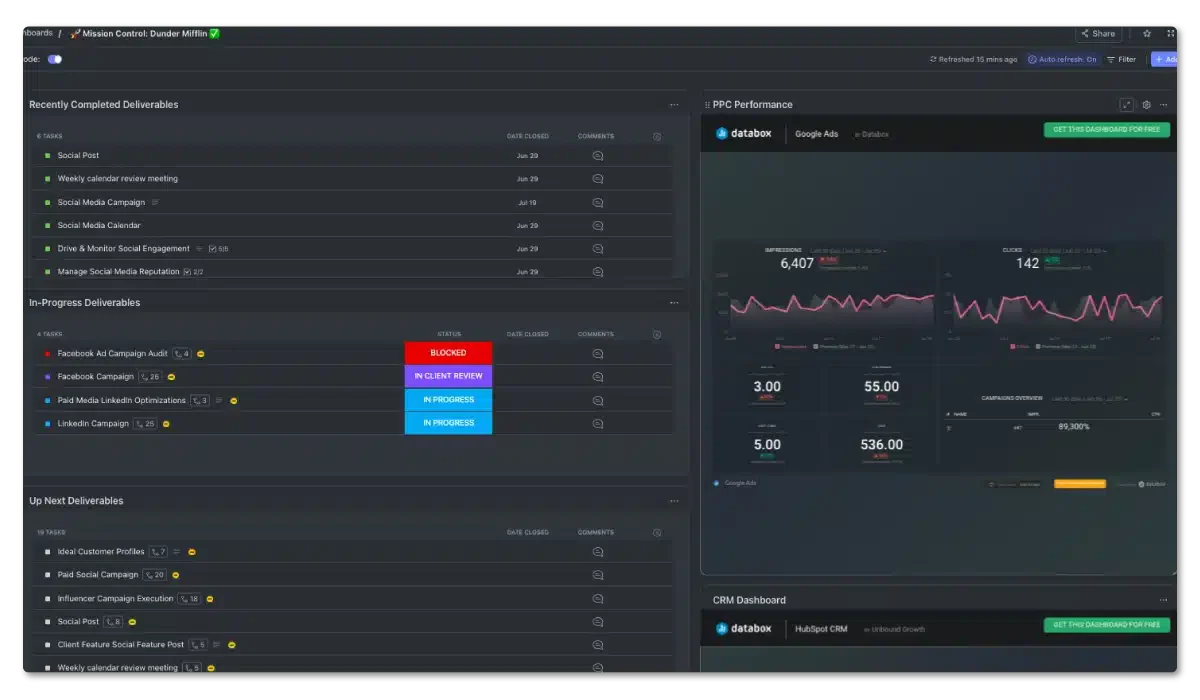
ClickUp is a cloud-based tool for project management and collaboration. Though it serves a variety of needs, ClickUp is also effective for tracking shipments, optimizing routes, and coordinating teams in real time for logistics companies.
Logistics teams can organize, track, and carry out their operations within a single platform. It helps logistics teams stay on top of order tracking, inventory monitoring, and shipping coordination.
Pricing: ClickUp offers a Free Forever plan. Paid plans start at ₱430 per user per month for Unlimited and ₱740 per user per month for Business. Enterprise pricing is available via a custom quote.
Best fit for industry: E-commerce and retail businesses, startups, and growing SMEs that need flexible task and workflow coordination for shipment tracking and team collaboration, rather than purpose-built route optimization or fleet management.
Features:
- Customizable Views for Task Management
- Real-Time Collaboration Tools
- Dashboard KPIs and Visual Widgets
- Document Syncing with Team Workflows
| Pros | Cons |
|
|
5. Acumatica
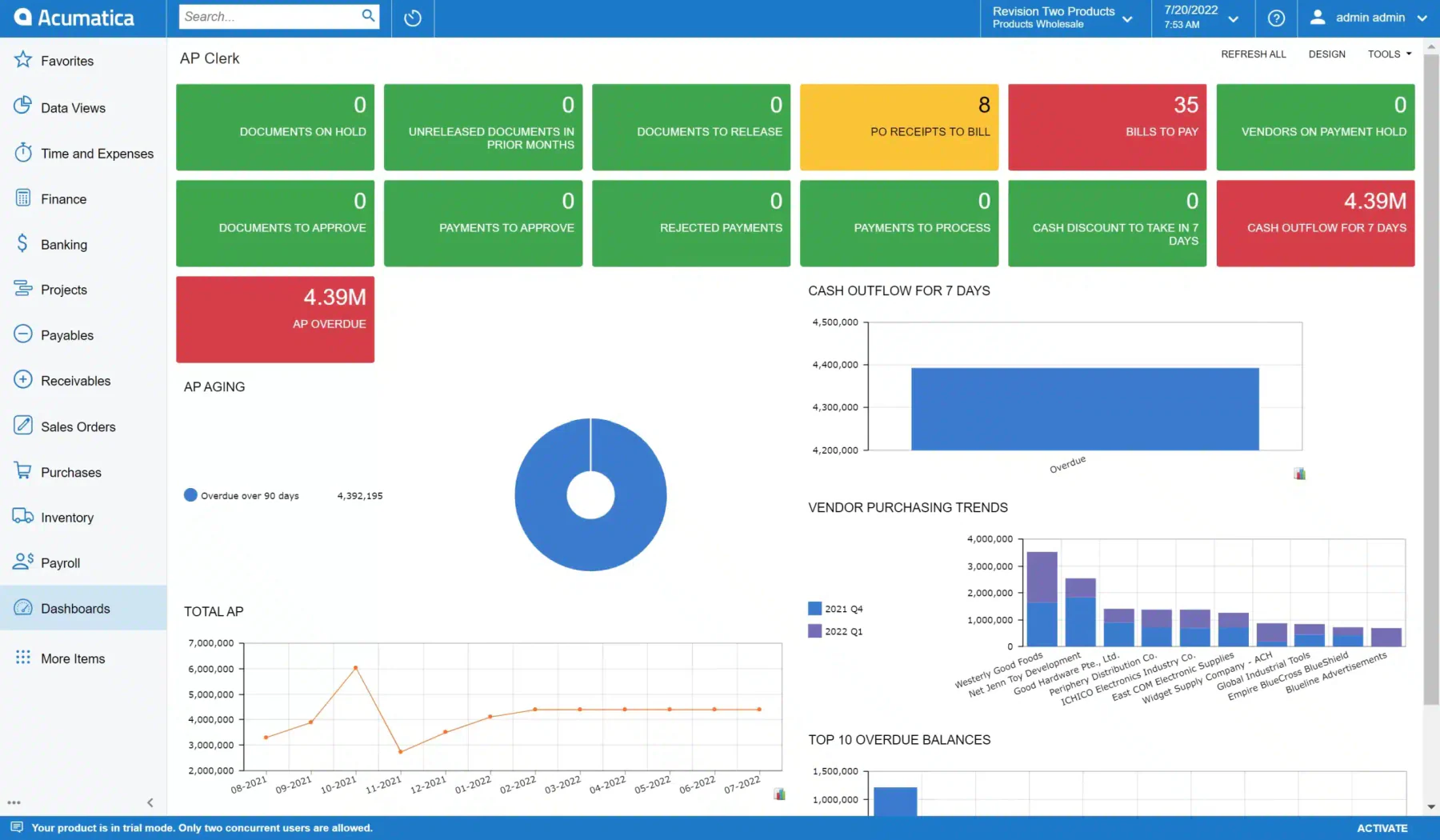
Acumatica is a cloud-based ERP solution offering a complete range of business management applications, including logistics tools like order tracking, warehouse inventory management, and order processing.
It also helps balance supply and demand through omnichannel sales while optimizing warehouse process flow with its built-in WMS. Businesses can boost sales with an integrated CRM, gain real-time insights using advanced reporting tools, and simplify financial management with a comprehensive accounting suite.
Pricing: Acumatica's annual subscription starts at ₱370,020, covering 5 to 10 users and 1,000 monthly transactions. Mid-sized businesses typically spend ₱1,540,000 or more per year for additional users and transaction volume. Implementation costs range from ₱3,700,200 to over ₱6,167,000. Contact Acumatica directly for a tailored quote.
Best fit for industry: Mid-sized businesses in manufacturing, wholesale distribution, and retail that need a scalable cloud ERP combining logistics, WMS, CRM, and accounting in one platform. Particularly for companies outgrowing basic tools but not yet requiring the full complexity of SAP or Oracle.
Features:
- Efficient Route Planning
- Adaptable Tendering Process
- Customizable Scalability
- Improved Load Optimization
| Pros | Cons |
|
|
6. Zoho
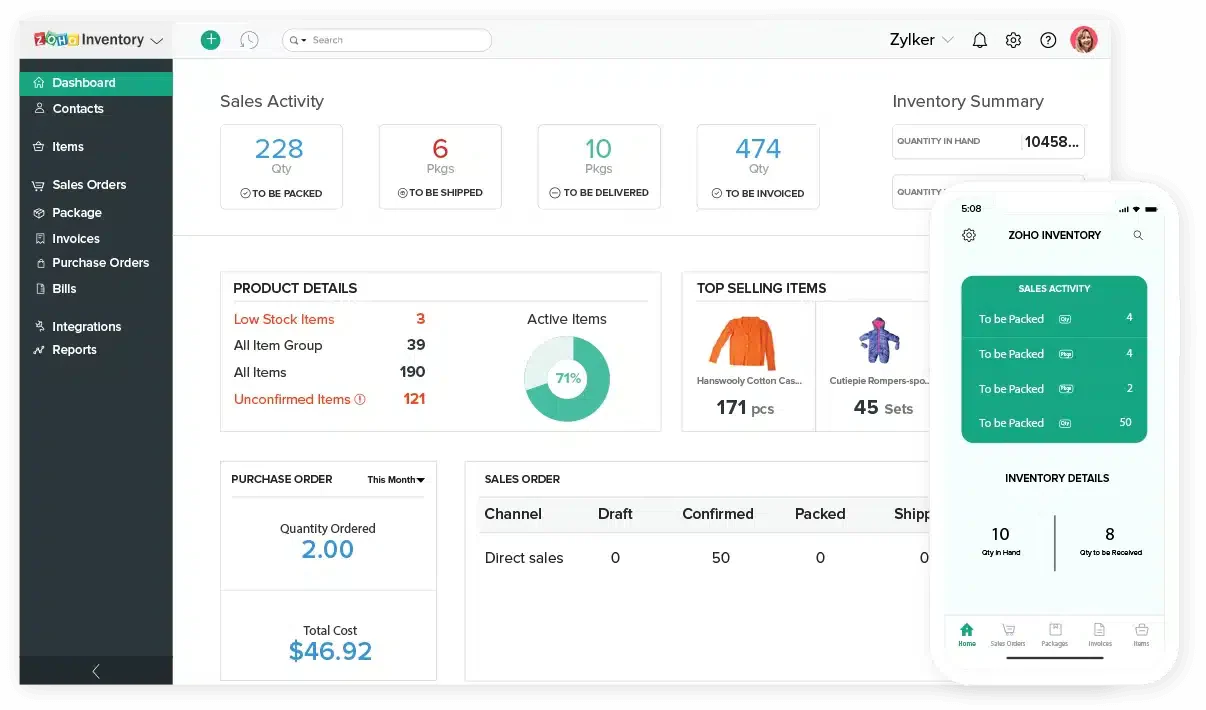
Zoho Inventory is user-friendly, customizable logistics management software that helps you handle deliveries, vehicles, and drivers seamlessly. With automated email/SMS notifications and full mobile support, your logistics operations stay smooth and efficient.
View all essential data in one place. The dashboard provides real-time updates on orders, pending shipments, and trip revenues, giving you instant access to key logistics insights.
Pricing: Zoho Inventory's basic plan starts at ₱2,410/month (flat rate). Higher tiers are available depending on order volume and business size. Contact Zoho for a plan matched to your operations.
Best fit for industry: Small to mid-sized e-commerce businesses, retail and wholesale distributors, and growing SMEs managing sales across multiple online channels. Particularly for shipping carrier integration and automated reordering without the implementation complexity of enterprise-tier systems like SAP or Oracle.
Features:
- Integration with Shipping Carriers
- Batch & Serial Number Tracking Across Channels
- Auto-reordering with Preferred Vendors
- Order & Trend Insights Reports
| Pros | Cons |
|
|
7. Salesforce 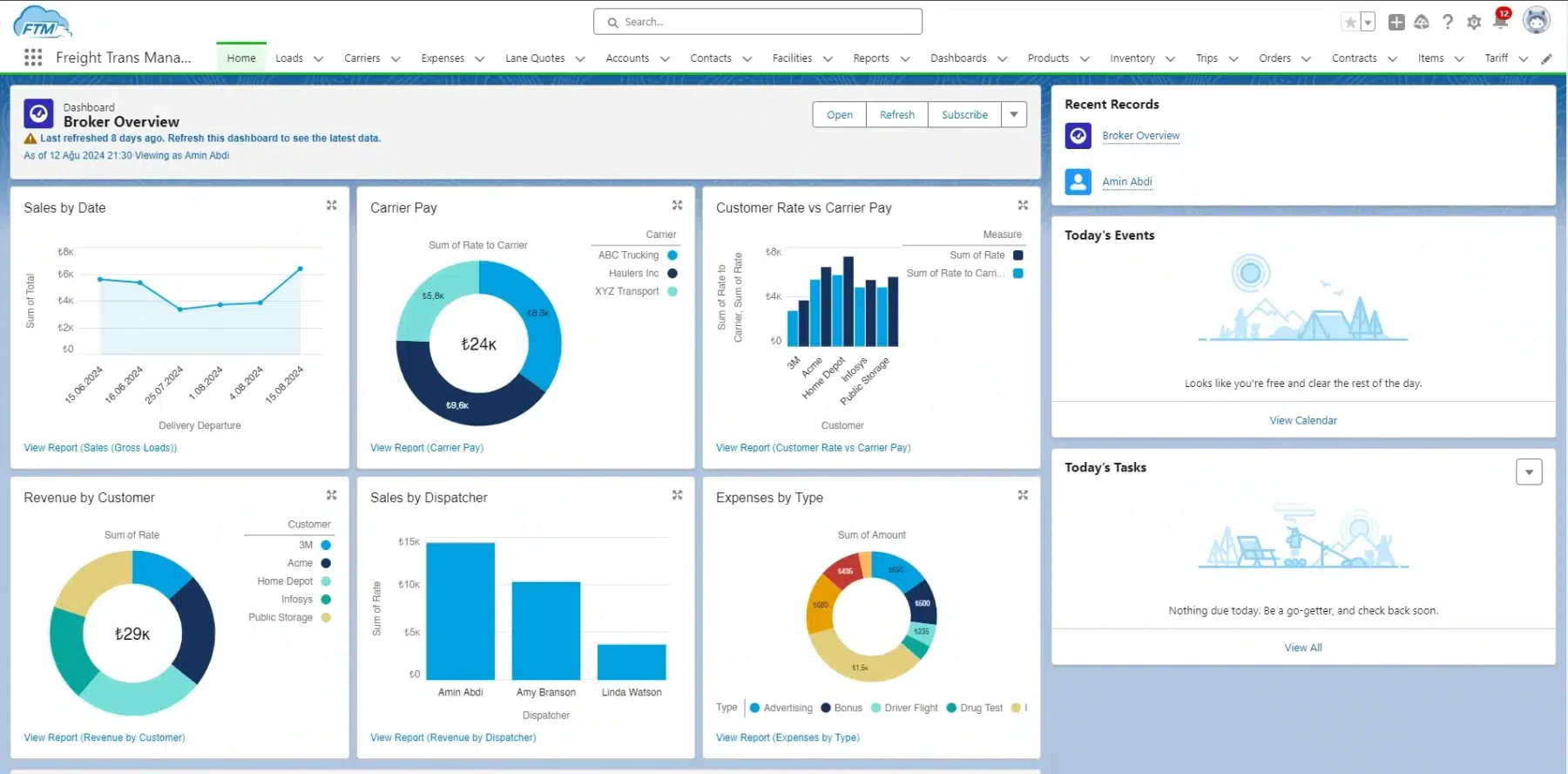
Salesforce for Transportation and Logistics Service Providers integrates with Salesforce CRM to provide specialized features like contact management, process automation, and shipment tracking.
The platform enables you to transform logistics into a smooth, customer-focused operation with integrated supply chains and a comprehensive view of the shipping process.
Pricing: Salesforce offers four pricing plans, including Standard (₱1,790/month) for basic inventory needs, Professional (₱4,870/month) with serial and batch tracking, Premium (₱7,960/month) adding automation and barcode generation, and Enterprise (₱15,360/month) with more users and locations.
Best fit for industry: Logistics service providers, freight brokers, and third-party logistics (3PL) companies that already operate within the Salesforce CRM ecosystem, particularly those prioritizing unified customer relationship management and real-time shipment tracking alongside their sales and operations workflows.
Features:
- Unified Customer View
- Real-Time Shipment Tracking
- Automation and Process Optimization
- Advanced Analytics and Reporting
| Pros | Cons |
|
|
8. Brightpearl
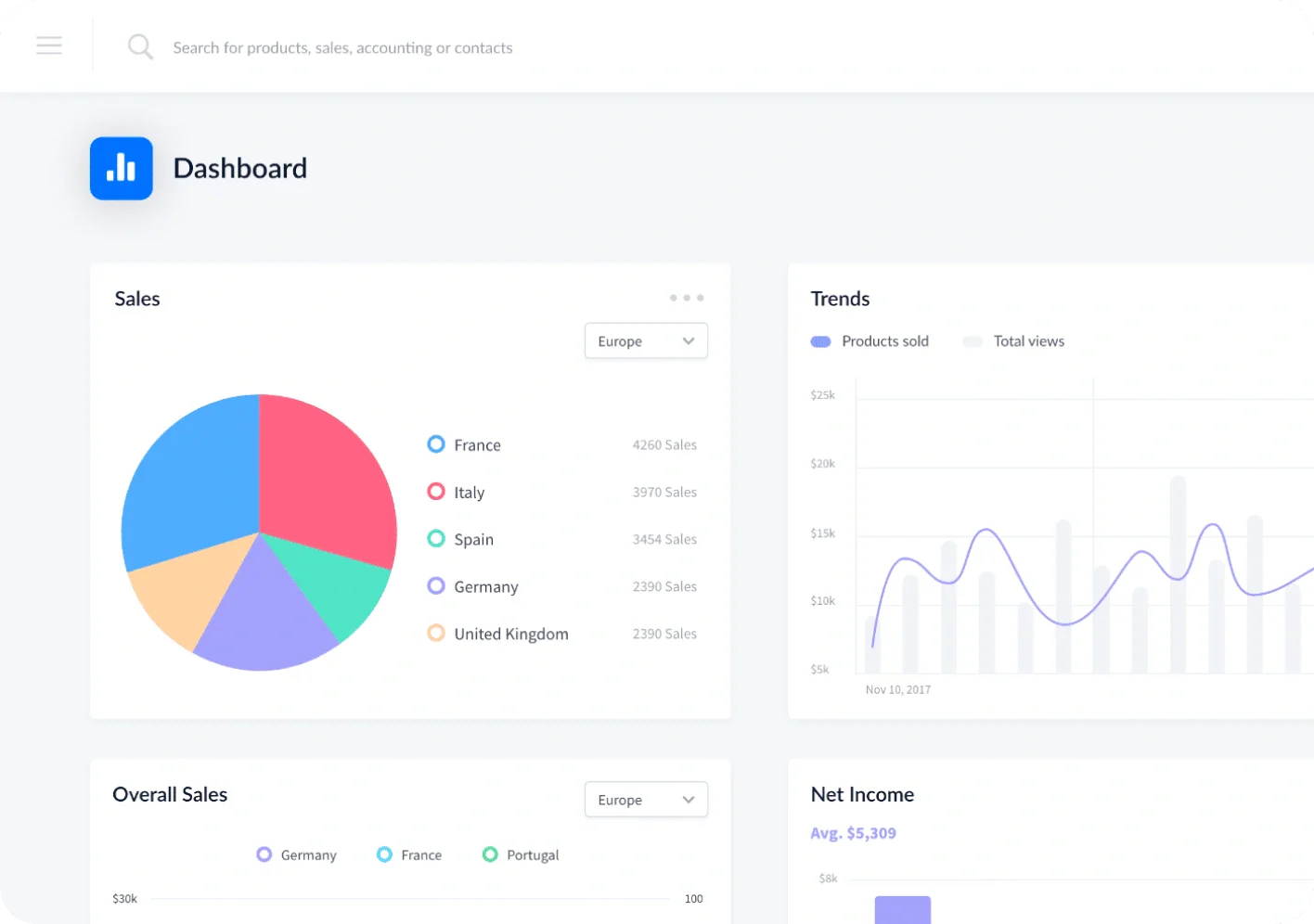
Brightpearl is a top retail operations management system that handles inventory planning, management, shipping, fulfillment, and order procurement. It also features a retail-focused CRM, enabling stronger customer relationships.
Pricing: Brightpearl uses customizable pricing based on order volume, sales channels used, and required modules. Contact the sales team for a tailored quote. Costs can vary depending on how many sales channels you connect.
Best fit for industry: Retail and wholesale businesses, e-commerce merchants selling across multiple sales channels, consumer goods brands, and omnichannel retailers that need inventory, order fulfillment, and retail CRM in one system rather than transport-heavy routing tools.
Features:
- Inventory Buying Recommendations
- Multichannel Inventory & Order Management
- Intuitive Dashboard for Key Metrics
- Integrated Retail CRM
| Pros | Cons |
|
|
9. Quixy
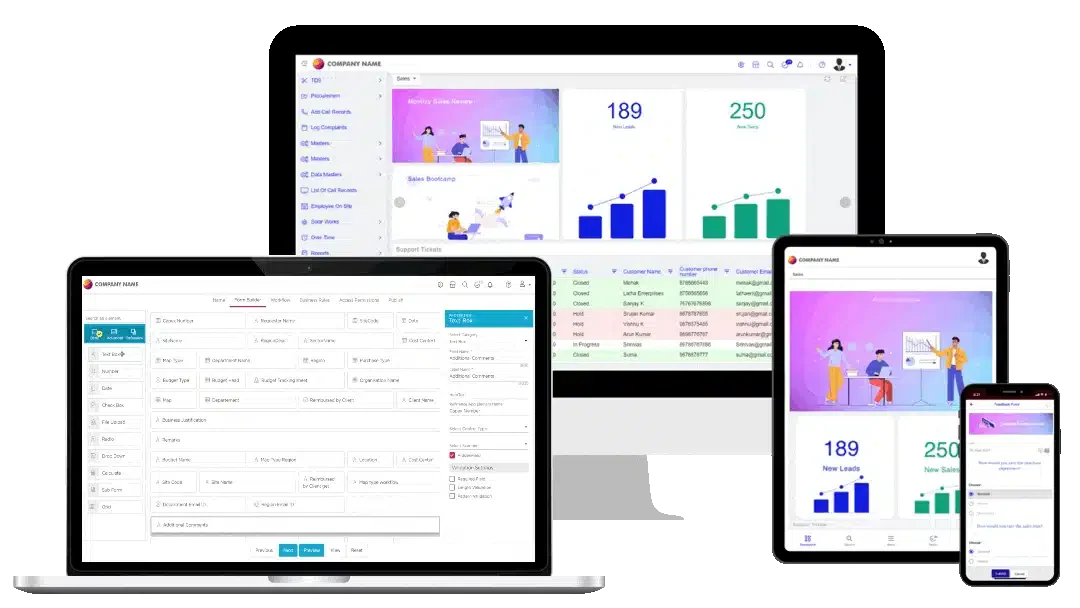
Quixy is a logistics app development provider offering a no-code/low-code platform for building and managing custom applications with ease. Its no-code logistics software lets users create tailored apps for operations like inventory management, order tracking, supply chain management, and freight logistics.
Pricing: Quixy uses quote-based pricing across three plans. Solution suits teams with many users but few apps or workflows. Platform suits teams running a high number of apps and workflows. Enterprise suits larger organizations that need enterprise-grade features. Contact Quixy for a tailored quote.
Best fit for industry: Logistics companies with unique or non-standard workflows, 3PL providers, freight forwarders, and mid-sized operations with in-house process owners who want to build custom apps around their own procedures rather than adopt a prebuilt logistics suite.
Features:
- Workflow Automation
- Real-Time Analytics
- Integration Capabilities
- Automated Notification and Alerts
| Pros | Cons |
|
|
10. Fishbowl
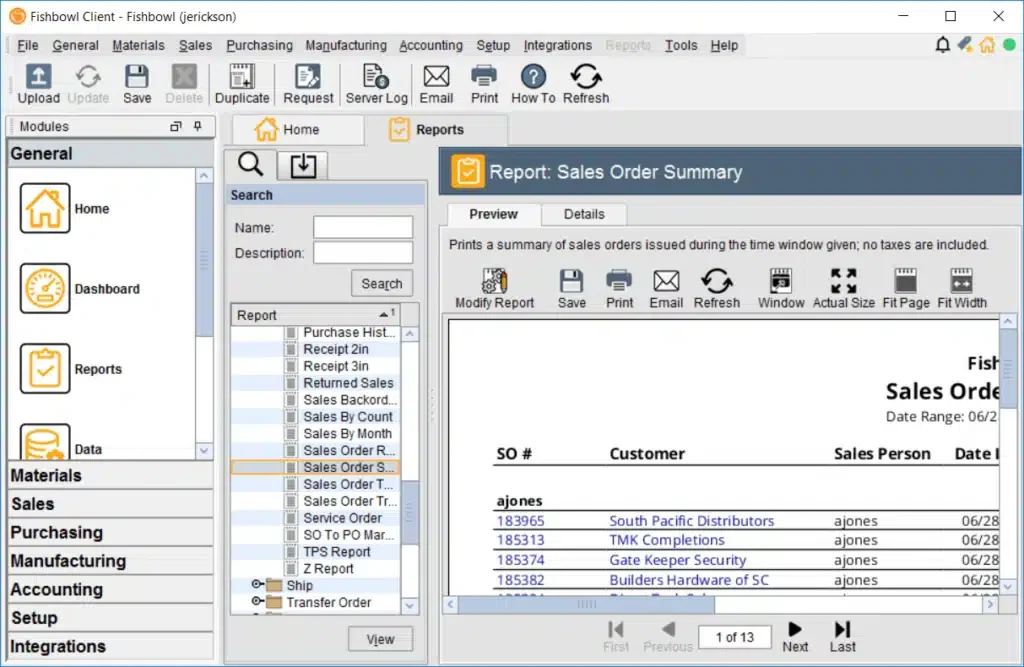
Fishbowl is a logistics management software that helps businesses manage inventory, warehousing, and production in one place. Designed for SMEs, Fishbowl comes in two versions: Fishbowl Inventory for cloud access and Fishbowl Advanced for on-premises use.
Both versions support the smooth handling of daily logistics operations for businesses of all sizes.
Pricing: Fishbowl Inventory (From ₱14,120), and Fishbowl Advanced (From ₱36,690)
Best fit for industry: Small and mid-sized manufacturers, wholesale distributors, and warehousing operations that need barcode-driven inventory control and QuickBooks-linked financial tracking, rather than the route optimization and fleet oversight offered by transport-focused platforms.
Features:
- Barcode-Enabled Inventory Management
- Automated Stock Counts
- Customizable Workflows for Manufacturing Automation
- Automated, Customizable Reporting
| Pros | Cons |
|
|
11. Infor
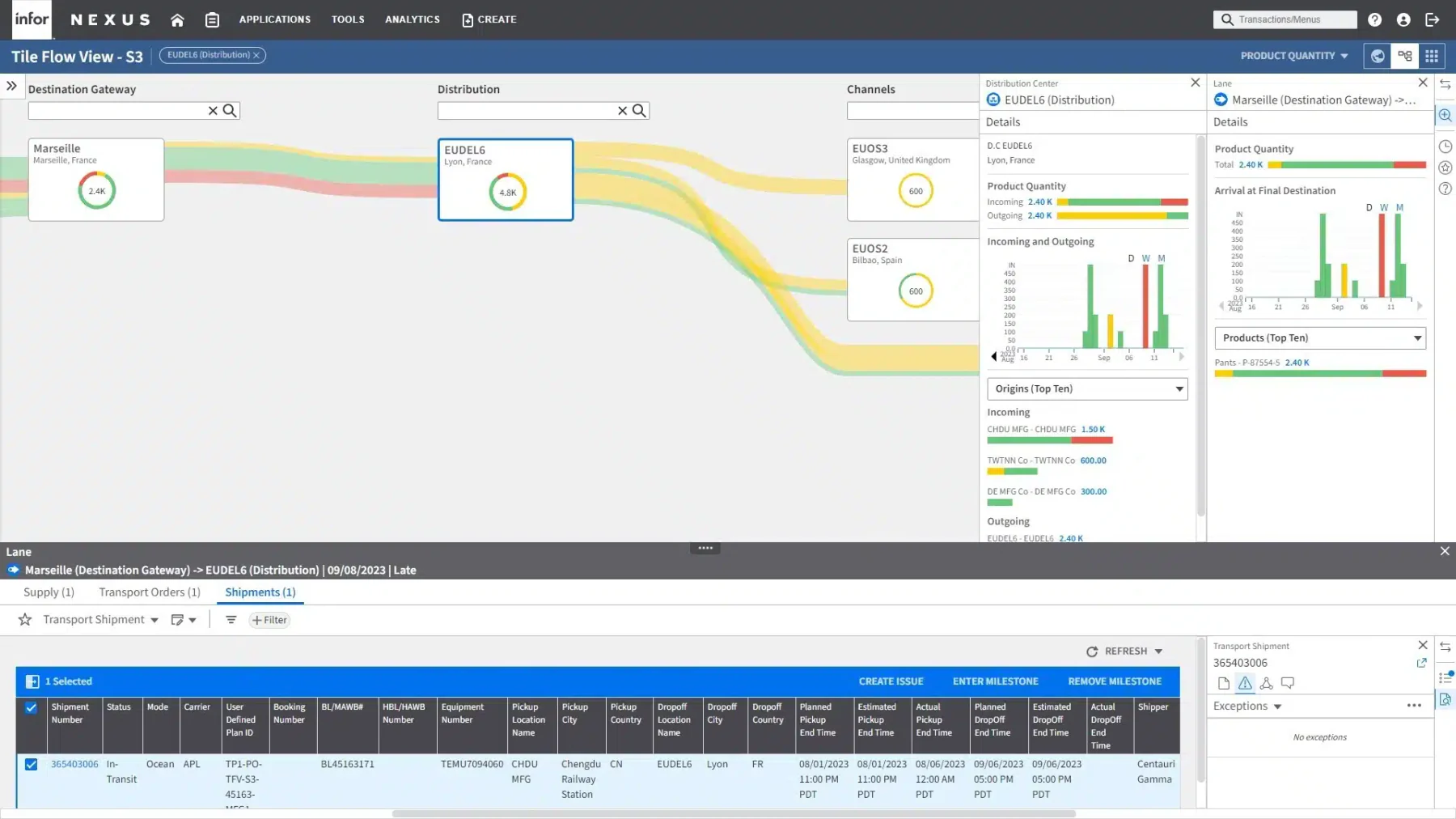
Infor Nexus is a global logistics management solution designed to enhance inventory systems, custom delivery, order fulfillment, and trucking logistics. It provides versatile transportation logistics software supporting air, ocean, truck, and parcel modes.
Pricing: Infor Nexus uses custom quote pricing based on network scale, trade lanes, transaction volume, and the modules you deploy. Contact Infor directly for a tailored quote and an implementation estimate.
Best fit for industry: Large enterprises and multinationals in manufacturing, retail, apparel, and consumer goods that manage multi-tier global supply chains, plus 3PL providers and importers coordinating air, ocean, truck, and parcel movements across multiple trade lanes.
Features:
- Efficient Route Planning
- Adaptable Tendering Process
- Customizable Scalability
- Improved Load Optimization
| Pros | Cons |
|
|
12. Trimble
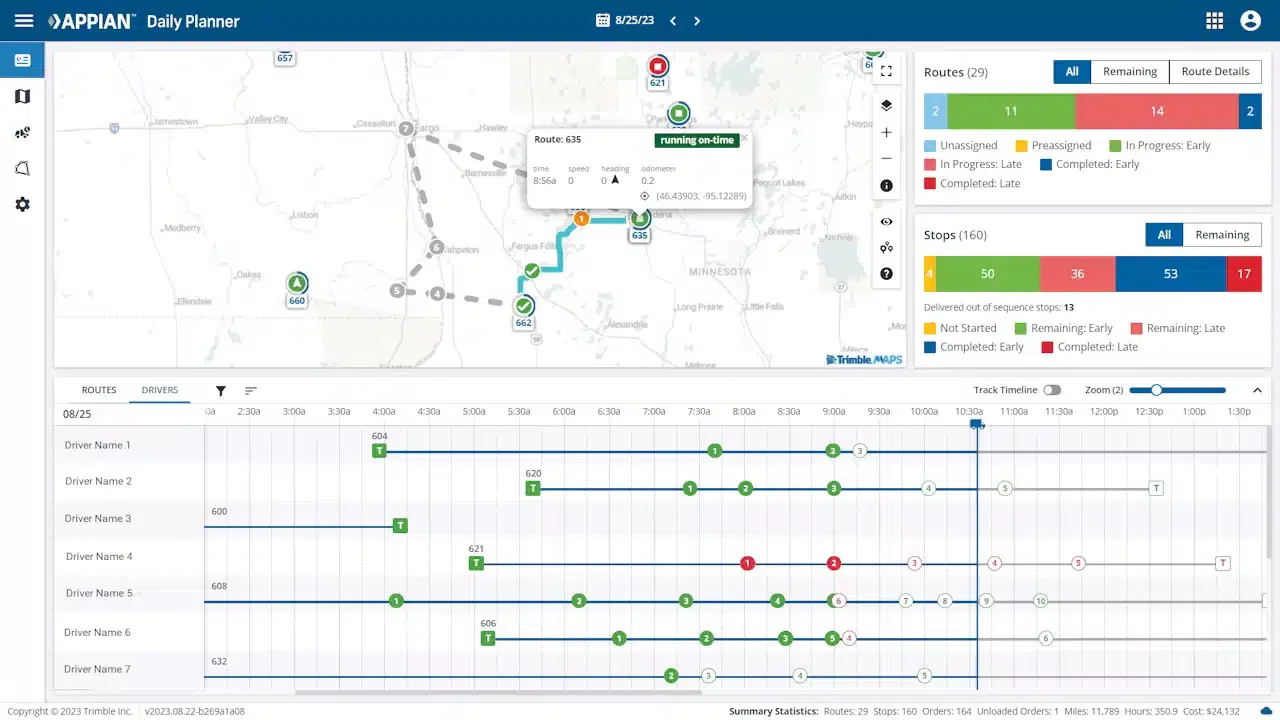
Trimble Fleet Mobility logistics software helps businesses run smoothly with advanced technology. It offers real-time tracking, supports better decision-making, and simplifies logistics workflows.
Pricing: Trimble does not publish standard rates for Fleet Mobility. Buyers deal through an authorized regional distributor or request a tailored corporate quote directly from Trimble. Final cost depends on fleet size, telematics hardware, and the modules you deploy.
Best fit for industry: Trucking and freight carriers, transport and delivery fleets, construction and field service companies with vehicle assets, and logistics providers that need the best fleet management system with real-time tracking and route optimization over broad supply chain coverage.
Features:
- Optimized Asset Usage
- Seamless Integration Features
- Enhances Performance Management
- Data Analytics and Insights
| Pros | Cons |
|
|
Choose The Best Logistics Software for Philippine Businesses During the Fuel Crisis 2026
Among the top 12, HashMicro, Oracle Transportation Management, and SAP Transportation Management lead in route planning, shipment visibility, and transport execution. HashMicro is the most practical because it combines fuel management, vehicle scheduling, fleet tracking, and delivery monitoring in one platform. To compare you can use the evaluation steps below:
- Choose based on the handoffs that currently slow your operation most. If the problem starts in dispatch, route control matters first. If it starts in fragmented data, integration matters first.
- Check whether the system supports real-time dispatch, proof of delivery, delivery visibility, and exception handling without extra manual follow-up.
- Check whether logistics data connects cleanly with inventory, sales, purchasing, finance, and warehouse workflows. A disconnected system still leaves the business doing reconciliation work by hand.
- Match the rollout scope to the actual size of the operation. Overbuying slows adoption. Underbuying creates a second software search within a year.
Conclusion
Efficient logistics management systems is essential for businesses looking to improve operations, boost efficiency, and keep customers happy. Strong logistics software helps companies better manage inventory, shipping, and delivery, which leads to cost savings and better service.
Selecting the right ERP software for logistics management is a key business decision, requiring features like real-time updates, vehicle scheduling, fuel management, and delivery tracking to stay competitive in a fast-moving market.
FAQ About Logistics Management Software
Logistics management encompasses seven essential tasks that guarantee the smooth flow of products:
1. Shipping: Chooses transportation methods.
2. Storage: Holds goods.
3. Stock control: Keeps ideal inventory quantities.
4. Order processing: Ensures prompt shipment of customer purchases.
5. Supply network coordination: Aligns operations with vendors and clients.
6. Demand forecasting: Predicts customer requirements to balance stock levels.
7. Logistics data systems: Offer insights for strategic choices.
Among the leading logistics software choices are HashMicro, Oracle, SAP, ClickUp, Acumatica, and Zoho, each providing distinct capabilities like fleet management, live monitoring, and route planning customized for different company scales.
Yes, logistics software can grow with your business. As your company expands, the software can handle more shipments, inventory, and data without slowing down operations.
Logistics planning software supports effective oversight by automating task coordination, guaranteeing punctual shipments, refining asset distribution, and offering live tracking of cargo progress. This assists in reducing holdups and boosting total efficiency.
Adopting Logistics Management Software can take your business to the next level. It streamlines operations, cuts down on operational costs, improves customer satisfaction, and provides real-time insights. With logistics software solutions, you’ll be able to fully unlock your business’s potential and increase your revenue!