









 Limited to 100 registrants
Bonded warehouses play an important role in helping businesses in the Philippines manage imports, control inventory, and delay duty payments until goods are released. However, without the right system, tracking stock, handling documentation, and staying compliant can quickly become difficult as operations grow.
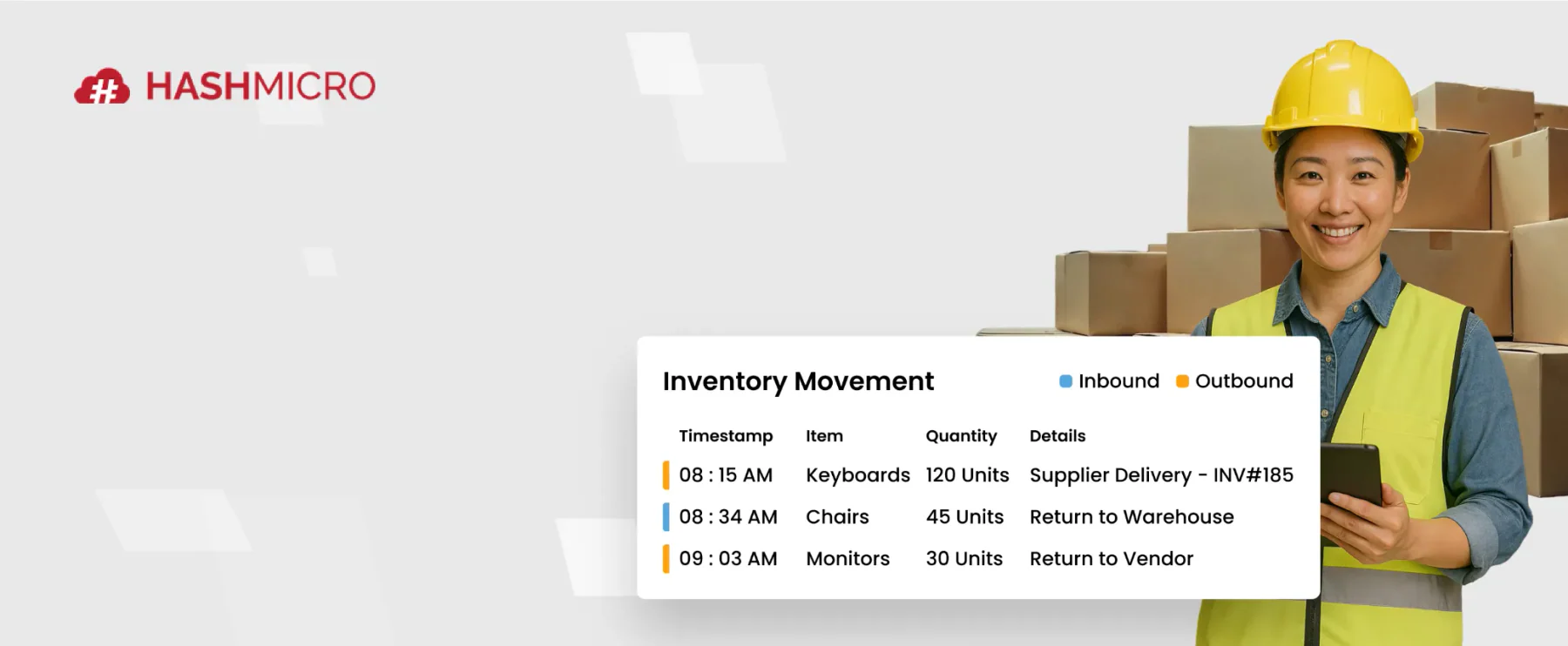
This is where a warehouse ERP solution becomes useful, giving businesses better visibility over inventory, movement, and compliance in one place, so warehouse operations stay more organized and easier to manage.
Key Takeaways
Bonded warehouses support Philippine trade by providing secure storage, helping with customs handling, and delaying duty and tax payments until goods are released.
Bonded warehouses help businesses delay customs duties and taxes until goods are released, giving them better cash flow and more flexibility in managing business expenses.
Good bonded warehouse operations depend on customs compliance, secure handling, accurate inventory tracking, and strong coordination with logistics partners.
Historical Development and Importance in Filipino Trade
Bonded warehouses have long supported trade in the Philippines by storing imported and exported goods in secure locations near ports. They help businesses manage customs processes and keep goods ready for local release or export.
A key benefit is duty and tax deferral, which helps improve cash flow until goods are withdrawn. Many bonded warehouses also support repackaging, labeling, inspections, and secure handling to make trade operations more efficient.
Tax and Duty Deferral Benefits
One of the main benefits of bonded warehouses in the Philippines is the ability to delay customs duties and taxes until goods are released for local sale or export. This gives businesses more breathing room to manage cash flow and use their funds for other needs, such as operations, product development, or market expansion.
By reducing the pressure of upfront duty payments, bonded warehouses also help businesses plan finances more carefully and stay flexible in a changing market. With better liquidity, companies can protect their cash position, respond faster to demand, and support growth without carrying the full tax burden too early.
Improving International Trade Processes
Operational efficiency matters in bonded warehousing. Customs compliance, complete documentation, and proper security help goods move with fewer delays while keeping them protected.
Accurate inventory tracking and good coordination between warehouses, customs, and logistics partners also help businesses control stock better, reduce errors, and support smoother trade operations.
Security Measures and Customs Compliance
Security and customs compliance are both essential in bonded warehousing. Warehouses use measures such as CCTV, biometric access controls, and intrusion detection systems to protect goods from theft, damage, and unauthorized access.
At the same time, proper documentation, record-keeping, and timely reporting help businesses meet customs requirements and avoid penalties or delays. With strong security and clear compliance procedures, businesses can protect their goods and keep operations more reliable.
Inventory Management and Tracking Systems
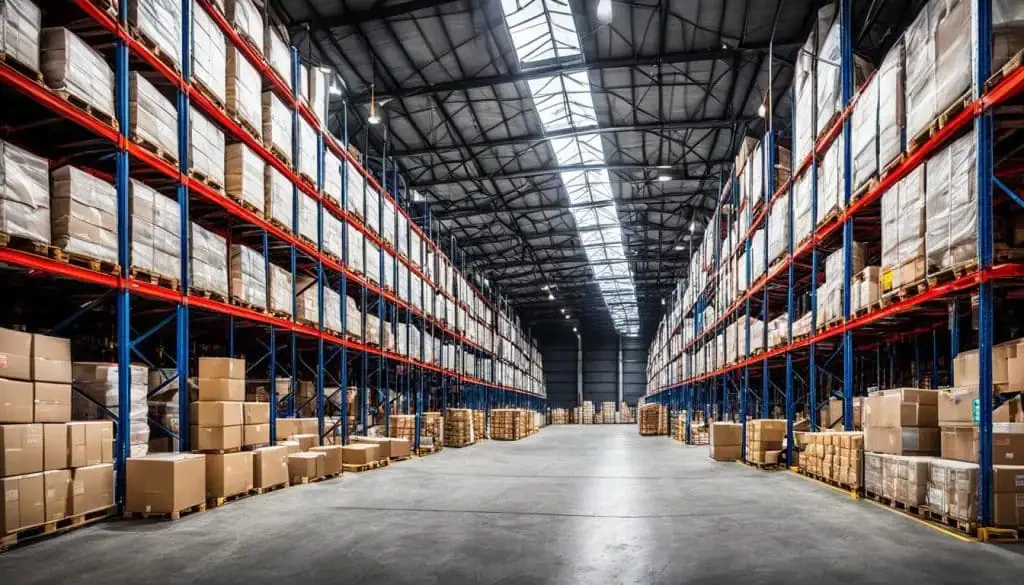
Efficient inventory management and real-time tracking are essential in bonded warehousing, where businesses need to handle many items with different storage requirements. With the right system in place, companies can keep stock levels accurate, use warehouse space better, and reduce costly errors.
Tools such as inventory control systems, barcode scanning, RFID, and GPS make it easier to track goods from entry to release. These tools also improve stock visibility, support faster responses to issues, and help reduce risks such as loss, theft, or damaged goods.
Navigating Regulatory Requirements
Regulatory compliance is a key part of bonded warehousing in the Philippines. To keep operations running properly and avoid disruptions, businesses need to follow customs rules, tax requirements, and other applicable standards.
Important compliance areas include:
- Proper documentation for imported and stored goods
- Accurate record-keeping for audits and customs checks
- Timely reporting to avoid delays and penalties
- Awareness of tax obligations and related regulations
- Support from legal, financial, or logistics experts when needed
By paying close attention to these requirements, businesses can reduce compliance risks and manage bonded warehouse operations with more confidence.
Addressing Storage Limitations and Efficiency
Technological innovation helps bonded warehouses in the Philippines address storage limitations and improve daily efficiency. Automated storage and retrieval systems (AS/RS) can store and retrieve goods faster, reduce manual work, and make better use of available space.
At the same time, tools such as RFID, barcode scanning, and a warehouse management system help businesses track stock more accurately, manage orders better, and organize warehouse space more effectively. These technologies also support faster operations, fewer errors, and better inventory visibility.
Advancements in Security and Tracking Technologies
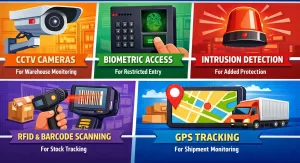 Security and tracking technology helps bonded warehouses protect goods and keep inventory movement easier to monitor. These tools give businesses better control over stock while reducing the risk of theft, loss, and handling errors.
Common technologies include:
- CCTV cameras for warehouse monitoring
- Biometric access controls for restricted entry
- Intrusion detection systems for added protection
- RFID and barcode scanning for stock tracking
- GPS tracking for shipment monitoring
With better visibility and security, businesses can manage warehouse operations more accurately and support smoother deliveries.
Integration with Global Supply Chain Networks
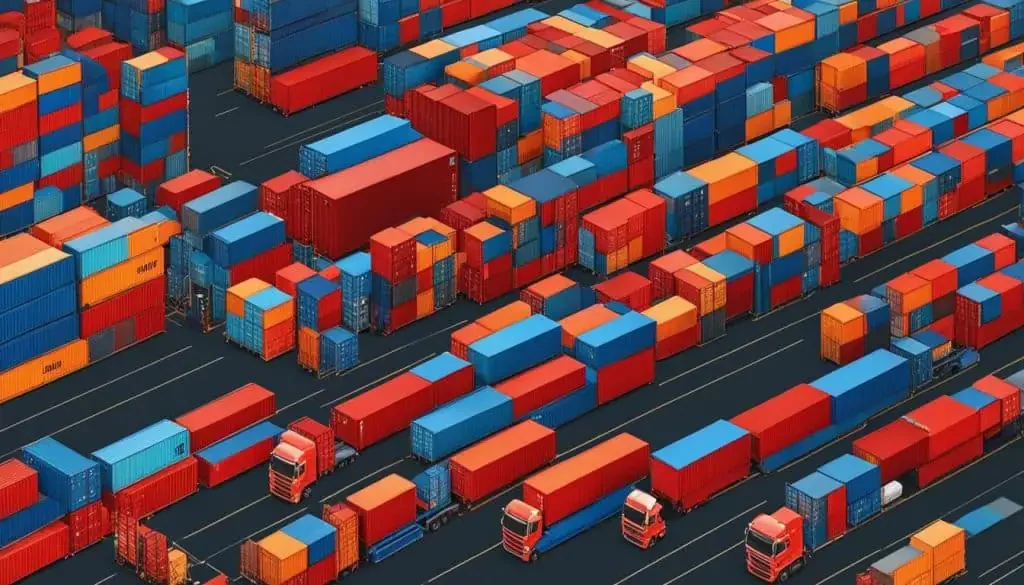
Bonded warehouses in the Philippines help businesses stay connected to global supply chains by improving the movement of goods and information across borders. With digital systems, RFID, and barcode tracking, companies can monitor inventory more accurately, coordinate better with customs and logistics partners, and keep warehouse operations more organized.
These warehouses also give businesses secure storage, delayed duty payments, and support for customs handling, repackaging, labeling, and inspections. Whether for short term or longer term use, bonded warehouses can help companies reduce delays, manage costs more carefully, and support trade activities more effectively.
Conclusion
Bonded warehouses help businesses in the Philippines store goods securely, manage customs requirements, and delay duty and tax payments until release. They also support better inventory control, security, and daily warehouse operations.
For import and export businesses, bonded warehouses can reduce delays, improve visibility, and help goods move more efficiently.
FAQ About Bonded Warehousing in the Philippines
A bonded warehouse is a secured storage facility where imported goods can be stored before customs duties and taxes are paid. Businesses in the Philippines use it to hold goods for local release or export while meeting customs requirements.
Main benefits include delayed duty and tax payments, secure storage, better customs handling, and stronger inventory control. Some bonded warehouses also support repackaging, labeling, and inspections.
Bonded warehouses let businesses delay customs duties and taxes until goods are released. This helps companies keep more working capital available for operations, expansion, or other business needs.
Common technologies include CCTV cameras, biometric access controls, intrusion detection systems, RFID, barcode scanning, GPS tracking, and a warehouse management system. These tools help improve security, stock visibility, and tracking accuracy.
Customs compliance is important because it helps businesses avoid penalties, delays, and documentation issues. Proper record-keeping, accurate declarations, and timely reporting support smoother warehouse operations.