







 Limited to 100 registrants

Workforce management has become increasingly essential in today’s fast-evolving business landscape. As organizations grow and operations become more complex, companies need workforce management systems to manage scheduling and track work hours.
According to the Philippine Statistics Authority (PSA), the scale of the Philippine workforce highlights the need for businesses to manage employees efficiently. Workforce management software provides a practical solution to streamline these processes and improve operational visibility, helping businesses enhance productivity and create a more organized work environment.
As technology continues to advance, selecting a reliable workforce management solution is a strategic step for companies aiming to stay competitive, compliant, and prepared for long-term growth.
Key Takeaways
Workforce Management Software helps businesses streamline scheduling, ensure accurate time tracking, and improve overall employee satisfaction.
Explore the 15 best workforce management software options in 2026, each offering unique features to help businesses improve efficiency.
Employee automation system designed to simplify workforce management through advanced features and seamless integration with existing systems.
What is Workforce Management Software?
Workforce Management Software (WFM) is a solution that improves how businesses plan and manage their workforce. Often integrated with an HRIS system, it automates tasks such as employee scheduling, timekeeping, and performance tracking.
A WFM system simplifies processes like managing attendance, tracking work hours, and monitoring productivity. Many systems, especially when paired with HRIS software in the Philippines, include advanced features such as forecasting staffing needs.
These tools empower businesses to make informed decisions based on accurate data, ensuring they meet operational demands while keeping employees satisfied. This software is particularly beneficial for industries with fluctuating staffing requirements.
Why do We Need Workforce Management Software?
A Workforce Management System meets these needs by simplifying essential processes, allowing businesses to run smoothly and efficiently. Here are a few reasons why this software is crucial for today’s organizations:
- Streamlined employee scheduling: Workforce Management Software simplifies scheduling by automatically assigning shifts based on employee availability, skills, and workload. This reduces manual errors and avoids conflicts.
- Precise time tracking: Employee management systems enable accurate time tracking by recording attendance and work hours in real time. This ensures employees are fairly compensated, simplifies payroll processing, and supports statutory obligations, including Pag-IBIG contributions.
- Data-driven decision-making: With access to real-time analytics, managers can make well-informed decisions about resource allocation and workforce performance improvements.
- Increased employee satisfaction: The system allows employees to focus on their work without unnecessary stress by automating administrative tasks and ensuring fairness in processes.
- Improved legal compliance: By incorporating direct staffing expense laws and regulations into its framework, Workforce Management Software helps organizations remain compliant. It reduces the risk of legal issues, such as exceeding overtime limits.
"Workforce Management Software helps organizations streamline scheduling, improve time tracking, ensure compliance, support data-driven decisions, and enhance overall employee satisfaction."
Full Comparison of Best Workforce Management Software
Each of the 15 platforms above solves a different workforce problem, so the right choice depends on your team size, shift structure, and compliance requirements. The table below compares them side by side, covering who each system fits best, its core strength, and how well it supports Philippine payroll and labor regulations.
| Workforce Management Software | Best for | Business size | Core strength | PH compliance fit | Mobile access |
|---|---|---|---|---|---|
| 1) ADP Workforce Now | All-in-one HR, payroll, and compliance | Mid-sized to Enterprise | Payroll, benefits, and compliance automation | ⚠️ Check | ✅ |
| 2) HashMicro | ERP-connected workforce and payroll control | SME to Enterprise | Scheduling, attendance, payroll, and multi-branch HR | ✅ Strong | ✅ |
| 3) BambooHR | Structured HR for office-based teams | SME to Mid-sized | Employee records, time off, and performance | ⚠️ Check | ✅ |
| 4) Paycor | Unified HR, payroll, and recruiting | SME to Mid-sized | HR, payroll, and talent management | ⚠️ Limited | ✅ |
| 5) Workday | Enterprise workforce planning and analytics | Enterprise | Workforce planning, analytics, and HR-finance data | ⚠️ Check | ✅ |
| 6) Deel | Global and contractor hiring | Growing business to Enterprise | Global payroll, contracts, and tax compliance | ⚠️ Partial | ✅ |
| 7) Connecteam | Frontline and field-based teams | SME to Mid-sized | Mobile time tracking, scheduling, and communication | ⚠️ Check | ✅ |
| 8) Rippling | Unified HR and IT workflows | Growing business to Enterprise | HR, payroll, and IT provisioning in one platform | ⚠️ Check | ✅ |
| 9) RemoFirst | Hiring abroad without a local entity | SME to Growing business | Employer of record, global payroll, and benefits | ⚠️ Partial | ✅ |
| 10) Paylocity | Payroll with employee engagement tools | Mid-sized | Payroll, attendance, and employee self-service | ⚠️ Limited | ✅ |
| 11) Infor WFM | Complex shift and labor rules | Mid-sized to Enterprise | Forecasting, scheduling, and labor cost analysis | ⚠️ Check | ✅ |
| 12) Zoho People | Budget-conscious small teams | SME | Employee database, attendance, and learning tools | ⚠️ Partial | ✅ |
| 13) UKG Ready | Full employee lifecycle management | Mid-sized to Enterprise | Hiring, payroll, performance, and compliance | ⚠️ Check | ✅ |
| 14) Dayforce WFM | High-volume hourly workforces | Enterprise | Real-time payroll and workforce scheduling | ⚠️ Check | ✅ |
| 15) Connect HR | Straightforward time and attendance | SME to Mid-sized | Time tracking, benefits, and compliance tools | ⚠️ Limited | ✅ |
15 Best Workforce Management Software for Your Businesses
In this section, we’ve compiled the top 15 workforce management software options of 2026, highlighting their unique features to help you make an informed decision for your business.
1. ADP workforce
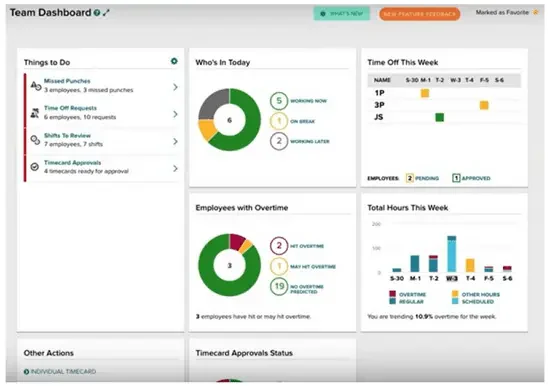
ADP Workforce is an all-in-one HR solution that provides a wide range of tools to streamline workforce management. Specializing in areas like payroll, talent management, and compliance, it simplifies key processes such as recruitment and payroll processing.
This cloud-based platform integrates easily with other software systems and ensures a smooth user experience across various devices. Additionally, it offers a mobile app that supports employee self-service, allowing employees to conveniently manage personal tasks anytime.
Key features:
- Payroll processing
- Benefits administration
- Time and attendance tracking
- Talent management
| Pros | Cons |
|---|---|
| Comprehensive payroll and benefits administration | May be expensive for small businesses |
| Real-time attendance and talent management tools | Philippine payroll compliance may require extra configuration |
Best for: Mid-to-large enterprises with established HR departments that need payroll, benefits, and compliance in one platform.
Pricing: ₱1,441–₱3,132/month.
₱1,441–₱3,132/karyawan/bulan
2. HashMicro Workforce Management Software
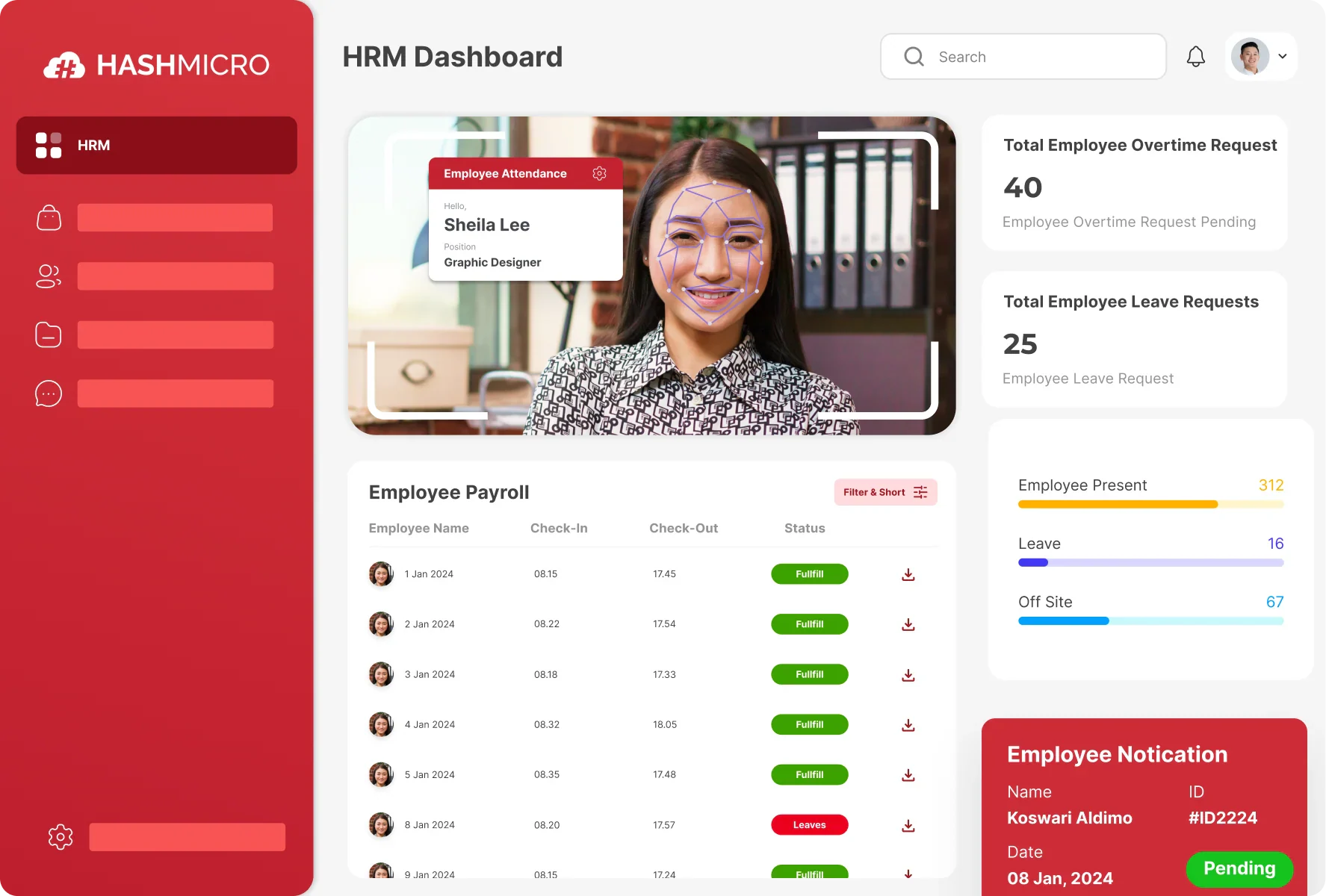
HashMicro Workforce Management Software is a powerful and versatile solution designed to enhance workforce operations for businesses of all sizes. As a cloud-based platform, it automates key processes such as employee scheduling and compliance management.
With its robust capabilities, HashMicro's centralize human resource management system prioritizes compliance, making it easier for businesses to meet labor regulations.
Key features:
- Roster and dynamic employee schedule management: This feature allows businesses to create and manage employee schedules with ease. It dynamically adjusts to real-time changes and operational demands.
- Facial recognition and GPS-based attendance tracking: An advanced attendance system that leverages facial recognition and GPS technology to monitor employee attendance, reducing errors and improving accountability.
- Payslip management for daily and hourly workers: This function automates the generation of payslips for daily and hourly workers, ensuring precise wage calculations based on the actual hours worked.
- Comprehensive performance analysis: This type of analysis provides
detailed insights into employee performance by tracking essential metrics such as productivity, attendance, and goal achievement. - Talent management and employee development: Designed to identify and develop top talent, this feature includes tools for monitoring employee progress, offering training programs, and planning career development.
| Pros | Cons |
|---|---|
| Integrated scheduling, attendance, payroll, and talent management | Broader feature scope may exceed basic HR needs |
| Facial recognition, GPS attendance, and payslip automation | Custom pricing requires a consultation |
Best for: Growing and mid-to-large Philippine companies that want workforce management connected to payroll, accounting, and ERP operations, especially those managing shift-based or multi-branch teams.
Pricing: Custom Price.
Managing employee schedules, attendance, and workforce data across different systems can make HR operations time-consuming and difficult to track. HashMicro’s HRIS solution brings essential workforce management tools into one platform, helping businesses manage employees more efficiently.
3. BambooHR WFM system
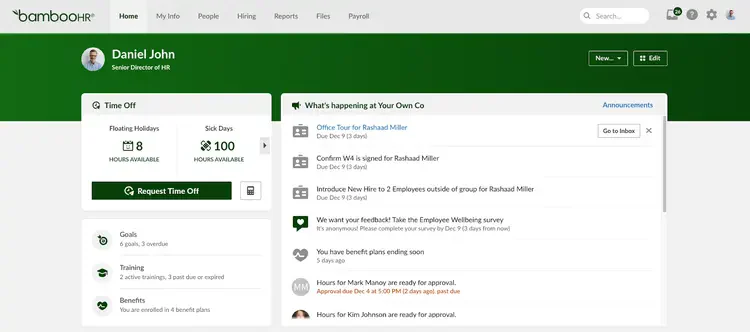
BambooHR is a well-known workforce management solution designed specifically for small to medium-sized businesses. It is praised for its easy-to-use interface, which simplifies HR tasks like managing employee data, tracking performance, and handling recruitment.
With its mobile-friendly design, employees can easily view their schedules, request time off, and update their personal details. BambooHR helps streamline HR processes while improving both employee engagement and administrative efficiency.
Key features:
- Employee self-service portal
- Time-off tracking
- Payroll management integration
- Performance management tools
| Pros | Cons |
|---|---|
| User-friendly employee self-service and time-off tools | Payroll may depend on third-party integrations |
| Mobile access and performance management tools | Advanced shift scheduling may need additional tools |
Best for: Small to mid-sized companies with office-based teams that need core HR records, time-off, and employee self-service without heavy payroll complexity.
Pricing: ₱626/month.
4. Paycor WFM system
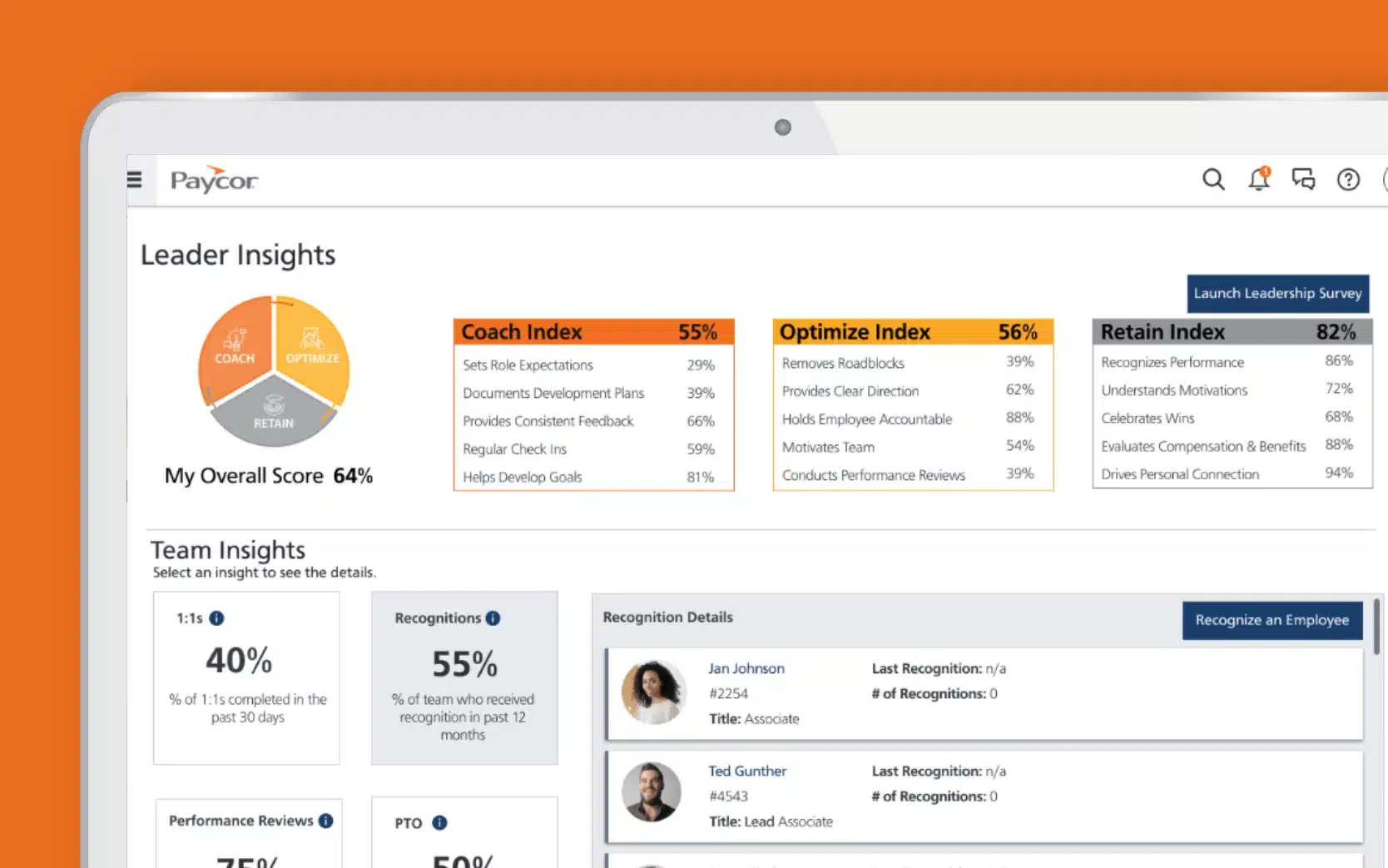
Paycor is a cloud-based workforce management software designed to help businesses improve their HR and payroll operations. It integrates human resources, payroll, and talent management into one platform.
Along with its HR functionalities, Paycor offers analytics and reporting tools that allow organizations to monitor important key performance metrics and enhance workforce efficiency. Additionally, it provides compliance support, helping businesses stay current with labor laws and regulations.
Key features:
- HR and payroll integration
- Time and attendance tracking
- Recruiting and talent management
- Compliance tools
| Pros | Cons |
|---|---|
| Integrated HR, payroll, recruiting, and talent tools | Philippine payroll localization should be confirmed |
| Analytics and compliance support | Multiple modules may require setup and training |
Best for: Mid-sized businesses that want HR, payroll, recruiting, and workforce analytics in a single system.
Pricing: ₱376–₱1,002/month.
5. Workday
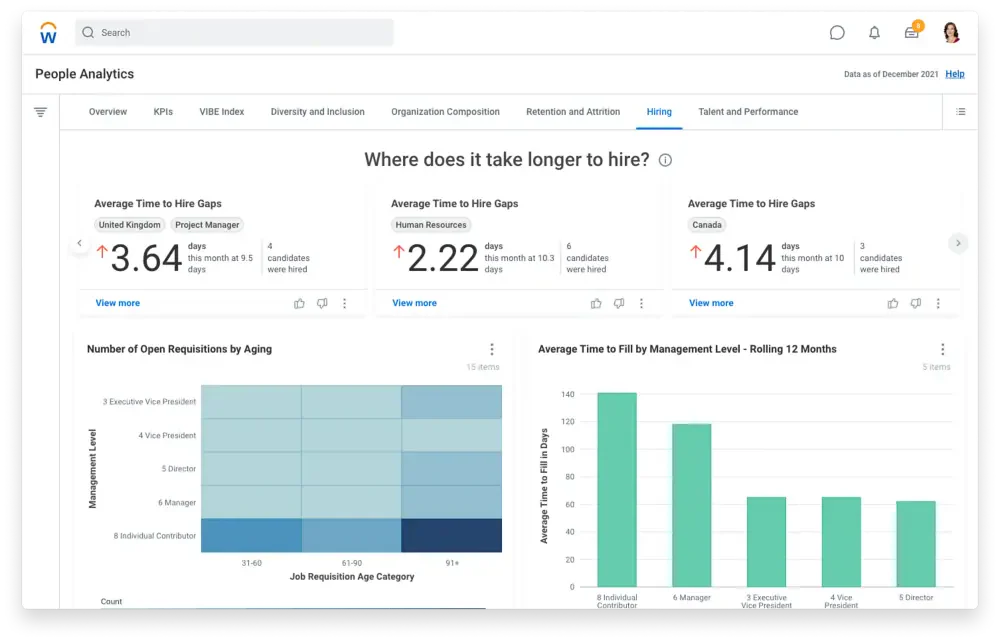
Workday is a comprehensive enterprise workforce management software and HRIS Philippines solution that integrates HR and financial management into a single platform. It enables businesses to simplify workforce planning, recruitment, and talent management by leveraging real-time data and analytics.
With its emphasis on providing a seamless user experience, Workday features intuitive dashboards and customizable reports, empowering HR professionals and managers to gain valuable insights into workforce performance.
Key features:
- Workforce planning and analytics
- Talent management
- Recruitment and onboarding
- Payroll and benefits administration
| Pros | Cons |
|---|---|
| Workforce planning and real-time analytics | High cost and implementation complexity |
| Recruitment, talent, payroll, and benefits in one platform | Enterprise features may be excessive for SMEs |
Best for: Large enterprises and multinationals that need workforce planning, analytics, and HR-finance integration at scale.
Pricing: ₱2,130–₱2,631/month.
₱2,130–₱2,631/
6. Deel workforce
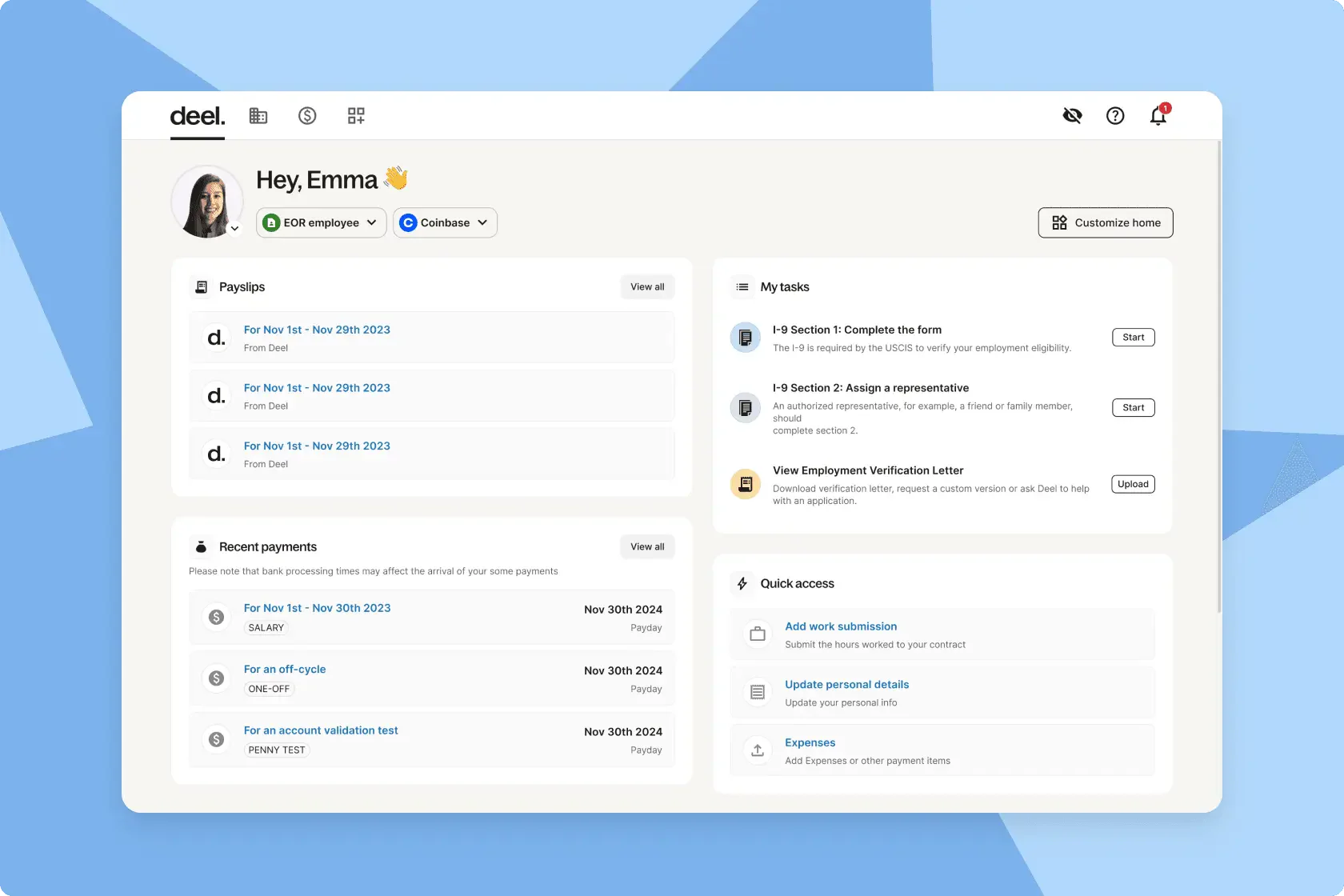
Deel is a global workforce management platform that helps businesses easily manage remote teams. It simplifies key processes like hiring, payroll, and compliance for companies working across multiple countries.
The platform also includes tools for team collaboration and performance tracking, making it easier to stay organized. With Deel, businesses can focus on growth while smoothly handling the complexities of international HR operations.
Key features:
- Global payroll processing
- Contract automation
- Employee onboarding
- Tax compliance
| Pros | Cons |
|---|---|
| Global hiring, contracts, payroll, and onboarding | Less suitable for local shift-based operations |
| Tax compliance and benefits for international teams | Costs may increase as the overseas workforce grows |
Best for: Companies hiring contractors or full-time employees across multiple countries, including BPOs and startups with distributed teams.
Pricing: ₱3,069/contractor/month.
7. Connecteam
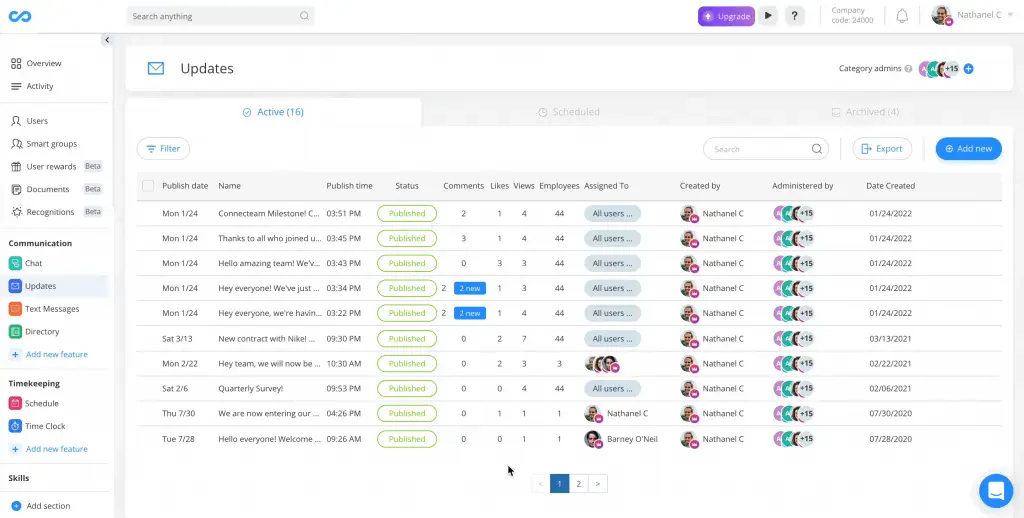
Connecteam is a workforce management platform designed to enhance employee engagement and streamline operations, particularly in frontline industries. With its mobile-first approach, the software enables businesses to track employee hours and maintain seamless communication.
Beyond its task and time management capabilities, Connecteam features an integrated messaging system that ensures teams stay connected and informed, even while working in the field.
Key features:
- Time tracking
- Mobile communication
- Employee training
- Performance tracking
| Pros | Cons |
|---|---|
| Mobile time tracking, communication, and task tools | Payroll and accounting features may be limited |
| Training and performance tools for frontline teams | Local payroll integrations should be checked |
Best for: Frontline and field-based businesses such as retail chains, restaurants, logistics, security services, and construction crews.
Pricing: Free for up to 10 users; paid plans start at ₱1,816//month.
8. Rippling
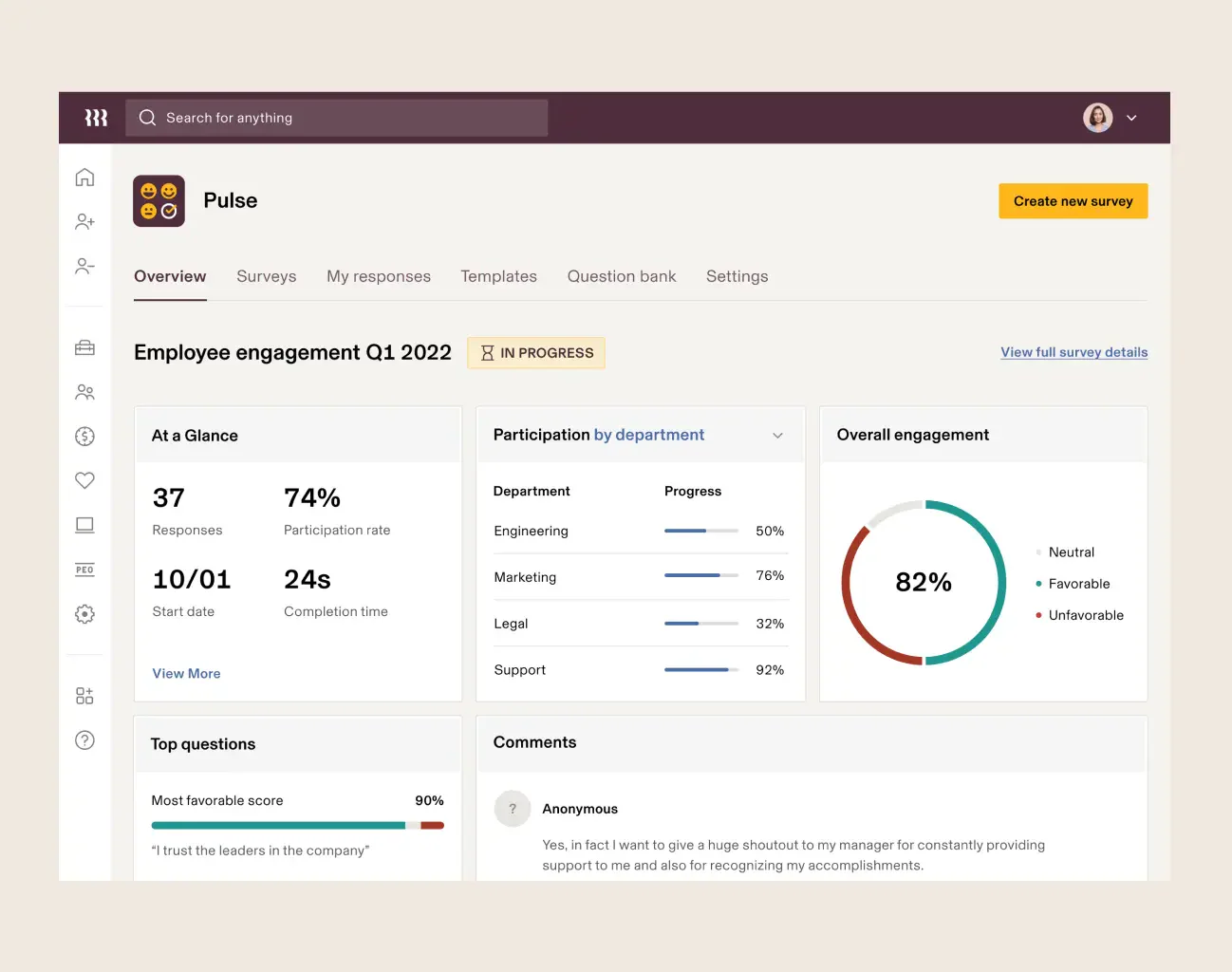
Rippling is a comprehensive software solution for HR, IT, and workforce management designed to help businesses automate and simplify their operations. By integrating HR and IT systems, it allows organizations to manage tasks in one place.
The platform serves as a centralized hub for managing employee data, ensuring seamless connectivity between HR and IT functions for enhanced efficiency and streamlined digital process automation.
Key features:
- Payroll and benefits management
- IT and software integration
- Employee onboarding and offboarding
- Compliance tracking
| Pros | Cons |
|---|---|
| HR, payroll, benefits, and IT management in one platform | Additional modules can increase the total cost |
| Automated onboarding, offboarding, and software access | Setup may require careful configuration |
Best for: Fast-growing tech and service companies that want HR, payroll, and IT provisioning managed together.
Pricing: ₱501/employee/month.
9. Remofirst
Remofirst is a global workforce management platform that makes it easier for companies to hire and manage remote employees across different countries. It streamlines payroll, compliance, and hiring processes, allowing businesses to efficiently oversee international teams.
Key features:
- Global payroll processing
- Employee benefits management
- Onboarding automation
- Tax compliance
| Pros | Cons |
|---|---|
| Global hiring, payroll, benefits, and onboarding | More focused on global employment administration |
| Tax compliance for remote international employees | May not suit complex local shift scheduling |
Best for: Businesses hiring remote employees abroad without setting up a local legal entity.
Pricing: ₱1,566/month.
10. Paylocity
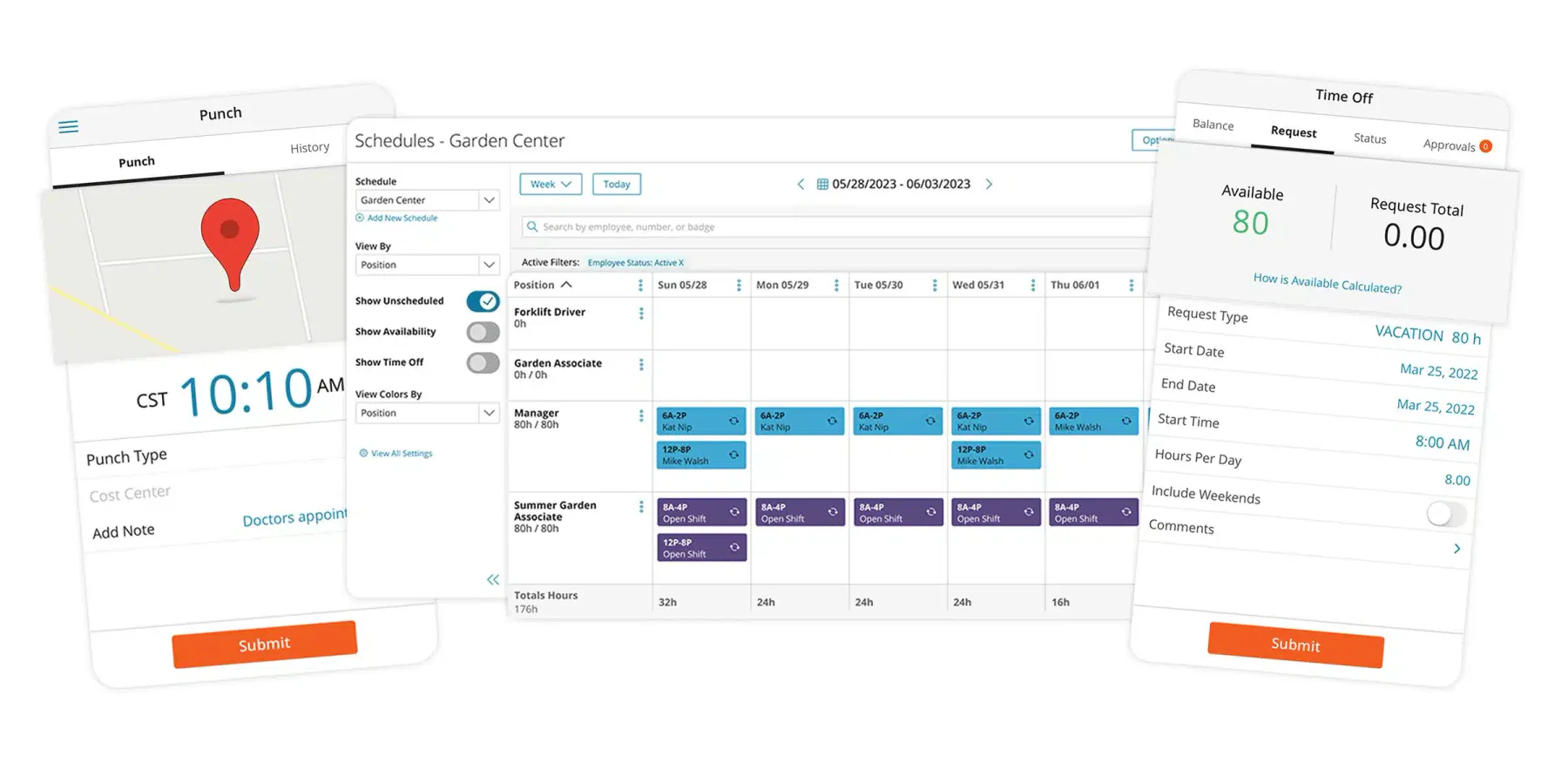
Paylocity is an all-in-one labor force management platform that helps businesses handle HR, payroll, and talent management efficiently. It provides companies of all sizes with tools to manage employee data, track working hours, process payroll, and oversee benefits in a single system.
Key features:
- Payroll management
- Time and attendance tracking
- Benefits administration
- Employee self-service portal
| Pros | Cons |
|---|---|
| Payroll, attendance, benefits, and employee self-service | Broad features may require employee training |
| Centralized HR and talent management | Philippine compliance coverage should be confirmed |
Best for: Mid-sized companies that want payroll, attendance, and employee engagement tools in one platform.
Pricing: ₱1,127–₱2,067/month.
11. Infor WFM
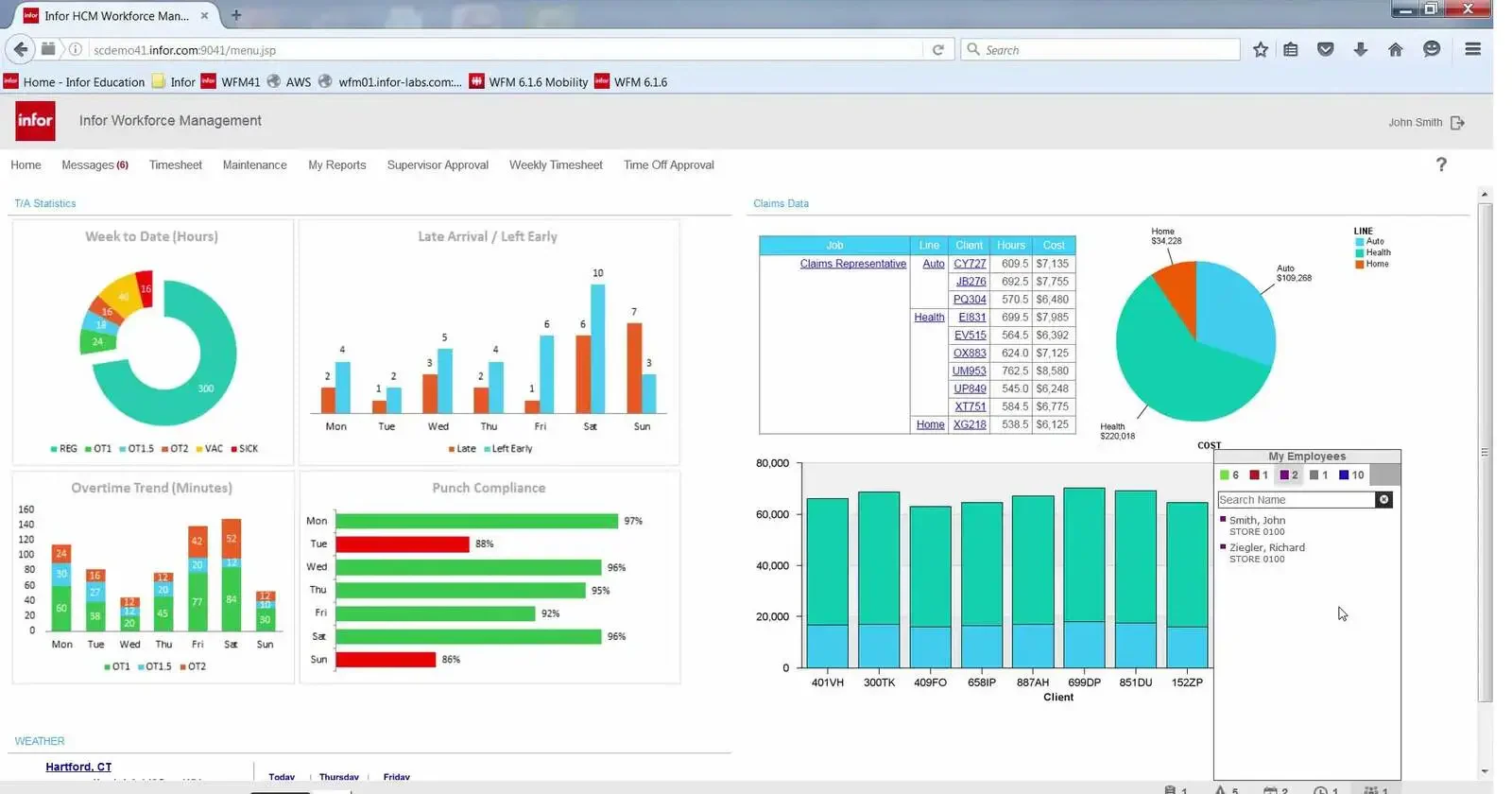
Infor Workforce Management (WFM) is a robust software solution that helps businesses enhance labor productivity while ensuring compliance with labor regulations. Designed for industries with complex workforce requirements, such as healthcare and retail.
The platform is highly scalable, making it suitable for businesses of all sizes. With seamless integration capabilities, it can connect with existing HR, payroll, and enterprise systems, streamlining overall workforce management.
Key features:
- Workforce planning and forecasting
- Real-time scheduling
- Labor cost analysis
- Compliance management
| Pros | Cons |
|---|---|
| Forecasting, real-time scheduling, and labor cost analysis | Implementation may be complex for small HR teams |
| Enterprise integrations and compliance tools | Requires significant training and investment |
Best for: Large operations with complex shift and labor rules, such as hospitals, manufacturing plants, and retail chains.
Pricing: ₱626/month.
12. Zoho People
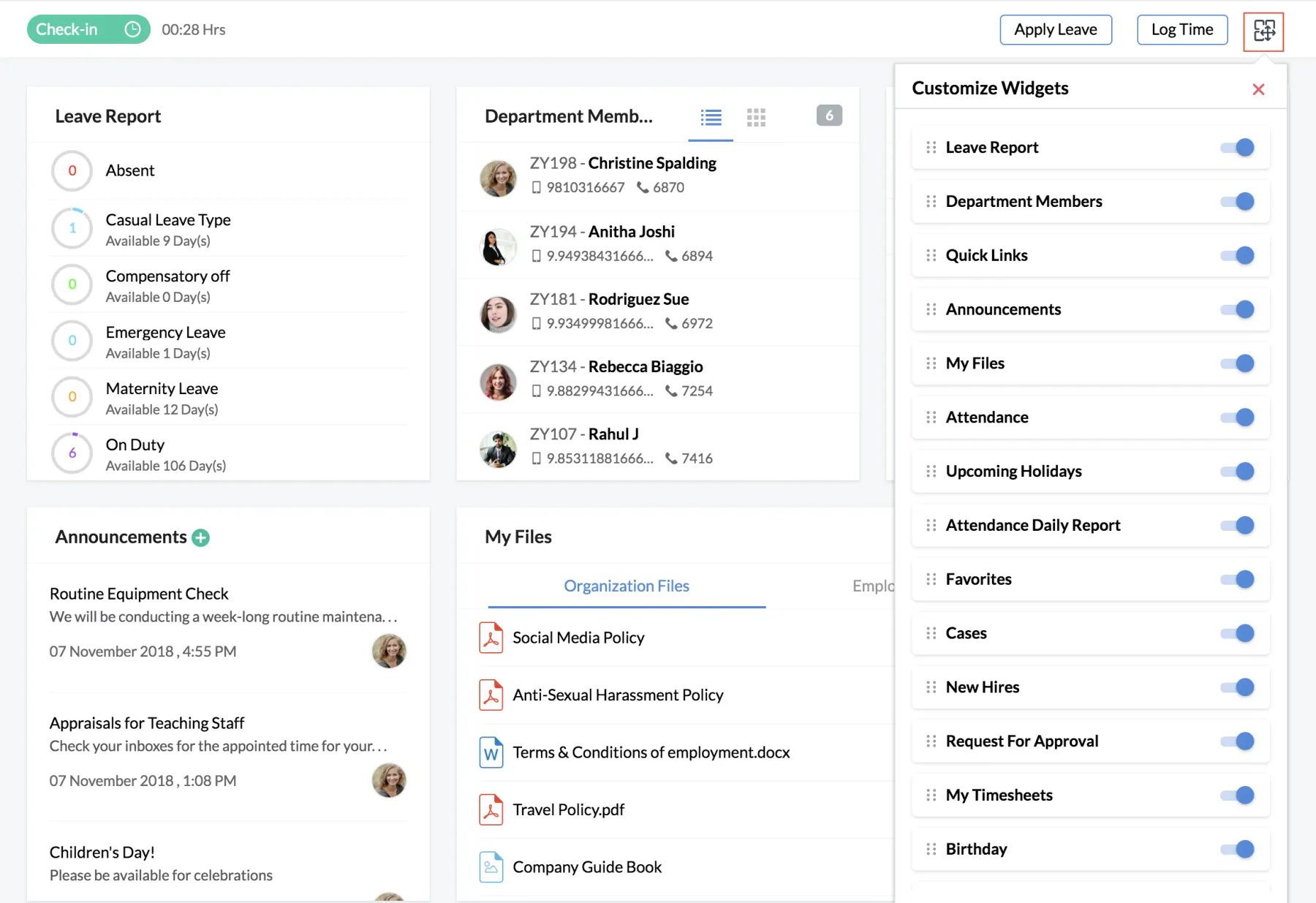
Zoho People is a versatile HR management platform that simplifies workforce management and enhances employee engagement. It provides businesses with tools for recruitment and attendance tracking management, all within a single, user-friendly interface.
Key features:
- Employee database management
- Attendance & time tracking
- Learning & development
| Pros | Cons |
|---|---|
| Employee database, attendance, and time tracking | Complete payroll may require integrations |
| Learning tools and integration with Zoho applications | Advanced workforce planning may need separate software |
Best for: Small businesses and startups with limited HR budgets, especially those already using other Zoho applications.
Pricing: Free for up to 5 users; paid plans start at ₱78/user/month.
13. UKG Ready
UKG Ready is an all-in-one workforce management solution that streamlines HR, payroll, and employee management in a single platform. This cloud-based software supports businesses throughout the entire employee lifecycle, from hiring to payroll processing.
With mobile access employees can conveniently manage their schedules, request time off, and view payroll details. Additionally, its strong compliance features help businesses adhere to local labor regulations and minimize risks.
Key features:
- Employee lifecycle management
- Payroll processing
- Performance tracking
- Mobile accessibility
| Pros | Cons |
|---|---|
| Employee lifecycle, payroll, performance, and compliance tools | Setup and training may take time |
| Mobile access for schedules, time off, and payroll | Local tax and labor compliance should be verified |
Best for: Mid-sized companies that need full employee lifecycle management from hiring to payroll in one system.
Pricing: ₱1,253–₱2,067/month.
14. Dayforce WFM
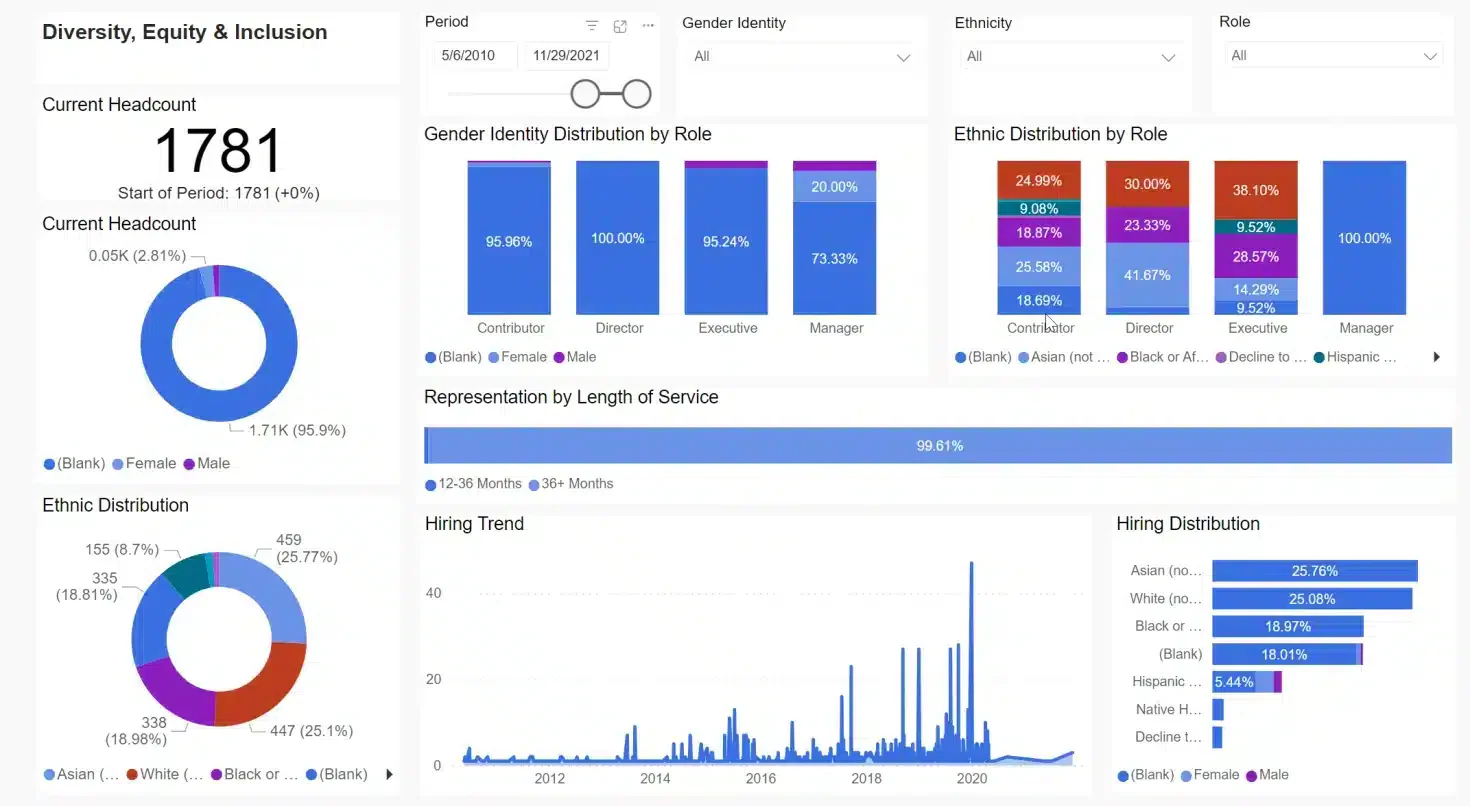
Dayforce by Ceridian is an all-in-one workforce management platform that leverages real-time data to support better decision-making. It combines salary disbursement process and workforce management into a single system.
Key features:
- Real-time payroll processing
- Workforce scheduling
- Predictive analytics
- Employee self-service portal
| Pros | Cons |
|---|---|
| Real-time payroll, scheduling, and workforce analytics | Advanced features may be costly for smaller businesses |
| Predictive insights and employee self-service | Complexity may exceed basic HR requirements |
Best for: Large enterprises with high-volume hourly workforces that need real-time payroll and scheduling data.
Pricing: ₱1,378–₱1,942/month.
15. Connect HR
Connect HR is a flexible workforce management solution that simplifies HR, payroll, and compliance processes. It offers businesses automated tools for time tracking, attendance management, and benefits administration, helping reduce the manual workload for HR teams.
With built-in compliance features, the platform keeps businesses up to date with labor laws and regulations, reducing legal risks.
Key features:
- Time and attendance tracking
- Benefits administration
- Mobile app access
- Compliance management
| Pros | Cons |
|---|---|
| Time, attendance, benefits, and compliance management | Fewer analytics and integrations than larger platforms |
| Mobile access helps reduce manual HR work | Scalability and Philippine support should be assessed |
Best for: Small to mid-sized businesses that need straightforward time tracking, attendance, and benefits administration.
Pricing: ₱171–₱188/month.
How to Choose the Right Workforce Management Software
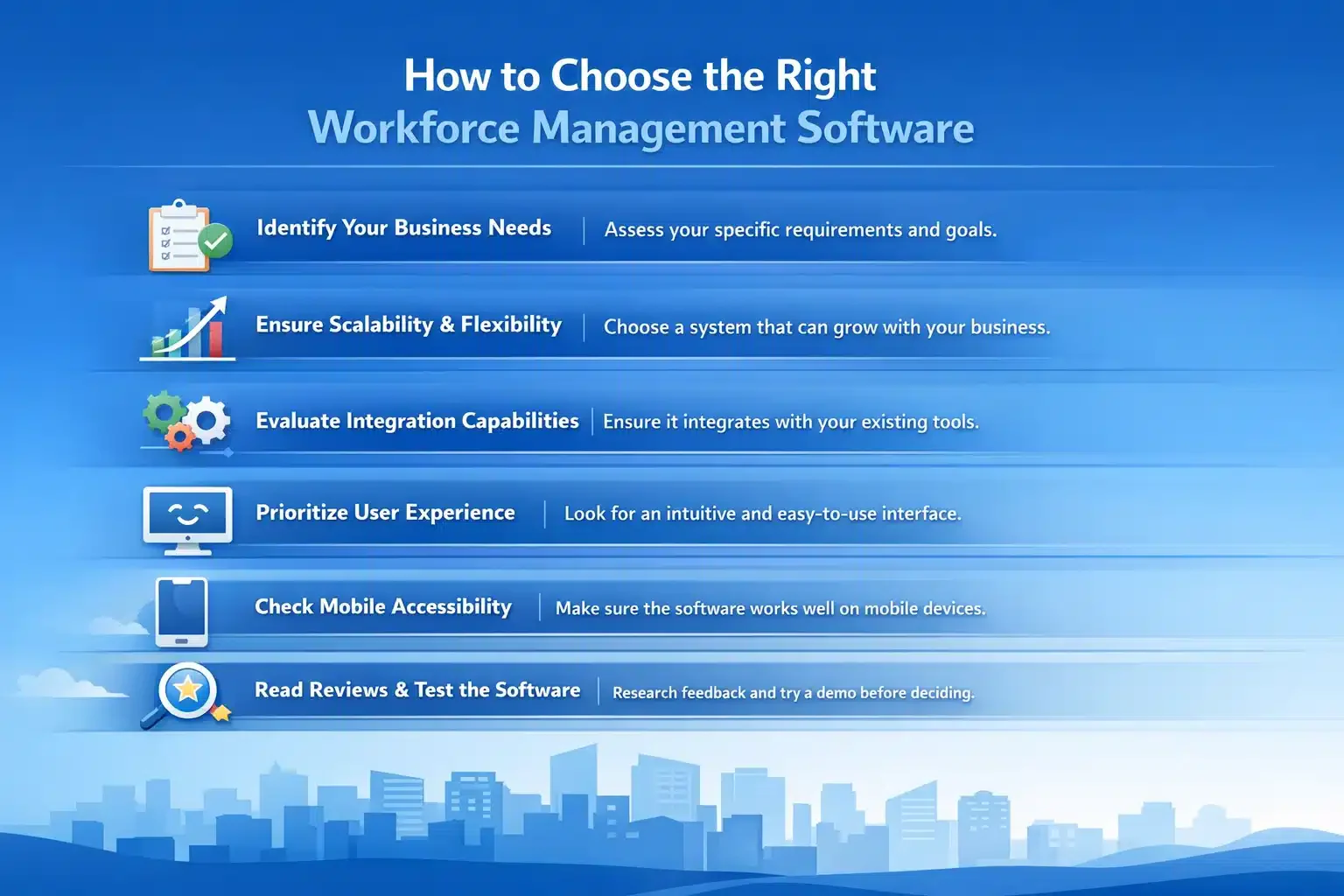
Enhancing employee experience starts with selecting the right workforce management (WFM) software, which is essential for optimizing operations and improving efficiency. Here are key steps to help you find the best solution for your business:
- Identify your business needs: Determine the specific challenges your organization faces, such as scheduling inefficiencies, compliance risks, DOLE telecommuting compliance gaps, or time-tracking difficulties. Understanding these issues will help you prioritize the essential features in a WFM solution.
- Ensure scalability and flexibility: Choose software that can grow with your business and adapt to changes in workforce size or operations. A scalable solution will remain effective as your company expands.
- Evaluate integration capabilities: Ensure the software seamlessly connects with your existing HR, payroll, and ERP systems. Strong integration reduces manual data entry and improves workflow efficiency.
- Prioritize user experience: Look for a platform with an intuitive interface that is easy to navigate. A user-friendly design allows managers and employees to adopt the system quickly with minimal training.
- Check mobile accessibility: A mobile-friendly WFM solution enables employees to access schedules, request time off, and track work hours from anywhere, enhancing flexibility and engagement.
- Read reviews and test the software: Research user reviews and testimonials to development performance. Requesting a demo or free trial will help you determine if the software meets your business needs.
Conclusion
Workforce Management Software plays a vital role in improving productivity, optimizing labor allocation, and streamlining daily operations. By automating core processes, businesses can reduce administrative burdens and enhance overall workforce efficiency.
A well-implemented WFM system also helps organizations remain compliant with labor regulations while maintaining a structured and transparent work environment. With better visibility into scheduling, attendance, and workforce performance.
To maximize the benefits of workforce management technology, consider starting with a free consultation to identify the right solution for your business needs and long-term operational goals.
FAQ Workforce Management Software
At its most basic, a workloads describes any job, task, program, or application you could run on a computer. A single workload might have a relatively low impact on system performance, but once many are running, enough resources must be dedicated to the right tasks. This is known as workload management.
Employee management software, also known as human resource management software (HRMS) or human capital management (HCM) software, is a digital employee management solution that automates and centralizes various HR functions such as: Recruitment. Onboarding. Employee data management. Time and attendance tracking.
A big part of why big tech companies need so many people is because any big company, especially one sitting on piles of money, becomes a target for all sorts of predators and has to defend itself.