





Organizing your MRO inventory is essential for reducing downtime and ensuring the smooth operation of equipment and facilities. MRO Inventory Management Software empowers companies to effectively manage supplies, lower costs, and prevent operational disruptions.
The 2018 Census of Philippine Business and Industry showed that the wholesale and retail trade, including vehicle repair, plays a big role in the economy. This sector employed over 1.4 million people and made substantial revenue, highlighting a strong need for MRO supplies in these industries.
This software enhances visibility into your MRO goods inventory, enabling informed decision-making and better resource control. Therefore, the right tools for managing MRO inventory can significantly impact your ability to keep operations running smoothly and efficiently.
Key Takeaways
MRO inventory refers to maintenance, repair, and operations that cover supplies needed for maintenance.
Several MRO supplies are consumables, spare parts, tools and equipment, lubricants and fluids, safety supplies, and cleaning supplies.
Implementing MRO inventory management has challenges like costs, system integration, training, and resistance to change.
The benefits of MRO inventory management are optimizing stock levels, increasing assets’ lifespan, and creating a routine maintenance schedule.
MRO Definition
What is MRO? MRO inventory means maintenance, repair, and operations, covering the supplies and materials needed for regular maintenance and repairs. It involves keeping track of tools, spare parts, and other items to ensure everything works smoothly without delays. Manufacturing inventory software can help manage MRO items more efficiently and reduce downtime.
MRO Inventory vs Regular Inventory: What Is the Difference?
Although both support business operations, MRO inventory and regular inventory serve different purposes. Knowing the difference helps businesses manage stock more accurately. It also helps them allocate budgets better and avoid confusion between maintenance supplies and production-related items.
MRO inventory supports equipment upkeep, facility maintenance, and operational continuity. Regular inventory usually includes raw materials, work-in-progress goods, or finished products. These items directly support sales and production. Businesses use MRO items such as spare parts, tools, lubricants, and safety supplies for maintenance activities. Meanwhile, regular inventory usually moves more consistently based on customer demand or production schedules.
A shortage in regular inventory can delay production or order fulfillment. In contrast, a shortage in MRO inventory can cause equipment downtime and repair delays. It can also increase maintenance risks. Companies often manage regular inventory with a focus on sales forecasting and production planning. Meanwhile, MRO inventory needs close monitoring of maintenance needs, critical spare parts, and equipment support requirements.
Types of MRO Supplies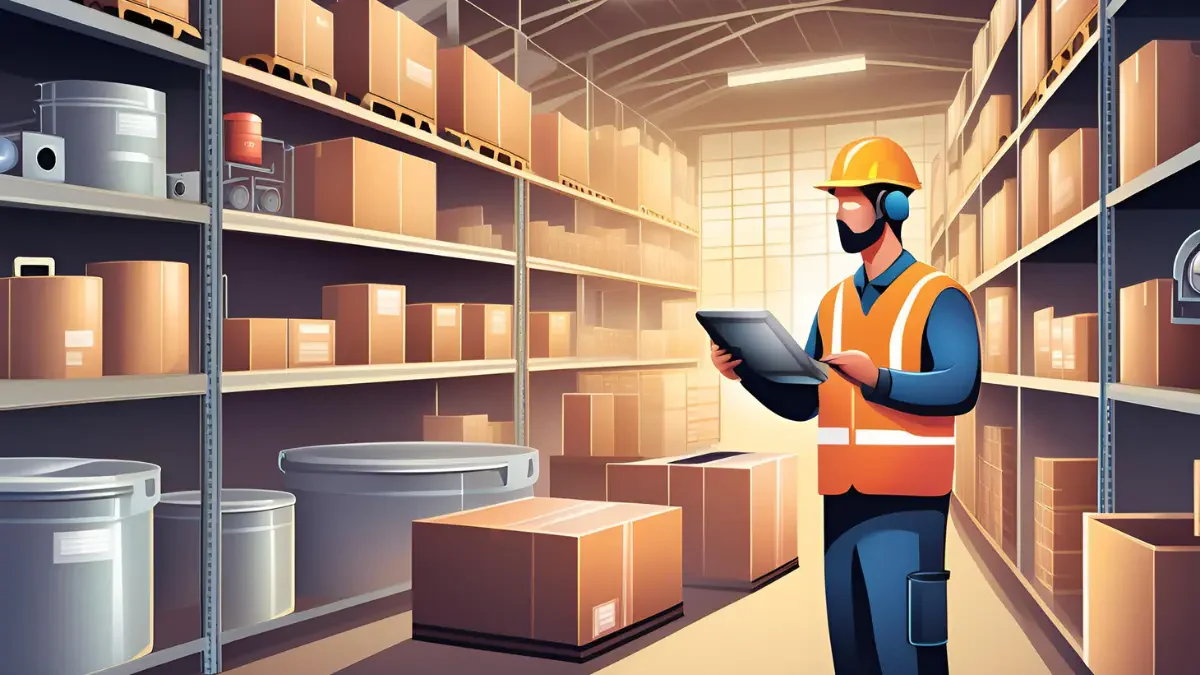
Various types of MRO supplies for maintaining, repairing, and operating equipment and facilities are:
- Consumables: These are items like screws, bolts, and adhesives that are used frequently and need regular replenishment.
- Spare parts: Replacement components such as motors, belts, and gears are vital for repairing and maintaining machinery.
- Tools and equipment: It includes hand and power tools, and specialized instruments required for various maintenance tasks.
- Lubricants and fluids: Oils, greases, and coolants that ensure the smooth operation of equipment and prevent wear and tear.
- Safety supplies: Items like gloves, helmets, and safety goggles are crucial for protecting workers during maintenance activities.
- Cleaning supplies: Detergents, disinfectants, and other cleaning agents to maintain cleanliness in workspaces and equipment.
The Importance of MRO Inventory
MRO inventory optimization is essential for maintaining efficient operations and long-term success. It reduces downtime by ensuring that necessary parts and tools are always available and controlling costs by avoiding overstocking or understocking.
This approach supports smoother daily inventory control and optimizes inventory levels, preventing unnecessary purchases. Additionally, proper management streamlines maintenance processes and enhances safety by keeping essential supplies in stock.
It also increases the lifespan of critical assets through regular maintenance. By maintaining a well-organized MRO inventory, businesses can boost productivity, reduce the risk of equipment failure, and ensure that maintenance activities are carried out without interruptions.
How to Manage MRO Inventory
Managing MRO inventory effectively requires a systematic approach that includes regular monitoring of stock levels, accurate tracking of usage patterns, and timely reordering of essential items.
Moreover, MRO inventory optimization is crucial in this process, as it involves adjusting inventory levels based on usage frequency and criticality, ensuring that high-priority items are always available. Implementing automated processes can help reduce human error and improve efficiency.
To simplify MRO inventory management, provide the necessary tools to optimize inventory levels, track usage in real time, and ensure that maintenance operations run smoothly without interruptions.
Key Components of MRO Inventory Management

MRO inventory optimization helps businesses keep maintenance operations efficient and well-controlled. Companies need to track stock accurately, set automatic reorder points, and manage supplier relationships to avoid shortages, delays, and inconsistent quality. They also need to control costs and review usage patterns regularly so they can maintain the right stock levels, improve budgeting, and support smoother day-to-day operations across the business.
Businesses also need to make sure safety-related MRO items meet required standards to maintain a safer work environment. To measure performance, they should monitor key KPIs such as inventory turnover, stockout frequency, order accuracy, carrying costs, and lead time. These metrics help teams identify process gaps, improve inventory decisions, and keep MRO management aligned with operational targets.
MRO Inventory Management Challenges
While effective MRO inventory management brings numerous benefits, implementing and maintaining such a system can present significant challenges. Addressing these challenges is crucial for reaping the full benefits of MRO inventory management.
- Initial cost and time: Customizing the software to fit your business needs can take time and may cost more upfront.
- Integration with old systems: Connecting the new system with your existing ones or moving data can be tricky and needs careful planning.
- Employee training: Staff will need training to use the new system effectively, which could take time and effort.
- Resistance to change: Employees might resist using new technology. Therefore, it is important to manage the change smoothly to help them adapt.
"Without effective planning, maintenance storerooms see erratic parts usage, leading to increased safety stock levels, higher costs, and frustrations."
Best Practices for MRO Inventory Management

Managing spare parts and maintenance supplies properly helps businesses reduce downtime, avoid unnecessary costs, and support smoother maintenance operations. A more structured approach also makes it easier to control stock levels, improve visibility, and keep essential items available when needed.
Conduct Regular Audits and Review Usage Patterns
Businesses need to check inventory regularly to make sure recorded stock matches actual stock on hand. At the same time, reviewing usage patterns helps teams understand which items move quickly, which ones stay unused, and how stock levels should be adjusted based on real maintenance demand.
- Compare physical stock with system records
- Identify obsolete, damaged, or expired items
- Track fast-moving and slow-moving supplies
Set Reorder Points and Prioritize Critical Items
Not all items need the same level of attention, so businesses should focus more on parts that directly affect equipment uptime and daily operations. Setting reorder points for critical items helps prevent shortages, while inventory classification helps teams allocate time, budget, and storage more effectively.
- Set minimum stock levels for essential items
- Include usage trends and lead time in planning
- Separate critical supplies from routine items
Standardize Inventory Data and Train Employees
Clear naming, coding, and item descriptions make inventory easier to search, track, and manage across departments. However, even a strong system will not work well unless employees understand how to issue parts, record stock movement, and follow the right procedures consistently.
- Use consistent naming and coding for all items
- Remove duplicate or outdated inventory entries
- Train staff on inventory processes and responsibilities
Connect Inventory with Procurement and Supplier Management
Inventory control becomes more effective when it is closely linked with purchasing and supplier performance. Businesses need to align stock planning with maintenance needs, while also reviewing vendors based on lead time, order accuracy, and product quality to avoid delays and supply issues.
- Link inventory planning with procurement and maintenance
- Align purchasing with actual stock requirements
- Monitor supplier reliability and delivery consistency
Track Performance, Safety, and Continuous Improvement
Businesses should measure inventory performance using clear KPIs such as turnover rate, stockout frequency, carrying cost, and lead time. They also need to maintain safety-related items properly and review the overall process regularly so inventory practices stay aligned with operational needs over time.
- Monitor KPIs to identify process gaps early
- Keep safety-critical items available and well-documented
- Review and improve inventory policies regularly
Benefits of an MRO Inventory System

An MRO inventory system helps businesses manage maintenance supplies more efficiently and keep operations running without unnecessary delays. By improving stock visibility and control, companies can reduce waste, avoid shortages, and support maintenance teams with the items they need at the right time.
- Reduced downtime: An MRO inventory system helps ensure critical spare parts and supplies are always available, so maintenance teams can respond faster and prevent equipment-related disruptions.
- Better stock control: With clearer visibility into inventory levels, businesses can avoid overstocking and understocking while keeping essential items ready for daily operations.
- Lower inventory costs: A more organized system helps reduce excess purchases, prevent duplicate orders, and improve budgeting by aligning stock levels with actual usage.
- Improved maintenance planning: Accurate inventory data makes it easier to schedule preventive maintenance and prepare the necessary parts before work begins.
- Higher operational efficiency: By streamlining inventory tracking, reordering, and stock monitoring, businesses can reduce manual work and improve coordination across warehouse, procurement, and maintenance teams.
Conclusion
Managing MRO inventory helps businesses reduce downtime, control maintenance costs, and keep essential operations running without disruption. Teams organize supplies properly, track stock accurately, and plan replenishment with care. This means they can avoid shortages, improve maintenance response, and extend the lifespan of critical assets across the business.
As operations grow, manual tracking often makes it harder to maintain control and visibility. That is why many companies start looking for the best cloud inventory management system to centralize data. With the right system, businesses can manage MRO inventory more efficiently and maintain smoother day-to-day operations.
Frequently Asked Questions About MRO Inventory
Businesses can successfully manage their MRO inventory by focusing on essential items, adopting efficient procurement methods, optimizing storage space, and using an inventory management system designed to meet their specific needs.
The plant maintenance life cycle, part of a company’s maintenance, repair, and operations (MRO) processes, focuses on managing physical assets like buildings and equipment. MRO also includes the tasks needed for the daily operations of a business.
MRO purchasing refers to the process of obtaining the necessary goods and services to maintain, repair, and operate facilities or equipment efficiently.
items used within a specific period. A simple formula is: MRO Cost = Cost of maintenance supplies + repair parts + operating consumables.
MRO focuses on maintaining and repairing equipment, while OEM refers to the original brand or manufacturer of the machine and its genuine components. For example, buying a replacement motor from the machine’s original brand is OEM, while using that motor for maintenance is part of MRO.