






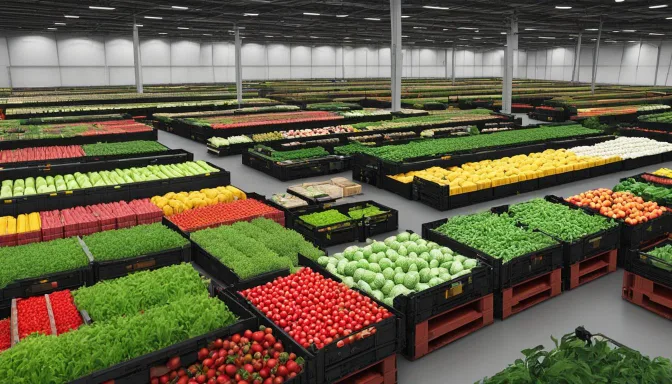
Want to maximize the efficiency and profitability of your farming operations? Look no further than a commercial agriculture warehouse. With specialized storage facilities for perishable produce and advanced climate control and preservation technologies, a commercial agriculture warehouse allows you to optimize your storage management practices. By implementing Warehouse platforms and strategies for maximizing space and minimizing waste, you can ensure that your farming operations are running smoothly.
Commercial agriculture warehouses support sustainable farming by improving storage while promoting eco-friendly practices and better resource use. They help farmers conserve energy, reduce waste, and build more efficient operations. Whether you run a small farm or a large agribusiness, using this type of warehouse can strengthen productivity, support long-term growth, and create a more sustainable agricultural business.

Key Takeaways
Commercial agriculture warehouses reduce spoilage and protect produce quality.
Smart storage and inventory systems improve efficiency and profitability.
Sustainable warehousing supports long-term agricultural growth.
Introduction to Commercial Agriculture Warehousing
Commercial agriculture warehousing plays a crucial role in modern agriculture by providing farmers and agribusinesses with a centralized and efficient storage solution for their agricultural products. These warehouses serve as hubs for storing, organizing, and distributing produce, ensuring that farmers have sufficient space to store their crops and manage their inventory effectively.
By utilizing commercial agriculture warehousing, farmers can benefit from increased operational efficiency, improved product quality, reduced post-harvest losses, and enhanced market access. These advantages ultimately lead to higher profitability and sustainability for both farmers and agribusinesses.
Key Features of Agricultural Warehouses
Agricultural warehouses are equipped with key features that are specifically designed to optimize storage and preservation practices for different types of agricultural products. These specialized storage facilities play a crucial role in ensuring the freshness and quality of produce while maximizing storage efficiency.
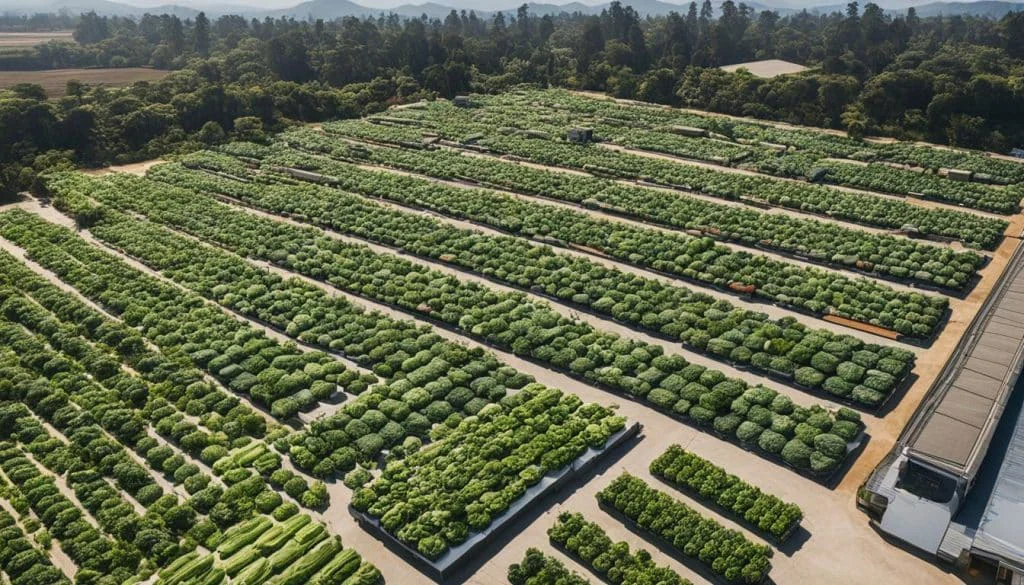
- Temperature-Controlled Rooms: Agricultural warehouses incorporate temperature-controlled rooms that are ideal for storing perishable items such as fruits and vegetables. These rooms are equipped with advanced cooling systems that maintain the optimal temperature and humidity levels, ensuring the longevity of produce.
- Cold Storage Facilities: For products that require low temperatures, agricultural warehouses provide cold storage facilities. These facilities are specifically designed to preserve the freshness and quality of items like meat, dairy products, and frozen produce.
- Climate Control Technologies: Modern agricultural warehouses integrate advanced climate control technologies to create the ideal storage environment. Automated ventilation systems, humidity control mechanisms, and ethylene management systems help regulate atmospheric conditions and minimize spoilage.
- Inventory Management Systems: Efficient inventory management is essential for maximizing storage space and minimizing waste. Agricultural warehouses are equipped with smart inventory systems, including barcode scanning and tracking technologies, to streamline inventory management processes and reduce errors.
By leveraging these key features, agricultural warehouses provide farmers and agribusinesses with specialized storage solutions that optimize product preservation and enhance overall storage management practices.
Modern Challenges for Profitable Farming and the Role of Agriculture Warehousing
Profitable farming in today’s agricultural landscape is not without its challenges. Farmers face various obstacles that can significantly impact their profitability and overall efficiency. Key challenges include:
- Inflation: Fluctuating prices of inputs, such as seeds, fertilizers, and machinery, can increase production costs and reduce profitability.
- Supply chain issues: Disruptions in the supply chain, such as delays in transportation or logistical bottlenecks, can lead to lower market access and potential product spoilage.
- Climate change: Rising temperatures, changing rainfall patterns, and extreme weather events pose significant risks to crop yields, soil fertility, and overall farm productivity.
- COVID-19 pandemic: The ongoing pandemic has disrupted global trade, labor availability, and market demand, impacting farmers’ ability to sell their produce and manage their operations efficiently.
To overcome these modern challenges, farmers need innovative solutions to maintain profitability and increase efficiency. This is where agricultural warehousing plays a crucial role.
The Benefits of Agriculture Software
Agriculture warehousing provides farmers with reliable storage solutions that address the challenges mentioned above. By utilizing well-designed agriculture software warehouses, farmers can:
- Minimize post-harvest losses: Proper storage and preservation techniques offered by agriculture warehouses help reduce spoilage and maintain the quality of the produce.
- Improve inventory management: Commercial agriculture warehouses provide farmers with efficient inventory management systems, enabling them to track, organize, and optimize their storage practices.
- Ensure product quality: Specialized storage facilities, such as temperature-controlled rooms, help maintain optimal conditions for different types of agricultural products, ensuring their quality and increasing market value.
By having access to the right agriculture warehouse, farmers can optimize their operations, mitigate risks, and overcome the modern challenges they face. Effective storage management and preservation practices provided by agriculture warehousing contribute to increased profitability and long-term sustainability in farming.
Innovations in Crop Production and Management for Storage Efficiency
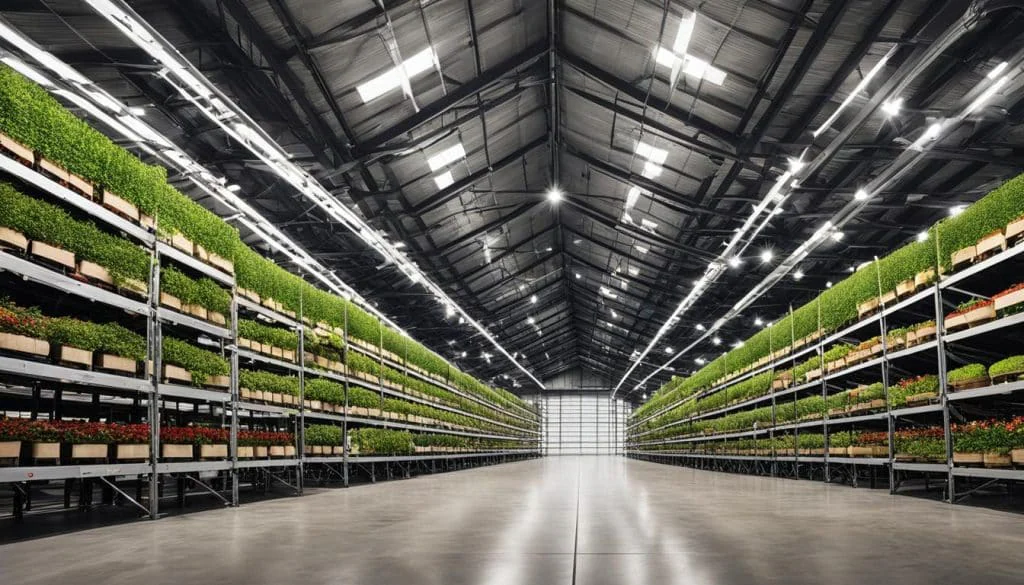
Modern agriculture continues to evolve through innovations that help farmers improve crop production, storage efficiency, and overall farm management. These developments change how businesses grow, monitor, and preserve produce. As a result, farmers can reduce waste, protect product quality, and manage operations more effectively while responding to rising demand and increasingly complex agricultural challenges.
Precision farming helps farmers make faster and more accurate decisions by using real-time data on soil moisture, nutrients, and weather conditions. This approach improves crop yield and quality while reducing post-harvest losses. At the same time, vertical farming helps maximize limited space, making cultivation more efficient and creating a more organized setup for storage and produce handling.
Sustainable irrigation also strengthens storage efficiency by helping farmers use water more wisely and keep crops in better condition. Systems such as drip irrigation and smart irrigation reduce waste, lower spoilage risks, and support longer produce shelf life. By adopting these innovations, farmers can improve profitability, strengthen sustainability, and build more efficient agricultural operations.
Efficient Inventory and Storage Management Practices
Efficient inventory and storage management practices are essential for optimizing the use of agriculture warehouses. By implementing smart inventory and warehouse management system you can streamline management processes, minimize errors, and improve overall efficiency. These systems provide real-time insights, allowing you to track inventory levels accurately and make informed decisions about stock replenishment and order fulfillment.
Additionally, farmers can employ various strategies for maximizing space and minimizing waste within their agriculture warehouses. Implementing vertical storage solutions, such as shelving units and pallet racking systems, enables you to maximize the available vertical space. By utilizing advanced stacking techniques, you can efficiently utilize the available floor space and create organized storage areas.
Furthermore, advanced sorting and organization methods, such as categorizing products based on size, expiration dates, or customer demand, can enhance accessibility and ensure optimal space utilization. By implementing efficient inventory management practices, you can minimize the risk of product spoilage, reduce waste, and improve overall profitability and sustainability.
Sustainable Agricultural Warehousing Solutions
Sustainable agricultural warehousing helps businesses reduce environmental impact while improving efficiency and profitability. Companies can lower energy use with efficient lighting, proper insulation, and renewable energy sources such as solar power. They can also cut waste through recycling systems and better storage practices that support cleaner, more cost-effective warehouse operations.
Resource conservation also plays a major role in sustainable warehousing. Businesses can optimize water use, adopt sustainable farming methods, and reduce packaging waste with eco-friendly materials. These efforts help lower emissions, improve operational efficiency, and strengthen long-term competitiveness in a market that increasingly values sustainable agricultural practices.
Conclusion
Warehouse storage in commercial farming enables farmers to maintain the quality of the products, minimize losses after the harvest, and improve the efficiency of inventory management. With the use of specialized storage facilities, improved methods of inventory management, and sustainable warehouse practices, a business can improve its profits while dealing with the challenges of modern farming practices. Finding the best warehouse management software is needed for farmers and agricultural businesses; modern problems require modern solutions.
FAQ for Commercial Agriculture Warehouse
A warehouse in the Philippines does not have one fixed construction cost because pricing depends on location, land condition, structure, ceiling height, fire protection, utilities, and refrigeration needs. As a rough benchmark, some 2025 industry estimates placed industrial development costs at around ₱30,000 per square meter. Cold storage warehouses usually cost more because they require insulation, refrigeration systems, and stricter compliance requirements.
The 5S standard is a workplace organization method that stands for Sort, Set in Order, Shine, Standardize, and Sustain. In warehousing, it helps businesses keep storage areas clean, organized, and easier to manage, which supports better visibility, less waste, and smoother daily operations.
Not all of them do. However, if the facility operates as a cold storage warehouse for commercial storage of local or imported agricultural and fishery products, DA accreditation is generally required. The responsible office depends on the commodity, such as BFAR for fishery products, NMIS for meat, BPI for fruits and vegetables, and BAI for eggs, milk, and animal feeds.
The exact requirements depend on the commodity and the DA bureau handling the application, but common documents include a business permit, sanitary permit, certificate of water potability, and DENR or LLDA permit to operate for pollution-control installations or an exemption document. Many applications also require proof of ownership or lease, facility details, layout or photos, and the relevant DA accreditation or license to operate.