









 Limited to 100 registrants
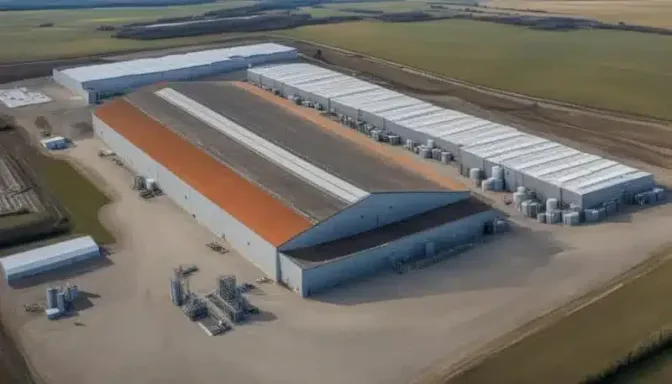
When storing and handling hazardous materials, it’s crucial to have a secure and compliant warehouse. In the Philippines, strict regulations ensure the safety of workers, the environment, and the surrounding community.
Whether you’re dealing with flammable, corrosive, or toxic substances, having a reliable warehouse solution is key to preventing accidents, ensuring compliance, and protecting your business reputation.

Key Takeaways
Proper hazmat storage is essential to prevent accidents and ensure safety. Complying with regulations in the Philippines helps protect workers, the environment, and a business’s reputation.
Effective management of hazmat warehouses requires strict protocols for handling, storage, and labeling to prevent accidents. Emergency response plans, regular training, and ongoing risk management are essential for worker and environmental safety.
Hazmat warehousing requires compliance with regulations, employee training, and proper use of PPE to ensure safety. Implementing safety management systems and using advanced warehouse platforms help minimize risks and improve control.
Chemical Warehouse, Hazmat Warehouse: Ensuring Secure Storage and Handling
Chemicals and hazardous materials require specialized storage and handling due to their unique risks, such as chemical reactions, flammability, toxicity, and environmental impact. Implementing proper hazmat storage solutions is essential to prevent accidents and ensure safe storage.
It’s also crucial to comply with hazmat warehousing regulations in the Philippines to maintain safety standards and regulatory compliance. By following these guidelines, businesses can protect workers, minimize accidents, safeguard the environment, and maintain a strong reputation.
Managing and Operating Hazmat Warehouses
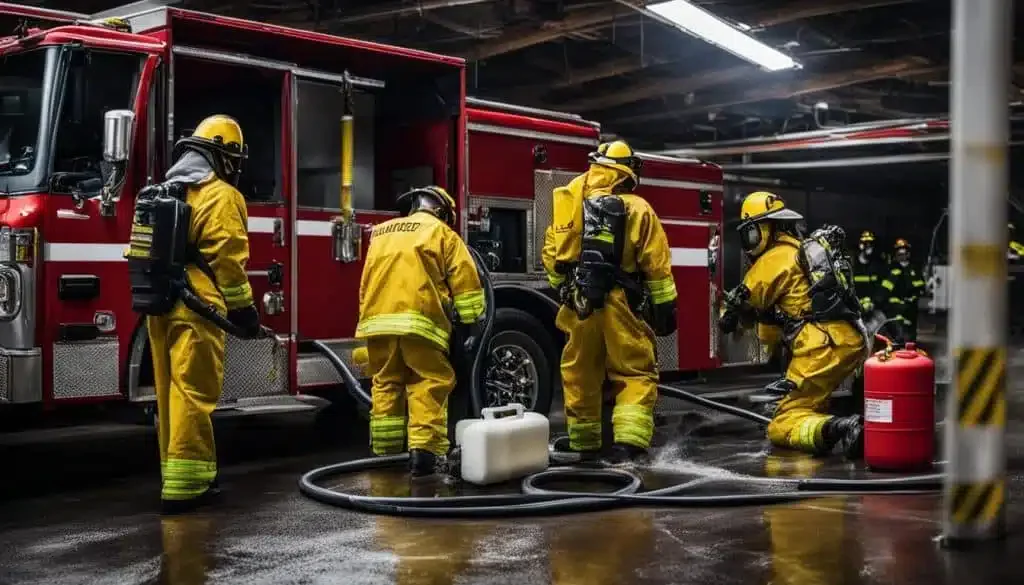
Managing hazmat warehouses requires strict protocols for handling, storing, and labeling hazardous materials to prevent accidents and ensure compliance. Proper procedures for receiving, inventory management, and segregation are essential for minimizing risks.
Additionally, businesses must have clear emergency response plans with evacuation procedures and regular training. Effective risk management through safety controls, inspections, and ongoing monitoring of hazardous materials is key to protecting workers and the environment.
HashMicro’s Warehouse Management Software makes it easier to manage hazmat warehouses by automating inventory tracking, labeling, and safety processes, helping ensure compliance and reduce risks.
Regulations for Hazmat Warehousing in the Philippines
In the Philippines, hazmat warehousing is primarily governed by Republic Act No. 6969, which controls the storage, handling, transport, and disposal of toxic substances and hazardous wastes.
Warehouses must also comply with Republic Act No. 11058 and the Occupational Safety and Health Standards, which require employers to implement safety programs, provide worker training, maintain chemical safety information such as SDS, and use proper protective equipment.
In addition, Republic Act No. 9514 or the Fire Code of the Philippines sets fire safety requirements for facilities that store hazardous materials, making fire prevention, emergency response, and inspection compliance essential for lawful warehouse operations.
Challenges and Best Practices in Hazmat Warehousing
Hazmat warehousing presents unique challenges that require careful attention to ensure safety, compliance, and efficiency. Adopting industry best practices and following strict regulatory guidelines are essential for creating a safe work environment and protecting both employees and the environment. Here are the key best practices for managing hazmat warehouses effectively:
| Best Practices | Description |
|---|---|
| Regulatory Compliance | Navigate complex regulations in the Philippines, including obtaining permits, conducting inspections, and ensuring proper documentation to maintain compliance. |
| Employee Training | Equip employees with the knowledge and skills to minimize risks and prevent accidents, creating a safe work environment. |
| Personal Protective Equipment (PPE) | Provide appropriate PPE like gloves, goggles, and respirators to ensure safety when handling hazardous materials. |
| Safety Management Systems | Implement protocols for handling, storage, and emergency response to identify and mitigate risks effectively. |
| Use of Top Warehouse Platforms | Use advanced warehouse platforms to simplify safety processes and provide better control and faster responses. |
Sustainability and Environmental Considerations
Minimizing the environmental impact of hazmat warehousing involves proper waste management, using eco-friendly packaging, and adopting green technologies like energy-efficient equipment. These practices help reduce waste and carbon emissions, contributing to a more sustainable future.
By prioritizing sustainability, businesses not only protect the environment but also show corporate responsibility, supporting the transition to a greener economy.
Conclusion
In conclusion, managing a hazmat warehouse requires strict safety protocols and compliance with regulations to ensure worker and environmental safety. Proper storage, employee training, and emergency plans are essential to prevent accidents.
Embracing sustainable practices like waste management and eco-friendly packaging reduces environmental impact and shows corporate responsibility, helping businesses maintain compliance and a strong reputation.
FAQ About Hazmat Warehousing
Hazmat warehousing involves the secure storage and handling of hazardous materials such as chemicals, flammable substances, and toxic materials, ensuring safety and regulatory compliance.
In the Philippines, businesses must adhere to specific laws and guidelines for storing hazardous materials, including obtaining permits, conducting inspections, and ensuring proper documentation for safety and compliance.
Employee training is crucial to ensure workers have the knowledge and skills to safely handle hazardous materials, minimize risks, and respond effectively to emergencies in a hazmat warehouse environment.
Hazmat warehouses must have strict protocols for receiving, inventory management, labeling, segregation, and emergency response, as well as regular safety inspections to mitigate potential risks.
Businesses can minimize their environmental impact by implementing waste management systems, using eco-friendly packaging, and adopting green technologies like energy-efficient equipment and renewable energy sources.