








 Limited to 100 registrants

Many companies face delays and inefficiencies due to outdated HR processes. Manual recruitment wastes time and resources. But what if there was a better way?
A Human Resource Management System (HRMS) can cut administrative tasks by up to 50%, allowing HR teams to focus on more important things. With faster, more accurate processes, companies can hire better talent and make smarter decisions.
Wondering how HRMS can change things for your team? Keep reading to discover the benefits and learn how to choose the right system for your business.
Key Takeaways
This software automates and simplifies HR tasks, integrating employee data into a single, accessible system. It helps HR teams save time and reduce errors in recruitment, payroll, and performance management.
How HRMS Works: It centralizes employee data and automates tasks like payroll processing, recruitment, and attendance tracking. This enables HR teams to focus on strategic decisions instead of routine administrative work.
HRMS minimizes operational risks by ensuring payroll accuracy and automated compliance with labor laws.
Implementing an HRMS transforms HR from a reactive administrative department into a proactive strategic partner by leveraging automated data insights.
What is a Human Resource System?
Paragraph content...
A human resource management system (HRMS) is software that centralizes employee records and automates core HR processes such as recruitment, attendance, payroll, benefits administration, performance management, and workforce reporting. It gives HR teams one accurate source of employee data and removes manual, error-prone admin work across the entire employee lifecycle.
If your company ready to automate HR processes, explore HashMicro HRMS Software for payroll, attendance, recruitment, performance management, and workforce reporting in one integrated platform.
History of Human Resource Management System (HRMS)
HRMS has evolved alongside workforce management needs:
- Early 20th century: Personnel departments handled hiring and payroll manually.
- 1970s: Mainframe computers introduced payroll automation, marking the first phase of HRMS.
- Late 1980s: Client-server HR software expanded features such as employee data management.
- 1990s: Web-based HRMS improved accessibility and integration.
- Today: With cloud computing and AI for HR, modern HRMS streamlines talent management and workforce planning.
These advancements continue to shape HR operations, making them more efficient and data-driven.
HRMS vs HRIS vs HCM: Key Differences
| Aspect | HRIS | HRMS | HCM |
|---|---|---|---|
| Primary focus | Core HR data & administration | Operational HR management | Strategic, end-to-end people management |
| Typical capabilities | Employee records, payroll, benefits, attendance | Everything in HRIS + time & labor, recruitment, performance | Everything in HRMS + talent, learning, succession, workforce planning |
| Best for | SMEs needing reliable records & payroll | Growing companies automating daily HR operations | Enterprises managing the full employee lifecycle strategically |
| Scope | Foundational | Broad / operational | Comprehensive / strategic |
How Does HRMS Work?

HRMS brings all HR processes into one system, making managing and automating tasks like payroll, recruitment, and performance tracking easier. This way, HR teams can quickly access and manage important information. This is how it works:
- HRMS stores all employee data in one system, including personal details, job history, and payroll.
- It automates routine tasks like attendance tracking, payroll processing, and recruitment, reducing manual effort.
- The system includes modules for key HR functions like performance management, training, and onboarding.
- HRMS uses data analytics to provide insights into workforce trends and employee performance.
With HRMS, HR teams can focus more on strategic tasks and less on everyday admin work. It connects all employee data into one platform, making it easier to manage and more accurate. This is similar to how a human resource information system serves as the centralized data backbone before broader automation is layered on top. But what are the actual functions that you can expect when using it?
Key HRMS Functions and Benefits for Your Business
Key HRMS Functions and Benefits for Your Business
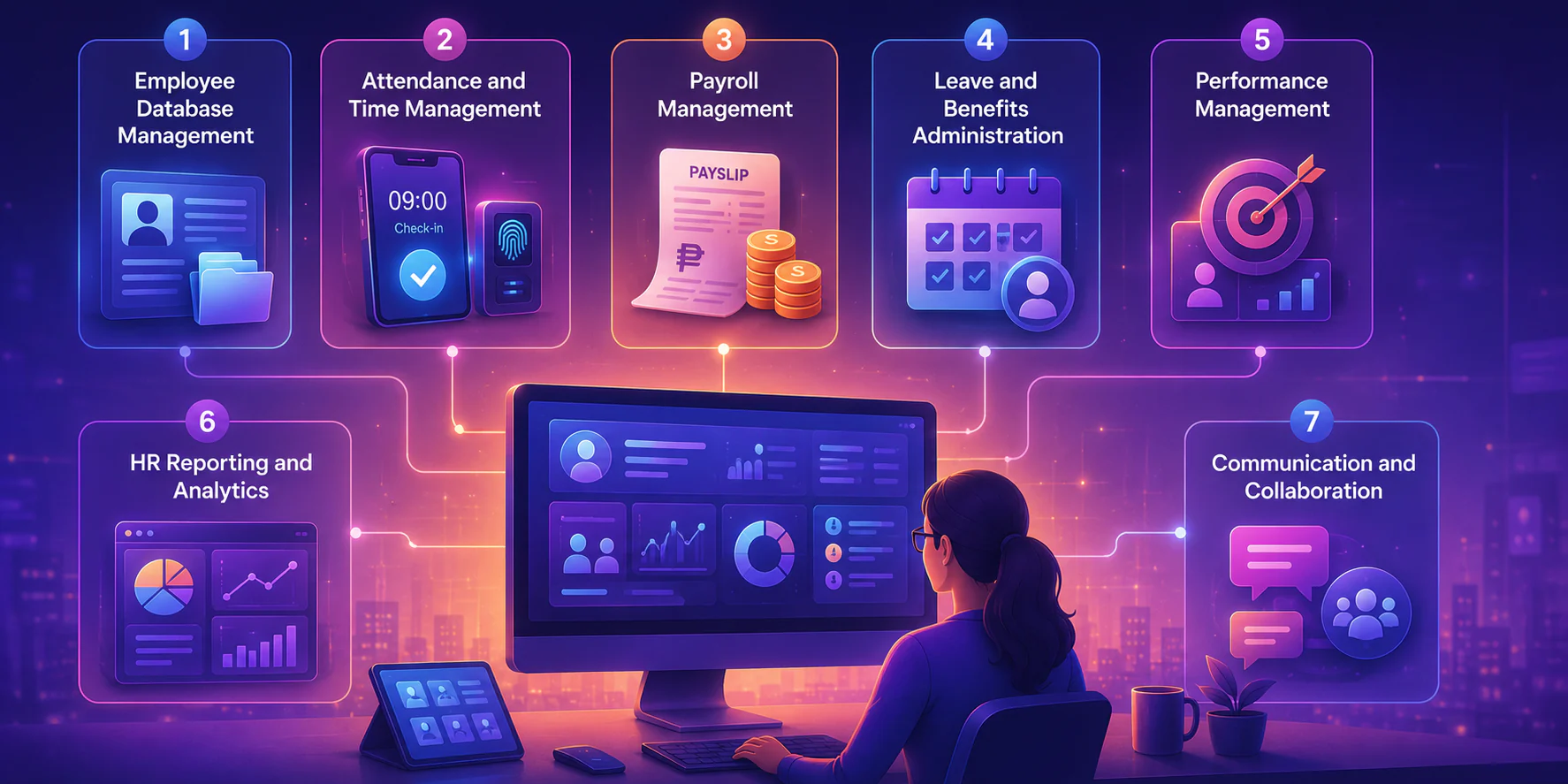
An HRMS performs various tasks to automate HR processes, making them more efficient and effective. Here are the key functions of an HRMS:
Below are its core functions and what each one really does.
- Employee database management keeps all employee records like personal details, contracts, salary data, and documents in one real-time system, so you get one source of truth instead of scattered files.
- Attendance and time management capture clock-ins, shifts, and overtime automatically through biometrics or a mobile app, so payroll runs on real hours, not month-end guesswork.
- Payroll management system computes gross-to-net pay, applies SSS, PhilHealth, Pag-IBIG, and BIR withholding, and generates payslips on schedule, so employees get paid correctly and on time.
- Leave and benefits administration manages leave requests, tracks balances, and handles enrollment through self-service, so you get accurate leave records and far fewer incoming emails.
- Performance management sets goals, performance appraisals, and keeps feedback in one place, so reviews lean on actual records instead of memory.
- HR reporting and analytics turns HR data headcount, turnover, attendance, labor cost into live dashboards, so you get answers in minutes, even across multiple branches.
Communication and collaboration connects employees through built-in messaging, announcements, and live feeds, so updates reach the right people fast and teamwork doesn't get stuck in scattered email threads.
By handling these functions, HRMS reduces administrative tasks, improves accuracy, and supports smarter decision-making, making HR operations more efficient. These functions are nice, but how does it benefit you?
Taken together, these functions show why an HRMS matters most as a source of fast. Considering every process runs on one connected system, management can pull the workforce data they need in minutes instead of waiting on manual reports. That speed is the real payoff of using HRMS effectively.
Who Uses HRMS Software?
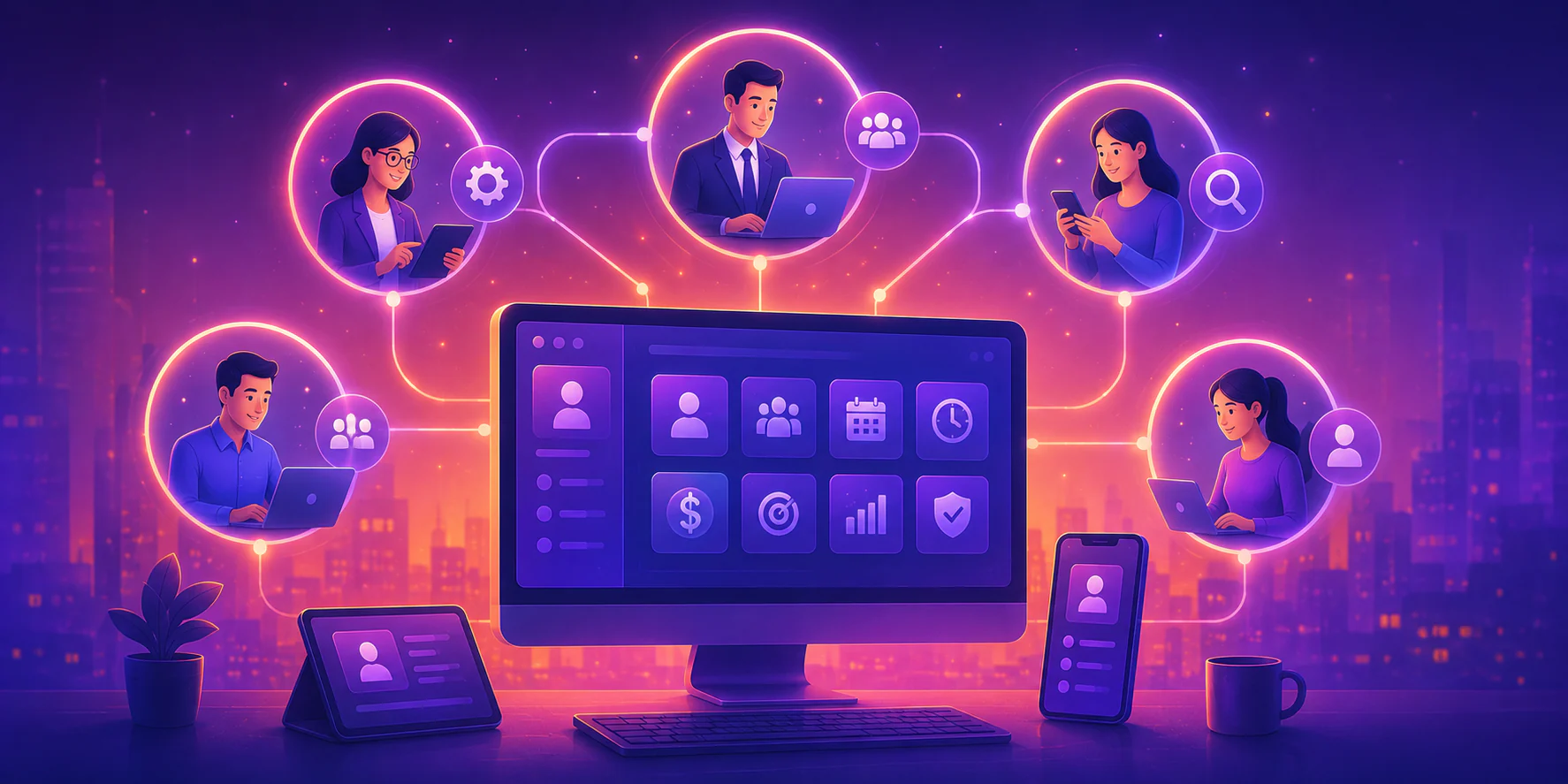
A modern HRMS system is designed to streamline processes and enhance efficiency for all organizational stakeholders. Here are the key users of an HR management system:
- HR professionals: HR teams leverage an HRMS to manage payroll, benefits, recruitment, and compliance in one place, freeing time for strategic workforce planning.
- Recruiters: Recruiters benefit from a centralized HRMS that simplifies post jobs, track candidates, and run the interview process from a single system for a smoother hiring workflow.
- Candidates: Dedicated HRMS portals let candidates search for openings, follow application progress, and accept offers through a self-service portal.
- Managers: Managers use an HR management system to oversee team structures, track attendance, approve leave, and review performance.
- Employees: Employees rely on HRMS software to update personal data, request leave, and track goals through self-service dashboards.
An HRMS system enhances workflows and engagement across all levels, making it an essential tool for modern businesses. HRMS can improves efficiency and collaboration within organizations by addressing diverse needs.
When Should a Business Implement an HRMS?
If your HR team struggles with manual tasks like payroll, recruitment, and managing employee data, an HRMS could be the solution. It automates these tasks, saving time and reducing errors. It also centralizes your data, making it easy to access and analyze so you can make smarter decisions for your business.
A business should consider implementing an HRMS when daily HR work starts taking more time than it should. This often happens when employee data is scattered across spreadsheets, payroll errors become more frequent, leave balances are hard to track, or managers cannot get quick reports on attendance, headcount, and workforce costs.
An HRMS also becomes more important as the company grows across teams, branches, or locations. At that point, manual HR processes can slow down approvals, increase compliance risks, and make it harder for management to see what is really happening across the workforce. By moving to an HRMS early, businesses can keep HR operations organized before small issues turn into bigger operational problems.
How to Choose the Right HRMS for Your Business
The right HRMS is ultimately the one that fits how your team already works, not the one with the longest feature list. Once your must-have functions, compliance needs, and budget are clear, it becomes far easier to see which system genuinely supports your day-to-day HR operations.
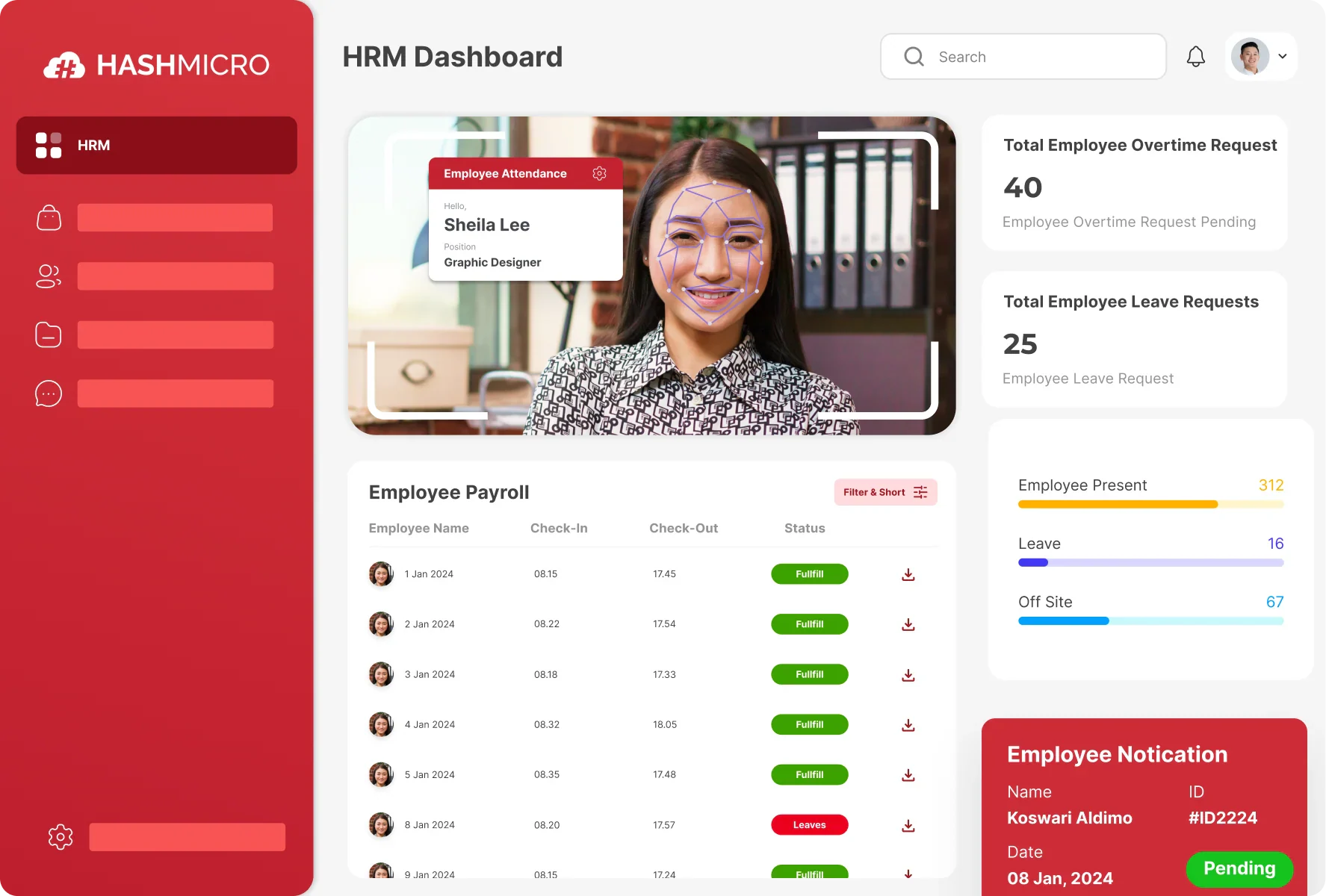
This is where HashMicro HRMS fits in. Trusted by over 3,000 companies across Asia Pacific, it brings HR into one connected system with Philippine payroll compliance built in rather than added on later:
- Employee database management keeps records, contracts, and documents in one real-time system, so you get one source of truth instead of scattered files.
- Attendance and payroll capture real hours and compute SSS, PhilHealth, Pag-IBIG, and BIR automatically, so people get paid correctly and on time.
- Leave and performance management handle requests and appraisals through self-service, so you get accurate balances and reviews based on actual records.
- HR reporting and analytics turn activity into live dashboards, so you get answers in minutes, even across multiple branches.
For teams that have outgrown spreadsheets and disconnected tools, that kind of unified, locally compliant setup is often what keeps HR ahead instead of always catching up.
Once you have shortlisted a system, make sure it supports your broader human resource management strategy so the tool improves how your company manages people, not just how it stores HR data.
Conclusion
A Human Resource Management System (HRMS) is software that automates HR tasks, integrates employee data, and improves efficiency. It helps HR teams focus on strategic goals instead of routine administrative tasks, driving business growth and better decision-making.
With HRMS, HR teams can save time and reduce errors by automating processes like payroll and recruitment. This system offers streamlined functions like performance management, onboarding, and reporting for improved efficiency.
Frequently Asked Questions
The best software depends on your business needs, but a good one should automate key tasks and ensure compliance. HRMS needed to includes payroll automation, performance tracking, and real-time analytics.
The main aim is to automate HR tasks and centralize employee data for better efficiency. It helps reduce errors, save time, and improve decision-making through real-time insights.
The objectives are to streamline HR operations, enhance accuracy, and support strategic decision-making. Through automation and centralized data, it also ensures compliance, boosts productivity and improves the employee experience.
Yes, cloud-based HRMS platforms allow authorized users to securely manage HR tasks from any location with an internet connection.