







Days sales outstanding (DSO) shows how quickly a business turns credit sales into cash. Shorter trade credit cycles improved short-term cash flow. That evidence explains why delayed payments can create pressure for smaller businesses.
Every business can improve its collection process with the right information. A high DSO may signal slow customer payments, weak follow-up, or billing delays. However, the number needs context because payment terms, industry practices, and customer mix can affect the result.
Small businesses depend on steady cash inflows to fund daily operations and growth. This guide explains what DSO means, why it matters, how to calculate it, and which steps can improve collections. Use these insights to monitor receivables and make more confident cash flow decisions.
Key Takeaways
DSO measures the average number of days a company takes to collect payments from credit sales.
Calculate DSO by dividing average accounts receivable by net credit sales, then multiplying by the days in the period.
Use DSO to evaluate collection efficiency, monitor cash flow, assess credit risk, and improve payment policies.
HashMicro Accounting Software automates payment reminders, DSO tracking, receivables management, and financial reporting.
What is Days Sales Outstanding?
Days sales outstanding (DSO) measures the average number of days a business takes to collect payment after a credit sale. Companies divide average accounts receivable by net credit sales, then multiply the result by the days in the period. The sales journal records these credit sales for accurate calculation.
A low DSO means customers pay quickly and cash returns to the business fast. A high DSO signals slow collections that tie up working capital. Delayed payments also carry a cost because money received later loses value over time.
The meaning of a good DSO varies across industries. Finance companies often work with longer payment terms, while agriculture and fuel businesses need faster collections. Small companies feel this pressure more because they depend on steady cash flow to cover daily operations.
Days Sales Outstanding Formula
The days sales outstanding formula measures how many days a business needs to collect credit sales. Use average accounts receivable, net credit sales, and the number of days in the period. For annual calculations, divide average accounts receivable by net credit sales, then multiply the result by 365.
DSO Formula:
DSO = (Average Accounts Receivable ÷ Net Credit Sales) × Days in Period
Annual DSO formula:
DSO = (Average Accounts Receivable ÷ Net Credit Sales) × 365 Days
Where:
Average Accounts Receivable = (Beginning Accounts Receivable + Ending Accounts Receivable) ÷ 2
Net Credit Sales = Gross Credit Sales − Returns − Allowances − Discounts
Average accounts receivable uses the beginning and ending balances for the selected period. Net credit sales exclude returns, allowances, and discounts related to those sales. This approach keeps the DSO formula aligned with receivables created by credit transactions.
A lower DSO usually indicates faster collections and stronger liquidity. A higher DSO may signal delayed payments, weak follow-up, billing errors, or loose credit terms. Compare the result with industry benchmarks, customer payment terms, and prior periods before judging performance.
Higher DSO:
- More cash remains tied up in accounts receivable.
- Delayed payments can restrict funds for daily operations.
- Billing errors or weak follow-up may slow collections.
Lower DSO:
- Customers pay invoices faster.
- The business can fund operations and capital expenditures sooner.
- Strong collections may reduce cash flow pressure and support reinvestment.
Accurate DSO reporting depends on consistent receivables and sales records. Use the DSO formula regularly to monitor collection performance and identify cash flow pressure early. An integrated accounting system can automate receivables tracking, period calculations, and financial reporting. This helps teams investigate payment delays and choose practical collection actions.

How to Calculate DSO
Let’s apply the calculation to a fictional Filipino company, PinoyTech Solutions. The company reports ₱1.5 million in accounts receivable (A/R) and ₱10 million in revenue. Assuming all revenue came from credit sales, divide A/R by revenue to get 15%. Multiply 15% by 365 to estimate a collection period of about 55 days.
Here is the breakdown:
- Accounts Receivable (A/R) = ₱1,500,000
- Net Credit Sales = ₱10,000,000
- A/R as a Percentage of Net Credit Sales = 15%
- Days Sales Outstanding (DSO) = 15% × 365 days = 55 days
This is what it looks like using the DSO formula:
DSO = (₱1,500,000 ÷ ₱10,000,000) × 365 Days = 54.75 Days ≈ 55 Days
This result means PinoyTech Solutions has recognized revenue under accrual accounting but has not collected the cash yet. The company takes approximately 55 days to receive customer payments after making a credit sale.
For a more accurate calculation, use average A/R by adding the beginning and ending balances, then dividing the total by two. A billing system can help organize these records and support consistent DSO calculations. Using ending A/R provides a simpler estimate when beginning and ending balances are unavailable.
The Importance and Application of DSO
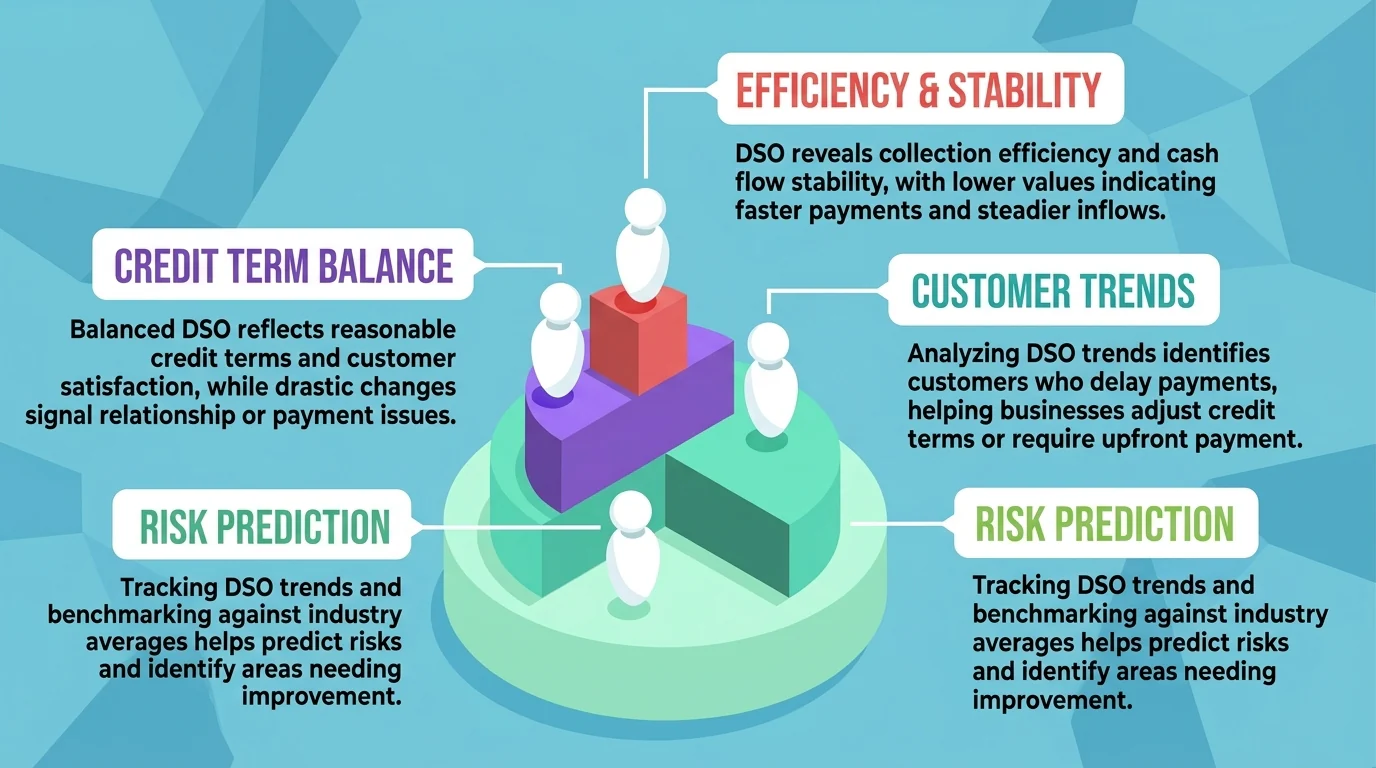
Days sales outstanding (DSO) helps businesses measure collection performance and protect cash flow. It shows how long customers take to pay after credit sales. A rising DSO can signal delayed collections, weak credit controls, or financial pressure. Regular monitoring helps teams respond before payment delays affect operations and financial commitments.
Businesses apply DSO to review receivables, compare collection results, evaluate customer payment behavior, and refine credit policies. They can also compare DSO with industry norms and related measures.
The following applications show where DSO supports practical decisions:
- Evaluate collection efficiency: Compare current DSO with past results to identify whether the collections team recovers receivables promptly or needs stronger follow-up actions.
- Monitor cash flow stability: Track DSO trends to estimate when receivables may become cash and protect funds for payroll, suppliers, taxes, and operating expenses.
- Assess customer creditworthiness: Review payment patterns and DSO by customer to identify recurring late payers and set suitable credit limits, deposits, or payment terms.
- Track trends and predict risks: Rising DSO can reveal collection delays, billing problems, or overextended credit before they create serious cash flow pressure for the business.
- Benchmark performance and adjust policies: Compare DSO with industry norms, then refine credit rules, early-payment incentives, and customer communication without harming relationships.
DSO provides the most value when teams review it with payment terms, industry norms, and historical results. A DSO below 45 days may look favorable, but businesses should set targets that match their sales cycle and customer agreements. Trends usually matter more than one isolated result.
Use DSO alongside other working capital measures to understand the full cash cycle. For example, days sales in inventory (DSI) shows how long inventory remains before sale. Together, these metrics help leaders improve collection plans, inventory decisions, and cash flow forecasting.
What Indicates a Good DSO Ratio?
A good DSO ratio shows that a company collects customer payments efficiently and maintains healthy cash flow. Many businesses view DSO below 45 days as favorable, but the right target depends on industry, payment terms, and customer mix. Stable results that align with industry benchmarks usually indicate effective credit and collection policies.
Seasonal industries may show predictable DSO changes during busy or slow periods, which do not always indicate a problem. However, unpredictable or rising DSO can signal inefficient collections or weak credit decisions. In Credit Research Foundation 2026 data, the best possible DSO was 34.00 days this quarter, compared with 40.12 days last quarter.
Limitations of Days Sales Outstanding
 Days sales outstanding (DSO) helps assess how efficiently a company collects customer payments, but comparisons require similar industries, business models, and revenue profiles. Businesses in different sectors often follow different credit terms and collection cycles, so comparing their DSO figures can produce misleading conclusions about financial performance.
DSO becomes less meaningful when companies have different proportions of credit sales. A business with mostly cash sales may report a low DSO without strong collections. Sales volume can also distort the metric because higher sales may lower DSO even when payment performance remains unchanged.
Use DSO with other financial indicators to evaluate accounts receivable performance more accurately. Pairing it with delinquent days sales outstanding (DDSO), aging reports, and a cash flow statement example can reveal whether low DSO reflects healthy collections, limited credit sales, or temporary revenue changes.
Review trends over several periods instead of relying on one result. Analyze days sales outstanding alongside payment terms, credit sales, sales volume, and cash movements. This broader view helps finance teams identify collection risks and make better working capital decisions.
How to Lower DSO
Businesses can lower days sales outstanding by improving credit policies, following up on overdue invoices, and accelerating billing. The right approach depends on customer payment behavior, industry norms, and cash flow needs. Companies should combine several measures instead of relying on one tactic to improve collections without damaging relationships.
Use the following strategies to reduce DSO and strengthen working capital:
- Reduce credit exposure: Limit extended credit terms or offer discounts to customers who pay in cash.
- Address repeat late payers: Identify customers with recurring delays and require deposits, upfront payments, or stricter terms.
- Conduct credit checks: Review customer creditworthiness before approving installment arrangements or long payment periods.
- Use accounting software: The best integrated accounting platform can track invoices, send payment reminders, and generate collection reports.
However, an extended DSO does not always indicate inefficiency. A major customer may negotiate longer terms yet pay reliably and contribute substantial revenue. Evaluate payment history, customer relationships, industry benchmarks, and product or service characteristics before changing credit policies. This context helps teams distinguish manageable terms from genuine collection risks.
Manage Your Days Sales Outstanding Effectively with HashMicro
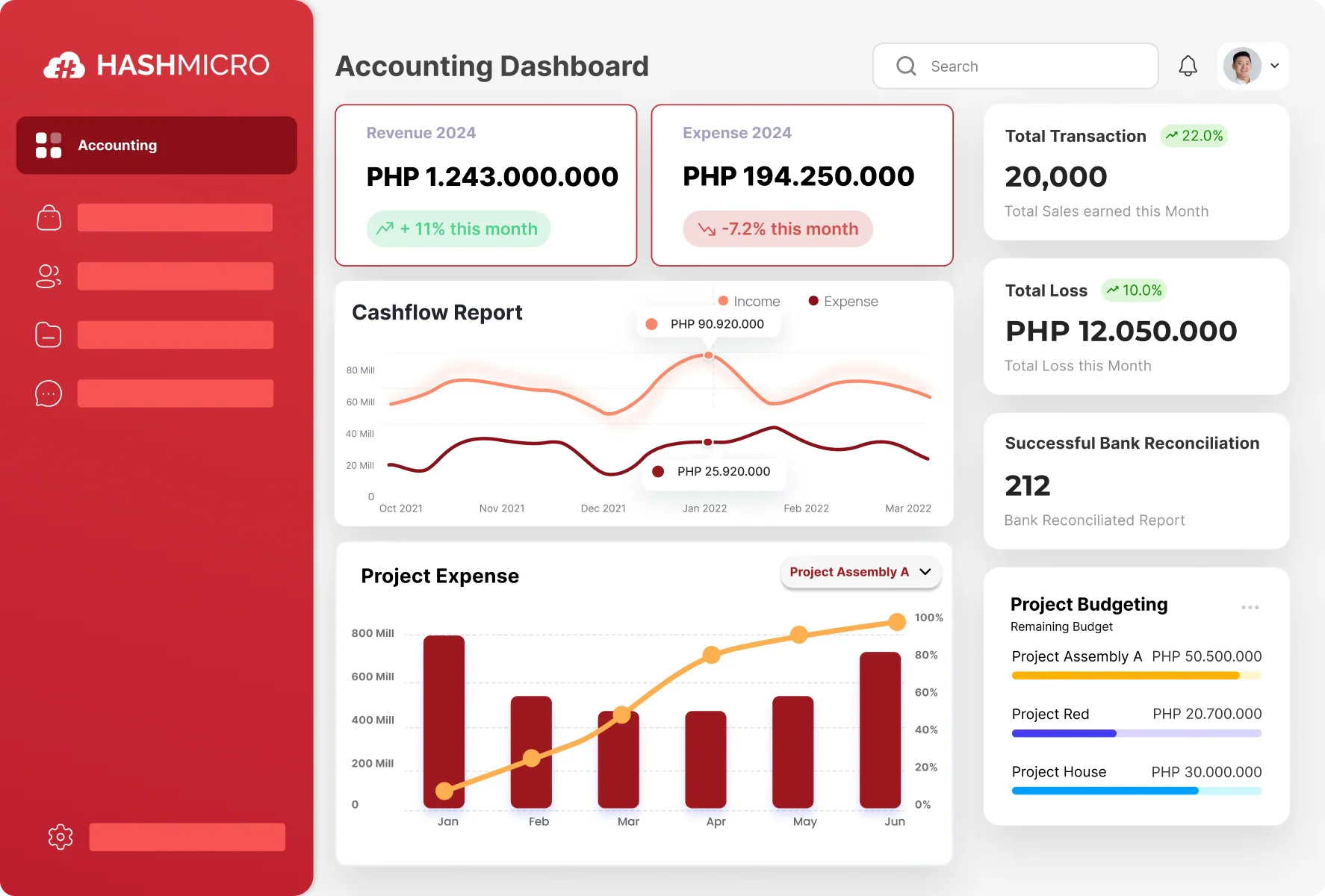 Delayed payments can hold back your cash flow and slow business growth. A high days sales outstanding means money stays trapped in unpaid invoices instead of funding daily operations. Lowering DSO helps you collect faster, protect liquidity, and keep every sale contributing to steady growth.
Manual tracking makes collections slow and error-prone. Accounting Software from HashMicro automates payment reminders, tracks DSO in real time, and organizes receivables in one place. Your team spends less time chasing invoices and more time acting on accurate financial data.
With HashMicro, you get more than basic bookkeeping support. The platform combines automation, reporting, and ease of use in one system. These built-in capabilities help your team manage receivables with confidence:
- Business Intelligence (BI) tools to turn financial numbers into actionable insights.
- Unlimited users so your whole team can work together without extra fees.
- BIR-certified reports that speed up financial reporting and tax filing.
- A user-friendly interface that makes managing finances simple for everyone.
Over 2,000 companies across Southeast Asia trust HashMicro to manage transactions and generate reports. The system scales with your needs, from daily transaction tracking to complete financial statements. Schedule a free demo today and see how much faster your collections can become.
Conclusion
Days sales outstanding (DSO) shows how quickly a business collects payments after credit sales. A healthy DSO reflects effective credit policies and steady cash flow. Many industries treat results below 45 days as favorable, but trends over time reveal more than a single result.
Struggling with high DSO? HashMicro Accounting Software simplifies collections by automating invoicing, sending payment reminders, and tracking receivables in one system. More than 2,000 companies across Southeast Asia trust the platform to manage transactions and generate accurate financial reports.
Transform how you manage finances with HashMicro's BIR-certified reporting and Business Intelligence dashboards. These features help you cut collection delays and strengthen cash flow. Book a free consultation today to see how well the platform fits your business.

FAQ About Days Sales Outstanding
A higher DSO indicates slower collection of receivables, which can tie up a company’s working capital and limit its ability to invest in operations or growth opportunities. Conversely, a lower DSO suggests quicker collections, enhancing liquidity and financial flexibility.
Companies can improve DSO by implementing stricter credit policies, offering early payment discounts, automating invoicing processes, and actively following up on overdue accounts to expedite collections.
No, DSO is specifically a measure of the efficiency of collecting credit sales. For companies that operate solely on cash sales, DSO is not applicable, as there are no receivables to track.
Yes, seasonal variations can impact DSO. During peak sales periods, increased credit sales may temporarily raise DSO, while off-peak periods might lower it. Analyzing DSO trends in the context of seasonal patterns is essential for accurate assessment.