









 Limited to 100 registrants

Ever wondered why some companies stay lean and profitable while others drown in excess stock? Jit inventory management gives managers the power to cut waste and improve efficiency, but only if supported by accurate data and reliable processes.
In reality, many businesses still struggle with supplier delays, poor forecasting, and system silos, making jit inventory control difficult to maintain. These challenges hit even harder in fast-moving sectors like CPG, where JIT inventory management system is essential to avoid costly disruptions.
A global dress distributor reduced overstock by 40% after adopting AI-driven tools, proving how technology accelerates JIT success. With HashMicro’s inventory system providing real-time visibility and automated forecasting, implementing jit inventory becomes far simpler and far more dependable.
Key Takeaways
Implementing Just-in-Time (JIT) inventory management allows businesses to align stock levels with actual demand, reducing waste and optimizing operational costs.
While JIT inventory systems improve efficiency, businesses must address challenges such as supplier reliability, demand forecasting, and adapting to unforeseen disruptions.
The pros of JIT include lower inventory costs, while its cons include reliance on reliable suppliers and accurate demand planning.

What is Just-in-Time (JIT) Inventory Management?
Just-in-Time (JIT) inventory management is a strategic approach that helps businesses optimize stock levels by receiving materials only when needed for production or sales. This method ensures companies maintain minimum inventory while meeting demand, reducing storage costs, and eliminating inefficiencies such as overstocking or unnecessary capital investment in idle goods.
By aligning JIT inventory systems with real-time customer demand and supply chain optimization, businesses can enhance operational efficiency and prevent wastage. This strategy requires close collaboration with reliable suppliers to ensure raw materials arrive precisely when production begins, avoiding costly delays while maintaining a seamless JIT supply chain.
The just-in-time inventory system is widely used in manufacturing, retail, and food services to improve productivity while reducing unnecessary stockpiling. With an accurate demand forecasting approach, businesses can leverage just-in-time inventory management to remain agile, lower expenses, and focus on growth rather than inventory holding concerns.
The Evolution and History of Just-in-Time Inventory

The concept of JIT inventory management emerged in post-World War II Japan as a strategic response to resource scarcity. Spearheaded by Taiichi Ohno at Toyota, the just-in-time inventory system was designed to eliminate waste, improve efficiency, and ensure that materials arrived precisely when needed for production.
By the 1970s and 1980s, businesses in the United States began adopting just-in-time inventory management, expanding its use beyond the automotive sector into various industries. This shift led to the evolution of JIT supply chain optimization, integrating lean manufacturing principles and advanced data analytics to enhance production efficiency.
Today, just-in-time inventory is widely used in manufacturing, retail, healthcare, and other industries that require streamlined operations and cost-effective inventory control. With the rise of automation and cloud-based solutions, businesses continue to refine JIT inventory systems, making supply chains more responsive, agile, and competitive in global markets.
Why Use JIT Inventory Management?

Many businesses adopt JIT inventory management as a cost-effective strategy to minimize stock investment while maximizing efficiency. By reducing the need for excessive storage, companies can optimize cash flow, lower operational costs, and focus on strategic growth rather than managing excess inventory.
A well-executed just-in-time inventory system enhances business agility by improving supply chain responsiveness and reducing waste. With JIT supply chain optimization, businesses can maintain lean operations, ensuring products are available exactly when needed while preventing overproduction and inventory obsolescence.
Successful just-in-time inventory management relies on real-time data and ERP systems to track stock turnover, shipments, and purchasing trends. By integrating modern tools such as ERP Systems or AI-Powered Inventory Management, businesses can streamline operations, enhance workforce efficiency, and empower teams to make informed, data-driven decisions for improved profitability.
| Method | How It Works | Best Suited Demand | Main Risk | System Requirements |
|---|---|---|---|---|
| Just-in-Time (JIT) | Stock is ordered and received only when production or customer orders require it, so inventory is kept close to zero. | Stable and predictable demand with short, reliable supplier lead times. | A single late shipment or supplier failure stops production and causes immediate stockouts. | Real-time inventory visibility, supplier integration or EDI, accurate lead time tracking, and automated purchase triggers. |
| Economic Order Quantity (EOQ) | A formula calculates the order size that gives the lowest total of ordering cost and holding cost, then reorders at a fixed point. | Steady, repeatable demand for items with consistent unit cost and known carrying cost. | The formula assumes constant demand, so sudden spikes or price changes make the calculated quantity wrong. | Reliable historical sales data, tracked ordering and holding costs, reorder point alerts, and periodic recalculation. |
| Lean Inventory | Waste is removed across the whole flow, from procurement to delivery, so only value-adding stock and processes remain. | Repetitive demand in operations that can be continuously improved and standardised. | Cutting buffers too aggressively leaves no room to absorb defects, returns, or process variation. | Process and waste analytics, quality and returns tracking, demand forecasting, and cross-department workflow data. |
| Just-in-Case (JIC) | Extra safety stock is deliberately held above forecast demand to protect against supply and demand uncertainty. | Volatile or seasonal demand, long import lead times, and critical items that cannot run out. | High carrying cost, tied-up working capital, and higher exposure to obsolescence or expiry. | Multi-warehouse stock control, batch and expiry tracking, safety stock parameters, and inventory ageing reports. |
Benefits of JIT Inventory Management

Implementing JIT inventory management offers businesses numerous advantages, from cost savings to improved operational efficiency. By optimizing stock levels and streamlining supply chain processes, companies can reduce waste, enhance productivity, and maximize return on investment.
Below are the key benefits of adopting a just-in-time inventory system in modern business operations:
- Eliminates Excess Inventory & Waste – Businesses only stock what’s needed, preventing overordering, reducing material waste, and supporting a lean supply chain.
- Prevents Obsolete and Dead Stock – Maintaining low inventory levels ensures stock moves quickly, avoiding financial losses from expired or outdated products.
- Reduces Defective Product Loss – Lower production volumes make it easier to identify and fix defects, minimizing waste and improving product quality.
- Enhances Supply Chain Responsiveness – Frequent, smaller deliveries ensure raw materials arrive quickly, reducing storage needs and optimizing working capital.
- Improves Supplier Collaboration & Delivery Reliability – Close supplier relationships ensure timely deliveries and minimize risks of production delays.
- Boosts Operational Productivity – JIT reduces unnecessary stock handling, prevents bottlenecks, and accelerates order fulfillment, leading to faster turnaround times.
- Optimizes Resource Allocation – With less stock to manage, businesses can reallocate workforce efforts, lower warehousing costs, and improve overall efficiency.
By leveraging JIT inventory management, businesses can transform their supply chain operations, enhance efficiency, and achieve significant cost savings. Investing in ERP software further strengthens just-in-time inventory processes by ensuring real-time coordination between suppliers, warehouses, and production lines.
How Does Just-in-Time Inventory Work?

JIT inventory management ensures that stock arrives exactly when needed for production or sales, reducing unnecessary storage and improving cash flow. This just-in-time inventory system helps businesses minimize excess stock while maintaining efficiency and responsiveness to market demands.
A key component of JIT inventory management is aligning procurement with production schedules to avoid overstocking or shortages. By implementing JIT supply chain optimization, businesses can collaborate with reliable suppliers for timely deliveries, reducing risks like inventory waste and supply chain disruptions.
With just-in-time inventory, companies optimize their resources by eliminating inefficiencies in manufacturing and warehousing. This approach enables businesses to focus on productivity and cost savings, ensuring they meet customer demand without holding excessive stock.
Businesses can automate demand tracking and streamline procurement processes by leveraging digital solutions such as cloud-based inventory software. A well-executed JIT inventory system enhances operational agility, allowing companies to reduce waste, lower costs, and maintain a competitive edge.
Pros and Cons of JIT Inventory Management
Adopting JIT inventory management provides businesses with multiple advantages, from cost savings to enhanced operational efficiency. However, this strategy also presents challenges that require careful planning and strong supplier relationships.
Below are the key pros and cons of just-in-time inventory management to help businesses determine if this system is the right fit.
Pros of JIT Inventory Management
- Reduced inventory costs: By aligning stock levels with real demand, JIT inventory management reduces the capital tied up in unsold goods. This frees up cash flow, enabling businesses to invest in other areas, such as innovation and market expansion.
- Enhanced efficiency and productivity: With a just-in-time inventory system, businesses eliminate unnecessary storage and handling processes, leading to streamlined workflows. This efficiency boost minimizes waste, optimizes production schedules, and enhances productivity.
- Improved quality control: A responsive JIT inventory example involves immediate defect identification, enabling businesses to address quality issues promptly. This results in fewer defective products, higher customer satisfaction, and stronger brand reputation.
- Higher inventory turnover rates: A well-implemented just-in-time inventory approach ensures that products move quickly from suppliers to customers. This prevents dead stock, improves sales cycles, and reduces the risk of obsolete inventory.
- Lower storage and space requirements: With minimal stock on hand, businesses reduce warehouse costs and optimize available space for more critical functions. JIT supply chain optimization further enhances space utilization by ensuring frequent but controlled stock replenishment.
- Faster adaptation to market changes: Companies using just-in-time inventory management can quickly adjust production levels in response to demand fluctuations. This flexibility enables businesses to remain competitive, particularly in industries where consumer preferences are rapidly evolving.
Cons of JIT Inventory Management
- Supply chain disruption risks: JIT inventory systems depend on precise supplier deliveries, making businesses vulnerable to disruptions. Delays caused by supplier issues, transportation failures, or global supply chain crises can halt production and lead to financial losses.
- High dependence on suppliers: Strong supplier relationships are crucial for JIT inventory management, but reliance on external vendors can be risky. Businesses may struggle to maintain operations if a supplier fails to meet delivery schedules or quality standards.
- Forecasting challenges: Since just-in-time inventory relies on accurate demand forecasting, miscalculations can result in stock shortages or overreliance on emergency procurement. Businesses must invest in data-driven forecasting tools to minimize these risks.
- Increased pressure on workforce: Implementing a JIT inventory system demands strict coordination between teams, requiring well-trained staff and efficient communication. Any misalignment in production, procurement, or logistics can disrupt the supply chain.
- Vulnerability to price fluctuations: Since businesses typically order inventory as needed, they may be susceptible to sudden price increases in raw materials. Unlike bulk purchasing, JIT inventory management does not enable companies to secure lower prices for long-term savings.
- High implementation costs: Transitioning to just-in-time inventory management involves significant investment in training, supplier integration, and advanced JIT supply chain optimization technologies. Businesses must be prepared for an initial learning curve and operational adjustments.
While JIT inventory management offers cost savings, efficiency, and flexibility, it requires strong supply chain coordination and reliable forecasting. Companies that effectively manage these challenges can benefit from streamlined operations, reduced waste, and improved profitability.
Industries That Benefit from JIT Inventory Systems

JIT inventory management is widely used across industries that require cost-efficient operations, reduced storage needs, and better responsiveness to demand fluctuations. Businesses adopt just-in-time inventory systems from manufacturing to retail to optimize their supply chains and improve cash flow.
- Automotive industry: The JIT inventory system originated in the automotive sector, where manufacturers need to reduce storage costs and enhance production efficiency. Car companies worldwide still rely on just-in-time inventory to ensure parts arrive precisely when needed, reducing excess stock and optimizing manufacturing capacity.
- Retail and big box stores: Retail businesses, especially large chains like supermarkets and department stores, use JIT inventory management to stock goods based on demand forecasts. Seasonal products such as holiday decorations or fashion trends arrive just in time to maximize sales while preventing overstock.
- Manufacturing and aerospace: Manufacturers utilizing modern tools and just-in-time inventory to improve production flow, minimize waste, and accelerate delivery times. Aerospace companies benefit significantly from JIT supply chain optimization by reducing costly delays and managing space constraints efficiently.
- Healthcare and pharmaceuticals: Hospitals and healthcare providers use JIT inventory systems to maintain essential medical supplies without overstocking costly or perishable items. This approach helps control expenses, ensure product freshness, and improve inventory accuracy in critical healthcare operations.
- Food and beverage industry: Fast-food chains and restaurants apply just-in-time inventory management to order fresh ingredients only when needed, minimizing spoilage and waste. This strategy enables food businesses to maintain quality, minimize excess stock, and optimize their supply chain.
- Publishing and on-demand printing: The publishing industry benefits from just-in-time inventory through on-demand printing, where books are produced only when an order is placed. This reduces unnecessary printing, storage, and returns, making it a cost-effective solution for independent publishers and print-on-demand businesses.
From automotive manufacturing to healthcare and retail, JIT inventory management enables businesses to operate efficiently while reducing waste and costs. By adopting a just-in-time inventory system, companies can enhance flexibility, improve supply chain responsiveness, and remain competitive in fast-paced industries.
Critical Considerations Before Adopting JIT Inventory

Before transitioning to JIT inventory management, businesses must evaluate their operational readiness, supply chain resilience, and ability to adapt to a lean inventory system.
Below are key questions to assess whether your company is prepared for a just-in-time inventory system:
- Can my products be manufactured or supplied quickly enough? A successful JIT inventory system requires fast production cycles and reliable suppliers who can deliver materials on demand. If your supply chain cannot meet short turnaround times, stock shortages may disrupt operations.
- Is my demand forecasting accurate? Just-in-time inventory management relies on precise demand predictions to avoid overstocking or shortages. Investing in data-driven forecasting tools ensures supply levels align with market demand.
- Is my supply chain flexible enough to handle disruptions? Unpredictable factors like supplier delays or natural disasters can impact JIT inventory operations. Businesses must have contingency plans and alternative suppliers to maintain stability during disruptions.
- Are my suppliers reliable and consistent? Since just-in-time inventory minimizes stock levels, businesses must work with suppliers that guarantee timely and accurate deliveries. Establishing strong partnerships and long-term agreements helps reduce supply chain risks.
- Is my workforce trained and ready for JIT? Implementing JIT supply chain optimization requires a skilled and adaptable workforce. Employees should be trained in lean inventory processes and cross-functional roles to maintain efficiency.
- Do I have the right technology to support JIT? Advanced inventory management software is essential for tracking stock levels, automating orders, and managing supplier coordination. Investing in digital tools enhances just-in-time inventory management efficiency and accuracy.
Evaluating these factors will help businesses determine whether JIT inventory management is a suitable strategy for their operations. With the right preparation, just-in-time inventory systems can optimize resources, reduce costs, and improve supply chain agility.
How Perodua Applies JIT Manufacturing in Malaysia
Malaysia's clearest JIT example sits in the automotive sector. Perodua runs its assembly operation in Sungai Choh, Rawang, on Toyota Production System principles, where parts are pulled to the line as each vehicle is built instead of being stacked beside it in bulk. A large part of its vendor base is clustered within Selangor, close enough for suppliers to deliver in small and frequent batches rather than one weekly load.
The part worth copying is not the low stock level, it is the groundwork behind it. Short physical distance between plant and vendor shortens the replenishment cycle, shared build schedules let suppliers prepare before the order is issued, and imported components are still held with a buffer because sea freight cannot be pulled on demand. JIT here is applied selectively by part type, not forced across every SKU in the bill of materials.
How HashMicro’s Inventory Management Software Enhances JIT Management Efficiency
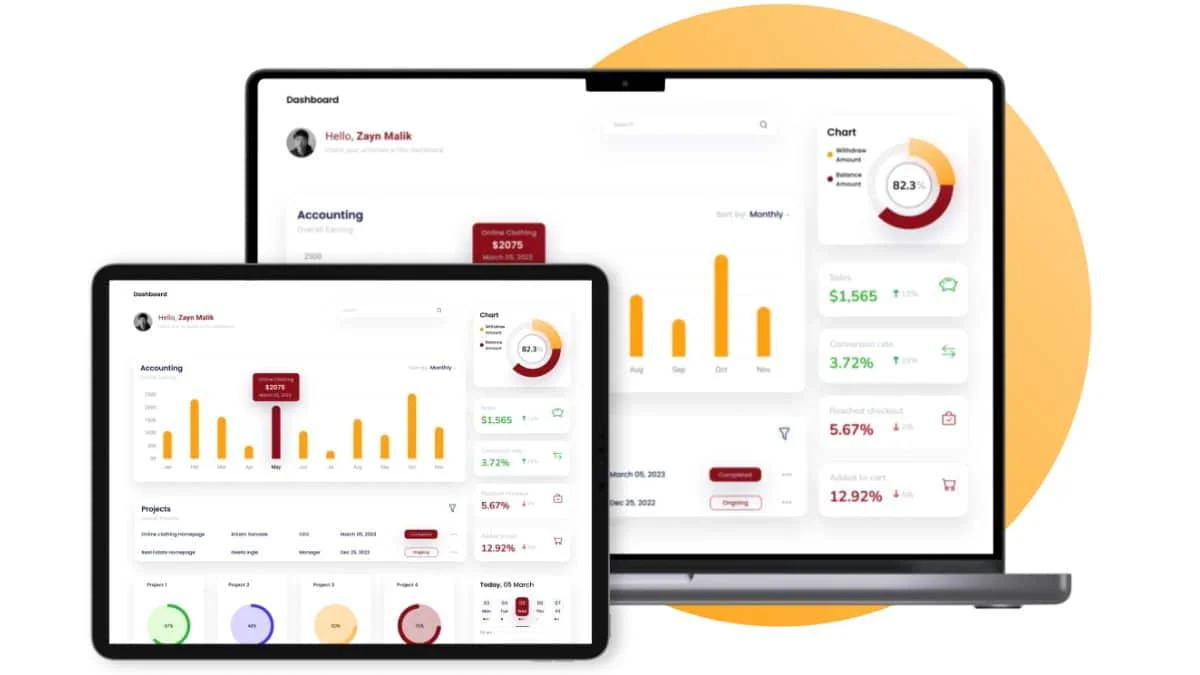
HashMicro’s inventory management software is designed to optimize Just-in-Time (JIT) inventory management, ensuring businesses maintain lean inventory levels while efficiently meeting demand. With automated tracking, real-time updates, and seamless supply chain integration, companies can enhance JIT supply chain optimization and reduce operational costs.
Experience the efficiency of HashMicro’s JIT inventory system, where automation eliminates excess stock, enhances visibility, and ensures real-time updates to prevent shortages. Try a free demo today and see how seamless JIT inventory management can optimize your supply chain and boost profitability!
Below are some of the key features of HashMicro’s inventory management software for JIT inventory management:
- RFID warehouse rack stock automation: Uses RFID to track stock movement in real time, reducing manual errors and improving inventory accuracy.
- Fast-moving and slow-moving stock analysis: Identifies stock movement patterns to optimize inventory levels and reduce holding costs.
- Stock forecasting & run rate reordering rules: Uses historical sales data to forecast needs and set automatic reorder points, helping prevent shortages.
- Stock reservations & reporting: Enables advance stock reservations and generates detailed inventory reports to maintain availability and prevent disruptions.
- Quality control management: Integrates quality control checks to ensure only approved products enter available inventory.
- Product expiry & warranty tracking with reminders: Tracks expiry dates and warranty periods with automated reminders to prevent losses and missed deadlines.
- Consignment stock management: Tracks supplier-provided inventory in real time for accurate stock levels and better replenishment.
- Stock take and inventory adjustment management: Automates stock-taking and adjustments to reduce discrepancies and improve inventory accuracy.
- Integrated barcode & QR code support: Enables faster, more accurate stock entry and retrieval through barcode and QR code scanning.
- Material request management: The MRP system software automates material requests based on demand to ensure timely stock availability.
With JIT inventory management software, businesses can optimize operations, improve cash flow, and maintain lean stock levels without disrupting daily workflows. Read also how a warehouse management system keeps inventory flow accurate at the warehouse level.
Conclusion
Just-in-Time (JIT) inventory management enables businesses to minimize excess stock, reduce costs, and improve efficiency by ensuring materials arrive exactly when needed. With inventory management software, companies can automate stock tracking, enhance demand forecasting, and maintain a responsive supply chain.
As a leading solution, HashMicro’s Inventory Management Software embeds JIT capabilities to help businesses optimize inventory control and enhance overall efficiency. It’s a comprehensive feature enables companies to streamline supply chain operations while minimizing excess inventory.
Take the next step towards smarter inventory management by exploring HashMicro’s JIT-powered solutions. Request a free demo today and discover how automation and precision-driven inventory control can transform your business operations.
FAQ About JIT Inventory
JIT is better suited to stable demand and reliable suppliers, as it minimizes inventory by replenishing stock only when needed. This helps reduce holding costs and the risk of excess inventory. In contrast, the Economic Order Quantity (EOQ) model calculates the optimal order quantity by balancing ordering and holding costs. The key difference is their focus. JIT emphasizes when inventory should be replenished, while EOQ determines how much should be ordered. EOQ is therefore not specifically intended for high-demand products; its suitability depends on factors such as demand, ordering costs, and holding costs.
JIT operates on the principle of producing goods only when they are required, rather than manufacturing in advance and storing excess inventory. This approach helps businesses lower inventory costs, enhance cash flow, and maximize warehouse space utilization.
The four primary inventory management methods include Just-in-Time (JIT), Materials Requirement Planning (MRP), Economic Order Quantity (EOQ), and Vendor-Managed Inventory (VMI). Each approach serves a different purpose, from optimizing order quantities and production requirements to improving replenishment and inventory control. Their effectiveness depends on the business’s operational needs, supply chain structure, and industry.