









 Limited to 100 registrants

The urgency to get this right is higher than ever. According to 6Wresearch’s market outlook, the Malaysian accounting software sector is experiencing a massive surge. This growth is driven by businesses modernizing their tech stacks and the aggressive push to comply with the IRBM’s mandatory e-invoicing rollout and complex SST reporting.
This guide skips the marketing gimmicks and focuses on what you actually need to look for such as a smooth Accounting Software Malaysia to ensure your next system keeps your business compliant and your cash flow clear.

Shortlisted Best Accounting Software
Accounting software is not a universal fit. Some systems focus on billing and simple bookkeeping, which works fine for freelancers and very small teams. Others include inventory management, FX handling, and payroll add-ons that larger operations require.
The options below are commonly used by businesses in Malaysia. Each entry covers key features, pricing where publicly available, and the type of business that usually gets the most value. Where a product has common drawbacks, those are included too.

Best Because
The best end-to-end solution for mid to large business needing full ERP integration


Best Because
Complete accounting tools for SMEs
Quick Comparison: Top Accounting Software in Malaysia
Choosing the perfect accounting software requires looking at two crucial factors: your preferred hosting method and your specific business scale.
| Business Scenario | Recommended Software | Why It Fits | Malaysia Compliance | Pricing |
|---|---|---|---|---|
| Mid to large business needing full ERP integration | HashMicro | Best for companies requiring accounting integration with inventory, manufacturing, HR, procurement, and multi-branch operations. | Native MyInvois API integration, IRBM/LHDN e-Invoice workflows, SST configuration, validation status, and audit-ready records. | Custom pricing with free demo |
| SMEs needing strong local accounting compliance | AutoCount | Widely used in Malaysia with local support, inventory options, and statutory accounting features. | Native LHDN e-Invoice submission, SST support, MyInvois connectivity, and Malaysian statutory reporting. | Cloud plans from approximately RM70/month |
| Freelancers & service-based businesses | FreshBooks | Suitable for invoicing, time tracking, project billing, and expense management with limited accounting complexity. | No native Malaysia MyInvois integration was verified. A third-party connector or separate MyInvois submission process may be required. | From approximately RM94/month |
| Businesses needing integrations & automation | Xero | Cloud-native accounting with bank feeds, reconciliation automation, reporting, and a broad integration ecosystem. | Malaysia e-Invoice reporting with MyInvois setup, consolidated reporting, classification codes, SST tools, and Peppol accreditation. | From approximately RM29/month |
| Growing SMEs on Zoho ecosystem | Zoho Books | Affordable cloud accounting with invoicing, workflow automation, and integration with other Zoho applications. | MyInvois submission is available through a third-party Zoho Marketplace extension. Confirm extension fees and SST configuration. | Free plan; paid plans from approximately RM82/month |
| SMEs needing reliable bookkeeping tools | QuickBooks Online | Strong general accounting, invoicing, expense management, bank feeds, and multi-device access. | Malaysia e-Invoicing support is offered. Confirm the required plan, MyInvois activation process, document limits, and SST configuration. | From approximately RM155/month |
| Established companies with complex finance | Sage | Suitable for organisations needing more advanced financial controls, reporting, and multi-entity management. | Product-dependent. Sage 300 supports Malaysia e-Invoicing, while other Sage editions may require a connector or local implementation partner. | Custom quote depending on Sage product, users, and modules |
| Startups & micro businesses with simple needs | Wave | Provides basic invoicing, income tracking, and bookkeeping for businesses with uncomplicated requirements. | No native Malaysia MyInvois or SST compliance workflow was verified. Separate compliance handling would be required. | Free plan; Pro at approximately RM777/year |
| SMEs transitioning from manual accounting | Financio | Localized cloud solution with guided setup, bookkeeping, inventory, bank reconciliation, and mobile access. | Native LHDN e-Invoice and MyInvois integration, SST support, validation tracking, and self-billed e-Invoice workflows. | Standard plans from RM50/month; Premier from approximately RM85/month. |
| Businesses needing Xero implementation support | CALTRiX | CALTRiX is an implementation and advisory partner for Xero rather than a standalone accounting software product. | Compliance follows the configured Xero Malaysia environment, including MyInvois and SST setup. | Service packages from around RM330/month |
| SMEs needing local reporting accuracy | QNE | Provides local accounting, inventory, reporting, bank feeds, and automation for Malaysian SMEs. | Native LHDN e-Invoice capabilities, Malaysian tax support, self-billed e-Invoices, and Peppol-ready options. | From approximately RM80/month |
| Businesses wanting payroll + accounting | Netiquette | Combines accounting, inventory, payroll, CRM, and POS modules in a configurable SME platform. | AMS and IMS modules advertise LHDN e-Invoice capability. Confirm availability, activation, and transaction limits before subscribing. | Indicative packages from RM780/year |
| Small retailers & startups | Biztory | Simple cloud interface for invoicing, expenses, accounting, inventory, and business reporting. | Malaysia e-Invoice solution available; SST-ready functionality is included in selected accounting plans. | From RM390/year for Basic |
| SMEs preparing for e-invoicing | Bukku | Local cloud accounting with automation, inventory, bank reconciliation, reporting, and accessible entry-level plans. | Native LHDN e-Invoice support across listed plans, including the free plan, with Malaysian SST support. | Free Launch plan; paid accounting plans from RM35/month, excluding SST. |
| Growing businesses with inventory needs | MYOB / ABSS | MYOB was rebranded as ABSS in Malaysia and supports accounting, inventory, multi-currency, and business reporting. | ABSS Accounting Connect and Premier Connect support LHDN MyInvois and SST. Older ABSS/MYOB on-premise editions do not include e-Invoice connectivity. | From RM2,299 |
| Mid-large enterprises scaling operations | SAP Business One | ERP-level financial management with procurement, inventory, manufacturing, CRM, and operational reporting. | Malaysia e-Invoice support is available through SAP localization, Document and Reporting Compliance, or a certified MyInvois partner connector. | Custom pricing; cloud packages from around RM150/user/month |
| Indonesia-based businesses with inventory needs | Accurate | Strong inventory, bookkeeping, branch monitoring, and cost-management features for the Indonesian market. | Indonesia-focused. Native Malaysia MyInvois and SST compliance was not verified, so it should not be presented as a locally compliant option without confirmation. | From approximately RM77/month |
| Enterprises using Microsoft ecosystem | Microsoft Dynamics 365 | Highly configurable ERP with Microsoft 365, Power BI, Power Platform, finance, supply chain, and analytics integration. | Dynamics 365 Finance supports Malaysia e-Invoice configuration. Business Central may require a Malaysian localization app or implementation partner. | From approximately RM327/user/month |
| Large corporations with complex structures | Oracle Fusion Cloud ERP | Advanced financial management, procurement, analytics, multi-entity consolidation, and enterprise controls. | Malaysia compliance generally requires product-specific localization, configuration, and an approved e-Invoice integration or implementation partner. | Custom enterprise pricing |
| Indonesia-based retail & POS businesses | Omegasoft | Combines POS, accounting, inventory, payroll, CRM, and retail-management capabilities. | Indonesia-focused. Native Malaysia MyInvois and SST support was not verified. | From approximately RM77/month |
| Freelancers & small service firms | ZipBooks | Simple cloud accounting with invoicing, bank connections, reports, recurring billing, and smart categorization. | No native Malaysia MyInvois or SST compliance workflow was verified. Separate submission or a third-party connector would be required. | Free plan; paid plans from approximately RM61/month |
| Businesses needing basic accounting + inventory | TallyPrime | Provides bookkeeping, inventory, reporting, receivables, payables, and multi-company accounting. | No native Malaysia MyInvois integration was verified. A custom connector or separate MyInvois submission process may be necessary. | From approximately RM1,115 |
What is Accounting Software and Why is It Important?
Accounting software is a platform businesses use to record transactions, manage bookkeeping, track invoices, monitor expenses, reconcile bank data, and prepare financial reports. For larger companies, it can also support multi-entity accounting, approval workflows, tax documentation, budgeting, and integration with ERP or operational systems.
It matters because many finance problems come from weak follow-through. Late invoices, unclear payment status, inconsistent expense coding, and month-end closing that depends on one person’s spreadsheet can slow decision-making. The right system reduces repeat work and gives managers numbers they can rely on.
22 Best Accounting Software in Malaysia
Popular Accounting System Software in Malaysia (Shortlist Overview)
- HashMicro Accounting Software : An ERP-integrated accounting platform with direct LHDN MyInvois API, unlimited user access, asset tracking management, and S-curve budget tracking, suited for mid-to-large Malaysian enterprises.
- AutoCount: A well-recognized local brand offering scalable accounting and inventory features built for SMEs.
- FreshBooks: User-friendly billing and time-tracking platform widely used by service-based businesses and freelancers.
- Xero: Cloud-based and highly intuitive with automatic bank feeds and a wide set of third-party integrations.
- Zoho Books: Cloud accounting for SMEs with strong invoicing, bank reconciliation, and multi-channel integrations.
- QuickBooks: Solid bookkeeping, payroll, and inventory features accessible across multiple devices.
- Sage: Known for reliable financial management and compliance, ideal for established companies with complex accounting needs.
- Wave: A beginner-friendly option offering free basic accounting, invoicing, and receipt tracking.
- Financio: Malaysian-friendly solution supporting e-invoicing, SST compliance, and localized reporting.
- CALTRiX: Offers automated accounting and inventory functions suitable for trading and distribution businesses.
- QNE Accounting: A popular local solution with real-time reporting and compatibility with Malaysian tax requirements.
- Netiquette: Cloud-based financial management with integrated payroll and e-invoicing support.
- Biztory: Startup-friendly cloud accounting built for small retailers with simple invoicing and expense tracking.
- Bukku: A budget-friendly choice known for fast e-invoicing, recurring billing, and local tax support.
- MYOB: A versatile accounting platform suitable for businesses that need scalability and inventory features.
- SAP Business One: Enterprise-level ERP with integrated accounting for companies needing powerful financial consolidation.
- Accurate: Popular among SMEs for multi-warehouse inventory, financial reporting, and manufacturing cost tracking.
- Microsoft Dynamics: An Advanced accounting and ERP system suitable for medium to large enterprises requiring deep customization.
- Oracle: A scalable financial platform with strong analytics and compliance for complex multi-entity organizations.
- Omegasoft Malaysia: Designed for retail and trading businesses that need POS and accounting in a single, integrated environment.
- ZipBooks: Simplified cloud accounting with smart categorization and easy client billing.
- Tally: A long-standing option known for efficient bookkeeping and inventory features for SMEs.
Before we choose the best accounting software for your business, it’s essential that to understand its features and potential drawbacks. Let’s explore some of Malaysia’s top 22 accounting software solutions, which offer a balance of innovation and reliability.
1. HashMicro Accounting Software
HashMicro is an ERP based accounting system built for mid-to-large enterprises requiring full MFRS and LHDN compliance. The software handles core accounting functions like invoicing, bank reconciliation, and financial reporting, but its main value comes from integration with other business modules including inventory, purchasing, manufacturing, and HR.
For Malaysian businesses, HashMicro supports SST calculation, LHDN compliant invoicing, and multi currency transactions. The system also includes budget tracking with S-curve visualisation, which helps project based businesses monitor spending against planned budgets over time.
One notable feature is their system that can cover fraud detection, credit scoring, algorithmic trading, risk assessment, and customer service automation . This matters for companies with large finance teams or multiple branch operations where per user pricing can escalate costs quickly.
Pricing: HashMicro uses a custom pricing model because the total cost depends on the modules, features, and implementation requirements selected by each business. Companies can request a free demo and personalized quotation to estimate the cost of their preferred configuration.| Pros | Cons |
|
|
HashMicro supports Malaysian compliance requirements, including SST, MyInvois e-invoicing, and EPF/SOCSO integration. Its cloud-based system helps multi-branch businesses access real-time financial data from one dashboard, supported by a local implementation and support team in Malaysia.
2. AutoCount
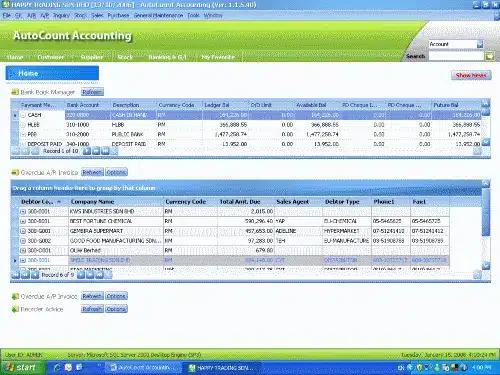
Accounting solution AutoCount supports general ledger, payroll, inventory, and cloud access for Malaysian SMEs. It can also integrate with other systems in the AutoCount suite, including POS, Cloud POS, HRMS, and Payroll, so sales, stock, and payroll data stay connected with accounting records.
One feature that stood out is its accounts payable functionality, which helps businesses efficiently manage vendor invoices and payments. This feature streamlines the tracking of outstanding liabilities, enables easy payment scheduling, and supports better cash flow management.
Pricing: AutoCount Cloud Accounting plans generally start at approximately RM70 per month. Businesses that prefer desktop software can purchase licences starting from around RM2,200, although the final price depends on the edition, number of users, support package, and reseller.| Pros | Cons |
|
|
AutoCount is widely used by Malaysian SMEs for its support of SST, GST-ready reporting, and LHDN compliance. The system is also supported by local resellers and IT consultants across Malaysia, making it a popular choice for businesses that prefer on-premise accounting software with local support.
3. FreshBooks
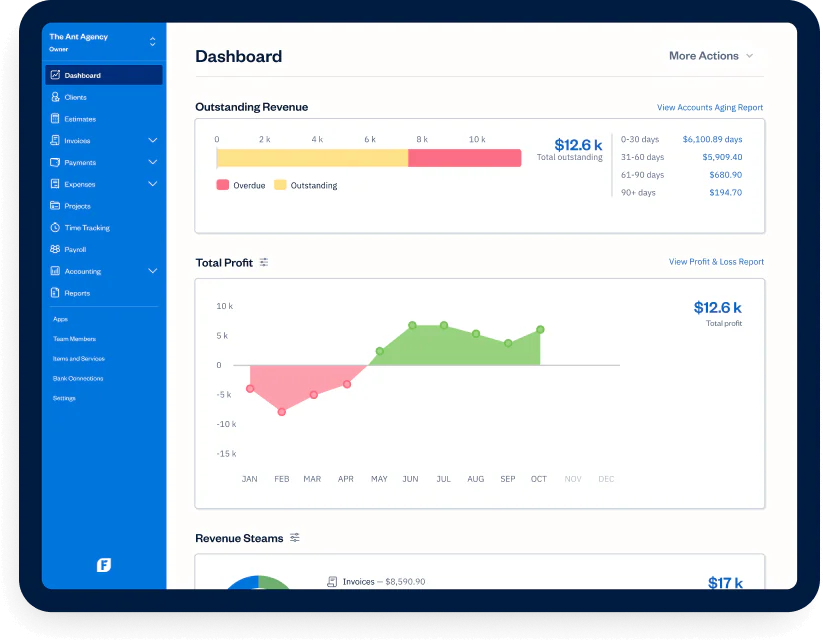
FreshBooks focuses on invoicing and time tracking rather than full spectrum accounting. The interface is built for people who are not accountants, which makes it popular among freelancers and small service businesses that bill clients by project or by hour.
Creating invoices takes minutes. You can set up recurring invoices for retainer clients, add your logo and payment terms, and send directly from the platform. The software tracks when clients open invoices and sends automatic payment reminders, which helps reduce chasing overdue payments manually.
Time tracking is built in, so consultants and agencies can log hours directly and convert them into invoices without switching tools.
Pricing: FreshBooks’ Lite plan starts at approximately RM94 per month, while the Plus and Premium plans cost around RM176 and RM286 per month. Businesses requiring advanced support and additional services can request custom pricing under the Select plan.
| Pros | Cons |
|
|
FreshBooks is suitable for Malaysian freelancers, consultants, and service-based SMEs that need simple invoicing, billing, and expense tracking. Although it does not provide advanced Malaysian tax compliance features, it works well for businesses focused on project-based invoicing and MYR transaction management.
4. Xero
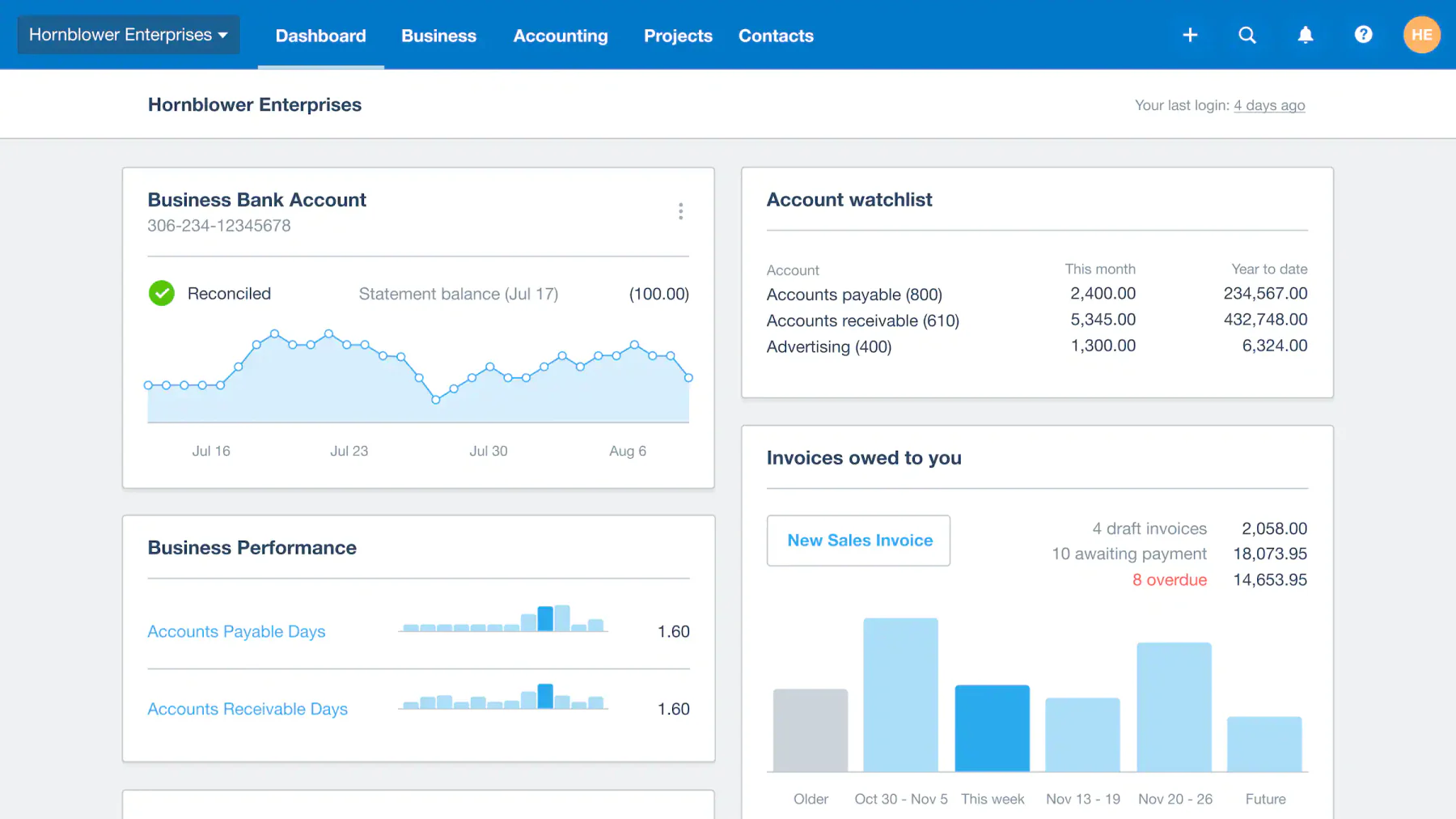
Xero is cloud accounting software that connects directly to your bank accounts and automatically imports transactions daily. This makes reconciliation faster because you match transactions on screen rather than comparing printed statements to spreadsheets.
The software also has a large marketplace of third party integrations. If you use separate tools for payroll, inventory, CRM, or ecommerce, there is likely a Xero integration available. This flexibility makes Xero popular with businesses that want accounting as a central hub connected to other systems.
For multi currency businesses, Xero handles foreign exchange transactions and shows gains or losses automatically. Malaysian businesses dealing with Singapore dollar, US dollar, or other currencies will find this useful.
Pricing: Xero offers four plans. Lite starts at approximately RM29 per month, followed by Starter at RM119, Standard at RM205, and Premium at RM307 per month. Promotional discounts may reduce the initial subscription cost, but businesses should compare plans using the standard prices.
| Pros | Cons |
|
|
Xero helping SMEs speed up reconciliation and manage finances more efficiently. Its cloud-based platform is suitable for remote access, while third-party integrations support MyInvois e-invoicing and local partners provide implementation and training assistance in Malaysia.
5. Zoho Books
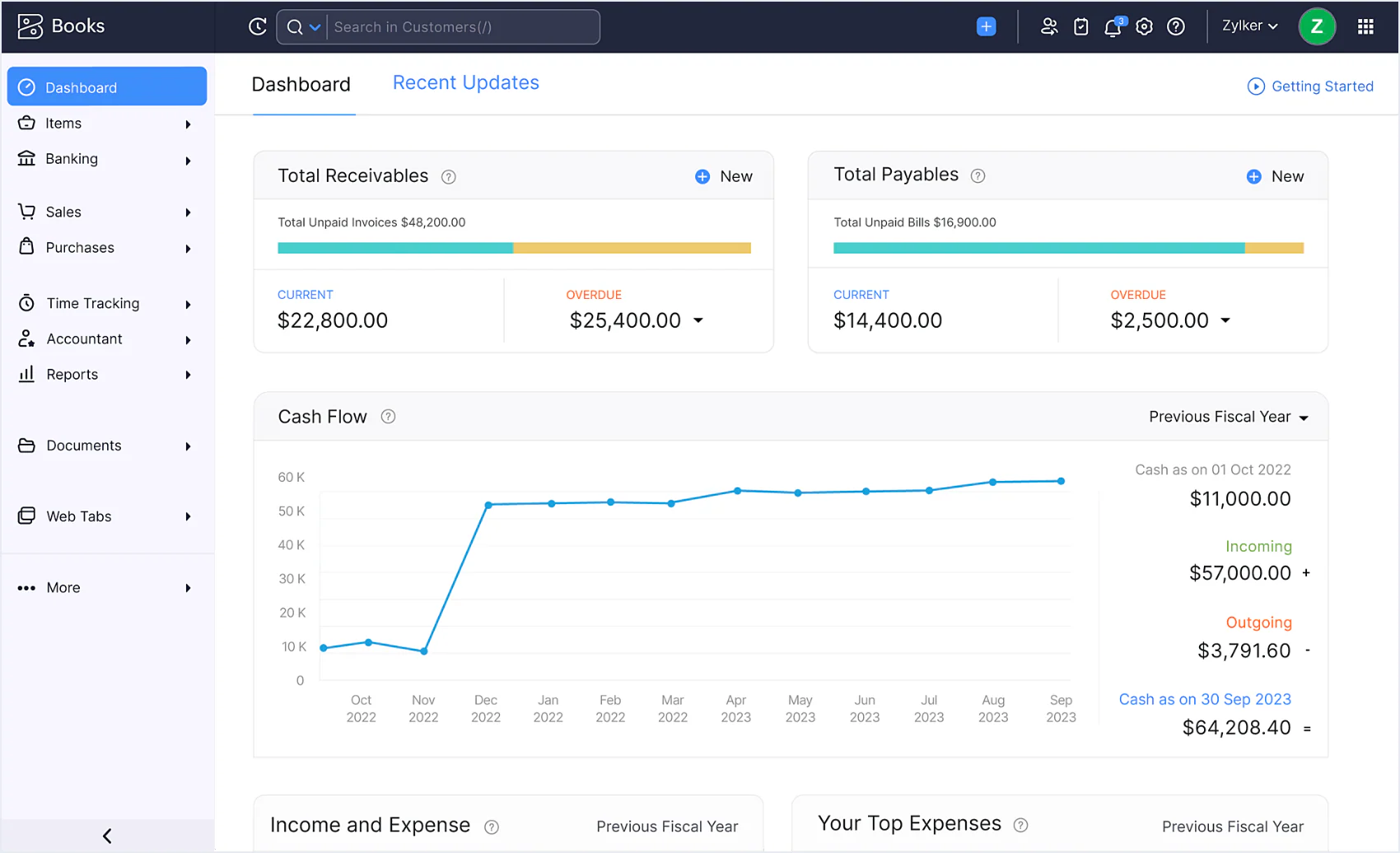
Zoho Books is a cloud-based bookkeeping or accounting system designed to streamline businesses’ financial management. We reviewed this software and found that it offers features such as invoicing, expense tracking, time tracking, and financial reporting.
One key feature we found in Zoho Books is its invoicing capability, which lets us create, customize, and send professional invoices to clients. It also includes automated payment reminders and recurring invoice options, helping businesses stay on top of their billing cycles.
Pricing: Zoho Books offers a free plan for businesses with basic accounting requirements. Its paid plans start at approximately RM82 per month and can reach RM1,125 per month for the Ultimate plan, depending on the required automation, inventory, analytics, and user capacity.
| Pros | Cons |
|
|
Zoho Books is suitable for Malaysian SMEs that need cloud accounting with SST compliance, automated invoicing, and multi-channel integration. Its affordable pricing and integration with tools like Zoho CRM and Zoho Inventory also make it a practical choice for businesses already using the Zoho ecosystem.
6. QuickBooks
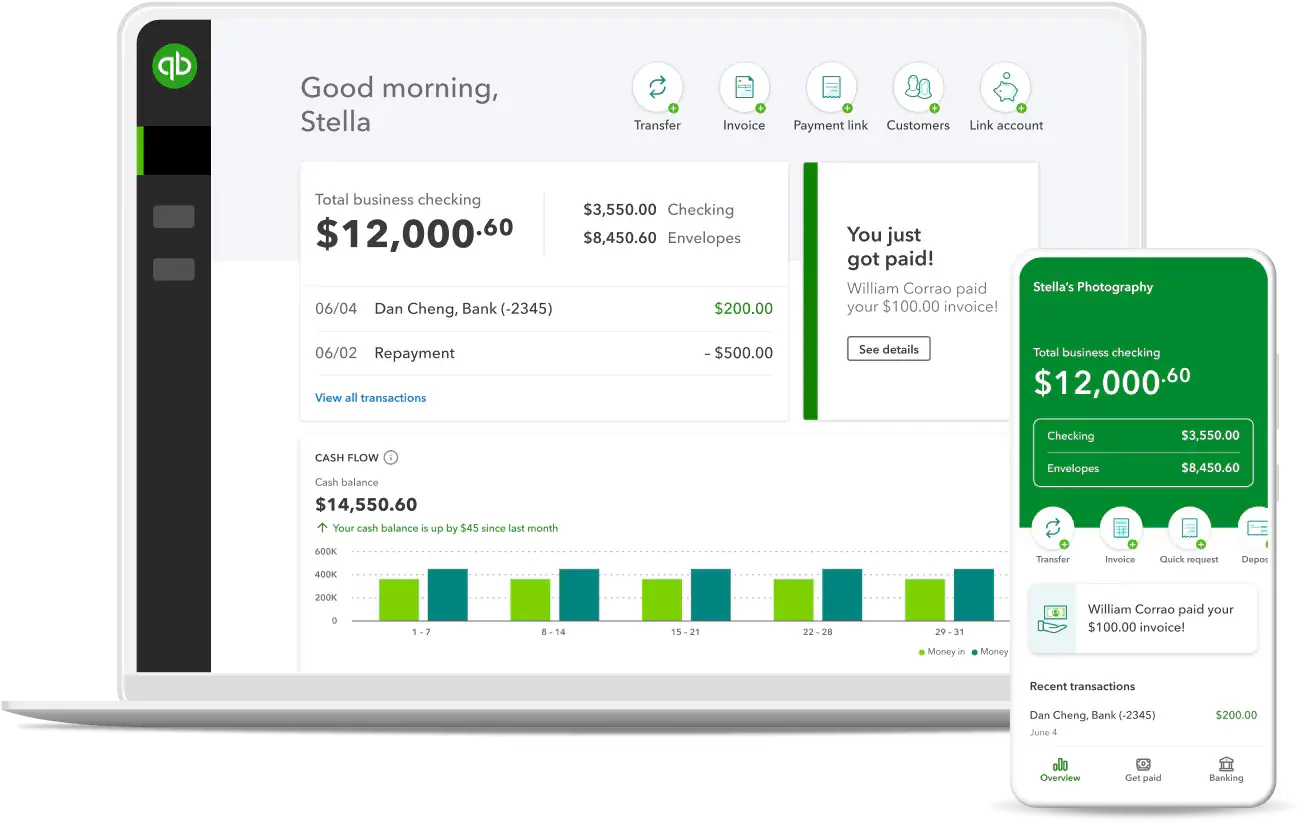
QuickBooks is one of the top accounting software solutions in Malaysia that we reviewed, offering a comprehensive suite of features such as invoicing, expense tracking, payroll, bookkeeping, and tax preparation. Its cloud-based technology ensures accessibility and real-time data synchronization across multiple devices, which is especially beneficial for businesses operating remotely or across multiple locations.
What stood out during our review was how QuickBooks leverages cloud technology to keep financial data updated in real time. This capability not only supports collaboration among team members but also improves operational efficiency by ensuring everyone works with the most current information.
Pricing: QuickBooks Simple Start costs approximately RM155 per month. Essentials costs around RM307, Plus RM470, and Advanced RM1,125 per month. The appropriate plan depends on the number of users and whether the business needs inventory, project profitability, automation, or advanced reporting
| Pros | Cons |
|
|
QuickBooks is suitable for SMEs and retail businesses that need bookkeeping, basic inventory management, and multi-device access. Although primarily designed for the US market, its reporting and general ledger features still work well for businesses that do not require advanced SST or MyInvois compliance features.
7. Sage
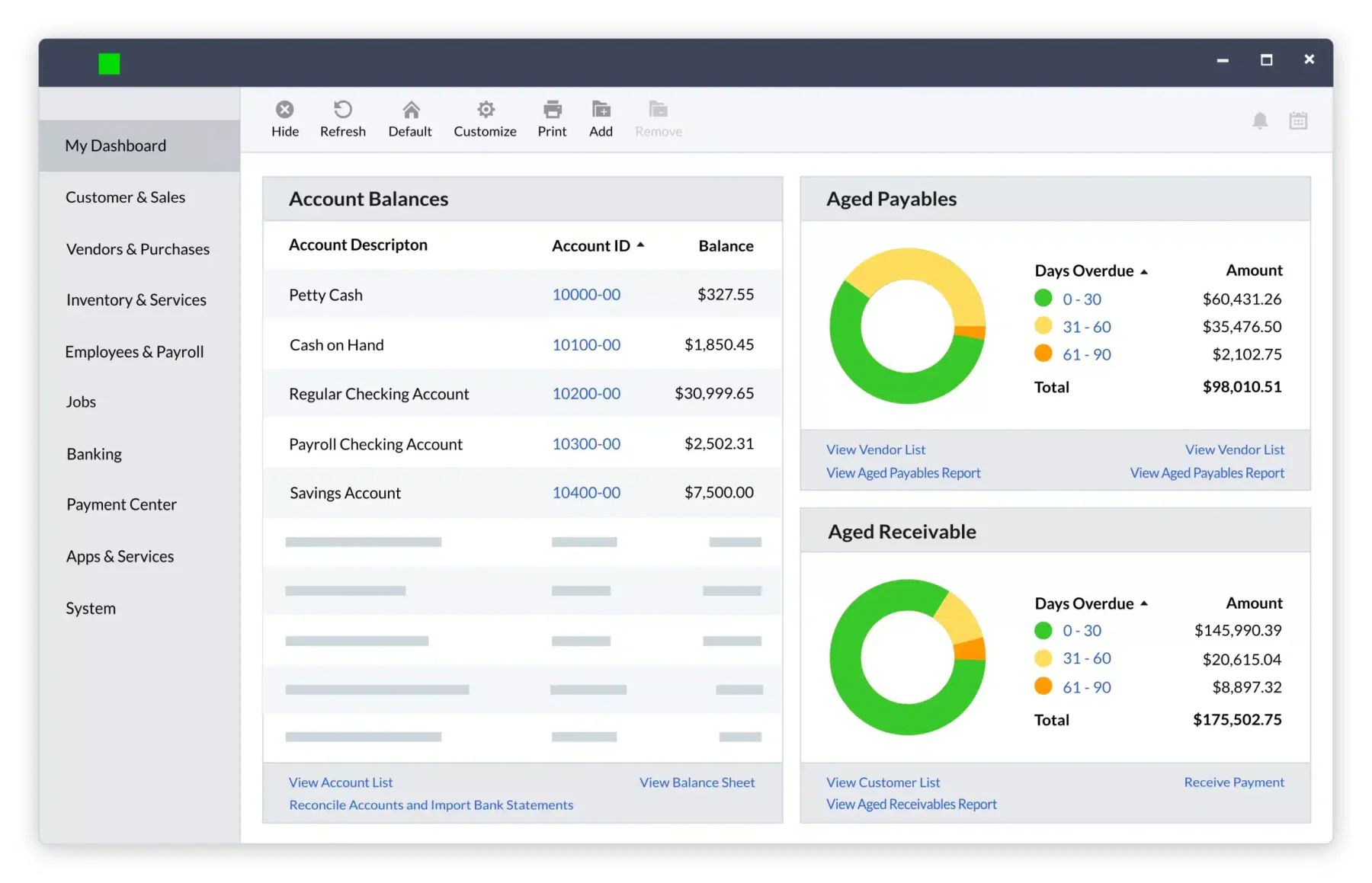
Sage is a Malaysia-based accounting software provider we reviewed, known for its comprehensive financial management solutions tailored to businesses of all sizes. It offers a wide range of features designed to streamline financial operations and ensure compliance with local regulations.
From our review, Sage provides a complete suite of accounting tools, including modules for general ledger management, accounts payable, accounts receivable, and detailed financial reporting, making it a reliable option for businesses seeking an all-in-one solution.
Pricing: Sage does not publish one standard Malaysian price because it offers several products, including Sage 300 and Sage Intacct. Businesses must contact Sage or an authorized Malaysian partner for a quotation based on the selected product, modules, users, and implementation requirements.
| Pros | Cons |
|
|
Sage is suitable for Malaysian companies with complex financial reporting, multi-entity operations, or businesses in regulated industries like construction and manufacturing. Its financial management and compliance reporting features support MFRS requirements, making it useful for audit preparation and Bursa Malaysia reporting needs.
8. Wave
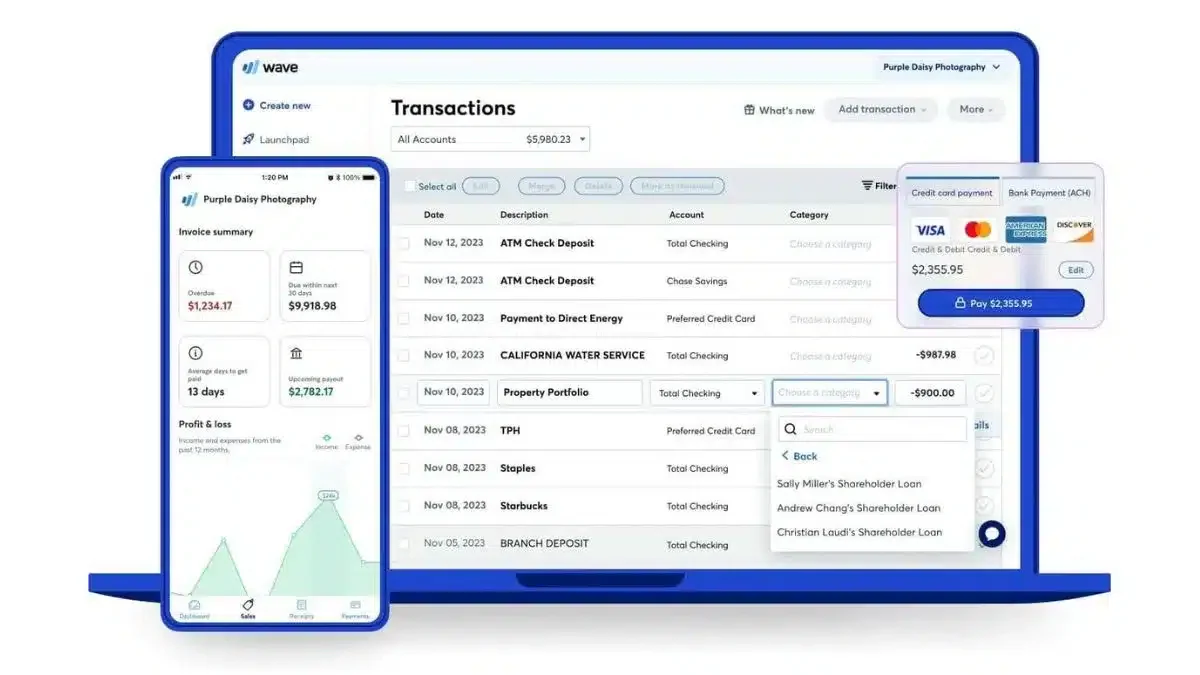
Wave is one of the accounting software solutions in Malaysia that we evaluated, and it stands out for being free while still offering a strong set of features. It includes invoicing, expense tracking, and financial reporting all accessible through a cloud-based platform that ensures both convenience and data security.
When we tested its capabilities, we found that Wave’s financial reporting tools are surprisingly great for a free tool. Businesses can generate detailed reports like profit and loss statements, balance sheets, and cash flow reports, all of which can be customized to reflect specific timeframes or categories. This makes Wave an excellent option for small businesses looking for a cost-effective yet comprehensive accounting solution.
Pricing: Wave provides a free Starter plan covering basic invoicing and bookkeeping. Its Pro plan costs approximately RM777 per year, equivalent to around RM65 per month. Additional charges may apply for receipt scanning, payment processing, bookkeeping, and payroll services.
| Pros | Cons |
|
|
Wave is suitable for Malaysian micro-businesses, solopreneurs, and startups that need basic accounting and invoicing without high upfront costs. Its free features support bookkeeping and receipt tracking, although businesses requiring SST compliance or e-invoicing may need additional tools.
9. Financio
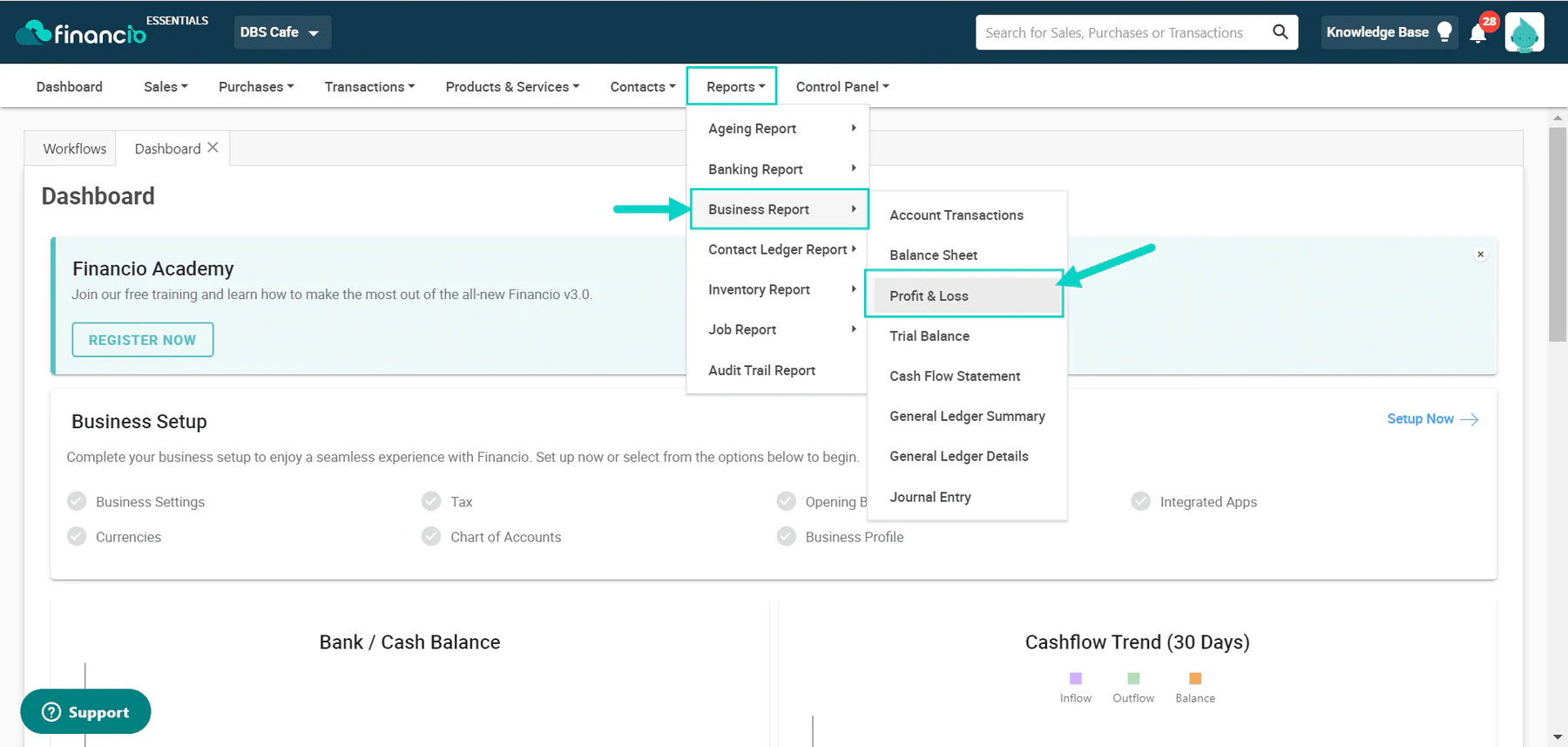
Financio is another accounting software in Malaysia that we reviewed, offering a cloud-based system with features like invoicing, expense tracking, and financial reporting. Its primary strength lies in its simplicity and automation, which helps businesses streamline their accounting processes without unnecessary complexity.
We found its intuitive interface particularly useful for users with limited accounting knowledge. By minimizing the learning curve and emphasizing automation, Financio enables businesses to automates finances efficiently and manage it, saving both time and effort in day-to-day operations.
Pricing: Financio Accounting Essentials starts at RM50 per month, while Accounting Premier costs RM85 per month. Payroll features are offered separately, so businesses requiring both accounting and payroll should include the additional subscription in their cost calculations.
| Pros | Cons |
|
|
Financio is designed specifically for the Malaysian market, with support for SST, MyInvois LHDN e-invoicing, and localized financial reporting. Its simple interface and ready-to-use compliance features make it suitable for SMEs transitioning from manual bookkeeping to cloud accounting.
10. CALTRiX
CALTRiX is an accounting software in Malaysia that we reviewed for its wide range of features designed to support businesses of different sizes. It includes essential tools such as general ledger management, accounts payable, and comprehensive financial reporting.
We found its cloud-based technology particularly advantageous for businesses that prioritize accessibility and data security. With real-time collaboration capabilities, CALTRiX allows teams to work seamlessly, ensuring everyone has access to the latest financial data, which improves productivity and decision-making.
Pricing: CALTRiX offers Xero implementation, training, and accounting-support packages rather than its own standalone accounting software. Selected service packages start at approximately RM330 per month, but the final cost depends on the implementation and support required.| Pros | Cons |
|
|
CALTRiX is suitable for Malaysian trading and distribution businesses that need accounting and inventory management in one system. Its automation features help reduce manual data entry, while local tax reporting support makes it practical for SMEs in retail, wholesale, and supply chain industries.
11. QNE Accounting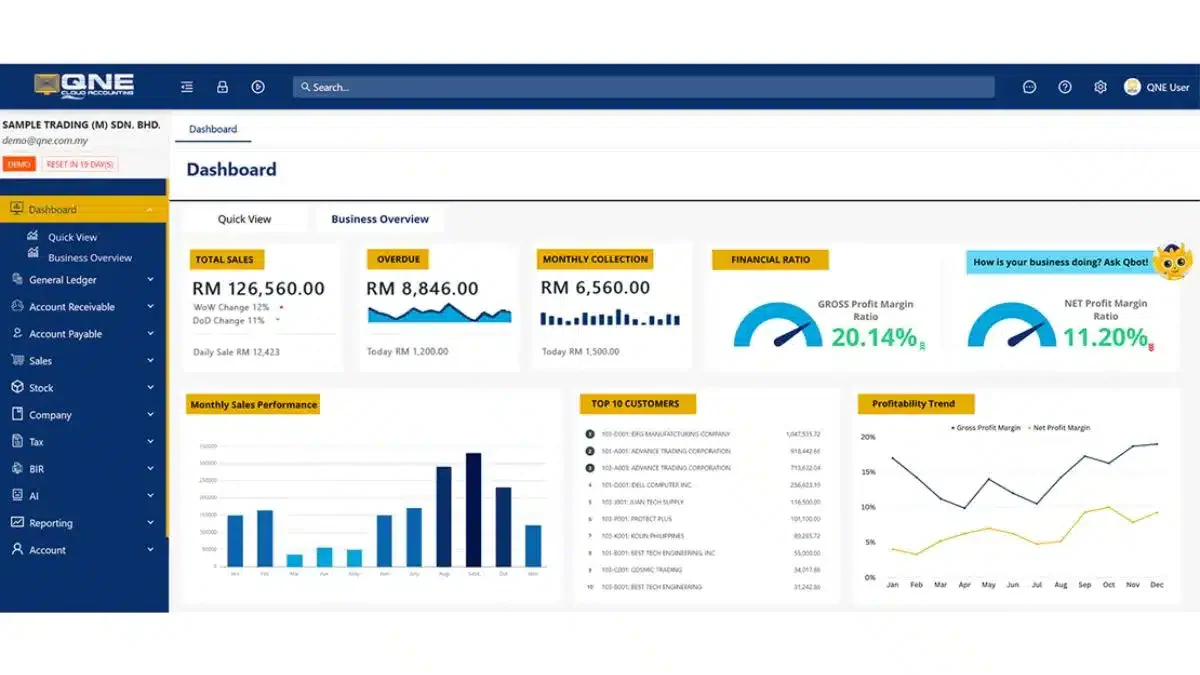
QNE Accounting Software Malaysia is a comprehensive solution we explored for its ability to streamline essential accounting processes. It offers a broad range of features, including invoicing, payroll, inventory management, and advanced financial reporting, making it suitable for businesses of various sizes.
One aspect we appreciated is its customizable financial reporting tools. Businesses can generate detailed reports such as profit and loss statements, balance sheets, and cash flow reports, tailored to specific periods or categories. This flexibility helps businesses maintain clarity and make informed financial decisions.
Pricing: QNE subscription packages range from approximately RM80 to RM600 per month. The final cost depends on the selected plan, number of users, AI credits, storage, and business requirements. Annual subscriptions may provide a lower monthly cost than monthly billing.
| Pros | Cons |
|
|
QNE is a well-known local accounting software brand used by many Malaysian SMEs, especially in retail and trading industries. Its real-time reporting and support for SST compliance make it a reliable option for businesses that prefer locally supported software with experience in the Malaysian market.
12. Netiquette
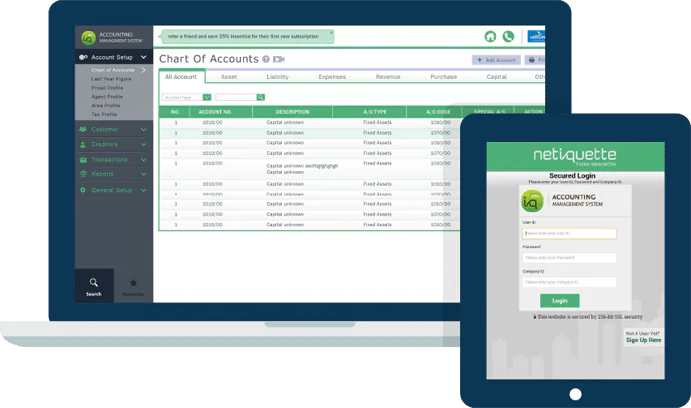
Netiquette is a cloud-based accounting software we examined for its ability to cater to small businesses in Malaysia with an all-in-one financial management solution. It offers essential features that simplify accounting tasks and improve operational efficiency.
One notable advantage is its strong integration capabilities with third-party applications such as CRM systems, e-commerce platforms, and project management tools. This level of integration enables businesses to create a unified system, ensuring seamless workflows across various operational areas while enhancing overall productivity.
Pricing:Netiquette Starter costs RM780 per year for one user. Growth costs RM2,040 per year for five users, while Pro costs RM3,300 per year for ten users. Businesses requiring additional users, integrations, or customized functions may incur extra charges.
| Pros | Cons |
|
|
Netiquette is suitable for Malaysian businesses that need integrated accounting and payroll management in one cloud platform. Its built-in e-invoicing and payroll features, including EPF, SOCSO, and PCB support, make it useful for companies managing finance and HR processes within a single system.
13. Biztory
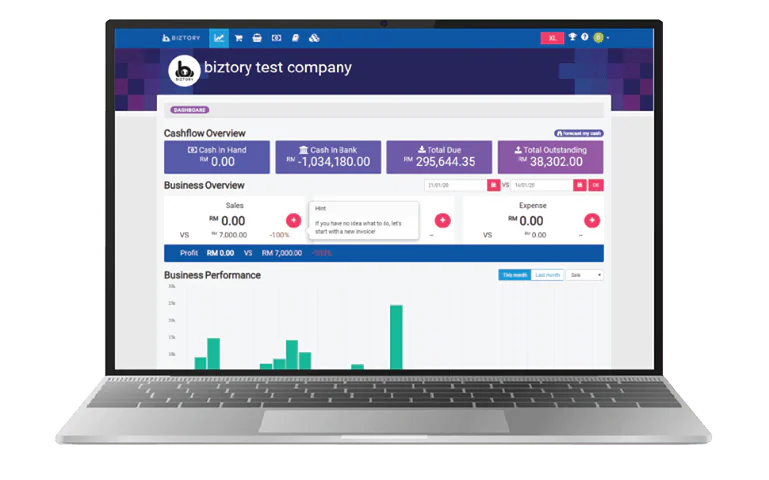
Biztory is a cloud-based accounting software we explored for its ability to simplify financial management for businesses in Malaysia. It offers features such as invoicing, expense tracking, and financial reporting, helping companies streamline day-to-day accounting tasks.
One of Biztory’s key strengths is its emphasis on user-friendliness. With an intuitive interface, the platform reduces the learning curve, making it suitable for users with different levels of accounting expertise. This focus on simplicity ensures businesses can manage their finances more efficiently without requiring extensive technical knowledge.
Pricing: Biztory plans start from approximately RM390 per year. Its Plus plan costs around RM690, Growth RM1,290, and Pro RM2,490 per year. Businesses should confirm the latest price and included e-Invoice features before subscribing.
| Pros | Cons |
|
|
Biztory is suitable for small Malaysian retailers and startups that need simple cloud-based invoicing and expense tracking. Its easy-to-use interface and local support make it a practical option for business owners with limited accounting experience.
14. Bukku
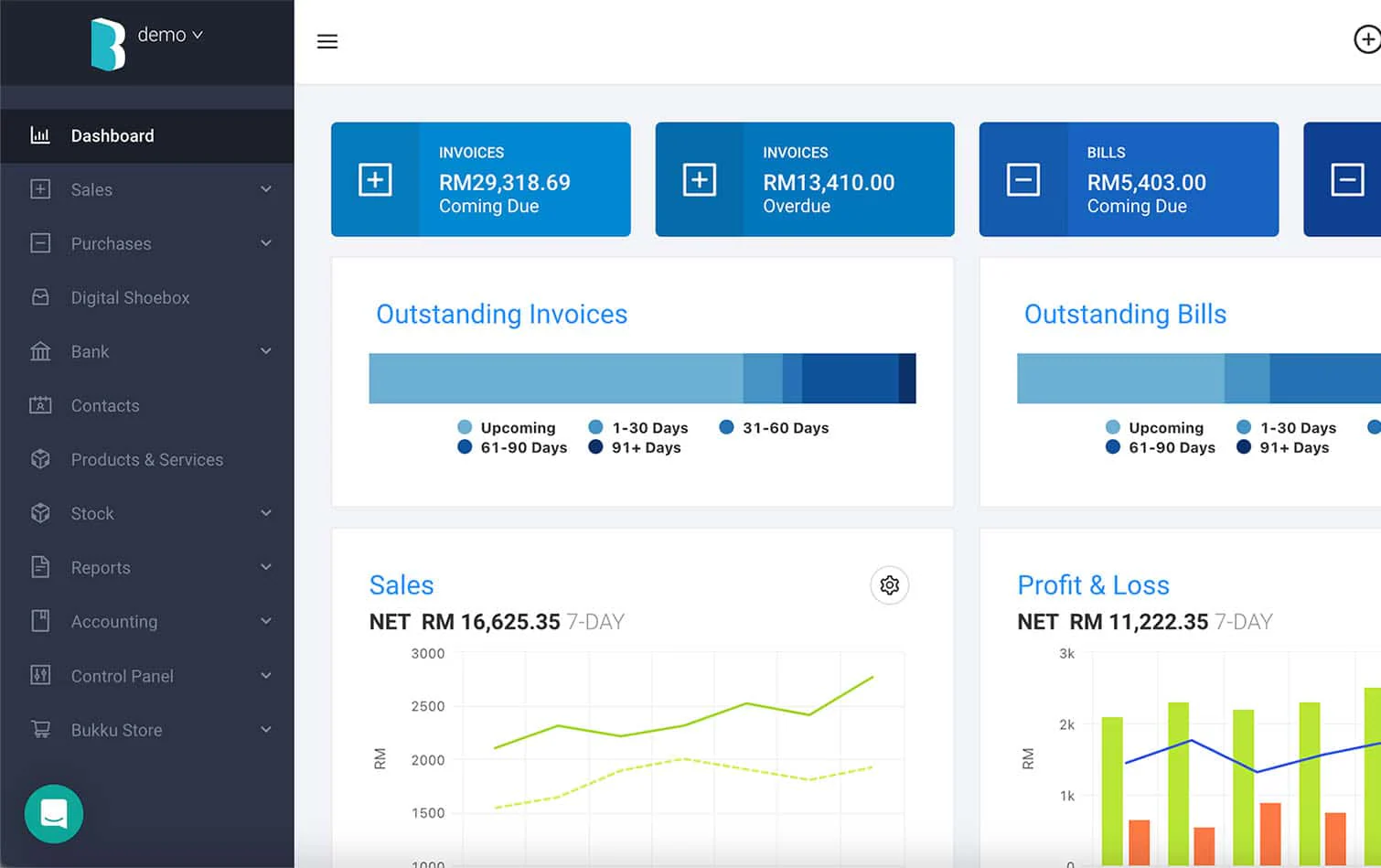
Bukku is another cloud-based accounting software we reviewed for businesses in Malaysia. It comes with essential features such as invoicing, expense tracking, and financial reporting, all aimed at streamlining financial operations.
What makes Bukku stand out is its strong emphasis on user experience and automation. The intuitive interface minimizes the learning curve, making it easy for users of all accounting skill levels to navigate. By automating routine accounting tasks, Bukku helps businesses save time and improve overall efficiency.
Pricing: Bukku offers a permanently free Launch plan for basic invoicing. Paid plans start with Seed at RM35 per month, followed by Grow at RM65, Prime at RM95, and Elite at RM135 per month. An additional 8% SST applies to paid subscriptions.
| Pros | Cons |
|
|
Bukku is designed for Malaysian SMEs with support for MyInvois e-invoicing, recurring billing, and SST compliance. Its readiness for LHDN e-invoicing requirements makes it a practical choice for businesses preparing for upcoming compliance deadlines.
15. MYOB
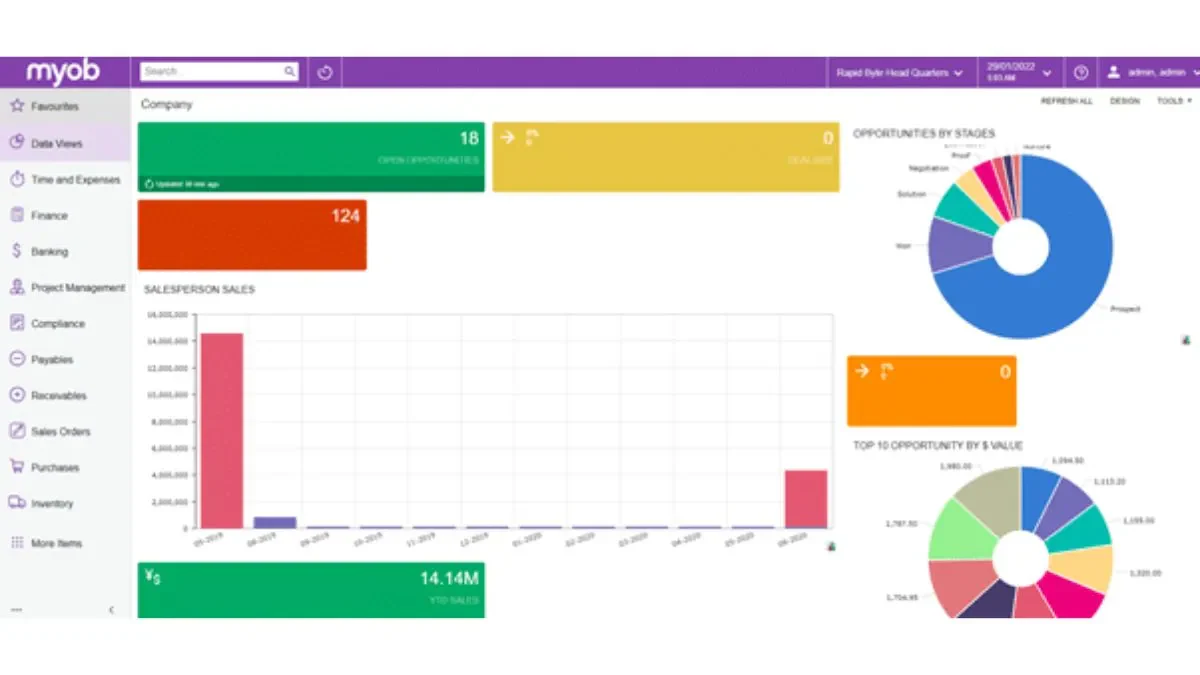
MYOB (Mind Your Own Business) is a well-known accounting software in Malaysia that we reviewed for its comprehensive set of features. It includes payroll, invoicing, and financial reporting tools, all designed to help businesses simplify and manage their financial operations effectively.
One standout feature of MYOB is its invoicing functionality. The platform enables businesses to create and customize professional invoices easily, making the billing process efficient and reducing manual effort. This feature is particularly useful for maintaining accuracy and professionalism in client transactions.
Pricing: MYOB’s former Malaysian accounting products are now offered under the ABSS brand. ABSS Accounting starts at approximately RM2,299, while ABSS Premier starts at RM3,599. Multi-user licences, e-Invoice features, support, and upgrades may increase the total cost.
| Pros | Cons |
|
|
MYOB is suitable for growing Malaysian businesses that need accounting, inventory management, and payroll features in one system. Commonly used in industries like professional services, construction, and distribution, MYOB is also widely recognized by Malaysian accountants and bookkeepers.
16. SAP Business One
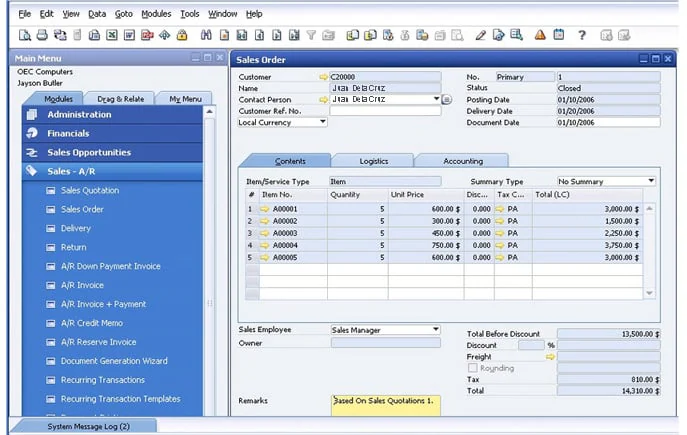
SAP Business One is a powerful accounting software we explored, tailored for small to medium-sized enterprises. It provides integrated financial management solutions that cover accounting, sales, inventory, and purchasing, making it ideal for businesses looking to scale efficiently.
A key strength we noted is its advanced invoicing system, which automates billing processes and allows real-time payment tracking. This functionality enhances accuracy, minimizes manual errors, and ensures smoother financial operations.
Pricing: SAP Business One uses quotation-based pricing because its cost depends on licences, hosting, implementation, and customization. Some Malaysian partners offer cloud packages from approximately RM150 per user per month, but businesses should request a complete quotation covering all implementation and support costs.
| Pros | Cons |
|
|
SAP Business One is suitable for Malaysian mid-sized and large businesses that need integrated accounting, ERP, multi-currency management, and consolidated financial reporting across multiple entities or locations.
17. Accurate
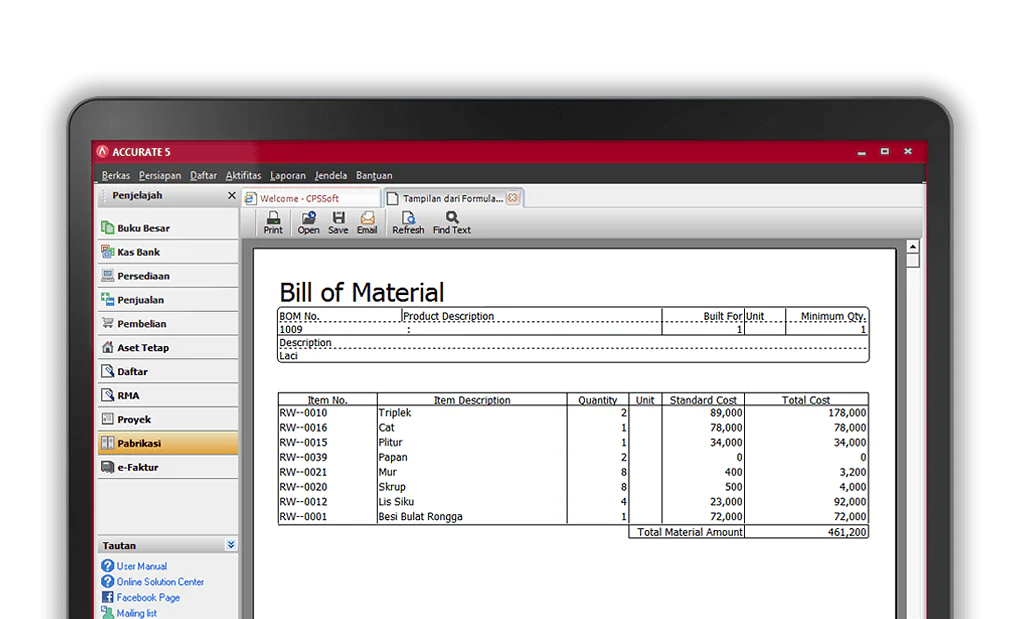
Accurate is an intuitive accounting software we reviewed, widely adopted by small and medium-sized businesses in Malaysia. It offers core features like bookkeeping, tax reporting, inventory management, and budgeting tools to simplify financial processes.
One standout feature we observed is its invoicing capability, which enables businesses to generate detailed invoices effortlessly. This ensures smooth billing operations while allowing users to track outstanding payments and manage customer transactions efficiently.
Pricing: approximately RM77 per month after conversion from Indonesian pricing. Additional modules may cost around RM23 per month or more.
| Pros | Cons |
|
|
Accurate is suitable for Malaysian SMEs in manufacturing and distribution that need inventory tracking and financial reporting in one system. Its cost tracking features also help businesses manage production, raw material, and warehouse costs more effectively.
18. Microsoft Dynamics
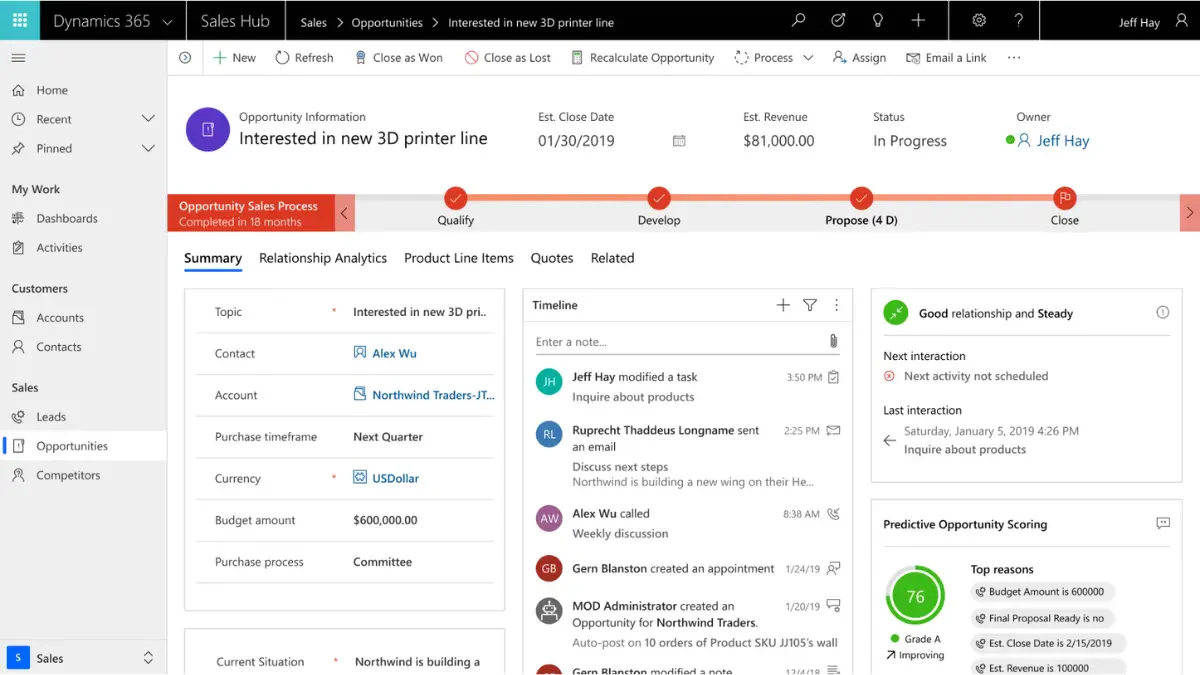
Microsoft Dynamics is a comprehensive ERP platform that goes beyond accounting by integrating finance, operations, and customer relationship management into one unified system. It’s designed to give businesses greater control and efficiency in managing day-to-day operations.
One feature we found especially valuable is its invoicing capability. The system automates invoice generation and allows real-time payment tracking, giving businesses better visibility over cash flow and reducing the risk of errors in billing.
Pricing: Microsoft Dynamics 365 Business Central Essentials costs approximately RM327 per user per month, while Premium costs around RM450 per user per month. A limited Team Members licence costs approximately RM33 per user per month. Implementation, migration, customization, and partner services are charged separately.
| Pros | Cons |
|
|
Microsoft Dynamics 365 is suitable for medium to large Malaysian enterprises, especially those already using Microsoft tools like Office 365 and Teams. Its customization and Power BI integration help businesses manage industry-specific workflows and real-time financial reporting more effectively.
19. Oracle
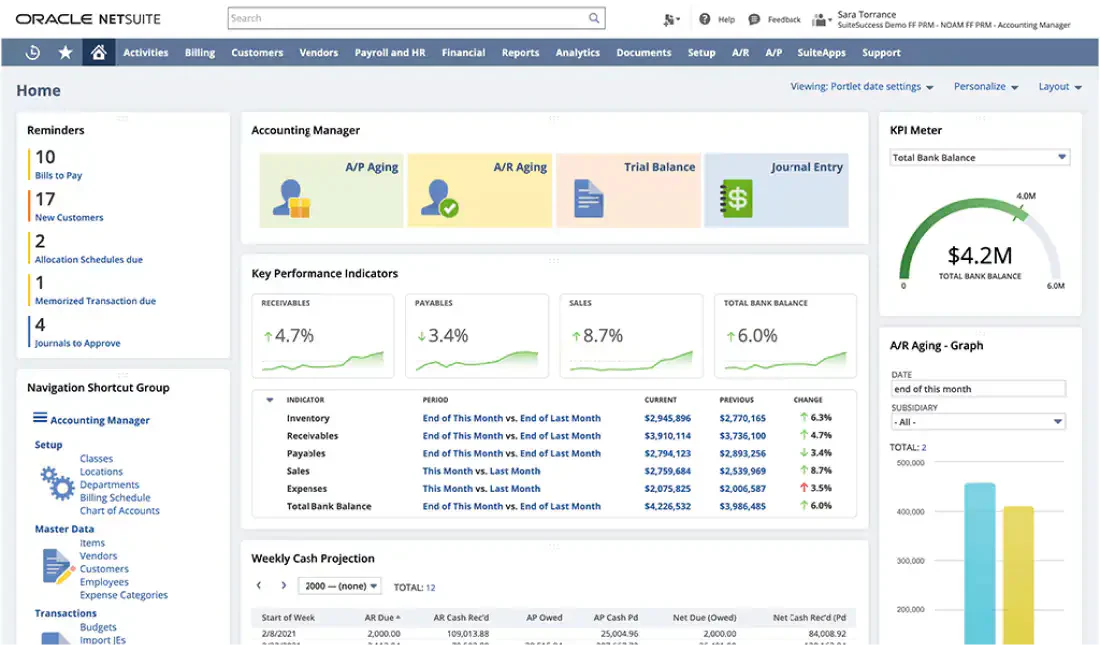
Oracle accounting software is an enterprise-grade solution built to handle complex financial operations for large organizations. It combines core features such as general ledger, accounts payable and receivable, tax compliance, and robust financial analytics into a single powerful platform.
What stands out is its advanced invoicing functionality. With automated billing workflows, businesses can efficiently manage high transaction volumes, minimize manual intervention, and maintain healthy cash flow.
Pricing: Oracle Fusion Cloud ERP uses custom enterprise pricing. The total cost depends on the financial modules, number of users, company structure, integrations, and implementation scope.
| Pros | Cons |
|
|
Oracle's cloud financial management is suitable for large Malaysian enterprises that need advanced analytics, multi-entity consolidation, and MFRS-compliant reporting. Its scalability also makes it useful for companies with regional ASEAN operations.
20. Omegasoft Malaysia
Omegasoft is an adaptable accounting solution designed specifically for small businesses and startups. It delivers key functionalities like financial reporting, expense monitoring, and inventory control, making daily operations more efficient.
One of its standout features is a user-friendly invoicing tool that simplifies billing. Businesses can generate, distribute, and track invoices with ease, helping to speed up collections and maintain accurate financial records.
Pricing: approximately RM77 per month, while its perpetual accounting licence costs around RM1,277 per device.
| Pros | Cons |
|
|
Omegasoftis designed for Malaysian retail and trading businesses that need integrated POS and accounting in one platform. Its support for SST, multi-outlet management, and local technical assistance makes it practical for businesses managing cashiering and bookkeeping together.
21. ZipBooks
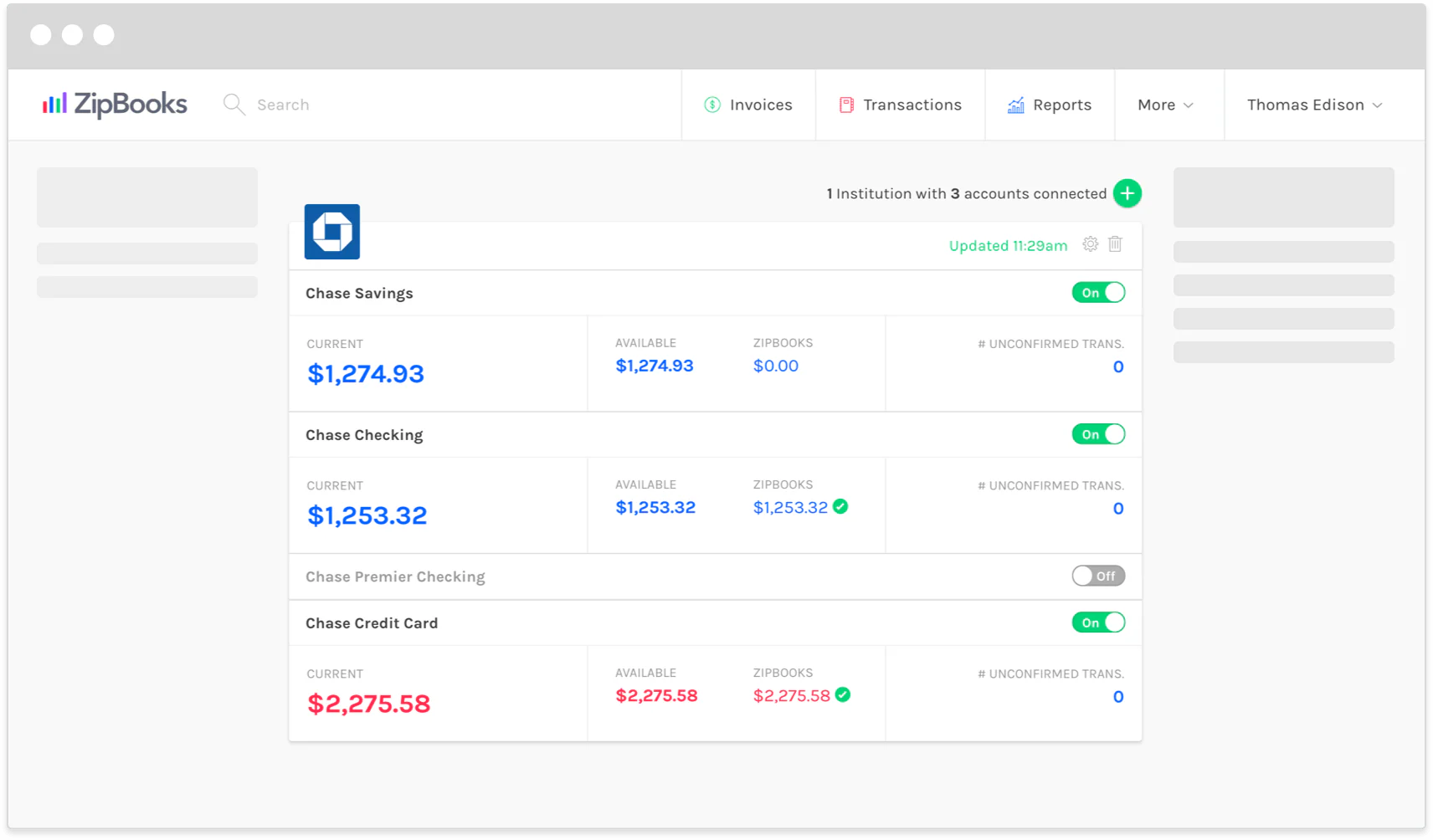
ZipBooks is a cloud-powered accounting platform built for freelancers, startups, and expanding businesses. It delivers essential tools such as bookkeeping, expense and time tracking, along with robust financial reporting to streamline financial workflows.
The invoicing function stands out for its simplicity and customization options. Users can design professional invoices, monitor payment statuses, set automated reminders, and even enable online payment options, ensuring smooth and timely billing.
Pricing: ZipBooks offers a free Starter plan for basic invoicing and bookkeeping. The Smarter plan costs approximately RM61 per month, while Sophisticated costs around RM143 per month. Payment-processing fees and professional bookkeeping services are charged separately.
| Pros | Cons |
|
|
ZipBooks is suitable for small Malaysian service businesses and freelancers that need simple invoicing and expense tracking. Its smart categorization features help reduce manual data entry, although businesses requiring SST or MyInvois compliance may need additional local tax support.
22. Tallyprime
 TallyPrime is an accounting and business management solution that supports multi-currency, multi-company operations, inventory bill of materials (BOM), and tax compliance.
It is aimed at small- to medium-sized businesses (SMBs) and has been widely adopted for finance and accounting management across many geographies.
Pricing: approximately RM1,115 for a single-user perpetual licence, while Gold costs around RM3,345 for multi-user access. These figures are converted from regional pricing, so Malaysian businesses should request a local reseller quotation before purchasing.
| Pros | Cons |
|
|
Tally is widely used by Malaysian SMEs, especially trading businesses, for bookkeeping and inventory management. Its lower cost makes it accessible for small businesses, although companies with SST or MyInvois compliance needs should confirm local tax support before implementation.
Overall Comparison of Accounting Software in Malaysia
| Provider | Accounting Features | Local Compliance | User-Friendliness | Scalability |
|---|---|---|---|---|
| HashMicro | ||||
| Xero | ||||
| QuickBooks | ||||
| Bukku | ||||
| AutoCount |
"Manual accounting increases errors and compliance risks as businesses grow. Upgrading to accounting software streamlines invoicing, ensures tax compliance, and improves financial accuracy."
Signs That Your Business Needs Accounting Software
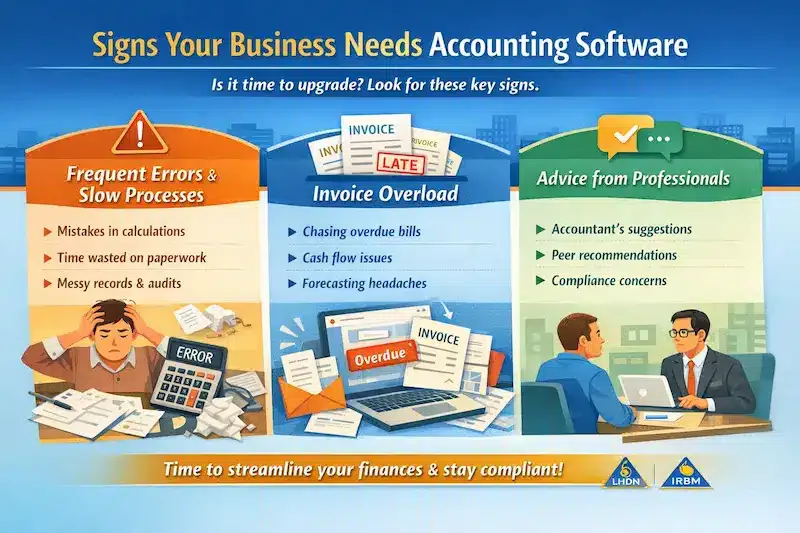
From handling invoices to staying compliant with Malaysian tax regulations, accounting tools in Malaysia can simplify and optimize these tasks. If you’re unsure whether it’s time to upgrade, here are some signs to help you decide on the right system:
- Struggling with Manual Calculations: Manual methods often lead to errors and wasted hours. In this case, upgrading to the right system can help your team save time, lower compliance exposure, and gain clearer financial insights.
- Spending Too Much Time on Invoicing: Accounting tools in Malaysia automate these tasks, helping you manage cash flow, monitor overdue payments, and forecast future finances more easily.
- Receiving Expert Recommendations: If experienced accountants or peers suggest upgrading to a finance system, it’s worth considering. These experts understand when financial management needs improvement, not just for efficiency but also to stay aligned with LHDN and IRBM regulations.
How to Choose the Right Accounting Software for Your Business

To choose the right accounting system in Malaysia for your business, consider a clear step-by-step approach that covers your business’s day-to-day needs and finance priorities. Here are the key steps to guide you through the selection process:
- Identify your business needs:
Start by reviewing your business’s size, industry, and accounting requirements. Determine the key features you need, such as invoicing, payroll, expense tracking, or multi-currency support. - Evaluate functionality and accessibility:
Choose software with an easy-to-learn interface and simple navigation. Consider whether the software is cloud-based, offering access from wherever your team works. - Consider integration capabilities:
Check whether the software connects with other business tools you use, such as inventory, CRM, and HRM. Better connectivity can improve workflow efficiency and reduce manual data entry. - Ensure Compliance and Security:
Ensure the software follows local tax regulations and industry standards. Choose the best accounting software with strong data protection and backup features to protect your business from legal risks and data breaches. - Assess Customer Support and Training:
Review the vendor’s customer support options and training resources. Responsive support is essential for troubleshooting issues and learning how to use the software effectively. - Test With a free Trial or Demo:
Many accounting software vendors offer free trials or demos. Use these opportunities to test the software’s functionality and ensure it meets your needs. These steps will help you choose the best accounting software that aligns with your business’s operational needs and long-term goals, providing a solid foundation for stable finance operations as you scale.
After reviewing the key selection steps, the next step is to match each business situation with the type of accounting software that fits best. The table below gives a quick reference based on common finance needs, company size, and operational complexity.
How to Plan Your Accounting Software Migration Smoothly
Purchasing the software is only the first step. To prevent operational downtime and data loss, a structured migration plan is essential.Step 1: Cleanse Your Existing Data: Before moving to a new system, delete duplicate vendors, archive inactive clients, and reconcile pending accounts. Do not migrate dirty data.
Step 2: Select a Strategic Cut-Off Date: The best time to transition is at the end of a financial quarter or fiscal year. This provides a clean break for your accounting team to start fresh without overlapping balances.
Step 3: Run a Parallel Test: For the first month, run your old system and the new software simultaneously. Compare the end-of-month reports to ensure the new system is calculating everything flawlessly.
Step 4: Train Your Team: A system is only as good as the people using it. Ensure your finance team receives comprehensive onboarding from the software vendor to maximize the new features.
Which Accounting Software Suits Your Business?
| Business Profile & Scale | Recommended Software | Deployment Options | Key Strengths & Compliance Status |
|---|---|---|---|
| Mid-to-Large Enterprises & Multi-Company Groups | HashMicro | Flexible (Cloud, On-Premise, or Hybrid) | Full ERP integration, consolidated MFRS reporting, direct LHDN API. |
| Local SMEs & Trading Companies | AutoCount, Financio, QNE Accounting, Biztory | Cloud-Based (Lightweight) | Native SST, local compliance built-in. |
| Micro-Startups & Solopreneurs (MY) | Bukku | Purely Cloud-Based | Lightweight, local compliance built-in. |
| International Freelancers & Agencies | Xero, QuickBooks | Cloud-Based | Global multi-currency, extensive app integrations, partial-support bridge for LHDN. |
Malaysian-Specific Requirements You Can’t Ignore
Standard accounting software comparisons often miss what matters locally. Here’s the Malaysia checklist:
- LHDN e-Invoice
Malaysia’s e-Invoicing framework through LHDN’s MyInvois platform requires businesses to submit accurate and validated invoice data. Beyond invoice creation, finance teams must manage approvals, track submission statuses, handle rejections, and maintain records for compliance and audit purposes. Without a structured process, submission errors and manual rework can quickly increase.
The software should:
– Validate invoice data before submission
– Support approval workflows and status tracking
– Store e-Invoice records with audit trails
What to check with vendors:
– How are rejected invoices handled and resubmitted?
– Can users monitor submission status from within the system?
– How long are e-Invoice records retained and archived? - SST Management & Tax Accuracy
Manual SST processing increases the risk of incorrect tax rates, missed exemptions, and reporting discrepancies. Accounting software helps finance teams apply SST rules consistently across taxable and non-taxable transactions while maintaining accurate records for filing and audits.
The software should:
– Apply SST rules automatically to transactions
– Support taxable and exempt items within the same invoice
– Generate SST-02-ready reports
What to check with vendors: - – How does the system handle mixed taxable and exempt transactions?
– Can finance teams configure SST tax codes themselves?
– Are SST reports traceable back to source transactions? - OCR Receipt Capture & Expense Processing
Finance teams often spend significant time entering receipt information manually, especially when documents arrive through email, mobile devices, or paper copies. OCR functionality helps automate the process by extracting receipt details, allowing finance to review the information before posting transactions with supporting documents attached. - The software should:
– Extract receipt data automatically using OCR
– Route expenses through a review or approval process
– Attach receipts directly to accounting entries - What to check with vendors:
– What is the OCR accuracy rate for receipts and invoices?
– Can users review and edit extracted information before posting?
– Which file formats are supported for document capture? - Project Accounting & Profitability Tracking
For construction companies, service providers, and project-based businesses, knowing overall company profit is often not enough. Finance teams also need visibility into budget consumption, project costs, and profitability at the project, site, or client level to identify issues before they affect margins. - The software should:
– Allocate revenue and expenses by project or site
– Track budget versus actual costs
– Report profitability by project or customer - What to check with vendors:
– Can costs be assigned directly to individual projects?
– Are budget variance reports available in real time?
– Can profitability be viewed at both project and company levels? - Direct IRBM e-Invoice Integration
Not all accounting systems support direct connectivity with IRBM. Some only generate invoice files, while others can validate data, submit invoices automatically, retrieve statuses, and manage rejected submissions within the system. The difference can significantly affect finance productivity and compliance readiness. - The software should:
– Connect directly to IRBM submission channels
– Validate invoice data before transmission
– Track submission and validation statuses - What to check with vendors:
– Is the IRBM integration currently live or still planned?
– How are failed submissions handled?
– Can users view validation results inside the software? - Malaysian Bank Connectivity
Bank reconciliation is one of the most repetitive finance activities. Automatic bank feeds help import transactions directly from supported banks, reducing manual entry and improving reconciliation accuracy. However, support for Malaysian banks varies significantly across software providers. - The software should:
– Support automatic transaction imports from Malaysian banks
– Match bank transactions with accounting records
– Update bank data on a regular schedule - What to check with vendors:
– Which Malaysian banks are supported today?
– Are connections automated or based on file uploads?
– What reconciliation features are available for unmatched transactions? - Multi-Currency Accounting with MYR Base Currency
Businesses that buy from overseas suppliers or invoice foreign customers need accurate currency management. The system should support foreign currency transactions while maintaining MYR as the reporting currency and automatically calculating exchange differences for accounting purposes. - The software should:
– Support foreign currency transactions and invoicing
– Calculate forex gains and losses automatically
– Maintain MYR as the base reporting currency - What to check with vendors:
– How are exchange rates updated within the system?
– Can MYR be configured as the functional currency?
– How are month-end currency revaluations processed? - Local Support & Response Availability
Software capabilities matter, but so does access to support when issues occur. Whether dealing with e-Invoice submissions, SST reporting, or bank integration problems, finance teams benefit from support that operates within Malaysian business hours and understands local compliance requirements. - The software should:
– Provide support during Malaysian business hours
– Offer clear escalation channels for urgent issues
– Assist with local compliance-related questions - What to check with vendors:
– Where is the support team located?
– What are the response-time commitments for critical cases?
– Which channels are available for urgent support requests?
What Accounting Software Should Actually Solve
Most accounting challenges in Malaysia don’t come from using the wrong software, they come from disconnected processes. Finance teams end up switching between tools, re-entering data manually, and handling compliance steps that an integrated system would automate. The right accounting software should close those gaps, not add more steps.
| Finance Team Challenge | Why It Becomes Worse Without the Right Software | What the Software Should Provide |
| Chasing overdue payments | Invoices are tracked manually, follow-ups depend on individual staff, and overdue accounts are often missed. | Automated billing, payment reminders, overdue aging reports, and integration with Malaysian payment providers. |
| Month-end close takes too long | Bank reconciliation, journal entries, and reporting are handled separately, creating repetitive manual work. | Automated bank matching, recurring journal templates, and real-time financial statement generation. |
| SST compliance workload | Tax calculations are reviewed manually, increasing the risk of incorrect rates, exemptions, and reporting errors. | Automatic SST calculation, SST-02-ready reporting, and MySST integration or export capabilities. |
| Unreliable financial data | Information is spread across multiple tools, resulting in inconsistencies and limited visibility into changes. | Centralized records, audit trails, approval controls, and exception alerts for unusual transactions. |
| Outgrowing spreadsheets | Reporting becomes difficult as transaction volumes increase, while a full ERP may be unnecessary. | Multi-currency accounting, departmental reporting, and expandable modules that support business growth. |
The software that solves your specific problem is more valuable than the one with the most features on paper. This is especially true for construction companies, service-based businesses, and organizations that manage project-based billing, where cash flow visibility, project profitability, and accurate invoicing have a direct impact on financial performance.
Conclusion
The accounting software market in Malaysia has matured. You have real options now, from lightweight tools for freelancers to comprehensive systems for complex operations. That’s good news. Malaysia’s accounting software market is finally mature, but more choice makes it easier to pick the wrong fit.
You don’t want to pay for enterprise power you’ll never use, nor do you want a basic tool you’ll outgrow in six months. To choose wisely, focus on your specific bottlenecks (like SST or e-invoicing), calculate the full cost including setup and training, and demand local proof if a provider can’t show you a live SST-02 report or local bank feeds, keep looking.
If you’ve narrowed down your options but want a second opinion on which setup fits your business, a free consultation can help you pressure-test your choice before committing.

FAQ about Accounting Software Malaysia
The most popular accounting software depends on how complex the business is. Malaysian SMEs often compare local tools such as AutoCount, Financio, QNE, Biztory, and Bukku because they support common needs like SST, MyInvois, and local reporting. For mid-to-large companies, platforms with ERP integration, multi-branch control, and direct compliance support, such as HashMicro, SAP Business One, Microsoft Dynamics, and Oracle, are usually more relevant.
Yes, Excel can work for simple bookkeeping or very small transaction volumes. However, it becomes harder to rely on when a business needs bank reconciliation, invoice tracking, audit trails, SST records, e-invoicing readiness, or multi-branch reporting. At that stage, accounting software with structured workflows and connected modules is usually more practical, especially for companies that need finance data linked with inventory, HR, purchasing, or operations.
Accountants usually use software based on each client’s reporting needs, compliance requirements, and transaction volume. SMEs may rely on AutoCount, QNE, Financio, Xero, QuickBooks, Bukku, or Biztory for bookkeeping and local compliance. Larger companies often consider HashMicro, SAP Business One, Microsoft Dynamics, Oracle, or Sage when they need stronger reporting, ERP integration, and multi-branch control.
Yes, reputable cloud systems are secure because they use encryption, MFA, and protected data centers to keep financial information safe.
SST-ready software helps SMEs automate tax calculations, avoid compliance mistakes, and meet Malaysian Customs requirements easily.
Local Malaysian platforms like HashMicro, SQL Account, AutoCount, Bukku, and QNE feature native e-invoice capabilities. In contrast, international systems such as Xero and QuickBooks usually require third-party integrations to comply with LHDN’s requirements.
Businesses typically need project accounting when they manage multiple projects with separate budgets, costs, and billing arrangements, and need visibility into the profitability of each project rather than only overall company performance.