







Companies often lose skilled employees faster than they can replace them, while spreadsheet-based HR systems give little early warning of turnover. When employee data, performance records, and development plans are stored separately, HR teams may miss signs of disengagement. Talent management software helps by centralizing data and improving visibility of performance and retention risks.
This is especially important in Malaysia, where employees prioritize career growth. In 2025, Randstad’s Workmonitor found that most Malaysian workers would leave jobs without development opportunities. By consolidating employee information, talent management software helps companies spot turnover risks earlier and take action to retain key talent.
This comparison highlights the best talent management software in Malaysia for 2026, helping businesses choose a platform that fits their workforce needs, budget, and HR processes.
Key Takeaways
Talent management software brings hiring, performance, learning, and succession into one system, so Malaysian HR teams act on data instead of scattered files.
Local factors decide fit: HRD Corp claimable training, EPF, SOCSO, EIS, PDPA, and multi-branch approvals should shape any shortlist.
EVA by HashMicro suits businesses that want talent data connected to wider HR and ERP operations, not siloed.
What Talent Management Software Actually Does
Talent management software is a system that integrates the main stages of the employee lifecycle, from recruitment and onboarding through to performance management, learning and development, compensation, and succession planning. Instead of relying on multiple disconnected tools and spreadsheets, HR teams can consolidate all employee information in a single platform.
The system also connects these processes so decisions are based on real-time, accurate data. For example, performance insights can highlight development needs and learning records can support career growth. This gives HR and managers a clearer view of workforce capabilities and supports more informed talent decisions, in line with the broader concept of talent management.
What Talent Management Software Actually Does?
As businesses grow, HR needs often move beyond record-keeping toward managing employee performance and development. Two factors can signal when a talent management platform becomes useful.
1. How it differs from standard HR software
Basic HR software manages records such as employee details, leave, and payroll. Talent management software adds performance reviews, competencies, development plans, and succession planning to support employee growth and workforce needs.
2. When a business outgrows basic HR tools
Once a business reaches around 50 to 100 employees, especially across multiple branches, spreadsheets and email can make reviews and approvals harder to manage. A dedicated talent platform provides a more structured way to manage performance and development at scale.
Hashy AI Fact

Hashy AI reads live HR and performance records, so it can flag skill gaps and surface review insights without manual exports, keeping people decisions grounded in real company data.
Request a Free Demo
The Features That Define Capable Talent Management Software
Not every platform labelled talent carries real depth. These are the features that separate a capable talent management software from a glorified employee database.
1. Performance and KPI tracking
Strong systems run appraisals, continuous feedback, and live scorecards. Look for flexible cycles and clear dashboards, and pair them with sound key performance indicators .
2. Goals, competencies, and succession planning
Businesses should be able to cascade company goals to teams, define required competencies, and identify potential successors for critical roles. Linking these elements to measurable key result areas keeps development aligned with business priorities.
3. Learning and development management
Built-in or integrated learning lets you assign courses, track completion, and close skill gaps. A connected learning management system matters most for HRD Corp claimable training.
4. Recruitment and onboarding
End-to-end hiring, from job posting to offer and structured onboarding, keeps new joiners productive sooner. If hiring volume is high, compare dedicated recruitment software too.
5. Analytics and workforce reporting
Turnover trends, review completion, and skill coverage should surface without manual exports. Good analytics turn HR from a record keeper into an early-warning system for the business.
How Leading Talent Management Software Compares at a Glance
Before exploring each platform in detail, it helps to see how the leading talent management solutions. The quick comparison below provides an overview of each vendor to help identify the options that best align with different business needs in Malaysia.
| Software | Best For | Key Features | Strength | MY Compliance | Pricing (est.) |
|---|---|---|---|---|---|
| EVA by HashMicro | HR + ERP-connected businesses | Performance, KPI, competency, HR ops | Talent linked to operations | HRD Corp, EPF, SOCSO, EIS ready | Custom quote |
| BrioHR | SEA SMEs, all-in-one HR | Payroll, performance, onboarding | Regional SME focus | Local statutory payroll support | From about RM12/employee/month |
| MiHCM | Asia mid-market HR | HR, payroll, performance, mobile | Malaysia presence | Regional statutory payroll | Quote-based |
| Employment Hero | SMEs needing HR + payroll | HR, payroll, reviews, engagement | Employment lifecycle | MY payroll statutory support | About RM36/employee/month |
| Workday | Large enterprises | Skills, talent, learning, analytics | Enterprise depth | Config-based, no native MY statutory | About RM200-445/user/year |
| SAP SuccessFactors | Complex enterprise HR | Recruiting, learning, succession | Full talent lifecycle | Via localization or partner | About RM378/user/year |
| Cornerstone | Learning-led teams | Learning, performance, skills | Development focus | No native MY payroll | About RM27/user/month |
| BambooHR | SMBs wanting simple HR | HR data, hiring, onboarding | Clean data model | No MY statutory payroll | About RM27-40/employee/month |
| Deel Engage | Global and remote teams | Performance, learning, engagement | Distributed workforce | Via Deel global payroll or EOR | About RM89/employee/month |
| ClearCompany | Recruiting-to-performance | ATS, onboarding, performance | Hiring lifecycle | No MY statutory support | Quote-based |
The 10 Best Talent Management Software in Malaysia
Here are the ten platforms worth shortlisting in 2026, starting with the option built for Malaysian businesses that want talent tied to wider operations.
1. EVA Talent Management Software by HashMicro
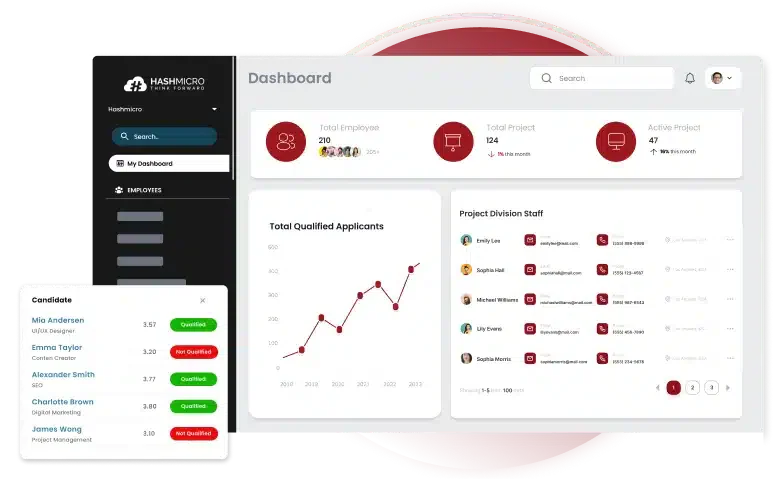
EVA by HashMicro is built for Malaysian businesses that want talent management connected to HR and wider ERP workflows in one system. It handles performance, KPI tracking, competency, and HR activity in a single platform, so talent data is never isolated from the rest of the business.
Because it sits within HashMicro's ecosystem, appraisal and development records connect to payroll and operations. That connected data model is its main strength as a talent management software, supporting growing companies that dislike disconnected tools.
Key features:
- Goal, KPI, and OKR tracking
- 360 appraisal and continuous feedback
- Competency gap and nine-box analysis
- Succession planning and calibration
- Payroll, HR, and ERP integration
| Pros | Cons |
|
|
Pricing: Custom quote with local implementation. Book a demo of EVA Talent Management Software .
2. BrioHR
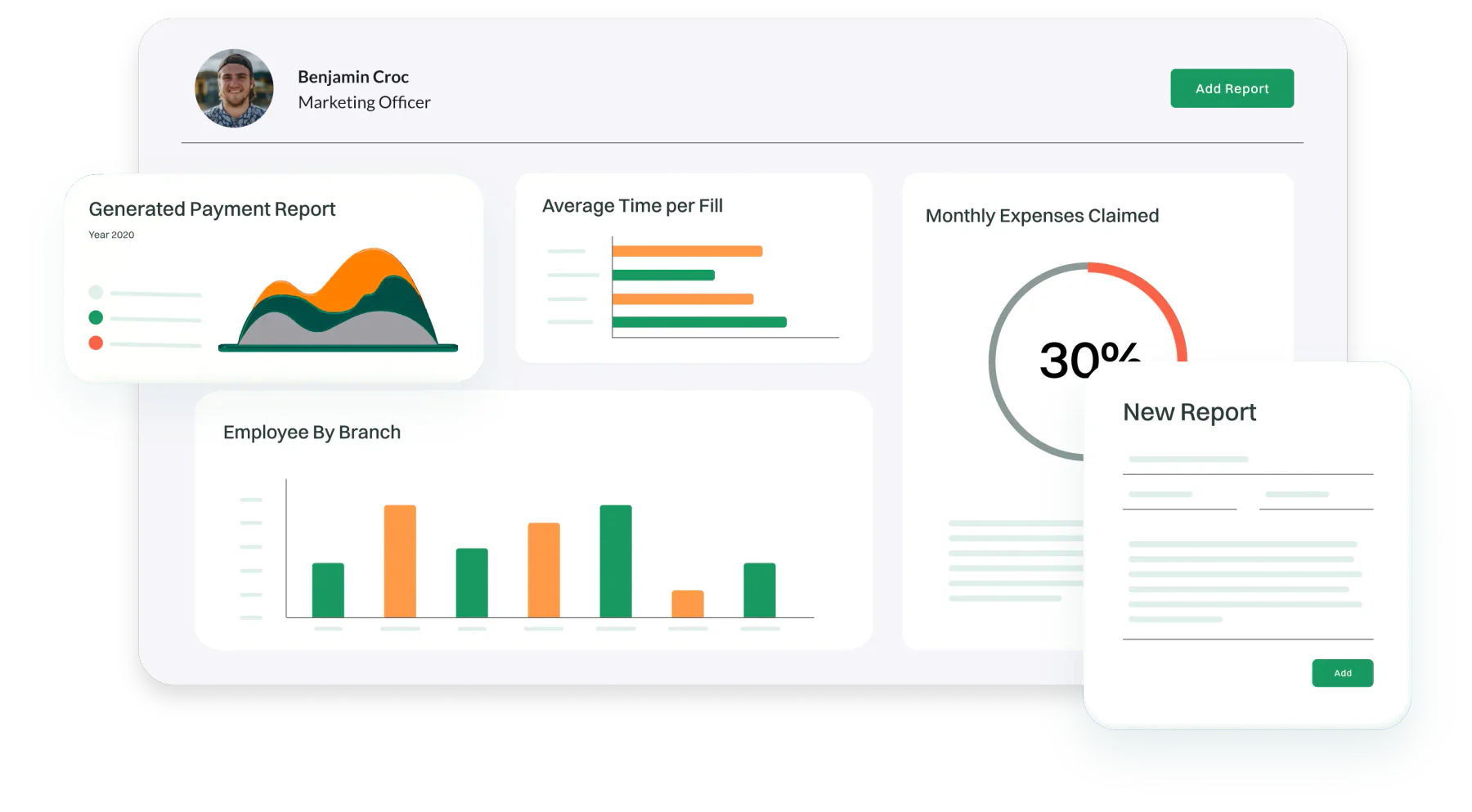
BrioHR fits Southeast Asian SMEs that want HR, payroll, and performance in one affordable platform. It bundles core HR, payroll, onboarding, and performance for smaller teams, and its regional focus keeps it aligned with Malaysian and neighbouring statutory needs.
As a talent management software, its strength is consolidation for growing teams rather than deep succession. Fast-scaling companies may exceed its succession and analytics capacity over time.
Key features:
- Core HR and payroll
- Performance reviews and goals
- Onboarding workflows
- Leave and claims
- Employee self-service
| Pros | Cons |
|
|
Pricing: Modular, from about RM12 per employee monthly.
3. MiHCM
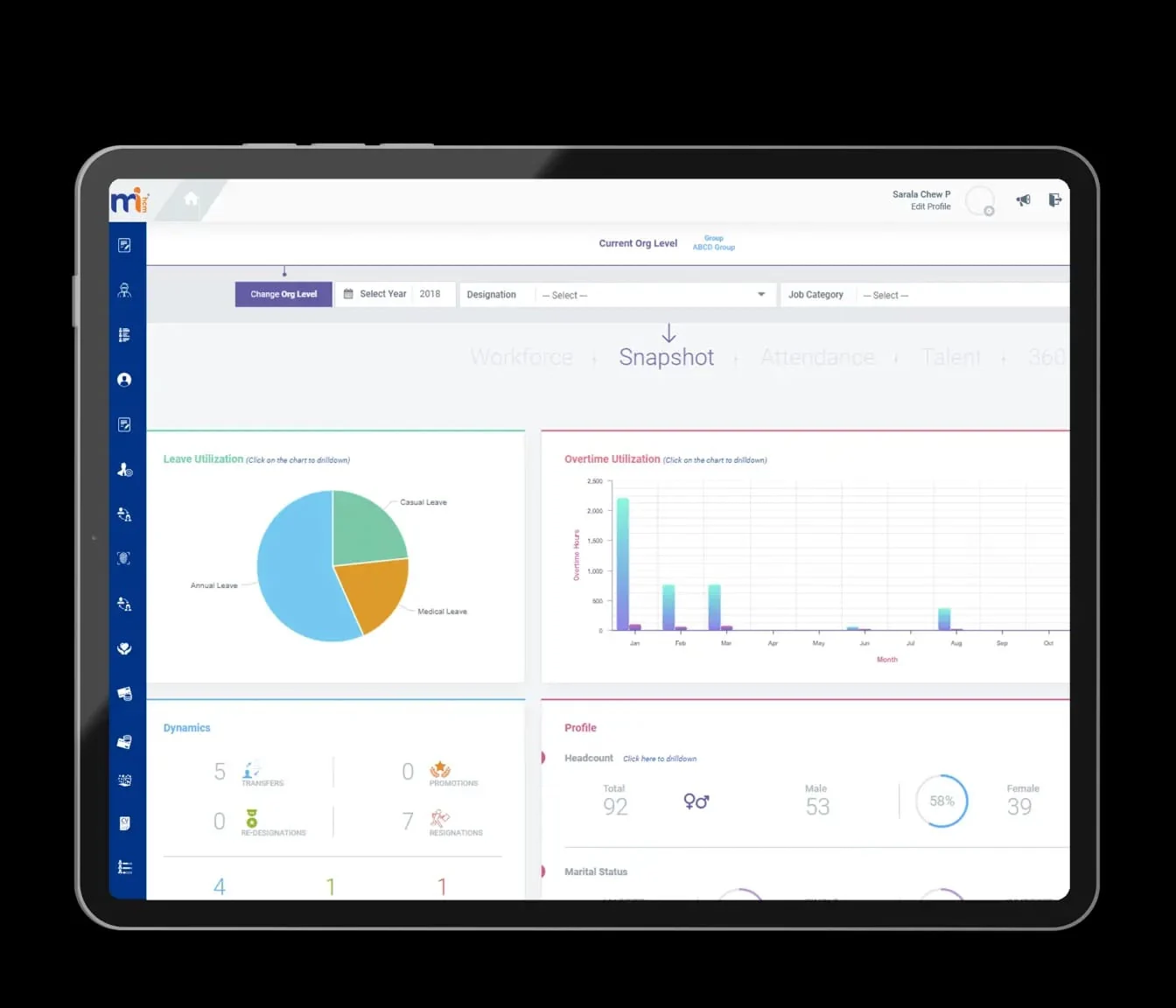
MiHCM targets Asian mid-market teams wanting HR, payroll, and talent with a mobile-first approach. It covers HR, payroll, time, recruitment, and performance, with a presence across Malaysia and the wider region.
Its strength as a talent management software is regional payroll coverage paired with strong mobile access for distributed teams. Buyers should confirm competency and analytics depth against enterprise suites during evaluation.
Key features:
- HR and payroll
- Performance management
- Time and attendance
- Recruitment
- Mobile self-service
| Pros | Cons |
|
|
Pricing: Quote-based, positioned for mid-market.
4. Employment Hero
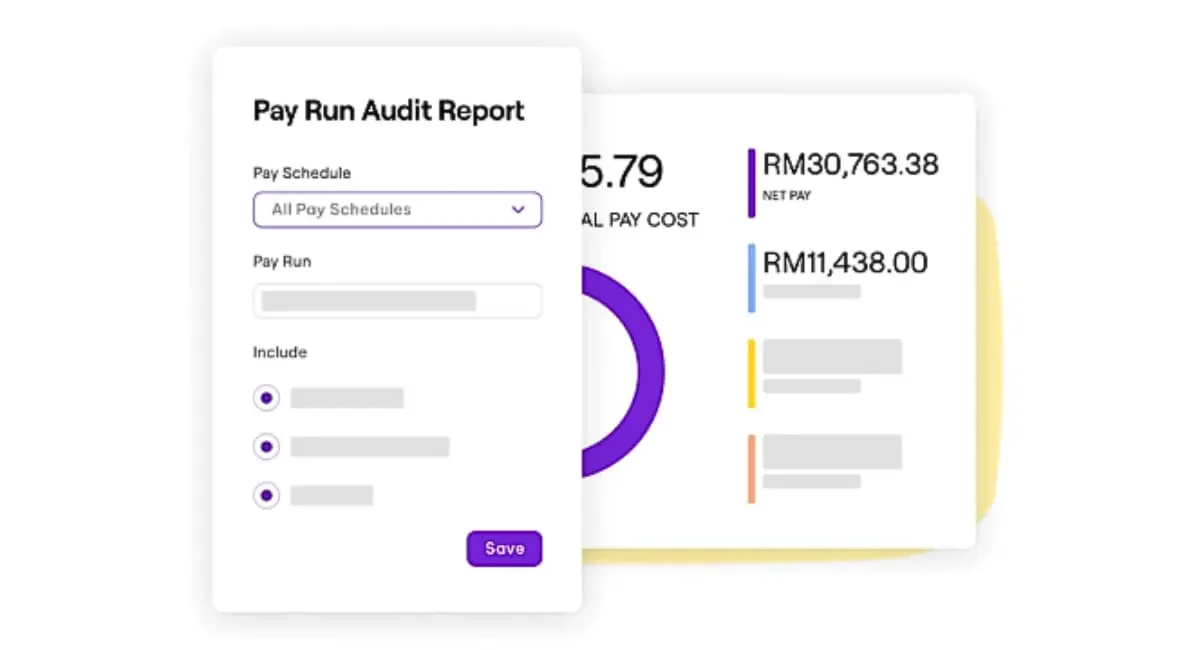
Employment Hero suits Malaysian SMEs that want HR, payroll, and performance across the full employment lifecycle. It pairs HR and payroll with performance reviews, engagement, and recruitment, and markets actively to Malaysian and regional SMEs.
Its strength as a talent management software is lifecycle breadth on one platform. The talent tools lean toward performance and engagement rather than deep succession or competency modelling.
Key features:
- HR and payroll
- Performance reviews
- Employee engagement
- Recruitment and onboarding
- Employee benefits
| Pros | Cons |
|
|
Pricing: Around USD8 per employee monthly, roughly RM36.
5. Workday
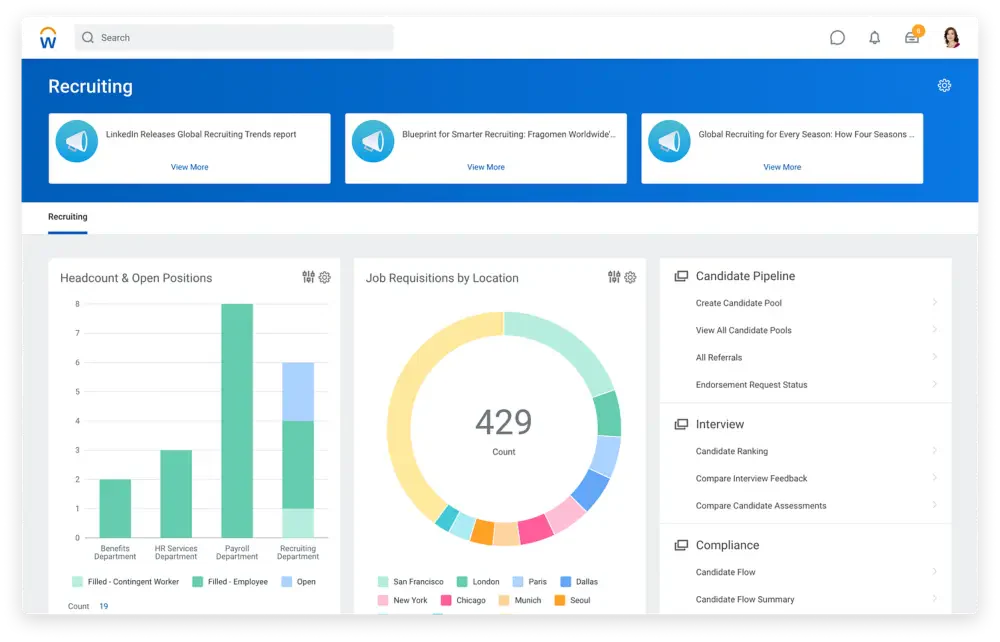
Workday serves large enterprises needing a skills-driven talent and HR platform with deep analytics. It delivers recruiting, talent development, learning, performance, and skills intelligence at enterprise scale.
Its strength as a talent management software is analytical depth and global scalability. It is enterprise-heavy and priced accordingly, so it rarely fits smaller Malaysian businesses without significant budget and rollout capacity.
Key features:
- Talent and performance
- Skills intelligence
- Learning
- Recruiting
- Workforce analytics
| Pros | Cons |
|
|
Pricing: Enterprise, estimated USD45 to 100 per user yearly, roughly RM200 to RM445.
6. SAP SuccessFactors
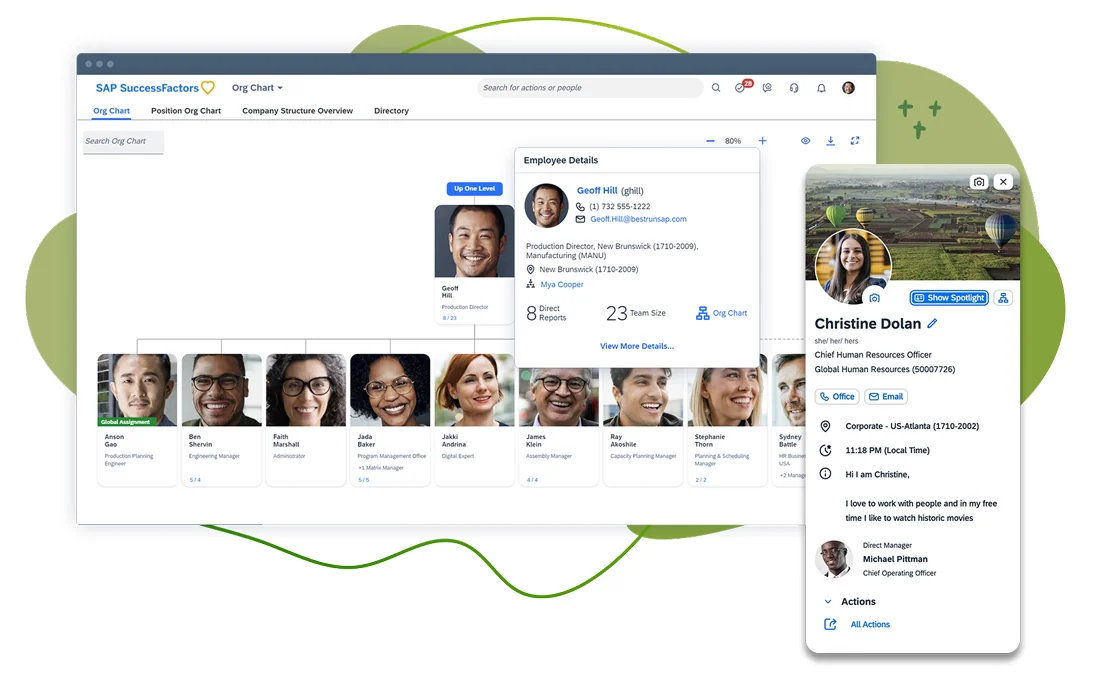
SAP SuccessFactors fits complex enterprises wanting a full talent lifecycle from recruiting to succession. It covers recruiting, onboarding, learning, performance, and succession with AI-assisted features for large, structured HR operations.
Its strength as a talent management software is lifecycle completeness and a mature localization framework. That depth brings configuration complexity, so smaller teams may find setup and administration heavier than required.
Key features:
- Recruiting and onboarding
- Learning
- Performance and goals
- Succession and development
- People analytics
| Pros | Cons |
|
|
Pricing: Enterprise, estimated around USD85 per user yearly, roughly RM378.
7. Cornerstone
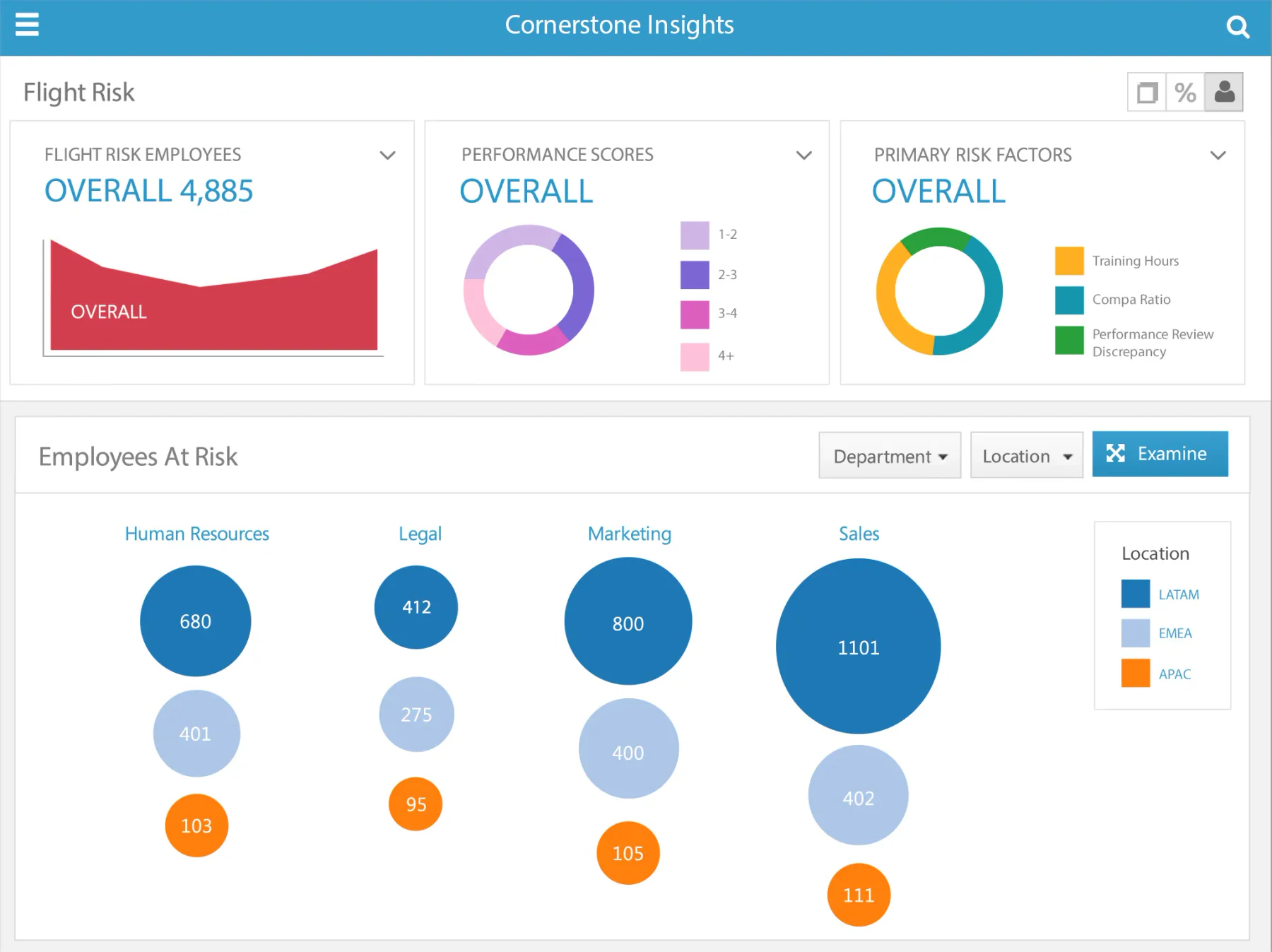
Cornerstone fits teams that put learning and development at the centre of talent strategy. It leads with learning, then adds performance, succession, and a talent marketplace for businesses prioritising workforce readiness.
Its strength as a talent management software is depth of learning and development pathing. Buyers wanting tight payroll and local HR integration should confirm Malaysian market fit during evaluation.
Key features:
- Learning management
- Performance
- Succession
- Talent marketplace
- Skills development
| Pros | Cons |
|
|
Pricing: Estimated around USD6 per user monthly, roughly RM27.
8. BambooHR
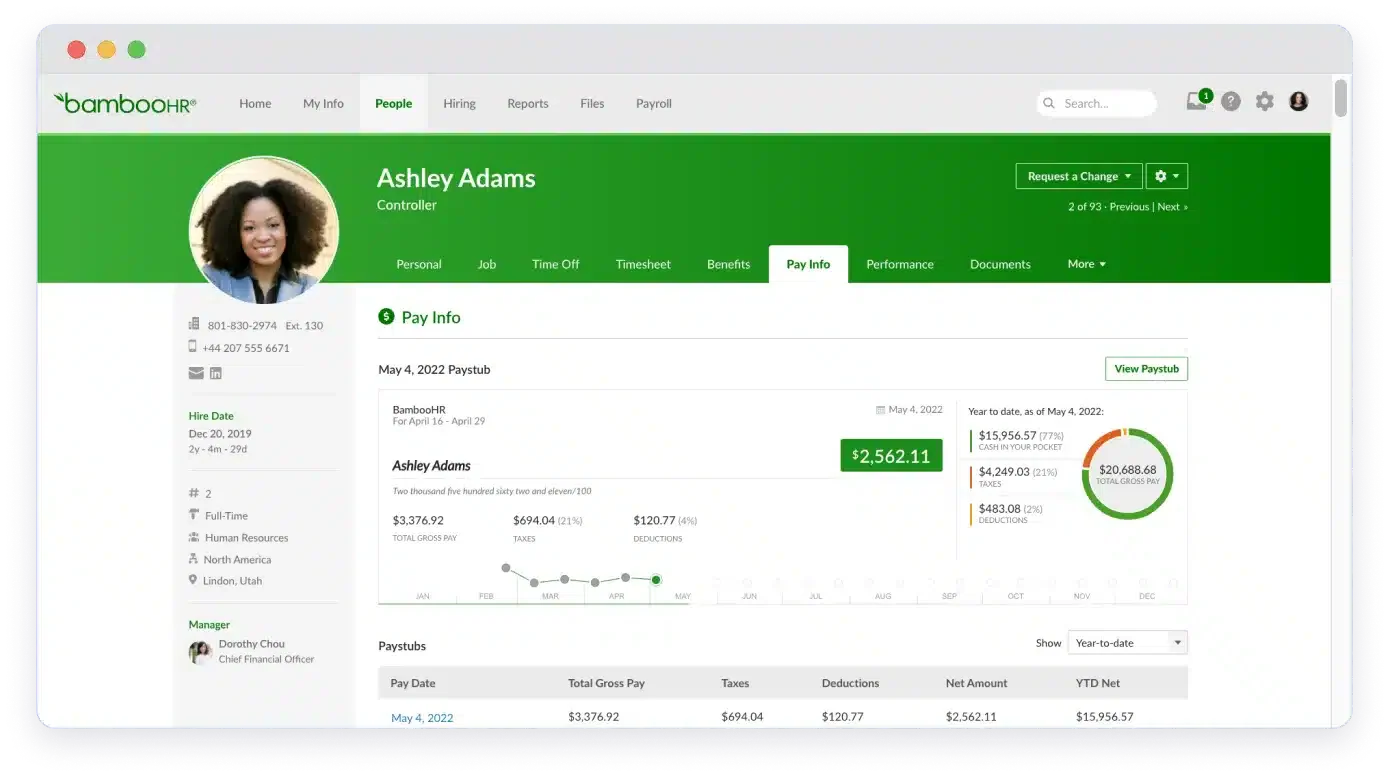
BambooHR fits small and mid-sized businesses wanting a clean HR core with light performance tools. It centralises HR data, hiring, onboarding, and basic performance for teams that value a simple data model over deep configuration.
Its strength as a talent management software is a structured HR record system with API access. Advanced succession, competency, and learning functions are limited, so growing talent needs may require a richer suite.
Key features:
- Centralised HR data
- Hiring and onboarding
- Performance reviews
- Time-off tracking
- Employee self-service
| Pros | Cons |
|
|
Pricing: Around USD6 to 9 per employee monthly, roughly RM27 to RM40.
9. Deel
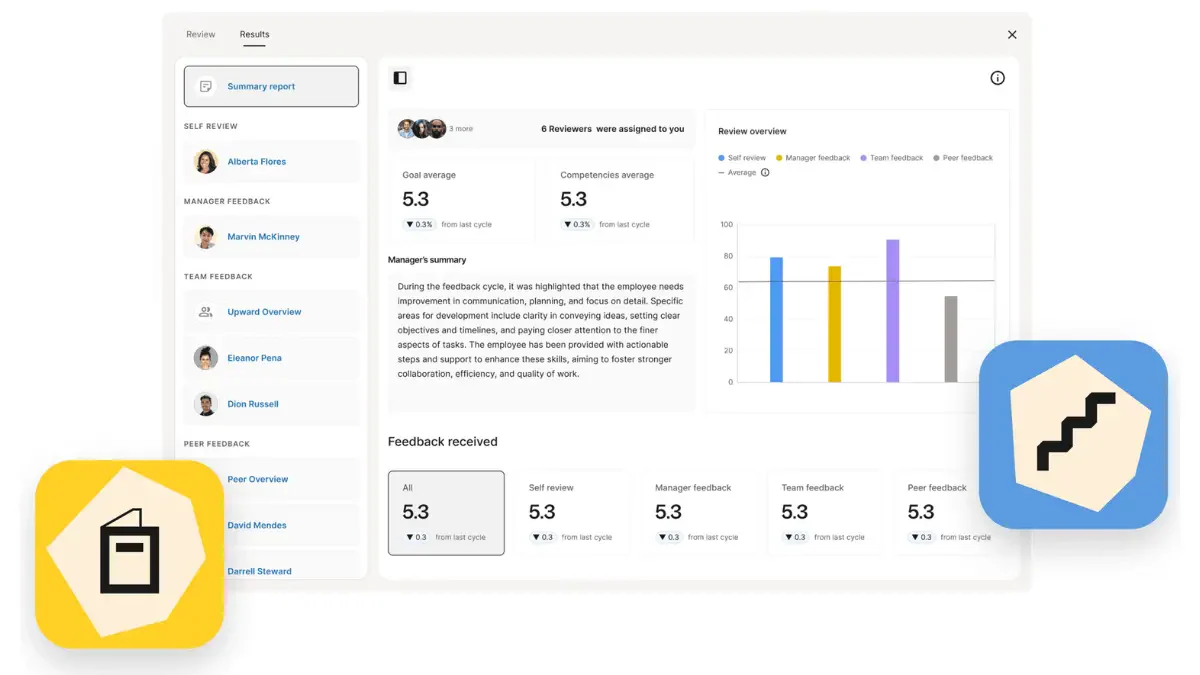
Deel fits global and remote-first teams managing engagement, performance, and learning together. Deel Engage adds performance, learning, and engagement modules on top of Deel's global employment and payroll platform.
Its strength as a talent management software is cross-border workforce and compliance coverage. For a purely local Malaysian HR setup, its global capabilities may exceed what the business needs.
Key features:
- Performance management
- Learning
- Engagement surveys
- Global payroll and EOR
- Career development
| Pros | Cons |
|
|
Pricing: Estimated around USD20 per employee monthly as an add-on, roughly RM89.
10. ClearCompany
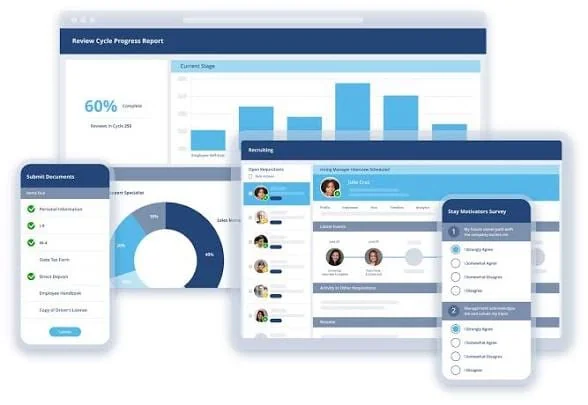
ClearCompany fits businesses that want recruiting joined to onboarding and performance in one flow. It connects applicant tracking, onboarding, and performance into a single hiring-to-talent pipeline for recruitment-heavy teams.
Its strength as a talent management software is a continuous recruiting-to-performance data flow. Its Malaysian market presence is smaller, so local support and integration should be confirmed before purchase.
Key features:
- Applicant tracking
- Onboarding
- Performance and goals
- Employee engagement
- Talent analytics
| Pros | Cons |
|
|
Pricing: Quote-based.
How We Evaluated Each Platform
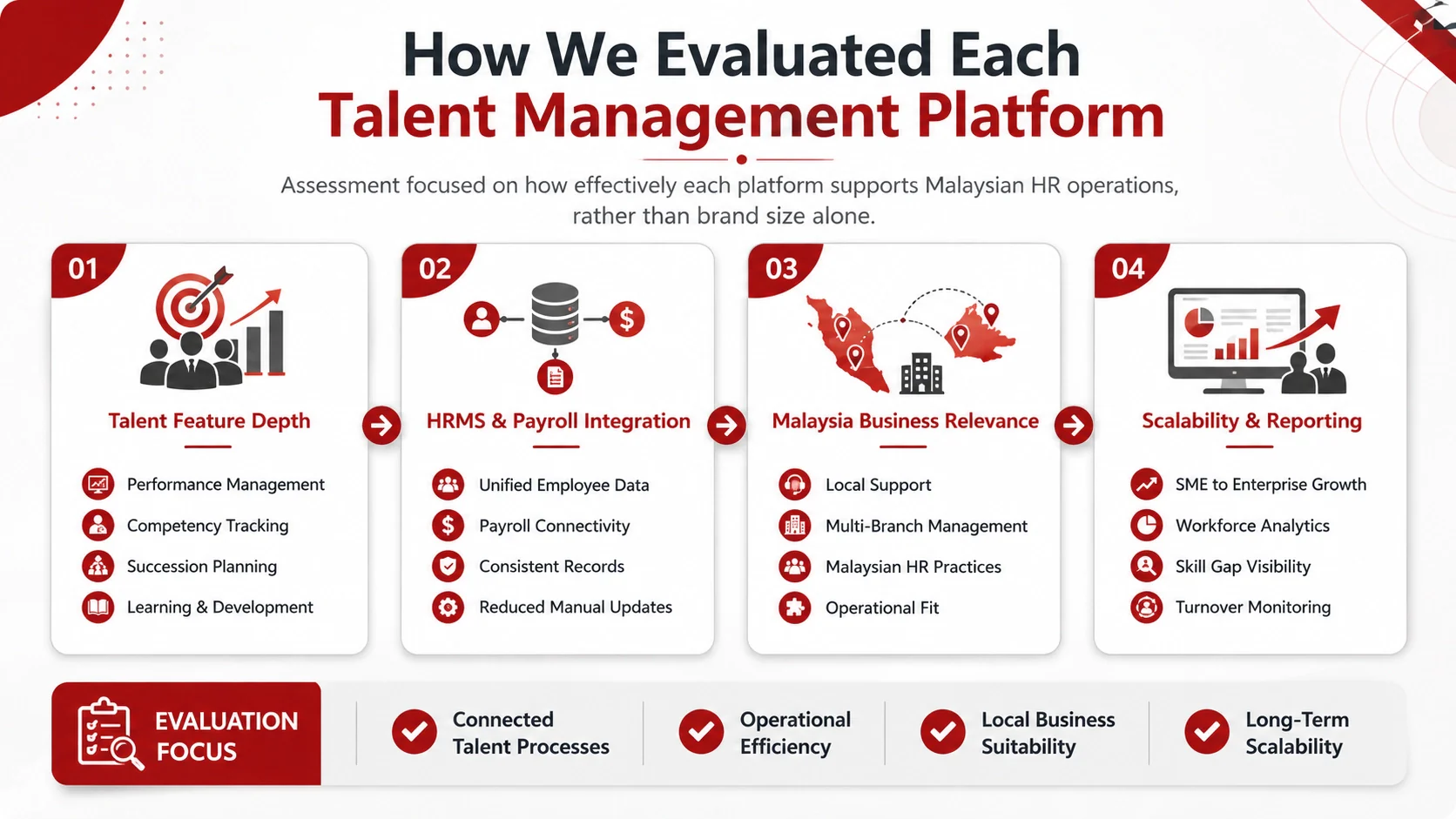
We did not rank by brand size. Each platform was weighed on how well it serves a Malaysian HR team that wants talent data connected to real operations. For broader options, see our list of HR software in Malaysia.
1. Talent feature depth
The assessment considered how comprehensively each platform supports performance management, competencies, succession planning, and learning and development. Greater value comes from platforms that connect these processes rather than simply storing employee records.
2. HRMS and payroll integration
Integration with core HR and payroll processes was assessed to determine how consistently employee, compensation, and performance data can be maintained across systems. Strong connectivity also reduces duplicate data entry and manual updates.
3. Malaysia business relevance
Local support, multi-branch management, and compatibility with Malaysian HR practices were considered alongside the platform's overall feature set. Global capabilities are more valuable when they also address local business requirements.
4. Scalability and reporting
Scalability was assessed based on the ability to support growing businesses from SME to enterprise scale. Reporting capabilities were also considered for their ability to surface turnover trends, performance gaps, and skill shortages without extensive manual data processing.
What Malaysian Businesses Gain From Talent Management Software
The payoff is not a vague productivity promise. It is practical control over the moments where Malaysian businesses usually lose people and time.
- Earlier sight of flight-risk staff
Performance trends, engagement signals, and development gaps can help managers identify employees who may be at risk of leaving and take action before turnover occurs. - Less manual HR administration
Reviews, goals, employee records, and development plans can be managed in one system, reducing repetitive data entry, spreadsheets, and follow-up emails. - Clearer development paths
Employees can see goals, required skills, training opportunities, and potential career progression, supporting a more structured employee experience. - Consistent appraisals across branches
Standardized review processes and measurable performance data help managers apply more consistent criteria when making decisions about promotions, rewards, and development. - Better compliance and record readiness
Centralized records make it easier to retrieve training, payroll-related, and employee information when supporting HRD Corp requirements, payroll processes, and PDPA-related data governance.
Malaysian HR Rules That Shape Your Choices

Software features matter, but local rules decide whether a platform truly fits a Malaysian business. These are the factors to weigh before signing.
1. HRD Corp claimable training
Employers with ten or more Malaysian staff must register with HRD Corp and pay a 1% levy. Evaluate whether the learning module supports claimable training records.
2. EPF, SOCSO, and EIS payroll-adjacent integration
Talent data often connects to payroll, where EPF, SOCSO, and EIS apply, with the EIS wage ceiling at RM6,000. Clean integration keeps records consistent, and you can compare wider
workforce management software
here.
3. PDPA and employee data protection
Talent systems hold sensitive appraisal, recruitment, and career data. Check role-based access, audit trails, and retention controls so the business meets PDPA obligations.
4. Multi-branch approval and workforce visibility
Many Malaysian firms run several sites across states. Confirm the platform handles branch-level approvals and gives leaders one clear view of the whole workforce.
Decision Matrix for Matching Software to Your Business
The right talent management software depends on factors such as company size, workforce needs, budget, and HR priorities. Use the decision matrix below to compare each platform based on these practical considerations and find the best fit for your business.
| Company profile | Priority | Suggested fit |
| SME, HR-only | Simple HR and reviews | BambooHR, BrioHR, Employment Hero |
| Mid-market, growing | Talent depth plus payroll link | EVA by HashMicro, MiHCM |
| ERP-connected business | Talent tied to operations | EVA by HashMicro |
| Learning-led team | Upskilling and readiness | Cornerstone |
| Large enterprise | Scale and analytics | Workday, SAP SuccessFactors |
For businesses treating people as core capital, our explainer on human capital management shows how talent tools fit a wider HCM strategy. EVA suits Malaysian firms wanting talent connected to operations, not siloed.
Talent Management in Practice Across Three Malaysian Scenarios
These three scenarios show how the right platform changes real outcomes for Malaysian teams.
1. Reducing turnover in a fast-scaling company
A growing firm sees good people leave without warning. Live performance data and review history help managers spot disengagement early. Understanding the attrition rate makes retention action timely, not reactive.
2. Lifting a disengaged workforce
A team ticks tasks but feels flat. Structured feedback, recognition, and clear development plans rebuild momentum. Pairing the software with strong employee engagement practices turns quiet effort into commitment.
3. Closing skill gaps through structured development
A company faces roles its current skills cannot fill. Competency mapping and assigned learning close the gap, and HRD Corp claimable training funds much of it. Further insights into upskilling and reskilling can help explain how employee skills can be developed to meet changing business needs.
Conclusion
Talent management software has evolved beyond basic employee record-keeping. By connecting performance, goals, learning, recruitment, and succession planning, these platforms provide a more complete view of workforce capabilities and development needs.
For Malaysian businesses, the right platform can reduce manual HR work while improving performance visibility, employee development, and workforce planning. Features such as HRMS and payroll integration, local business support, multi-branch management, and workforce analytics also make the system more practical as organizations grow.
The best choice ultimately depends on workforce size, talent management priorities, existing HR systems, and future growth plans. For businesses looking to see how talent management software can support their HR operations, book a free demo to explore the available capabilities.
FAQ About Talent Management Software
The best fit depends on your company profile. Malaysian SMEs often shortlist BrioHR or Employment Hero, mid-market teams look at EVA by HashMicro or MiHCM, and large enterprises evaluate Workday or SAP SuccessFactors. Match the platform to your talent needs, payroll integration, and local compliance rather than brand size.
No. HR software mainly stores records such as leave, payroll data, and personal details. Talent management software adds the growth layer, including performance reviews, competencies, development plans, and succession, all tied to outcomes. Many platforms combine both, but the talent layer is what supports development and retention.
Pricing varies widely. SME tools can start around RM12 per employee monthly, while enterprise suites like Workday or SAP SuccessFactors use custom enterprise quotes that often run higher per user. Local platforms such as EVA by HashMicro are quote-based with local implementation, so confirm figures directly with each vendor.
It can support the process when the learning module tracks training records, providers, and completion. HRD Corp claims still depend on employer registration and whether the specific programme is eligible. The software itself is not automatically claimable, so treat training features as a way to organise and document claimable courses.
Start with talent feature depth, HRMS and payroll integration, and local compliance covering HRD Corp, EPF, SOCSO, EIS, and PDPA. Then check multi-branch approvals, reporting, and scalability. A platform that connects talent data to wider HR and operations usually delivers more consistent decisions across branches.