





Manufacturing facilities constantly face supply chain uncertainties like delivery delays and fluctuating costs. When teams rely on disconnected spreadsheets, a single inventory mistake can easily disrupt production schedules. This exposes the business to severe financial risks, namely costly machine downtime and wasted capital tied up in excess stock.
Material Requirements Planning (MRP) software removes guesswork from procurement. According to The Edge Malaysia, local manufacturers face delayed deliveries and rising costs, often forcing them to hold costly extra stock. MRP solves this by calculating exactly what to order and when it should arrive. By aligning purchases with actual production demands, it keeps the factory running and protects cash flow from unnecessary holding costs.
Since every factory runs differently, finding the right manufacturing software solution comes down to what actually fits your team's workflow. To save you time, we have rounded up the 10 best MRP platforms in 2026. Check out the list below to find the system that makes the most sense for your daily operations.
Read on to discover which solution suits your company best.
Key Takeaways
MRP software helps manufacturers automate material planning, manage inventory more accurately, and improve production efficiency.
Choosing the best MRP software comes down to matching the system features and complexity directly to your specific factory workflow.
Essential MRP software must combine core operational tools like real time inventory control and automated scheduling with scalability to drive long term factory efficiency.
Manual production planning often leads to “bottleneck” delays that stall your entire shop floor and drain your operational margins. A specialized manufacturing ERP resolves this by synchronizing your material requirements with real-time production schedules to ensure seamless, on-time fulfillment.
Best Pick of MRP Software
Software in Malaysia
Software in Malaysia
Software in Malaysia


Best Because
Supports small to medium manufacturers requiring cloud MRP production scheduling and bill of materials control.

Best Because
Accommodates product businesses requiring inventory led MRP multichannel sales and warehouse management.
Best Because
Equips established manufacturers with multi site MRP finite capacity scheduling and complete production control.
Best Because
Supports small to medium manufacturers requiring cloud MRP production scheduling and bill of materials control.
Quick Comparison 10 MRP Software
| Software | Best For | Malaysia Context | Key Features | Standout Strength | Pricing (RM) |
|---|---|---|---|---|---|
| HashMicro | All business sizes and industries | Strong local presence and support | Material planning, real-time stock, ERP integration, asset monitoring | All-in-one system with built-in AI | Custom quotation. Free demo available |
| Infor CloudSuite Industrial | Industry-specific manufacturers | Via regional partners | Planning and scheduling, quality checks, JIT stock, accounting | Flexible for different production types | From around RM 630/user/month; setup from RM 210,000 |
| SYSPRO ERP | Multi-type, multi-site manufacturers | Via local partners | Material calculation, multi-site planning, capacity scheduling, alerts | Flexible and grows with the business | From around RM 630/user/month |
| Yonyou Malaysia | Multi-step production | Has a Malaysia office | Material and production planning, team collaboration, cost tracking, mobile app | Connects finance and supply chain | From around RM 504/user/month |
| Focus Softnet | Simple and process-based manufacturers | Regional Southeast Asia presence | Bill of materials, production time tracking, automation, stock updates | Full tracking with shop floor and quality tools | From around RM 210/user/month |
| MRPeasy | Small manufacturers (10 to 200 staff) | Cloud-based, online setup | Multi-level bill of materials, scheduling, real-time stock, built-in CRM and purchasing | Affordable and quick to set up | From around RM 206/user/month |
| Oracle NetSuite | Large companies with multiple units | Via NetSuite partners | Material calculation, supply chain planning, HR and customer tools, project tracking | One system shared across departments | From around RM 4,200/month plus RM 415/user |
| Microsoft Dynamics 365 | Manufacturers using Microsoft tools | Via Microsoft partners | Forecasting, supply planning, warehouse and stock, Office and reporting | Grows with the business and connects to Microsoft tools | Business Central from RM 294/user/month; Supply Chain from RM 882/user/month |
| Cin7 Core | Product businesses on many channels | Cloud-based, via partners | Material planning, order and warehouse, online store links, dashboards | Connects easily and tracks stock across channels | From around RM 1,466/month |
| DELMIAWorks | Factory-floor-focused manufacturers | Via Dassault Systèmes partners | Material availability, auto ordering, labor and machine planning, quality checks | Real-time factory view | From around RM 4,200/month; setup per project |
MRP Software vs ERP Software
While both tools support manufacturing, they operate at different scopes. MRP software focuses strictly on material planning, production schedules, and inventory alignment. In contrast, ERP software connects those shop floor processes with finance, procurement, and sales across the entire organization.
Understanding this distinction helps you choose the right fit for your factory. Dedicated MRP tools handle core production planning, while full ERP platforms cover broader enterprise operations. Knowing which layer your business actually needs prevents you from overpaying for unused features or outgrowing a limited system too quickly.
| Aspect | MRP Software | ERP Software |
|---|---|---|
| Primary Focus | Planning raw materials, production schedules, and inventory for manufacturing | Connecting all core business functions on one integrated platform |
| Core Function | Calculates what materials to order, how much, and when they are needed | Manages finance, procurement, sales, HR, and production together |
| Data Scope | Bill of materials, stock levels, lead times, and production demand | Company-wide data shared across every department in real time |
| Best For | Manufacturers that mainly need material planning and production control | Businesses that need production connected with finance, procurement, and reporting |
| In This List | MRPeasy is built primarily around MRP | Oracle NetSuite, Microsoft Dynamics 365, and Infor CloudSuite are full ERP platforms with MRP built in |
What are the Benefits of MRP Software?
MRP system is very useful for manufacturing companies. It helps plan production properly, control costs, and prevent unnecessary delays. Everything becomes more organised and efficient. Here are the main benefits:
1. Production Can Stay on Track
MRP makes sure raw materials arrive on time, so your production won’t get delayed just because one part never comes. When materials are all ready, your team can follow the schedule properly with minimal trouble.
2. Inventory Costs Can Be Lower
With MRP, you don’t have to stock extra materials just to play safe. It calculates how much you really need and when you need it. So storage costs won’t be so high, and you also avoid last-minute urgent orders that are always more expensive.
3. Planning Becomes More Accurate
MRP helps you plan more accurately by using data like demand forecast, material availability, and production capacity. So you won’t overproduce or underproduce, and also no risk of running out of materials halfway through.
4. Demand Forecasting with AI Assistance
MRP software nowadays also has an AI built in. It can study past sales, market patterns, and seasonality to predict future demand. With this kind of insight, you can plan earlier and make better purchasing decisions.
5. Can Work Together with Other Systems
MRP can integrate with ERP, CRM, finance software and so on. Different departments like sales, accounts, and production can all see the same data. Therefore, it helps everyone coordinate better and avoid miscommunication.
10 Best MRP Software in Malaysia in 2026
Here are the list of the best MRP software in Malaysia, updated 2026:
1. HashMicro
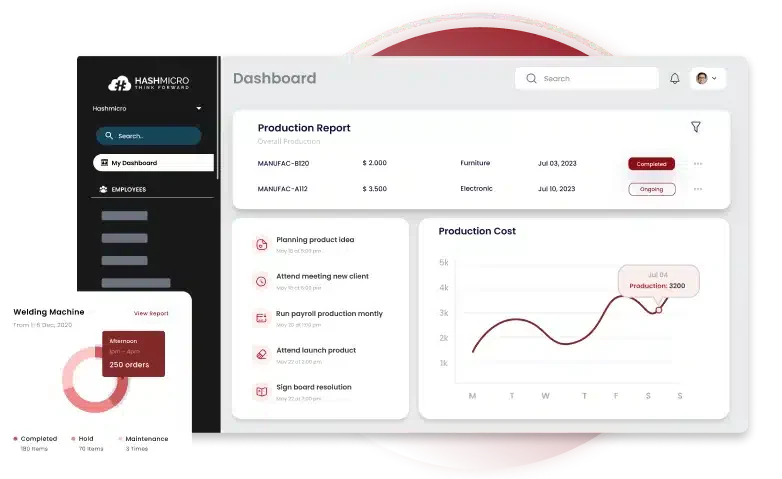
HashMicro MRP Software is the top recommendation for businesses looking to optimize their production processes and inventory management. It offers advanced features such as automated material planning, real-time inventory tracking, and integration with ERP software and MRP systems.
One of HashMicro’s strengths is its ability to integrate financial systems, inventory management, and asset control, including Overall Equipment Effectiveness (OEE). This integration plays a key role in minimizing downtime and ensuring every asset operates at peak efficiency.
If your business is facing challenges in production, HashMicro provides flexible solutions tailored to your industry.
Features
- Kiosk Mode: Tracks machine readiness and employee check-ins automatically to ensure every shift starts smoothly and runs with full visibility.
- Manufacturing Production Scheduler: Builds accurate production timelines based on real demand and historical trends to prevent overloading or idle resources.
- Secure BoM & Formula Control: Locks access to sensitive recipes and formulas to protect intellectual property and maintain consistent quality across every batch.
- Order Completion Forecaster (Made to Order): Calculates precise delivery estimates for custom orders to help teams commit to realistic lead times and improve customer satisfaction.
- IoT Conveyor Belt Sensor Integration: Monitors material movement in real time to catch bottlenecks early and reduce unplanned downtime.
- End-to-End Quality Control: Applies checkpoints across the entire production line to catch issues before products reach final inspection.
- Production Simulation Tool: Tests full production runs virtually to optimise resource use, detect inefficiencies, and avoid costly errors.
| Pros | Cons |
|
|
The right software solution also comes with flexible pricing packages, making it accessible for businesses of various sizes to benefit from advanced features. Click the banner below to explore pricing options!
2. Infor CloudSuite Industrial
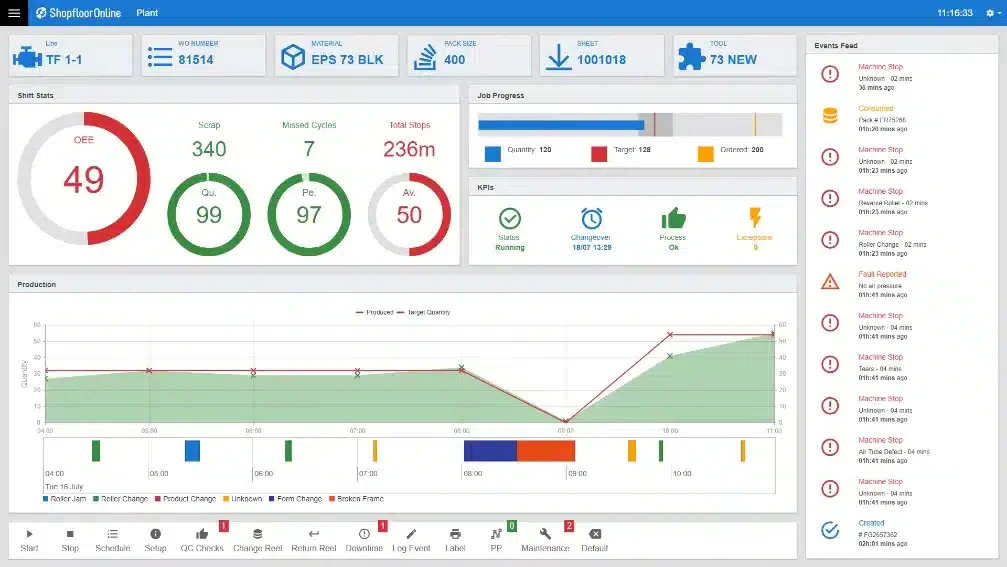
Infor provides ERP MRP software built for specific industries, with MRP functions designed for manufacturing operations. The system includes tools for demand planning, inventory control, and production scheduling to improve efficiency and resource usage.
Features
- Advanced planning and scheduling tools for efficient production management
- Comprehensive quality management system covering vendor, in-process, and customer quality
- Real-time JIT inventory tracking and warehouse management capabilities
- Integrated financial management with accounting and budgeting functionalities
| Pros | Cons |
|
|
3. SYSPRO ERP
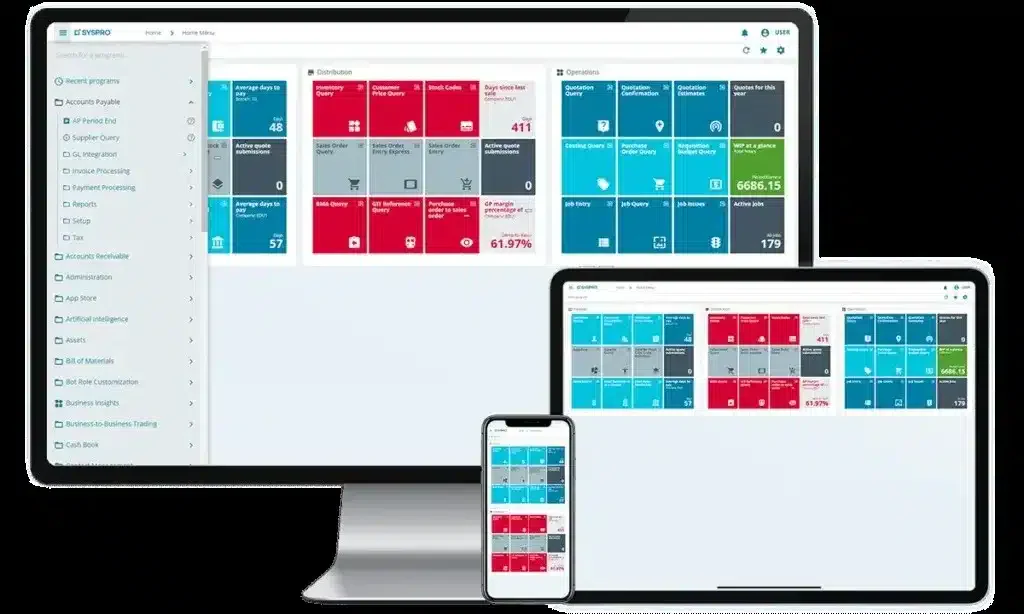
SYSPRO provides a manufacturing-focused MRP system software that calculates material requirements based on demand, lead times, and current stock levels. The system aligns procurement and production through automated job creation and material allocation.
It supports multi-site planning, finite capacity scheduling, and exception reporting to help manufacturers respond quickly to supply and demand changes.
Features
- Advanced planning and scheduling tools for efficient production management
- Comprehensive quality management system covering vendor, in-process, and customer quality
- Real-time inventory tracking and warehouse management capabilities
- Integrated financial management with accounting and budgeting
| Pros | Cons |
|
|
4. Yonyou Malaysia
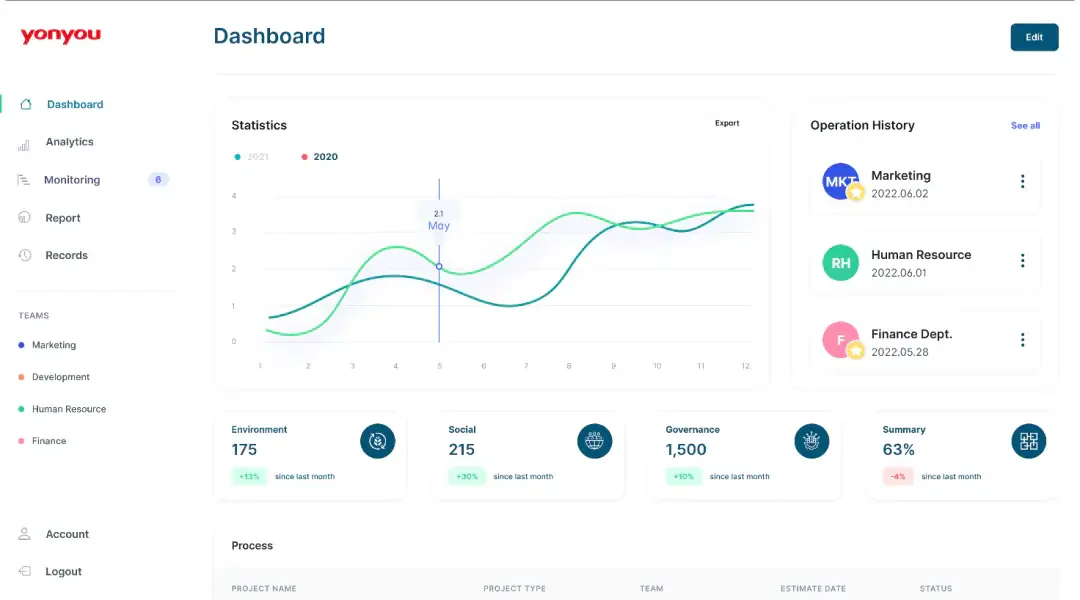
Yonyou delivers an integrated ERP MRP software as part of its enterprise system, tailored for manufacturers managing multi-level production.
The platform supports material requirement calculations, production order tracking, and coordination across multiple departments to maintain production accuracy.
Features
- Detailed material and production requirements planning
- Multi-organizational collaboration for integrated planning
- Real-time cost control and analytics
- Mobile app integration for on-the-go access
| Pros | Cons |
|
|
5. Focus Softnet
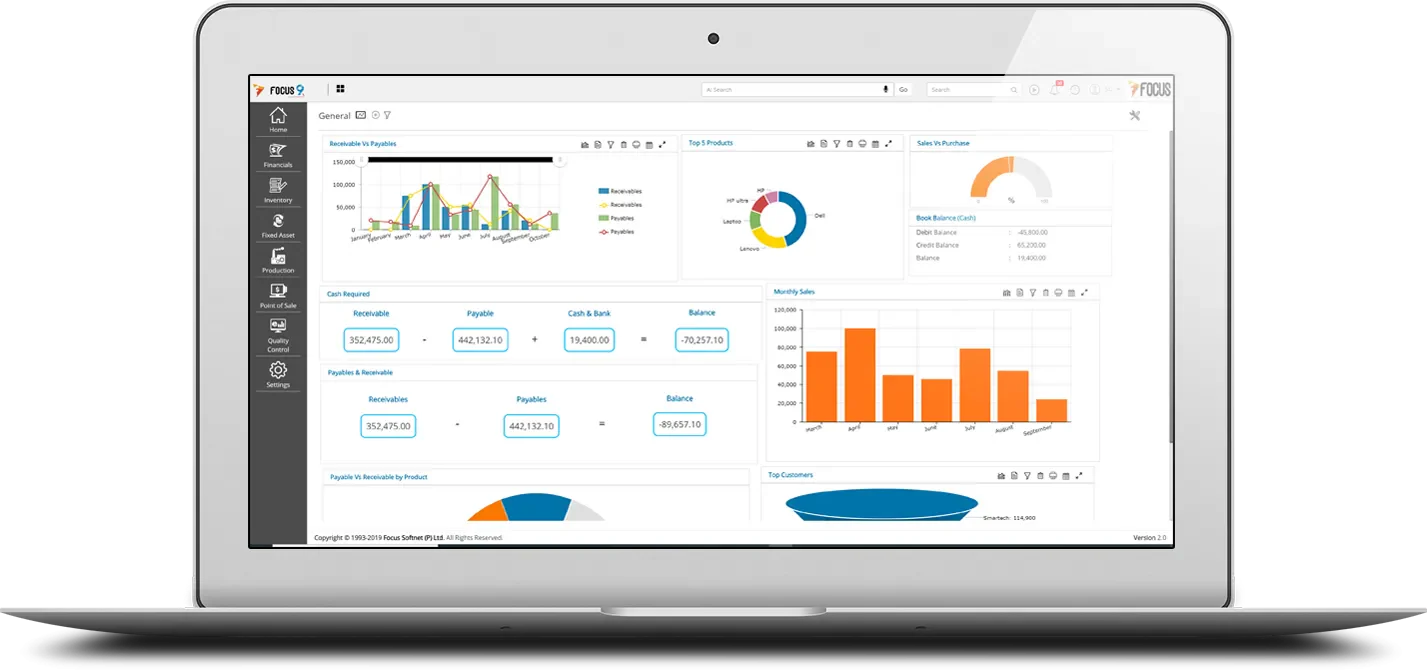
Focus Softnet offers an MRP module that supports discrete and process manufacturing by calculating raw material needs based on sales orders and production plans.
The system manages bill of materials, tracks material availability, and triggers purchase or production orders accordingly. It includes tools for work order generation, shift-wise production control, and real-time updates on stock levels and resource usage.
Features
- Comprehensive bill of materials (BOM) management
- Optimized cycle time analysis for production efficiency
- Seamless automation integration with existing systems
- Real-time availability tracking and change request management
| Pros | Cons |
|
|
6. MRPeasy
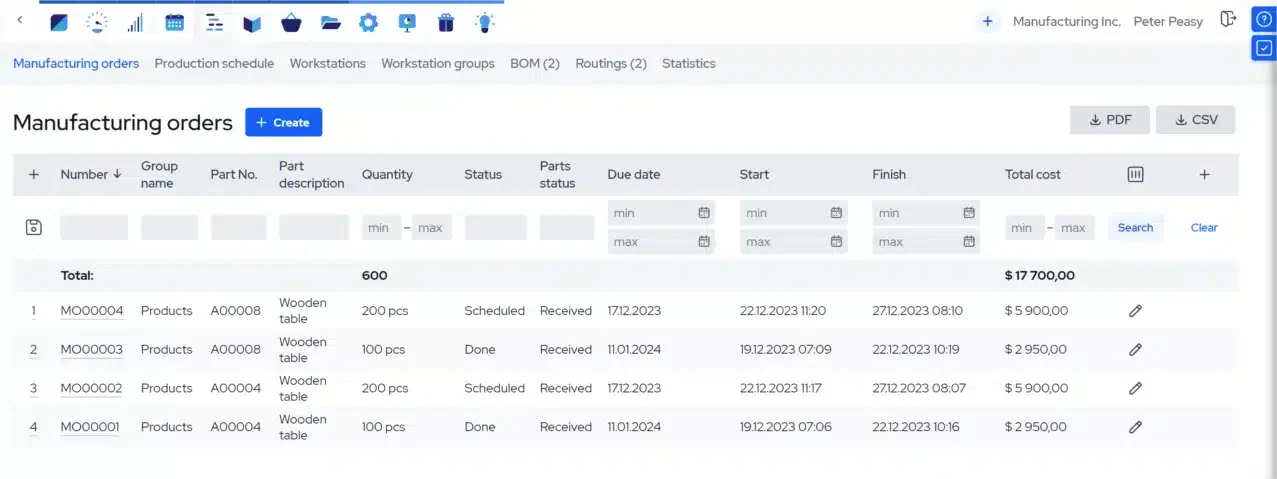
MRPeasy provides a cloud-based ERP and MRP solution powered by artificial intelligence to improve user interaction. The system targets small manufacturers with 10 to 200 employees and addresses key operational challenges commonly faced by businesses in small-scale production.
Features
- Advanced bill of materials (BOM) management with multi-level support
- Integrated production scheduling and Gantt chart visualization
- Real-time inventory tracking across multiple locations
- Built-in CRM and procurement management tools
| Pros | Cons |
|
|
7. Oracle NetSuite
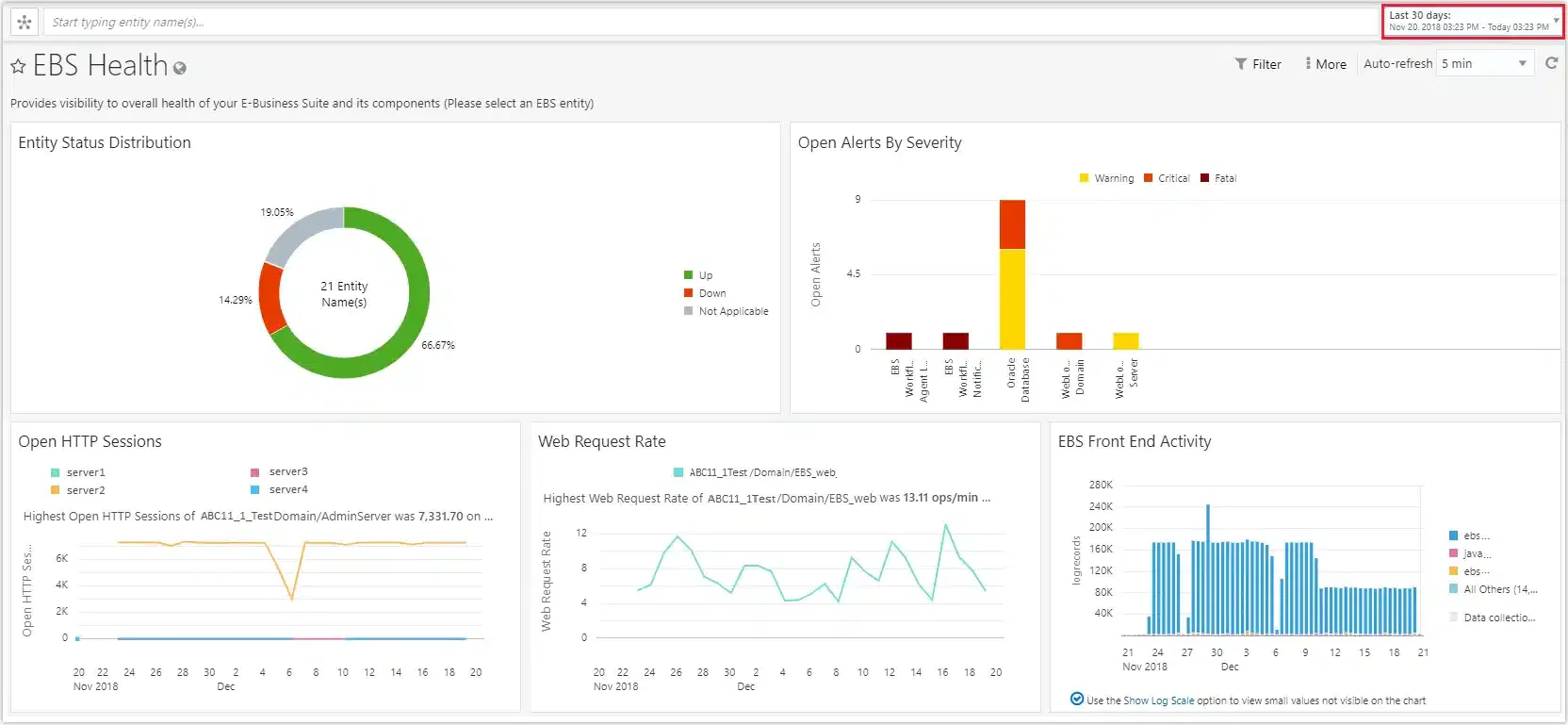
Oracle ERP Cloud offers a complete set of cloud-based applications. Its MRP feature supports businesses in demand forecasting, effective inventory management, procurement streamlining, and production schedule optimization.
Features
- Integrated HCM and CRM functions for large organizations
- Net material requirement calculations from BOM, inventory, and lead times
- Centralized supply chain planning across multiple business units
- Project management tools for scheduling, forecasting, and resource control
| Pros | Cons |
|
|
8. Microsoft Dynamics 365
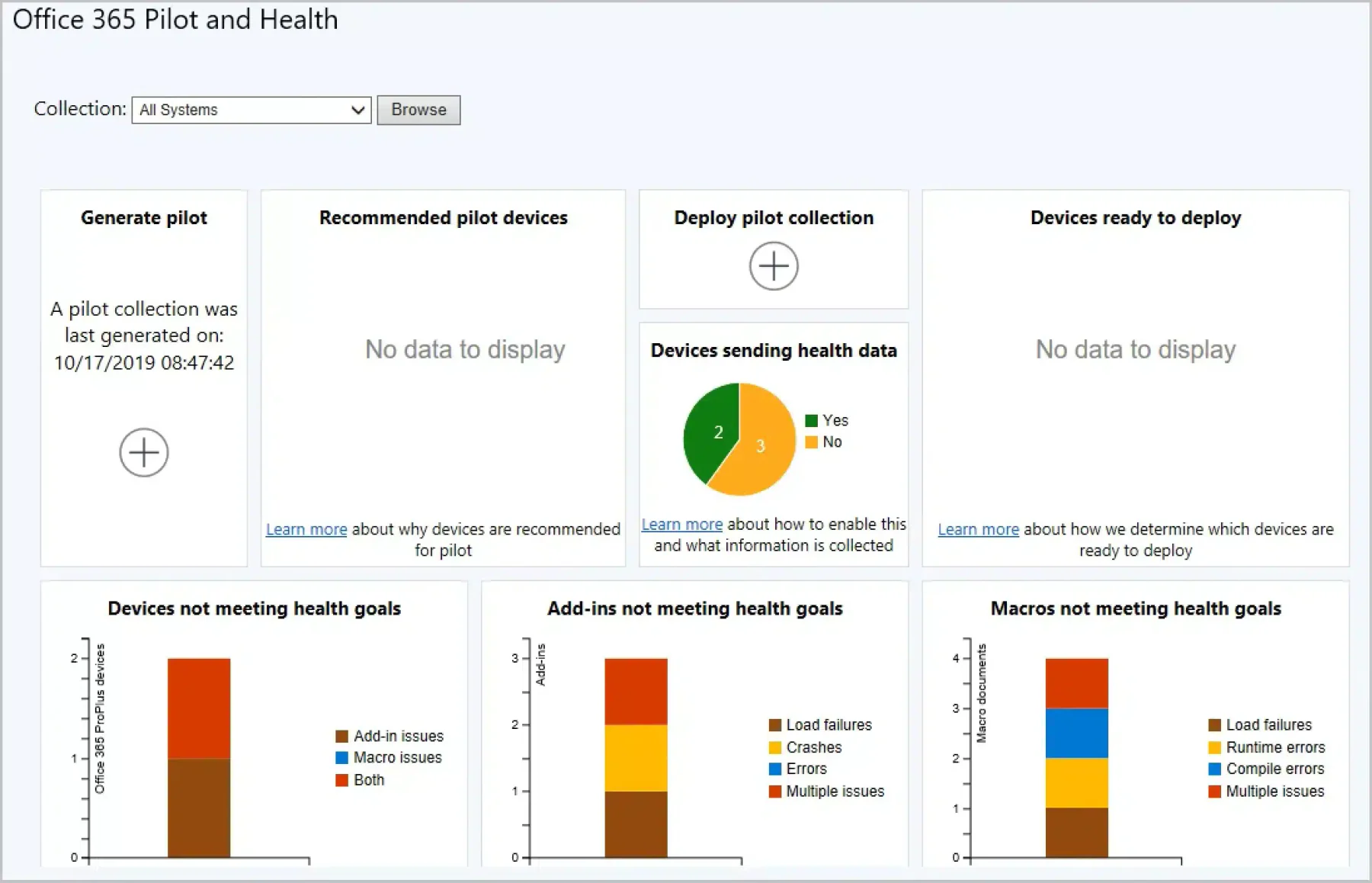
Microsoft Dynamics 365 functions as a powerful cloud ERP and MRP system for manufacturers, with editions that suit both small and large businesses. It ranks among the leading cloud-based ERP solutions for manufacturing, with deployment options in both private and public cloud environments.
Microsoft Dynamics 365 Features
- Comprehensive demand forecasting and supply chain planning
- Integrated financial and operations management modules
- Advanced warehouse and inventory management capabilities
- Seamless integration with Microsoft Office and Power BI
| Pros | Cons |
|
|
9. Cin7 Core
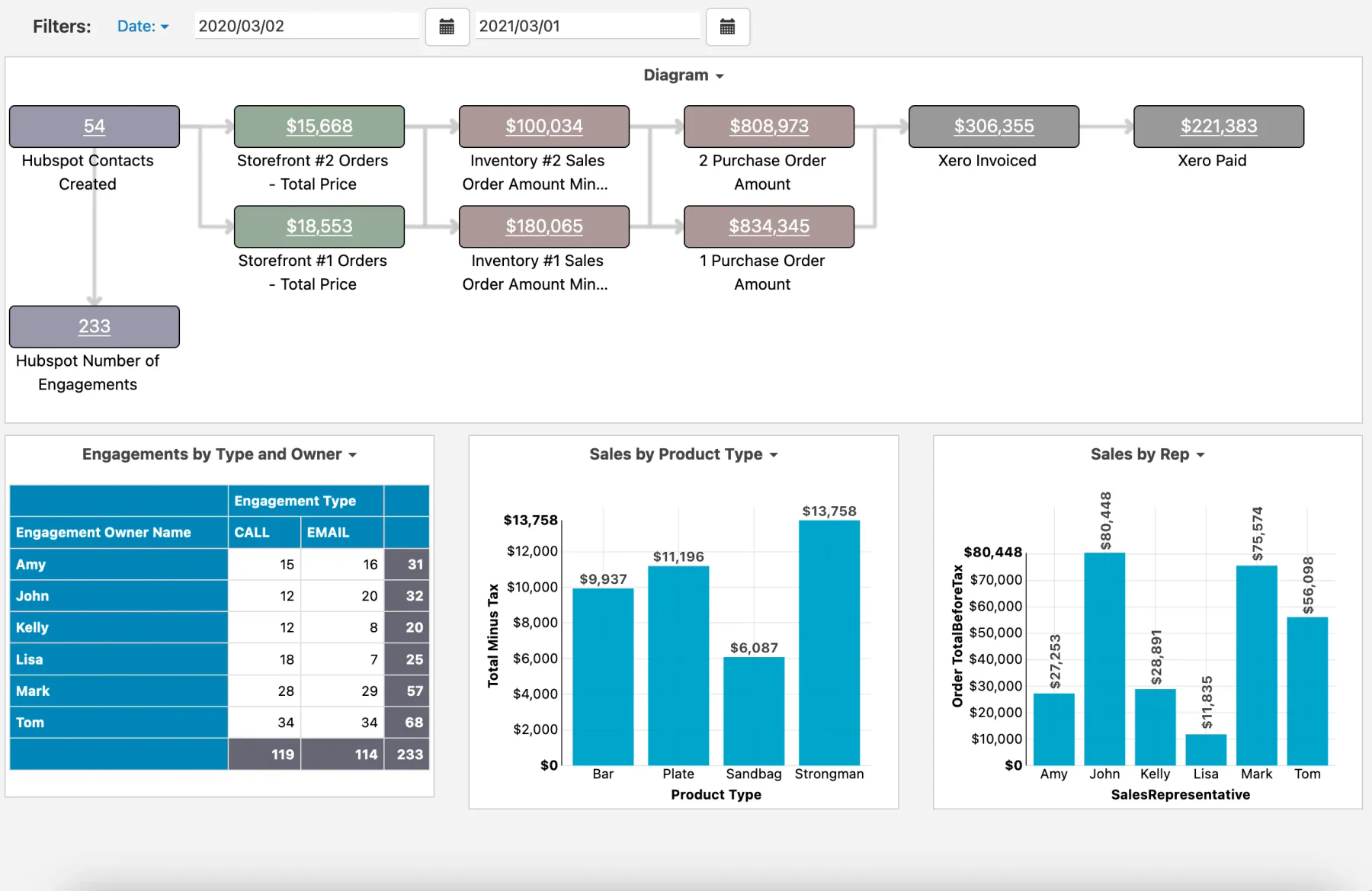
Cin7 Core offers a cloud-based ERP and MRP platform designed for product-based businesses. The system supports small to mid-sized manufacturers by managing inventory, automating order processes, and aligning production with sales demand.
It helps manufacturers maintain control across multiple sales channels and warehouse locations.
Features
- Automated material requirements planning based on sales and inventory
- Integrated order, inventory, and warehouse management
- Support for multi-channel sales and e-commerce integration
- Real-time reporting and analytics dashboards
| Pros | Cons |
|
|
10. DELMIAWorks

DELMIAWorks delivers a manufacturing-centric ERP MRP software built to support shop floor operations. The platform serves mid-sized to large manufacturers by connecting production planning, material availability, and equipment efficiency.
It enables real-time monitoring and control across manufacturing, quality, and inventory functions.
Features
- Real-time material availability evaluation based on demand, lead times, and production schedules
- Automated raw material ordering to align with production requirements
- Labor and machine capacity planning to meet production demands
- Integrated quality management system covering vendor, in-process, and customer quality
| Pros | Cons |
|
|
Overall Comparison of MRP Software for Malaysia Business
To simplify your evaluation, we narrowed the list to five key platforms covering various manufacturing scales: HashMicro, MRPeasy, Cin7 Core, SYSPRO, and Oracle NetSuite. The table below compares them side by side across essential production criteria to help you quickly find the right fit for your factory.
| Provider | Connection Quality | Bank Coverage | Ease of Integration | Data Enrichment |
|---|---|---|---|---|
| HashMicro | ||||
| MRPeasy | ||||
| SYSPRO ERP | ||||
| Cin7 Core | ||||
| Oracle Netsuite |
Essential MRP Software Features Every Manufacturer Should Know
- Comprehensive Bill of Materials (BOM): Lists all materials, components, and quantities required to produce each item for complete production visibility.
- Smart Inventory Management: Keeps stock levels balanced to avoid shortages, overstocking, and costly disruptions.
- Cost-Effective Investment: Offers high functionality and automation capabilities with strong ROI.
- Dynamic Production Scheduling: Aligns production timelines with real demand for smoother, on-time operations.
- Insightful Reporting & Analytics: Turns raw data into actionable insights for smarter planning and performance tracking.
- Integrated Supply Chain Control: Connects procurement, production, and delivery into one seamless workflow.
- User-Friendly Interface: Simplifies daily use with intuitive navigation that requires minimal training.
- Flexible Customization: Tailors dashboards and workflows to fit unique manufacturing needs.
- Scalable System Design: Expands alongside the business to support growth without system replacement.
How Does MRP Software Work?
There are several stages and steps taken by the MRP software to optimize the production process from start to finish. Below is how MRP software works:
1. Inventory Data Collection and Material Overview
MRP starts by gathering key information from your inventory system. This includes:
- Bill of Materials (BOM): a detailed list of all raw materials and components needed to make each product
- Current stock levels: how much of each item you already have in your warehouse
- Open purchase orders: what materials are already on the way
- Customer orders: how many finished products need to be made and by when
The system then uses all this data to figure out what materials are missing and when they’ll be needed. This becomes the foundation for the next steps in production planning.
2. Material Requirement Calculation
After collecting the data, MRP calculates:
- Gross requirements: the total amount of each material needed to meet production demand
- Net requirements: the actual amount that needs to be ordered or produced, after subtracting what’s already in stock or already ordered
It then tells you:
- What to order
- How much to order
- When to order it
This prevents overstocking and avoids shortages that could disrupt production.
3. Production Scheduling
Once material needs are clear, the system schedules the actual production activities. It considers:
- Production lead times: how long it takes to make each item
- Machine capacity: whether equipment is available during the required time
- Labor availability: if enough workers are available to run the process
Based on these inputs, MRP creates a production plan: detailing what to make, in what order, and by when. This ensures everything runs in a logical sequence without unnecessary downtime.
4. Monitoring and Real-Time Adjustments
Throughout the production cycle, MRP (especially when linked with other systems like MES or ERP) can monitor:
- Status of raw materials
- Progress of work orders
- Delays or bottlenecks
If a supplier is late or a machine breaks down, you can update the system, and it will automatically adjust the plan and reschedule tasks to avoid major disruptions.
5. Performance Review and Reporting
After production, ERP manufacturing software helps you analyze what happened compared to what was planned. It provides:
- Reports on inventory usage
- Comparison between planned vs actual production
- Suggestions for improving future plans
As a result, the factories are able to make data-driven decisions to reduce waste, cut costs, and improve delivery times.
Tips to Choose the Best MRP Software for Businesses

Picking the right MRP (Material Requirements Planning) software can make a huge difference in how smooth and efficient your production runs. If you’re unsure where to start, here are a few simple tips to help you find the one that fits your business best:
1. Know What Your Business Actually Needs
First, figure out what you really need the system to do. Are you mainly looking for material planning? Inventory control? Or do you need something that connects with your ERP or other tools?
If you need both MRP and MPS (Master Production Schedule), make sure the software supports both. MRP handles raw materials; MPS focuses on scheduling finished goods. You’ll want them working together for a smooth production process.
2. Look at the Features
Not all MRP software comes with the same tools, so check what’s included. The essentials usually are:
- Material planning
- Real-time inventory tracking, some vendors offer specialized manufacturing inventory software
- Integration with ERP, CRM, or accounting systems
- Reports and analytics to help you make smart decisions
Choose one that ticks the boxes for your day-to-day operations.
3. Go for User-Friendly
Your team shouldn’t need a tech degree to use the software. Look for one with a simple interface and good support. Bonus points if the vendor offers a free demo and training—it’ll make onboarding way easier.
4. Make Sure It Can Grow with You
As your business expands, your software should keep up. Whether you’re increasing production or adding new workflows, the system should be flexible enough to handle those changes without needing a full replacement.
5. Check If It Integrates with Your Current Systems
Already using ERP, accounting tools, or a CRM? Make sure the MRP software can connect with them. A system that integrates well keeps your data flowing smoothly between teams—and saves time on manual entry.
6. Do a Vendor Reputation Check
Before you commit, take a look at what other users are saying. Read reviews, check the vendor’s experience in the manufacturing space, and see if they understand businesses like yours. A good reputation usually means better long-term support.
Conclusion
MRP software helps manufacturers plan smarter, cut waste, and manage raw materials with better control and accuracy. It creates a clear workflow by connecting demand, stock levels, and production timelines into one seamless system.
If you’re running a manufacturing business in Malaysia, HashMicro’s MRP software could be your best move. It combines powerful features, industry-specific tools, and real-time visibility to keep your production running without surprises.
Want a solution that’s easy to use, customizable, and ready to grow with your business? Try HashMicro; schedule a free demo today and see how it transforms your production process from day one!

FAQ on MRP Software
MRP focuses only on manufacturing tasks like planning and inventory, while ERP covers many business areas and departments, including finance and HR.
MRP systems utilize lead time data to schedule production and procurement activities effectively. By calculating the time required for materials to be delivered and products to be manufactured, MRP software ensures that materials are available when needed, reducing delays and optimizing the production schedule.
Implementing MRP software can present several challenges, including ensuring data accuracy, integrating with existing systems, and managing change within the organization. Accurate data is crucial for MRP systems to function correctly, and integration may require significant effort and resources. Additionally, employees may need training to adapt to new processes and technologies.
Yes, MRP software can be highly beneficial for small businesses. It helps streamline operations by automating inventory management, production planning, and procurement processes. Implementing MRP software can lead to improved efficiency, reduced costs, and better customer satisfaction for small manufacturers.
An MRP system should be upgraded when it can no longer scale with business growth, relies on outdated technology, lacks integration with other tools, or provides limited customization and reporting. Modern solutions offer greater flexibility, real-time insights, and efficiency to support continuous improvement and expansion.