





Malaysia’s agricultural sector is facing increasing pressure to improve productivity, resilience, and data-driven decision-making. As outlined in the National Agrofood Policy 2021–2030 (NAP 2.0), smart agriculture is central to Malaysia’s strategy for modernizing the agrofood industry, enhancing food security, and boosting productivity.
Despite this potential, the sector is confronted with challenges such as inconsistent productivity, an aging farming population, and inefficient resource management. IoT integration offers a solution by providing real-time data on crop health, soil moisture, and environmental conditions. However, reliable rural connectivity remains a sign
ificant barrier, particularly in remote farming areas, which hinders the full utilization of IoT systems.
In this article, we will explore the key concepts of IoT in agriculture, its importance in Malaysia, how it works on farms, the benefits it brings to farming operations, the challenges faced in its implementation, and how businesses can start adopting this technology.
Key Takeaways
IoT in agriculture connects sensors, devices, and software so farms can monitor conditions and respond in real time.
The biggest gains usually come from better visibility, lower waste, improved efficiency, and more accurate farm actions.
The main adoption barriers are connectivity, cost, integration, and limited technical readiness.
Businesses should start with one practical use case first, then scale after proving value.
What Is IoT in Agriculture?
By connecting farm equipment, environmental sensors, and livestock trackers, farmers can gather valuable data that helps improve decision-making, increase efficiency, and enhance sustainability.
Why IoT Matters in Malaysia?
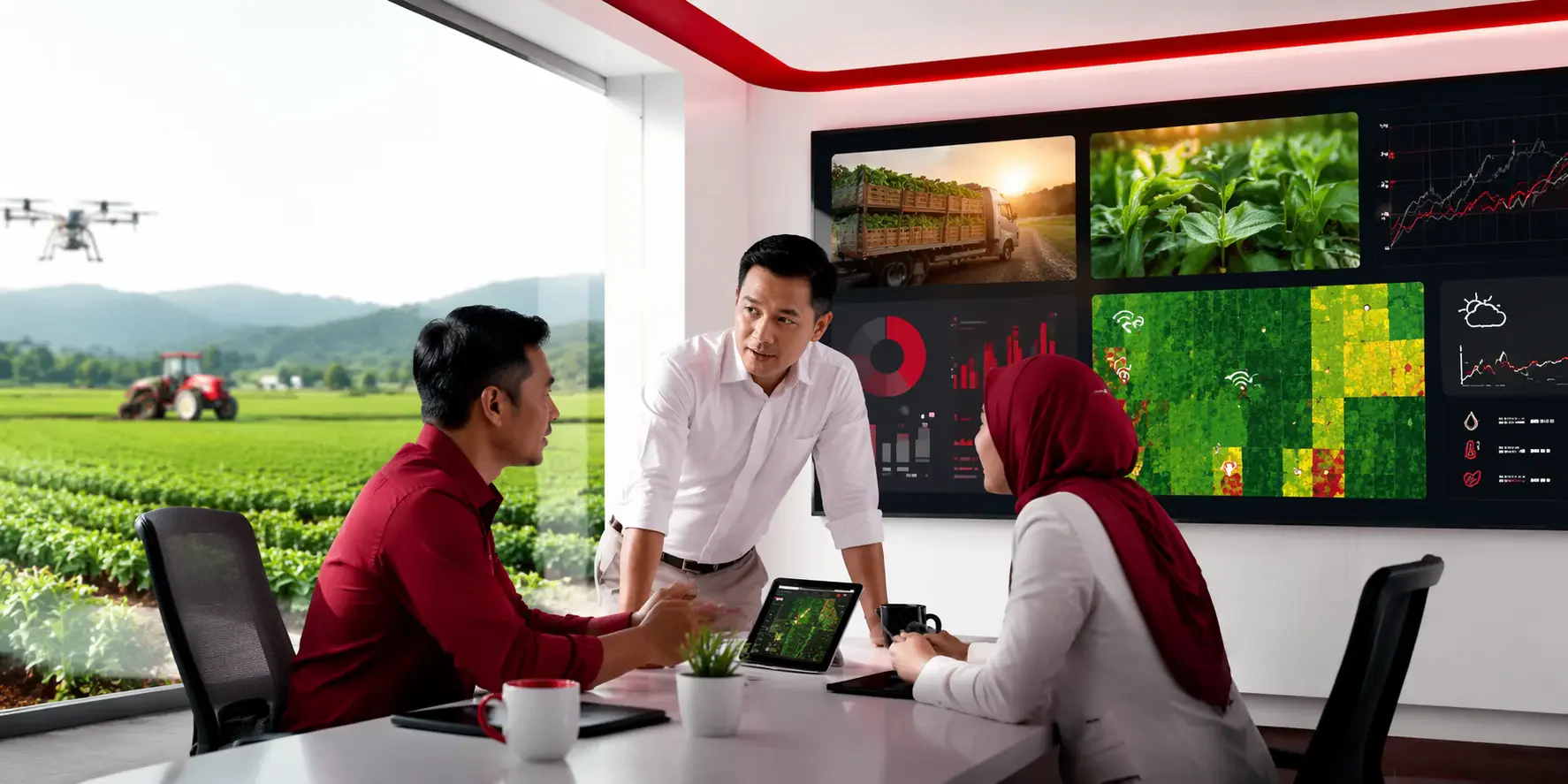
- Not Enough Workers: The average Malaysian farmer is now over 55 years old. Meanwhile, younger generations prefer urban careers. IoT automation reduces manual labour through remote monitoring and smart equipment.
- Climate Adaptation: Malaysia faces unpredictable weather patterns increasingly. Consequently, IoT weather stations provide hyper-local data for quick adaptation. Early warnings help farmers protect crops from floods or drought.
- Food Security Goals: Malaysia imports significant food quantities currently. The National Agrofood Policy 2021-2030 aims to boost self-sufficiency. IoT improves productivity and reduces post-harvest losses directly supporting this goal.
- Regional Competitiveness: Neighbouring countries like Thailand and Vietnam adopt smart farming rapidly. Therefore, Malaysian agriculture must modernise to stay competitive. IoT enables higher quality standards and traceability that global buyers demand.
Core Components of Agricultural IoT Systems
Understanding the fundamental components of IoT in agriculture is crucial for successful implementation. Here some components you need to considered.
- Smart Sensors and Hardware: Sensors monitor soil moisture, pH levels, temperature, and light. They assess plant health and soil composition, providing real-time data on crop conditions.
- Connectivity and Data Transmission: IoT systems rely on Low Power Wide Area Networks (LPWANs) like LoRaWAN and NB-IoT for long-range data transmission, even in rural areas with limited Wi-Fi access.
- Cloud Computing and AI Analytics: Cloud platforms use AI and Machine Learning to turn raw data into actionable insights, helping farmers predict issues like disease outbreaks and optimize irrigation schedules.
- User-Friendly Interfaces: Dashboards on smartphones or computers present data in an easy-to-understand format, offering real-time alerts and actionable recommendations for farm management.
Transformative Use Cases of IoT in Agriculture
- Precision Crop Management:
IoT sensors enable continuous monitoring of soil conditions, crop health, and microclimate variations. Farmers can detect nutrient deficiencies, water stress, or disease symptoms early often before they’re visible to the naked eye.This early detection allows for targeted interventions that prevent yield losses and reduce unnecessary chemical applications. By implementing smart farming practices, Malaysian farmers can achieve up to 25% higher yields while using 30% less water. - Smart Irrigation Systems:
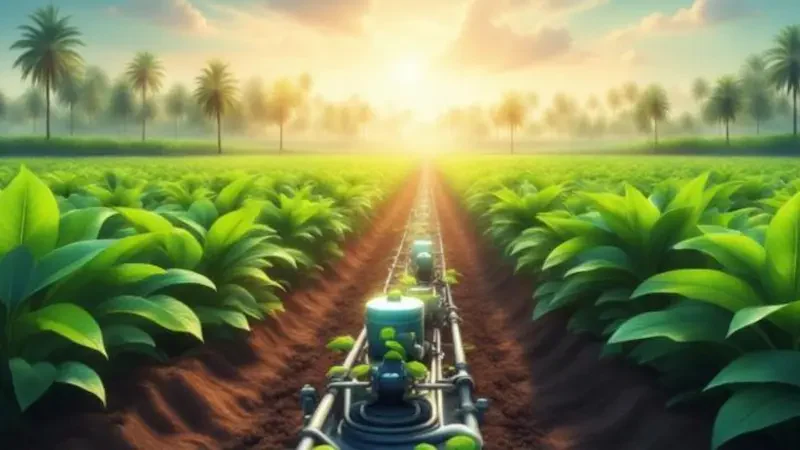
Water scarcity is a growing concern in Malaysia, particularly during dry seasons. IoT-powered irrigation systems use soil moisture sensors and weather forecasts to deliver precise amounts of water exactly when and where crops need it. Automated valves adjust flow rates based on real-time data, eliminating both water waste and crop stress from under or over-watering. - Livestock Monitoring and Welfare:
For livestock farmers, IoT devices like smart collars and ear tags track animal health indicators including body temperature, movement patterns, and feeding behaviour. These systems can detect illness early, identify optimal breeding times, and prevent livestock losses. Automated alerts notify farmers immediately if an animal shows signs of distress or disease, enabling rapid response and better herd management. - Greenhouse Automation:
Controlled environment agriculture (CEA) is gaining traction in Malaysia, particularly for high-value vegetables and herbs. IoT systems in greenhouses automatically regulate temperature, humidity, CO2 levels, and lighting to maintain optimal growing conditions. This precision control results in faster growth cycles, consistent quality, and year-round production regardless of external weather conditions. - Drone-Based Field Surveillance:
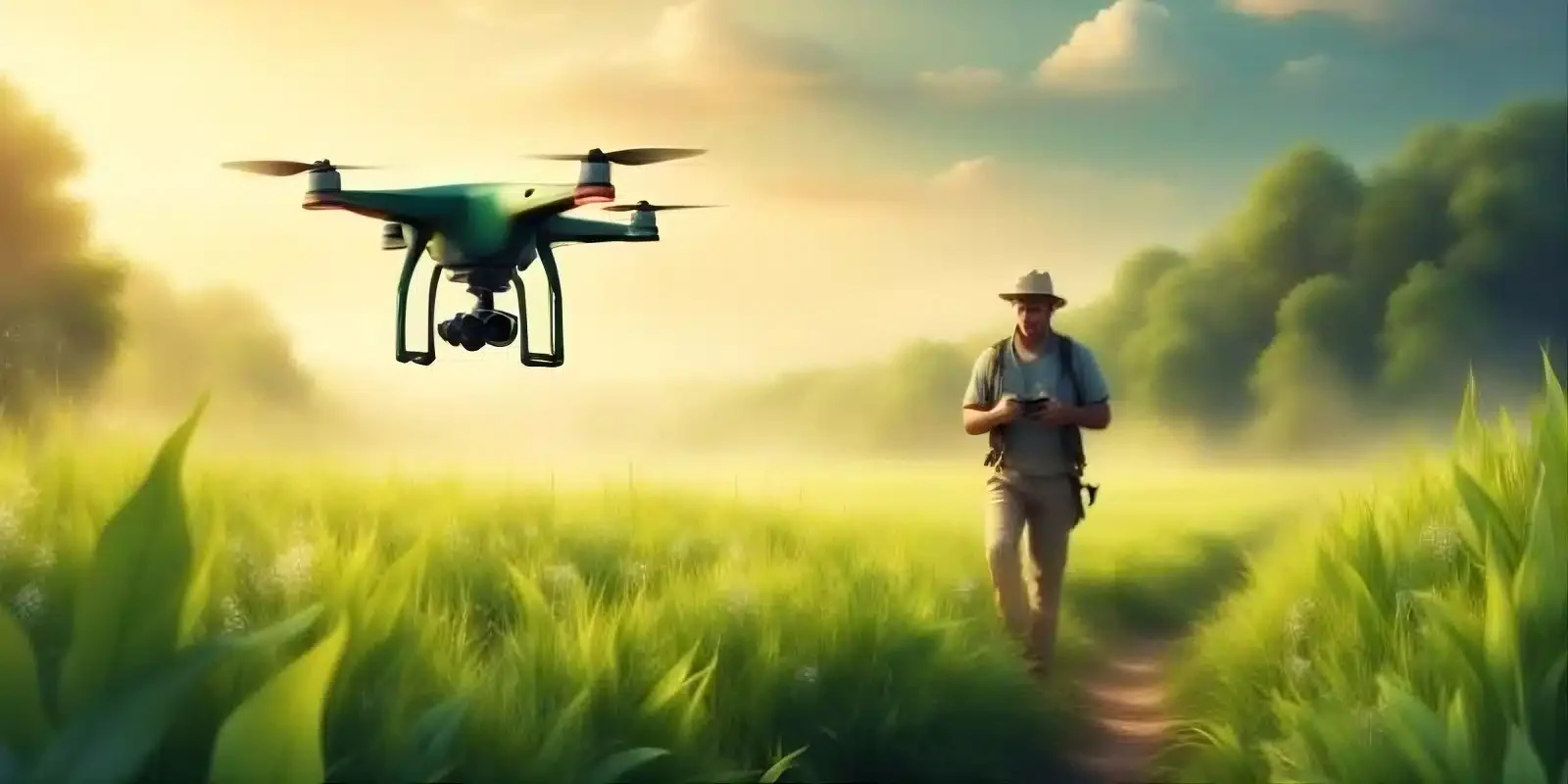
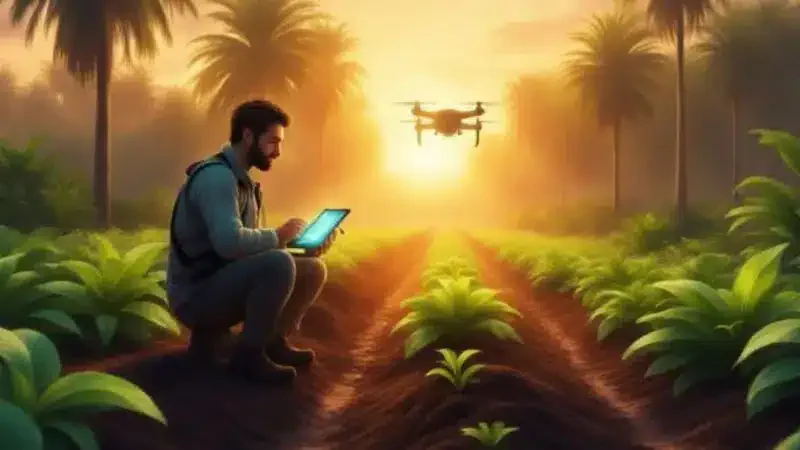
Agricultural drones equipped with multispectral cameras provide aerial insights that ground-based sensors cannot capture. They quickly survey large fields, identifying irrigation problems, pest infestations, and weed growth patterns. This bird’s-eye view helps farmers make informed decisions about resource allocation and crop management strategies across entire farms
The Intersection of IoT and Precision Agriculture
IoT in precision agriculture helps farmers use data to manage crops and soil more accurately. The main goal of precision agriculture is to give plants exactly what they need while reducing waste in water, fertilizer, seeds, and pesticides.
This is where IoT technology in agriculture becomes essential. Through connected sensors, GPS, and real-time field data, farmers can monitor conditions more closely and make smarter decisions. One of the best examples is Variable Rate Technology (VRT), which allows machinery to apply different amounts of fertilizer, seeds, or pesticides based on the needs of specific areas in the field.
By combining IoT and precision agriculture, farms can improve productivity, lower operating costs, and reduce environmental impact. This makes connected farming a key part of modern agriculture.
Benefits of IoT and Real-World Use Cases
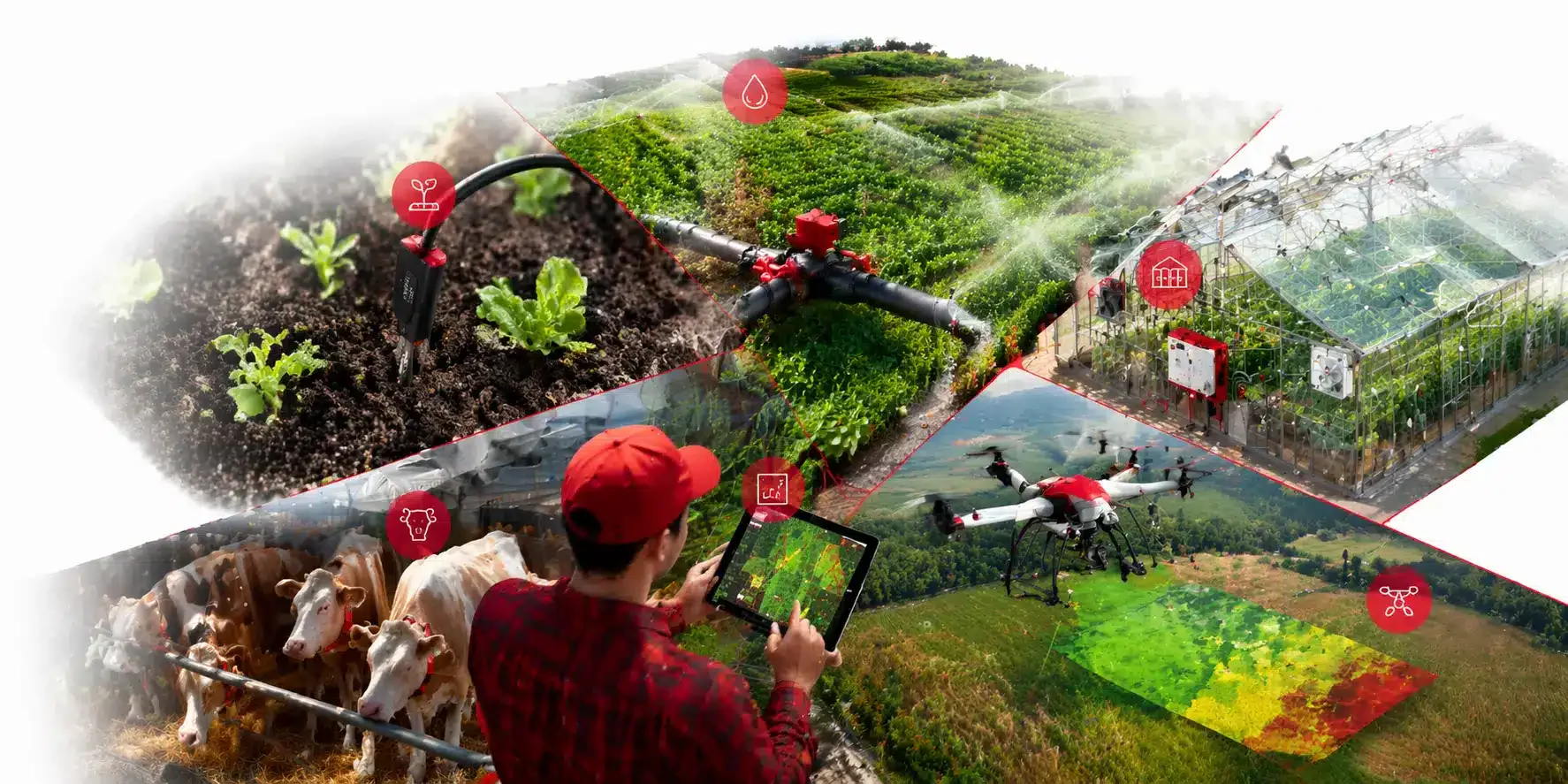
IoT helps farms in many practical ways. Malaysian farmers are already seeing good results.
- Smart Irrigation and Soil Monitoring: IoT systems monitor soil moisture levels and weather conditions to optimize water usage, reducing waste and improving crop yields. For example, automated irrigation systems can trigger irrigation only when necessary, based on real-time soil moisture data.
- Crop and Weather Monitoring: IoT sensors track environmental factors like temperature, humidity, and light, helping farmers predict weather events such as rainfall or temperature drops, which may affect crop growth. This allows for better management of farming practices, such as harvesting and pest control.
- Livestock Tracking: IoT-enabled wearables and smart collars allow farmers to monitor the health and movement of livestock in real time. These devices track factors such as temperature, activity level, and feeding habits, enabling farmers to detect early signs of illness or stress in animals.
- Greenhouse Automation: In greenhouses, IoT sensors monitor and control environmental conditions such as temperature, humidity, and CO2 levels. Automated systems adjust these factors to ensure optimal growing conditions for plants, improving crop quality and yield.
- Drones and Field Mapping: Drones equipped with IoT sensors survey large fields, capturing data on crop health, pest activity, and irrigation efficiency. This aerial data allows farmers to assess fiel
Challenges of Implementing IoT in Agriculture
- Rural Connectivity Limitations: One of the biggest challenges in adopting IoT in agriculture is the lack of reliable internet connectivity, particularly in remote rural areas. Many IoT systems rely on continuous, real-time data transmission, which becomes difficult without stable network infrastructure.
- High Upfront Costs: Implementing IoT systems requires significant upfront investment in sensors, devices, cloud infrastructure, and software. While the long-term benefits include increased productivity and reduced waste, the initial costs can be prohibitive for small to medium-sized farms.
- System Integration Issues: The agricultural technology sector is fragmented, with various manufacturers producing proprietary devices that may not be compatible with each other. This lack of standardization can create challenges for farmers who want to integrate different IoT systems into one cohesive platform.
- Skills and Change Management: Many farmers, particularly from older generations, may struggle to adopt new technologies. Adequate training, intuitive interfaces, and robust support are essential to help farmers transition to IoT-based operations.
How to Start Using IoT in Agriculture
You do not need to spend a lot of money at once. Start small and grow over time.
- Identify Your Needs: Decide what problem you want to solve (e.g., water management, crop monitoring). Assess your budget and which crops need attention.
- Start Small: Choose one simple project to implement. Avoid trying to do everything at once.
- Select Reliable Companies: Choose companies with quality sensors and good customer support, especially those familiar with Malaysia’s climate.
- Check Internet Coverage: Ensure reliable internet access by testing signal strength across your farm. Plan for internet boosters if needed.
- Train Yourself and Workers: Practice using the equipment and apps, and train workers on the system to ensure effective usage.
- Track Results: Monitor key metrics like water usage, harvest increases, and time and cost savings.
- Seek Government Support: Take advantage of government grants and subsidies for IoT equipment, like those from MARDI or the Ministry of Agriculture.
- Integrate IoT Tools: As you expand your IoT setup, ensure different tools work together to optimize farm operations.
Conclusion
IoT is revolutionizing agriculture in Malaysia, offering a transformative solution to the many challenges the sector faces, such as resource inefficiency, low productivity, and the need for sustainability. By leveraging IoT technology, farmers can make informed, data-driven decisions to optimize crop management, improve yields, and better manage resources.
Despite challenges like high upfront costs and rural connectivity limitations, the adoption of IoT is becoming increasingly crucial in driving the modernization of Malaysia’s agricultural sector. By starting small and scaling up, Malaysian farmers can overcome these barriers and unlock the full potential of IoT to enhance farm operations and contribute to the country’s food security goals.
FAQ About IoT in Agriculture
IoT in agriculture refers to the use of connected sensors, devices, and software to monitor farm conditions in real time. It helps businesses make faster and more accurate decisions based on actual field data.
IoT is commonly used for soil monitoring, smart irrigation, weather tracking, livestock monitoring, greenhouse automation, and drone-based field observation. These tools help farms respond more precisely instead of relying on fixed routines.
The main benefits include better resource efficiency, lower operating waste, improved monitoring, faster decision-making, and stronger control over daily farm operations.
The most common challenges are limited rural connectivity, high upfront costs, system integration issues, and the need for training. That is why many businesses start with one use case before expanding further.
IoT is the technology layer that collects and sends data through connected devices. Precision agriculture is the broader farming approach that uses that data to apply water, fertilizer, or other resources more accurately.