










 Limited to 100 registrants

Poor warehouse storage does not just waste space, it can slow order fulfillment, reduce inventory accuracy, and increase operational costs. As Malaysia’s logistics and warehousing sector continues to grow, businesses are under greater pressure to maximize storage capacity while maintaining efficient warehouse operations.
As highlighted by MIDA, Malaysia’s smart logistics sector is evolving rapidly due to the growth of e-commerce, manufacturing, and distribution industries, creating a stronger need for efficient warehousing. To remain competitive, businesses need storage systems that can improve space utilization, support accurate stock management, and help meet growing operational requirements.
Choosing the right warehouse storage system can help businesses optimize space, improve workflows, and support future growth. In this article, we explore six common warehouse storage systems and the key advantages each offers for different operational needs.
Key Takeaways
Poor warehouse storage can waste space, increase errors, and slow down operations.
The right storage system helps improve space usage, inventory accuracy, and workflow efficiency.
Tools like WMS support better stock visibility, faster decisions, and more efficient warehouse management.
Poor storage organization often leads to wasted space, longer picking times, inventory inaccuracies, and higher operating costs. A well-designed warehouse storage system helps overcome these issues by creating a more structured layout, improving stock visibility, and supporting faster warehouse processes.

What is a Warehouse Storage System?
A warehouse storage system helps maximize space and improve product organization, making items easier to locate and access in daily operations. For 3PL warehouses, tailored systems like cold storage or bonded warehouses help manage clients with diverse needs.
The right combination of racks, shelving, and warehouse layout can improve accessibility and make workflows more efficient. Optimized storage solutions also support business growth and scalability without making operations harder to manage.
The Importance of a Good Warehouse Storage System
 A well-designed warehouse storage system improves safety, enhances organization, and makes better use of available space. Incorporating such systems into your storage facilities can help your business run more smoothly with better productivity and efficiency.
Below are the key benefits explained in detail:
1. Improved safety
Safety is a key part of any functional warehouse storage system, helping protect both employees and inventory. Modern storage solutions are designed with durable materials that can support heavy loads while maintaining structural reliability.
Additionally, supplemental guarding equipment like partitions, guardrails, and safety netting further helps prevent accidents and debris-related injuries. With these measures in place, businesses can reduce risks, avoid legal issues, and maintain a safer working environment for their teams.
2. Enhanced organization
A good storage system improves organization by making it easier for employees to locate and retrieve inventory efficiently. Customizing your warehouse storage racks and layouts ensures your warehouse can support unique business storage needs.
This tailored approach helps optimize available storage space, ensuring inventory is stored in accessible and logical locations. Better organization benefits everyone in the workflow, from pickers and packers to the overall fulfillment team, by saving time and reducing errors.
3. Maximized space
Maximizing space is essential, especially for warehouses with limited square footage. A proper warehouse storage solution uses both vertical and horizontal space, reducing wasted areas. Efficient layouts and well-placed business storage shelving units ensure every inch of your facility is utilized.
Instead of relocating to larger spaces, businesses can optimize current storage facilities to save costs and improve capacity. This approach boosts efficiency and supports better resource management for long-term success.
In conclusion, the right warehouse storage system can improve safety, organization, and space utilization, making it an important part of any business storage operation.
Benefits of Warehouse Storage System
 A warehouse storage system plays an important role in helping businesses optimize space, organize inventory, and improve daily operations. By implementing the right storage solutions, companies can manage their stock efficiently, fulfill orders faster, and cut operational costs.
Let’s explore how these systems benefit your business:
- Improved inventory management: Warehousing provides better control over stock levels using tools like warehouse storage equipment and management systems. A company can track inventory in real time, preventing overstocking or stockouts that disrupt operations.
- Efficient order fulfillment: A well-organized warehouse storage rack layout ensures orders are picked, packed, and shipped quickly. Businesses in Penang, for instance, benefit from faster delivery and happier customers thanks to simplify processes.
- Reduced transportation costs: Strategically located storage facilities can help businesses reduce transportation costs and delivery times. A distributor in Penang can serve customers across the northern region more efficiently by storing inventory closer to key demand centers rather than shipping products from a distant warehouse.
- Enhanced safety and organization: Using durable warehouse storage shelving units and protective equipment improves workplace safety. Employees can navigate neatly arranged storage layouts without risking accidents or damaging inventory.
- Maximized space utilization: A warehouse storage system helps businesses maximize space while improving inventory organization and accessibility. A e-commerce business in Selangor can store enough inventory to meet customer demand without overcrowding its office for smoother operations.
- Increased operational flexibility: Adjustable storage systems allow businesses to adapt their layouts as needs change. For example, warehouse storage racks can be reconfigured more easily to support seasonal demand or shifting product lines.
- Long-term savings: Optimized business storage reduces operational costs and improves efficiency. Over time, investing in the right warehouse storage solutions can improve customer satisfaction while supporting stronger profits.
6 Types of Warehouse Storage System and When to Use Them
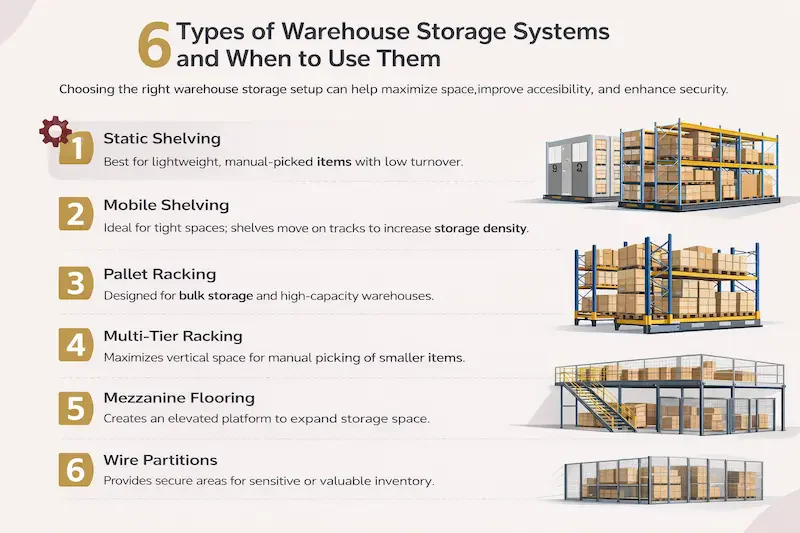 Choosing the right warehouse storage system matters if you want to improve warehouse efficiency while still matching your business needs. Each storage solution offers unique benefits, from maximizing space to improving accessibility and security.
Below are six common types of warehouse storage systems and when to use them for the best results:
1. Static shelving
Static shelving is a fixed warehouse storage system ideal for lightweight items requiring manual handling. It works best for small inventories that need regular replenishment and organization. However, it is incompatible with forklifts, so all inventory must be manually picked and placed.
2. Mobile shelving
Mobile shelving offers flexibility by allowing shelves to move on rails, optimizing space in storage facilities. It reduces the need for fixed aisles, increasing storage density while maintaining accessibility.
This storage service is perfect for businesses dealing with limited space or temperature-controlled environments like cold storage. Mobile shelving systems may also feature locking mechanisms for added security.
3. Pallet racking
Pallet racking is a high-capacity warehouse storage rack system designed for bulk items, making it one of the most practical storage options for warehouses that handle palletized goods. It is commonly used in large-scale warehouses where forklifts are needed to move heavy pallets. Pallet racks are versatile and can be tailored to specific weight limits and infrastructure needs. They are essential for warehouses with high inventory turnover or diverse SKUs.
4. Multi-tier racking
Multi-tier racking maximizes vertical space by creating multiple levels of business storage. This system is ideal for small, lightweight items that can be manually picked and organized. It is perfect for warehouses with limited floor space but plenty of height. Additionally, tiers can be adjusted to meet changing storage layouts or inventory demands.
At this point, you may already have a few storage options in mind. But before deciding which setup fits your warehouse best, it helps to understand the estimated budget you may need. Check the banner below for a clearer cost overview.
5. Mezzanine flooring
Mezzanine flooring adds extra floors to your warehouse, increasing warehouse storage solutions without expanding the building. While it requires significant investment, it offers customizable features like lighting, conveyors, and lift systems.
This option is ideal for warehouses with sufficient budget and layout flexibility. It allows businesses to enhance storage and operational efficiency without relocating.
6. Wire partitions
Wire partitions are a simple yet effective storage system for securing specific inventory areas. These wire cages are quick to install and dismantle, making them ideal for temporary or specialized storage needs.
They are often used to create secure zones or even temporary offices for floor managers. This warehouse storage equipment is cost-effective and adaptable for various uses.
How to Optimize Warehouse Storage
 Optimizing warehouse storage plays a big role in improving efficiency, reducing costs, and helping your business meet customer demand more effectively. By focusing on regular evaluations, better inventory management, and advanced technology like Warehouse Management Software (WMS), businesses can make their storage facilities run more efficiently.
Here are some strategies to get started:
1. Evaluate warehouse operations regularly
Regularly assessing your warehouse storage system is essential for identifying opportunities to enhance productivity. Tracking KPIs like inventory shrinkage, order lead time, and picking accuracy can pinpoint inefficiencies.
This approach helps you make better use of storage layouts, such as combining vertical and horizontal shelving systems. For example, installing a mix of warehouse storage racks and shelving can maximize space and improve accessibility. Regular evaluations also help ensure your warehouse storage solutions stay aligned with your business goals and customer demand.
2. Prioritize inventory management
Effective inventory management is the backbone of an efficient storage service. Using a Warehouse Management System (WMS), you can easily monitor inventory levels and avoid overstocking or stockouts. Pairing this with an advance shipping notice from suppliers helps your team prepare storage space before goods even arrive.
A robust WMS enables faster order fulfillment, reduced costs, and improved accuracy, which can strengthen your overall business storage operations. When you use these tools well, it becomes much easier to keep up with customer demand without creating unnecessary costs.
3. Implement Warehouse Management Software (WMS)
A WMS is a critical tool for modernizing your warehouse storage solutions. It manages key processes like inventory tracking, location management, and order fulfillment, ensuring everything runs smoothly. Advanced features like data analytics and customer management provide real-time visibility into your storage system.
This enables informed decisions about replenishment and the placement of warehouse storage shelving units. By integrating WMS into your operations, you can improve warehouse performance while maintaining customer satisfaction and operational efficiency.
How to Choose the Best Warehouse Management System for Your Business
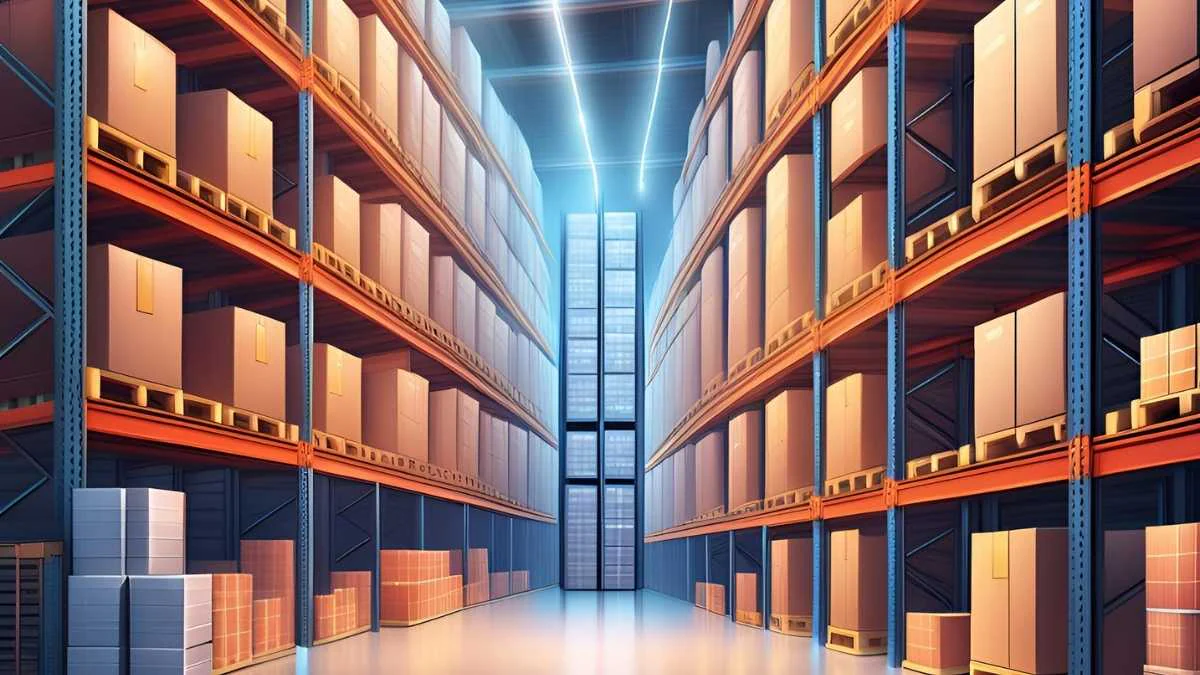
Choosing the right Warehouse Management System (WMS) is crucial for optimizing your warehouse storage solutions and supporting smoother operations. With so many options available, it’s important to consider key factors that align with your needs and long-term goals.
Here are some practical tips to guide your decision when choosing a warehouse management system:
- Define specific storage needs: Start by identifying the challenges and requirements of your warehouse storage system. Whether handling diverse item types or improving inventory tracking, knowing your needs helps you choose a more tailored solution.
- Look for scalability and flexibility: Choose a WMS that adapts to changes in your storage facilities and business growth. A scalable system will handle increased demands without compromising performance or efficiency.
- Ensure integration with existing systems: The WMS should integrate seamlessly with your current storage layouts and operational procedures. Smooth compatibility with existing warehouse storage equipment and other business management systems minimizes disruptions and improves workflow.
- Prioritize user interface and usability: Select a system with an intuitive interface for managing your business storage. A user-friendly WMS reduces training time and helps employees work more efficiently when managing storage solutions.
- Evaluate the feature set: Look for features that enhance inventory visibility, real-time tracking, and efficient space utilization. These tools are essential for optimizing warehouse storage shelving units and improving operational efficiency.
"A good WMS should fit your current warehouse needs while still supporting future growth. The right system can improve efficiency, simplify workflows, and strengthen inventory control over time."
Essential WMS Features to Improve Warehouse Efficiency
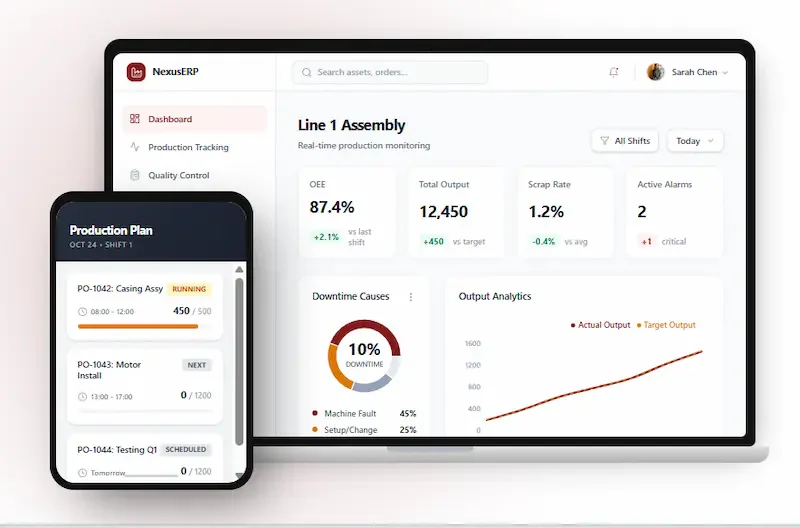 Managing warehouse storage requires the right tools to maintain efficiency and accuracy. A Warehouse Management System (WMS) can automate inventory updates, optimize storage layouts, and streamline order processing in one easy-to-use platform.
With features such as real-time stock tracking and storage optimization, businesses can evaluate what supports their operational needs more effectively. This helps users make more informed decisions based on their warehouse requirements and workflow priorities.
Why We Choose It: A WMS can help improve warehouse storage processes by automating inventory tracking and supporting better storage efficiency. With intelligent analytics and seamless integration capabilities, businesses can reduce errors, minimize labor costs, and make better decisions for a smoother workflow.
Key features of a WMS include:
- RFID Warehouse Rack Stock Automation: RFID technology automates stock updates by scanning items directly on warehouse storage racks. This ensures real-time inventory accuracy and faster processing.
- Barcode, Lot, and Serial Number Tracking: Barcodes and serial tracking enable precise identification and monitoring of inventory. This feature improves traceability and reduces stock errors.
- Cycle Time Analysis: Cycle time analysis identifies delays in your warehouse storage system. It helps optimize processes for faster order fulfillment.
- Stock Optimizer Per Warehouse: The stock optimizer allocates inventory efficiently across multiple storage facilities. It minimizes overstocking and ensures balanced stock levels.
- 3D View of Stock Location: A 3D view displays exact stock locations within your warehouse storage layouts. This feature enhances navigation and speeds up picking times.
- Removal Strategy Management: This tool removes items in the correct order, like FIFO or LIFO. It reduces waste and maintains inventory accuracy.
Pick, Pack, Delivery 3-Step Route Warehousing: This system streamlines the picking, packing, and delivery process for faster order completion. It minimizes errors and improves workflow efficiency. - Comprehensive Reporting/Analytics: Advanced analytics provide insights into inventory trends and warehouse performance. This data helps make informed decisions to improve operations.
Its adaptability makes this type of system suitable for businesses that want to improve storage facilities and warehouse processes in a more structured way. For companies aiming to increase efficiency, control costs, and maintain operational accuracy, a WMS can offer practical long-term value.
Conclusion
In today’s competitive business landscape, warehouse software plays an important role in improving operational efficiency and accuracy. For businesses in Malaysia, where warehouse operations need to stay organized and responsive, using the right system can help reduce unnecessary costs, improve inventory control, and support smoother day-to-day workflows.
A Warehouse Management System (WMS) can strengthen warehouse storage processes through features such as real-time inventory tracking, better space allocation, and more structured order handling. When these tools are used properly, businesses can reduce manual errors, improve productivity, and manage warehouse activities more efficiently as operational demands continue to grow.
Ultimately, choosing the right warehouse setup and supporting system is not just about keeping up with trends, but about finding a solution that truly fits your operational needs. If you are still evaluating what works best for your warehouse, a free consultation can help you understand your storage challenges more clearly and identify the features that match your business priorities.
FAQ about Warehouse Storage Systems
-
What are the 6 types of warehouse storage systems?
The six primary warehouse storage frameworks used to organize inventory include:
– Static Shelving: Fixed, non-moving shelves designed for lightweight inventory that requires manual picking.
– Mobile Shelving: Racks mounted on track systems that slide open to create an aisle only when needed, reducing wasted floor space.
– Pallet Racking: Heavy-duty steel structures designed to store large, palletized goods handled via forklifts.
– Multi-Tier Racking: Vertical tiering systems that maximize high ceilings by creating multiple levels of shelving for smaller items.
– Mezzanine Flooring: Semi-permanent elevated platforms built above the main floor to double your usable square footage.
– Wire Partitions: Secure, mesh steel cages used to isolate high-value, sensitive, or hazardous inventory. -
How do you maximize space in a warehouse with limited square footage?
To increase capacity without expanding your building’s footprint, look upward by installing multi-tier racking or mezzanine flooring to utilize empty vertical space. For floor-level optimization, mobile shelving eliminates fixed aisles, compressing your storage setup to reclaim up to 50% of wasted floor space.
-
What is the main purpose of wire partitions in a warehouse?
Wire partitions serve as modular security cages within a facility. They are deployed to protect high-value merchandise, electronics, or hazardous chemicals from theft and unauthorized handling while keeping inventory visible and maintaining open ventilation throughout the floor.
-
What is the difference between multi-tier racking and mezzanine flooring?
The main difference lies in their structural design and usage:
– Multi-Tier Racking is a continuous, shelf-supported structure with integrated walkways built directly between the racks, designed specifically for manual picking of smaller items at high levels.
– Mezzanine Flooring is a freestanding, heavy-duty structural platform built independently of your racks, creating a completely open second-floor level that can be used for bulk storage, office spaces, or ground-level operations. -
What factors should you consider when choosing a warehouse storage system?
Selecting the right system depends on four operational variables:
– Ceiling Height: High clearances favor multi-tier or mezzanine setups; low ceilings restrict you to static or mobile shelving.
– SKU Characteristics: Heavy, bulky goods require pallet racking, while small, loose items suit static shelves.
– Turnover Rate: Fast-moving goods need high-accessibility systems (like pallet flow), while slow-moving items can use high-density, deep storage.
– Budget and Scalability: Manual shelving has low initial costs, whereas automated systems require capital but scale efficiently.