





With rising challenges and dynamics in food distribution, businesses are turning to food distribution software to streamline operations, improve accuracy, and enhance efficiency.
Selecting the right software helps streamline inventory, improve transparency across the supply chain, and support smarter, data-driven decisions. It also promotes better coordination between suppliers, warehouses, and retailers.
Explore the 15 best food distribution software solutions in Malaysia, each designed to meet the specific needs of food businesses with practical insights to help you choose the perfect system for your operations.
Key Takeaways
Food distribution software is a specialized tool that helps streamline supply chain operations for food suppliers and wholesalers by automating order processing and management.
Selecting the right food distribution software is essential for staying competitive in today’s rapidly evolving supply chain landscape.
The best systems combine inventory management, delivery coordination, and financial visibility in one connected platform reducing the need for manual work arounds.
"All we are doing is looking at the time line, from the moment the customer gives us an order to the point when we collect the cash. And we are reducing the time line by reducing the non-value adding wastes."
What is Food Distribution Software?
Food distribution software is a specialized digital solution designed to help food suppliers, distributors, and wholesalers manage the entire supply chain efficiently. It streamlines core processes, including order management, inventory tracking, and warehouse control.
With features tailored to the unique demands of food handling, such as expiry tracking, batch control, and temperature-sensitive inventory, food products are delivered safely, on time, and in compliance with regulations.
By utilizing food distribution software, businesses can enhance accuracy, minimize waste, and respond more quickly to customer demands. The system also supports real-time data access and automation, enabling companies to make informed operational decisions.
Challenges in the Food Distribution Industry

Food distribution in Malaysia operates under constant pressure. Moreover, the combination of strict regulations, perishable goods, and high customer expectations leaves very little room for error. Understanding these challenges is, therefore, an important first step before choosing any software solution.
1. Compliance with Food Safety Regulations
Malaysian distributors must meet requirements from the Food Act 1983, JAKIM halal certification, and GDP guidelines. Consequently, businesses need detailed traceability records and properly documented storage conditions. Any gap can lead to failed audits or product recalls.
2. Managing Perishable Inventory
Food products have strict shelf lives. As a result, overstocking causes waste while understocking means lost orders. Furthermore, without real-time batch tracking and FEFO controls, teams often fall back on manual spreadsheets which become unreliable as operations grow.
3. Delivery Complexity and Route Inefficiency
Distributors handle multiple daily stops with specific delivery windows. Consequently, poor route planning leads to late deliveries, higher fuel costs, and driver overtime. In addition, unplanned returns from incorrect orders further strain logistics teams.
4. Fluctuating Raw Material and Supplier Costs
Global disruptions and currency shifts affect ingredient and packaging costs regularly. However, without clear procurement visibility, pricing decisions remain reactive rather than planned.
5. Rising Customer Expectations
Retailers and food service operators now expect accurate documentation, flexible ordering, and real-time updates. Therefore, distributors who cannot meet these expectations risk losing accounts to competitors who can.
Benefits of Using Food Distribution Software
Food distribution software plays a key role in helping businesses thrive in the increasingly complex food supply chain industry. Below are some benefits your team can gain from using this type of software:
1. Detailed inventory control
Businesses can gain a comprehensive view of stock levels, locations, and movement in real-time, enabling better decision-making, minimizing stockouts or overstocking, and improving overall efficiency across the entire supply chain.
2. Improved workflow efficiency
Food distribution software automates time-consuming tasks, such as stock tracking, route planning, and invoicing. It significantly reduces manual work and ensures the timely, accurate execution of distribution processes.
3. Compliance with industry standards
The software often includes modules that support traceability, food safety protocols, and regulatory compliance. It helps ensure that products meet health regulations and reduces the risks associated with food recalls or audits.
4. Optimized resource allocation
By enabling better forecasting and inventory management, the software minimizes waste and overstocking. It also facilitates the efficient use of transportation and cross-dock warehouse resources, resulting in cost savings and more sustainable operations.
15 Best Food Distribution Software in Malaysia
We’ve compiled a list of 15 top-rated food distribution software solutions specifically designed to meet the unique needs of food suppliers, distributors, and wholesalers.
Each system offers distinct features and potential drawbacks, enabling you to determine which platform best aligns with your operational needs.
1. HashMicro
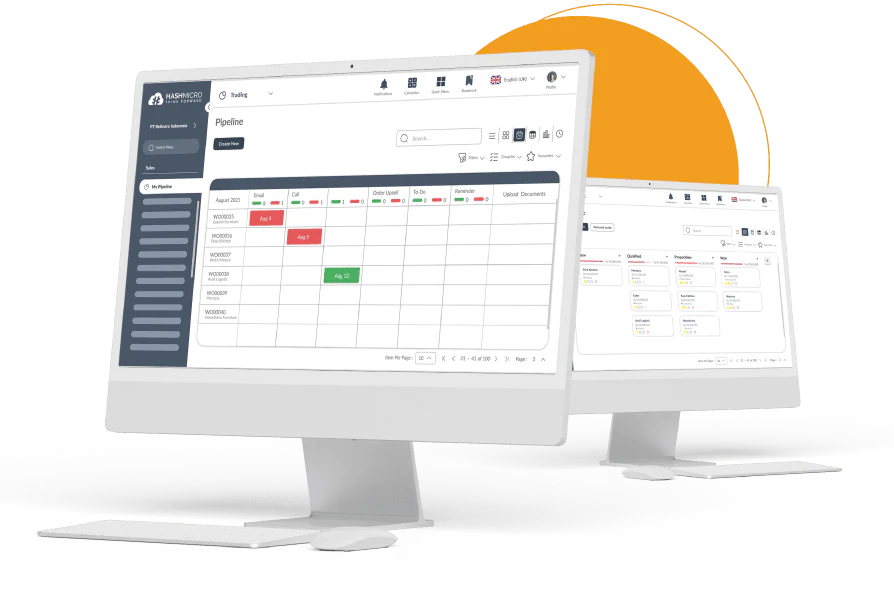
HashMicro’s Food Distribution Software provides an integrated platform covering inventory tracking, procurement, sales, and financial management built specifically for food distributors in Malaysia and beyond.
Tailored for food distributors in Malaysia and beyond, this solution supports core operations, including inventory tracking, procurement, sales, and financial management. It helps businesses maintain optimal stock levels and improve supplier coordination.
With over 2,000 client organisations, including McDonald’s, HashMicro has established a consistent track record in the food distribution sector.
Here are the key features of HashMicro’s Food Distribution Software:
- Customer Relationship Management: Manage customer information and order history to maintain service consistency across accounts.
- Billing and Finance Management: Streamline invoicing and payment processes with customisable billing tools for distribution operations.
- Procurement Automation: Automate purchasing decisions based on demand forecasts and stock levels to prevent shortages of perishable goods. goods.
- Inventory Management: Track stock in real-time, monitor expiration dates, and manage batch numbers across multiple warehouse locations.
- Bank Reconciliation: Sync accounts and bank records in one system to manage high-volume B2B payment flows accurately.
- Real-Time Analytics: Monitor sales trends, inventory turnover, and delivery performance to support data-driven operational decisions.
| Pros | Cons |
|
|
2. Fishbowl
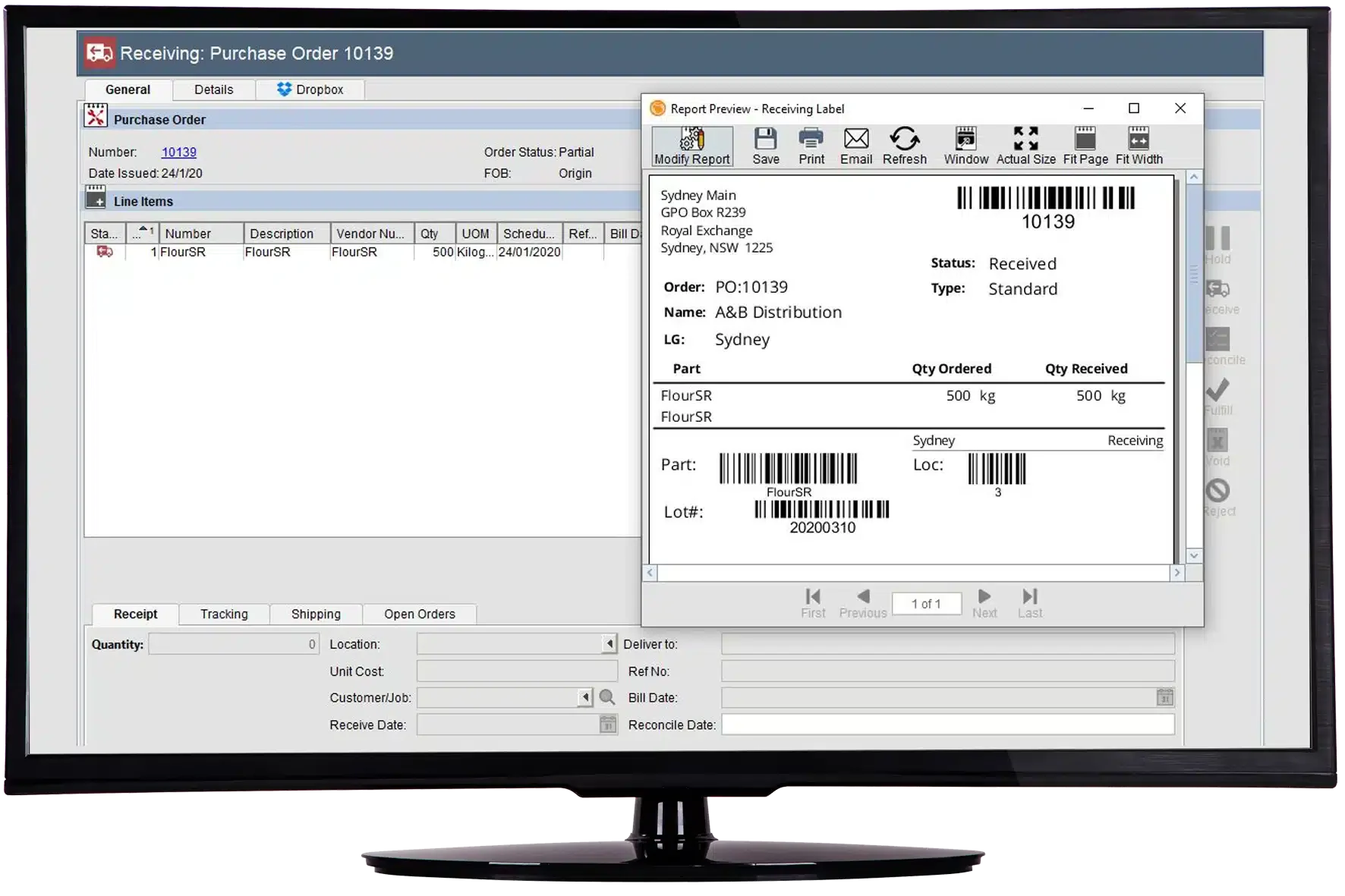
Fishbowl provides distribution barcode software for food distribution businesses, offering features that enable real-time stock tracking, streamline warehouse activities, and facilitate efficient supply workflows, all within inventory, warehouse, and operations management.
Its key functions include tracking food items and assets, managing multiple storage locations, barcode scanning, automated order handling, labour cost tracking, material planning, and product bundling.
| Pros | Cons |
|
|
3. ERPAG
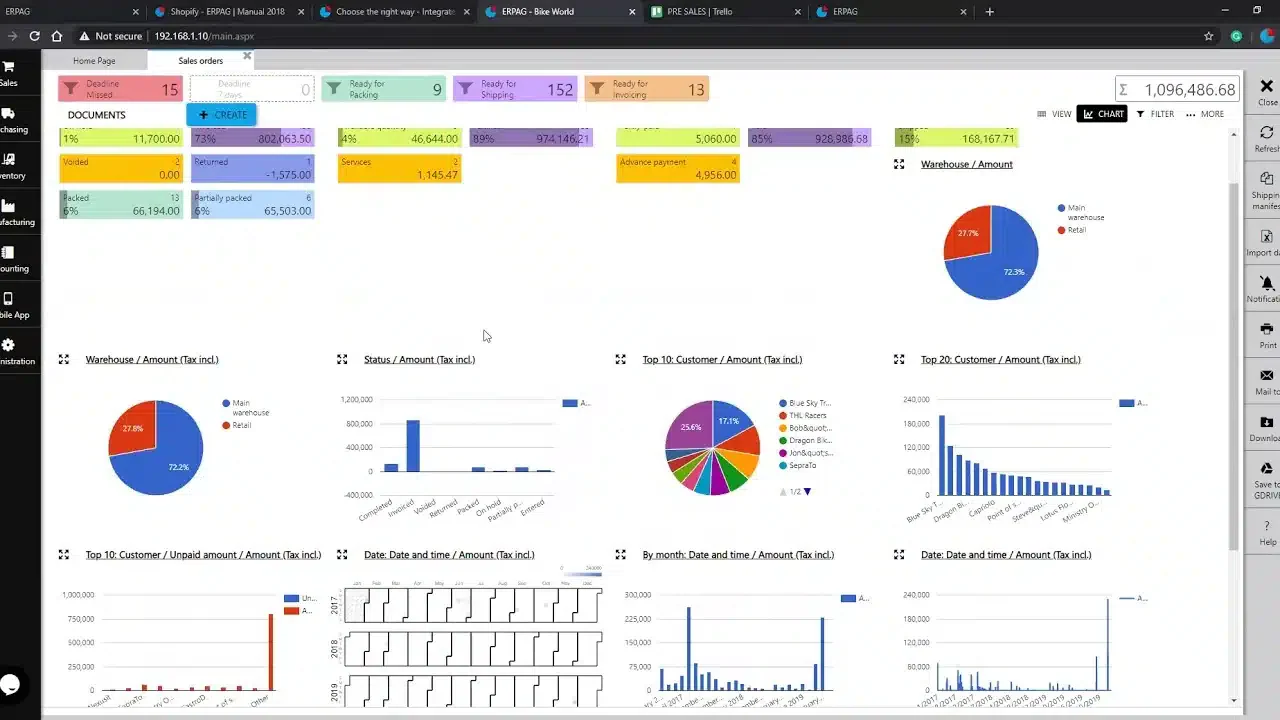
ERPAG is a cloud-based ERP solution designed to streamline operations for small to mid-sized businesses, including those in the food distribution sector. It supports real-time inventory and order management, enabling distributors to track stock levels accurately.
Key features include automated reordering, barcode inventory tracking, multi-warehouse management, and support for multiple units of measure. ERPAG also offers integrated invoicing and purchasing tools, label printing, and manufacturing support.
| Pros | Cons |
|
|
4. Epos Now
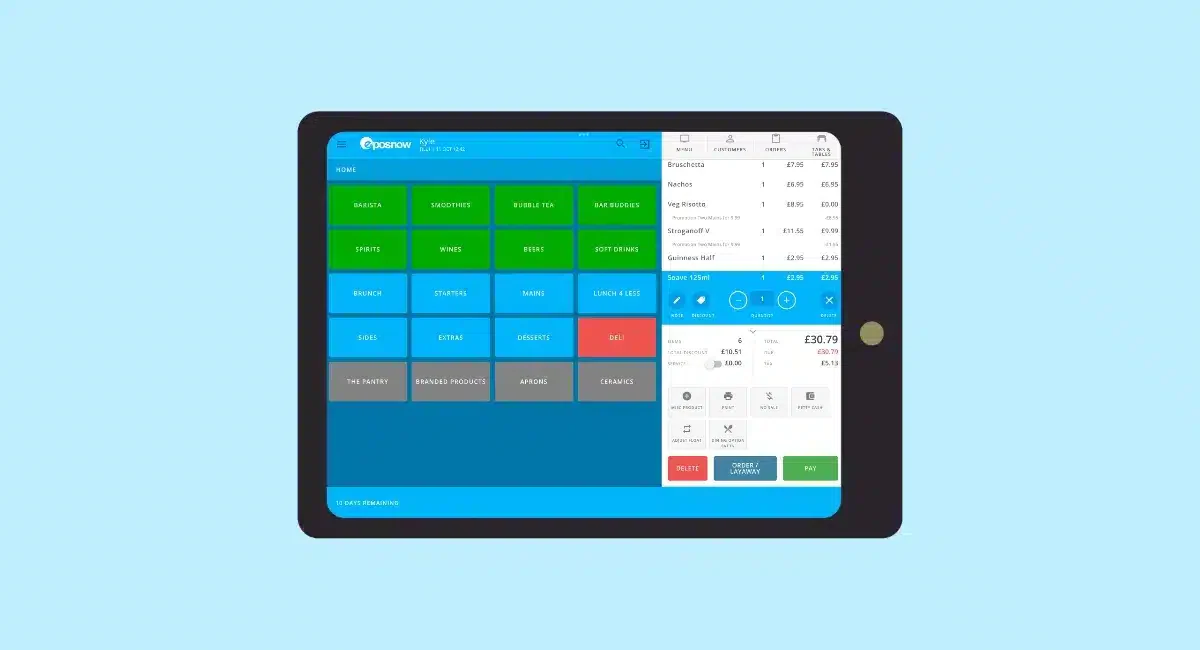
Epos Now’s POS system, originally designed for restaurants, also offers valuable features that support food distribution operations. Its inventory management tools make it easy to track both dry and perishable goods.
The platform also offers real-time sales reporting and integration with major ordering platforms. With Epos Now, distributors can track product movement, automate key processes, and respond quickly to shifting demand and evolving customer needs.
| Pros | Cons |
|
|
5. Gofrugal
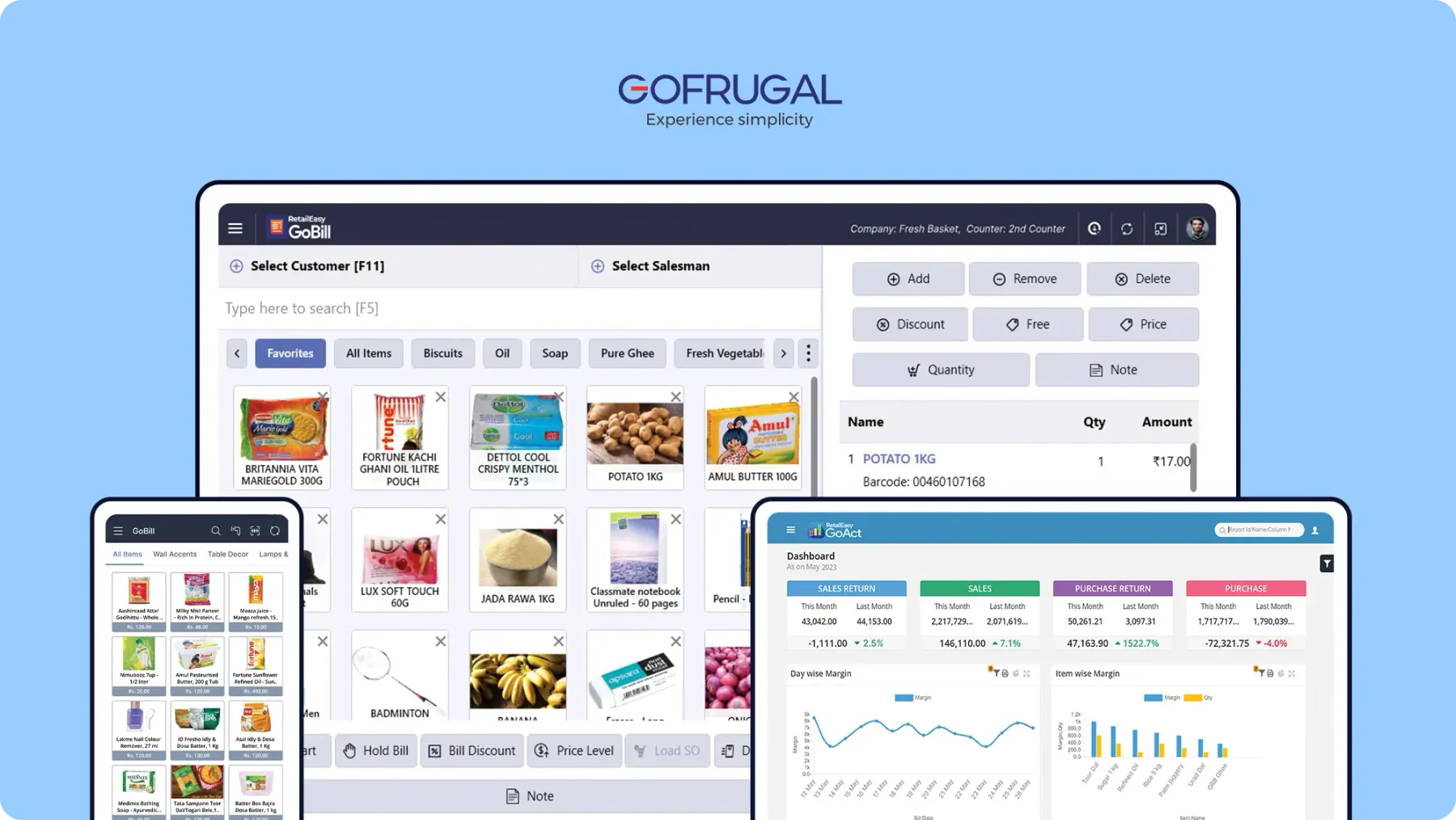
Gofrugal has been delivering tailored food service distribution software solutions for the food distribution industry. With a strong focus on automation, the company offers a suite of tools designed to streamline inventory tracking, order management, and logistics.
Gofrugal helps distributors improve accuracy, reduce waste, and deliver a better customer experience. Its cloud-based and mobile-ready systems are especially beneficial for food distributors needing real-time visibility and control across multiple locations.
| Pros | Cons |
|
|
6. Blue Cart
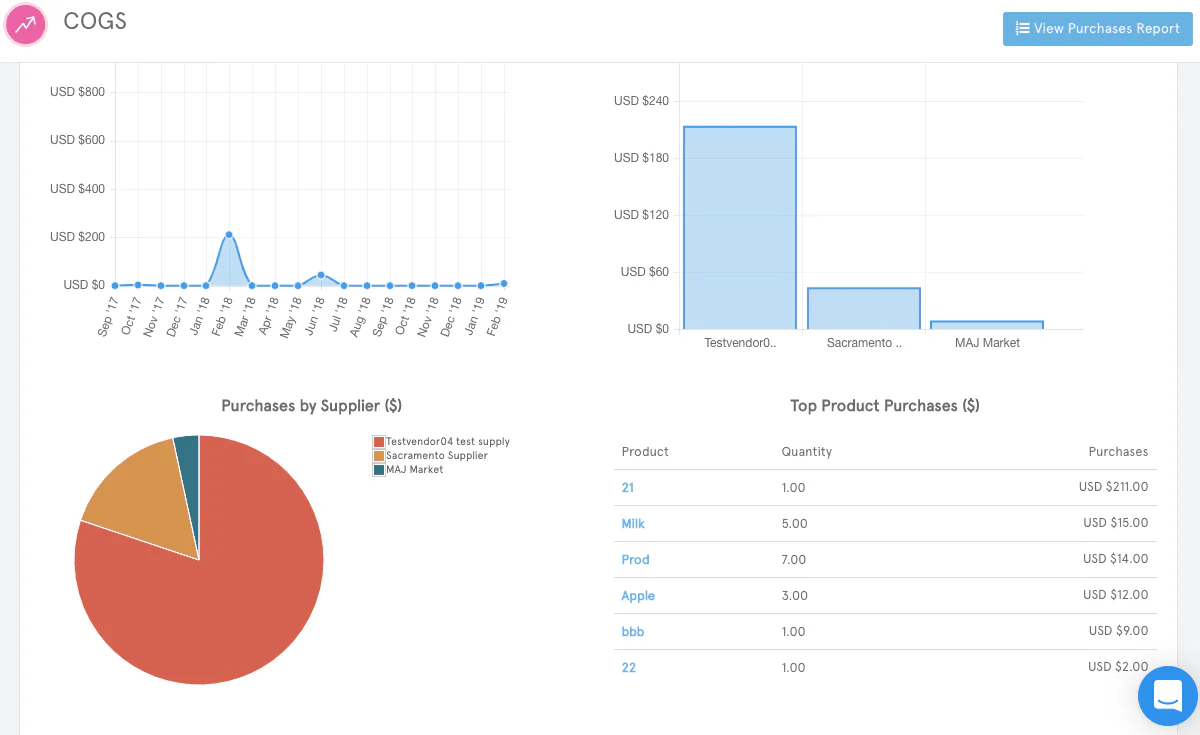
BlueChart Wholesale Distribution Software offers a comprehensive, all-in-one digital solution designed to streamline complex supply chain processes in the food industry. The platform provides automated tools that support accuracy and ensure timely distribution.
BlueChart empowers food distributors to manage operations more efficiently. Its cloud-based infrastructure and mobile accessibility allow teams to oversee real-time inventory, enhancing coordination between warehouses and sales teams.
| Pros | Cons |
|
|
7. Spoonfed
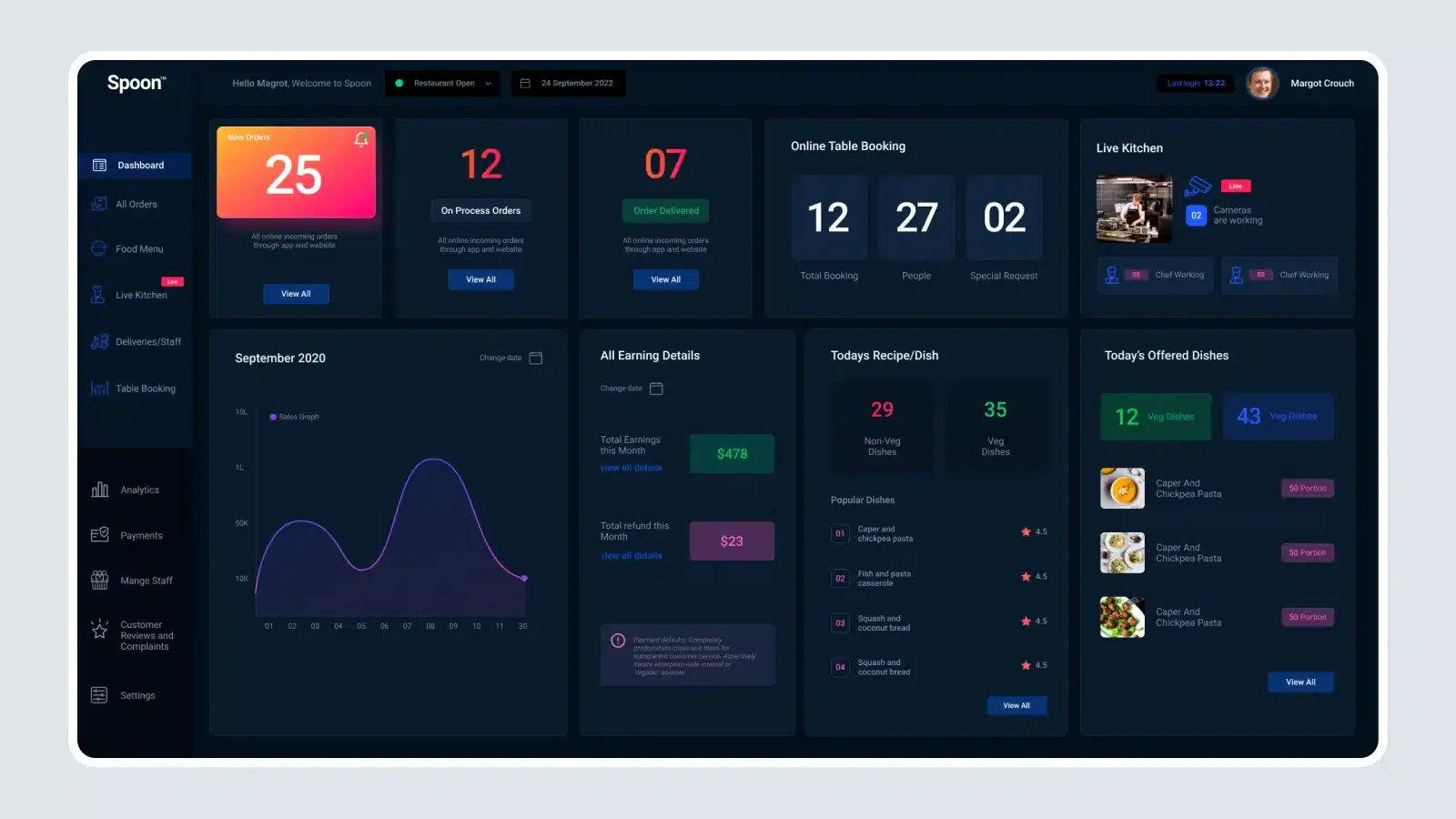
Spoonfed is a user-friendly, cloud-based food distribution and order management solution designed for catering operations in meetings and events. It enhances efficiency with features such as digital customer ordering and production lists.
By streamlining both front-of-house and back-of-house operations, Spoonfed enables food distribution businesses to work more efficiently, serve customers more effectively, and enhance overall operational coordination.
| Pros | Cons |
|
|
8. Food Connex
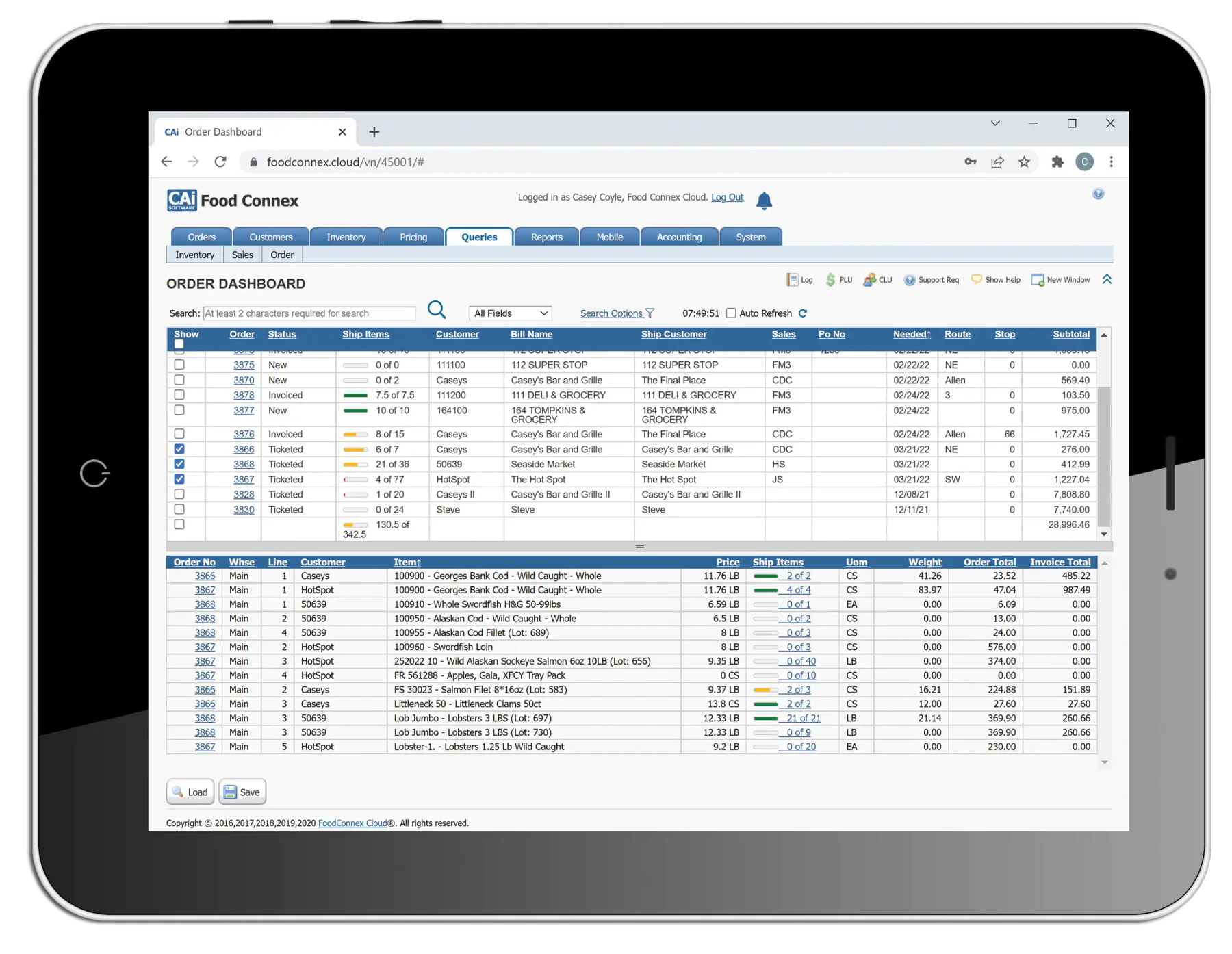
Food Connex is a cloud-based solution designed to help food distributors and processors boost efficiency and profitability. The platform simplifies day-to-day operations, enhances customer service, and minimizes errors that can lead to losses.
Food Connex supports accurate order input, fulfilment, pricing, invoicing, purchasing, scale operations, barcode and label creation, lot tracking, cost monitoring, and recall traceability, making it a reliable tool for managing food distribution workflows.
9. RoutiGo
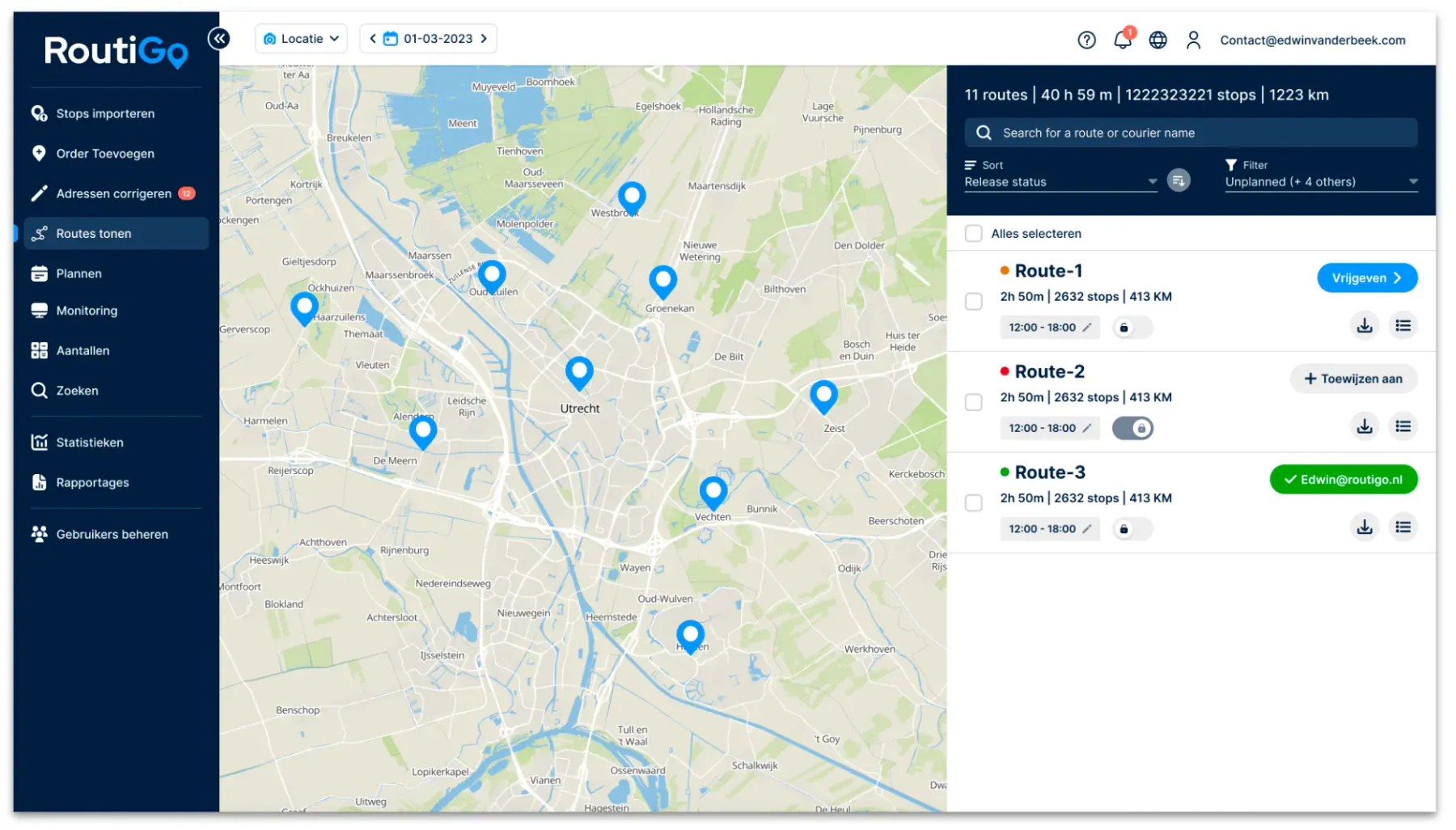
RoutiGo is a SaaS-based platform tailored to optimize route planning for delivery-focused businesses, including those in the food distribution sector. This software offers scalability and seamless integration into complex logistics environments.
The platform helps food distributors streamline last-mile delivery with features like automated route planning, real-time driver tracking, and customer notifications via email or SMS.
| Pros | Cons |
|
|
10. Tag My Order
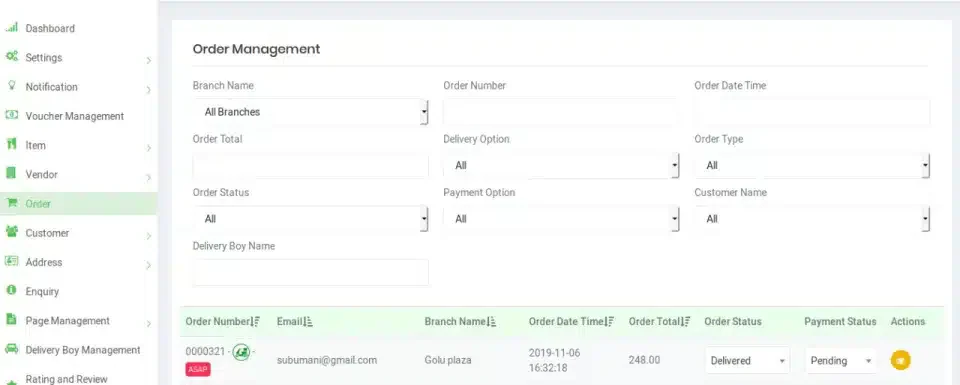
Tag My Order offers a customizable food delivery management platform that simplifies route planning and order tracking for food distribution businesses.
Key features of Tag My Order for food distribution include real-time route optimization, automated delivery notifications, dynamic driver assignment, and sharing the estimated time of arrival with customers.
| Pros | Cons |
|
|
11. Detrack
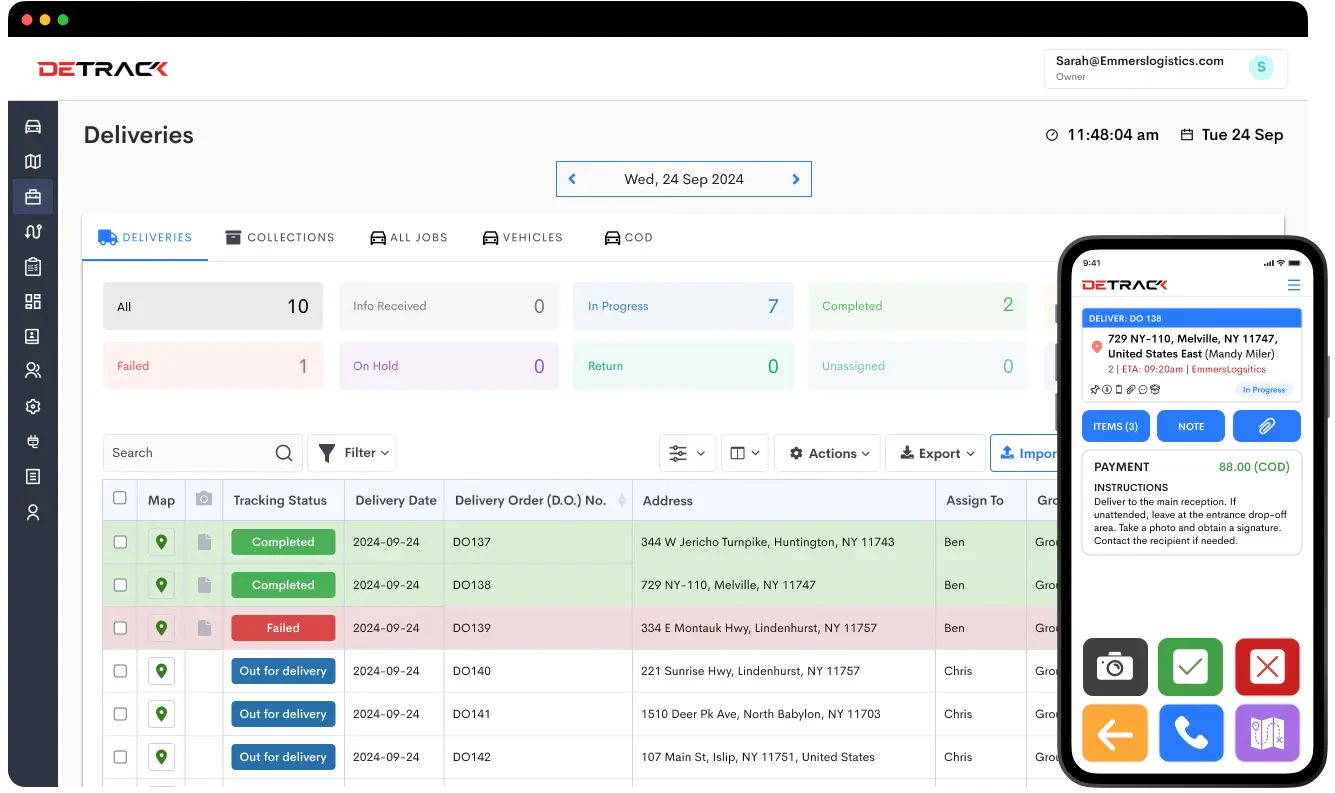
Detrack is a delivery management software designed to help food and beverage businesses streamline their delivery operations. It enables users to schedule deliveries, track delivery progress, and manage customer data effectively.
Detrack offers useful features, including customizable delivery zones and detailed reporting tools. These functions enable companies to optimize their delivery routes, analyze performance, and enhance overall service quality.
| Pros | Cons |
|
|
12. Infor Distribution SX.e
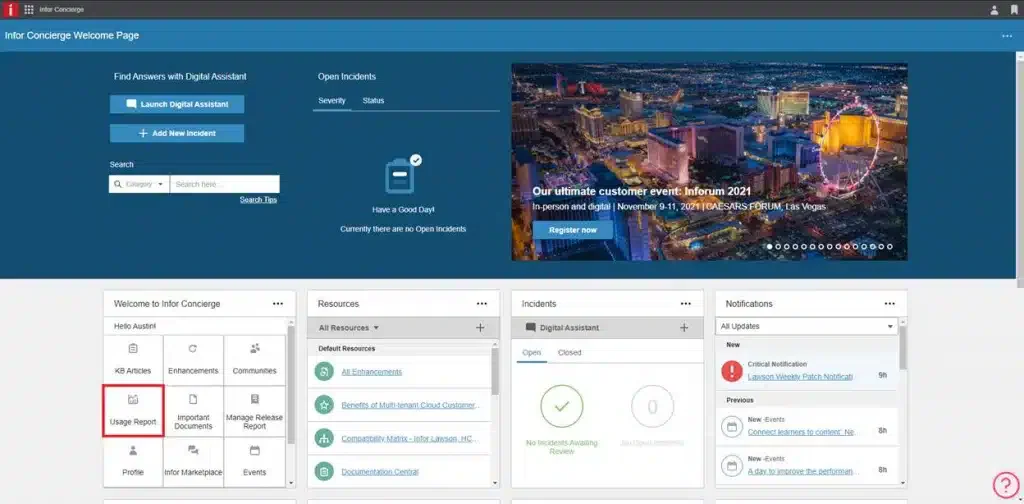
Infor Distribution SX.e is a robust enterprise solution tailored for the wholesale distribution industry, offering a seamless blend of innovation and core business functionality. The platform enables companies to achieve efficiency and inventory management.
This solution enables businesses to expand their service offerings, enhance workforce productivity, and streamline operations. It also improves customer experiences through smarter engagement tools and enhances performance by simplifying daily processes.
| Pros | Cons |
|
|
13. Routeique
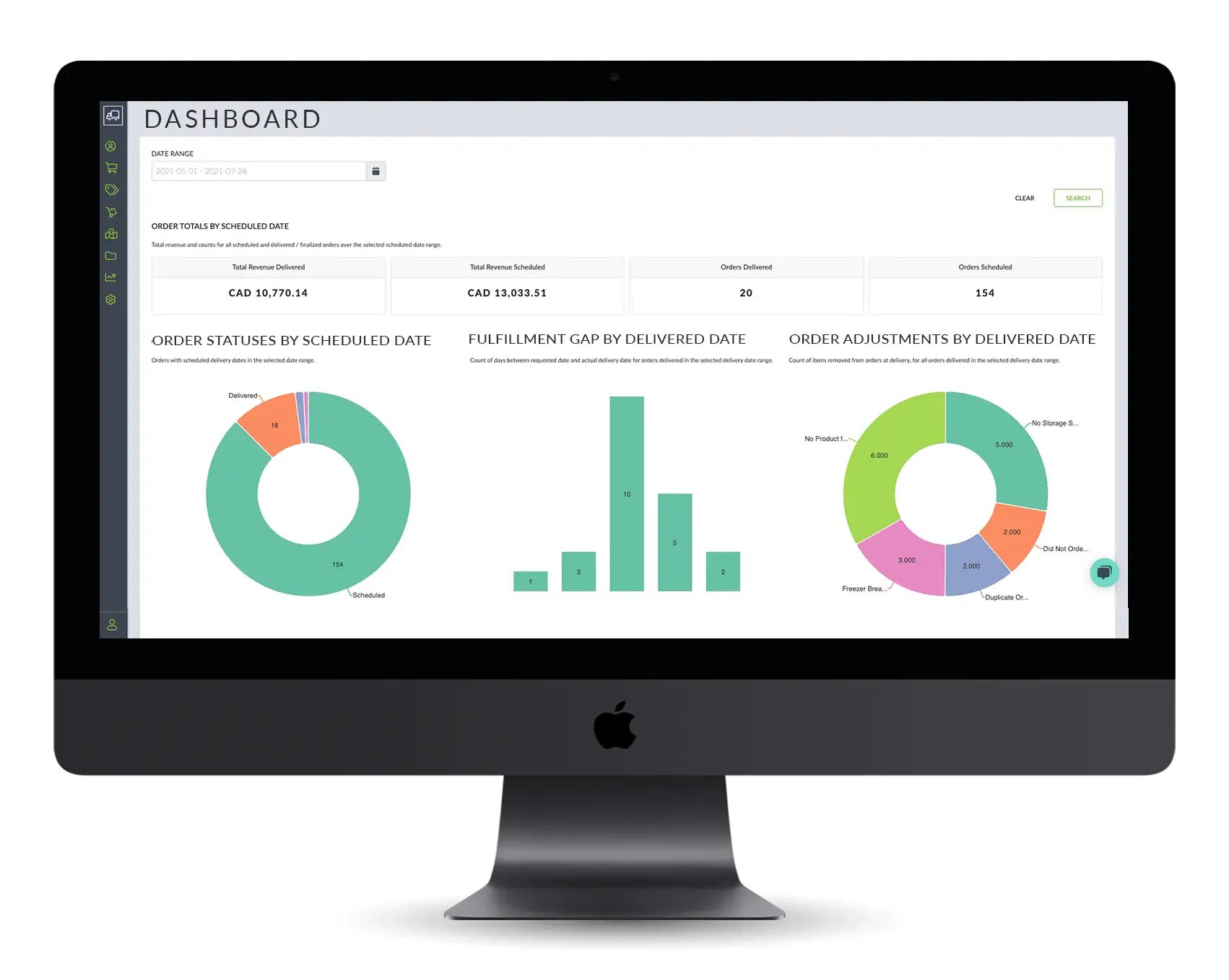
The Routeique is an end-to-end distribution platform that offers a comprehensive solution to help food service operations reduce both costs and time.
Equipped with cutting-edge route optimization and cold chain compliance features, Routeique guarantees timely deliveries while maintaining the optimal condition of your products.
| Pros | Cons |
|
|
14. Accolent ERP
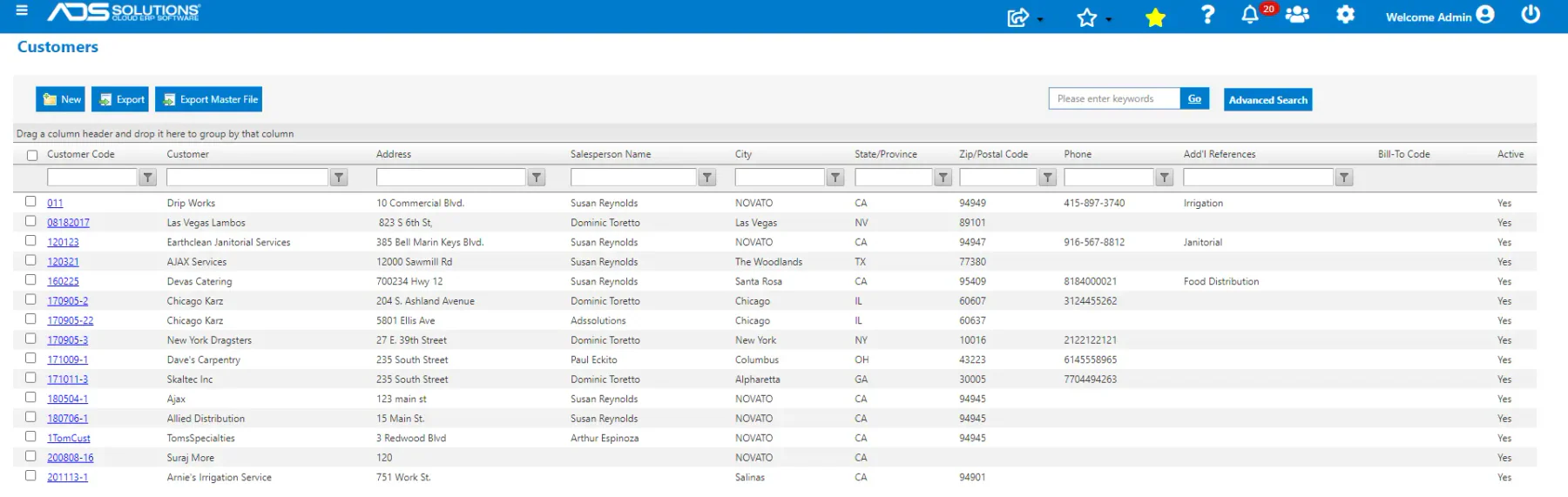
Accolent ERP is a cloud-based business management system designed specifically for food service distributors. Backed by four decades of industry expertise, this web-architected ERP solution delivers seamless end-to-end functionality tailored for the food distribution sector.
It features advanced capabilities, such as CatchWeight inventory, which enables users to capture product data, including weight, lot number, and expiration date, through a single, customizable barcode scan.
| Pros | Cons |
|
|
15. Janis
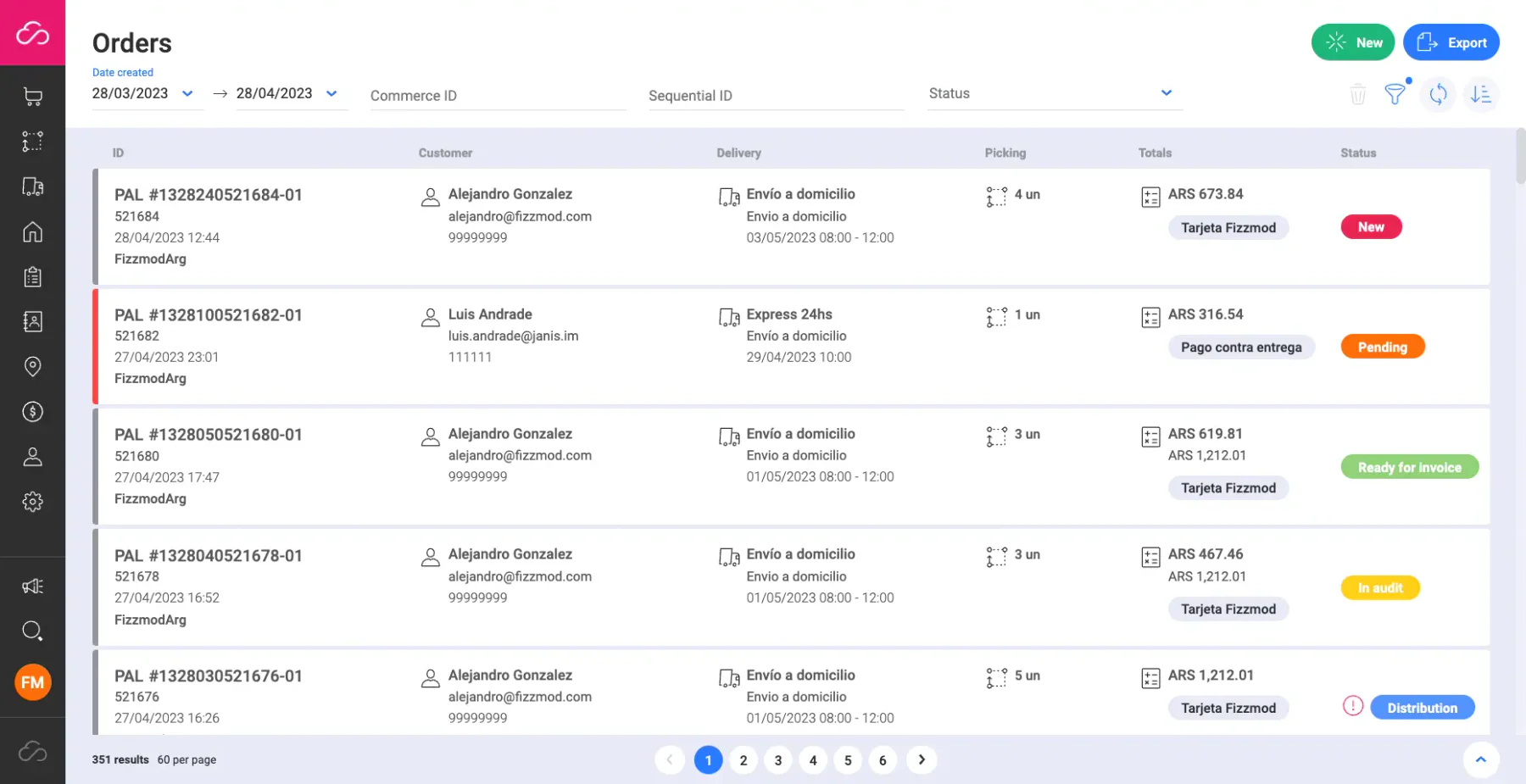
Janis merges the capabilities of OMS, WMS, and TMS into a robust Distributed Order Management system, focusing on sustainability and operational efficiency. It enables businesses to achieve seamless synchronization across order processing, warehouse coordination, and delivery.
| Pros | Cons |
|
|
Must-Have vs Nice-to-Have Features in Food Distribution Software

A common mistake when selecting software is trying to cover everything at once. In practice, however, some features are essential for day-to-day stability, while others add value only after your core operations are already running well.
Therefore, separating what you need now from what can wait helps you prioritise implementation effectively.
Features to Prioritise First
- Inventory Management with Expiry and Batch Tracking Real-time stock visibility with FEFO logic is non-negotiable for food distributors. Without it, compliance and waste management become guesswork.
- Order Management and Fulfilment Centralised order processing reduces errors and ensures warehouse and logistics teams always work from the same information.
- Delivery and Route Planning Route optimisation directly lowers fuel costs and delivery time. As a result, you can serve more customers without adding resources.
- Invoice and Finance Management Integrated billing prevents revenue leakage and keeps cash flow predictable especially critical in high-volume B2B transactions.
Features Worth Planning For Later
| If You’re Facing This | Start With |
|
|
Choosing the Right Software for Your Food Distribution Business
When choosing food distributor software, it’s crucial to evaluate factors that impact functionality, operational compatibility, and user-friendliness. Using the incorrect food distribution management system can result in inventory errors and delayed deliveries.
To help you select the right software for your distribution business, consider the following:
- Understand your distribution workflow: Assess the complexity of your inventory, delivery schedules, and order volumes to optimize your operations. Ensure the software aligns with your team’s workflow and supports key logistics processes.
- Scalability: Search for a system that can grow with your operations, whether you’re expanding into new regions, handling more SKUs, or managing more partners.
- Integration capabilities: Look for compatibility with tools such as warehouse management systems, accounting platforms, and transportation tracking tools to maintain seamless operations.
- Customizability: Select software that tailors to your specific business needs, such as expiration tracking, order frequency, or vendor-specific pricing.
- Ease of use: A straightforward interface ensures faster adoption and smoother day-to-day operations across departments.
- Budget fit: Weigh the long-term benefits of the software against its pricing model to ensure it aligns with your financial goals.
- Data protection: Verify that the software has strong security protocols to safeguard business-critical and customer information.
- Responsive support: Reliable customer service is crucial, especially when time-sensitive deliveries are involved.
- Mobile accessibility: Access to real-time data via smartphones or tablets enables on-the-go management and quicker decision-making.
Conclusion
Managing a food distribution business in Malaysia involves navigating real operational complexity from maintaining compliance and controlling perishable inventory to coordinating deliveries and meeting rising customer expectations.
Selecting the right food distributor software is crucial for businesses aiming to optimize logistics and maintain financial clarity throughout the supply chain. The right system helps simplify complex distribution workflows and improve the accuracy of orders.
Solutions like HashMicro’s Food Distrifbutor Software provide an integrated suite of features designed for modern food distribution operations. With various features, this cloud-based platform ensures operational transparency.
Request a free demo today to discover how HashMicro’s solution can streamline your distribution process, strengthen supply chain efficiency, and improve decision-making across your business.

Frequently Asked Questions
Free food distribution programs help combat hunger by providing nutritious meals and reducing the risk of malnutrition and health issues.
Food distributors help brands get their names on the shelves and offer logistical and storage services. They hold large quantities of stock and transport goods to customers, sometimes across considerable distances.
While problems related to food distribution, including poor storage, transportation, and policies, are obvious, distribution is also significantly impacted by supply-and-demand considerations, such that separating supply and scarcity from distribution creates a false dichotomy.
Start by identifying where manual work is causing the most delays or errors in your current operations. If your team spends significant time managing stock levels and expiry dates manually, inventory management is your priority. Alternatively, if late deliveries and route inefficiencies are your biggest issue, start with delivery and logistics tools. Build your core foundation first before expanding to advanced features.
It depends on the platform. Some food distribution software solutions are designed for enterprise-scale operations, while others offer modular or scalable options that work for growing businesses. The key is to evaluate whether the system can match your current operational size while also accommodating future growth without requiring a complete platform change.