






You run a big online sale, orders jump overnight, and the cracks show fast. Stock looks available on screen, but the warehouse can’t locate items quickly, shipments slip, and customer support spends the day answering the same delivery questions.
This isn’t rare in Malaysia. DOSM reported e-commerce revenue of RM937.5 billion for the first nine months of 2025, up 1.9% year on year. More volume means tighter delivery expectations and less room for manual fixes when inventory and fulfilment fall out of sync.
E-commerce supply chain software helps keep orders, inventory, purchasing, and fulfillment aligned in one flow. In real work, it reduces stock drift, improves replenishment timing, and makes exceptions easier to manage so your team can improve visibility across supply chain operations without getting stuck patching errors after customers start complaining.
Key Takeaways
E-commerce supply chain software helps businesses manage inventory, order fulfillment, and returns across multiple sales channels.
Top software options offer real-time stock syncing, automated order routing, and demand forecasting to support fast, accurate operations.
Choosing the right tool involves evaluating integration options, return management, and scalability to match your business needs.
Shortlisted Best E-Commerce Supply Chain Software in Malaysia
Here are e-commerce supply chain software options commonly considered in Malaysia for 2026, picked for how they support day-to-day execution as volume grows. The tools below help connect orders with inventory, warehouse workflows, shipping updates, and returns, so teams spend less time patching gaps and more time keeping delivery promises.




Best Because
Enterprise-level demand forecasting, multi-channel order and warehouse management.




Supplier delays can affect stock and fulfilment. Better supplier management helps keep procurement and inventory planning under control.

Compare the options below to see which supply chain software best supports your inventory, purchasing, and fulfillment priorities.
Quick Comparison of Best E-Commerce Supply Chain Software in Malaysia
| Software | Core Strength | Malaysia Compliance | Best For | Pricing | Key Features |
|---|---|---|---|---|---|
| HashMicro | Integrated inventory, procurement, warehousing, and fulfilment | Malaysia-ready with MyInvois, SST workflows, and local implementation support | Mid-sized Malaysian companies needing an integrated ERP-style setup | Quote-based; subscription or one-time licence | Procurement, inventory, warehousing |
| Logiwa | High-volume fulfilment | Global WMS; Malaysian tax processes remain within the connected finance system | E-commerce brands and 3PLs | Custom, volume-based pricing | Picking, packing, order processing |
| Precoro | Procurement control | Supports multi-currency procurement; local tax handling follows the connected accounting system | Purchasing and finance teams | From USD 499/month, billed annually | Approvals, budgets, suppliers |
| NetSuite | Multi-entity supply chain | Malaysia e-Invoicing SuiteApp available; configuration and licensing may apply (Oracle documentation) | Large and multi-entity businesses | Custom quote | Inventory, forecasting, order management |
| Shippabo | Ocean-freight visibility | Supports cross-border freight workflows; Malaysian tax reporting remains outside its primary scope | Importers and freight teams | Custom quote | Tracking, documents, freight analytics |
| Magaya | Freight and warehouse operations | Global logistics platform; local requirements depend on selected integrations | Freight forwarders and logistics providers | Custom subscription | Shipping, warehousing, accounting |
| Glide | No-code application building | Malaysian workflows can be configured through custom apps and integrations | Small teams needing simple internal tools | From USD 199/month, billed annually | Custom apps, workflows, integrations |
| Netstock | Inventory planning | Local compliance is managed through the connected ERP or finance platform | Inventory-heavy SMEs, distributors, and manufacturers | From USD 900/month, billed annually (official pricing) | Forecasting, replenishment, stock optimisation, S&OP |
What is E-Commerce Supply Chain Software?
E-commerce supply chain software helps businesses manage all these behind-the-scenes activities across multiple channels like Shopee, Lazada, Shopify, and TikTok Shop. It connects online orders with warehouse stock, packing, shipping, and even return processes.
Meanwhile, traditional supply chain software often focuses on fewer, larger movements between businesses. E commerce deals with many small orders, frequent changes, and customers who expect fast updates. The system needs to update stock quickly, route work to the right location, and keep order status accurate without manual checking.
In day to day operations, it reduces common problems like overselling, late dispatch, and returns that sit unprocessed because the warehouse and customer service are working from different data.
Features of E-Commerce Supply Chain Software
Spreadsheets can list orders, but they break down when order volume rises and exceptions appear. A solid system keeps stock reliable and makes fulfilment repeatable.
Here are some key features you should look for:
- Multi-warehouse inventory visibility: Track stock levels across all warehouses and fulfillment centers in real-time from one dashboard.
- Automatic order routing to the nearest warehouse: Assign orders automatically to the closest warehouse to speed up picking, packing, and delivery.
- Marketplace and webstore integration: Connect orders from Shopee, Lazada, Shopify, Amazon, and TikTok Shop into a single system.
- Live order status tracking: Monitor every stage of an order’s journey, from payment confirmation to final delivery.
- AI-based demand forecasting: Predict future product demand based on real-time sales data, seasonality trends, and buying patterns.
- Returns and reverse logistics management: Handle customer returns efficiently by updating inventory, restocking returned items, and managing refunds.
Benefits of E-commerce Supply Chain Software
E-commerce supply chain management forms the foundation of every product-based business, playing a crucial role in determining overall success. If you want your e-commerce business to perform better, understanding the benefits of effective supply chain management is key.
Here are several advantages of a well-implemented e-SCM system:
1. Faster delivery performance
Delivery speed matters, but reliability matters more. A McKinsey report found that over 90 percent of online shoppers see two to three day shipping as the baseline, and almost half will shop elsewhere when delivery times are too long.
In practice, software improves delivery performance by reducing the usual blockers. It highlights stockouts early, routes orders to the right fulfilment location, and keeps warehouse picking and dispatch moving with fewer manual checks.
2. Higher inventory accuracy
Globally, retailers lose around US$1.75 trillion each year from inventory mismanagement caused by overstocking, understocking, and preventable returns. Through data-driven forecasting, e-SCM enhances visibility across all inventory points. It allows businesses to maintain the right stock levels and minimize waste.
3. Better customer satisfaction
Customer loyalty is shaped by consistency, not promises. When packaging is secure, tracking updates are clear, and deliveries arrive when expected, customers feel confident buying again. Once orders start arriving late or status updates go quiet, repeat purchases drop quickly because shoppers switch to a store that feels more reliable.
8 Best E-Commerce Supply Chain Software in Malaysia
With so many options available, finding the right supply chain software for your e-commerce business can feel overwhelming. To make it easier, we’ve rounded up the top 8 e-commerce supply chain management tools in Malaysia.
1. HashMicro E-Commerce Supply Chain Software
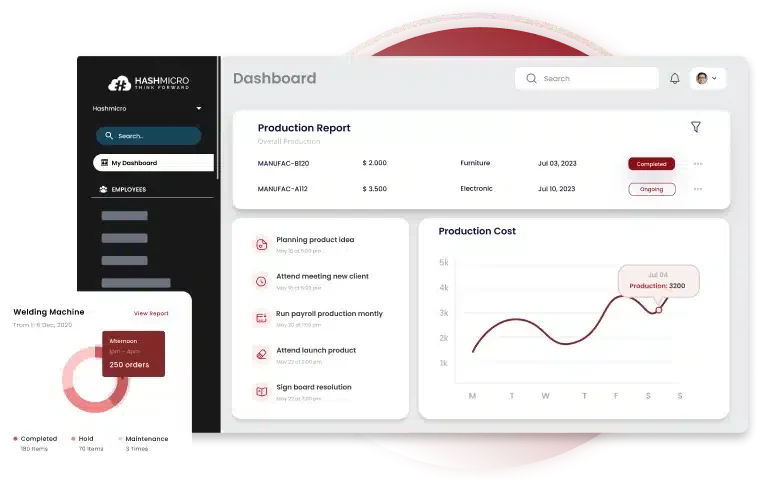
HashMicro Supply Chain Management is designed to centralise inventory, purchasing, and fulfilment so teams do not manage operations across separate tools. It focuses on day to day execution such as stock visibility, replenishment timing, and smoother handoffs from warehouse work to delivery updates.
The platform also mentions an AI assistant feature in development called Hashy AI, intended to help users run tasks and check progress through simple commands. Integration is positioned as a key part of the setup, so Businesses can connect sales channels and existing systems through automated data exchange to keep information consistent across operations.
Features:
- Real-Time Inventory Management
- Automated Procurement Management
- Shipment and Delivery Management
- Return and Reverse Logistics Management
- Advanced Demand Planning and Forecasting
- Multi-channel integration
- Warehouse optimization
Price: Custom pricing based on selected modules and implementation scope.
| Pros | Cons |
|
|
Why this suits Malaysian businesses: The system connects Shopee, Lazada, and TikTok Shop transactions with inventory and fulfilment, alongside Malaysia-specific finance and compliance functions.
Mid-sized companies in Malaysia that want an integrated ERP-style setup for inventory, warehouse, purchasing, and finance, with room for workflow customisation across teams.
Are you curious how much charges for its software? You can find out by clicking on the pricing plan banner below!
2. Logiwa
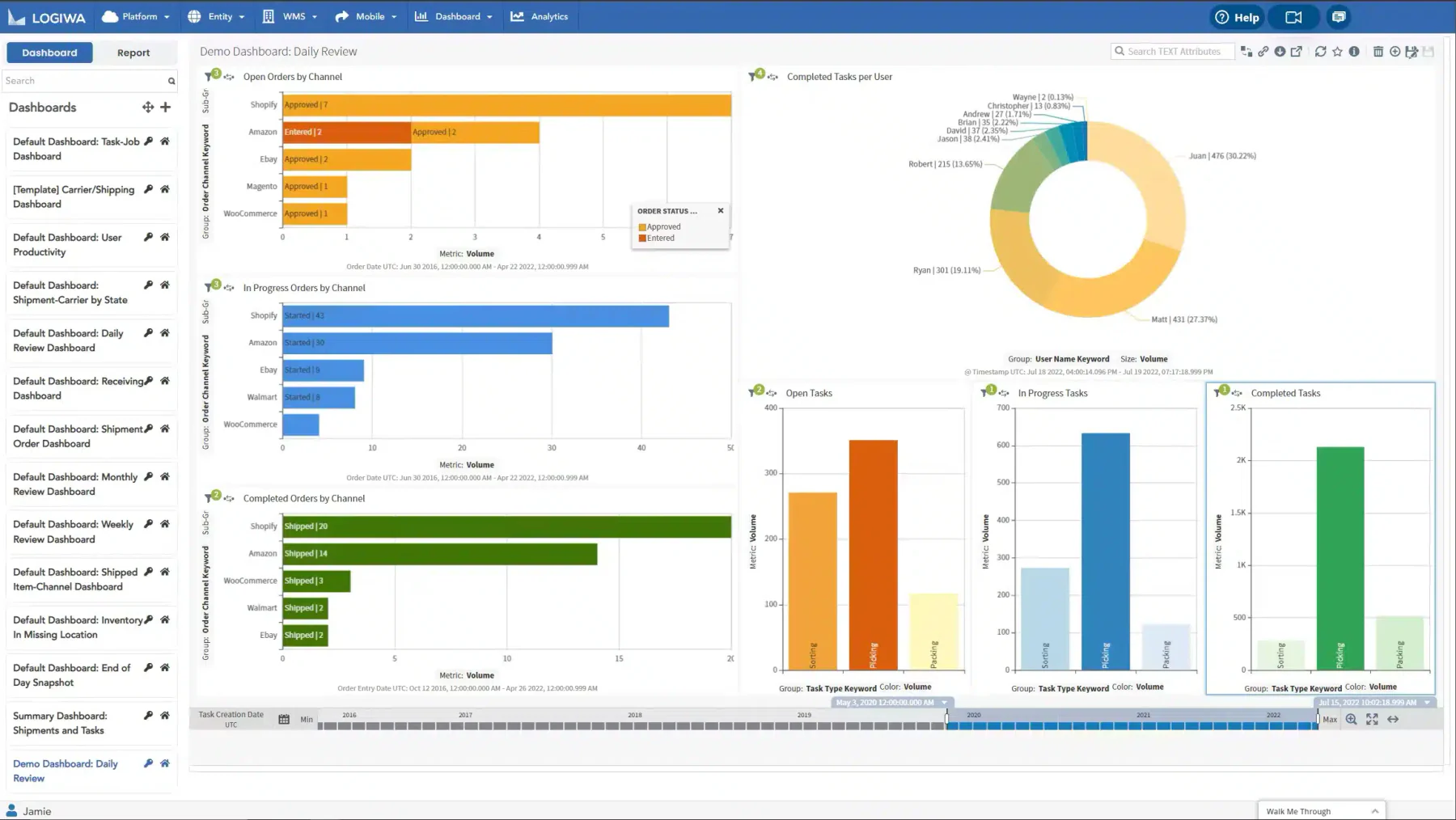
Logiwa supply chain management software Malaysia is a cloud-based inventory solution designed to handle the demands of high-volume B2C and D2C businesses. It manages inventory more efficiently, improves order accuracy, and coordinates operations across sales channels.
Built with an open API, Logiwa can easily connect with other supply chain platforms like NetSuite and leading e-commerce systems such as Shopify. Its data-driven insights and analytics also support better decision-making.
Features:
- Real-time inventory tracking
- Returns management
- Automated picking and packing
- Shipping label generation
- Batch order processing
Price: Custom pricing based on fulfilment volume and operational complexity.
| Pros | Cons |
|
|
Why this suits Malaysian businesses: Documented integrations include Shopify, Amazon, DHL, FedEx, and UPS. Other Malaysian sales channels or carriers would require API-based integration.
High-volume fulfilment operations, especially e-commerce brands and 3PLs that need strong warehouse execution and fast order processing at scale.
3. Precoro
Precoro’s supply chain management solution centers around purchase approvals. It allows different teams, such as fulfillment, marketing, or operations, to oversee and authorize specific supply chain transactions based on their needs.
For instance, the fulfillment team might approve bulk purchases of packaging materials, while the marketing team signs off on promotional merchandise. With built-in finance tools and customizable approval workflows.
Features:
- Purchase order automation
- Supplier management
- Budget tracking
- Approval workflows
- Spend analytics
Price: Core: USD 499/month; Automation: USD 999/month; Enterprise: custom pricing. Billed annually.
| Pros | Cons |
|
|
Why this suits Malaysian businesses: Its Malaysia relevance comes from multi-entity, multi-currency procurement, budget controls, and approval workflows for businesses managing branches or overseas suppliers.
Teams that need tighter purchasing control and spend visibility, especially companies that want procure-to-pay automation without running a full ERP for everything.
4. NetSuite
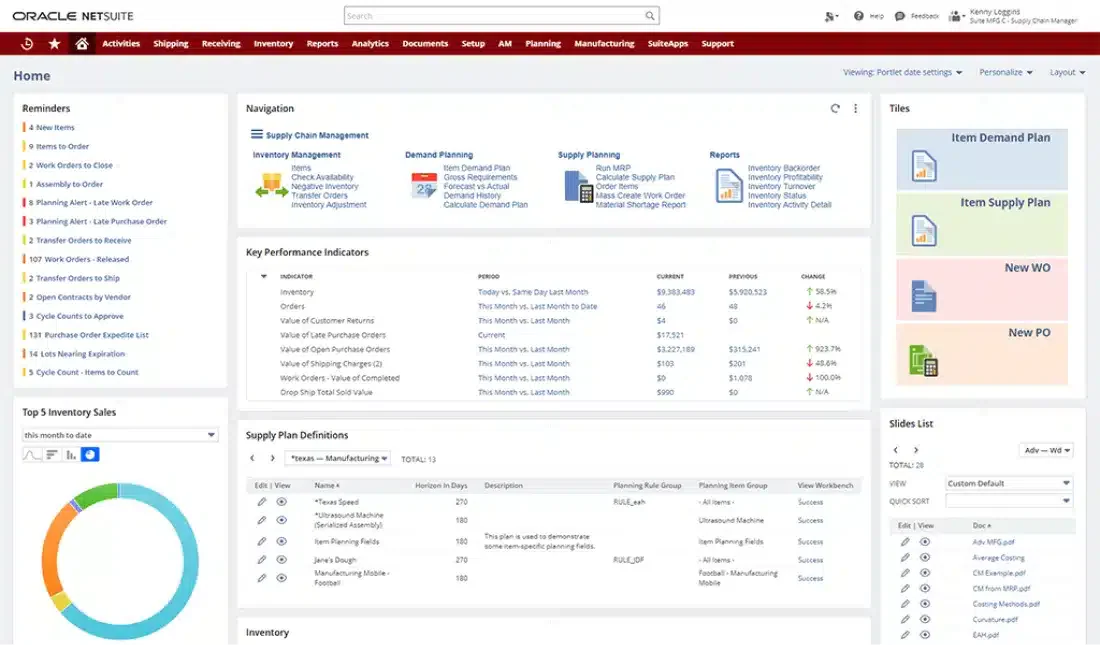
NetSuite is an enterprise supply chain management solution that helps e-commerce businesses manage complex operations across multiple sales channels. Its predictive analytics tools support accurate demand forecasting.
NetSuite also integrates order management, inventory tracking, supplier coordination, and warehouse management into a single platform, which makes it easier to fulfill high order volumes and handle multi-location shipping.
Features:
- Real-Time Stock Visibility
- Order management
- Demand forecasting
- Warehouse management
- Returns management
Price: Custom pricing based on platform licence, users, add-on modules, and implementation.
| Pros | Cons |
|
|
Why this suits Malaysian businesses: NetSuite OneWorld manages multiple subsidiaries, currencies, locations, and tax jurisdictions for Malaysia-based groups with regional operations.
Multi-entity or fast-growing businesses that need a full suite with strong governance, and want supply-demand visibility plus warehouse mobile support within a structured ERP environment.
5. Shippabo
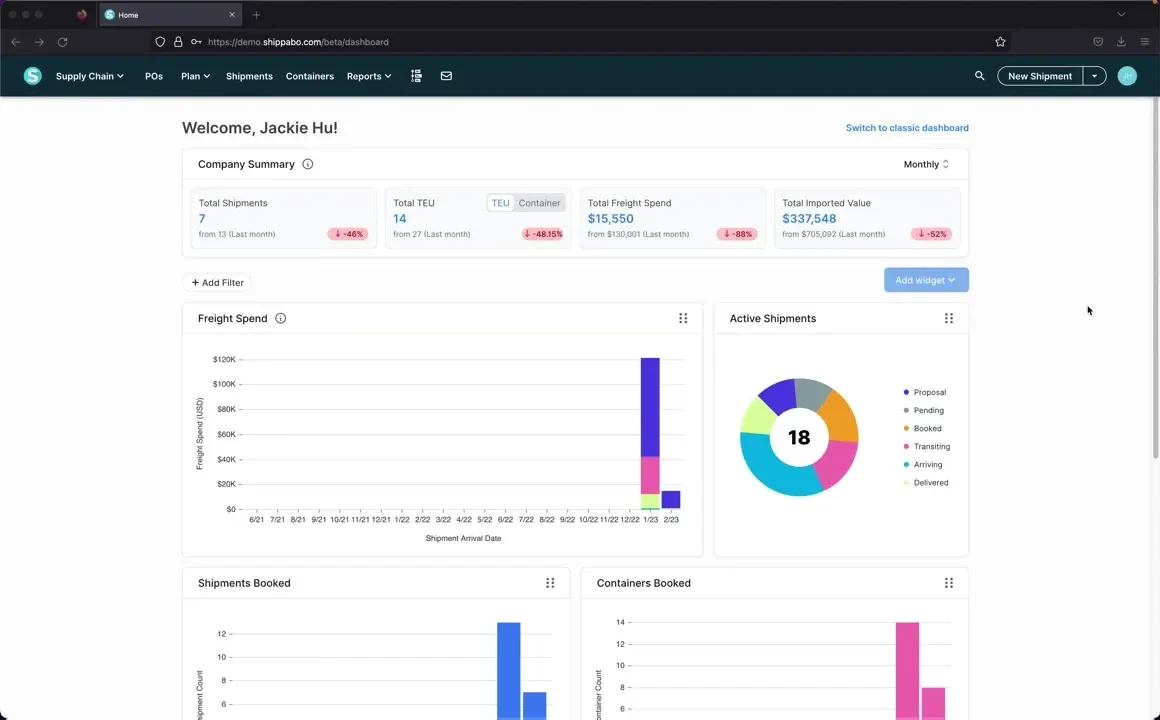
Shippabo is a supply chain management platform designed to simplify ocean freight shipping for businesses that import products from overseas.
It supports e-commerce companies that source pre-assembled goods or raw materials from international suppliers by managing shipping schedules, customs clearance, and freight tracking.
For e-commerce businesses handling large inventories and global sourcing, Shippabo helps improve shipment visibility, reduce import delays, and keep stock replenishment on schedule by providing greater visibility into international shipments.
Features:
- Shipment tracking
- Predictive analysis
- Document management
- Collaboration tools
- Cost optimization
Price: Custom annual pricing based on container volume and logistics partners.
| Pros | Cons |
|
|
Why this suits Malaysian businesses: The platform tracks inbound freight across ocean, air, customs, and trucking partners for Malaysian importers coordinating overseas suppliers.
Importers and teams that manage freight workflows and need end-to-end shipment visibility, booking and tracking in one place.
6. Magaya
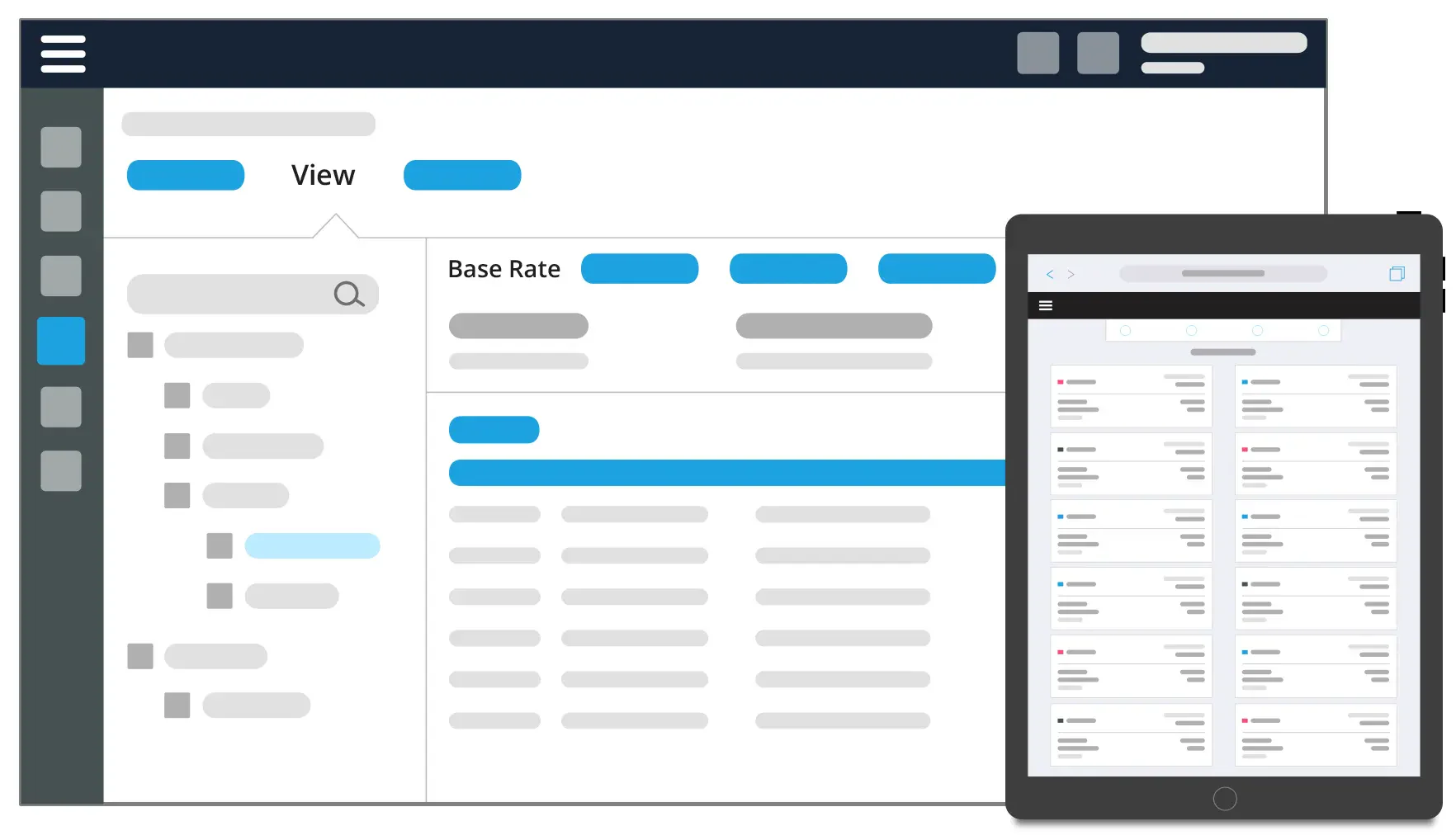
Magaya Supply Chain offers a comprehensive software solution built for retailers, warehouse operators, and third-party logistics providers. It helps businesses manage order tracking, warehouse operations, financial processes, and customer service.
It also keeps the data consistent and synchronized across systems. Moreover, Magaya connects seamlessly with the Magaya Digital Freight Portal, enabling real-time monitoring of bookings, shipments, and reporting activities.
Features:
- Real-time inventory tracking
- Returns management
- Shipping label generation
- Batch order processing
- E-commerce integration
Price: Custom pricing based on selected modules, integrations, and implementation.
| Pros | Cons |
|
|
Why this suits Malaysian businesses: Magaya connects freight operations with more than 100 air carriers, the INTTRA ocean network, and global courier services for cross-border shipments.
Freight forwarders, logistics providers, and warehousing operators that need operational workflows and visibility built around logistics services.
7. Glide
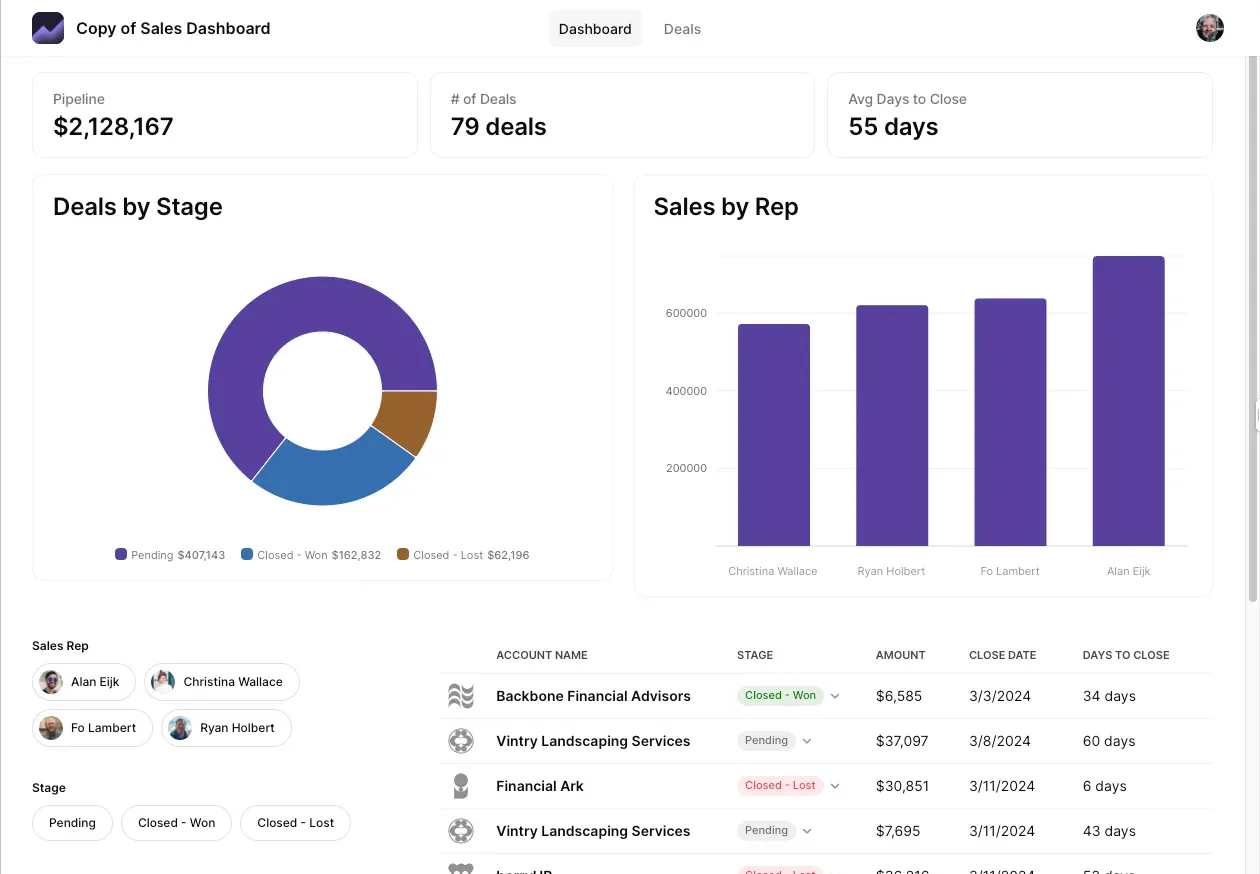
Glide offers a no-code platform tailored for e-commerce businesses seeking to optimize their supply chain operations. Its solutions are designed to enhance efficiency, accuracy, and scalability in managing various aspects of the e-commerce supply chain.
Glide offers pre-built templates, such as the Ecommerce Order Management template, to help businesses quickly set up and customize their SCM solutions. These templates can be tailored to fit specific operational needs, allowing for rapid deployment and iteration.
Features:
- Inventory management
- Order processing
- Customer relationship management
- Analytics and reporting
- Shipping label generation
Price: Explorer: USD 19/month; Maker: USD 49/month; Business: USD 199/month; Enterprise: custom. Billed annually.
| Pros | Cons |
|
|
Why this suits Malaysian businesses: Teams can build inventory, supplier, and order applications using Google Sheets, Excel, or SQL. Marketplace and Malaysian courier connections require separate API or automation setup.
8. Netstock
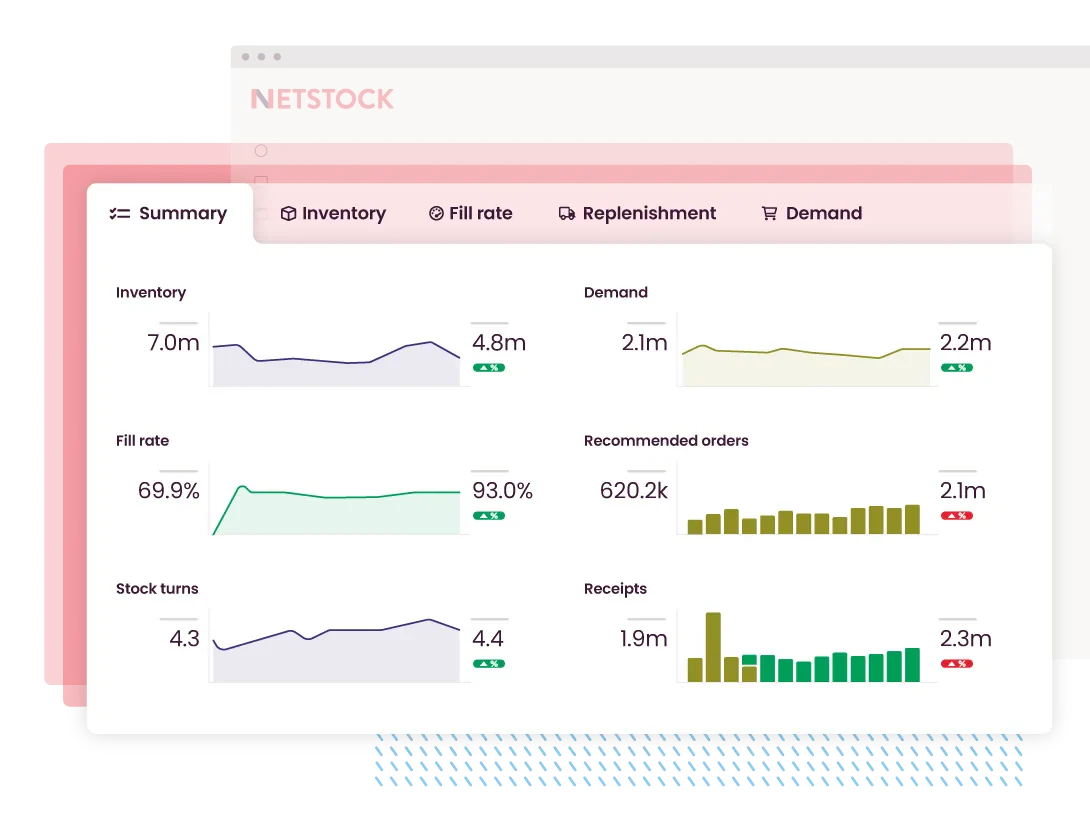
Netstock offers a cloud-based solution designed to help small and mid-sized e-commerce businesses to maintain optimal stock levels, plan for future sales trends, and better align supply with customer demand, with its Netstock Predictor and Predictor PLUS.
Netstock also supports supplier management, inventory optimization, and sales and operations planning, making it easier for e-commerce brands to manage manufacturing schedules and warehouse capacity as they grow.
Features:
- Automated picking and packing
- Batch order processing
- Demand forecasting
- Multi-Warehouse Management and Storage Coordination
- Inventory tracking and management
Price: Starts at USD 900/month, billed annually. Final price depends on the selected package.
| Pros | Cons |
|
|
Why this suits Malaysian businesses: The platform uses ERP data for multi-location, multi-currency demand planning and stock redistribution across branches or regional operations.
Inventory-heavy businesses that need better demand planning and stock optimisation, especially SMB distributors and manufacturers focused on reducing stockouts and excess inventory.
Comprehensive Comparison of E-Commerce Supply Chain Software
| Provider | Inventory Management | Order Fulfilment | Integration Capabilities | Scalability |
|---|---|---|---|---|
| HashMicro | ||||
| Logiwa | ||||
| Precoro | ||||
| NetSuite | ||||
| Shippabo | ||||
| Magaya | ||||
| Glide | ||||
| Netstock |
Case Study: Why E-Commerce Sellers Need the Right Supply Chain Software to Compete
Shopee once relied on external logistics providers across Southeast Asia, which led to inconsistent delivery times, higher shipping costs, and limited fulfilment visibility. During mega sales campaigns, these bottlenecks often caused delays, negative reviews, and lower seller scores.
After facing major losses, Shopee expanded SPX Express to gain stronger control over fulfilment. By 2024, SPX Express captured 25% of Southeast Asia’s logistics market and delivered around 50% of Shopee orders in Asia within two days. Shopee’s e-commerce EBITDA also improved from a $21.7 million loss in Q1 2024 to a $264.4 million profit in Q1 2025.
This raises the fulfilment benchmark for sellers. Those still managing stock manually risk becoming the weakest link, as e-commerce supply chain software helps sync inventory, automate order routing, and forecast demand before major campaigns. Without it, sellers may lose efficiency, platform visibility, and campaign eligibility.
"In e-commerce, your supply chain isn't behind the scenes, it is the customer experience. A late shipment or a cancelled order due to stock mismatch is the only interaction most buyers will remember."
Where E-Commerce Businesses Get Software Selection Wrong
Knowing what to look for is only half the job. Here’s where most businesses trip up:
1. Choosing based on price alone
The cheapest option often lacks critical integrations or charges extra for features you’ll need later. Compare total cost over two years, including setup, training, and add-ons.
Overbuying features you won’t use.
2. Overbuying features you won’t use
Enterprise-grade software with advanced forecasting and AI-driven demand planning sounds impressive. But if you’re fulfilling 200 orders a day from one warehouse, you’re paying for complexity you don’t need yet.
3. Ignoring your team’s capacity to adapt
A powerful system is useless if your operations team can’t use it properly. Factor in training time, learning curve, and whether the interface makes sense to the people who’ll use it daily, not just the IT team evaluating it.
4. Skipping the pilot phase
Going live across all channels at once is risky. Start with one marketplace or one warehouse, work out the issues, then expand. The cost of a slower rollout is much lower than the cost of fixing mistakes at full scale.
How to Choose the Best E-Commerce Supply Chain Software for Your Business
Picking supply chain software isn’t just about ticking feature boxes. The wrong choice shows up fast: oversold inventory, delayed shipments, and a customer service team stuck answering “where’s my order?” all day. Here’s how to evaluate properly.
1. Map how orders actually move through your business
Before comparing software, document your real flow. Where do orders come from? Shopee, Lazada, TikTok Shop, or your own website? Whether you handle local fulfillment or manage complex cross-border e-commerce shipments cross-border e-commerce shipments through a 3PL or direct suppliers, the goal is to find software that fits your current operation, not one that forces you to rebuild your process around its limitations.
2. Prioritize stock syncing that actually works in real time
Real-time sync is a common claim, but execution varies. Some systems update every few minutes, others batch sync once an hour. When you’re running flash sales or handling high volume on double-digit campaigns (10.10, 11.11), even a 15-minute delay can mean overselling.
Ask vendors directly: how fast does inventory update across all channels after a sale? Get specifics, not marketing language.
3. Check what happens when things go wrong
Most demos focus on the happy path: order comes in, gets fulfilled, customer receives it. But e-commerce reality includes cancellations, partial shipments, failed deliveries, and returns.
Ask the vendor to show you how the system handles a returned item. Does it automatically update inventory? Can it flag damaged returns separately? If the answer is “that’s handled manually,” expect bottlenecks as you scale.
4. Look beyond marketplace integrations
Connecting to Shopee and Lazada is table stakes. The real question is whether the software integrates with your courier partners, accounting system, warehouse management, and customer loyalty tools. A system that only solves one piece of the puzzle creates new data silos. You’ll end up exporting CSVs and reconciling spreadsheets, which defeats the purpose.
5. Test scalability with real scenarios, not promises
Every vendor says their system scales. But scaling isn’t just about handling more orders. It’s about managing multiple warehouses, splitting shipments, handling cross-border logistics, and generating reports that still make sense at 10x volume.
Ask vendors: “If my order volume triples next year, what changes? What breaks? What costs extra?”
6. Evaluate support like it’s part of the product
During peak seasons, system issues don’t wait for business hours. A platform with local support teams who understand Malaysian logistics and can respond quickly is worth more than a feature-rich system with slow ticket responses.
Before signing, ask for references from businesses of similar size. Find out how responsive support actually is when things go wrong.
"The best system is the one your team will use consistently under pressure, not the one with the longest feature list."
Which E-Commerce Supply Chain Software Suits Your Business?
| Recommended Software | Key Capabilities | Strengths | Best Fit For | Business Scenario | Why It Fits |
|---|---|---|---|---|---|
| HashMicro | Demand planning, procurement, inventory, distribution | End-to-end integration | Growing Malaysian businesses | Connecting supply chain processes | Unifies planning and execution |
| Logiwa | Order orchestration, inventory allocation, fulfilment | High-volume processing | B2C, D2C, and 3PL | Scaling multi-channel orders | Coordinates inventory and orders |
| Precoro | Procurement, supplier management, spend control | Purchasing visibility | Procurement teams | Managing suppliers and budgets | Standardises purchasing decisions |
| NetSuite | Demand planning, procurement, inventory, order management | Enterprise scalability | Large enterprises | Managing multi-entity supply chains | Centralises supply chain data |
| Shippabo | Freight planning, shipment tracking, supplier collaboration | Import visibility | Import-driven businesses | Managing international sourcing | Tracks inbound supply movements |
| Magaya | Freight forwarding, customs, warehousing, finance | Logistics integration | Freight forwarders and 3PLs | Coordinating global logistics | Connects freight and financial workflows |
| Glide | Supply chain apps, workflows, data integration | No-code flexibility | Small teams | Digitising manual processes | Builds tailored workflows quickly |
| Netstock | Demand forecasting, replenishment, S&OP | Inventory optimisation | Inventory-heavy businesses | Balancing supply and demand | Improves planning and stock levels |
Conclusion
The right supply chain software doesn’t just automate what you’re already doing. It removes the friction that slows your team down and gives you visibility that spreadsheets can’t provide.
Before committing to any vendor, pressure-test three things: how the system handles exceptions (returns, cancellations, split shipments), what the true cost looks like over two years, and how fast support responds when something breaks during a sale event.
If you’re still evaluating options and want to see how a system handles your specific workflow, a free consultation with our team can help clarify what setup fits your operation.

FAQ on E-Commerce Supply Chain Software
E-commerce supply chain software handles lots of small online orders across platforms like Shopee and Lazada, with real-time tracking and automation. Traditional supply chain tools focus more on bulk shipping between factories, warehouses, and retailers, and may not support online sales as well.
It automates the entire return process, like approving returns, updating stock levels, and processing refunds, so everything runs faster and with fewer errors. This helps businesses handle returns smoothly and keep customers happy.
Customers get faster deliveries, accurate stock updates, and real-time tracking. Plus, when returns and exchanges are handled quickly, it builds trust and keeps customers coming back.
A 3PL may manage warehouse and delivery execution, but the seller still needs visibility over inventory, orders, service levels, and returns. The software should act as a control layer connecting sales channels with the 3PL rather than duplicating the provider’s warehouse system.
Cross-border sellers should evaluate landed-cost calculation, multiple currencies, customs documentation, regional warehouse coordination, and international returns. They should also confirm whether the platform can separate domestic and overseas lead times when calculating replenishment requirements.