







Managing hundreds of orders, shipments, and inventory across multiple warehouses without an integrated system can lead to delays, manual errors, and inaccurate data. A Distribution Management Software helps streamline distribution operations, while a distribution ERP is better suited for businesses that need to connect logistics with accounting, procurement, and other core functions.
In Malaysia, many distribution businesses still use manual or separate systems that make it difficult to monitor inventory and process orders efficiently. Meanwhile, the global distribution management system market is growing rapidly from USD 4.56 billion in 2024 to USD 5.51 billion in 2026 and is projected to reach USD 13.59 billion by 2030, reflecting the urgency of digital transformation in this sector.
Distribution Management Software is designed to simplify distribution operations, while some solutions in this list are also available as part of a broader ERP system. This article discusses the 10 best distribution software solutions in Malaysia that can help your business improve efficiency, control, and competitiveness by 2026.
Key Takeaways
Manual distribution processes make inventory, order handling, and delivery control much harder to manage as operations grow.
The right distribution management software helps businesses improve visibility, reduce operational errors, and keep inventory and fulfillment more accurate.
Choosing the best distribution software depends on operational fit, integration, scalability, and long term value for Malaysian distribution businesses.
Adopting an integrated system is key to staying competitive as Malaysia’s distribution sector digitizes. Click the banner below to see how our software handles your inventory and orders.
What is Distribution Management Software?
Distribution Management Software is a digital solution that manages and coordinates end-to-end distribution, ensuring goods move smoothly from suppliers to customers through centralized oversight and structured workflows with minimal manual work.
It typically covers order processing, inventory tracking, and shipment monitoring in one system, acting as a unified trading and distribution software solution trading and distribution software solution that standardizes information and material flow across distribution activities.
Distribution ERP vs. Wholesale Distribution Software: What's the Difference?
Both tools move goods but solve problems at different depths. A distribution ERP connects logistics with finance and procurement to provide unified business data. Meanwhile, wholesale distribution software focuses strictly on daily execution tasks like business to business order processing and moving bulk stock.
Keep this distinction in mind while reviewing the software options below. Some solutions act as full enterprise platforms that unify operations entirely, while others lean heavily toward specific wholesale tasks. Knowing which level your business needs helps you avoid overpaying for unnecessary features or outgrowing a limited system too quickly.
Quick Comparison of Best Distribution Management Software in Malaysia
| Software | Category | Best For | Strength | Local MY Support | Key Features | Pricing (RM) |
|---|---|---|---|---|---|---|
| HashMicro | Full ERP | Businesses managing multi-warehouse distribution, logistics, and multichannel fulfilment | Strong fit for Malaysian distributors needing automation, warehouse visibility, and integrated purchasing and finance | Yes, strong local and regional presence in Malaysia | Multi-warehouse inventory control, barcode and batch tracking, automated order fulfilment, supplier and purchase management, delivery and route planning, finance and reconciliation, analytics dashboard | Custom quotation. Free demo available |
| SAP Business One | Full ERP | Small and medium distributors requiring an integrated ERP platform | Comprehensive ERP with strong financial, supply chain, and operational management | Via SAP-certified partners in Malaysia | Financial management and multi-currency ledger, sales and purchasing management, inventory and warehouse control, MRP and production planning, embedded business intelligence and Crystal Reports | Cloud: RM 449–RM 893/user/month; On-premise: RM 5,508–RM 14,280/user one-time + 18–20% annual maintenance |
| Acumatica | Full ERP | Growing distribution businesses requiring a scalable cloud ERP | Cloud-based platform with flexible scalability and consumption-based licensing, unlimited users included | Via implementation partners | Distribution edition with order management, warehouse management and replenishment, landed cost tracking, CRM and customer portal, project accounting, open API integration | From RM 2,175/month entry tier; mid-market RM 10,200–RM 30,600/month; implementation from RM 244,800 |
| Microsoft Dynamics 365 | Full ERP | Businesses needing integrated distribution and business management with the Microsoft ecosystem | Strong integration with Microsoft ecosystem and enterprise business applications | Via Microsoft-certified partners in Malaysia | Supply chain and inventory management, sales and purchase order processing, financial management, warehouse and transport management in the Supply Chain module, native Microsoft 365 and Power BI integration | Business Central Essentials RM 326/user/month, Premium RM 449/user/month; Supply Chain Enterprise RM 857–RM 1,224/user/month |
| Infor Wholesale ERP | Full ERP | Wholesale distributors requiring industry-specific ERP capabilities | Industry-focused ERP with supply chain planning and warehouse management built for wholesale distribution | Via regional implementation partners | Demand and supply chain planning, warehouse management with wave picking, rebate and pricing management, vendor and purchasing control, wholesale-specific analytics and reporting | Estimated from around RM 630/user/month, implementation typically from around RM 210,000 |
| Oracle Utilities NMS | Utility / Grid Distribution | Utility service providers managing electrical distribution networks | Real-time network visibility, outage handling, and utility workflow support | No clear Malaysia focus for commercial distribution use | Outage management and prediction, network model and switching operations, crew dispatch and field workflow automation, storm and restoration management, regulatory reliability reporting | Project-based licensing, estimated from around RM 420,000+ per deployment |
| SurvalentONE ADMS | Utility / Grid Distribution | Utility operators needing centralised electrical distribution supervision | Stable platform for grid monitoring and system control tasks | No clear Malaysia focus for non-utility distribution | Real-time SCADA integration, distribution network monitoring and switching, outage management module, fault location isolation and service restoration, alarm and event management | Estimated from around RM 210,000 per SCADA/ADMS deployment |
| ACS PRISM ADMS | Utility / Grid Distribution | Electric service providers needing basic utility network monitoring | Structured control tools for outage visibility and standard utility processes | No clear Malaysia focus for commercial distribution | Fault and incident tracking, geographic network status visualisation, operational command and switching interface, trouble call handling, historical event logging | Estimated from around RM 168,000 per deployment |
| ABB Network Manager ADMS | Utility / Grid Distribution | Utility providers monitoring electrical distribution networks | Core network monitoring and outage handling for technical utility teams | No clear Malaysia focus for commercial distribution | Real-time network monitoring, load flow and outage data tracking, network control and diagnostics, distribution state estimation, operator training simulator | Estimated from around RM 420,000+ per deployment |
| OSI Spectra ADMS | Utility / Grid Distribution | Utility providers needing event monitoring and distribution network visibility | Supports network visibility and operational monitoring across electrical systems | No clear Malaysia focus for commercial distribution | Network status and event monitoring, distribution network management, SCADA and historian data access, basic operational automation, configurable operator displays | Estimated from around RM 336,000+ per deployment |
| GE PowerOn ADMS | Utility / Grid Distribution | Electric service providers needing routine network monitoring and control | Consistent operational control for standard utility network environments | No clear Malaysia focus for commercial distribution | Real-time network tracking, network operations dashboard, distributed network control and switching, outage and restoration workflow, safety document management | Estimated from around RM 378,000+ per deployment |
| ETAP ADMS | Utility / Grid Distribution | Public and private electricity providers needing centralised network oversight | Useful for synchronised field and control team coordination in utility operations | No clear Malaysia focus for commercial distribution | Direct SCADA integration, distribution network condition monitoring, power system modelling and simulation, load forecasting, basic operational control | Base licences estimated from around RM 33,600 each; full ADMS deployments run higher |
| Axxiom G-DIS | Utility / Grid Distribution | Utility businesses managing field service, incidents, and work order coordination | Useful for structured field activities and remote data synchronisation | No clear Malaysia focus for commercial distribution | Work order tracking and service requests, field crew and asset coordination, mobile field data capture, offline data access and synchronisation, incident reporting | Estimated from around RM 126,000 per field-service deployment |
| HPE Alletra dHCI | IT Infrastructure | Businesses needing scalable IT infrastructure for operational workloads | Flexible infrastructure control with independent scaling for storage and computing | Not a distribution software product | Smart workload placement, independent compute and storage scaling, centralised infrastructure control via HPE InfoSight, built-in data protection and snapshots, predictive performance monitoring | Configuration-based; estimated from around RM 105,000 per node/config |
14 Best Distribution Management Software in Malaysia
We’ve compiled a list of the best 14 Distribution Management Software solutions to support businesses in Malaysia in managing inventory, logistics, and order fulfillment more efficiently. Each platform offers unique capabilities and constraints, allowing you to assess which one best suits your distribution operations.
Explore our top recommendations to simplify warehouse coordination, improve order accuracy, and enhance overall visibility across your distribution channels.
1. HashMicro Distribution Management Software
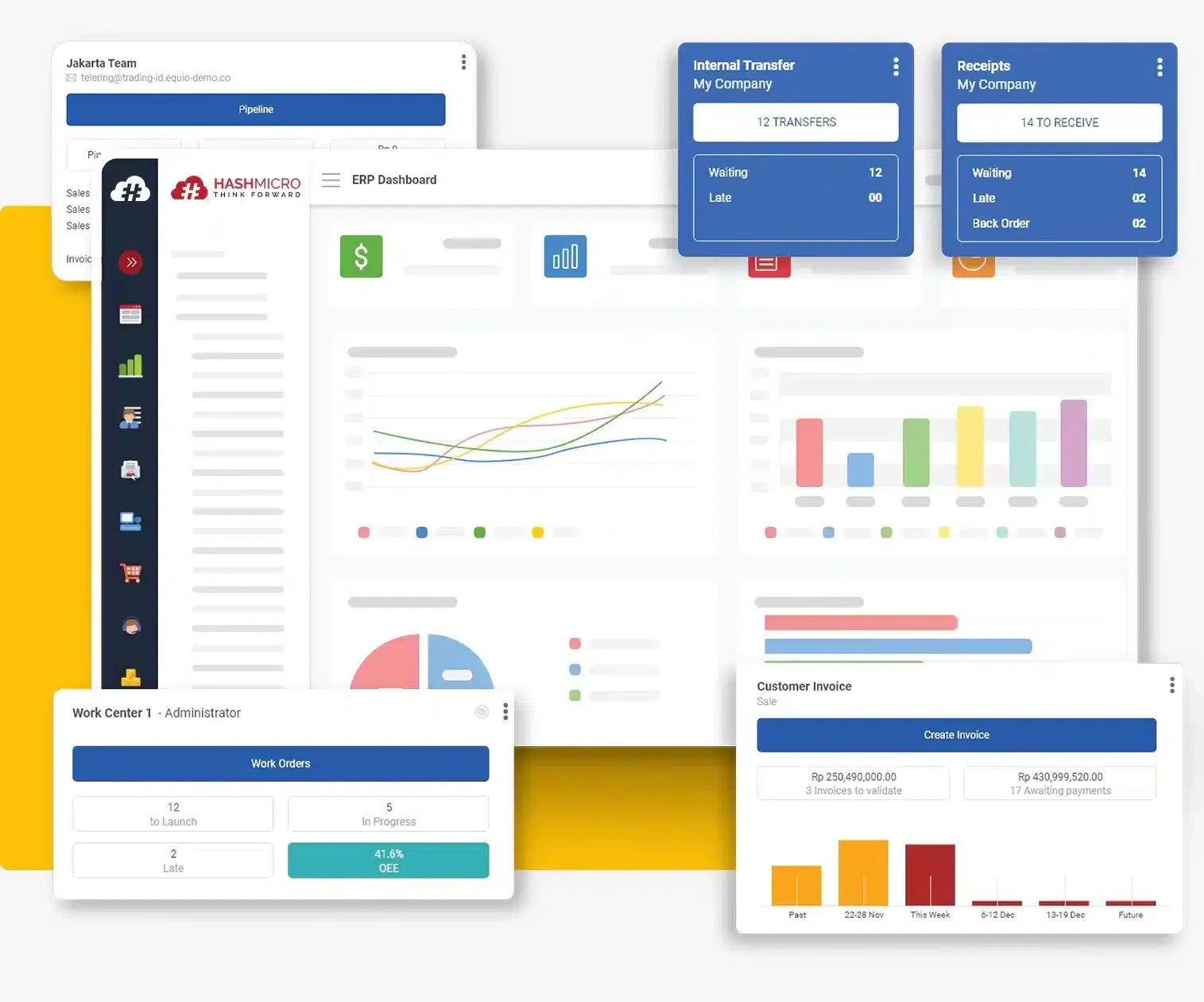
HashMicro offers robust Distribution Management Software designed to help Malaysian businesses manage complex logistics, warehouse coordination, and multichannel sales processes. With deep automation capabilities, the platform supports businesses in reducing errors, simplifying workflows, and gaining visibility across their supply chains.
The software is trusted by over 2,000 clients, including industry leaders such as McDonald’s. Its strong local and regional presence makes HashMicro a top-tier solution for businesses looking to confidently enhance their distribution capabilities using tools such as distribution barcode software to improve item tracking and reduce manual input.
Here are the key features of HashMicro’s Distribution Management Software:
- Multi-Warehouse Inventory Control
- Integrated Barcode System
- Automated Order Fulfillment
- Supplier & Purchase Management
- Finance and Reconciliation Tools
- Advanced Analytics Dashboard
| Pros | Cons |
|
|
If you’re interested in learning more about how HashMicro Distribution Management Software can optimize your inventory, streamline fulfillment, and enhance visibility across your entire distribution network, click the banner below to explore the full feature set and pricing options.
2. Oracle Utilities Network Management System
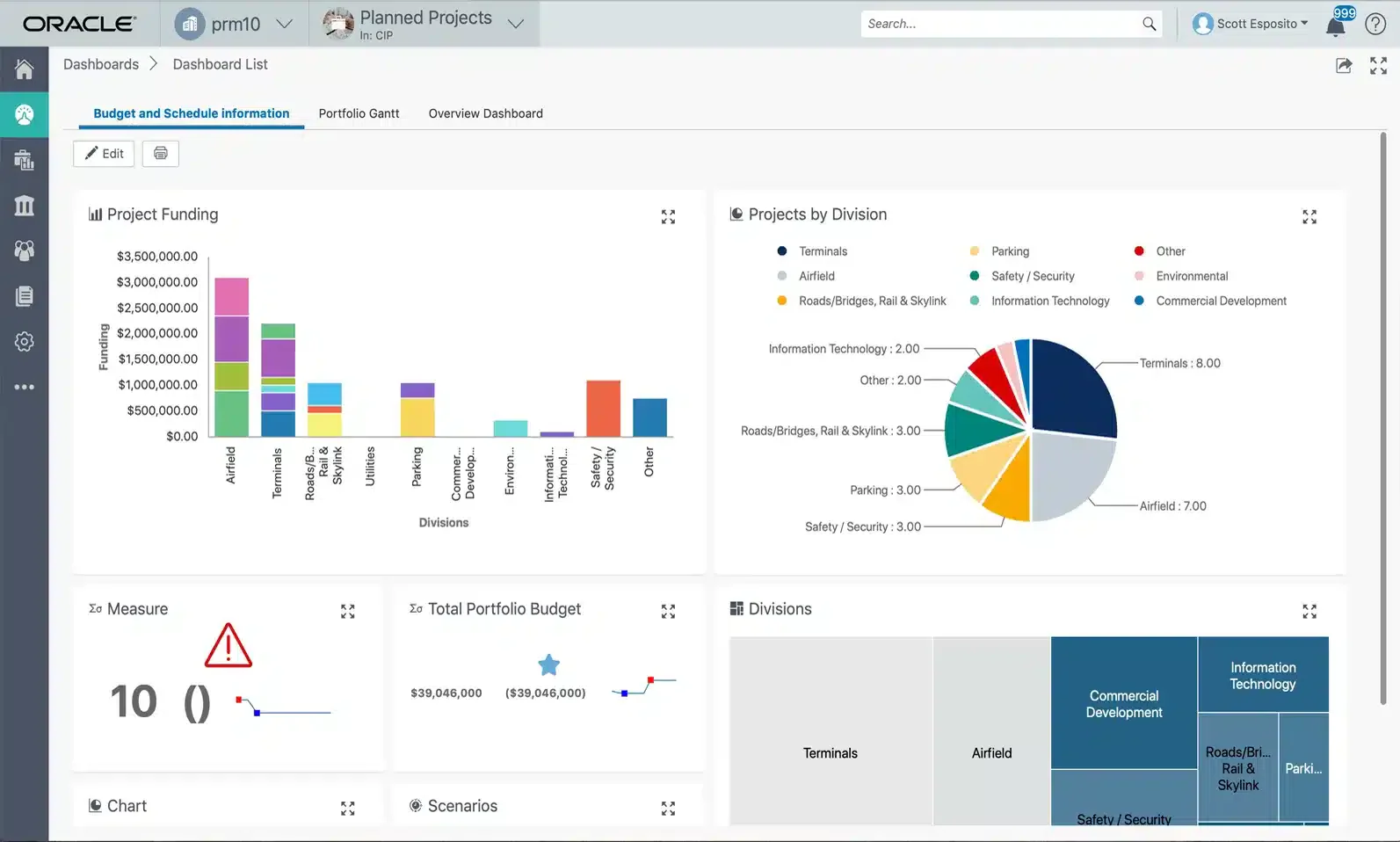
Oracle Utilities Network Management System is a distribution software solution primarily used by utility service providers to load balancing and manage electrical networks. The system helps track outages, manage recovery processes, and analyze system reliability.
This platform is more commonly used by energy service providers with specific technical requirements. Its functions are less relevant for general distribution businesses such as retail trade.
Key Features:
- Advanced network monitoring
- Workflow automation
- Outage prediction
| Pros | Cons |
|
|
3. SurvalentONE ADMS
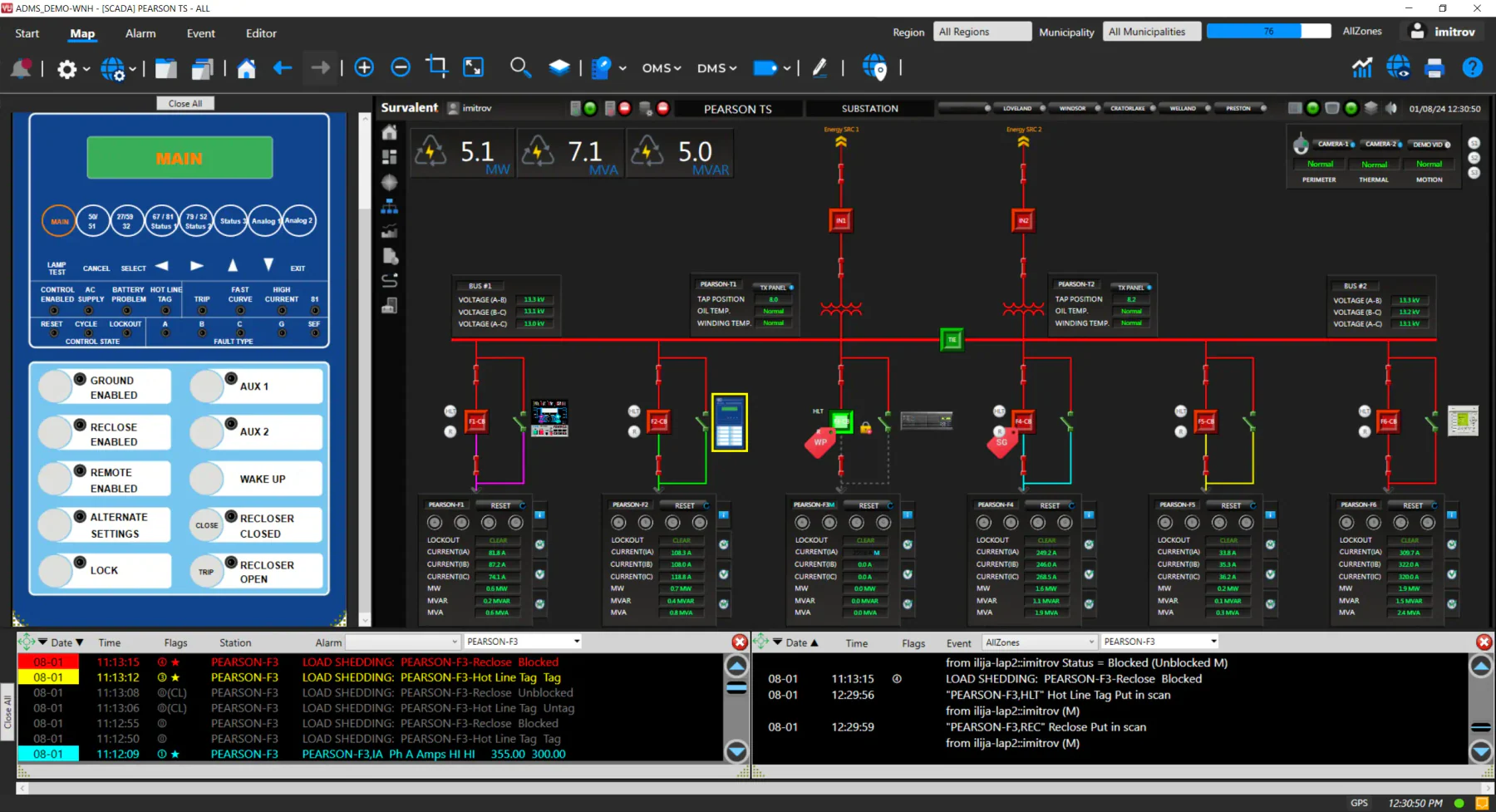
SurvalentONE ADMS is a distribution software used by utility companies to monitor and control electrical distribution systems. This software is generally implemented in operations that require centralized supervision.
This software is often implemented by providers who need a stable platform to support network reliability. Its design supports core distribution tasks but may not be ideal for non-utility or retail distribution businesses.
Key Features:
- Real-time SCADA integration
- Distribution network monitoring
- System operation control tools
| Pros | Cons |
|
|
4. ACS PRISM ADMS
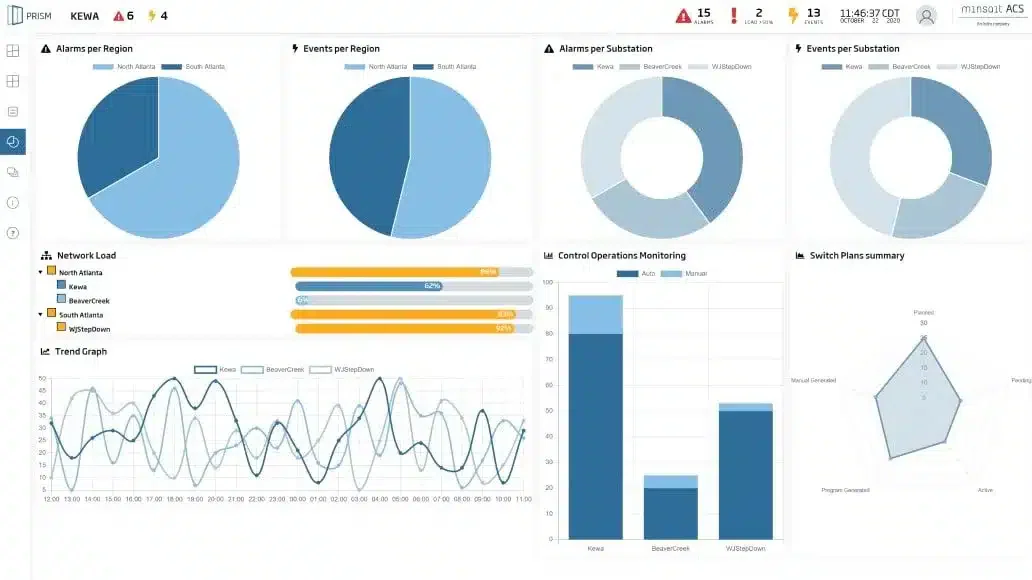
ACS PRISM ADMS is a distribution software designed to support monitoring and basic control of utility networks. Electric service providers mainly use it for visibility into network performance and outage management.
This system is generally adopted by organizations that require basic tools to manage their electrical distribution infrastructure. Its application tends to remain within the utility sector and may not be suitable for commercial or retail distribution needs.
Key Features:
- Fault and incident tracking tool
- Network status visualization
- Operational command interface
| Pros | Cons |
|
|
5. ABB Network Manager ADMS
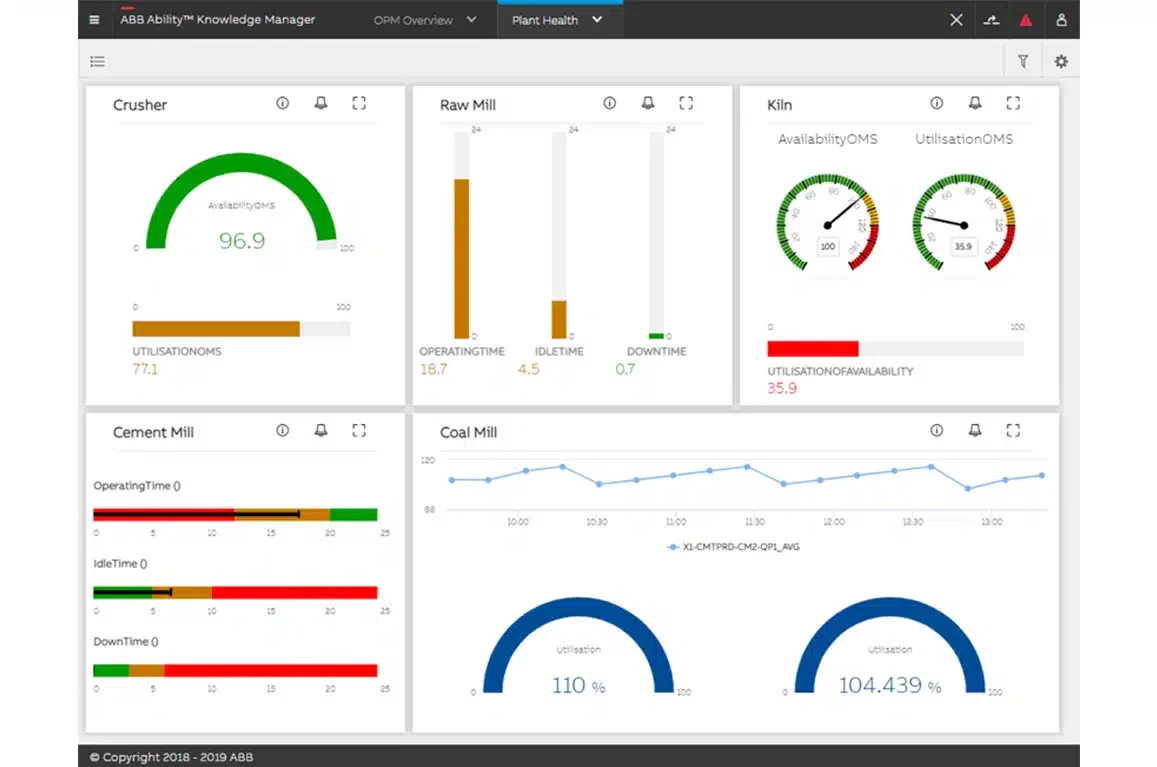
ABB Network Manager ADMS is a software system used to help utility providers monitor electrical distribution networks. The system supports important network functions such as load monitoring, outage handling, and operational decision-making.
It is typically used by electric companies that require visibility into distribution activities. Its use is focused on infrastructure management, rather than commercial or wholesale distribution applications.
Key Features:
- Real-time distribution network monitoring
- Load and outage data tracking
- Network control and diagnostic tools
| Pros | Cons |
|
|
6. OSI Spectra ADMS
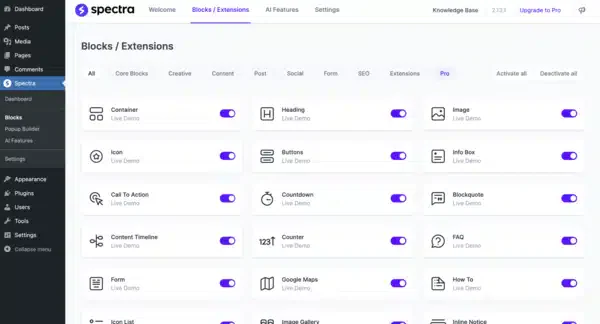
OSI Spectra ADMS is a software platform developed to assist in the monitoring and control of electrical distribution systems. This platform is primarily used by utility providers to support load planning and situational analysis across their networks.
The software is equipped with tools that help improve visibility into real-time events, track asset performance, and support system recovery tasks.
Key Features:
- Network status tracking and event monitoring
- Distribution network management tools
- Basic automation for operational processes
| Pros | Cons |
|
|
7. GE PowerOn ADMS
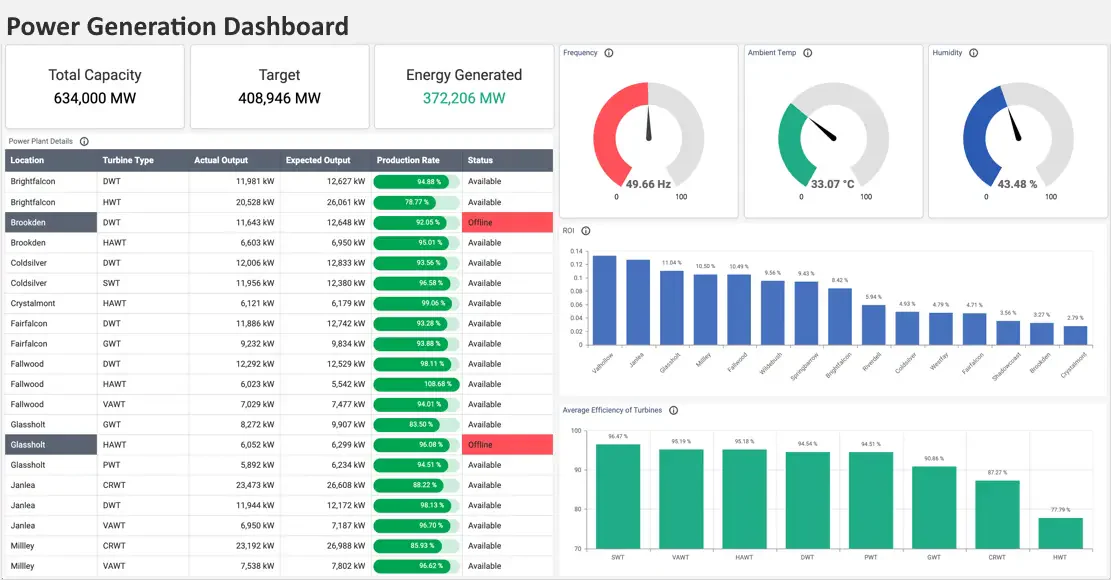
GE PowerOn ADMS is a distribution software used to support the operation and monitoring of electrical distribution systems. This software is primarily used in environments that require tools for event tracking, network control, and routine network monitoring.
This system is commonly used by electric service providers and other organizations that manage utility infrastructure. The software provides a structured platform for handling daily operational needs and system monitoring tasks.
Key Features:
- Real-time tracking
- Network operations dashboard
- Basic distributed network control tools
| Pros | Cons |
|
|
8. ETAP Advanced
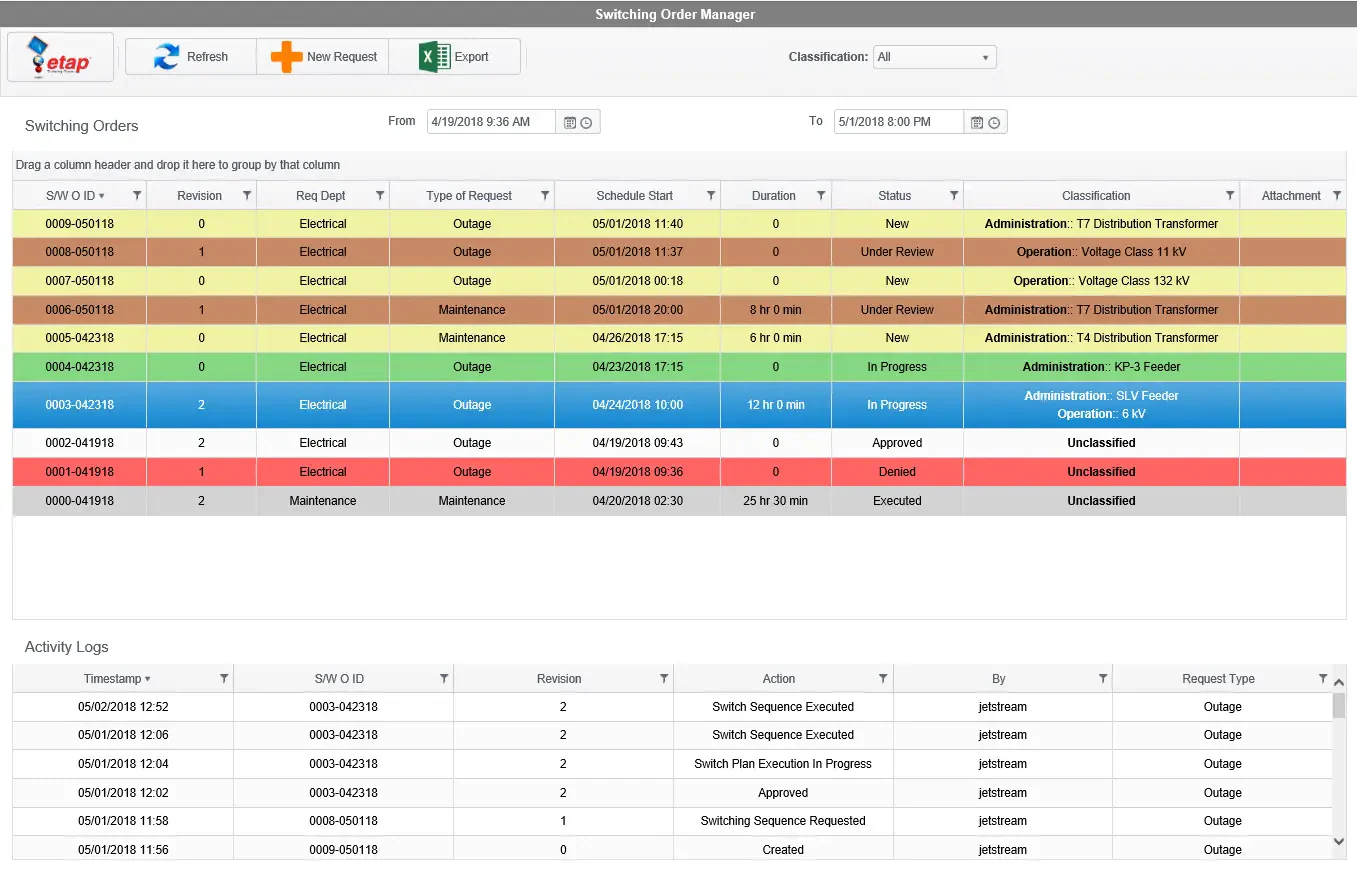
Etap ADMS is software that supports the monitoring and control of electrical distribution systems by utility companies. This application is designed to help operational teams view network conditions in real time and accelerate response times to disruptions.
This software is widely used by both public and private electricity providers because it facilitates the coordination of network operations and repairs. With a centralized interface, field and control teams can work more synchronously.
Key Features:
- Direct SCADA integration
- Monitoring of distribution network conditions
- Basic operational control of the distribution system
| Pros | Cons |
|
|
9. Axxiom G-DIS
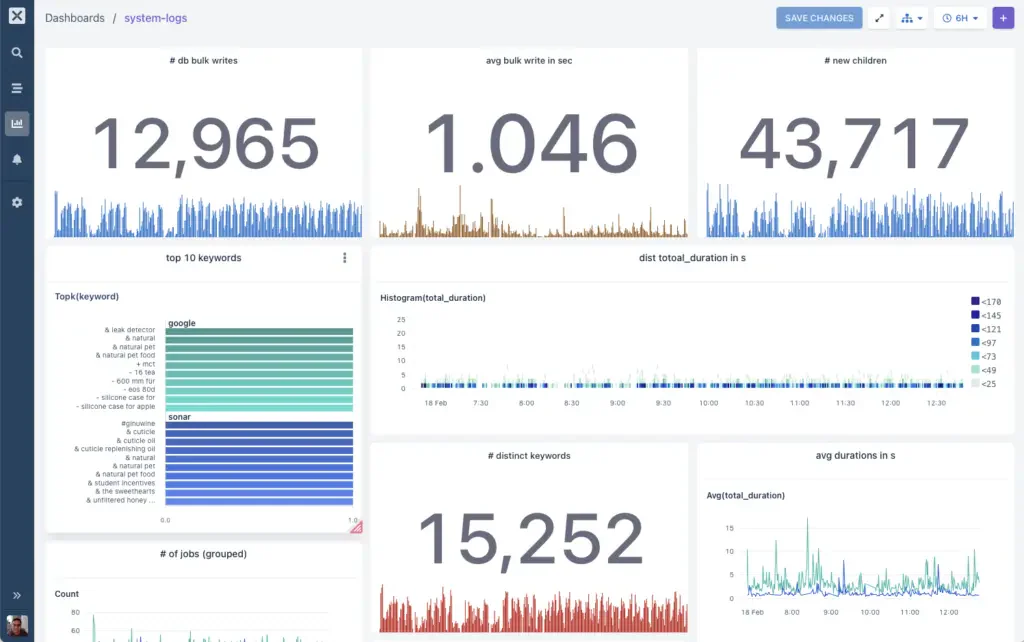
Axxiom G-DIS is a distribution software platform developed to support daily operational tasks in electrical distribution networks. This platform is commonly used by utility businesses seeking a structured approach to managing service delivery, incident tracking, and work order coordination.
This system is typically chosen by companies that require reliability in field service management and asset monitoring.
Key Features:
- Work order tracking and service requests
- Coordination of basic assets and field personnel
- Offline data access and synchronization support
| Pros | Cons |
|
|
10. HPE Alletra dHCI
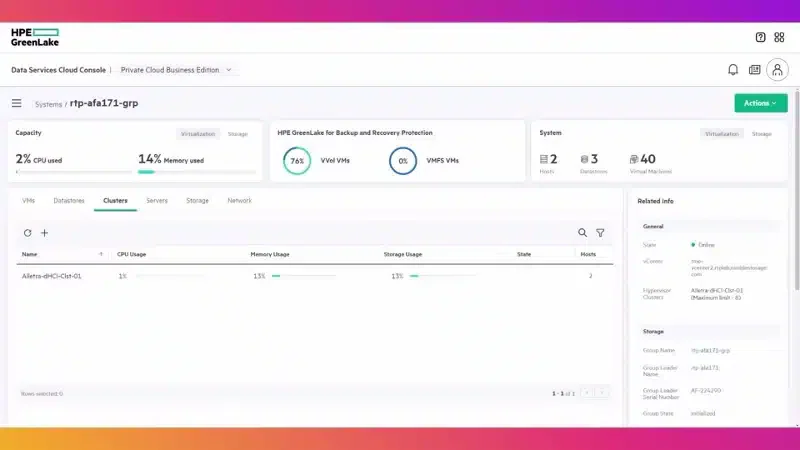
HPE Alletra dHCI is an infrastructure solution that combines storage and computing management in a decoupled model. It is typically used by businesses that require data accessibility and scalability for their IT and operational workloads, including distribution-related activities.
This platform is often chosen for environments that require flexibility in infrastructure without having to commit to a full hyper-converged setup. It provides tools to help manage data traffic and system availability with a simplified interface.
Key Features:
- Smart workload placement
- Centralized infrastructure control
- Built-in data protection and performance monitoring
| Pros | Cons |
|
|
11. SAP Business One
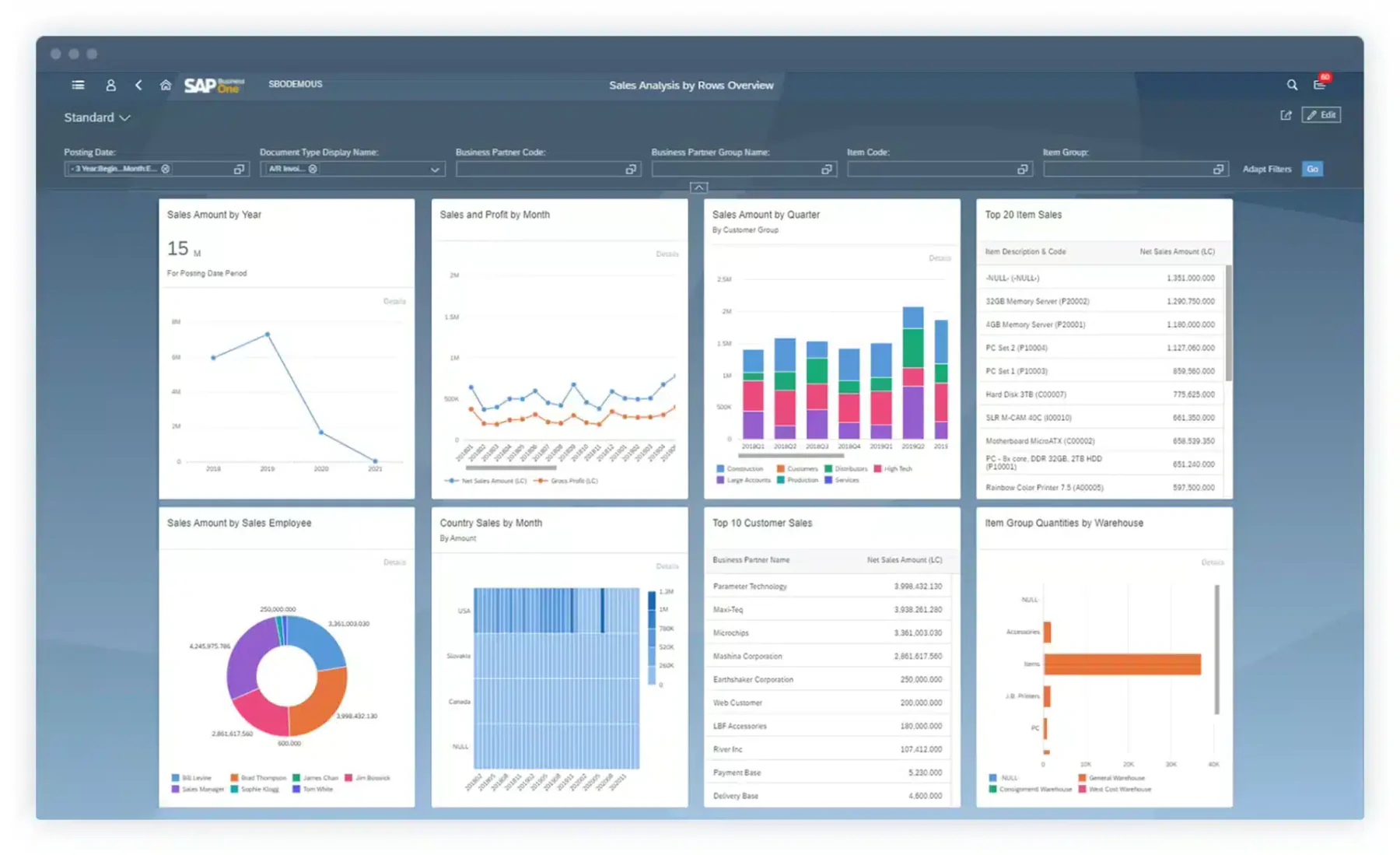
SAP Business One is an ERP solution specifically designed for distribution, tailored to small and medium-sized enterprises. It consolidates multiple functions into a single platform, offering real-time data access for informed decision-making. Designed for distributors, it streamlines workflows and boosts operational efficiency.
Key features:
- Integrated business intelligence
- Financial management
- Supply chain management
- Production planning
| Pros | Cons |
|
|
12. Acumatica
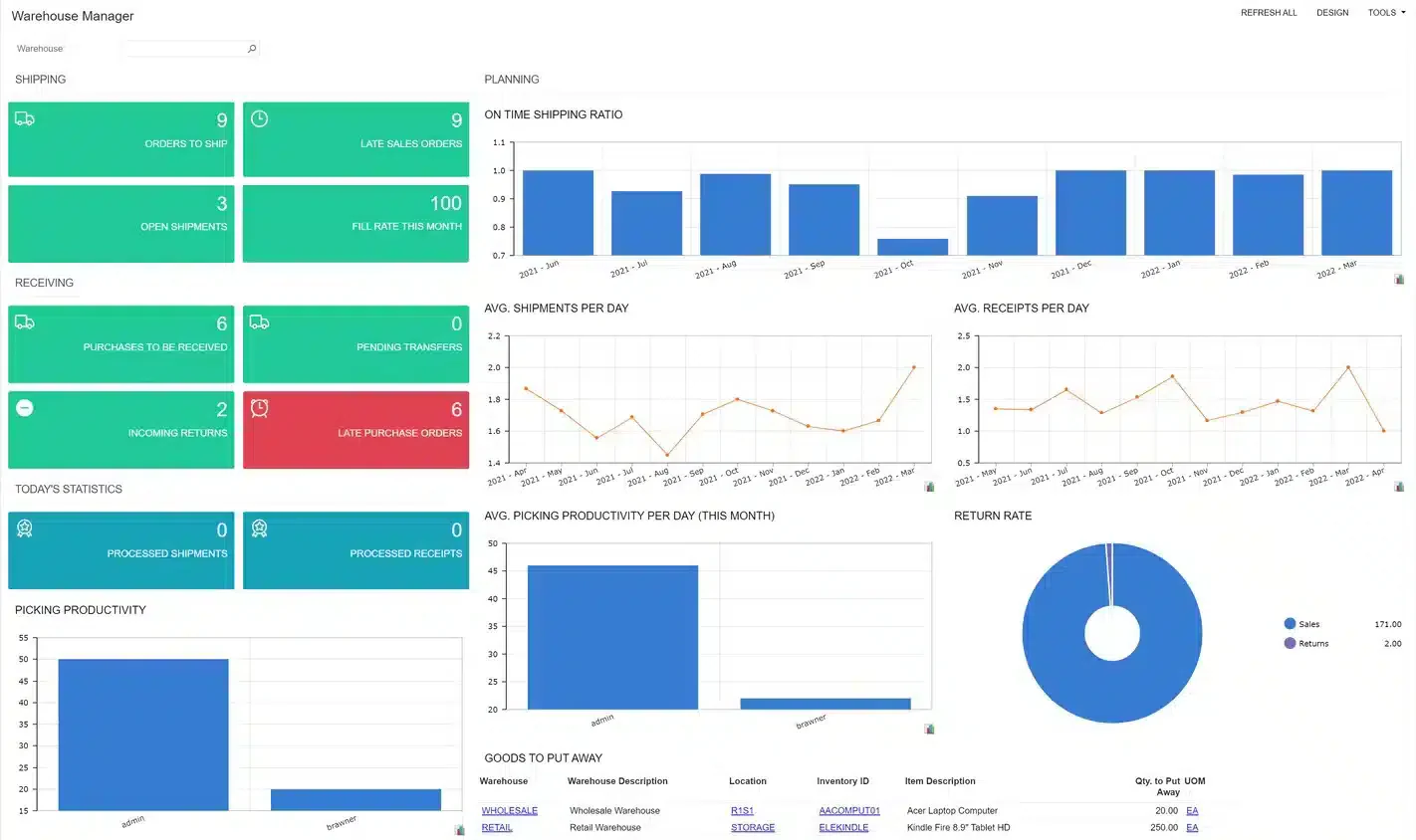
Acumatica is a cloud distribution ERP software designed for distribution businesses, offering a comprehensive range of features to streamline operations and enhance visibility. Its scalable design enables companies to expand and adjust their systems as their requirements change.
Key features:
- Financial management
- Customer management
- Project accounting
- Inventory management
| Pros | Cons |
|
|
13. Microsoft Dynamics 365
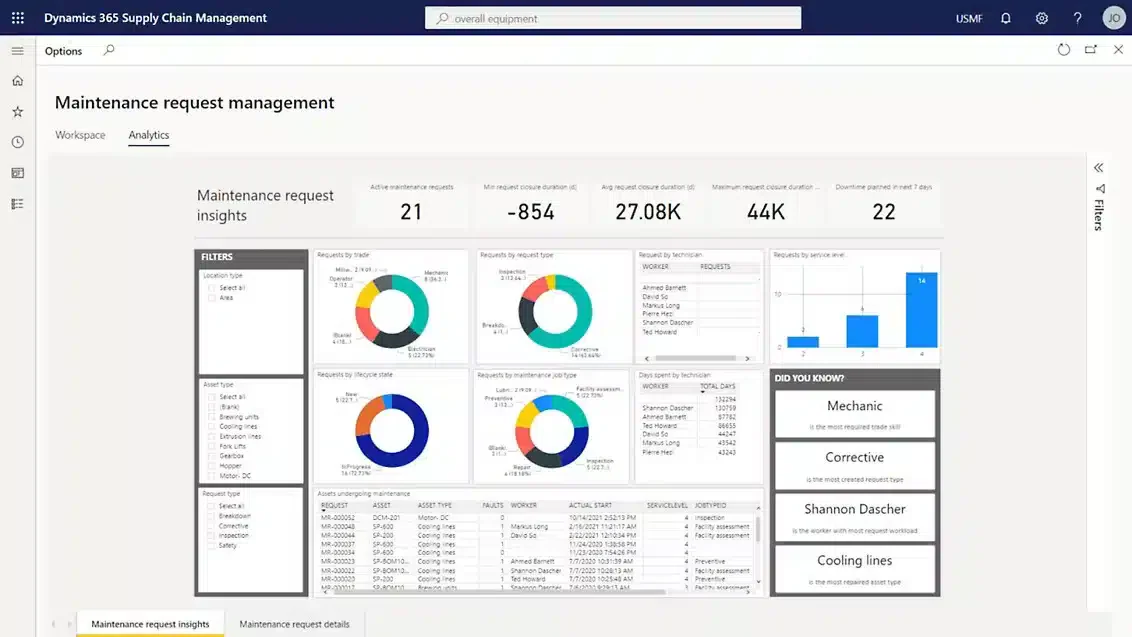
Microsoft Dynamics 365 provides an ERP system for distribution companies that helps businesses streamline their operations. Its cloud-based system integrates key functions across departments, enabling real-time data access and better team collaboration.
Key features:
- Unified operations
- Financial management
- Customer engagement
- Project management
| Pros | Cons |
|
|
14. Infor Wholesale ERP
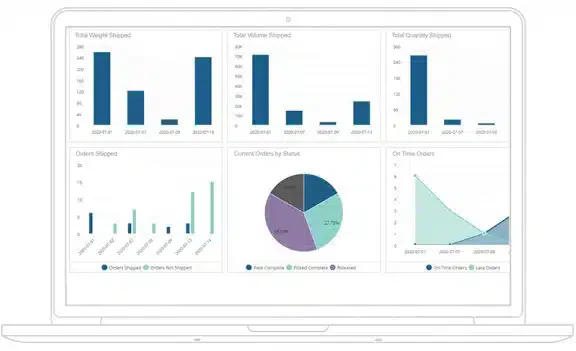
Infor focuses on industry-tailored solutions, offering ERP systems for distribution companies, such as supply chain and food distribution software, designed to meet the specific needs of distributors. Its intuitive interface and advanced analytics support operational efficiency.
Key features:
- Supply chain planning
- Warehouse management
- Wholesale ERP analytics and reporting
- Financial management
| Pros | Cons |
|
|
Key Reasons to Use Distribution Management Software

Choosing the right solution for your business can enhance your operational visibility and lower costs. Here are the main reasons why many Malaysian businesses rely on wholesale distribution software to support their operations:
1. Centralized control
All distribution activities, from inventory management to shipment monitoring, can be monitored in a single dashboard. This helps business owners view operational performance in real time. Coordination between branches also becomes more efficient.
2. Reduced operational errors
The automated system reduces reliance on error-prone manual input. Recording, shipping, and inventory processes are more accurate without the need for repeated intervention. This avoids data errors that impact customers.
3. Better inventory accuracy
With features such as barcodes and forecasting, business owners can know the exact amount of stock. This capability, often powered by the best WMS platforms for warehouse management, is important to prevent overstocking or understocking in your facility. Operations run smoothly without disruptions due to inventory errors.
4. Efficient compliance management
This software helps ensure that distribution planning procedures comply with applicable regulations. Documents and reports can be generated automatically according to standards. This facilitates the company’s internal audit and monitoring processes.
5. Improved customer satisfaction
Fast service and accurate delivery create a better customer experience. Requests are fulfilled on time, and sales data is recorded neatly. As a result, customer loyalty increases along with service consistency.
6. Reduced operational costs
Optimized delivery routes cut fuel and vehicle expenses across every trip. Better stock planning also lowers holding costs by keeping less capital tied up in slow-moving inventory. Automated processes reduce the manual workload, so teams handle higher volumes without adding headcount.7. Faster response to market changes
Real-time demand data lets businesses adjust stock allocation between warehouses and branches as buying patterns shift. Slow-moving items can be moved to locations with stronger demand before they age. This keeps the business responsive during seasonal peaks or sudden order spikes.8. Data-driven decision making
Historical sales and inventory data become the basis for demand forecasting and reorder planning. Managers can identify which products, regions, and channels perform best over time. Decisions on purchasing, pricing, and stock levels rest on recorded performance rather than estimates.How to Choose the Right Distribution Management Software?
Every distribution business has different needs, depending on its scale, structure, and challenges. Therefore, the selection of distribution software must be done thoroughly and strategically. Here are some important factors to consider:
- Business size and complexity: Match the system to how your business actually operates, including the number of warehouses, branches, SKUs, and daily order volume. A single-warehouse distributor needs far less configuration than a company managing several locations, multiple currencies, or separate business entities. Choosing a platform that is heavier than required raises cost and slows adoption.
- Specific operational needs: Determine where your distribution faces the greatest obstacles, whether it is inventory management, delivery coordination, or sales reporting. The software you choose should address these needs with the right solutions, especially if your operations require features commonly found in logistics software.
- Integration capabilities: The distribution system must connect directly with the software you already use, such as ERP, accounting, CRM, e-commerce, or third-party logistics platforms. Check whether the vendor provides an open API and documented connectors, so data flows between systems without duplicate input.
- Long-term scalability: Choose a platform that can adapt as your business grows, which is especially critical when evaluating top-tier software solutions for wholesale distribution to handle increasing order volumes and market expansion. Confirm how the vendor prices additional users, warehouses, and transaction volume before you commit.
- User experience and training: Warehouse staff, drivers, and sales teams will use the system daily, so the interface must be simple enough for non-technical users. Look for mobile access, clear navigation, and structured onboarding materials. Poor usability is one of the main reasons distribution systems fall back to manual workarounds after go-live.
- Vendor support and updates: Assess the vendor's local presence, response times, and service level commitments in Malaysia. Ask how often the product is updated, whether upgrades are included, and what support is available after implementation ends. Reliable long-term support matters more than the feature list at the point of purchase.
Which Distribution Management Software Suits Your Business?
| Business Scenario | Recommended Software | Why It Fits |
|---|---|---|
| Distribution business that needs stronger control over inventory, fulfillment, and multi warehouse coordination | HashMicro | HashMicro is a stronger fit for distributors that need inventory visibility, warehouse coordination, order automation, purchasing, and financial reconciliation in one platform. It is especially suitable for Malaysian businesses that want a more scalable and localized system for day to day distribution control. |
| Utility provider that needs network monitoring and outage management for electrical distribution | Oracle Utilities Network Management System | Oracle Utilities NMS is more suitable for electricity and utility operations that need load balancing, outage tracking, and structured recovery management. It works better in technical utility environments than in commercial distribution businesses. |
| Organization that needs centralized supervision of electrical distribution systems | SurvalentONE ADMS | SurvalentONE ADMS is a better fit for utility operators that need centralized network monitoring and system control. It is more relevant for grid and utility reliability than for wholesale, retail, or logistics based distribution businesses. |
| Utility business that needs basic structured tools for outage visibility and network operations | ACS PRISM ADMS | ACS PRISM ADMS is more suitable for organizations that need standard utility control functions and network status visibility. Its application is stronger in electrical infrastructure management than in broader supply chain or commercial distribution workflows. |
| Electric company that needs technical monitoring, diagnostics, and outage handling | ABB Network Manager ADMS | ABB Network Manager ADMS works better for utility providers that need visibility into network load, outages, and diagnostics. It is not the strongest option for product distribution, warehouse management, or retail fulfillment operations. |
| Utility team that needs event monitoring and ongoing system visibility | OSI Spectra ADMS | OSI Spectra ADMS is useful for utility operations that need network status tracking, event monitoring, and operational process support. It is more suitable for electrical network environments than for commercial distribution chains. |
| Service provider that needs routine network operations support and structured control tools | GE PowerOn ADMS | GE PowerOn ADMS is more relevant for organizations managing electrical infrastructure and daily network routines. It fits better where the main need is utility system monitoring rather than commercial distribution flexibility. |
| Public or private electricity provider that needs centralized operational visibility | ETAP ADMS | ETAP ADMS is a practical fit for electricity providers that need real time network condition monitoring and more synchronized control between field and control teams. It is more specialized for utility coordination than for wholesale or retail distribution processes. |
| Utility business that depends on field service coordination and remote data synchronization | Axxiom G-DIS | Axxiom G-DIS is a better fit for structured utility operations that need work order coordination, field personnel support, and offline data access. It is less suitable for businesses that need broader ERP integration across commercial distribution activities. |
| Business that needs scalable infrastructure support for operational and IT workloads | HPE Alletra dHCI | HPE Alletra dHCI is more suitable for organizations that need flexible storage and compute infrastructure rather than a dedicated distribution management platform. It supports IT and operational workloads, but it is not built specifically for order, warehouse, or logistics workflows. |
Conclusion
Choosing the right distribution software is not only about adding more features, but about improving visibility, reducing manual errors, and keeping logistics and sales better aligned as operations grow. With so many options available, businesses need to assess inventory complexity, distribution channels, and integration needs carefully before deciding which system can support daily operations more effectively.
The right platform should help strengthen control over inventory, fulfillment, and coordination across distribution activities without creating more complexity for the team. When distribution processes are supported by a system that fits the business properly, it becomes easier to maintain accuracy, respond faster, and support long term growth with more confidence.
If your business is still reviewing which approach makes the most sense, exploring a free demo can be a practical way to understand how the system works in a real operational context before making a final decision.

FAQ about Distribution Management Software
The four main channels of distribution management are direct selling, selling through intermediaries (such as distributors or wholesalers), dual distribution, and reverse channels. Each channel serves different business models and customer reach strategies, depending on the type of products and market coverage needed.
HashMicro Distribution Management Software is one of the best choices for warehouse management. It offers features such as multi-warehouse inventory control, automated restocking alerts, barcode scanning, and batch tracking all within a single platform. This helps businesses maintain accuracy, reduce waste, and increase fulfillment speed.
Managing a distribution network involves coordinating warehouses, monitoring stock levels, handling orders, and ensuring timely deliveries. Using a robust platform like HashMicro allows businesses to automate these tasks, maintain transparency across all distribution points, and make data-driven decisions for long-term efficiency and profitability.
A distribution system may include integrated processes like order placement, inventory control, supplier management, and shipment tracking. For instance, HashMicro’s software provides a complete distribution system that connects sales, purchasing, and logistics to ensure a seamless flow from supplier to customer.
Distribution management software focuses on order routing, delivery scheduling, and inventory visibility. Distribution ERP goes further by integrating accounting, procurement, HR, and financial reporting in one platform. Several vendors in this list offer both options.
A distribution planner decides how much stock to move, when, and to which location. The role covers demand forecasting, replenishment planning, stock allocation between warehouses, and delivery scheduling. Planners review sales history, inventory levels, and supplier lead times to avoid both stockouts and excess stock, usually working from distribution management software rather than manual spreadsheets.
Supply chain management covers planning, sourcing, making, delivering, and returning. Planning sets forecasts and inventory targets, sourcing handles suppliers and purchasing, making covers production, delivering manages warehousing and transport, and returning deals with reverse logistics such as damaged goods and customer returns. Distribution management software mainly supports the planning, delivering, and returning stages.