







Is your business facing challenges without cloud inventory software? Poor demand forecasting can lead to stockouts of popular items or overstocking slower ones, disrupting cash flow and reducing customer satisfaction.
IJRISS journal studies show inventory management systems contribute to cost reduction, time savings, and optimal resource utilization, leading to enhanced productivity. Therefore, adapting cloud-based inventory management software is essential for modern businesses in Malaysia.
This article highlights the 20 best cloud inventory management software Malaysia options to narrow your search. This article help you to discover how to choose the perfect solution to help your business grow and succeed.
Key Takeaways
Cloud inventory software is a tool that helps businesses manage and optimize inventory in real-time using cloud technology.
Your company can benefit from cloud inventory software as it eliminates manual errors, simplifies audits, and improves cash flow.
Choose the best inventory software by assessing your business needs, ensuring scalability, checking integration capabilities, and trying a free demo.
Best Cloud Inventory Management Software Recommendations
Based on my research, I have compiled a shortlist of the best cloud inventory management software cloud-based to help wholesalers improve accuracy, reduce errors, and support business growth with smarter inventory management.
Best Because
Helps user with a clarified menu providing directions to various inventory reports.



Best Because
Excels in multi-channel selling and inventory management.
Quick Comparison POS Software for Your Business
Once you’ve explored the top POS software options above, a side-by-side comparison can help clarify the key differences between each system. With so many solutions available, identifying the right fit for your business can be challenging. The table below highlights the core aspects of each option to make your decision easier.
| Software | Best For | Strength | Why Choose this Software | Malaysia Support | Pricing |
|---|---|---|---|---|---|
Sage | Large Enterprises, Complex Operations | Advanced ERP with strong financial and operational management | Best for organizations with complex and large-scale processes | Available with regional partners | Custom (based on modules and business size) |
HashMicro | Enterprise, Multi-warehouse, Manufacturing, Retail | Real-time inventory tracking with batch and warehouse management | Ideal for businesses needing centralized control across complex inventory operations | Strong local presence and support | Custom (based on modules and business size) |
Bukku | SMEs and small businesses | User-friendly interface with strong local compliance and cloud accessibility | Offers native MyInvois integration, easy setup, and essential accounting features | Strong local support with KL-based team and compliance with LHDN requirements | Starts From RM0-RM99/month. |
NetSuite | Growing Enterprises, Global Businesses | Scalable cloud ERP with strong integration capabilities | Perfect for businesses planning expansion and system consolidation | Available with regional partners | Starts from around RM4,086/month |
Odoo | SMEs, Custom Businesses | Modular system with flexible customization options | Allows businesses to pay and use only the features they need | Available with local partners | Starts from RM102/user/month, billed per user |
Zoho Inventory | SMEs, Zoho Ecosystem Users | Easy integration with Zoho suite and simple UI | Best for businesses already using Zoho products | Available globally | Starts from around RM119/month |
Acumatica | Mid-size Businesses, Distribution | Comprehensive tools for inventory and operations optimization | Strong fit for companies needing operational visibility and flexibility | Available via partners | Quote-based pricing |
QuickBooks Commerce | SMEs, Accounting-focused | Inventory system integrated with QuickBooks accounting | Ideal for businesses prioritizing financial tracking | Available globally | Starts from RM91.99/month |
Katana | SMEs, Manufacturing | User-friendly system with production and inventory management | Great for small manufacturers needing simplicity | Available globally | Starts from RM814/month |
ShipBob | E-commerce, Fulfillment | Cloud-based inventory and fulfillment solution | Best for online businesses outsourcing logistics | No strong local presence | Custom Pricing, based on fulfillment |
Fishbowl | SMEs, Complex Inventory | Advanced inventory features for growing businesses | Suitable for SMEs with more complex operational needs | Available globally | Starts from US$199/month |
Shopventory | Retail, POS Users | Inventory management integrated with POS systems | Good for businesses relying on POS-based operations | Available globally | Custom Pricing |
Vend | Retail, SMEs | User-friendly POS with inventory features | Excellent for small to mid-sized retail businesses | Available globally | Starts from around RM364/month |
Linnworks | E-commerce, Multi-channel | Centralized inventory for multi-channel selling | Ideal for managing multiple online sales platforms | Available globally | Starts from RM1,836/month |
Cin7 | Omnichannel, Retail, Wholesale | Strong omnichannel inventory management capabilities | Best for businesses selling across multiple channels | Available globally | Starts from RM1,427/month |
ShipHero | E-commerce, Warehouse | Warehouse and fulfillment management system | Great for businesses managing their own fulfillment | Available globally | Custom Pricing |
MRPeasy | Manufacturing, SMEs | Inventory with production planning features | Suitable for small manufacturers needing MRP capabilities | Available globally | Starts from RM200/user/month |
ZarMoney | SMEs, Simple Operations | Basic inventory and accounting features | Good for businesses needing simplicity without complexity | Available globally | Starts from around RM82/month for 2 users |
Cova | Cannabis Retail | Specialized POS and inventory system | Best for regulated cannabis retail operations | No local presence | Custom Pricing |
Extensiv | 3PL, Distribution | Scalable inventory solutions for complex distribution | Ideal for logistics-heavy businesses | Available globally | Starts from RM160/month |
What is Cloud Inventory?
Cloud inventory is a cloud-based system that provides real-time visibility into stock levels, allowing businesses in Malaysia to track item movements with greater accuracy and efficiency. With automated data syncing across devices, companies can eliminate the need for manual spreadsheets that slow down operations.
This solution enables Malaysian businesses to minimize stock discrepancies, expedite decision-making, and maintain optimal inventory levels without incurring heavy infrastructure costs. Its flexibility and easy multi-device access make cloud inventory a practical option for companies aiming to improve control and operational profitability.
Hashy AI Fact

Hashy AI enhances your cloud inventory process with Stock Check, Expiry Alerts, and Stock Transfer, helping you manage stock and make smart decisions via WhatsApp.
Request a free demo today!
What Are The Benefits of Using Cloud Inventory Management Software?
Cloud-based inventory management software offers significant advantages for businesses seeking to enhance stock control and minimize operational inefficiencies. Here are the key benefits of using cloud inventory management software:
- Increased visibility: A sound inventory management system provides real-time and centralized visibility into stock levels across multiple warehouses, stores, or online channels.
- Greater accuracy and traceability: Modern systems track inventory down to the SKU (Stock Keeping Unit) level, ensuring that every product movement from purchase to sale is recorded. This reduces the risk of human errors, lost items, or incorrect stock counts.
- Cost and time efficiency: By automating manual inventory tasks such as data entry, order processing, and stock reconciliation, businesses save significant time and labor costs.
- Real-time data: Real-time transaction processing ensures that every sale, purchase, or stock adjustment is immediately reflected in the system. This leads to more accurate reporting and better forecasting.
- Accessibility: Cloud-based inventory systems enable access to inventory data from any device, whether in the office, warehouse, or on the go. Managers and staff can monitor stock, approve orders, or review reports at any time, from anywhere.
Don’t let manual inventory processes slow your growth. Discover all the benefits that can transform your inventory management into a streamlined, data-driven powerhouse.
20 Best Cloud Inventory Management Software in Malaysia

Here’s a guide to the top cloud-based inventory software, complete with key features and benefits to help you decide:
- Sage: Tailored for large organizations with complex business processes.
- HashMicro: Offers real-time inventory tracking with seamless integration, perfect for managing stock, batches, and multiple warehouses efficiently.
- Bukku: Evolved into a versatile work operating system.
- NetSuite: perfect for seeking scalability and integration.
- Odoo: Allowing to customize and pay for only the features they need.
- Zoho: Simple and seamless integration with other Zoho products.
- Acumatica: Comprehensive tools to optimize inventory and operations.
- QuickBooks: Integrates seamlessly with QuickBooks Accounting.
- Katana: A user-friendly system for small to medium-sized businesses.
- ShipBob: Cloud-based system designed for e-commerce businesses.
- Fishbowl: for small to medium-sized businesses with complex needs.
- Shopventory: Integrates with various point-of-sale (POS) systems.
- Vend: User-friendly interface, excellent choice for small to medium-sized.
- Linnworks: Solution for multi-channel inventory management.
- Cin7: Known for its robust omnichannel management capabilities.
- ShipHero: Offering fulfillment features and warehouse management.
- MRPeasy: Combines inventory tracking with production planning.
- Zarmoney: Provides essential features without the complexity.
- Cova: Specialized POS and inventory for the cannabis retail industry.
- Extensiv: scalable inventory solutions with complex distribution needs.
"Cloud Inventory Management Software empowers businesses to move beyond manual tracking—transforming inventory management into a strategic advantage through automation, real-time insights, and seamless integration across operations."
1. Sage X3 Cloud Inventory Management
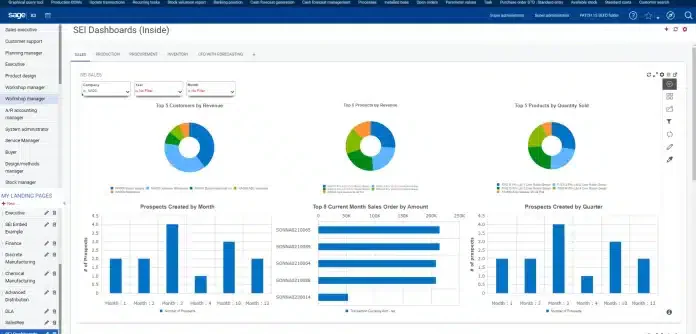 Sage X3 is an ERP solution from Sage Group, tailored for large organizations with complex business processes. It offers enterprise-level inventory management features, making it ideal for industries like manufacturing and distribution with intricate inventory needs.
Key features:
- Advanced inventory control
- Multi-site management
- Barcode labeling software
- Integrated accounting and financial management
- Real-time inventory insights
| Pros | Cons |
|---|---|
|
|
Why choose Sage X3? Sage X3 is perfect for enterprises seeking a robust solution for managing complex inventory needs. Its advanced features, multi-site management, and analytics capabilities make it a strong choice for large-scale industries.
Pricing: Custom Pricing (based on modules and business size).
2. HashMicro Cloud Inventory Management Software
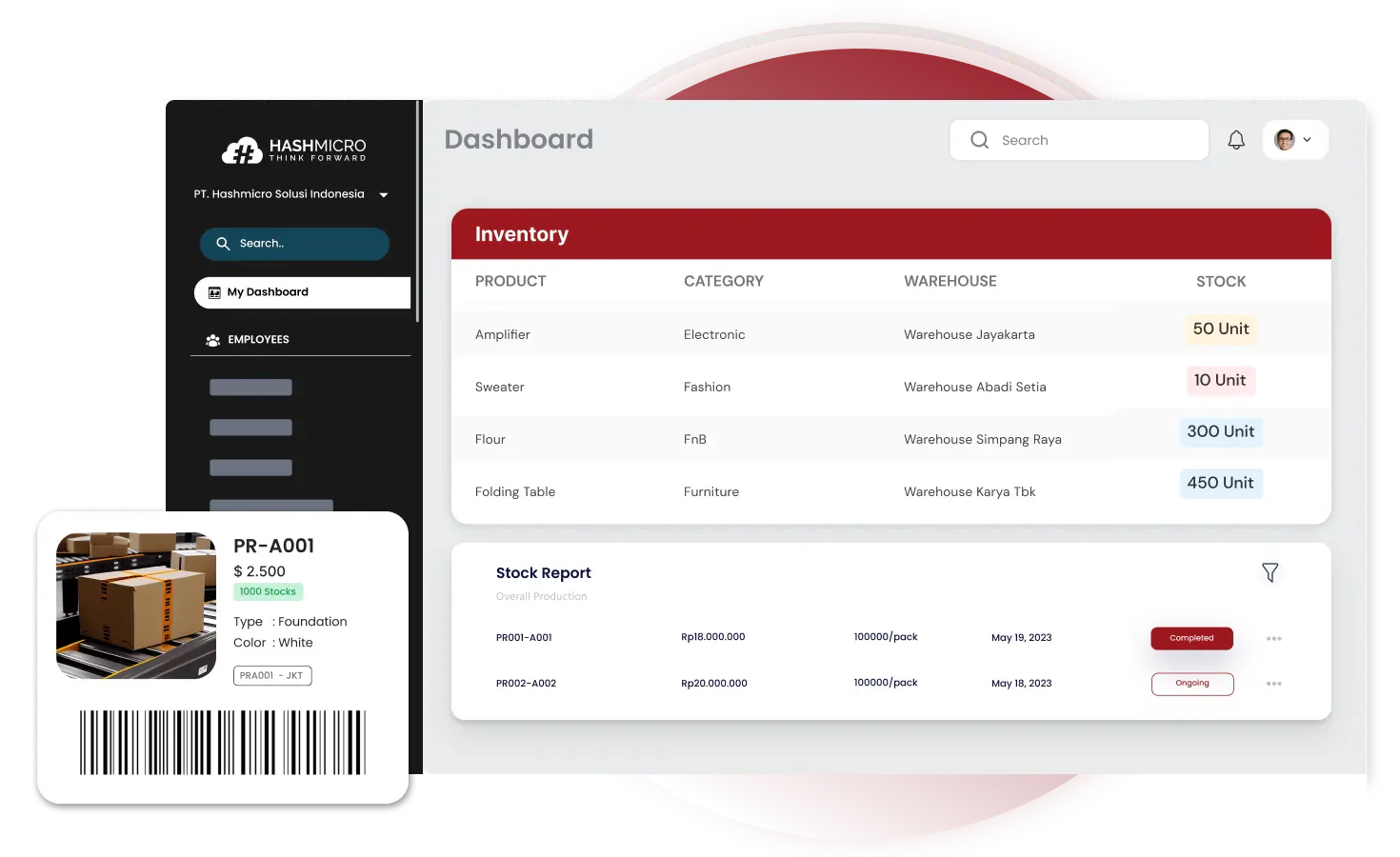 HashMicro’s Cloud Inventory Management Software is a reliable choice for Malaysian businesses, offering real-time inventory tracking and seamless integration. It helps improve efficiency, reduce errors, and support growth, making it ideal for businesses aiming to stay competitive.
Key features:
- Real-time inventory tracking
- Automated stock management
- Comprehensive reporting
- Multi-location support
- Integration-ready
| Pros | Cons |
|---|---|
|
|
Why choose HashMicro? HashMicro's Cloud Inventory Management Software is designed for mid-sized to enterprise businesses, offering a scalable solution that adapts to growing operational needs. It complies with Malaysian business regulations, integrates with other business systems, and provides real-time inventory visibility to support more accurate and efficient decision-making.
Pricing: Custom Pricing (based on modules and business size).
Explore the best solutions for your business and discover our Cloud Inventory Management Software pricing schemes below and find the right package for your needs.
3. Bukku Accounting Cloud Inventory Management Software
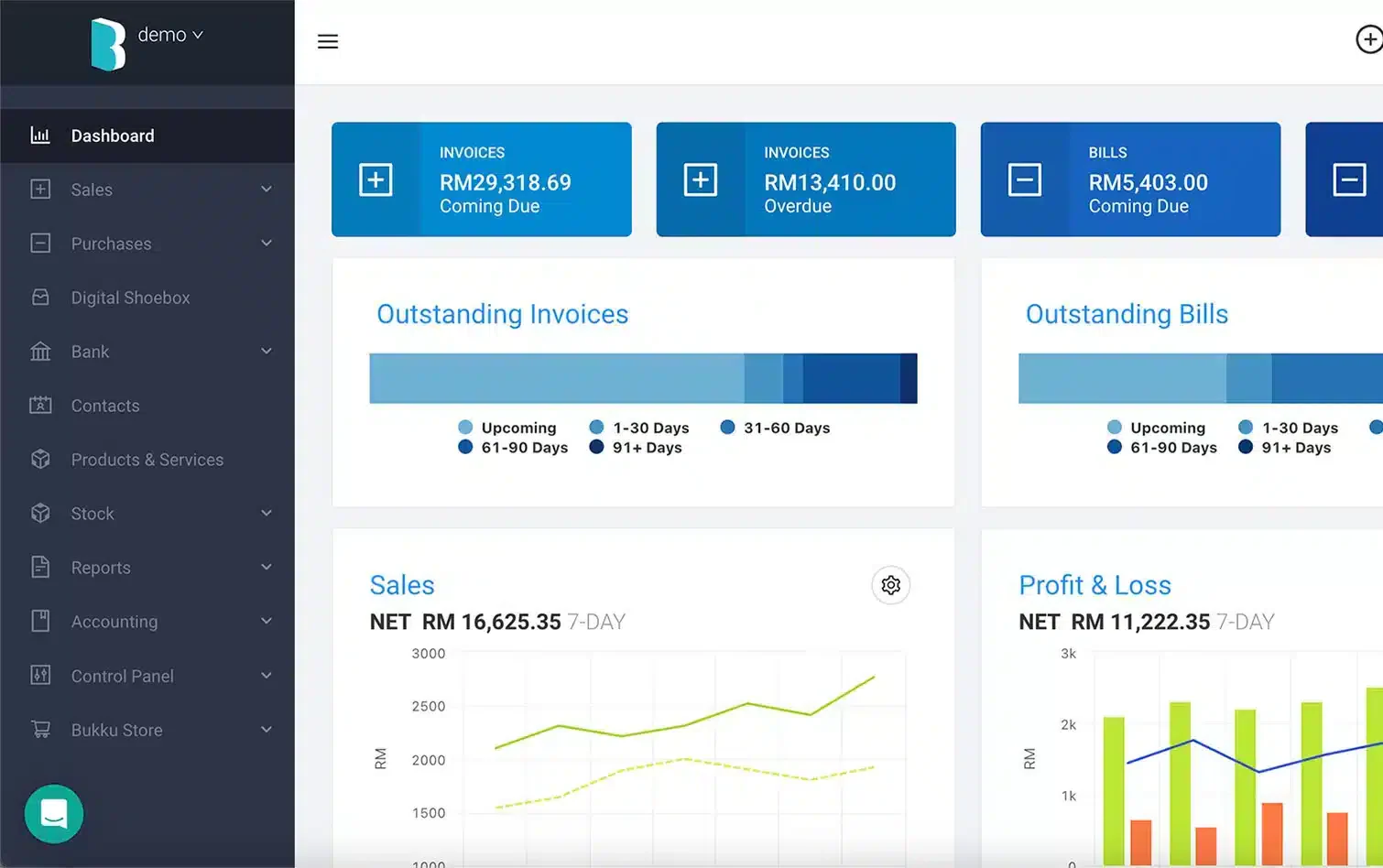
Bukku, a accounting and cloud inventory management software originally a project management tool, has evolved into a versatile work operating system that now includes inventory management features. The platform offers flexibility and a user-friendly interface, making it easy for teams to implement inventory management workflows.
Key features:
- Instantaneous Inventory Tracking
- Multi-Location Management
- Flexible Units of Measurement (UOMs)
- Automated Costing
- Comprehensive Reporting
| Pros | Cons |
|---|---|
|
|
Why choose Bukku? Bukku is ideal for businesses seeking a flexible, easy-to-use inventory management solution. It enables teams to quickly adapt and manage their inventory effectively, making it a great choice for businesses that need a scalable and customizable system.
Pricing: Starts From RM0-RM99/month.
4. NetSuite Cloud Inventory System
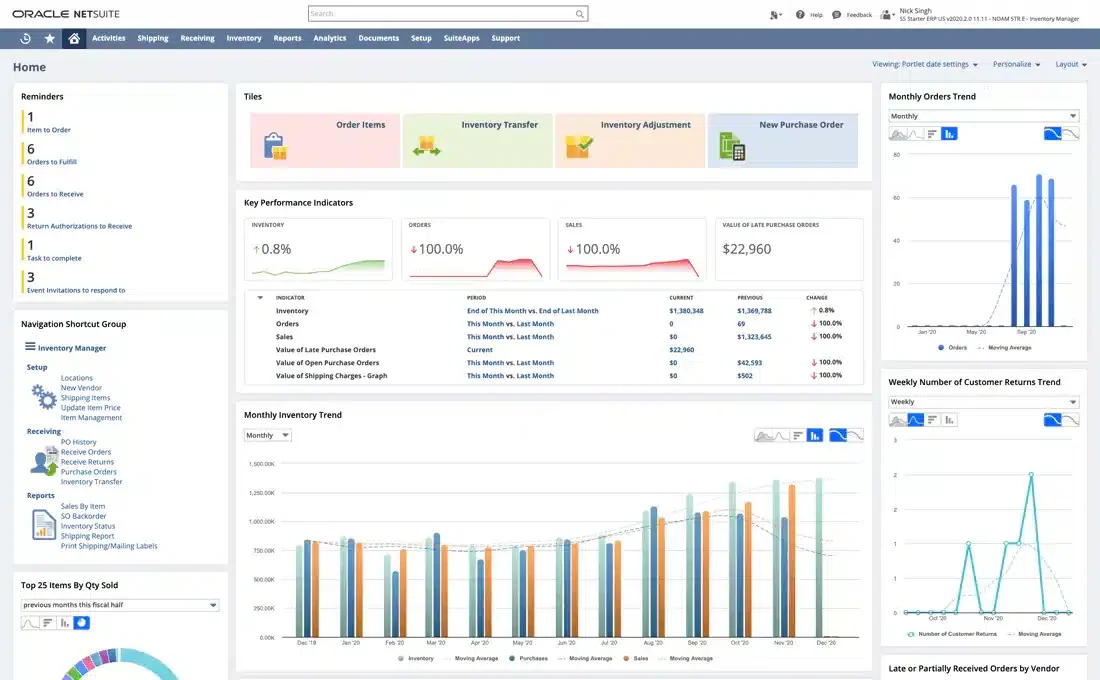 NetSuite’s Cloud Inventory System, a subsidiary of Oracle, is perfect for businesses seeking scalability and integration with other processes. Known for strong performance, it helps growing enterprises streamline inventory management across operations.
Key features:
- Automated inventory control
- Real-time visibility
- Multi-channel inventory management
- Advanced demand forecasting
| Pros | Cons |
|---|---|
|
|
Why choose NetSuite? NetSuite Cloud Inventory System is perfect for large enterprises seeking robust, scalable solutions with deep integration. Its comprehensive features help businesses optimize inventory and streamline global operations, making it a top choice for growing companies.
Pricing: Starts from around RM4,086/month + RM528/user/month.
5. Odoo Inventory Management Cloud Software
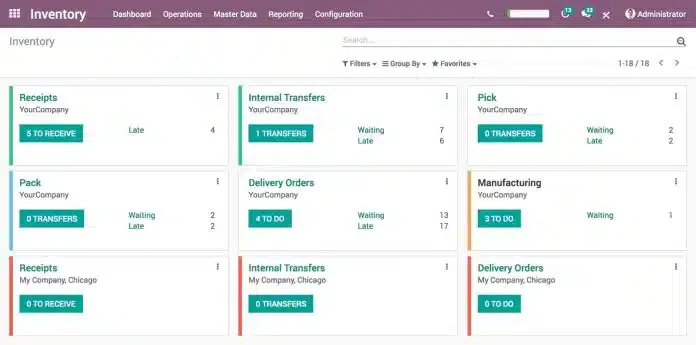 Odoo is a cloud inventory management software with a modular approach, enabling businesses to customize and pay only for the features they need. This flexibility makes it appealing for companies looking for tailored cloud inventory solutions.
Key features:
- Real-time stock management
- Automated procurement rules
- Barcode scanning
- Barcode inventory management
| Pros | Cons |
|---|---|
|
|
Why choose Odoo? Odoo stands out for its flexibility and affordability. Its modular structure allows businesses to build solutions tailored to their specific needs, making it an excellent choice for companies of all sizes.
Pricing: Starts from RM102/user/month, billed per user.
6. Zoho Inventory
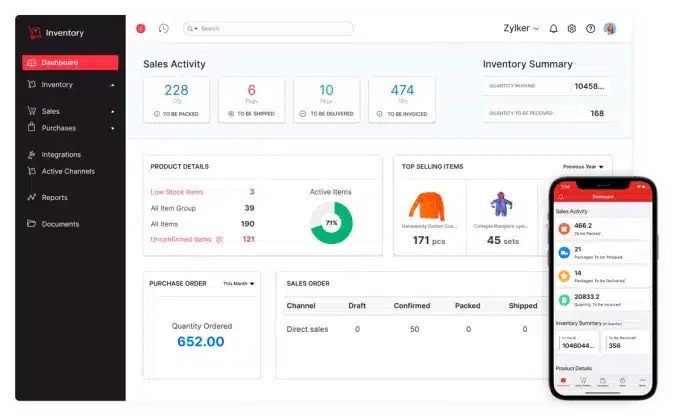 Zoho Inventory cloud inventory management software is widely celebrated for its simplicity and seamless integration with other Zoho products. Designed for small to medium-sized businesses, it offers efficient inventory management without the complexity, making it a reliable choice for streamlined operations.
Key features:
- Multi-channel selling
- Serial number tracking
- Inventory optimization
- Warehouse management
| Pros | Cons |
|---|---|
|
|
Why choose Zoho Inventory? Zoho Inventory is an excellent choice for businesses looking for an affordable and easy-to-use solution. With seamless integration into the Zoho ecosystem, it simplifies inventory management while providing reliable support, making it ideal for small to medium-sized enterprises.
Pricing: Starts from around RM119/month.
7. Acumatica
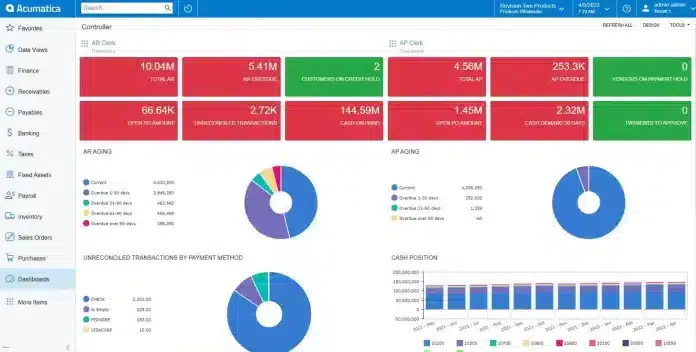 Acumatica is a cloud-based inventory management software designed for small and medium-sized businesses. Known for its flexibility and scalability, it supports a wide range of industries, offering comprehensive tools to optimize inventory levels and streamline operations.
Key features:
- Cloud-native platform
- Real-time data and analytics
- Multi-location inventory management
| Pros | Cons |
|---|---|
|
|
Why choose Acumatica? Acumatica is ideal for businesses seeking a cloud-native solution with flexibility and scalability. Its strong support for multi-location inventory management makes it suitable for growing industries and diverse business needs.
Pricing: Quote-based pricing, calculated by apps and usage.
8. QuickBooks
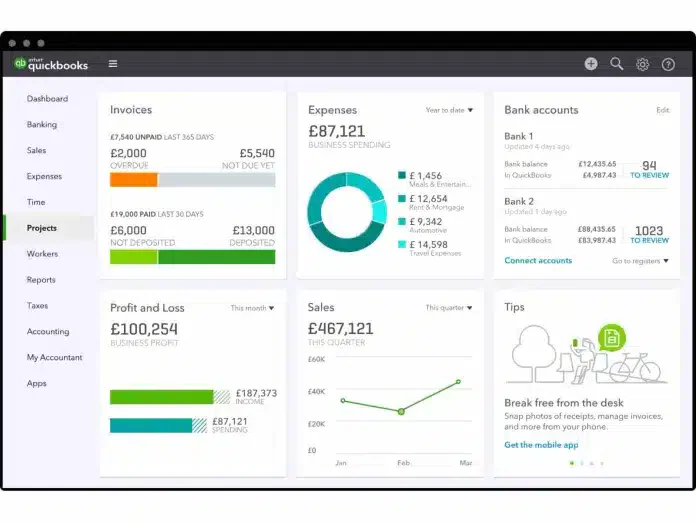
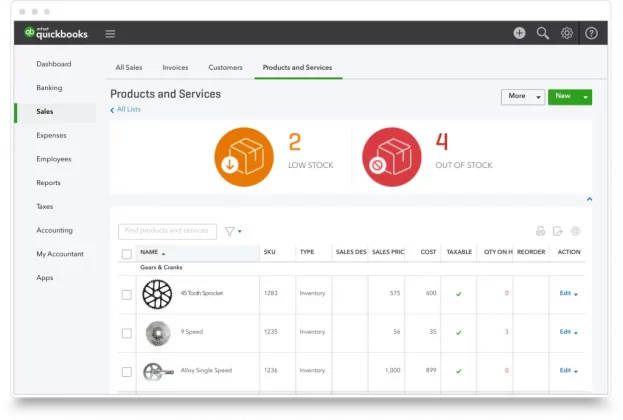 QuickBooks integrates seamlessly with QuickBooks Accounting to provide a unified platform for managing inventory, orders, and finances, making it an ideal choice for businesses using wholesale inventory software to streamline operations.
Key features:
- Integration with QuickBooks Accounting
- Order and inventory management
- Multi-channel selling
- Warehouse management
| Pros | Cons |
|---|---|
|
|
Why choose QuickBooks? QuickBooks is perfect for businesses seeking a comprehensive solution to manage inventory and finances. Its seamless integration and multi-channel support make it a preferred choice for e-commerce and wholesale businesses.
Pricing: Starts from RM91.99/month, depending on plan tier.
9. Katana Inventory System
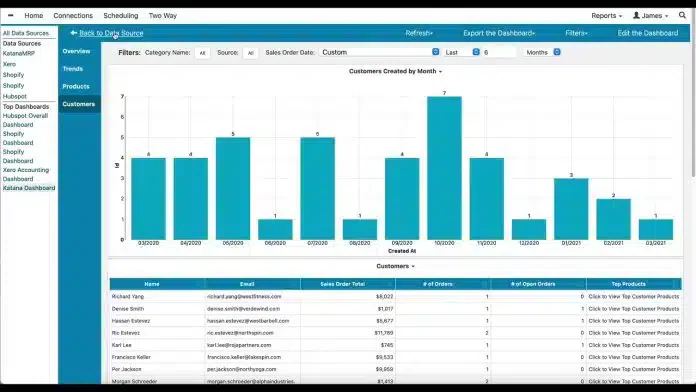 Katana is a cloud-based inventory software solution for small to medium-sized businesses. Founded in Estonia, it combines inventory and sales management on a single platform, featuring an intuitive interface for tracking stock, managing production, and optimizing workflows.
Key features:
- Real-time inventory management
- Shop floor control
- Multichannel solution
- Batch and expiry date tracking
- Visual production planning
| Pros | Cons |
|---|---|
|
|
Why choose Katana? Katana is ideal for small to medium manufacturers seeking an intuitive and easy-to-use inventory solution. Its focus on production workflows and real-time tracking makes it a great choice for businesses looking for simplicity and efficiency.
Pricing: Starts from RM814/month.
10. ShipBob Cloud Inventory System
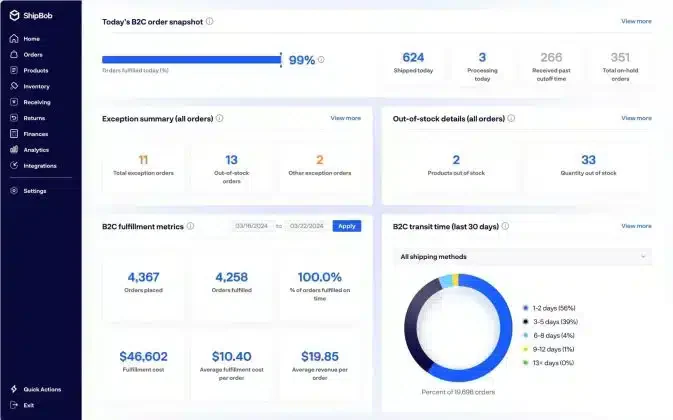 ShipBob is a cloud-based inventory management system for e-commerce businesses. Founded in 2014, it offers fulfillment solutions like warehousing, inventory management, and shipping, and integrates seamlessly with popular e-commerce platforms to simplify logistics.
Key features:
- Fulfillment automation
- Real-time inventory updates
- Barcode labeling software
- Integrations with e-commerce platforms
- Distributed inventory across multiple warehouses
| Pros | Cons |
|---|---|
|
|
Why choose ShipBob? ShipBob is perfect for online retailers looking for an efficient, e-commerce-focused inventory management solution. Its robust fulfillment network and seamless integrations with popular platforms make it a top choice for simplifying logistics.
Pricing: Custom Pricing, based on fulfillment, storage, and handling needs.
11. Fishbowl
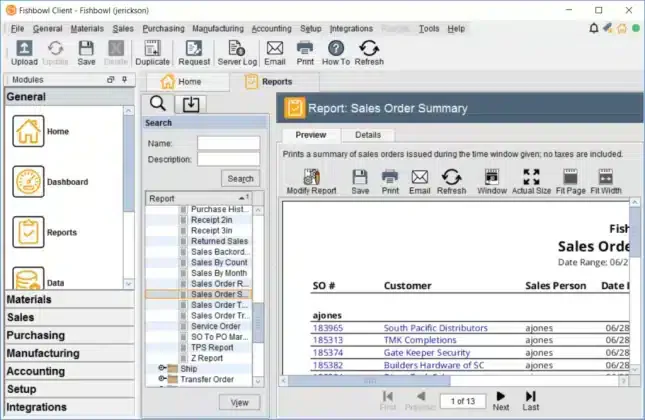 Fishbowl is a cloud-based inventory software designed for small to medium-sized businesses with complex inventory needs. It excels in manufacturing workflows, warehouse management, and order fulfillment, making it a strong choice for industries like manufacturing and distribution.
Key features:
- Integration with QuickBooks
- Manufacturing and warehouse management
- Multi-location inventory tracking
- Advanced order fulfillment
- Barcode inventory management
| Pros | Cons |
|---|---|
|
|
Why choose Fishbowl? Fishbowl is perfect for manufacturers and distributors seeking advanced features for managing complex inventory workflows.
Pricing: Starts from US$199/month, with implementation cost available upon request.
12. Shopventory
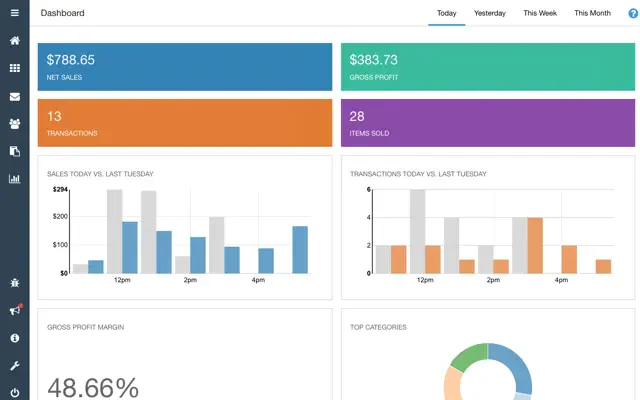 Shopventory is a cloud-based inventory management solution that integrates with various POS systems. It’s ideal for retailers looking to streamline inventory across online and offline channels, offering centralized data management and easy reporting.
Key features:
- POS integration
- Detailed inventory reporting
- Multi-location management
- Real-time stock tracking
- Barcode inventory management
| Pros | Cons |
|---|---|
|
|
Why choose Shopventory? Shopventory is ideal for small retailers and businesses looking for an easy-to-use solution to manage inventory and integrate with POS systems. Its detailed reporting and forecasting capabilities make it a valuable tool for optimizing retail operations.
Pricing: Custom Pricing, depending on selected plan and business needs.
13. Vend Cloud Inventory Software
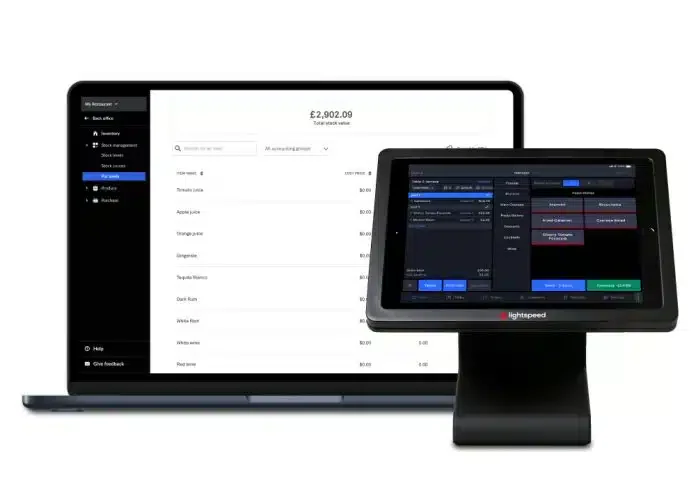 Vend is a cloud-based inventory solution designed for retail businesses. Founded in New Zealand, it is widely recognized for its simplicity and powerful POS integration. With its user-friendly interface, Vend is an excellent choice for small to medium-sized retailers.
Key features:
- Cloud-based POS integration
- Real-time inventory updates
- Multi-store management
- Customizable reporting
| Pros | Cons |
|---|---|
|
|
Why choose Vend? Vend is ideal for retail businesses seeking an easy-to-use inventory system with strong POS integration. Its real-time updates and multi-store management capabilities make it a great tool for optimizing retail operations.
Pricing: Starts from around RM364/month, depending on plan tier.
14. Linnworks Cloud Inventory System
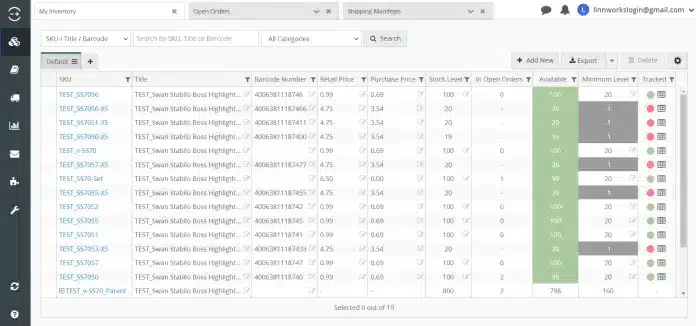 Linnworks cloud-based inventory software is a leading solution for multi-channel inventory management. Founded in the UK, it specializes in synchronizing inventory, orders, and fulfillment processes, making it ideal for businesses managing complex operations across multiple e-commerce platforms.
Key features:
- Multi-channel inventory synchronization
- Automated order and fulfillment processes
- Real-time stock updates
- Barcode inventory management
- Integration with various e-commerce platforms
| Pros | Cons |
|---|---|
|
|
Why choose Linnworks? Linnworks is perfect for businesses selling across multiple channels. Its robust automation and synchronization capabilities simplify operations, making it an excellent choice for managing complex inventory needs.
Pricing: Starts from RM1,836/month, based on order volume.
15. Cin7 Cloud Inventory Management
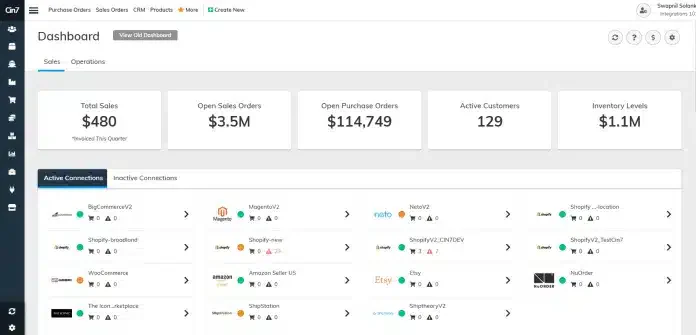 Cin7 is a cloud-based inventory and POS software known for its robust omnichannel management capabilities. It supports businesses selling across multiple online and offline platforms and integrates with various e-commerce marketplaces.
Key features:
- Omnichannel inventory management
- Integrated POS system
- Automated order processing
- Real-time stock management visibility
- Barcode labeling software
| Pros | Cons |
|---|---|
|
|
Why choose Cin7? Cin7 is ideal for businesses needing robust omnichannel inventory management. Its advanced integration capabilities make it perfect for companies selling across multiple platforms.
Pricing: Starts from RM1,427/month.
16. ShipHero Inventory Tracker
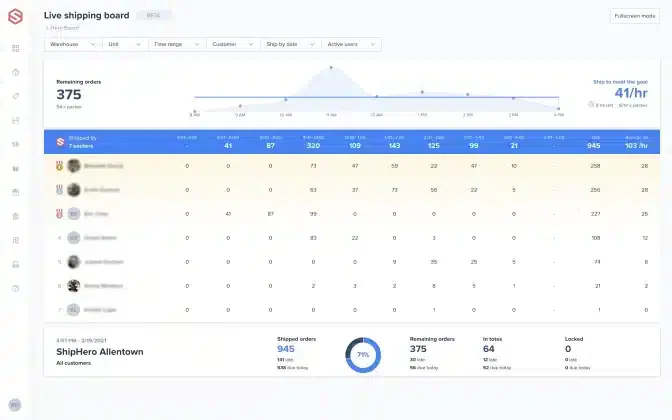 ShipHero is a cloud-based inventory software offering robust fulfillment features and warehouse management. Its seamless integration and automated order fulfillment make it a top choice for online retailers.
Key features:
- E-commerce integration
- Automated order fulfillment
- Real-time inventory tracking
- Warehouse management
| Pros | Cons |
|---|---|
|
|
Why choose ShipHero? ShipHero is ideal for e-commerce businesses needing a comprehensive solution for inventory management and fulfillment. Its features help streamline the entire supply chain and enhance operational efficiency.
Pricing: Custom Pricing, based on warehouse volume and workflows.
17. MRPeasy
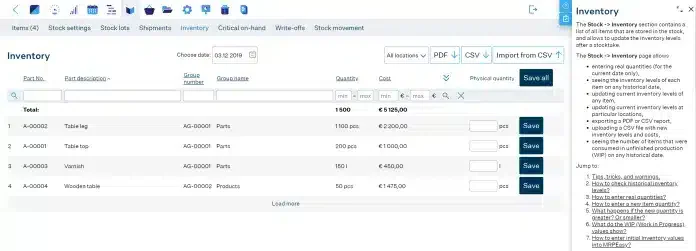 MRPeasy is a cloud-based inventory and production management solution tailored for small manufacturers. Originating in Estonia, it combines inventory tracking with production planning to help manufacturers streamline operations.
Key features:
- Production planning and scheduling
- Inventory management
- CRM integration
- Real-time stock tracking
- Barcode labeling software
| Pros | Cons |
|---|---|
|
|
Why choose MRPeasy? MRPeasy is ideal for small manufacturers seeking an affordable and user-friendly solution. Its integration of production and inventory tools offers comprehensive support for efficient manufacturing management.
Pricing: Starts from RM200/user/month.
18. Zarmoney Cloud Inventory Software
 Zarmoney is a cloud-based inventory and accounting solution designed for small to medium-sized businesses. Known for its affordability and simplicity, it provides essential features without the complexity of larger ERP systems.
Key features:
- Inventory and order management
- Automated invoicing
- Real-time stock management
- Financial reporting
| Pros | Cons |
|---|---|
|
|
Why choose Zarmoney? Zarmoney is perfect for small businesses seeking an affordable and efficient inventory solution. Its integration of accounting and inventory tools simplifies operations, making it a reliable option for growing companies.
Pricing: Starts from around RM82/month for 2 users, with additional user fees.
19. Cova Inventory Application
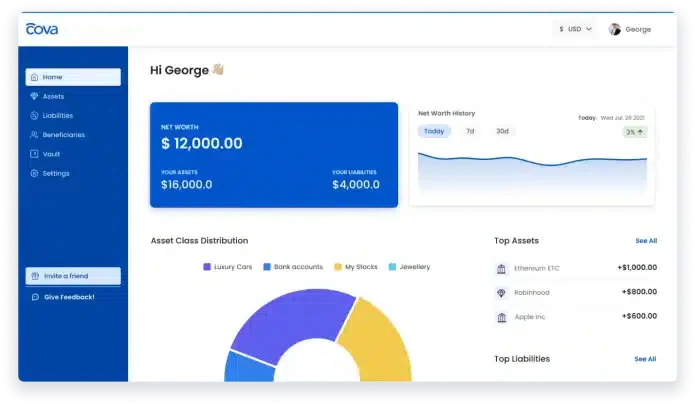 Cova is a specialized POS and inventory solution designed for the cannabis retail industry. Built to meet strict regulatory requirements, it simplifies inventory management while ensuring compliance.
Key features:
- Cannabis-specific inventory management
- Compliance reporting and tracking
- Real-time inventory updates
- Integrated POS system
- Barcode labeling software
| Pros | Cons |
|---|---|
|
|
Why choose Cova? Cova is ideal for cannabis retailers seeking an industry-specific solution. Its compliance features and user-friendly tools make it a top choice for simplifying inventory and POS processes.
Pricing: Custom Pricing, based on location and selected modules.
20. Extensiv
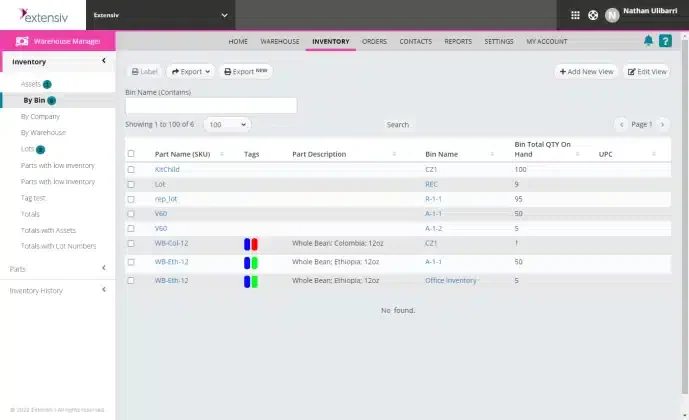 Extensiv offers scalable inventory solutions for businesses with complex distribution needs. It excels in warehouse management, real-time tracking, and multi-warehouse support, making it a top choice for optimizing warehouse operations.
Key features:
- Warehouse management
- Real-time inventory tracking
- Multi-warehouse support
- Order management and fulfillment
- Multichannel solution
| Pros | Cons |
|---|---|
|
|
Why choose Extensiv? Extensiv is ideal for businesses managing complex logistics. Its robust warehouse and inventory features ensure accurate fulfillment and scalability for growth.
Pricing: Starts from RM160/month.
These recommendations are designed to help you find the best inventory management software for your business needs. If none of these options align with your goals, you can explore other inventory management software to fit your industry and operational requirements.
Comprehensive Comparison of Cloud Inventory Software
| Real-time Stock Tracking | Multi-warehouse Support | Barcode/RFID Support | EPOS/eCommerce Integration | Data Enrichment |
|---|---|---|---|---|
| Hashmicro | ||||
| Sage X3 | ||||
| NetSuite | ||||
| Zoho | ||||
| Acumatica |
Trends in Cloud-Based Inventory Management Software for 2026
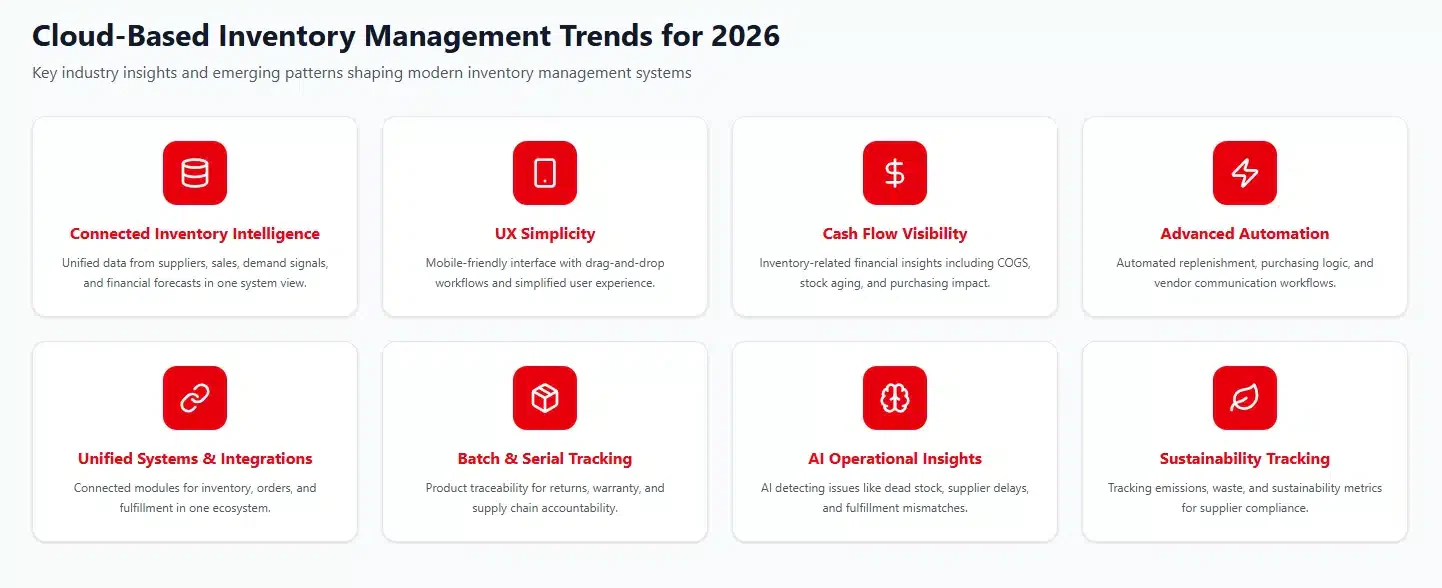
Most trend sections keep repeating the same buzzwords, but 2026 is being shaped by what operators actually deal with day to day. These shifts show what to prioritize, what to bet on, and which features may suddenly become non-negotiable.
- Connected Inventory Intelligence Becomes the Backbone: Inventory tools are now syncing supplier data, sales velocity, demand signals, and financial forecasts in real time. This makes centralized, data-led decisions the new standard, not a “nice extra.”
- UX Simplicity Separates Winners from Feature-Heavy Tools: Clunky interfaces are being dropped even if the platform is packed with features. Teams want mobile access, drag-and-drop flows, and processes that don’t require a manual to operate.
- Cash Flow Visibility Is Built Into Inventory Dashboards: Expect more real-time views of COGS, stock aging, and purchasing impact directly inside inventory systems. Inventory management is increasingly treated as a financial control lever, not just an operations task.
- Automation Moves to Planning, Not Just Warehouse Tasks: The biggest shift is automated purchasing, replenishment rules, and vendor communication workflows, not robots in the warehouse. If a system can’t automate planning logic, it will feel outdated fast.
- All-in-One or Seamless Connectivity Replaces Fragmented Stacks: Businesses are tired of juggling multiple disconnected apps for inventory, orders, and fulfillment. Platforms that unify these functions, or integrate them cleanly, are becoming the default choice.
- Batch and Serial Tracking Expands Beyond Compliance: Tracking lot and serial numbers is no longer limited to regulated industries like food or pharma. DTC and B2B brands now use it for returns control, warranty checks, and clearer supply chain accountability.
- AI Flags Operational Blind Spots, Not Just Reorder Points: AI features are shifting from “predict what to buy” to “show what’s broken” across operations. The best tools highlight dead stock, supplier delays, and fulfillment mismatches like an advisor, not a spreadsheet.
- Retailers push Sustainability Tracking: Large retailers are increasingly asking suppliers to report emissions, waste, and sustainability metrics. Inventory software that supports these requirements can help brands win partnerships others may lose.
Why Should Businesses Use Cloud Inventory?
Efficient cloud-based inventory management software is crucial for maintaining smooth operations and meeting customer expectations. Relying on manual processes can result in costly errors, delays, and inefficiencies.
Here are the key reasons why businesses should use Cloud Inventory Management Software:
- Real-Time Inventory Tracking: Get instant visibility into stock levels, movements, and locations across multiple warehouses anytime, anywhere.
- Reduced Human Error: Automation minimizes manual data entry mistakes, ensuring accurate stock counts and order fulfillment.
- Cost Efficiency: Cloud systems eliminate the need for expensive servers and IT maintenance, reducing infrastructure and operational costs.
- Scalability and Flexibility: Easily scale your inventory system as your business grows without worrying about hardware limitations.
- Seamless Integration: Connects effortlessly with accounting, sales, CRM, and eCommerce platforms for synchronized business operations.
Moreover, if your business involves production, you can also consider using manufacturing inventory software that streamlines material tracking and production workflows to enhance efficiency and support your business growth.
How to Choose the Best Cloud Inventory

Selecting the right cloud-based solutions is a crucial decision that can impact your business’s efficiency and growth. Here are key factors to consider when making your choice:
1. Assess your business needs
Identify your current inventory control challenges and operational goals. Determine the specific features your business requires, such as multi-channel support, real-time tracking, or integrations with existing systems.
2. Consider scalability
Choose software that can grow with your business. A scalable solution ensures that your system can handle increased inventory volumes, new locations, or expanded operations without compromising performance.
3. Review integration capabilities
Ensure the software integrates seamlessly with your existing tools, such as ERP software, accounting, or e-commerce platforms. Strong integration capabilities save time and reduce the risk of data discrepancies.
4. Prioritize security and data protection
Ensure the software provides robust security measures, such as data encryption, regular backups, and access control. Protecting your inventory data is essential for maintaining business continuity and avoiding cyber threats.
5. Compare pricing and features
Evaluate the software’s cost against the features it offers. Look for a solution that provides value for money, balancing affordability with the functionality your business requires.
6. Request a free demo or trial
Take advantage of free demo opportunity to explore the software’s features, usability, and fit for your business before committing.
7. Check Barcode and RFID Readiness
Barcode is ideal for SMEs and retail businesses, while RFID is better suited for large warehouses, high-volume SKUs, and bulk scanning without line-of-sight.
By thoroughly evaluating these factors, you can confidently select the best cloud inventory management software to enhance your business operations and drive long-term success.
Conclusion
Choosing the right cloud inventory software is essential for improving efficiency and driving growth. The ideal system simplifies inventory processes and supports scalability, ensuring your business stays competitive in an ever-evolving market.
Cloud inventory management software is designed to address these needs effectively. With advanced features like real-time tracking, automated processes, and seamless integration, it empowers businesses to optimize operations, minimize errors, and scale effortlessly.
Take the first step to explore how its features align with your goals and experience how it can transform your operations for lasting success with free demo.

Frequently Asked Questions about Cloud Inventory Software
Cloud-based inventory software enables businesses to monitor, manage, and optimize their inventory in real-time, leveraging cloud technology that is accessible from any internet-connected device.
The best inventory software depends on your business needs. HashMicro is a great option, offering real-time tracking, automation, and integration to optimize inventory processes.
An ERP is a comprehensive system managing multiple business processes, while inventory management focuses specifically on tracking and optimizing stock levels.
1. Real-time inventory tracking
2. Multi-warehouse management
3. Automated stock replenishment
4. Barcode and RFID scanning
5. Purchase and sales order management
1. Operational fit: multi-warehouse, multi-location, batch/lot/serial, expiry, barcode, and (if needed) BOM/WIP for manufacturing.
2. Integrations: accounting, POS/eCommerce, shipping, and a solid API for custom connections.
3. Control & reporting: real-time visibility, audit trail, role permissions, and the reports you’ll actually use (valuation, aging, reorder).
4. Implementation effort: data migration (SKUs, opening stock), training, and whether onboarding is required.
5. Security & reliability: backups, uptime, and easy data export if you ever switch tools.
6. Total cost: subscription + users + add-ons + integrations + support + scanning hardware.
Common ranges (varies by vendor and features):
1. Basic SMB plans: ~RM100–RM600/month
2. Growing / multi-warehouse: ~RM700–RM3,000/month
3. Enterprise / ERP-grade: often custom pricing (can be RM3,000+/month) plus one-time implementation fees.