










 Limited to 100 registrants

Freight operations can become difficult to control when shipment bookings, carrier rates, delivery status, warehouse updates, and freight invoices are handled in separate systems. For Malaysian businesses moving goods across ports, warehouses, branches, and customers, these gaps can lead to delayed deliveries, unclear freight costs, and slower issue resolution.
The pressure is growing as Malaysia’s Transportation & Storage subsector recorded 10.4% year-on-year revenue growth in Q4 2025, supported by land transportation, warehousing, and courier activities, according to DOSM’s Quarterly Services Statistics Q4 2025.
This makes freight management more than a back-office task, it directly affects fulfilment speed, cost control, and customer satisfaction. When supported by fleet management, it helps improve coordination, visibility, and cost control across logistics operations.
Key Takeaways
Freight management is the strategic process of planning, coordinating, and controlling the transportation of goods throughout the supply chain.
Freight management for companies due to cost efficiency, improved delivery performance, increased visibility and control.
An integrated freight management system helps Malaysian businesses reduce delays, control costs, and gain real-time shipment visibility.
Manual freight coordination can lead to delayed deliveries, rising transportation costs, and limited visibility across shipments. Freight management system helps centralize shipment planning, tracking, and carrier coordination for more efficient logistics operations.

What is Freight Management System (FMS)?
A Freight Management System (FMS) is software that helps businesses plan, coordinate, and monitor freight operations from shipment booking to final delivery. It centralises information such as shipment details, carriers, routes, delivery schedules, freight costs, and tracking status in one system.
By connecting freight activities in one platform, an FMS can reduce manual coordination, improve shipment visibility, and support better transportation cost control. When integrated with fleet management, it can also connect freight planning with vehicle availability, driver schedules, routes, and delivery performance.
Freight Management and Freight Management System (FMS)
Freight management is how a business plans, coordinates, and controls shipments so goods arrive on time and costs stay under control. It includes choosing carriers, setting delivery schedules, optimizing routes, tracking progress, and handling compliance.
A Freight Management System (FMS) is the software that helps teams run that process in a more consistent way. It brings planning, rate comparisons, scheduling, tracking, and cost reporting into one place.
For most businesses, the benefit is practical. Less manual follow-up, fewer shipping mistakes, clearer visibility, and faster decisions when something changes in transit.
Why is Freight Management Important For Your Business?

Efficient freight management is no longer a nice to have, it has become a strategic necessity for businesses looking to stay competitive in a rapidly evolving supply chain landscape.
By adopting a structured approach to managing freight operations, companies can unlock significant cost savings, improve customer satisfaction, and gain the agility needed to respond to market demands. Here are the key reasons why freight management matters for your business:
- Cost Efficiency: Freight management helps identify opportunities to consolidate shipments, optimize vehicle loads, and select cost-effective carriers or routes. For example, multiple orders going to the same area can be grouped into one shipment instead of being dispatched separately.
- Improved Delivery Performance: Shipment schedules and real-time tracking help identify delays before they affect customers. Delivery teams can adjust routes, coordinate with carriers, and provide more accurate arrival updates when a shipment is held up in transit.
- Enhanced Visibility and Control: Centralized freight data provides a clearer view of shipment status, carrier performance, freight costs, and delivery schedules. This makes it easier to trace where a shipment is, identify bottlenecks, and act before issues escalate.
- Risk Mitigation: Freight operations involve risks such as damaged goods, missed delivery windows, incorrect documentation, and regulatory issues. Monitoring shipment conditions, carrier activities, and required documents helps detect potential problems earlier and reduce disruptions.
- Scalability for Business Growth: As order volumes increase, manually coordinating carriers, routes, and delivery schedules becomes more difficult. Freight management systems can handle more shipments and transportation data without requiring the same increase in manual coordination, making expansion easier to manage.
Key Modules of a Freight Management System
To maximize the value of a Freight Management System (FMS), businesses need to understand the core modules that drive operational efficiency and cost savings. Each module is critical in streamlining logistics processes and creating a more connected, data-driven supply chain. Below are the key modules and their business impact:
| FMS Module | Main Function | Business Impact |
|---|---|---|
| Automated Workflow Management | Centralizes freight processes from shipment booking to final billing | Improves process consistency and reduces manual errors across departments |
| Carrier Management | Helps businesses evaluate, select, and manage carriers in one platform | Improves service quality, accountability, and real-time shipment control |
| Rate Management | Consolidates rates from multiple carriers for easier cost comparison | Helps teams choose cost-effective options and connect freight costs with ERP finance records. |
| Route Optimization | Calculates efficient delivery routes based on fuel cost, traffic, and regulatory limits | Reduces delivery time, lowers transport expenses, and improves route planning accuracy |
| Real-Time Tracking and Visibility | Provides GPS-enabled shipment tracking and live delivery updates | Helps businesses respond faster to delays, disruptions, and customer delivery questions |
| Inventory Management | Connects freight activities with warehouse and stock data | Reduces the risk of stockouts, overstocking, and disconnected logistics planning |
| Billing and Invoice Management | Automates freight invoicing from creation to settlement | Improves billing accuracy, supports faster payment, and tracks sea freight cost more clearly |
Modern Freight Management That Fits Malaysia’s Reality
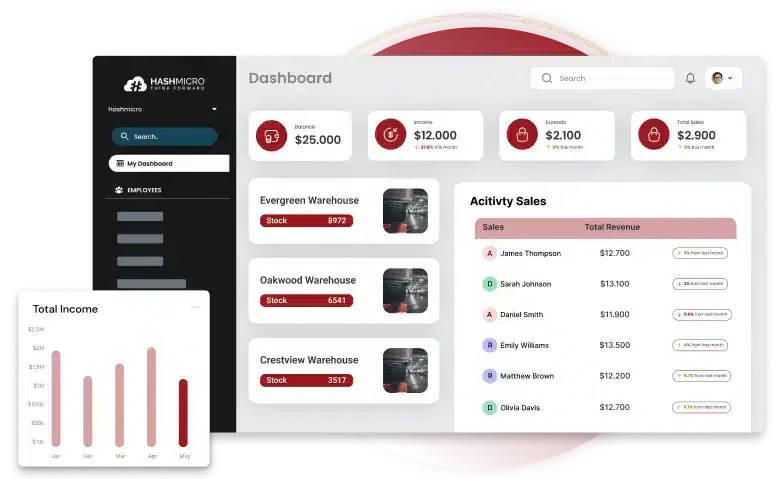
In Malaysia, freight teams often deal with real operational friction, from congestion around key industrial areas to longer lead times for East Malaysia lanes. When shipment planning, carrier coordination, tracking, and billing sit in different tools, small disruptions can quickly turn into delays, higher costs, and messy customer updates.
A modern freight setup helps by bringing those workflows into one process, so your team isn’t chasing information across spreadsheets, chat threads, and separate systems. The goal is practical: fewer surprises, faster coordination, and better control over service levels and transportation spend.
Capabilities that usually matter most for Malaysian operators:
- Automated Shipment Planning: Plans shipments and assigns carriers automatically to save time and improve delivery efficiency.
- Carrier and Rate Management: Centralizes carrier data and rates, enabling quick comparisons and cost-effective decisions.
- Real-Time Tracking: Provides full shipment visibility with GPS tracking and instant status updates.
- Integrated Billing: Automates invoicing and payment processes to reduce errors and speed up financial workflows.
- Advanced Analytics: Delivers real-time dashboards for cost analysis, performance monitoring, and data-driven decisions.
- ERP Integration: Connects seamlessly with ERP and inventory control systems for consistent, accurate data across operations.
AI-Powered System: A modern system is usually judged by how feature-rich it is, and one such feature is the AI Assistant
Conclusion
Effective freight management is no longer just a logistics function; it has become a strategic driver for business growth. By improving shipment planning, increasing visibility, and controlling operational costs, companies can build a supply chain that is more resilient and easier to scale.
In practice, this usually comes down to having a clear, consistent way to manage carrier selection, tracking, exceptions, and freight spend in one workflow. When these processes are supported by the right system, teams spend less time chasing updates, reduce avoidable shipping errors, and make faster decisions based on reliable data.
If freight delays, cost variance, or limited shipment visibility are recurring issues, it’s worth reviewing your current process and tools. Identify where bottlenecks happen most often, then evaluate solutions that can automate routine tasks and provide real-time reporting to help improve performance over time.

FAQ about Freight Management System (FMS)
Freight management focuses specifically on planning, coordinating, tracking, and controlling the movement of goods. Logistics management covers a broader scope, including freight, warehousing, inventory, order fulfilment, and overall supply chain coordination.
A freight management system helps manage shipments from planning to delivery. It can centralise carrier information, shipment schedules, routes, freight costs, tracking updates, and delivery records to improve visibility and coordination.
Freight management can reduce shipping costs by comparing carrier rates, consolidating shipments, optimising loads and routes, and identifying unnecessary transportation expenses. Better tracking of freight costs also helps businesses spot recurring cost issues.
Freight management focuses on the movement and handling of shipments, including carriers, freight costs, and delivery status. Transportation management has a broader focus on planning and controlling transportation resources, such as vehicles, drivers, routes, and overall transport operations.
Yes. Depending on the system, freight management software can record proof of delivery details such as delivery confirmation, timestamps, recipient information, signatures, and supporting documents. This creates a digital record that can be referenced when resolving delivery disputes.
Malaysian businesses can manage freight costs by centralising shipment and carrier data, comparing rates across providers, tracking costs by warehouse or delivery route, and monitoring carrier performance. Connecting freight data with ERP and finance records can also provide clearer visibility into transportation spending.