






Managing suppliers across Malaysia has become far more complex than just updating a spreadsheet. A single delayed shipment from Selangor or a miscommunication at Port Klang can stall production and leave retail shelves empty. Procurement teams are now exhausted from chasing missing purchase orders and managing inconsistent deliveries manually across regions like Johor and Penang.
These challenges are becoming more important as supply chains become increasingly regionalised. According to EY Malaysia, nearly 75% of CEOs are localising some production within their markets, while 56% have reorganised supply chains to serve regional markets. For businesses managing suppliers across Malaysia, this growing network complexity makes stronger vendor coordination essential for maintaining operational continuity.
Relying on scattered emails to handle these growing complexities is a risk businesses can no longer afford. Finding a reliable procurement and purchasing management platform that fits your specific daily workflows is the best way to regain control over your supply chain. This guide breaks down the top vendor management software in Malaysia to help you evaluate which system will truly solve your procurement challenges.
Relying on scattered emails to handle these growing complexities is a risk businesses can no longer afford. Finding a reliable procurement and purchasing management platform that fits your specific daily workflows is the best way to regain control over your supply chain. This guide breaks down the top vendor management software in Malaysia to help you evaluate which system will truly solve your procurement challenges.
Relying on scattered emails to handle these growing complexities is a risk businesses can no longer afford. Finding a reliable procurement and purchasing management platform that fits your specific daily workflows is the best way to regain control over your supply chain. This guide breaks down the top vendor management software in Malaysia to help you evaluate which system will truly solve your procurement challenges.
Relying on scattered emails to handle these growing complexities is a risk businesses can no longer afford. Finding a reliable procurement and purchasing management platform that fits your specific daily workflows is the best way to regain control over your supply chain. This guide breaks down the top vendor management software in Malaysia to help you evaluate which system will truly solve your procurement challenges.
Relying on scattered emails to handle these growing complexities is a risk businesses can no longer afford. Finding a reliable procurement and purchasing management platform that fits your specific daily workflows is the best way to regain control over your supply chain. This guide breaks down the top vendor management software in Malaysia to help you evaluate which system will truly solve your procurement challenges.
Key Takeaways
A lot of benefits such as better supplier control, improved procurement visibility, reduced operational risks, and faster business decision-making.
Choosing the right platform depends on your business size, workflow needs, and procurement goals.
Vendor management software helps businesses streamline vendor relationships, reduce risks, and gain better visibility into performance.
If your procurement team is still chasing vendor confirmations over WhatsApp and reconciling POs manually at month-end, the problem isn’t your vendors, it’s the lack of a system that connects them. See how the right vendor management software fixes this.
Our Top Picks of Vendor Management Software in Malaysia
To make your evaluation process easier, we’ve shortlisted the top 5 vendor management software solutions in Malaysia based on their features, usability, procurement capabilities, and overall business value.



Best Because
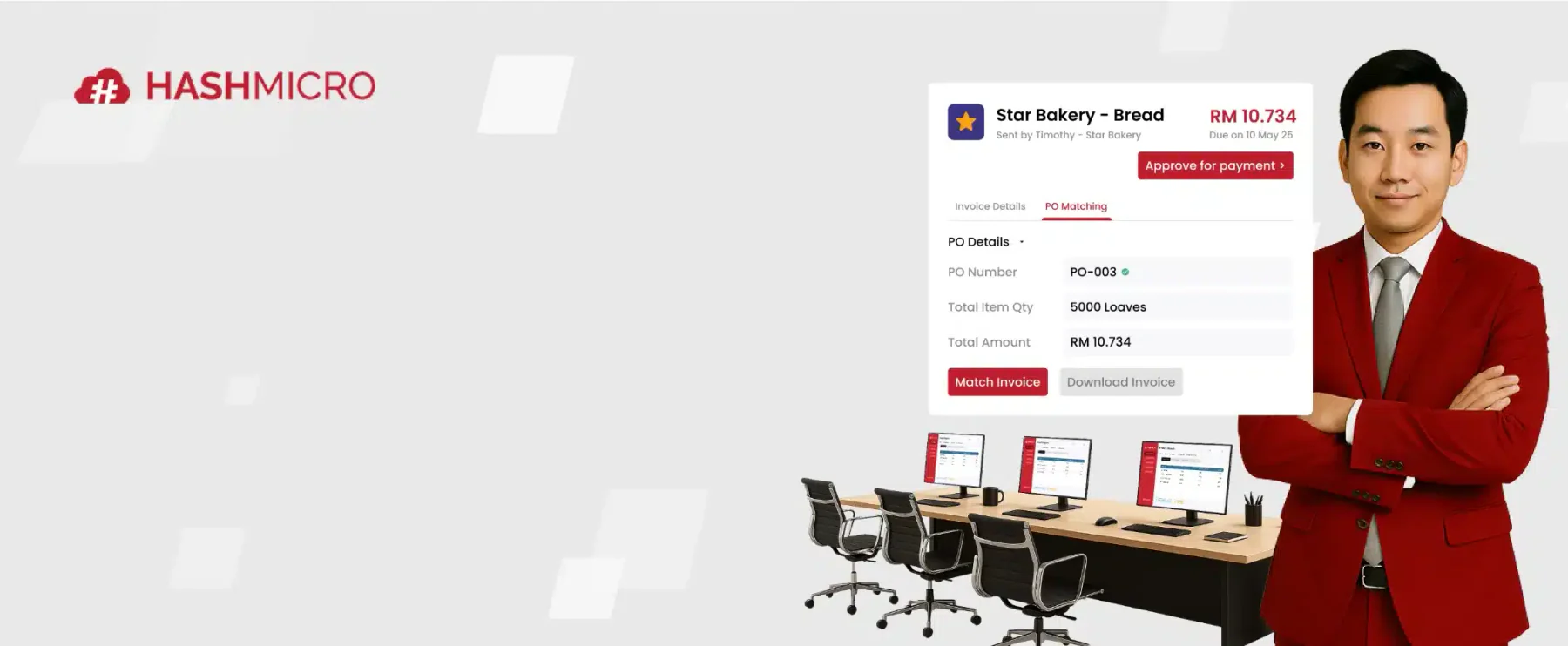
Email-native vendor management for small teams handling supplier communication without additional platforms.

Best Because
Enterprise-grade vendor and external workforce lifecycle management with advanced contract and analytics tools.
Best Because
Spend control and real-time budget monitoring with structured approval workflows for growing procurement teams.

Best Because
Complete spend management with centralized PO, invoice, and contract controls for mid-sized procurement teams.
Quick Vendor Management Software Comparison Overview
After reviewing the top 5 recommendations, it’s also important to compare the broader market options side by side to better understand how each solution differs in features, procurement capabilities, and business fit.
| Software | Best For | Strength | Malaysia Support | Key Features | Pricing (RM) |
|---|---|---|---|---|---|
| HashMicro | Malaysian businesses needing end-to-end vendor and procurement management | Full PO automation, vendor evaluation, contract management, and native LHDN e-invoice integration | Yes, local KL office with dedicated Malaysian support team. LHDN e-invoice and SST compliant | Vendor evaluation, live performance tracking, procurement integration, custom approval workflows, vendor promotions management | Custom quotation. Free demo available |
| Hiver | Small teams managing vendor communication through email | Email-native vendor management with built-in team collaboration and task tracking | No local MY office. LHDN and SST compliance not confirmed | Centralized email management, team collaboration, task tracking, basic vendor portal | From around RM 105/user/month (US$25); Pro RM 231 and Elite RM 357/user/month |
| SAP Fieldglass | Large enterprises needing full vendor and external workforce lifecycle management | Advanced contract management, workforce tracking, and analytics for complex multi-vendor operations | No local MY office. LHDN and SST compliance should be verified with vendor | Supplier management, contract lifecycle management, workforce management, advanced analytics | No public rate. Enterprise licensing estimated from around RM 84,000/year, priced against contingent workforce spend |
| QuickBooks | Small to mid-sized businesses already using QuickBooks for accounting | Familiar interface combining accounting and basic vendor bill and payment tracking in one platform | No local MY office. LHDN e-invoice via middleware. SST support should be verified | Purchase order management, vendor center, bill and payment tracking, basic vendor communication | From around RM 180/month |
| Procurify | Growing businesses needing clear spend control and real-time budget monitoring | Structured approval workflows and live budget tracking to prevent overspending across departments | No local MY office. LHDN and SST compliance not confirmed. Verify with vendor | Vendor onboarding, automated approvals, contract management, real-time budget tracking | No public rate. Estimated from around RM 8,400/month (US$2,000), quoted by modules and user count |
| Kissflow | Operations teams wanting fast vendor onboarding without heavy IT involvement | No-code workflow builder for quick setup of vendor onboarding and approval processes | No local MY office. LHDN and SST compliance not confirmed. Verify with vendor | Vendor onboarding automation, catalog management, shipping notices, PO updates, supplier access modules | No public rate. Estimated from around RM 6,300/month (US$1,500) for enterprise deployment |
| Precoro | Mid-sized businesses needing strong spend management and centralized supplier oversight | Complete spend management with structured PO, invoice, and contract controls in one platform | No local MY office. LHDN and SST compliance not confirmed. Verify with vendor | Approval workflows, budget management, centralized supplier management, vendor qualification | Core from RM 2,096/month (US$499); Automation from RM 4,196/month (US$999), billed annually |
| Airbase | Finance teams needing all-in-one spend, invoice, and vendor payment management | Unified platform for managing vendor bills, payments, and approvals with real-time budget controls | No local MY office. LHDN and SST compliance not confirmed. Verify with vendor | Automated bill payments, supplier management, centralized invoice management, approval workflows | No public rate. Estimated from around RM 4,200/month (US$1,000), quoted by company size |
What is Vendor Management Software?
Vendor management software helps businesses easily manage their vendors by improving collaboration, monitoring activities regularly, and tracking vendor performance. It also supports cost control, quality monitoring, and performance evaluation to make vendor management more efficient.
While businesses once relied on manual processes and early systems outlined in ERP history, today’s advanced tools offer far greater efficiency and automation.
For instance, these systems handle every part of vendor relationships, from finding vendors to managing timecards and processing payments. They include tools for communication, task management, and organizing payments, expenses, and contracts.
This software is useful for businesses of any size and industry, especially those that work with contractors or freelancers. Being cloud-based, it makes communication smoother, increases productivity, and supports the entire workforce.
Benefits of Vendor Management Software
Just like the well-known ERP benefits that improve business productivity, the right vendor management software delivers better control and faster decision-making. Here are five key advantages:
- Speed up vendor onboarding: Add new vendors quickly by collecting their details and compliance documents through the system. Automated verification handles accuracy checks, so you can start working with them sooner.
- Keep communication clear and centralized: Use a single platform to exchange updates, share documents, and manage tasks. As a result, missed messages and project delays can be prevented.
- Cut down on manual work: Let the system handle repetitive tasks like generating purchase orders and processing invoices. Aside from saving time, the team can also focus more on higher-value work.
- Get instant visibility into vendor performance: Access real-time data on delivery times, order accuracy, payment status, and vendor satisfaction. Make faster decisions without sorting through scattered reports.
- Prevent supply chain disruptions: Work only with reliable vendors to avoid stock shortages and production delays. Strong vendor oversight keeps your supply chain steady and your business moving.
Best 8 Vendor Management Software in Malaysia for 2026
Selecting the right vendor management software is key to managing vendors efficiently and controllingprocurement costs. Here are the top 8 options in Malaysia for 2026 to help you choose the best fit.
1. HashMicro
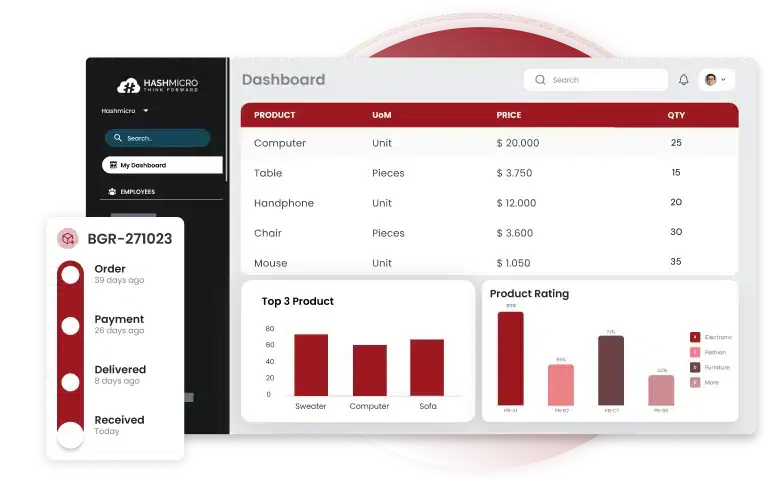
HashMicro offers vendor management software tailored for Malaysian businesses. Whether you’re dealing with local suppliers or international vendors, this solution helps simplify complex processes, improve collaboration, and keep everything organized.
Why consider HashMicro? With HashMicro, you can onboard new vendors faster, automate purchase orders, and manage contracts all in one place. You also get real-time insights into vendor performance and compliance.
Interested to see how it works? You can try it out with a free demo and consultation from HashMicro’s experienced team.
Already trusted by over 2,000 companies across Singapore, the Philippines, and Indonesia, HashMicro is now here to help Malaysian businesses strengthen vendor relationships.
Features:
- Automatic vendor evaluation
- Live performance tracking
- Smooth procurement integration
- Custom approval workflows
- Regular vendor reviews
- Manage vendor promotions
| Pros | Cons |
|
|
HashMicro Vendor Management Software empowers businesses to automate purchase orders, and manage contracts all in one place. Click the banner below to view the pricing scheme.
2. Hiver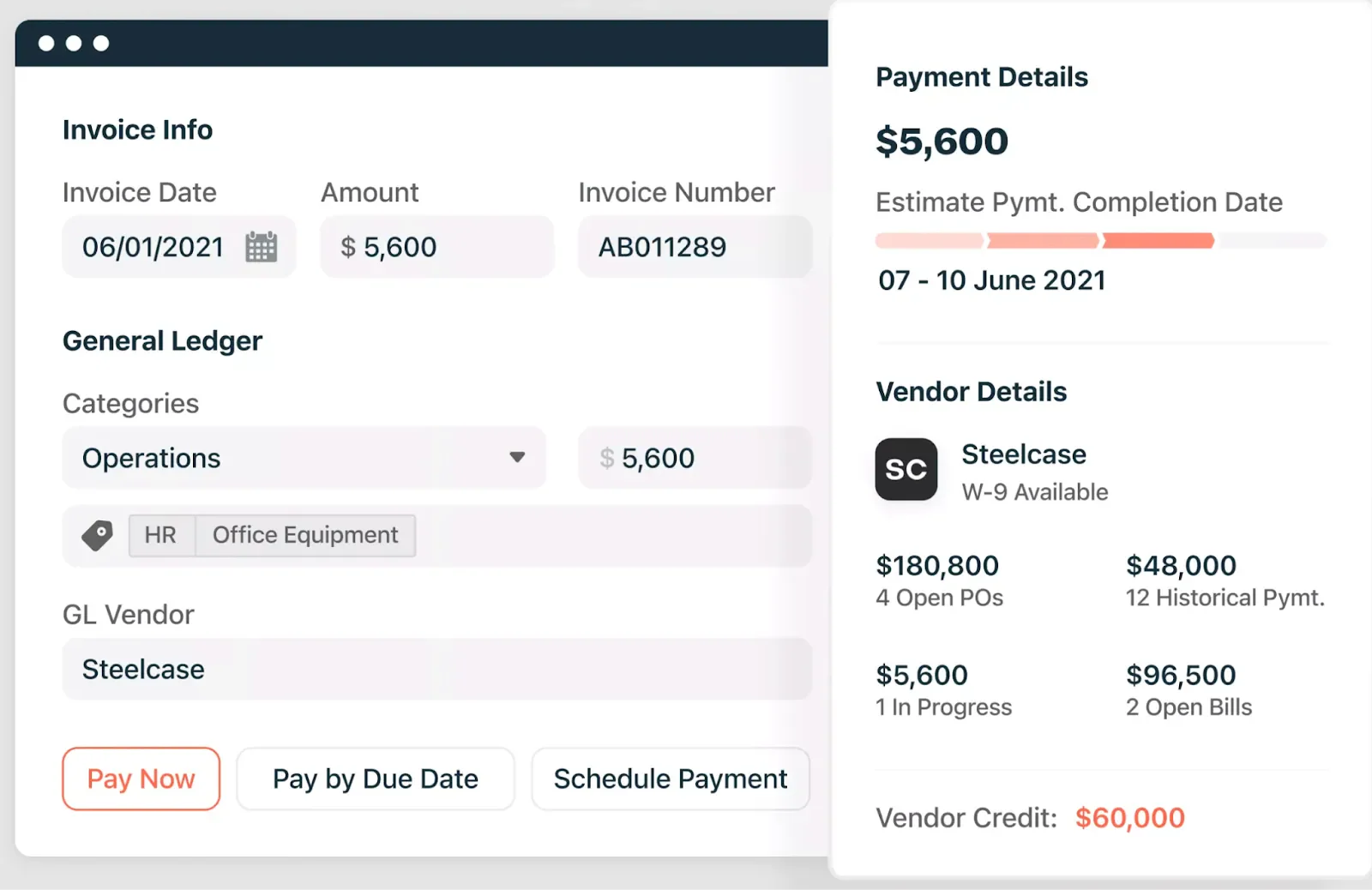
Why we choose it: Hiver is ideal for teams that prefer to manage vendor communication and tasks directly from their email, without juggling multiple platforms.
Hiver’s vendor relationship management software integrates seamlessly with your inbox, allowing teams to handle vendor communications, track tasks, and collaborate effortlessly. Its email-based workflows help keep everything organized without the need for additional tools.
You can also manage vendor payments, expenses, and contracts right from your email. However, while Hiver works well for smaller teams, it may not offer the advanced features larger organizations require for complex vendor management.
Features:
- Centralized email management to keep vendor conversations organized
- Built-in team collaboration for handling vendor tasks directly in email
- Task tracking and visibility to monitor vendor-related activities
- Basic vendor portal for managing essential vendor information
| Pros | Cons |
|
|
3. SAP Fieldglass
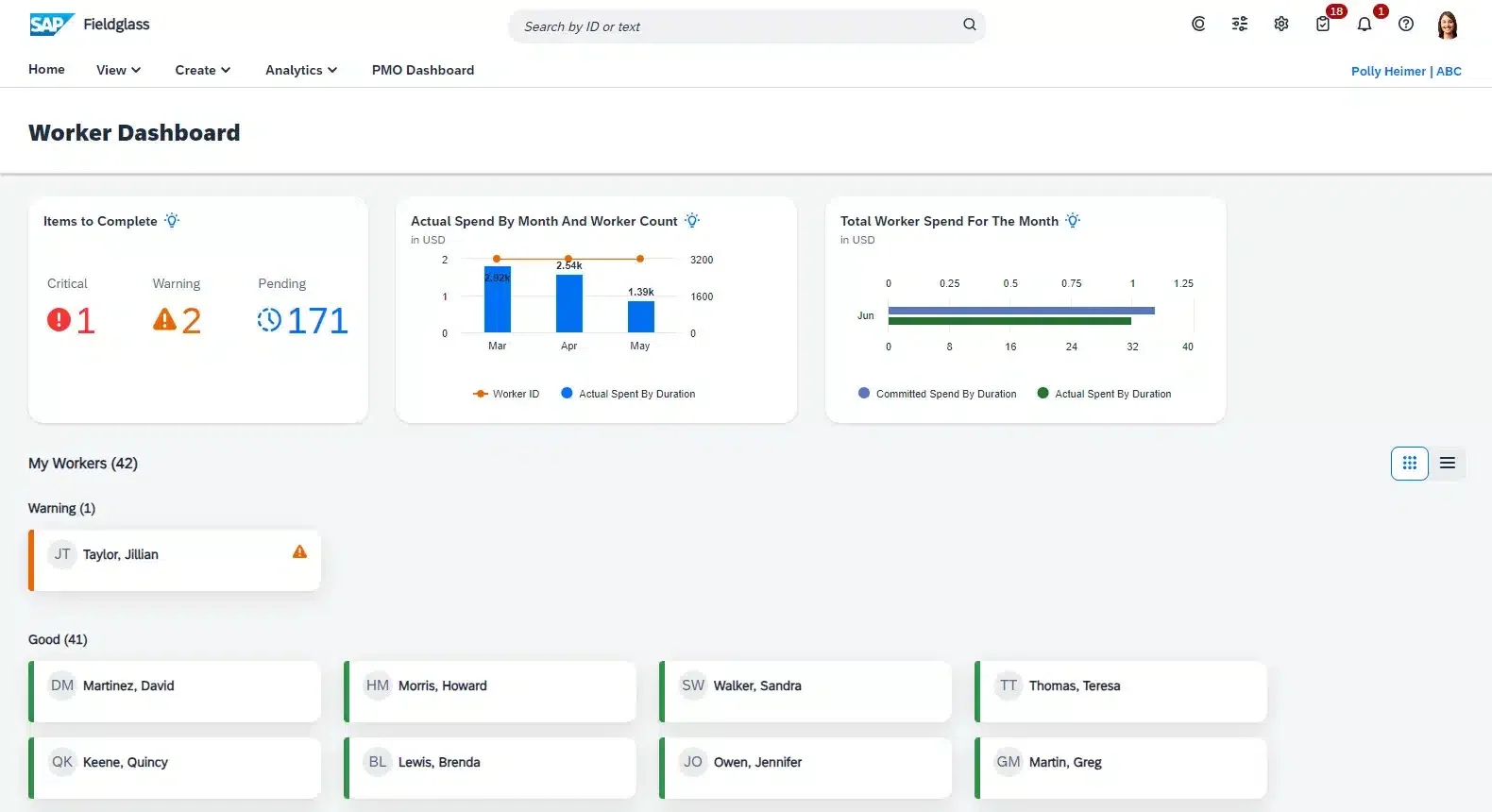
Why we choose it: SAP Fieldglass is trusted by companies that need complete control over vendor and external workforce management, from onboarding to performance tracking and payments.
This all-in-one platform handles every stage of vendor and external workforce management, offering advanced tools for contract management, performance monitoring, and automated payment processing. Its powerful analytics support better decision-making through real-time insights.
However, the system’s complexity can make it difficult to navigate without proper training, and some users report slower performance.
Features:
- for handling vendor relationships efficiently
- Contract management to track and control contract lifecycles
- Workforce management to oversee external labor and services
- Advanced analytics and reporting for informed business decisions
| Pros | Cons |
|
|
4. QuickBooks
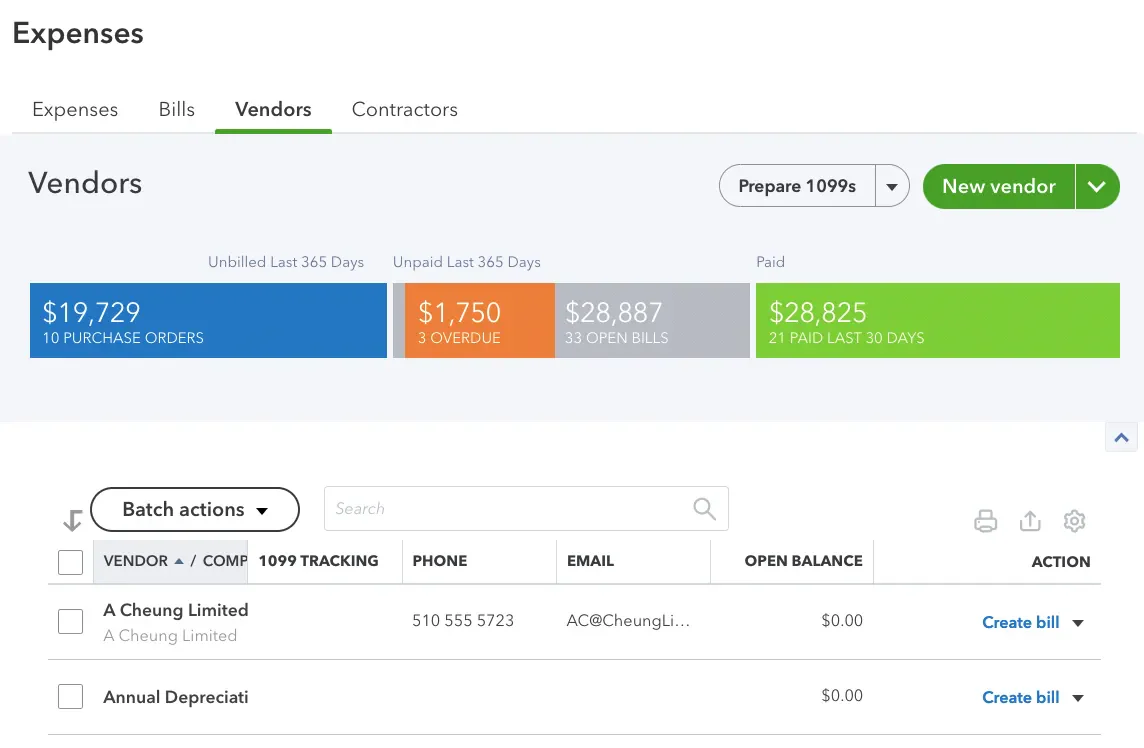
Why we choose it: QuickBooks is a trusted choice for businesses that want reliable accounting tools combined with basic vendor management features.
Known for its user-friendly design, QuickBooks helps businesses track vendor bills, manage payments, and keep vendor information neatly organized. It also simplifies expense tracking and report generation, making it a practical option for small to mid-sized companies.
However, larger businesses may find its vendor management features too limited for complex needs.
Features:
- Purchase order management to handle orders efficiently
- Centralized vendor center for easy access to vendor details
- Bill and payment tracking to stay on top of outstanding expenses
- Basic vendor communication tools to manage interactions
| Pros | Cons |
|
|
5. Procurify
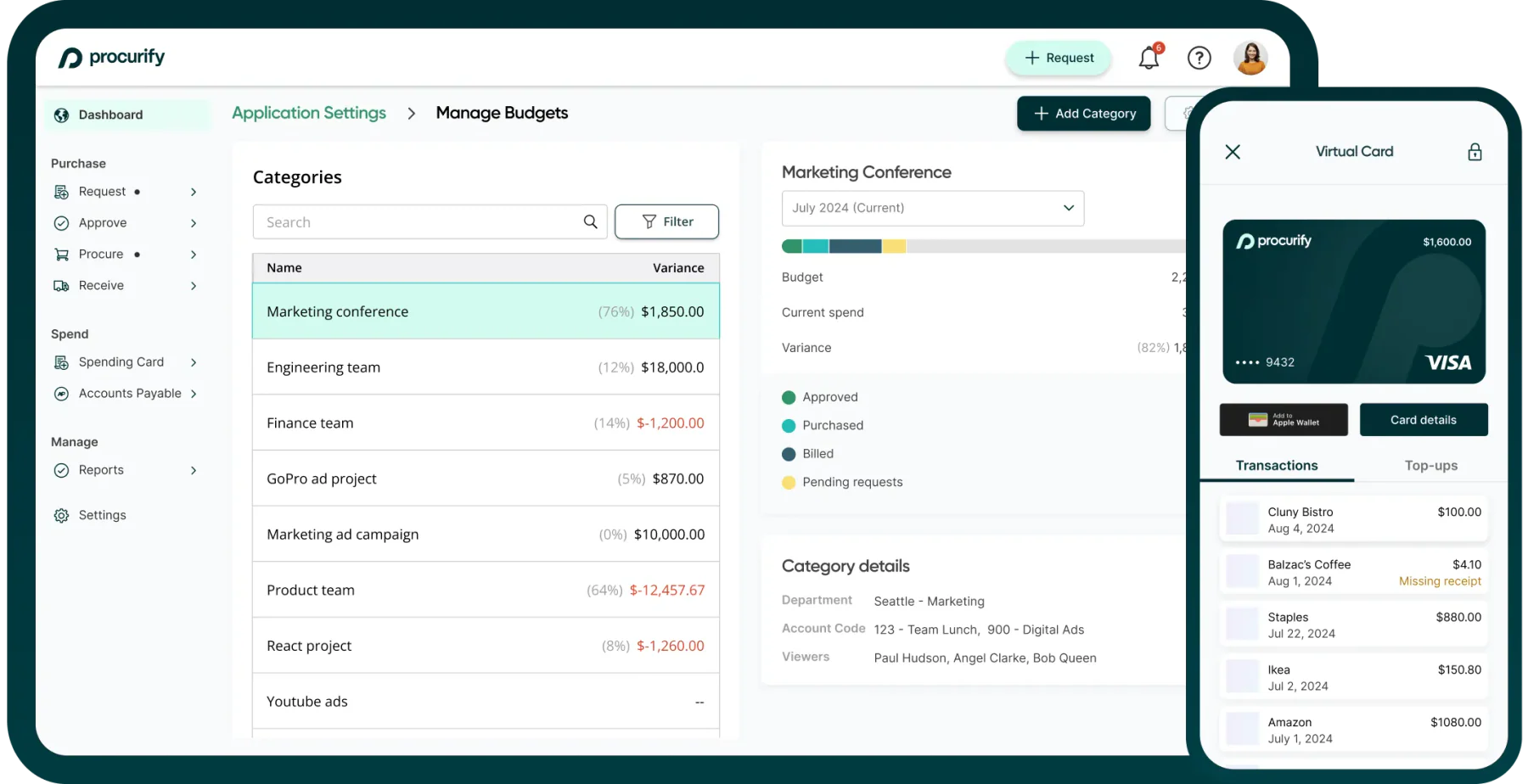
Why we choose it: Procurify is a top choice for businesses that want clear control over spending, simple procurement management, and real-time budget monitoring to avoid overspending.
Procurify’s vendor management software makes it easy to manage vendor relationships and purchasing activities through an intuitive platform. Businesses can track purchase orders, monitor budgets live, and set up clear approval workflows to control spending decisions.
While it’s ideal for small to mid-sized companies, larger businesses with complex systems may find integration options limited.
Features:
- Streamlined vendor onboarding
- Automated vendor approvals
- Centralized contract management
- Real-time budget tracking
| Pros | Cons |
|
|
6. Kissflow
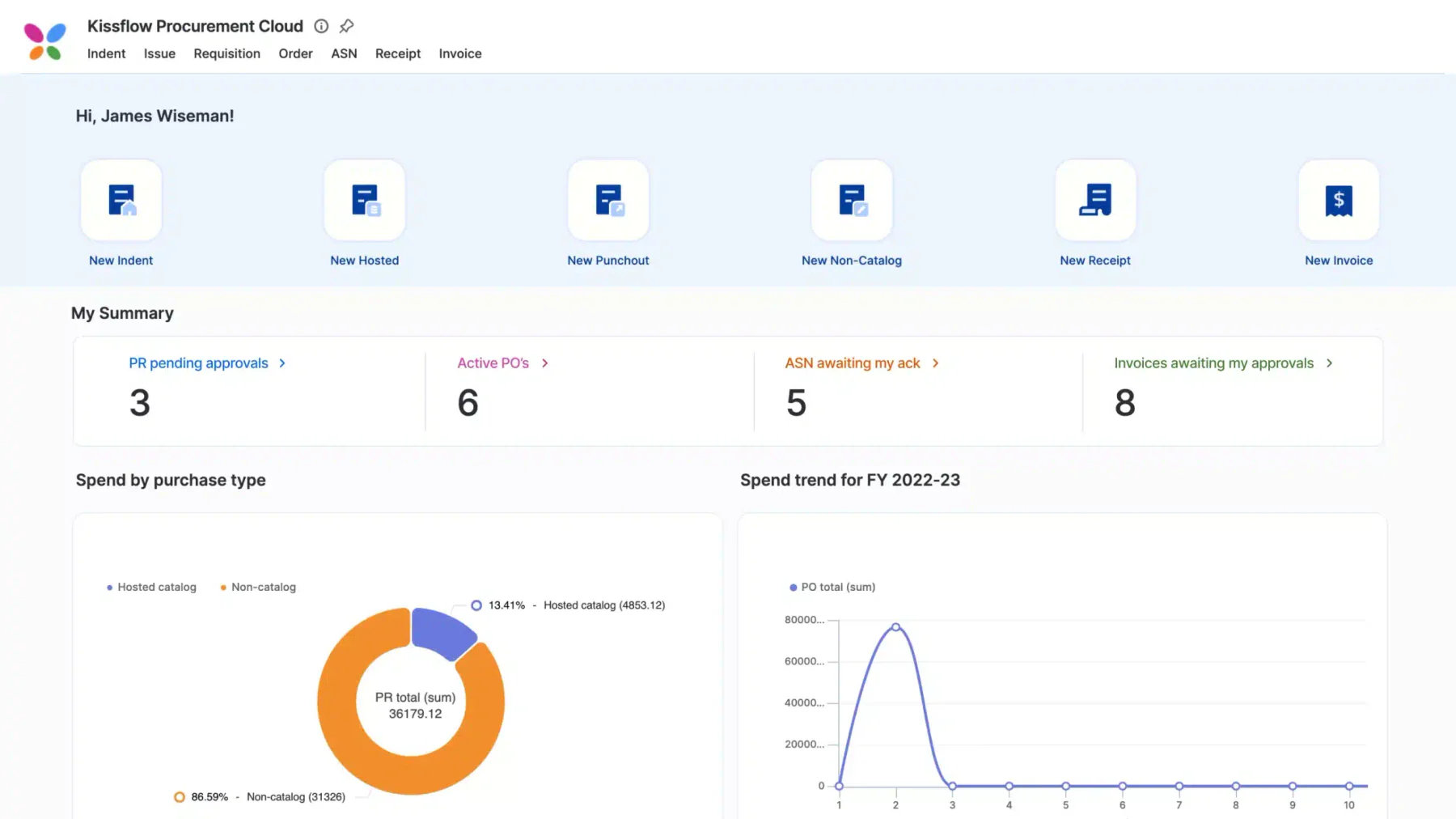
Why we choose it: Kissflow is great for businesses that want quick setup, easy automation of procurement tasks, and faster vendor onboarding without complicated processes.
Kissflow makes vendor management simple with customizable workflows for onboarding, contract management, and automated purchase orders. All vendor data and approvals stay organized in one platform.
However, its reporting tools may be too basic for businesses needing advanced analytics.
Features:
- Automates vendor onboarding
- Simplifies catalog management
- Supports shipping notices and PO updates
- Offers supplier access modules
| Pros | Cons |
|
|
7. Precoro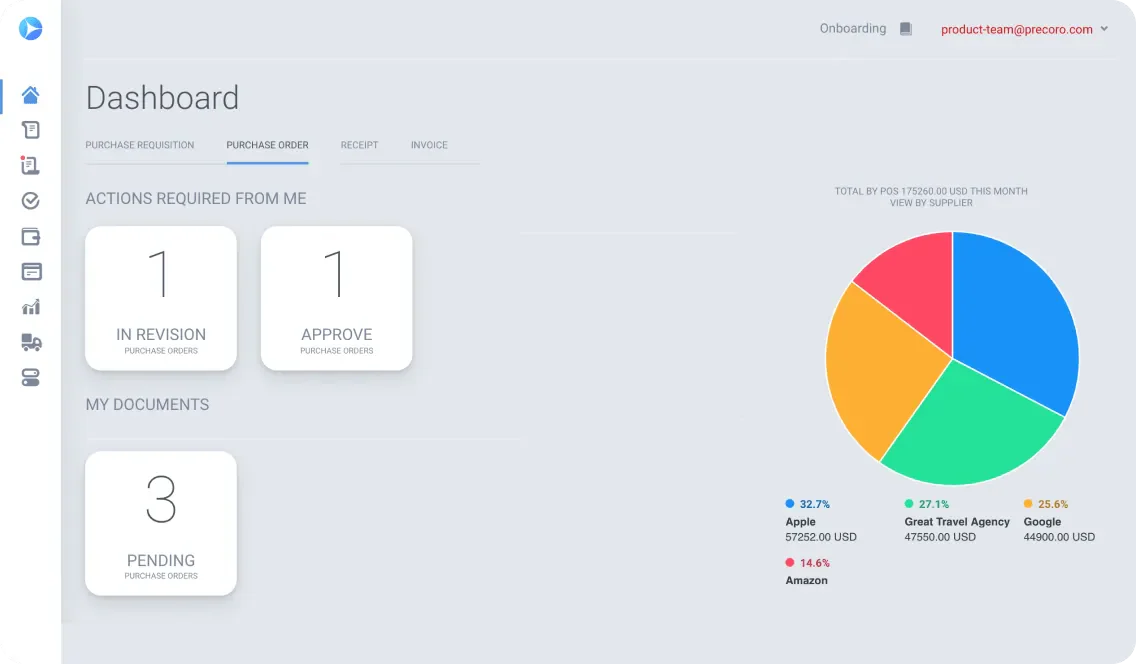
Why we choose it: Precoro is popular for its complete spend management solution that simplifies vendor communication and helps businesses control procurement costs effectively.
Precoro offers an intuitive platform where businesses can centralize vendor data, purchase orders, invoices, and contracts. Smart alerts help teams stay on top of pending tasks and deadlines.
Its self-service supplier portal lets vendors manage product catalogs, adjust pricing, set delivery schedules, and respond to RFPs directly. While feature-rich, Precoro’s approval workflows offer limited flexibility, which can be a drawback for businesses with complex procurement processes.
Features:
- Structured approval workflows to control purchasing decisions
- Budget management tools to monitor and control spending
- Centralized supplier management for easy access to vendor information
- Vendor qualification and approval to maintain reliable supplier partnerships
| Pros | Cons |
|
|
8. Airbase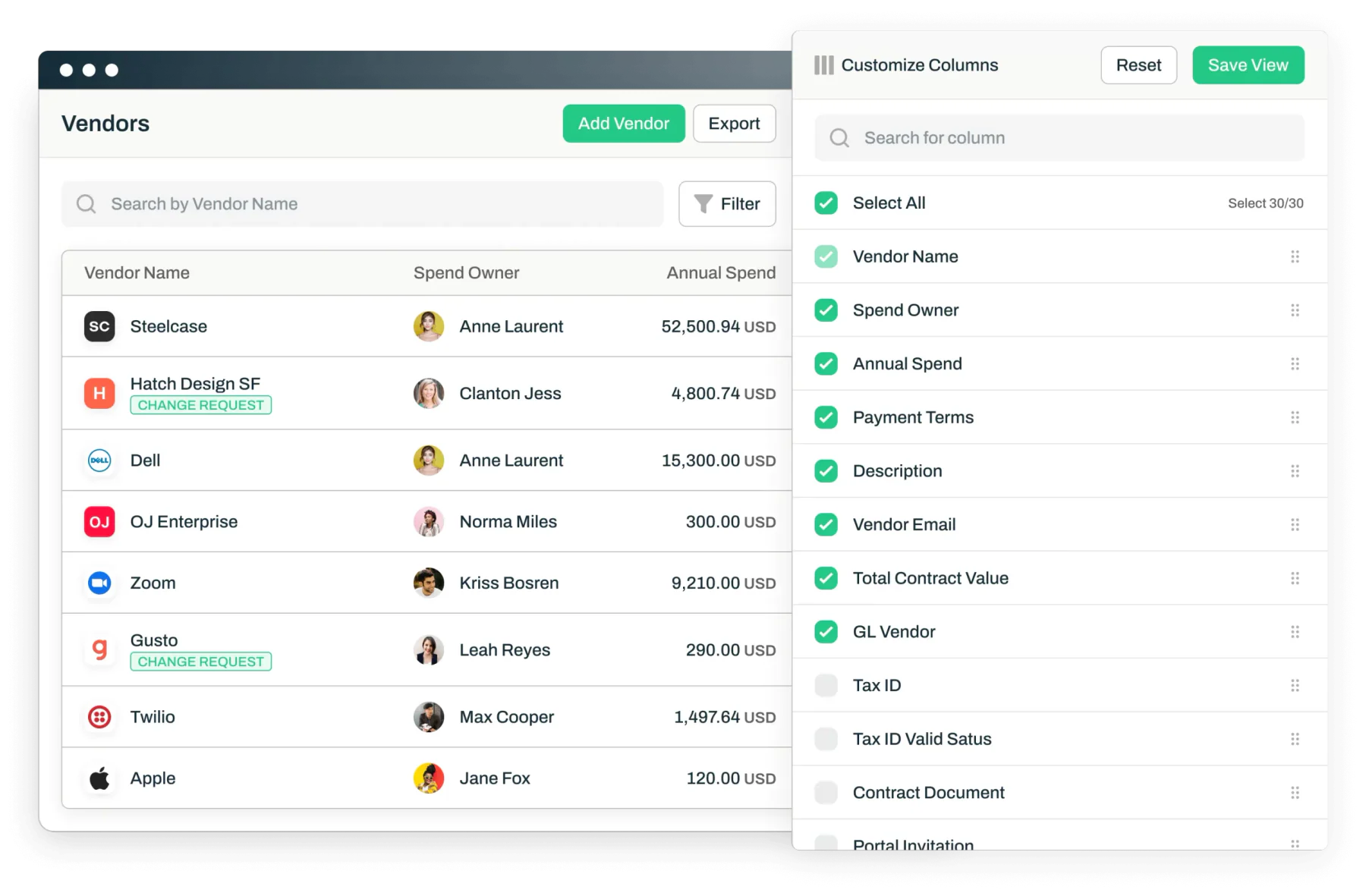
Why we choose it: Airbase is popular with businesses looking to manage spending, track expenses, and process payments from a single platform.
Airbase’s vendor management software offers an all-in-one solution for handling purchase orders, vendor invoices, and payments efficiently. With built-in approval workflows and real-time budget controls, Airbase helps companies stay on top of their finances.
However, setting it up can be a bit tricky, especially when integrating with existing systems.
Features:
- Automated bill payments to streamline outgoing payments
- Supplier management for organizing vendor information
- Centralized invoice management to simplify processing
- Approval workflows to control and monitor spending decisions
| Pros | Cons |
|
|
How to Choose the Ideal Vendor Management Software

Selecting the right vendor management software plays a vital role in keeping your operations efficient and supporting long-term business growth. With so many solutions on the market, it’s important to focus on the features that truly match your business needs.
Consider these tips to maximize your choice:
- Define your requirements: Clarify whether your priority is improving communication, simplifying payments, or automating routine tasks.
- Choose flexible features: Look for software that can adapt to your specific workflows and processes.
- Check integration compatibility: Make sure the system works smoothly with your current tools to avoid workflow disruptions.
- Prioritize ease of use: A simple, intuitive interface helps your team get up to speed quickly without the need for complex training.
- Ensure strong security: The software should provide robust protection for both vendor data and your business information.
- Select a cloud-based platform: Cloud solutions offer greater flexibility by allowing secure access anytime, anywhere.
- Look for scalability: Pick software that can handle increasing demands as your business and vendor network grow.
By focusing on these points, you’ll be better prepared to choose a solution that meets today’s requirements and supports future business expansion.
For businesses looking for a more integrated solution, consider pairing vendor management with a complete ERP software to make operations easier across procurement, finance, and inventory management.
Which Vendor Management Software Suits My Business?
To help identify the most suitable option for your business, it’s important to compare each software based on its core capabilities, procurement features, and overall suitability for different operational needs.
| Business Profile | Recommended Software | Why It Fits |
|---|---|---|
| SME in retail or trading needing affordable vendor and PO management with local MY support | HashMicro | Full PO automation, vendor performance tracking, and contract management in one platform. LHDN e-invoice and SST compliant with a local KL office and unlimited user access at no extra cost. |
| Growing Malaysian manufacturer sourcing from multiple local and overseas suppliers | HashMicro | Native ERP integration connects vendor management directly to procurement, inventory, and accounting. Real-time vendor performance data helps procurement managers make faster sourcing decisions. |
| Team managing vendor communication primarily through email with minimal procurement complexity | Hiver | Email-native platform that keeps vendor conversations organized without additional tools. Best for small teams with straightforward supplier relationships and low transaction volumes. |
| Large enterprise needing full external workforce and vendor lifecycle management | SAP Fieldglass | End-to-end vendor and contractor management with advanced analytics and contract lifecycle tools. Best for organizations with complex multi-vendor structures and dedicated IT teams. |
| Business needing tight spend control and clear approval workflows across departments | Procurify or Precoro | Both offer structured approval workflows, real-time budget monitoring, and centralized vendor data. Procurify suits mid-sized teams; Precoro adds stronger contract and invoice management. |
| Small business already using QuickBooks for accounting wanting basic vendor tracking | QuickBooks | Familiar interface with vendor bill tracking and payment management built into existing accounting workflows. Best for businesses that do not need advanced procurement automation. |
| Business wanting fast vendor onboarding and customizable procurement workflows without heavy IT involvement | Kissflow | No-code workflow builder makes it easy to set up vendor onboarding and approval processes quickly. Suitable for operations teams that need flexibility without relying on developers. |
Conclusion
Vendor management software helps businesses improve collaboration track vendor performance and streamline procurement activities more efficiently. It is a valuable tool for managing costs boosting productivity and building stronger long term vendor relationships.
When evaluating your final options prioritizing a platform that offers fast vendor onboarding automated purchase orders and real time performance tracking will give your procurement team the strongest advantage. The ideal system should be easy to use while directly addressing local Malaysian business requirements.
Taking advantage of a free demo allows your team to test the platform directly and ensure the software aligns perfectly with your daily operational goals before making a final commitment..

FAQ on Vendor Management Software
Vendor management focuses on overseeing relationships with providers of services or finished goods, emphasizing aspects like contract negotiations and performance tracking. In contrast, supplier management deals with entities supplying raw materials or components, concentrating on quality control and integration into the production process.
Vendor management software can integrate with Enterprise Resource Planning (ERP) systems through APIs or middleware solutions, enabling real-time data synchronization. This integration centralizes vendor-related information, streamlines procurement processes, and enhances decision-making by providing a unified view of operations.
Vendor management software aids compliance by maintaining up-to-date records of certifications, contracts, and audit trails. It provides automated alerts for renewals and non-compliance issues, ensuring vendors meet regulatory and contractual obligations.
Key features include vendor onboarding, performance tracking, contract management, compliance monitoring, and integration capabilities. These functionalities help businesses streamline vendor interactions, ensure compliance, and optimize procurement strategies.