






Recruitment struggles aren’t just global, they’re also happening every day for businesses across Malaysia. Endless resumes pile up, interview schedules clash, and top candidates slip away before you can make an offer.
Even the biggest global companies know this pain. That’s why 90% of Fortune 500 firms now rely on the applicant tracking system (ATS) to hire faster and smarter. If these industry leaders trust technology to fix their hiring challenges, isn’t it time Malaysian businesses explore the same solution?
With the right recruitment management system, your company can speed up recruitment, attract better talent, and make confident hiring decisions backed by real data.
In this article, you’ll find the top 10 applicant tracking systems in Malaysia in 2026, complete with their key features, pros, and cons, so you can choose the best fit for your business.
Key Takeaways
Many types of companies use ATS (from SMEs to staffing firms) to speed up recruitment and improve teamwork.
An ATS helps Malaysian businesses manage hiring faster by organizing resumes, interviews, and candidate info in one place.
An ATS fixes disorganized resumes, missed interview schedules, and candidate drop-offs by keeping every recruitment activity connected in one place.
To choose the right ATS, look for ease of use, system integration, scalability, and local compliance.
Recruitment teams in Malaysia often lose time when candidate data is scattered across spreadsheets, emails, and WhatsApp, slowing shortlisting and increasing the risk of losing qualified candidates.
Our Top Picks Tracking Systems Software

Best Because
Breezy provides intuitive visual recruitment and collaborative hiring workflows.



Best Because
BambooHR delivers intuitive end-to-end recruitment and employee management workflows.

Best Because
Zoho delivers AI-powered recruitment and integrated candidate management workflows.

Best Because
Info-Tech delivers compliant localized HR and integrated attendance tracking workflows.
How to Evaluate Tracking Systems Software
| Criteria | Weight | What We Measured |
|---|---|---|
| Recruitment automation depth | 25% | Resume parsing and OCR accuracy, AI candidate matching, interview scheduling, built-in assessments or cognitive tests, and automated candidate communication |
| Local fit (Malaysia) | 20% | PDPA-compliant candidate data handling, alignment with Malaysian hiring practices, clean handoff to EPF, SOCSO, and PCB onboarding, and Bahasa Melayu interface availability |
| HRM and ERP integration | 15% | Native HRM or payroll modules versus API-only connectors, real-time sync of hired candidates into employee records, and multi-entity support |
| Pricing transparency | 15% | Public pricing availability, Malaysian Ringgit billing, disclosure of implementation, training, and add-on fees, and free trial or demo availability |
| User reviews (third-party) | 15% | G2 rating and review volume, Capterra Asia-Pacific rating, and recurring complaints in user reviews |
| Malaysian support quality | 10% | Local Malaysia-based support team, published response SLA, Bahasa Melayu support, and time-zone alignment |
What is an Applicant Tracking System (ATS)?
An applicant tracking system (ATS) simplifies the recruitment process by automating several critical steps. It collects resumes submitted through online job portals, ensuring that all applications are stored in one centralized system.
Some ATS solutions also have the capability to rank candidates based on relevant keywords and qualifications, helping recruiters quickly identify top talent, though it’s worth noting that not every ATS offers this feature.
Benefits of an Applicant Tracking System for Business
An applicant tracking system (ATS) automates hiring, reduces manual work, and simplifies recruitment. When integrated with an HRIS system in Malaysia, it saves time while providing clear recruitment analytics on time-to-hire, candidate stages, and sourcing performance. This helps HR identify bottlenecks and make more informed hiring decisions.
Here’s how an ATS can benefit organizations:
- An ATS increases application volume by making it easier for job seekers to find open positions and submit their applications online. With a smoother application process, companies receive more candidates to choose from.
- It also shortens hiring timelines. Recruiters can search the entire pool of applicants in just a few clicks, allowing them to focus their efforts on high-value activities like conducting interviews, checking references, and making job offers.
- Finally, an ATS improves collaboration among hiring teams. During the interview process, hiring managers can review candidate profiles and share feedback directly within the system. Business rules can also be set up to automatically move candidates through each hiring stage
Quick Comparison of Best Applicant Tracking Systems in Malaysia
The table below summarizes each applicant tracking system by use case, core strength, main features, and limitations for comparison across different Malaysian hiring workflows.
| Software | Best For | Strength | Key Features | Weakness | Malaysia Support |
|---|---|---|---|---|---|
| HashMicro | End-to-end recruitment automation | All-in-one ATS with deep assessment tools | OCR resume screening, psychological tests, automated interviews, scheduling | Implementation time varies | Local Malaysia-based team with PDPA-compliant data handling and clean handoff to EPF, SOCSO, and PCB onboarding |
| Oracle Taleo | Enterprise recruitment | Strong integration with Oracle ecosystem | AI recommendations, onboarding, career portals | High cost, limited customization | Global support through implementation partners, with limited Malaysia-specific localization |
| Breezy HR | SMEs hiring teams | Simple and collaborative hiring | Drag-drop pipeline, automation, job posting | Basic reporting | Global cloud support without Malaysia-specific statutory compliance |
| BambooHR | Simple hiring management | Easy-to-use interface | Job posting, onboarding, analytics | Limited customization | Mainly US-based support with no built-in Malaysian statutory compliance |
| Zoho Recruit | Customizable hiring workflows | Strong automation and integration | Resume parsing, AI matching, job posting | Limited templates | Regional APAC support, though Malaysian payroll compliance is handled by separate Zoho apps |
| QuickHR | HR + recruitment in one system | Strong Malaysian compliance | Payroll, leave, recruitment, ESS portal | Limited customization | Built for Malaysia with EPF, SOCSO, and PCB compliance and local support |
| Info-Tech | Local HR automation | Comprehensive HRIS features | Attendance tracking, payroll, biometrics | Complex setup | Malaysia-based vendor with EPF, SOCSO, and PCB compliance and local support |
| iSmartRecruit | AI-driven recruitment | Advanced candidate matching | AI sourcing, resume analysis, automation | Training required | Available in Malaysia with global support, without local statutory payroll handling |
| Vincere | Recruitment agencies | Strong analytics and CRM | Social integration, analytics, portals | Email sync issues | Global agency-focused support with data privacy features, but limited Malaysia statutory compliance |
| Vultus | Automated recruitment workflows | ATS + workforce management | Resume parsing, CRM, campaigns | Basic analytics | Global support with no Malaysia-specific compliance built in |
10 Best Applicant Tracking System in Malaysia in 2026
Below is the list of the best applicant tracking systems in Malaysia with their features, pros, and cons.
1. HashMicro Tracking System Software
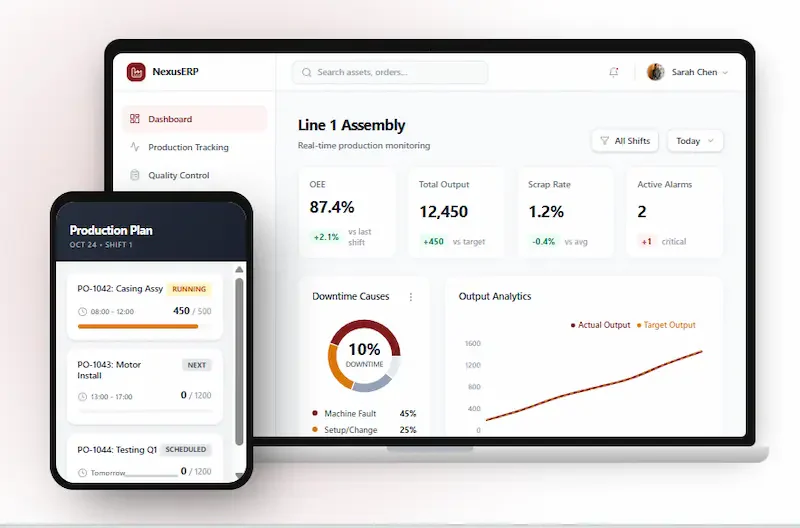
HashMicro’s Applicant Tracking System (ATS) takes the hassle out of hiring with a powerful, cloud-based solution built to simplify and speed up recruitment. Whether you’re a startup on the rise or an established enterprise, it scales effortlessly to fit your growing needs.
Plus, it integrates smoothly with existing systems like HRM and accounting. If you’re curious about how it works, HashMicro offers a free demo. No commitment needed, so you can explore the platform’s features firsthand.
One thing to keep in mind is that the implementation timeline can vary based on how complex your company’s needs are. If your recruitment process involves multiple custom requirements, it might take a bit longer to fully roll out the system, but the long-term benefits are well worth the wait.
Features:
- Advanced Psychological Assessments
- Smart Interview Scheduling
- Automated Video Interviews
- OCR-Powered Resume Screening
- Built-In Cognitive Tests and Assessment Tools
| Pros | Cons |
|
|
HashMicro also provides an upfront cost to use their service. To learn more about their pricing plans, you can click on the banner below.
For companies that already run finance, inventory, or HR operations on HashMicro’s ERP platform, adding the recruitment module keeps candidate records, onboarding workflows, payroll inputs, and statutory data for EPF, SOCSO, PCB, and EIS compliance within connected HRM workflows. This reduces repeated data entry between recruitment, employee records, and payroll preparation. Its unlimited-user pricing may also suit Malaysian companies that are scaling headcount. The fit is clearest when recruitment is part of broader HRM-ERP consolidation, rather than a need for a standalone ATS.
2. Oracle Taleo
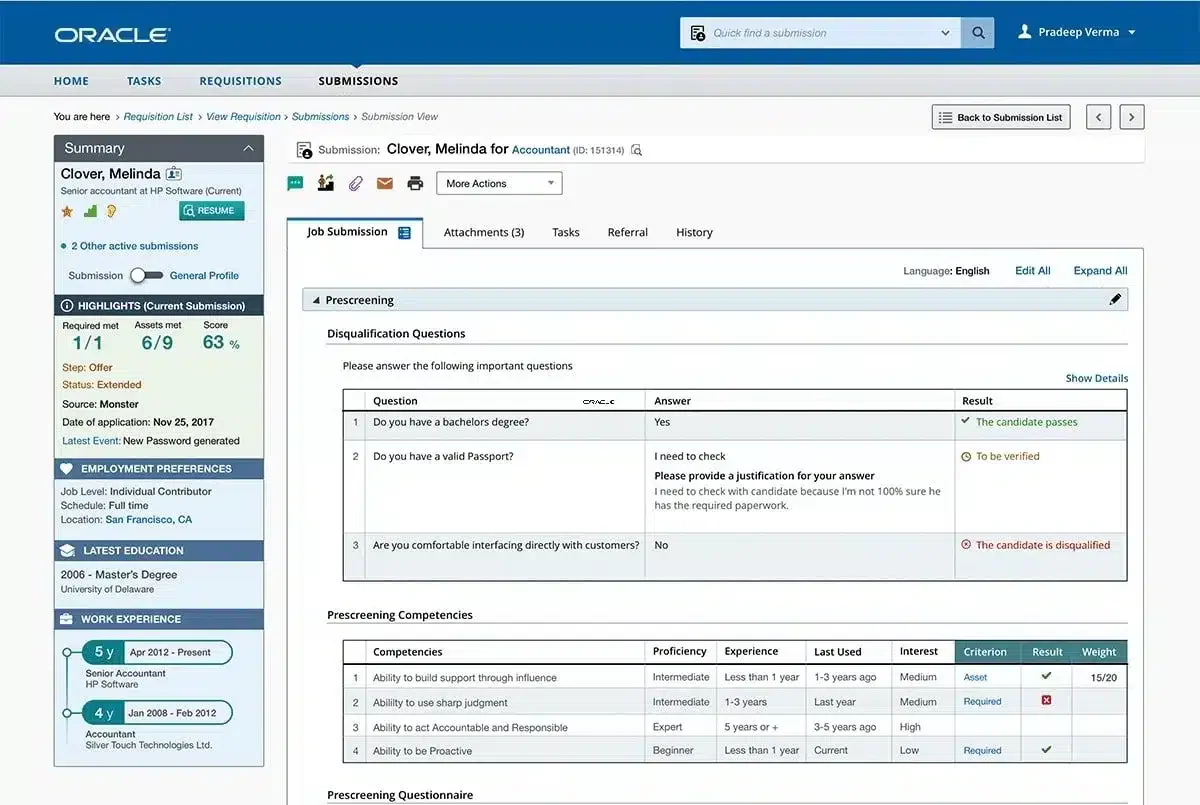
Oracle’s ATS recruiting software offers a cloud-based solution that helps organizations handle their recruitment processes more effectively. One of its key strengths is its flexibility, along with smooth integration with Oracle’s ERP software.
On the downside, the software offers limited customization, which can be a drawback for companies with unique hiring needs that go beyond the default features.
It’s also important to note that the high licensing and implementation costs may put this solution out of reach for smaller businesses working with tighter budgets.
Features:
- AI-driven candidate recommendations
- Self-service interview scheduling
- Personalized career sites
- Integrated onboarding with Oracle Journeys
- Internal mobility through Opportunity Marketplace
| Pros | Cons |
|
|
Oracle Taleo's position in enterprise talent acquisition comes from over 20 years of deployment at large multinationals. The depth of its compliance reporting, audit trails, and global configuration reflects that history. Implementation is not a quick process: full setup typically takes three to six months and requires IT resources on the client side. For Malaysian subsidiaries of multinationals where the parent company has already standardised on Oracle HCM Cloud, Taleo is often the mandated platform. In that context, the value is consistency across markets rather than the product itself.
3. Breezy
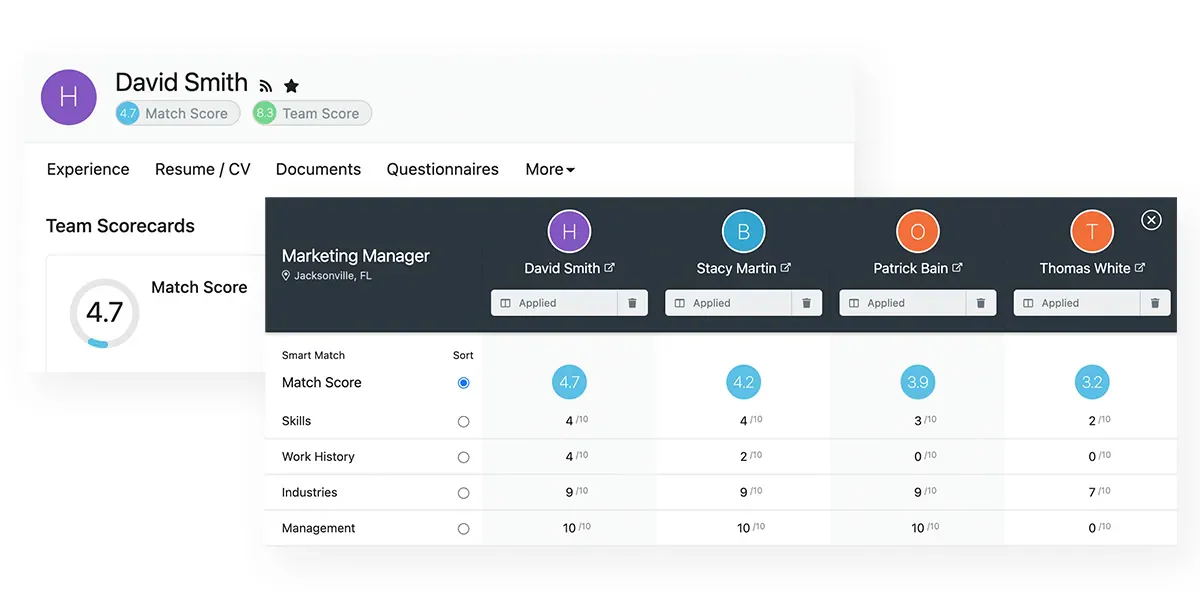
Breezy HR is a cloud-based applicant tracking system (ATS) designed to assist businesses in managing their recruitment processes effectively. It enables HR teams to organize job postings, review applications, and coordinate interviews seamlessly.
This software is particularly suitable for businesses seeking an efficient solution to enhance their hiring procedures in 2026.
Features:
- Drag-and-drop candidate pipelines
- Automated communication tools
- One-click job posting
- Self-scheduling for interviews
- Collaborative hiring features
| Pros | Cons |
|
|
The visual, drag-and-drop pipeline is what most Breezy HR users mention first. Every candidate's stage is visible without navigating nested menus, which matters when a recruiter is managing 10 open roles at once. Setup is fast: most teams are posting jobs and reviewing applications within the first day, without IT involvement. It suits Malaysian companies with 10 to 100 employees whose recruiters don't have a dedicated ATS admin and need something that works straight away.
4. BambooHR
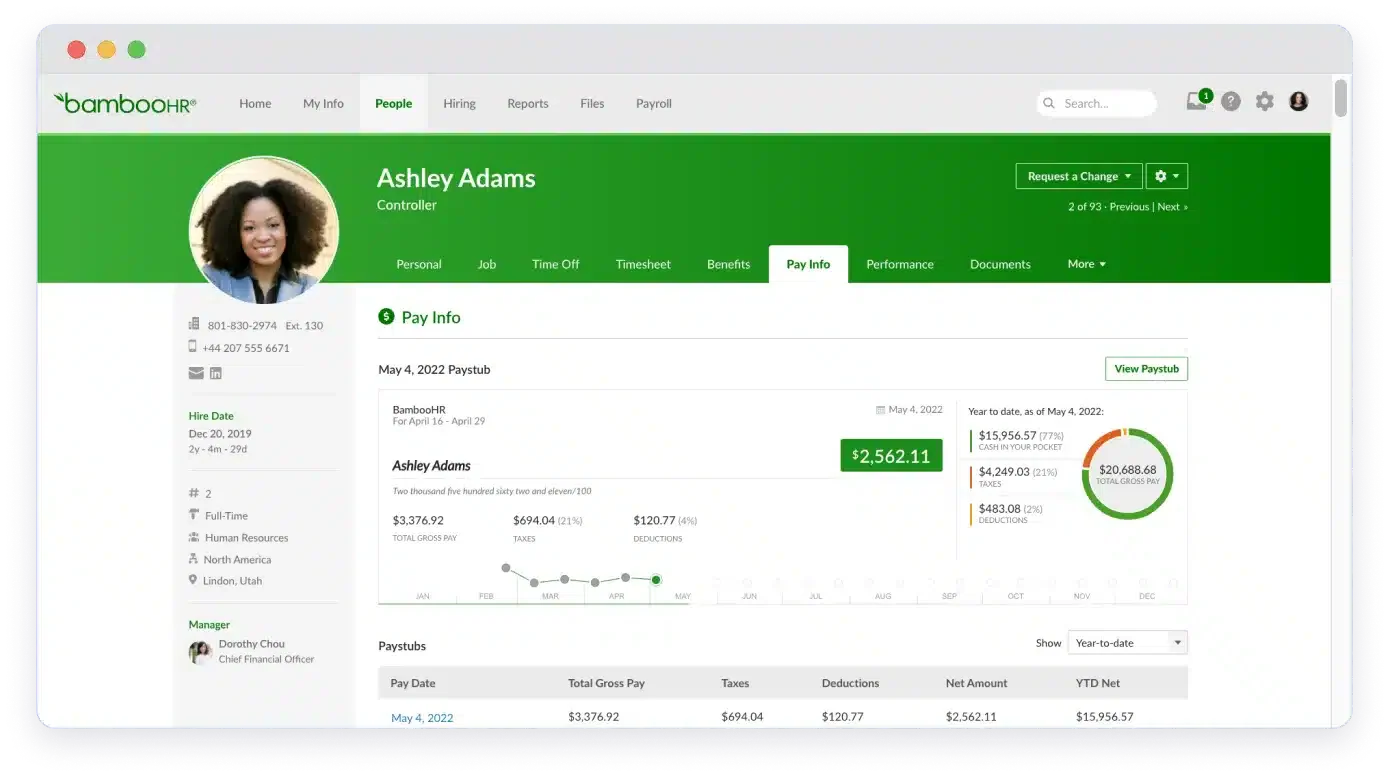
BambooHR is an online recruitment system that helps companies manage their hiring processes more easily. HR teams can use it to create and post job openings, sort through applications, and handle communication with candidates efficiently.
Its simple and easy-to-use design makes it easy for hiring teams to work together and stay organized. This system is a good choice for companies that want to improve how they hire and make better hiring decisions in 2026.
Features:
- Job board integration
- Automated candidate communication
- Customizable offer letters with e-signatures
- Reporting and analytics
- Mobile accessibility
| Pros | Cons |
|
|
BambooHR's ATS is functional, but the platform's real argument is continuity. A candidate's record from application through their first performance review lives in the same system, making it possible to see whether early attrition connects to how candidates were screened or what was promised during hiring. For Malaysian companies with high first-year turnover that haven't been able to trace the cause, that visibility is useful. One limitation to note: local payroll compliance for EPF, SOCSO, and PCB requires a separate configuration or integration, since BambooHR was built primarily for the US market.
5. Zoho
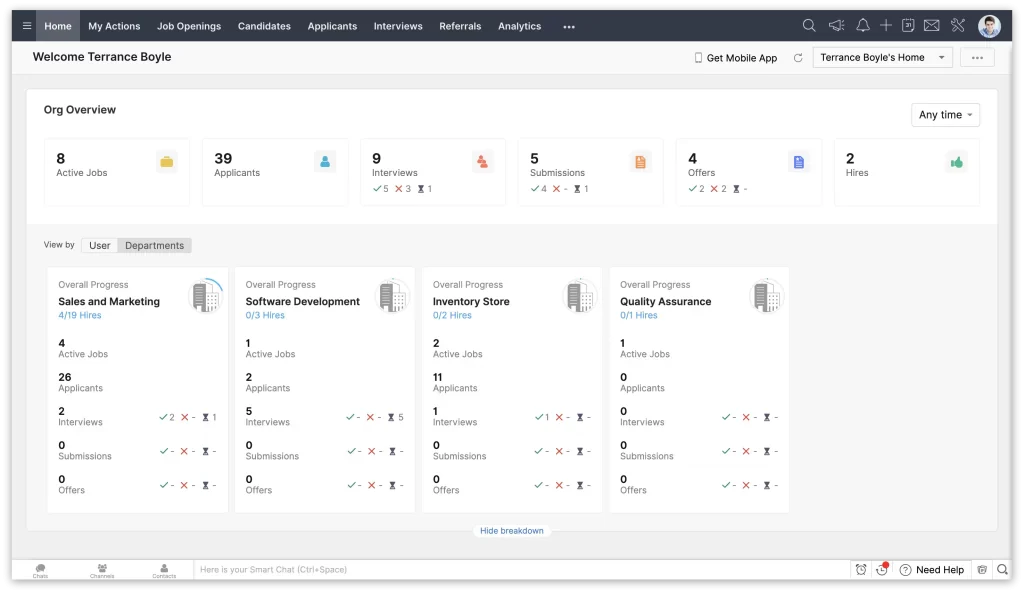
Zoho Applicant Tracking System is a hiring management tool that helps businesses organize and simplify their recruitment activities. It allows HR teams to publish job vacancies, monitor incoming applications, and handle candidate communications effectively.
Thanks to its integrated platform, Zoho supports easy collaboration and clear communication among recruitment team members.
This solution is ideal for companies that want to improve their hiring process and make smarter recruitment decisions in 2026.
Features:
- Resume parsing
- Candidate and client portals
- AI-based candidate matching
- Background screening integration
- One-click job board posting
| Pros | Cons |
|
|
The strongest reason to consider Zoho Recruit is how well it fits into the broader Zoho ecosystem. If a company already uses Zoho CRM for sales pipelines, candidate data and communication history sync across automatically without custom integration work. For staffing agencies, Zoho Recruit also offers a dedicated agency mode with client management built in, which most HR-focused ATS platforms do not support. Pricing is listed publicly on their website, making it one of the easier platforms to evaluate without going through a sales process first.
6. QuickHR Malaysia
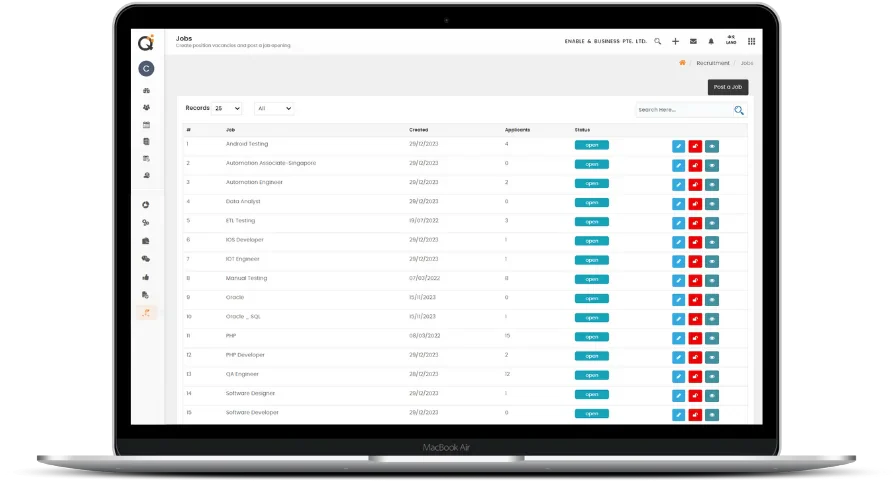
QuickHR is a cloud-based Human Resource Management System (HRMS) built for businesses in Malaysia. It provides a complete set of tools to help manage HR tasks more easily and efficiently.
These tools cover payroll, leave management, claims processing, time tracking, and recruitment. QuickHR also follows Malaysian labor laws, including EPF, SOCSO, and PCB rules, which makes it a dependable solution for companies that want to improve their HR processes.
Features:
- Payroll processing with statutory compliance
- Leave and attendance tracking
- Employee self-service portal
- Compliance with Malaysian labor laws
- Scalable solutions for SMEs and large enterprises
From about RM7 per employee/month, priced natively in ringgit for Malaysian businesses.
| Pros | Cons |
|
|
QuickHR was built in Singapore specifically for the Southeast Asian HR context. EPF, SOCSO, and PCB structures are included as standard rather than treated as add-ons that need to be requested separately. Support operates in the same time zone with phone access available, which is a real difference from ticket-only support when a payroll issue comes up close to a deadline. The platform suits Malaysian SMEs with 20 to 500 employees that want a solution already configured for local requirements, without spending weeks adapting a product built for another market.
7. Info-Tech
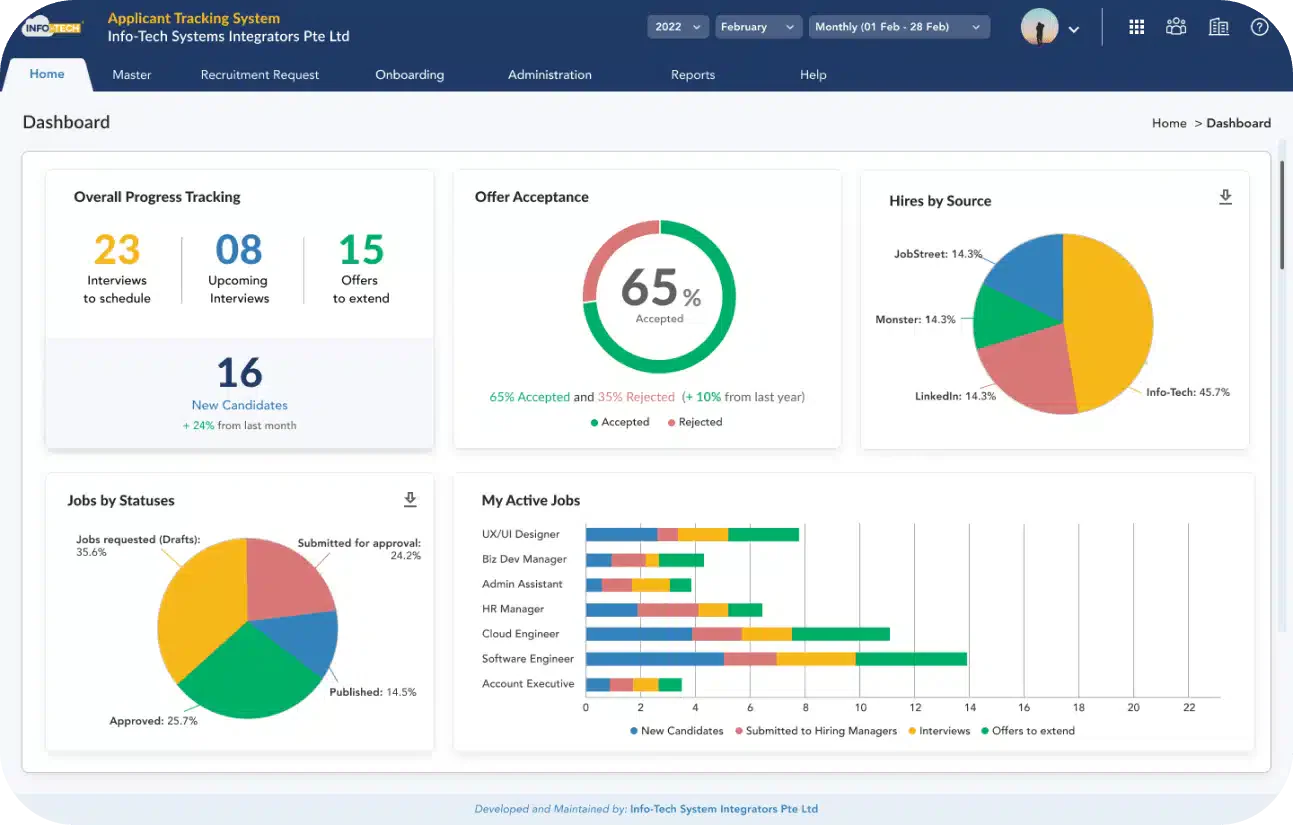
Info-Tech is a cloud-based Human Resource Information System (HRIS) designed for Malaysian businesses. It offers a comprehensive suite of tools to automate and simplify HR processes, including payroll, leave management, claims processing, time tracking, and recruitment.
Info-Tech ensures compliance with Malaysian labor laws, such as EPF, SOCSO, and PCB, making it a reliable solution for organizations aiming to enhance their HR operations.
Features:
- Face recognition attendance tracking
- GPS-enabled mobile attendance app
- Biometric fingerprint verification
- Time attendance with shift and overtime reports
- Payroll processing with statutory compliance
| Pros | Cons |
|
|
Info-Tech has been building HR software in Malaysia since 1999, which is longer than several other vendors on this list have existed as companies. That background shows in the compliance layer: LHDN Form EA generation, PCB Schedule calculations, and EPF i-Akaun integration are built into the core product. For Malaysian HR managers who also handle payroll and cannot afford gaps in compliance, the local knowledge behind Info-Tech's product is a practical advantage, not just a marketing point about being a local company.
8. iSmartRecruit
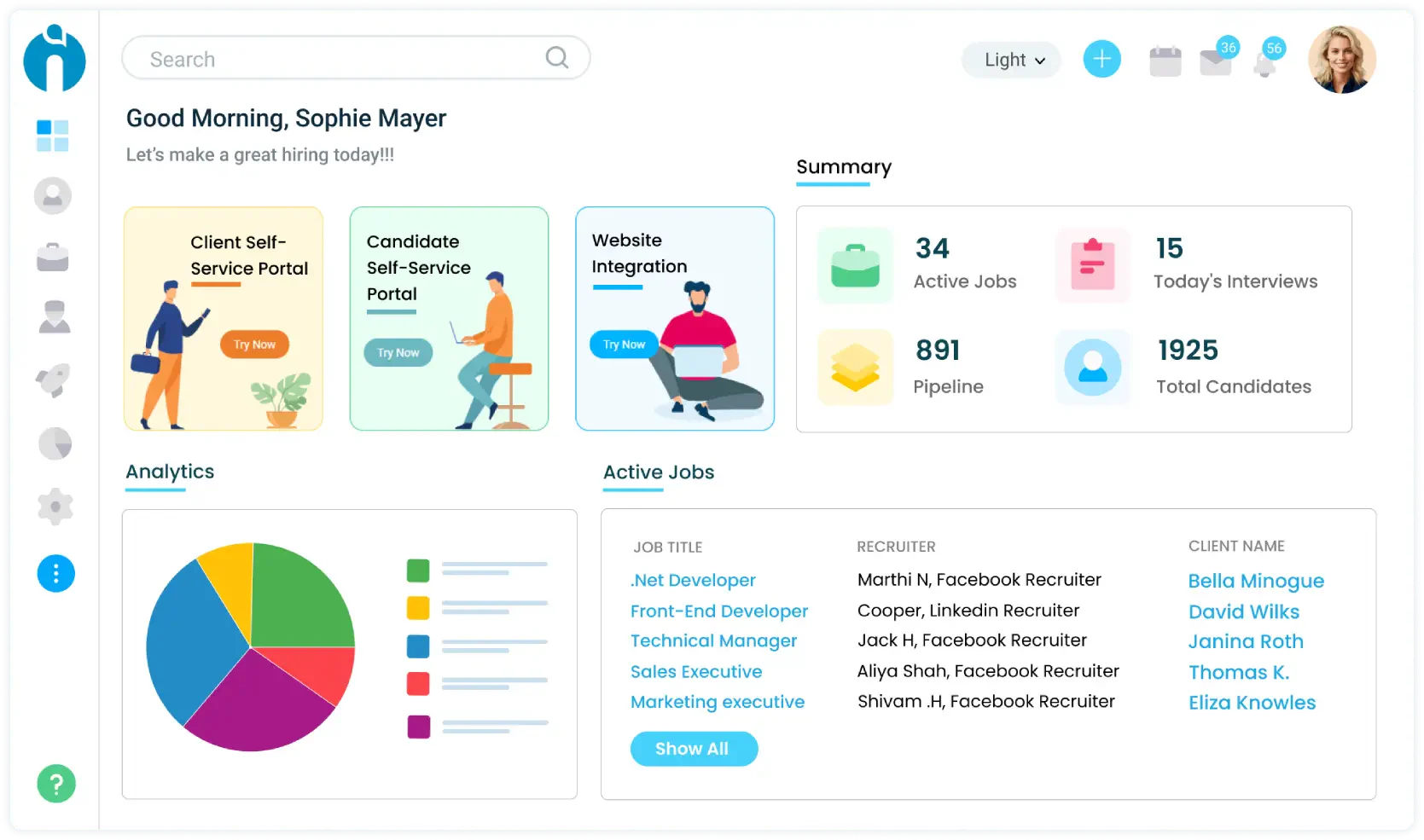
iSmartRecruit is an advanced AI-driven Applicant Tracking System that helps recruiters, HR teams, and staffing agencies simplify and improve their hiring processes. It offers a complete set of tools for smarter candidate sourcing, better engagement, and automation of recruitment tasks.
Available in Malaysia and globally, iSmartRecruit uses AI technology to optimize job postings, quickly analyze resumes, and automate hiring workflows, helping businesses improve recruitment efficiency.
Features:
- AI-based candidate matching
- Job matching with similar search suggestions
- Executive profile export options
- Integration with executive job boards
- Referral campaign management
| Pros | Cons |
|
|
When recruitment volume is high, with multiple roles open and hundreds of applications per posting, manual screening becomes the main bottleneck. iSmartRecruit's resume parser and candidate scoring tool is built for that volume. It ranks applicants by match percentage and flags missing requirements before a recruiter reads the first CV. The platform also tracks source-of-hire data across job boards and direct applications, so companies can see which channels produce actual interviewed candidates rather than just raw application numbers.
9. Vincere
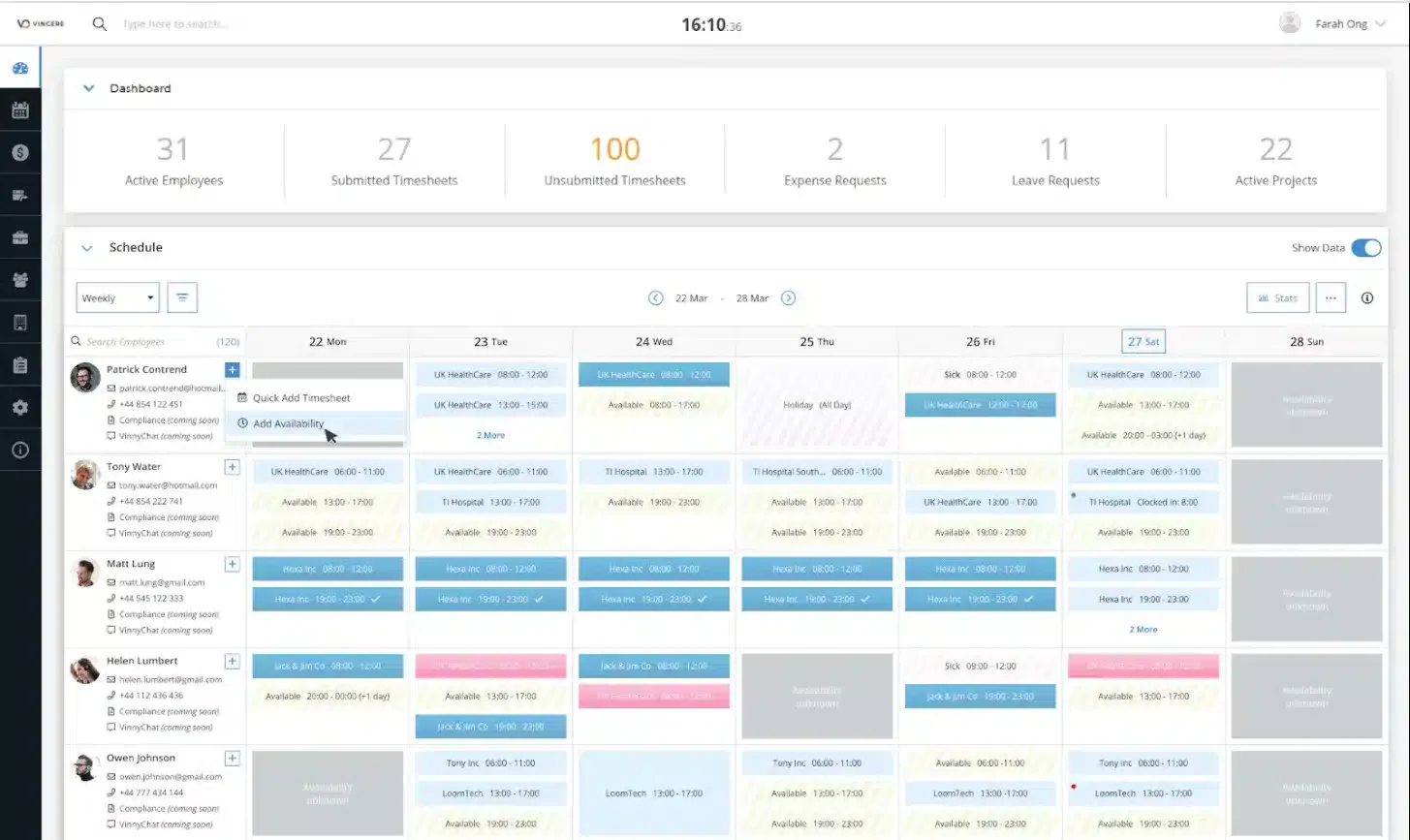
Vincere is a trusted Applicant Tracking System in Malaysia, offering a modern recruitment platform tailored for agencies and executive search firms. It emphasizes the use of automation, data-driven insights, and easy job board integration to simplify and speed up the hiring process.
The platform also supports GDPR compliance, provides mobile access for recruiters on the go, and features an AI-powered tracking system that helps businesses boost productivity and grow their recruitment capabilities in Malaysia.
Features:
- Resume parsing and candidate matching
- Social media platform integration
- Time tracking and management tools
- Recruitment data analytics
- Dedicated client and candidate portals
| Pros | Cons |
|
|
Vincere is not built for in-house HR teams. It is designed for recruitment agencies and executive search firms that place candidates on behalf of other organisations. Its main advantage for that use case is combining a recruitment CRM and an ATS in one interface. Agencies typically need to manage client relationships and candidate pipelines at the same time, and Vincere is structured around that workflow. Malaysian agencies in executive search, IT placement, or contract staffing that currently run their CRM and ATS in separate tools will find the consolidation reduces a lot of duplicate data entry.
10. Vultus
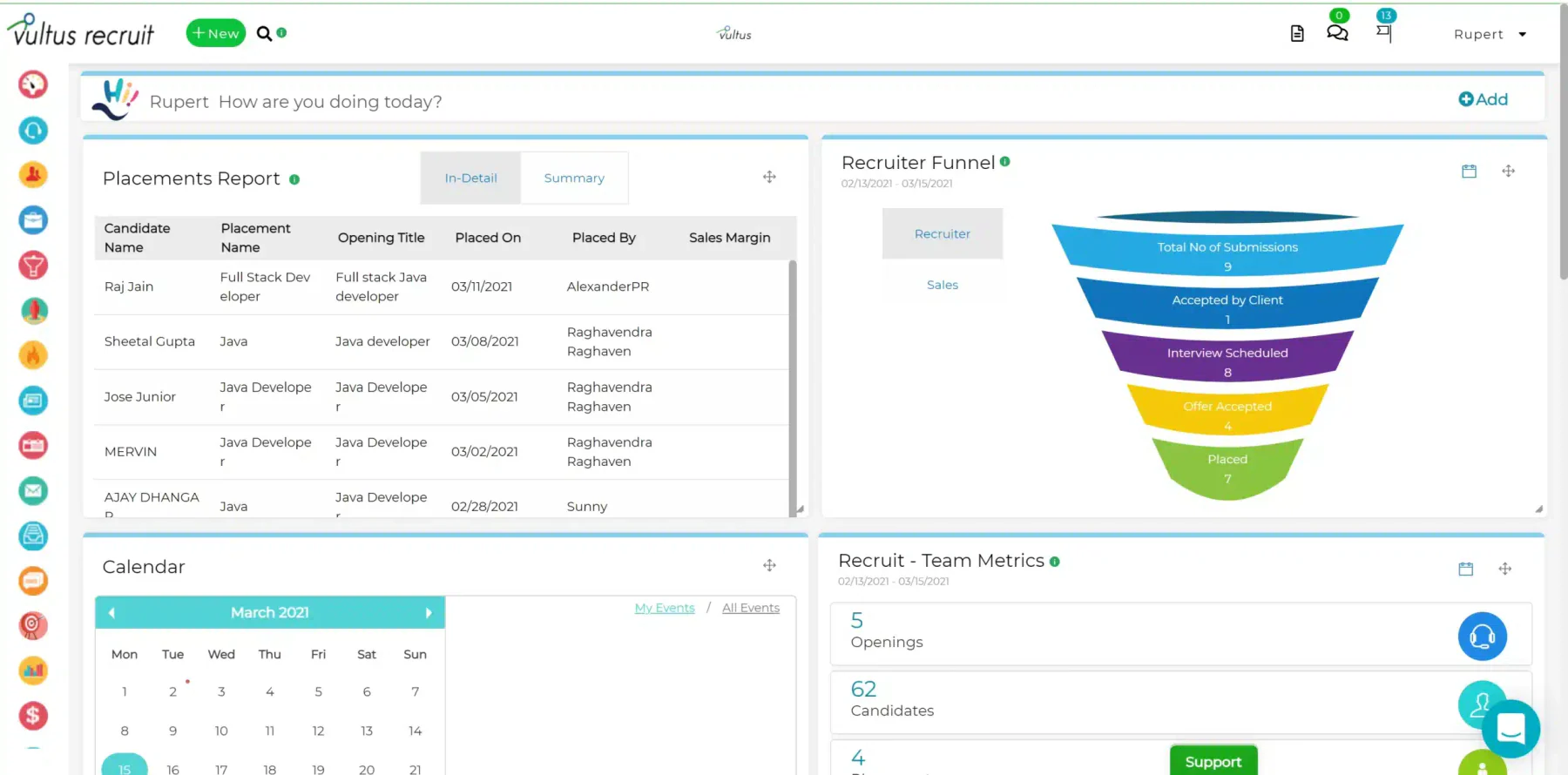
Vultus offers an AI-powered Applicant Tracking System in Malaysia, featuring two main solutions: Vultus Recruit, a complete ATS, and Vultus Connect for workforce management.
With tools to automate job postings, analyze resumes, manage timesheets, and process payroll, Vultus helps recruiters and HR teams simplify their hiring activities while ensuring smooth management of employees and vendors.
Features:
- Job posting and management
- Candidate sourcing tools
- Shortlisting and managing top candidates
- Built-in CRM for recruitment
- Bulk email campaigns
| Pros | Cons |
|
|
Vultus is purpose-built for IT staffing and consulting firms. It is not a general recruitment tool or a broad HR platform. It covers the specific workflow of matching bench candidates to open contract positions, with vendor management system integration and timesheet-to-invoice functionality included. For Malaysian IT staffing agencies that handle US or UK client accounts, that coverage fits the way the business actually operates. Companies outside IT staffing will find the platform limited in areas like structured interviewing and competency assessment.
The brands rated higher here earn their position because they are the most relevant to real business needs, from core features to implementation support and long-term cost, rather than the ones that just list the most features.
| Provider | PDPA Handling | Multilingual Hiring | Interview Workflows | HR/Payroll Integration |
|---|---|---|---|---|
| HashMicro | ||||
| Breezy | ||||
| BambooHR | ||||
| Zoho | ||||
| Info Tech |
How to Choose the Most Suitable Applicant Tracking System
Choosing the right ATS can be challenging, as an unsuitable system may complicate recruitment, create scattered data, and reduce efficiency. A capable ATS can simplify the process with AI-powered candidate matching, automatically evaluating CVs against job requirements based on skills, experience, and keywords to help recruiters identify qualified applicants faster with less manual screening.
To avoid these problems, consider these important points before making a decision:
- Identify your business needs: Determine what your recruitment process requires, such as automated candidate screening, system integrations, or detailed reporting. Select an ATS that matches the size and complexity of your hiring activities.
- Prioritize ease of use: Choose a platform with a simple, easy-to-navigate interface. This helps your HR team work more efficiently without spending too much time learning how to use the system.
- Ensure smooth integration: Check if the ATS connects easily with your existing systems like HR software, ERP, or CRM to maintain a seamless workflow and avoid repetitive data entry.
- Check PDPA 2010 readiness: Since an ATS stores personal candidate data, verify whether the system supports responsible data handling under Malaysia’s Personal Data Protection Act 2010 (PDPA 2010 / Act 709), including access controls, consent records, and data retention settings.
- Look for flexibility and room to grow: Pick a system that allows customization to meet your current needs and can scale as your business expands.
- Consider value over cost alone: Make sure the system fits your budget, but also look at long-term advantages like saving time and improving data management.
- Test before committing: Try free demos or trials to explore the system’s features and confirm it meets your expectations before making a final decision.
- HRD Corp/HRDC claimable: If your company submits HRD Corp training claims, verify whether the ATS integrates with your existing HRMS to track employee training records.
Which Applicant Tracking System Suits Your Business?
The right applicant tracking system depends on hiring needs, team size, and desired automation. At its core, an ATS manages the candidate pipeline from application to hire, keeping the process organized and preventing candidates from being overlooked. Smaller teams may prefer simple collaboration tools, while larger employers may need advanced automation, role-based access, and local compliance support.
| Business Scenario | Recommended ATS | Why It Fits |
|---|---|---|
| Company that needs full automation in recruitment and candidate assessment | HashMicro | HashMicro is ideal for businesses that want a complete ATS with advanced features like OCR resume screening, psychological testing, automated interviews, and seamless integration with HRM and accounting systems. |
| Large enterprise needing scalable recruitment and ERP integration | Oracle Taleo | Oracle Taleo is best for enterprises requiring strong reporting, AI-driven hiring, and deep integration with enterprise systems, though it comes with higher cost and complexity. |
| SME that wants simple and collaborative hiring workflow | Breezy HR | Breezy HR is suitable for small to medium businesses looking for an easy-to-use system with drag-and-drop pipelines, automation, and team collaboration features. |
| Business that prioritizes ease of use and onboarding | BambooHR | BambooHR works well for teams that want a simple interface for job posting, onboarding, and candidate communication without complex setup. |
| Business needing customizable recruitment workflows and automation | Zoho Recruit | Zoho Recruit is ideal for companies that want flexible workflows, AI-based candidate matching, and strong integration with other Zoho tools. |
| Malaysian company needing HR + recruitment + compliance in one system | QuickHR | QuickHR fits businesses that want recruitment combined with payroll, leave, and statutory compliance such as EPF, SOCSO, and PCB. |
| Organization that needs full HRIS with recruitment automation | Info-Tech | Info-Tech is suitable for companies looking for an all-in-one HRIS with attendance tracking, payroll, and recruitment tools tailored to Malaysian compliance. |
| Recruitment teams that want AI-driven hiring and automation | iSmartRecruit | iSmartRecruit is best for teams looking to leverage AI for candidate matching, resume analysis, and automated hiring workflows. |
| Recruitment agencies or executive search firms | Vincere | Vincere is designed for agencies that need CRM integration, analytics, and social media recruitment tools in one platform. |
| Business that wants ATS with workforce management features | Vultus | Vultus is suitable for companies that want recruitment, CRM, and workforce management combined with automation and resume parsing. |
Conclusion
An ATS should be judged by how well it manages candidate data across the hiring cycle, not only by how quickly it collects applications. For Malaysian HR teams, this includes screening, interview feedback, onboarding handover, payroll data, and statutory documentation.
The right choice depends on recruitment complexity. Small teams may need a clear application pipeline, while larger companies may require approvals, assessments, reporting, and HR integration.
A free demo can be used as a neutral step to check how the system fits real recruitment workflows before making a final decision.

FAQ on Applicant Tracking System
Pricing varies depending on the platform and company size. Cloud-based options like Breezy HR and Zoho Recruit start from around USD 20 to 50 per user per month, while locally built platforms like Info-Tech and QuickHR use module-based pricing that suits companies bundling recruitment with payroll or leave management. Enterprise platforms like Oracle Taleo are custom-quoted. Requesting proposals from two or three vendors before committing is advisable, since pricing structures differ significantly across the market.
PDPA compliance is the responsibility of the organisation using the ATS, but the platform needs to support it. Look for systems that offer configurable data retention policies, candidate consent management, and the ability to delete or anonymise candidate records on request. Platforms built for the Southeast Asian market, such as QuickHR and Info-Tech, are more likely to have PDPA-relevant configurations already in place compared to US-built platforms that may require manual setup.
For smaller companies using cloud-based platforms, setup can take one to three days since most configuration is handled through guided onboarding. Mid-sized companies integrating an ATS with existing payroll or HRIS systems should expect two to eight weeks depending on the complexity of the integration. Enterprise implementations, particularly for platforms like Oracle Taleo, typically run three to six months and involve IT resources on both sides.
Most ATS platforms are designed to connect with existing HR tools, though the depth of integration varies by vendor. For Malaysian companies, the most common integration needs are with payroll systems that handle EPF, SOCSO, and PCB calculations. Locally built platforms like Info-Tech and QuickHR tend to have these integrations pre-configured, while global platforms may require middleware or a custom API setup. Before selecting an ATS, confirm which systems it connects to natively and whether the integration is maintained by the vendor or depends on a third-party tool.
For Malaysian SMEs with fewer than 100 employees, the most practical options are platforms with transparent pricing, minimal IT setup, and support for local job boards. Breezy HR and Zoho Recruit are commonly used at this scale due to their ease of setup. QuickHR and Info-Tech are stronger choices if local compliance features such as EPF and SOCSO alignment are a priority, even at smaller company sizes.
Hardware attendance such as biometric scanners, QR codes, and access cards is handled by the HRIS or time and attendance module, not the ATS. The connection matters at onboarding: once a candidate is hired, their record moves into the HRIS, and attendance hardware reads against that record from that point. For Malaysian companies, biometric data falls under sensitive personal data in the Personal Data Protection Act 2010 (PDPA / Act 709), so verifying how the HRIS stores and encrypts it before deployment is important. QR code and card systems carry lower data sensitivity but offer less fraud prevention, which is a relevant trade-off for businesses with shift workers or multiple sites.