







Wholesale businesses often manage thousands of SKUS, bulk orders, fluctuating demand, and stock movements across multiple warehouses. Without accurate inventory records, these operations can lead to overselling, excess stock, delayed shipments, and costly picking errors. An inventory management system for wholesale helps businesses track stock levels, coordinate orders, and maintain product availability across their supply chain.
Finding the right system, however, means identifying which features address your specific operational bottlenecks. Some wholesalers struggle with inaccurate stock counts, while others face challenges with batch tracking, replenishment planning, or synchronising inventory across sales channels. Comparing available solutions based on these requirements helps you select software that can handle your current workload and support future growth.
Key Takeaways
Inventory management systems track all products across categories and warehouses, reducing stockouts and ensuring smooth operations. This allows businesses to meet client demands efficiently while optimizing supply levels.
The system consolidates order data, monitors stock movements in real time, and prevents order delays. Automation reduces human errors, enhances accuracy, and ensures timely reordering to maintain stock availability.
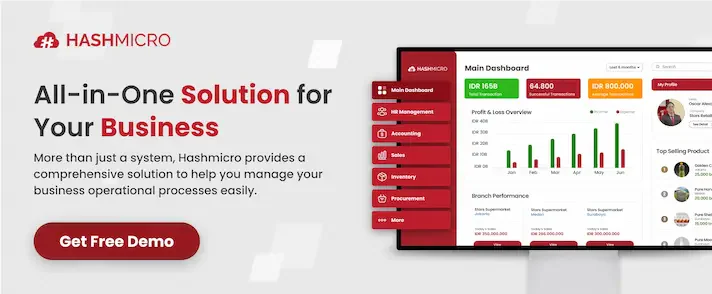
HashMicro inventory management software offers an advanced system that streamlines stock tracking and reordering. Its dashboard integrates inventory control, optimizing business operations and enhancing wholesale efficiency.

Why Are Inventory Management Systems Important?
You need to know why inventory management systems are essential for your business. When you know it, you can consider implementing this system in your business. Here are the reasons:
Access to all of your products in one place
As a wholesale owner, managing multiple product lines requires full stock visibility. A cloud based inventory system allows you to track products across various categories and warehouses, reducing stock shortages and meeting customer demands efficiently. This streamlined tracking helps prevent supply chain disruptions and ensures better inventory control.
Centered access for customers
Managing and tracking your daily wholesale sales using only several accounts and spreadsheets will require much effort and time. Combined with the high amount of documents, it is inevitable that you will become confused. Consequently, the chance of human error exists. For this reason, it is preferable to employInventory Management Software that consolidates your store’s order information in a single location. Thus, you can track, access, and manage this data more easily.
Read more: 10 Best Wholesale Distribution Software in 2026
Instant sales order details
Processing customer orders promptly is challenging for this company in the wholesale market. Most wholesale companies receive customer orders via fax, email, or text message. The ineffectiveness of the media might result in delays in fulfilling client requests and delivery orders.
In addition, if there are problems with customers sending messages to wholesalers, such as messages not being delivered on time or other circumstances, this can increase the loss of many potential sales orders and order cancellations. Therefore, inventory management systems monitor order information in real-time so that you can instantly fulfill these orders. This can also boost the company’s turnover and decrease the risk of order cancellations.
Auto-updates
The daily volume of wholesale sales transactions is, of course, substantial. As a result of these transactions, the products acquired by clients will certainly lower your supply. Consequently, it is essential that you assure stock availability, whether or not it is sufficient, by keeping track of incoming and exiting stock. Manually updating the total stock is impossible. You require an inventory management system that can automate real-time stock updates. Thus, you will merely need to watch them without counting them individually.
Re-order notifications
Accuracy in receiving purchase orders is a factor that buyers consider before making a purchasing decision. Therefore, the product you sell must be available at all times. You must constantly be prepared to reorder products that have surpassed the minimal level. To avoid forgetting to reorder it, you can take advantage of a function in the inventory system that notifies you when a product is nearing its minimum and automatically reorders from vendors. It will enhance your consumers’ shopping experience by the availability of the products they require.

Top 7 Inventory Management System for Wholesale
Wholesale businesses need inventory software that can manage high product volumes, multiple warehouses, purchase orders, stock transfers and customer fulfilment. The following systems suit different business sizes, workflows and budgets in Singapore.
1. HashMicro
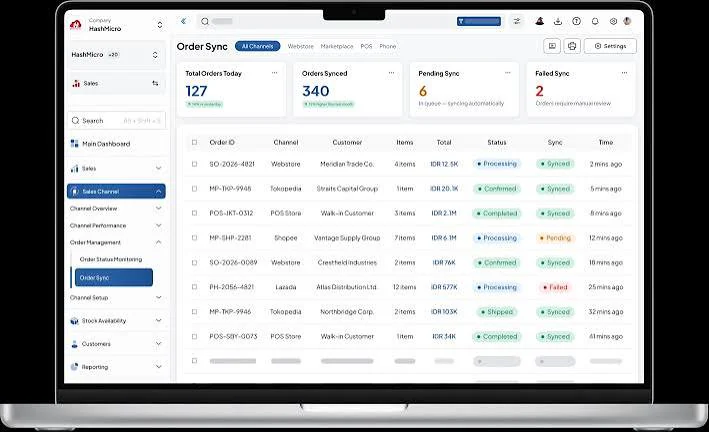
HashMicro is an integrated ERP platform for wholesalers that combines inventory, purchasing, sales, accounting, warehouse management and reporting in one system. It is suitable for businesses that want to connect inventory operations with broader financial and operational processes.
| Pros | Cons |
|---|---|
| Integrated ERP modules, multi-warehouse management, automation and local business support | Pricing is quote-based and implementation may require more planning than basic inventory tools |
Best for: Medium-sized and growing wholesalers that need an integrated ERP system.
Pricing (SGD): Custom quotation based on modules, users, implementation and business requirements.
2. Cin7 Core
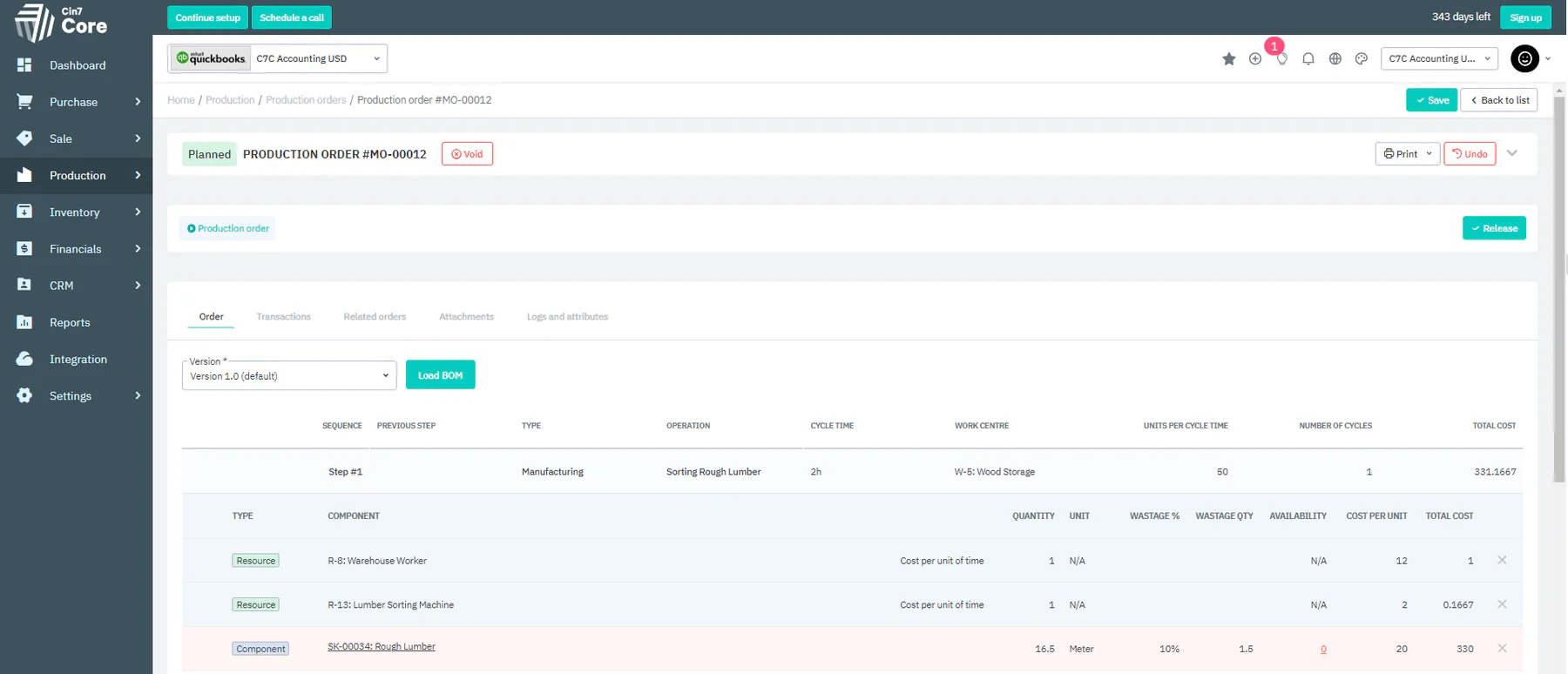
Cin7 Core is designed for product-based businesses that need inventory control, purchasing, warehouse management, manufacturing and integrations with ecommerce and accounting platforms.
| Pros | Cons |
|---|---|
| Strong inventory visibility, purchasing workflows, warehouse features and ecommerce integrations | Advanced features can increase the subscription cost, and setup may require specialist support |
Best for: Growing wholesalers with ecommerce, distribution or light manufacturing operations.
Pricing (SGD): From approximately S$470 per month, based on Cin7 Core’s published US starting price of US$349 per month, excluding taxes and implementation.
3. Unleashed
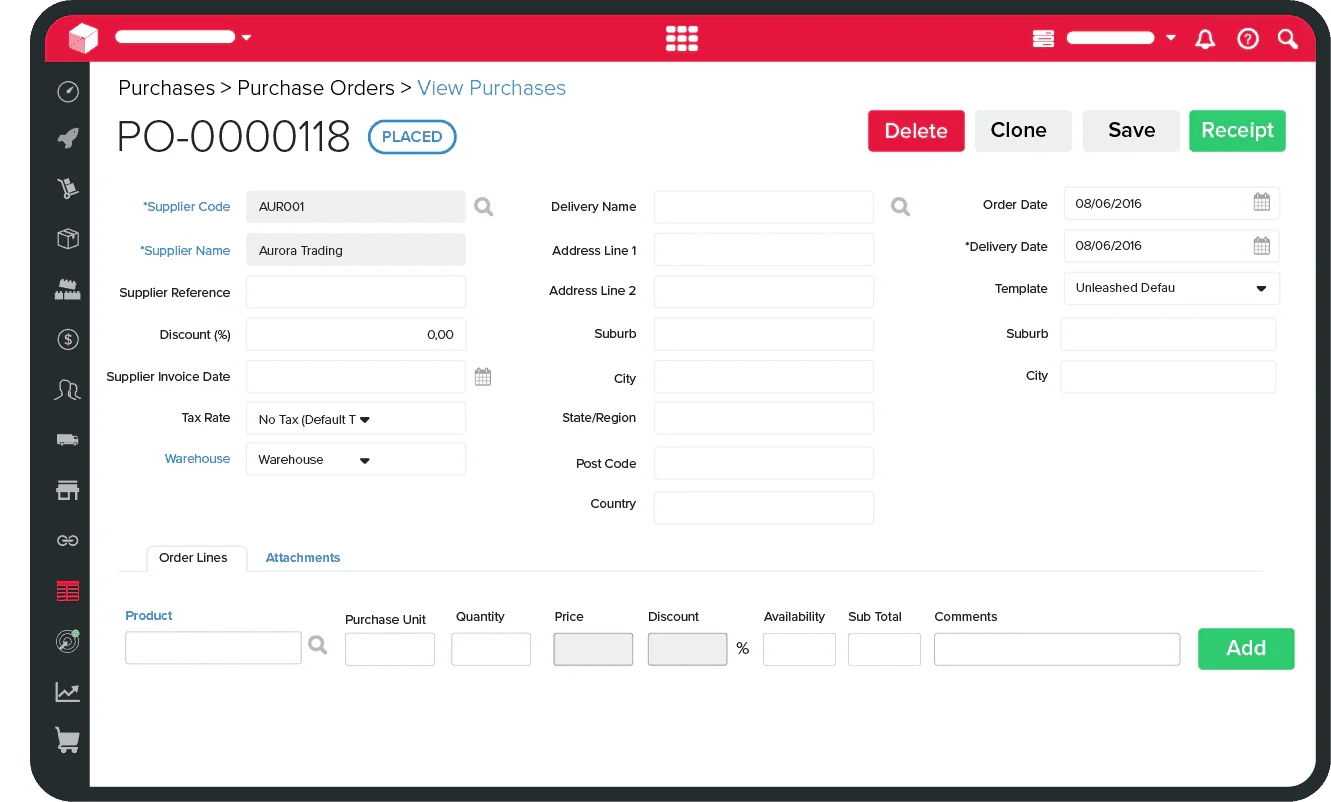
Unleashed focuses on inventory management for wholesalers, distributors and manufacturers. It supports stock tracking, batch and serial numbers, warehouse transfers, purchasing and product costing.
| Pros | Cons |
|---|---|
| Detailed stock control, batch and serial tracking, product costing and demand planning | Higher-tier plans can be expensive, and some businesses may need additional accounting integrations |
Best for: Product businesses that require detailed inventory, batch and costing controls.
Pricing (SGD): Approximately S$540 per month for the Core plan or S$985 per month for the Pro plan, based on published US prices of US$399 and US$729 per month.
4. Zoho Inventory
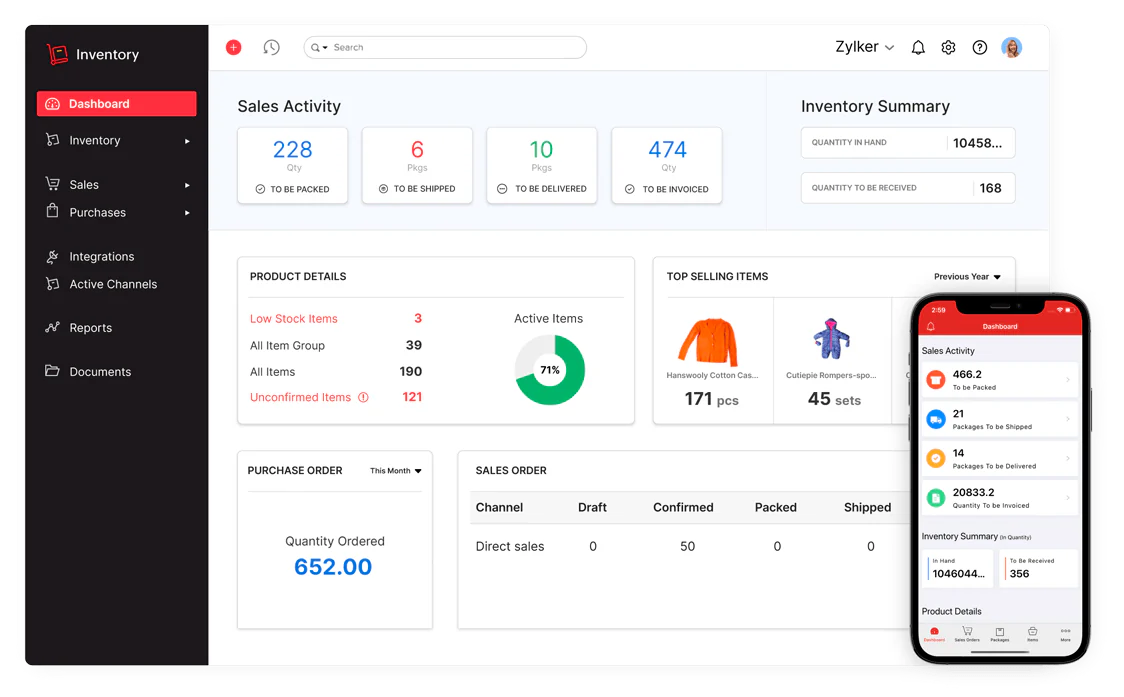
Zoho Inventory supports stock tracking, sales and purchase order management, warehouse control, barcode scanning and integrations with other Zoho applications.
| Pros | Cons |
|---|---|
| Accessible pricing, user-friendly interface, barcode support and strong integration with Zoho apps | Some advanced capabilities are limited by plan, order volume and add-on requirements |
Best for: Small wholesalers and businesses already using Zoho Books, Zoho CRM or other Zoho applications.
Pricing (SGD): Plan-based pricing; check the Singapore plan selector for the latest monthly rates.
5. NetSuite
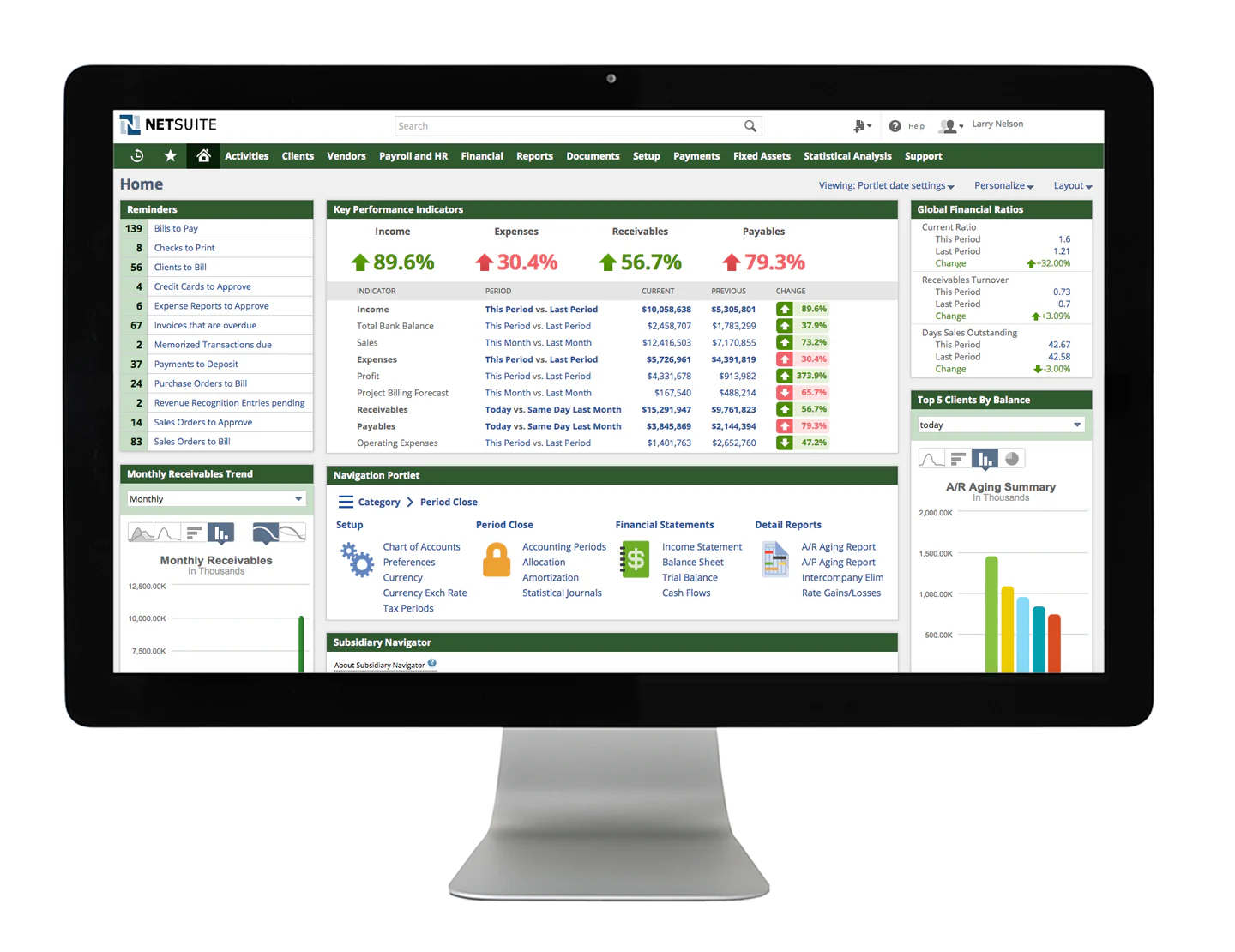
NetSuite provides cloud ERP capabilities for growing and international wholesalers. Its features include inventory, procurement, financial management, order management, warehouse operations and multi-entity reporting.
| Pros | Cons |
|---|---|
| Broad ERP functionality, strong financial controls, multi-entity support and international scalability | Implementation is complex, total costs can be high and pricing is not publicly listed |
Best for: Large wholesalers and international businesses with complex financial and operational requirements.
Pricing (SGD): Custom quotation. Budget separately for annual licences, modules, users, implementation and support.
6. Microsoft Dynamics 365 Business Central
Business Central connects inventory, purchasing, sales, finance and supply chain processes. It may suit wholesalers already using Microsoft 365, Excel, Power BI or other Microsoft business tools.
| Pros | Cons |
|---|---|
| Strong Microsoft ecosystem integration, financial management, reporting and supply chain capabilities | Requires user-based licensing and partner support for localisation, implementation and customisation |
Best for: Wholesalers that already rely on Microsoft 365, Power BI or other Microsoft products.
Pricing (SGD): Approximately S$108 per user per month for Essentials and S$148 per user per month for Premium, based on published US list prices of US$80 and US$110.
7. Odoo
Odoo offers modular applications for inventory, purchasing, sales, accounting, CRM and ecommerce. Wholesalers can start with core inventory features and add other applications as their operations grow.
| Pros | Cons |
|---|---|
| Flexible modular structure, broad application catalogue and customisable workflows | Implementation quality varies by partner, and customisation can increase long-term maintenance costs |
Best for: Small and mid-sized wholesalers that want a modular platform with room for customisation.
Pricing (SGD): Plan-based pricing; confirm the latest Singapore price with Odoo because the total depends on users, applications, hosting and implementation.
Note: Prices are indicative comparisons only. Confirm the final Singapore quotation, GST treatment, implementation fees, user limits and support costs directly with each provider.
Inventory Management Systems For Your Wholesale Business
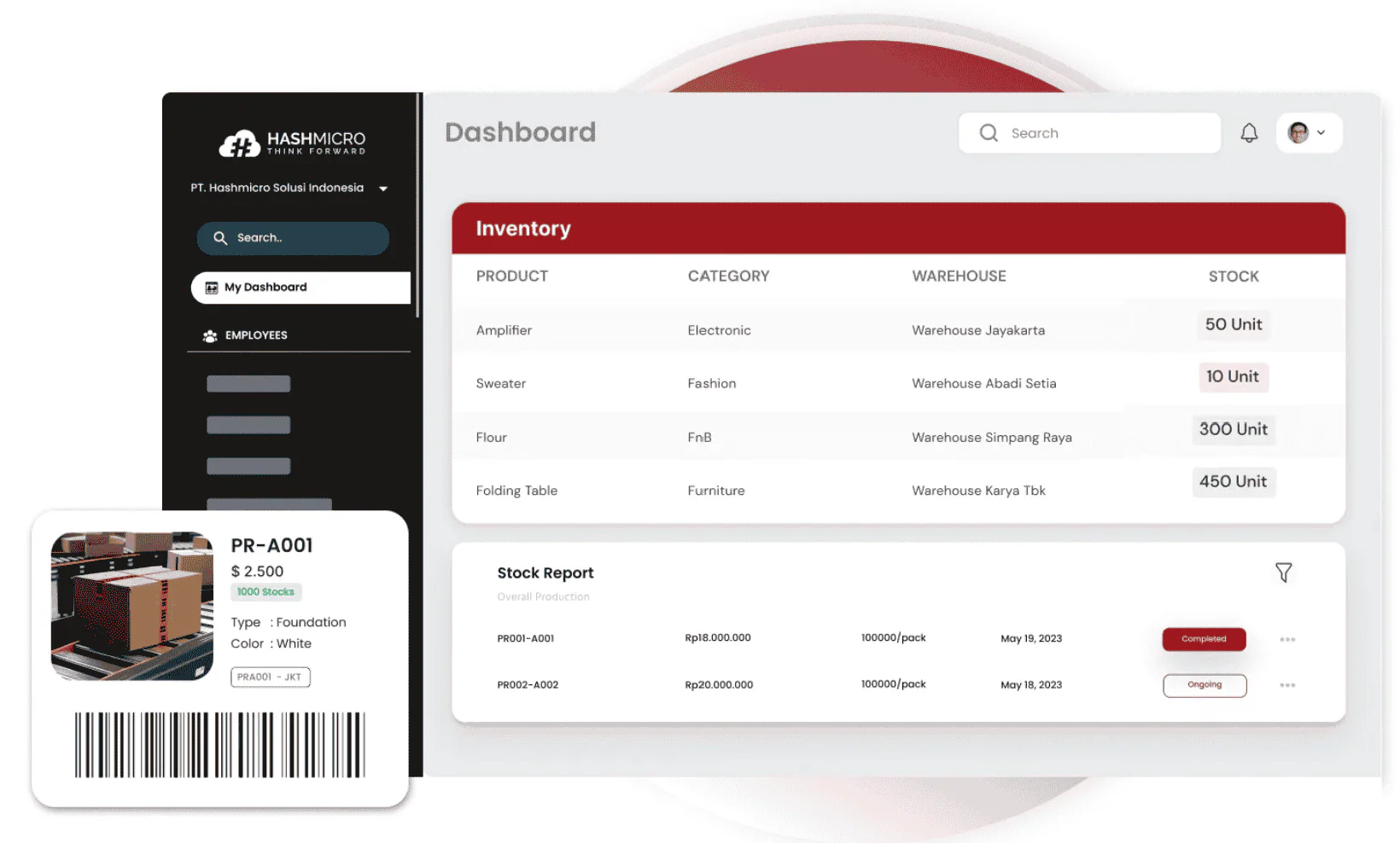
HashMicro provides innovative inventory management systems as one of the solutions in our software for wholesale businesses. This system should be used because it helps streamline your business operations. Thus, you can take advantage of stock monitoring; the inventory system can seamlessly handle and monitor stock movements. Additionally, this system helps optimize inventory levels by alerting you to repurchase products based on predicted inventory demand. One dashboard streamlines the management of on-hand inventory, stock-in, stock-out, and internal transfers. Therefore, you do not need to switch between systems to check stock levels.
Also read: Ways an Inventory System Increases Sales in a Retail Business
Conclusion
Purchasing and selling products are essential to a wholesale business. These actions on a massive scale occur routinely. That is why you must manage many products at the store or in the warehouses. You cannot manually manage it due to a large number of items. You require inventory management systems.
An Inventory Management Software can provide complete stock visibility, consolidate your store’s order information in a single place, monitors order information in real-time, automates real-time stock updates, and reorders products automatically. If you are interested in this system, please contact us for a free demo and in-depth consultation regarding Inventory Management Systems or other ERP Systems with our business expert.

Frequently Asked Questions About Inventory Management for Wholesale
Wholesalers handle large volumes of products and orders. An inventory management system helps them see available stock, track movements across warehouses and fulfil customer orders without relying on scattered spreadsheets.
The system updates stock records as goods arrive or leave and can alert teams when quantities approach a reorder level. This gives buyers time to replenish products before they run out.
Yes. Multi-warehouse inventory software shows quantities by location and records internal transfers, helping teams find available products and keep location records accurate.
By connecting order information with current stock levels, the software helps teams check availability, process orders promptly and identify shortages before dispatch.
No. Automatic updates improve day-to-day visibility, but regular physical counts are still needed to detect discrepancies, damaged goods and transactions that were recorded incorrectly.
Look for real-time stock visibility, multi-warehouse tracking, order management, reorder alerts, stock movement records and reporting. Test these features against your product range, order volume and existing purchasing and sales workflows.