








The logistics channel of today’s modern business ventures has become increasingly complex due to a vast array of product variants. This complexity especially affects big brands and e-commerce ventures, which need a robust solution for their inventory management processes.
To maintain a competitive edge, these businesses implement inventory automation technology, known as inventory management software. This powerful tool simplifies the inventory management process, making it more efficient and effective.
Inventory management software is essential for tracking and managing material purchases and product sales, aligning them with customer interests. By automating these processes, businesses can reduce errors, save time, and enhance overall efficiency.
A cloud based inventory system further enhances these benefits by offering seamless integration, real-time updates, and scalability for growing businesses. Explore the key features of inventory management software that help businesses grow, ensuring you stay ahead in the competitive market.
Key Takeaways
Enhanced Efficiency: Inventory management software automates categorization, order management, and procurement processes, reducing manual efforts, minimizing errors, and optimizing warehouse space and inventory levels.
Improved Decision-Making: The software provides comprehensive inventory reports and real-time tracking, enabling businesses to analyze sales trends, monitor key performance indicators, and make informed decisions to boost performance.
Increased Customer Satisfaction: By streamlining operations and ensuring accurate inventory tracking, businesses can respond quickly to customer inquiries, fulfill orders promptly, and maintain a reliable supply chain, leading to higher customer satisfaction and loyalty.
What is Inventory Management Software?

Inventory management software is a powerful tool designed to help businesses track and manage their inventory levels, orders, sales, and deliveries. This software automates the complex process of inventory tracking, ensuring that businesses maintain optimal stock levels, avoid overstocking or stockouts, and streamline their supply chain operations. By providing real-time visibility into inventory status and movement, it allows businesses to make informed decisions and respond quickly to market demands.
Some of the reasons to use inventory management software are:
- Know the stock position and its exact location in the warehouse.
- Make sure the physical stock matches the records, especially when the software is integrated with other ERP modules.
- Avoid idle stock that locks up finances, and position stock across multiple warehouses based on demand.
- Track delayed shipments and separate perishable goods from durable ones, for example by offering discounts on items nearing their expiry date.
In addition to tracking inventory, this software integrates various functions such as procurement, order management, warehouse management, and barcode scanning, thereby enhancing overall efficiency and accuracy. The key features of the inventory management software which helps businesses grow are:
Categorization of Products and Suppliers
Inventory management software enhances business performance by organizing products and suppliers. It makes products easily searchable by price, name, supplier, date, and popularity. This streamlined categorization reduces the time spent searching for products and improves overall efficiency.
The software tracks supplier performance, enabling businesses to make informed decisions about which suppliers to use. This ensures a consistent and reliable supply of products, which is crucial for maintaining smooth operations and meeting customer demands.
Categorization aids in strategic planning and analysis. Businesses can analyze sales trends and identify high-performing products, allowing them to optimize their inventory and improve customer satisfaction.
Order Management and Warehouse Management
The inventory management system simplifies order and warehouse management. It automates the process of managing purchases and sales, tracking inventory levels, and managing orders and invoices. This automation reduces manual work and minimizes errors, leading to more efficient operations.
The software provides real-time visibility into inventory status and order fulfillment. This enables businesses to respond promptly to customer inquiries, process orders quickly, and ensure timely delivery, enhancing customer satisfaction.
Warehouse management features optimize the use of warehouse space. The software suggests efficient storage locations and streamlines the picking and packing process, reducing the time and labor required for inventory handling and improving productivity.
Procurement Processing
Inventory software streamlines procurement processing by automating billing and tracking tasks. This reduces time wastage and minimizes the manual effort required, leading to more efficient procurement operations and improved supply chain management.
The software provides tools for monitoring procurement performance and managing purchase orders. This ensures accurate records of all procurement activities, improving transparency and accountability in the procurement process.
Inventory management software supports demand forecasting and inventory planning. By analyzing historical data and market trends, businesses can accurately anticipate their procurement needs, avoiding stockouts and minimizing excess inventory.
Barcode Integration
This software utilizes barcode technology to enhance efficiency. It tracks orders, controls shipments, and updates inventory records quickly and accurately. This reduces the risk of errors and improves data accuracy across the entire supply chain.
Barcode integration simplifies warehouse operations by speeding up the process of locating and tracking products. Employees can quickly find items within the warehouse, reducing the time spent searching for products and increasing order fulfillment speed.
Barcode technology provides real-time visibility into inventory levels and movements. This helps businesses manage their inventory more effectively, ensuring accurate stock levels and preventing discrepancies that could disrupt operations.
Inventory Reports
Inventory management software provides comprehensive inventory reports that simplify sales information processing. These reports help businesses monitor key performance indicators such as turnover rates, order accuracy, and fulfillment times, allowing for continuous improvement.
The software’s inventory tracking capabilities keep businesses updated on shipment statuses, production stages, and dispatch details. This real-time information enables businesses to manage their supply chain more effectively and respond quickly to any issues.
Inventory reports provide insights into sales trends and product performance. Businesses can use this information to make informed decisions about inventory management, ensuring they have the right products available to meet customer demand and improve overall business performance.

Why Move to a Cloud Inventory Management System
Moving your business operations to a cloud based inventory system offers some great benefits for any business. Here's why:
1. Manage inventory from anywhere
Cloud-based inventory management lets you view, track, and run inventory reports wherever you are. Multi-user access allows all team members to see where items are and who is using them. Inventory apps help you improve logistics and ensure supplies or products are available when needed.
2. Improve internal collaboration
Keeping track of inventory levels and maintaining the correct amount is one of a business's essential responsibilities. Too much inventory can drain your budget and limit cash flow, while too little stock can result in backorders, dissatisfied customers, and lost revenue.
One cause of inaccurate inventory counts is a lack of transparency in the supply chain management system. This leads to a lack of synchronization between partners, suppliers, manufacturers, distribution centers, sales divisions, and anyone in between. Cloud inventory facilitates transparency between you and all other collaborating parties. This better collaboration and communication ensures smoother integration and speeds up transactions overall.
3. More cost-effective
Traditional inventory systems can be costly. Cloud-based systems can be an excellent solution for small businesses, especially those that don't have good local IT support. Cloud inventory is also compatible with the tools that companies generally use. When it comes to inventory management, businesses shouldn't have too much or too little stock on the shelves, and an online system makes it easier to track, assess, and manage stock accurately.
Having your inventory management system in the cloud also means you can scale your operations as needed. Companies can keep using the same solution for years and add new features as the business grows.
4. Minimize errors
From data entry and inventory level updates to reorder points, many errors can occur during the inventory management process. Thanks to automation, many of the unavoidable problems associated with human error can be minimized or eliminated. With fewer errors, your profitability increases and you spend less time troubleshooting problems. Producers and logistics partners also get accurate information immediately, which helps all parties save time and money.
Best Software to Improve Your Inventory Management
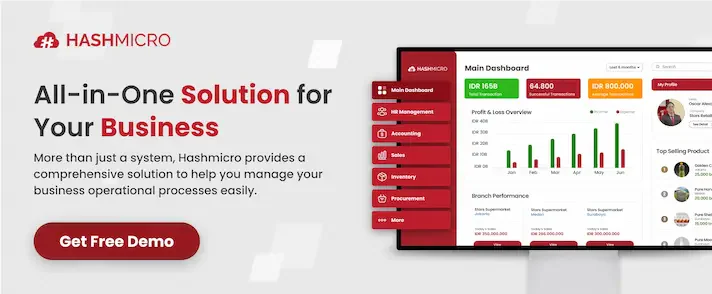
HashMicro is Singapore's No.1 ERP provider, with proven ERP solutions for clients all over the world. With proper streamlining, you get better control over supplies, stock, vendors, and purchasers.
Several routine tasks, such as generating purchase orders, invoices, receipts, credit notes, and goods receipt (G/R) notes, are automated. The software can also be integrated with the accounting system and HRM to track the financial side of inventory and manage the employees involved in inventory management.
Conclusion
Inventory management software plays a crucial role in boosting business performance by streamlining processes, improving efficiency, and providing valuable insights. By categorizing products and suppliers, automating order and warehouse management, enhancing procurement processing, integrating barcode technology, and generating comprehensive inventory reports, businesses can optimize their operations and ensure a smooth supply chain.
Incorporating inventory management software enables companies to make informed decisions, reduce manual workload, and improve customer satisfaction. As a result, businesses can achieve greater productivity, cost savings, and overall growth, staying competitive in an ever-evolving market.