





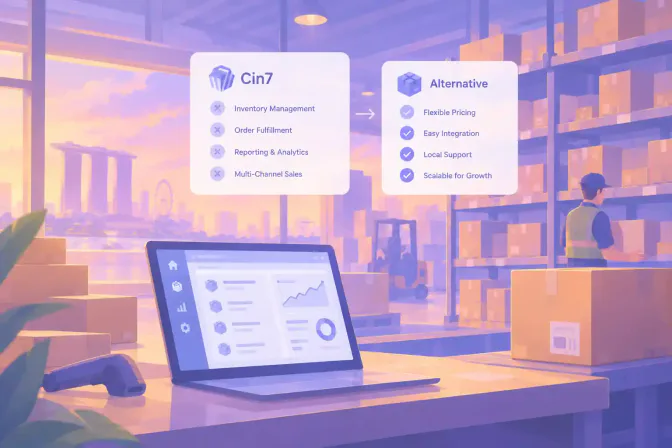
Cin7 alternatives help Singapore businesses compare inventory, order, warehouse, and manufacturing tools before switching platforms. The right choice depends on your channels, stock complexity, and growth plans.
Cin7 can suit growing product businesses, but its features and pricing may not fit every team. Smaller companies often need simpler workflows, while larger firms may need deeper finance and reporting controls.
This article compares leading Cin7 competitors by features, cost, integrations, and business fit. It also explains how Singapore companies can assess local tax, currency, warehouse, and support requirements.
Key Takeaways
Cin7 is cloud software for inventory, orders, purchasing, warehouses, sales channels, and integrations, but alternatives may better suit simpler or broader needs.
Comparing Cin7 in Singapore means checking stock controls, integrations, manufacturing, GST, multi-currency support, and local implementation.
The 8 best Cin7 alternatives include HashMicro, Unleashed, Zoho Inventory, inFlow, Fishbowl, Odoo, Katana, and NetSuite for different business needs.
Choosing the best Cin7 alternative starts with mapping workflows, checking migration and integrations, testing user experience, and comparing three-year ownership costs.

Best Because
ERP-connected inventory linking stock, purchasing, sales, and accounting.


Best Because
Inventory and production control for product businesses without a full ERP.

Best Because
Budget-friendly multichannel stock control, especially for Zoho users.

Best Because
Straightforward inventory workflows for small and mid-sized teams.

Best Because
Warehouse and manufacturing depth for businesses outgrowing basic stock apps.

Best Because
Modular, customisable business suite with inventory at its core.
Best Because
Production-focused inventory software for small manufacturers.

Best Because
Enterprise inventory and financial control for multi-entity, multi-currency firms.
What Is Cin7?
Cin7 is cloud-based software for managing inventory, orders, purchasing, warehouses, and sales channels. It helps product businesses coordinate stock across ecommerce, wholesale, retail, and third-party logistics operations.
The platform can connect inventory records with purchasing, fulfilment, manufacturing, and accounting integrations. This gives teams a shared view of stock movement, orders, and product availability.
However, Cin7 is not the same fit for every business. Companies may compare alternatives when they need simpler setup, lower costs, stronger manufacturing, or broader enterprise controls.
| Area | What Cin7 Typically Covers | Why Businesses Compare Alternatives |
|---|---|---|
| Inventory | Multi-location stock tracking and availability | Some teams need simpler stock workflows |
| Orders | Sales orders across multiple channels | Smaller teams may not need advanced routing |
| Warehousing | Receiving, fulfilment, and warehouse coordination | Businesses may need deeper bin or barcode controls |
| Manufacturing | Assemblies, bills of materials, and production workflows | Manufacturers may need more advanced planning |
| Reporting | Inventory, sales, and operational reporting | Growing companies may need finance-linked reporting |
"Cin7 suits businesses that sell across many channels, but fit matters more than feature lists. Teams should check whether its workflows match how they receive, store, and sell stock every day."
Why Are Businesses Looking for Cin7 Alternatives?
Businesses usually compare Cin7 alternatives when the platform no longer matches their operating model. The reasons often involve cost, complexity, integrations, or gaps in connected business functions.
1. Cin7 pricing and add-on costs
Subscription costs can rise as businesses add users, order volume, integrations, or advanced modules. Companies should therefore compare the complete monthly cost, rather than the starting plan alone.
Additional expenses may include onboarding, data migration, connector fees, and specialist support. These costs can change the value calculation for a Singapore SME with a limited operations team.
2. Complexity for small and mid-sized teams
Cin7 supports complex inventory operations, but smaller teams may not use every available feature. A platform with fewer setup requirements can help staff manage stock and orders more consistently.
Complex workflows also create training demands when employees handle purchasing, sales, fulfilment, and stock adjustments. A simpler alternative may reduce the time needed to adopt new processes.
3. Gaps in finance, local compliance, or industry depth
Some businesses need inventory records to connect directly with accounting, purchasing, sales, or manufacturing data. They may compare broader ERP platforms when separate integrations create duplicate work.
Singapore companies may also need multi-currency support, GST-ready reporting, and local implementation support. These requirements should be checked before selecting an inventory replacement.
How to Compare Cin7 Competitors in Singapore
A useful comparison starts with business workflows rather than feature counts. Review how products move from purchasing to storage, sale, fulfilment, and financial reporting.
1. Inventory and warehouse controls
When comparing inventory management software, check whether each platform supports multi-location stock, stock transfers, cycle counts, barcode scanning, and reorder points. These controls matter when your Singapore operation manages several storage areas or outlets.
Also review how the system handles batch, serial, and expiry information. Those details become more important when products require traceability or controlled stock rotation.
2. Multichannel, POS, and marketplace integrations
Many product businesses sell through ecommerce stores, marketplaces, retail outlets, and wholesale accounts. The system should keep stock and orders aligned across those channels.
Confirm which integrations are native and which require paid connectors. A low-cost platform can become expensive when every sales channel needs a separate integration.
3. Manufacturing, BOMs, and landed costs
Manufacturers should compare bills of materials, assemblies, work orders, production tracking, and material costs. Distributors should also check landed-cost tools for freight, duties, and supplier charges.
These features help teams calculate more reliable product margins. They also show whether a platform supports manufacturing depth or only basic stock control.
4. Singapore GST, multi-currency, and support
Singapore businesses should check how each system handles GST, foreign currencies, tax-inclusive pricing, and financial reporting. These requirements can affect how inventory data flows into accounting records.
Local support also matters during migration and staff training. Compare response times, onboarding services, implementation partners, and the availability of help for Singapore users.
| Comparison Criterion | Questions to Ask | Singapore Business Relevance |
|---|---|---|
| Stock control | Can it track stock by location, batch, serial, and expiry? | Supports accurate warehouse and outlet records |
| Integrations | Which ecommerce, POS, accounting, and marketplace tools connect? | Reduces duplicate entry across sales channels |
| Financial data | Does it support GST, multi-currency, and landed costs? | Improves local reporting and margin visibility |
| Implementation | How much training, migration, and support does the vendor provide? | Reduces disruption during system change |
8 Best Cin7 Alternatives for Singapore Businesses
The alternatives below cover different needs, from straightforward stock control to manufacturing and full ERP operations. The best option depends on your business size, product range, channels, and reporting requirements.
Pricing notes under each profile come from the vendor's own published information. Figures are in US dollars unless stated and exclude tax, so add Singapore GST and check current rates with each vendor before budgeting.
1. HashMicro: ERP-connected inventory management
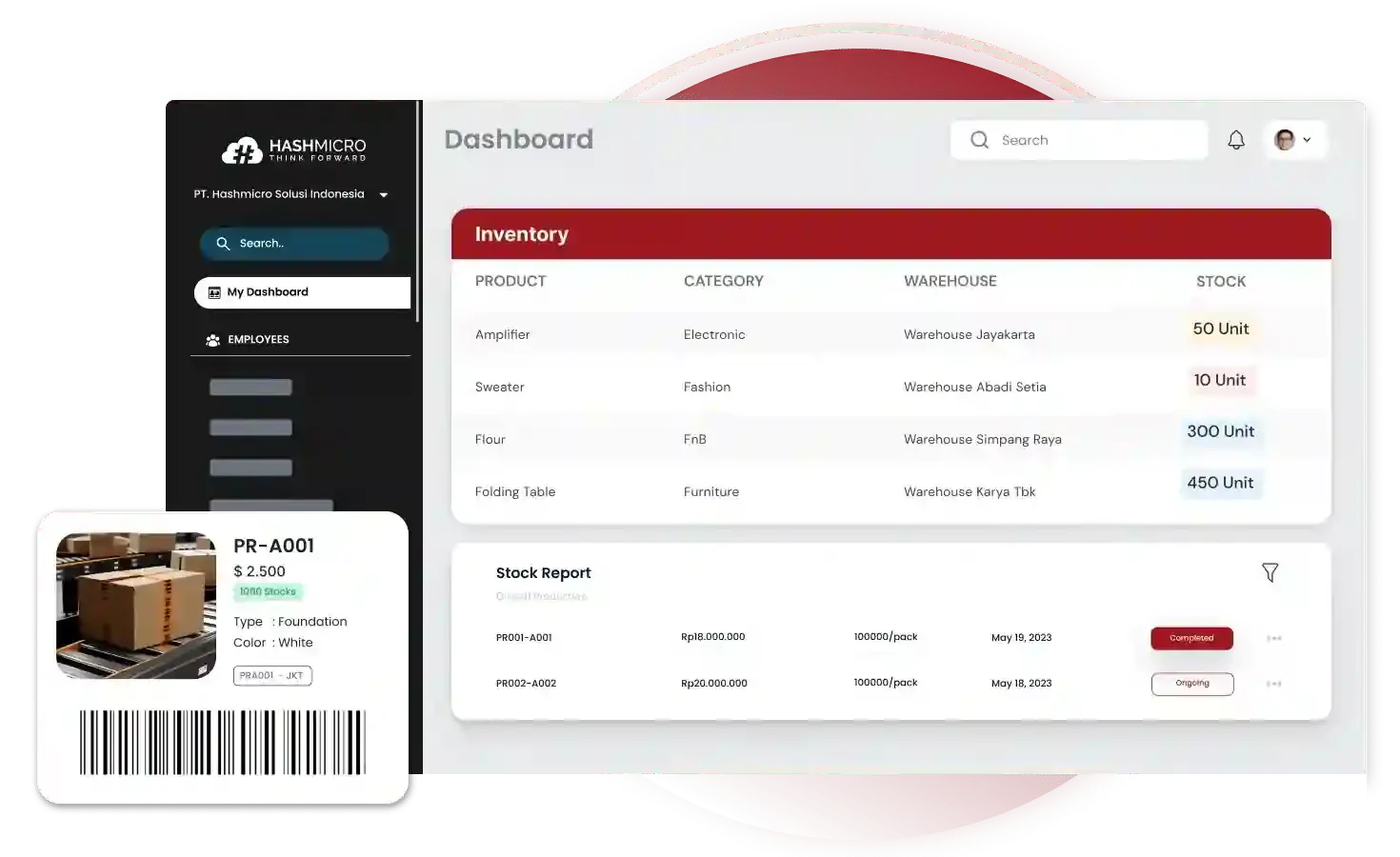
HashMicro connects inventory with purchasing, sales, accounting, warehouse operations, and other business functions. This suits Singapore companies that want one system for stock records and wider operational data.
The platform can support businesses that have outgrown separate inventory apps and accounting tools. It is most relevant when the company needs connected workflows across several departments.
Key Features:
- Connected Inventory: Stock records linked to purchasing, sales, and accounting.
- Warehouse Operations: Coordinates replenishment and warehouse activity.
- Shared Financial Data: Reviews inventory alongside financial information.
- Cross-Department Workflows: One system across several business functions.
Best for: Singapore companies that have outgrown separate inventory apps and accounting tools.
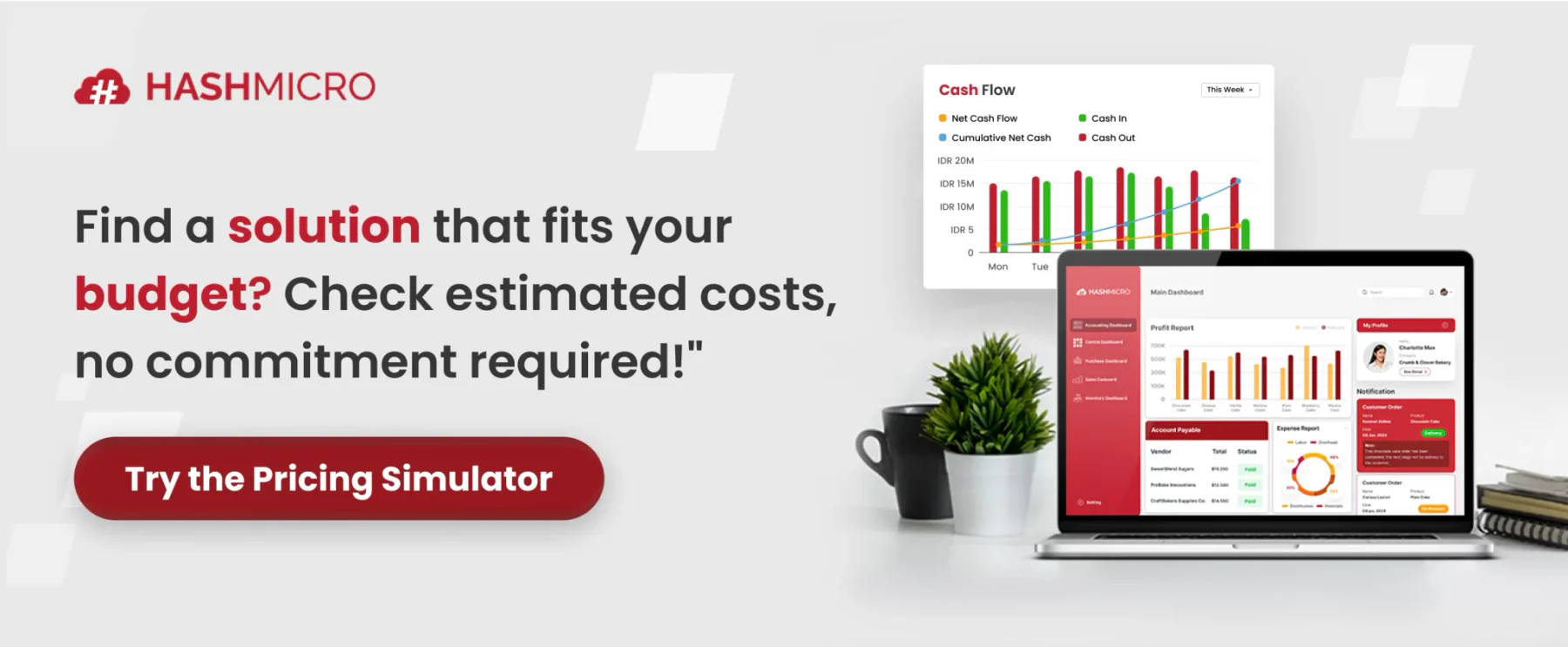
Pricing: HashMicro does not list fixed plan prices. Because it is modular, the cost is tailored to the modules you need and the expected implementation timeline. The quickest way to see what that means for your business is to select your requirements in the pricing calculator below.
2. Unleashed: inventory and production for product businesses
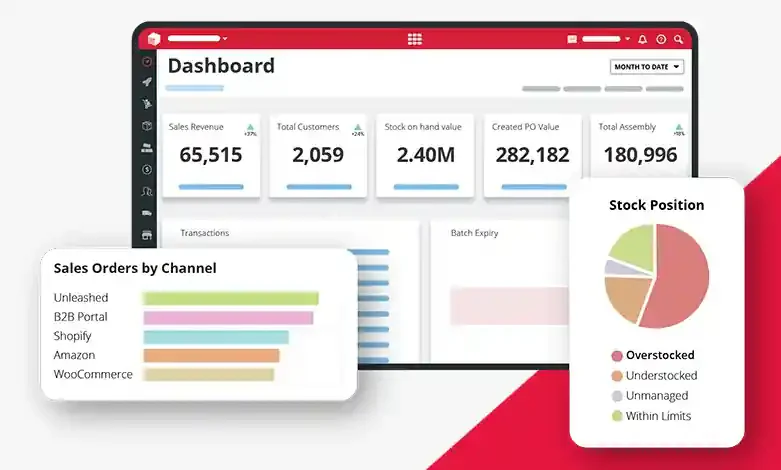
Unleashed's Cin7 alternatives comparison positions the platform around inventory control, production, purchasing, and sales management. It suits product businesses that want dedicated inventory functions without a broader ERP rollout.
Unleashed also supports batch tracking, serial tracking, landed costs, stocktaking, and multichannel order management. Compare its integrations and pricing carefully if your Singapore business needs local accounting or tax workflows.
Key Features:
- Inventory and Production: Stock control alongside production management.
- Batch and Serial Tracking: Traces products from receipt to sale.
- Landed Costs: Accounts for freight, duties, and supplier charges.
- Multichannel Orders: Manages orders across sales channels.
Best for: Product businesses that want dedicated inventory functions without a broader ERP rollout.
Pricing: Unleashed lists three plans at US$99 (Lite), US$399 (Core), and US$729 (Pro) per month on monthly billing, with up to 10% off for annual billing. Extra users, order volume, integrations, and optional modules such as warehouse management cost more, and onboarding is a separate one-off fee starting from US$449. A 14-day free trial is available.
3. Zoho Inventory: budget-friendly multichannel stock control
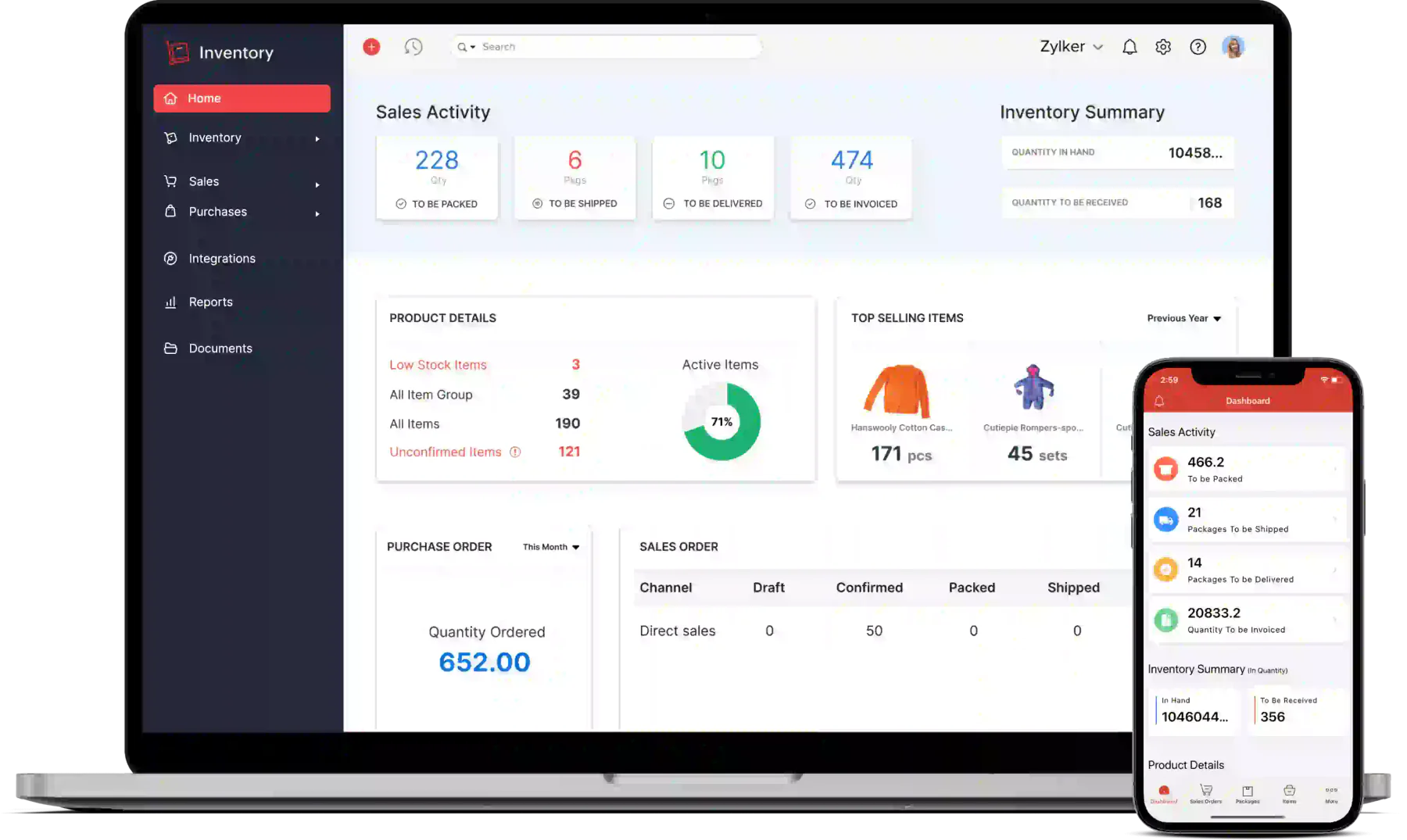
Zoho Inventory is designed for businesses that need stock, purchasing, sales orders, and fulfilment in a cloud platform. It can suit smaller teams that already use other Zoho applications.
Its lower-cost positioning may appeal to businesses looking for a more accessible Cin7 alternative. Check order limits, warehouse limits, reporting depth, and integration costs before making a decision.
Key Features:
- Cloud Platform: Stock, purchasing, sales orders, and fulfilment in one place.
- Zoho Ecosystem: Fits teams already using other Zoho applications.
- Multichannel Stock Control: Keeps inventory aligned across sales channels.
- Accessible Pricing: Lower-cost positioning for smaller teams.
Best for: Smaller teams and Zoho users who want budget-friendly stock control.
Pricing: Zoho Inventory offers a free plan and four paid plans (Standard, Premium, Plus, and Enterprise), priced per organisation rather than per user. Annual billing ranges from US$29 to US$249 per month, and monthly billing costs more. Each tier raises the limits on orders, users, and locations. The free plan covers 50 orders a month, one user, and one location. Prices exclude local taxes.
4. inFlow Inventory: straightforward workflows for small teams
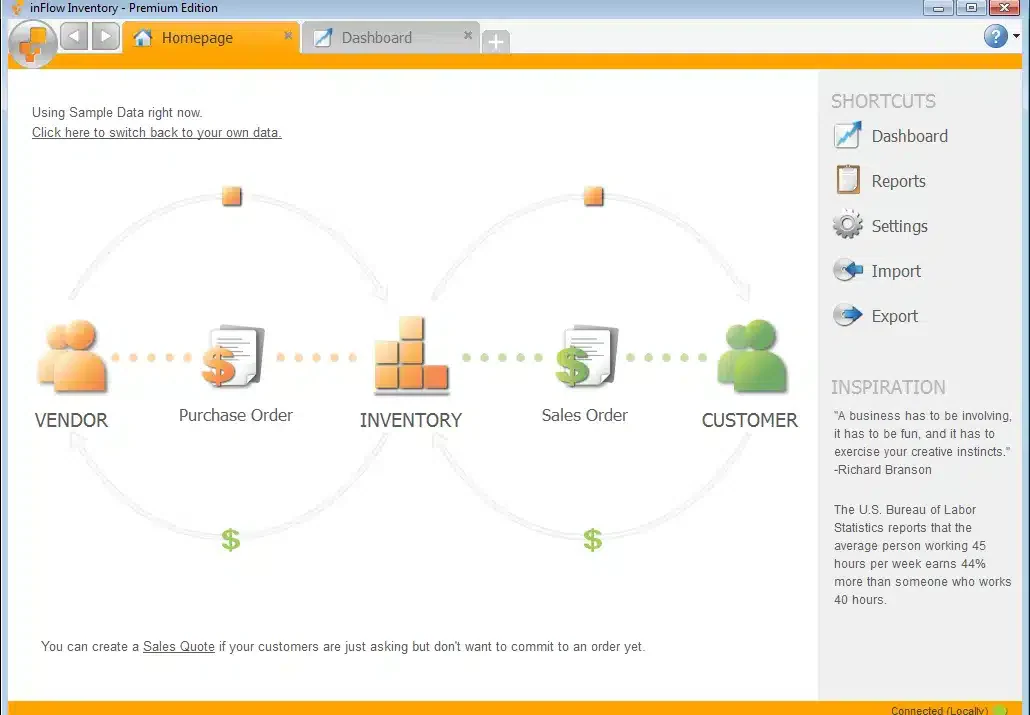
inFlow's Cin7 Core comparison focuses on the difference between simpler workflows and advanced automation. It can suit small and mid-sized teams that prioritise guided inventory, purchasing, and manufacturing processes.
inFlow supports stock transfers, counts, barcode workflows, assemblies, bills of materials, and production tracking. Cin7 may remain stronger for complex routing, forecasting, and multi-channel automation.
Key Features:
- Guided Workflows: Simpler inventory and purchasing processes.
- Transfers and Counts: Supports stock transfers and stocktaking.
- Barcode Workflows: Improves accuracy during receiving and counting.
- Assemblies and BOMs: Includes bills of materials and production tracking.
Best for: Small and mid-sized teams that prefer guided workflows over advanced automation.
Pricing: inFlow has four plans billed annually: Lite at US$99, Core at US$299, Pro at US$499, and Max at US$699 per month. Plans differ by team members (2 to 20) and locations (1 to unlimited). Manufacturing is an add-on from US$69 a month, and the Core plan requires a one-time US$499 onboarding package. A 14-day free trial is available.
5. Fishbowl: warehouse and manufacturing depth
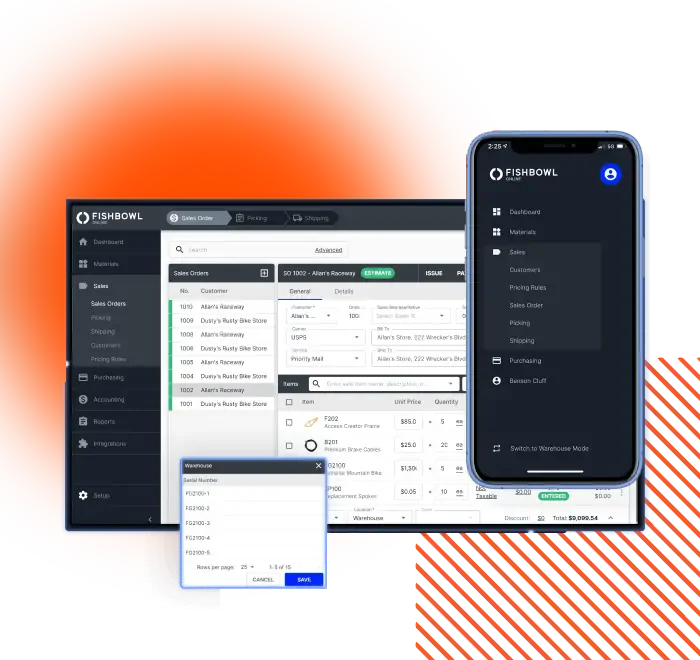
Fishbowl's Cin7 comparison presents the platform as a strong option for inventory, warehousing, and manufacturing. It can suit businesses that need deeper operational control than a basic stock app.
Fishbowl supports multi-location inventory, barcode workflows, manufacturing, purchasing, and order fulfilment. Singapore businesses should confirm accounting integrations, implementation support, and local reporting needs before switching.
Key Features:
- Multi-Location Inventory: Tracks stock across several storage areas.
- Barcode Workflows: Supports scanning-based warehouse processes.
- Manufacturing: Covers production alongside inventory.
- Purchasing and Fulfilment: Handles supplier orders and order fulfilment.
Best for: Businesses that need deeper warehouse and manufacturing control than a basic stock app.
Pricing: Fishbowl lists three plans billed annually: Essentials at US$229 a month (2 users), Growth at US$429 (5 users), and Scale at US$729 (10 users). The Advanced plan, which adds the full manufacturing module, is custom-priced, so you need to request a quote. An AI manufacturing add-on is available on Growth and Scale.
6. Odoo Inventory: flexible modular customisation
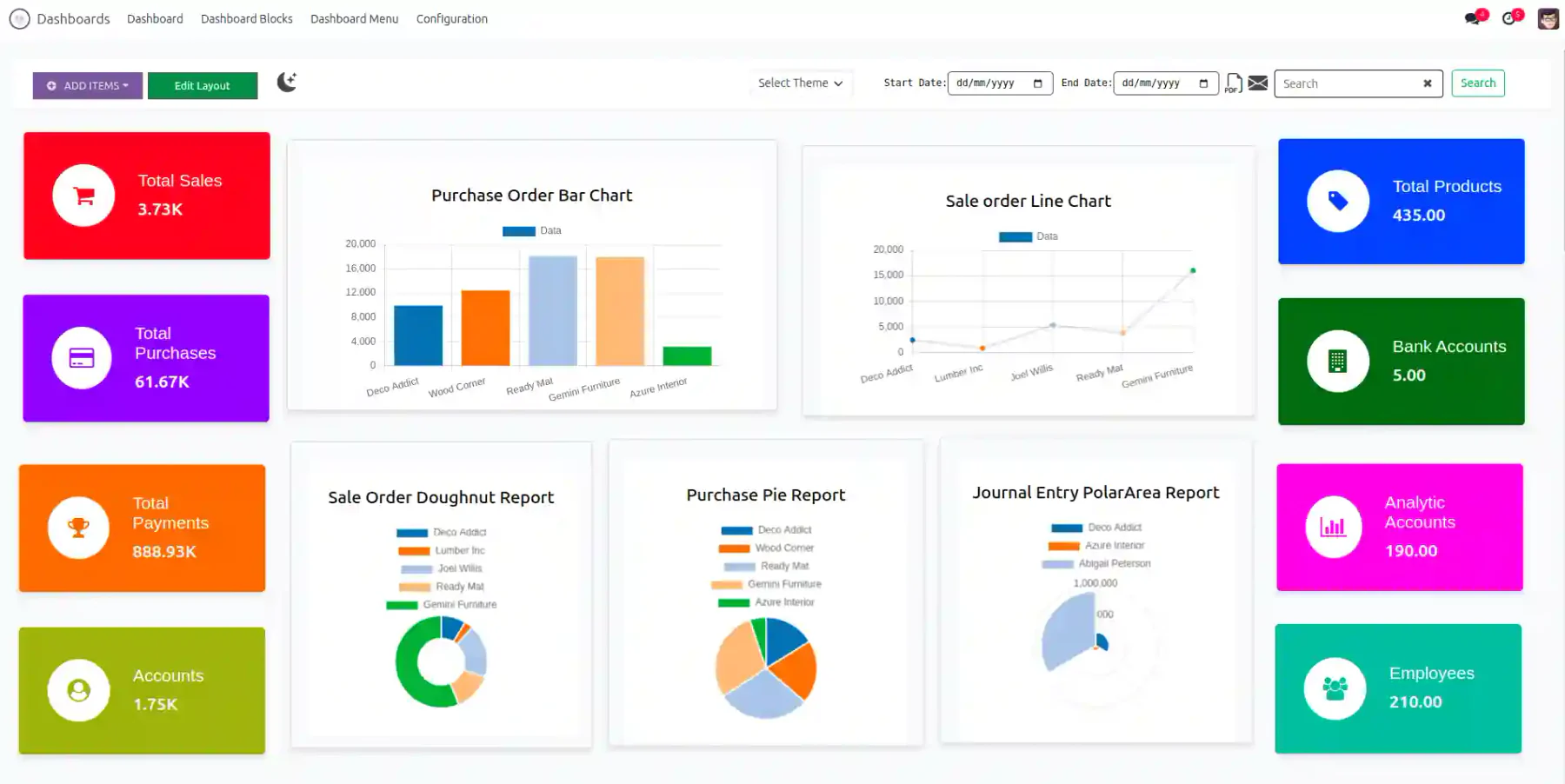
Odoo Inventory forms part of a wider business application suite that includes sales, purchasing, accounting, manufacturing, and ecommerce. It can suit companies that want to customise several connected workflows.
Its modular structure may reduce the need for separate applications as the business expands. However, teams should assess configuration effort, support arrangements, and the total cost of maintaining customised workflows.
Key Features:
- Modular Suite: Inventory sits within a wider business application suite.
- Connected Applications: Links sales, purchasing, accounting, manufacturing, and ecommerce.
- Customisable Workflows: Adapts several processes to your operations.
- Room to Expand: Reduces the need for separate apps as the business grows.
Best for: Companies that want to customise several connected workflows in one suite.
Pricing: Odoo charges per user. The One App Free plan covers a single app for unlimited users. The Standard plan includes all apps at US$31.10 per user per month on annual billing (US$38.90 monthly). The Custom plan adds Studio, multi-company, and external API access at US$46.70 per user per month on annual billing (US$58.40 monthly).
7. Katana: manufacturing-focused inventory management
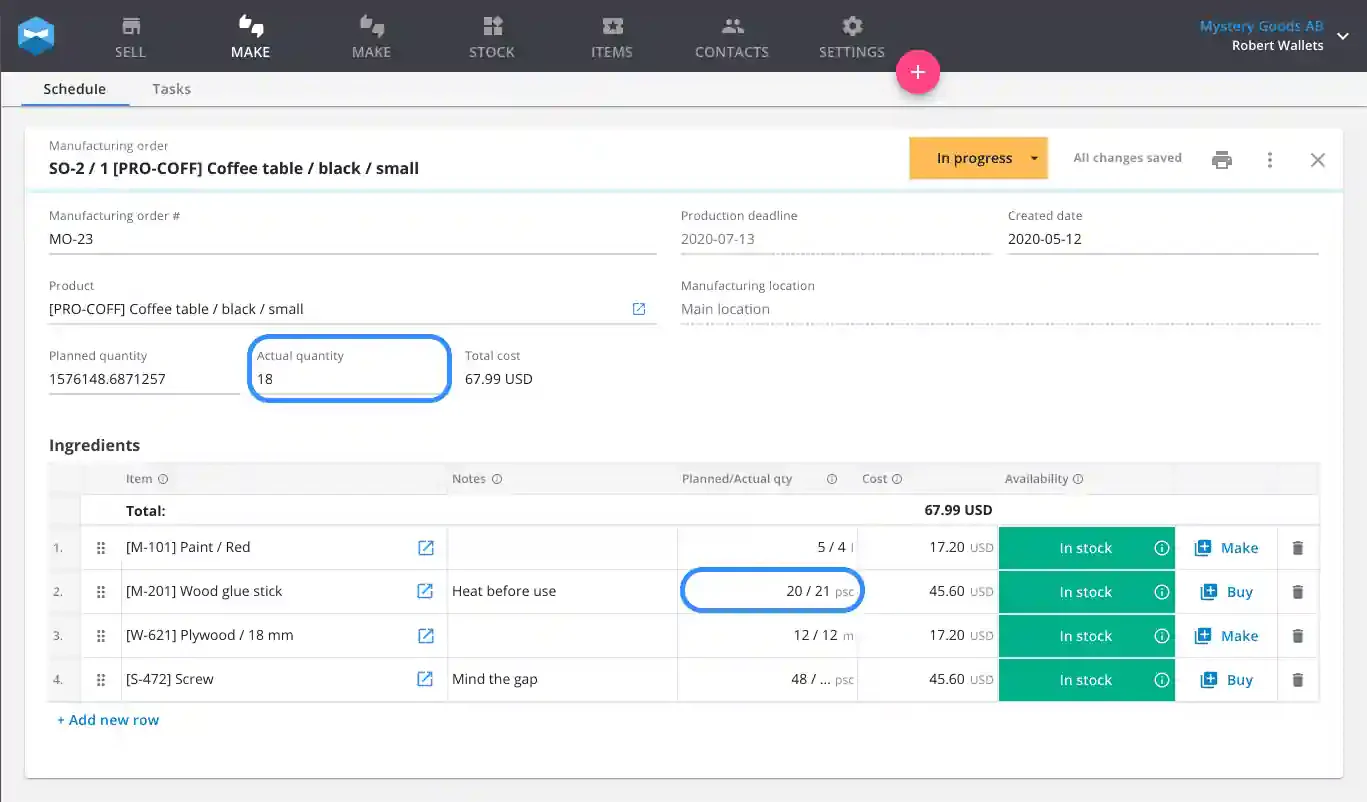
Katana focuses on production planning, bill of materials, manufacturing visibility, and inventory control. It may suit small manufacturers that need clearer production workflows without adopting a larger ERP.
Katana is less suitable when the main requirement involves broad finance, customer management, or complex enterprise reporting. Singapore manufacturers should compare its production depth with their purchasing and accounting processes.
Key Features:
- Production Planning: Organises manufacturing activity and schedules.
- Bill of Materials: Connects components to finished products.
- Manufacturing Visibility: Clearer view of production workflows.
- Inventory Control: Tracks stock alongside production.
Best for: Small manufacturers that need clearer production workflows without a larger ERP.
Pricing: Katana offers a free plan with all features, limited to 30 SKUs and no credit card required. Beyond that, it sells its paid product as a custom annual contract (the Advantage plan), so there is no fixed list price and you need to request a quote.
8. NetSuite: enterprise inventory and financial control
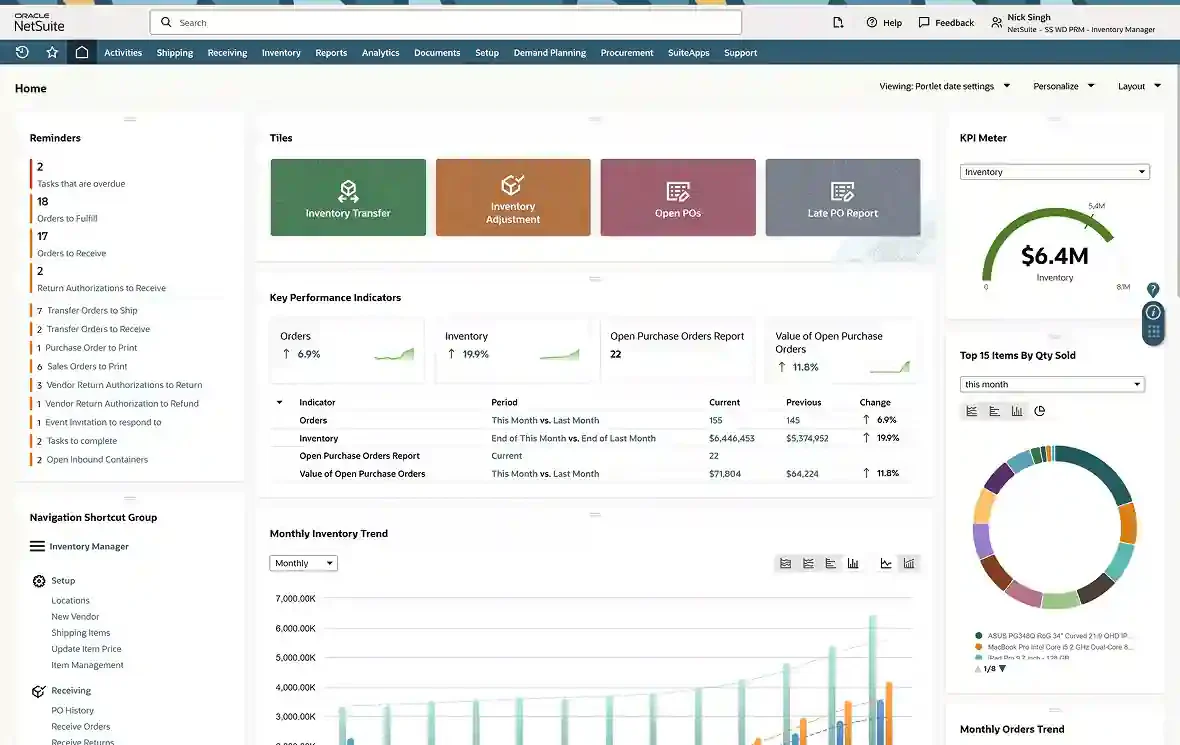
NetSuite combines inventory with accounting, purchasing, customer management, reporting, and other enterprise functions. It can suit larger Singapore companies with multiple entities, currencies, warehouses, or complex controls.
The broader scope also brings more implementation planning and training requirements. Smaller businesses may find a focused inventory platform easier to operate and more appropriate for their current needs.
Key Features:
- Inventory and Accounting: Stock combined with financial management.
- Customer Management: Includes CRM alongside operational functions.
- Enterprise Reporting: Supports complex reporting and controls.
- Multi-Entity Scope: Handles multiple entities, currencies, and warehouses.
Best for: Larger Singapore companies with multiple entities, currencies, warehouses, or complex controls.
Pricing: NetSuite is quote-based and does not publish a public price list. Your quote depends on the edition, the number of users, the modules you add, and the contract length, and implementation is typically scoped separately. Request a quote based on your entities, currencies, and warehouses.
Choosing the Best Cin7 Alternative for Small Business
The best Cin7 alternative for small business depends on the work your team performs every day. A smaller platform may be better when you need accuracy and speed without advanced automation.
1. Best for simple stock and order tracking
Choose straightforward stock management software when your business manages a small number of locations and sales channels. Clear receiving, stocktaking, purchasing, and order workflows may matter more than advanced routing.
Also check whether the system supports barcode scanning and low-stock alerts. These features can improve accuracy without creating unnecessary setup work for a small team.
2. Best for light manufacturing and bill of materials
Manufacturers should prioritise bills of materials, assemblies, work orders, and material availability. These features help teams connect production activity with inventory and purchasing decisions.
Compare how each platform records production costs and component usage. A system that only tracks finished goods may not provide enough visibility for growing manufacturers.
3. Best for multichannel retail and wholesale
Retailers and wholesalers need stock updates across ecommerce, POS, marketplaces, and business customers. The right platform should reduce overselling and keep fulfilment information consistent.
Review channel integrations before selecting a vendor. Also check whether the platform supports customer-specific pricing, returns, stock transfers, and wholesale order workflows.
4. Best for finance and inventory in one system
Businesses that rely on separate accounting and inventory tools may benefit from an ERP-linked alternative. Shared records reduce duplicate entry and help finance teams review stock values with operational context.
This approach suits companies planning to add purchasing, sales, manufacturing, or customer management later. It may require more implementation work, but it can reduce the need to connect several separate systems.
| Business Need | Alternative Type to Consider | Why It May Fit |
|---|---|---|
| Simple inventory control | Dedicated inventory application | Faster setup and easier daily use |
| Light manufacturing | Production-focused inventory software | Supports BOMs, assemblies, and work orders |
| Multichannel selling | Inventory and order management platform | Connects stock across sales channels |
| Integrated business operations | ERP with inventory management | Links finance, purchasing, sales, and stock |
What Does a Cin7 Alternative Cost in Singapore?
The cost of a Cin7 alternative depends on users, orders, warehouses, integrations, and implementation services. Compare the full cost of ownership instead of relying on the advertised entry plan.
1. Subscription tiers, users, and order limits
Some platforms charge by users, orders, warehouses, or product volume. A plan that looks affordable at first may become more expensive as your Singapore operation adds staff or sales channels.
Check what each tier includes before comparing monthly prices. Review user limits, warehouse limits, reporting access, barcode tools, and order allowances.
2. Add-ons, integrations, and implementation costs
Integration fees can apply when you connect ecommerce stores, marketplaces, POS systems, accounting tools, or shipping platforms. Implementation may also include data cleaning, migration, training, and workflow configuration.
Ask each vendor for a complete estimate based on your actual processes. This helps reveal whether a lower subscription price still produces a higher overall project cost.
3. Free alternative to Cin7: what free plans cover
A free alternative to Cin7 may cover basic stock records, limited orders, or a single application. These plans can help a small business test digital inventory control before committing to a paid system.
Free plans often limit users, warehouses, orders, reports, or integrations. Treat them as an entry point, then compare the upgrade cost before relying on the platform for daily operations.
| Cost Area | What to Check | Possible Impact |
|---|---|---|
| Subscription | Users, orders, warehouses, and product limits | Monthly cost rises as operations expand |
| Integrations | Included connectors and API access | Extra fees may apply for each channel |
| Implementation | Migration, training, and configuration services | Project cost increases beyond the licence |
| Support | Response times and onboarding coverage | Slower support can delay adoption |
Inventory Management Software Like Cin7 for Singapore Operations
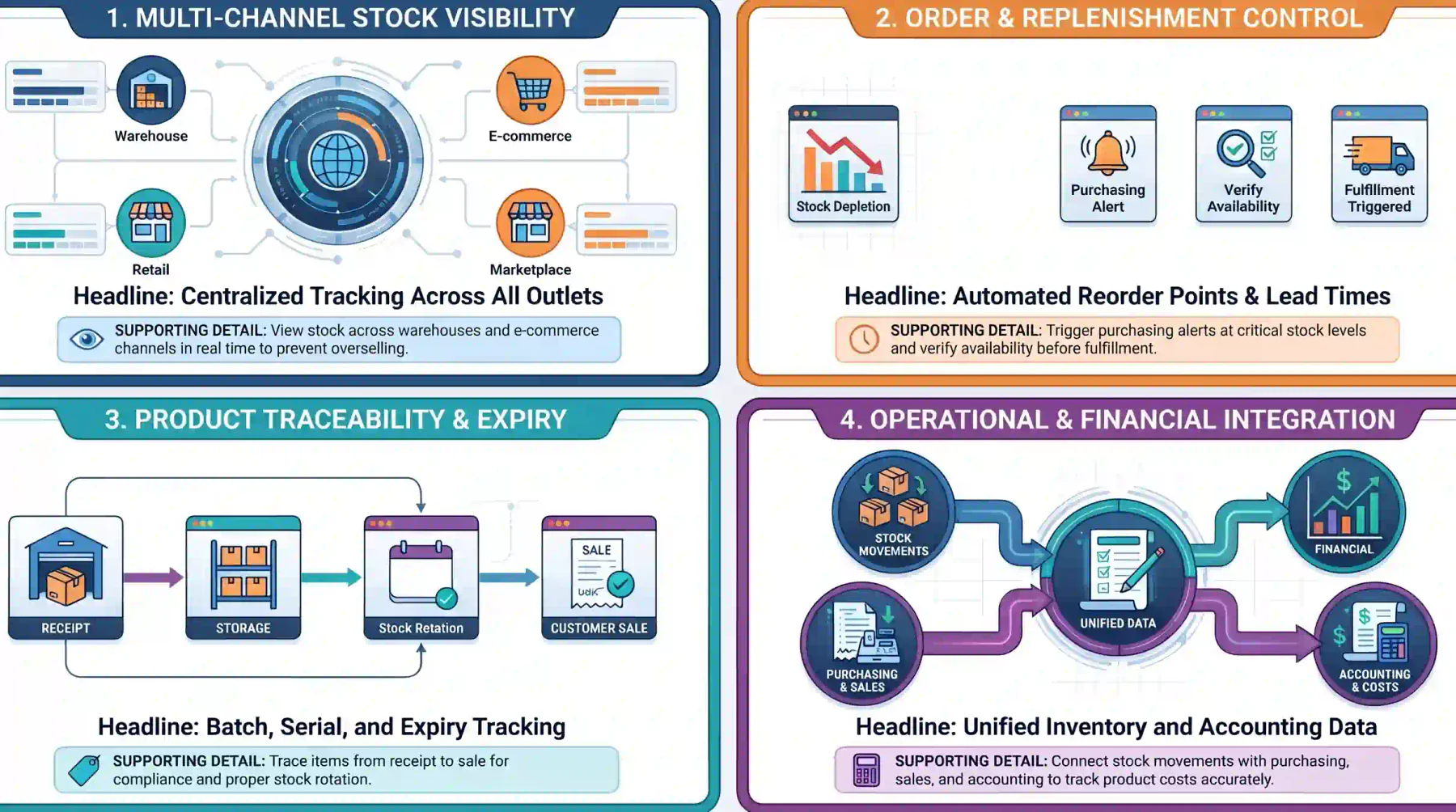
Inventory management software like Cin7 helps companies coordinate stock, sales, purchasing, and fulfilment in one connected workflow. Businesses evaluating warehouse management software should also check how well the system reflects their actual operating model.
1. Real-time stock visibility across locations and channels
Centralised stock records show what is available across warehouses, outlets, ecommerce channels, and wholesale orders. This helps teams reduce overselling and respond to stock questions faster.
Singapore businesses with regional suppliers or several storage sites should also review transfer workflows. Accurate movement records help staff understand where stock sits and when it can be sold.
2. Replenishment, purchasing, and sales order control
Reorder points and purchasing alerts help teams act before stock reaches a critical level. Sales orders can then be checked against available quantities before fulfilment begins.
Connected purchasing data also gives buyers better visibility into supplier lead times and expected deliveries. This supports more consistent replenishment decisions across busy periods.
3. Batch, serial, and expiry tracking
Batch and serial tracking helps businesses trace products from receipt to sale or return. Expiry information also supports stock rotation and reduces the risk of holding outdated items.
These controls matter for electronics, food, healthcare products, and other goods with traceability requirements. Confirm how the platform records adjustments, transfers, and returns by batch or serial number.
4. How HashMicro supports Singapore businesses
HashMicro connects inventory with purchasing, sales, accounting, warehouse, and operational workflows. This gives Singapore businesses one shared record for stock movement, orders, and product costs.
Teams can use the system to coordinate replenishment, monitor warehouse activity, and review inventory data alongside financial information. Explore HashMicro's inventory management software for a broader view of its Singapore capabilities.
Comparing Cin7 alternatives is easier when inventory, order and finance data stay connected. Hashy AI reads those records together, then flags the workflows and costs that need review.






How to Choose the Best Cin7 Alternative
A structured selection process helps your team avoid choosing software based only on feature lists. Start with the workflows that create the most manual effort or inventory risk today.
1. Map must-have workflows before comparing features
Document how your business receives, stores, sells, transfers, returns, and counts products. Then mark which activities require approvals, traceability, or financial updates.
This process shows which features are essential and which are optional. It also gives vendors a consistent workflow to demonstrate during product evaluations.
2. Check data migration and integration support
Ask how the vendor will migrate products, suppliers, customers, opening stock, and historical transactions. Confirm whether the team receives templates, validation support, and testing time.
Review every required integration before signing a contract. A missing connection can force staff to re-enter orders or maintain a second spreadsheet.
3. Test reporting, permissions, and user experience
Use sample products and real workflows during demonstrations. Test stock reports, purchasing views, sales order screens, user permissions, and approval controls.
Staff adoption depends on whether the daily screens feel clear and practical. A system with strong features can still fail when employees avoid using it.
4. Compare total cost of ownership over three years
Include subscription fees, implementation, training, integrations, support, and future upgrades in the comparison. A three-year view makes it easier to compare focused software with broader ERP platforms.
Also consider the cost of staying with disconnected tools. Duplicate entry, stock errors, and delayed reporting can create operational costs that do not appear on a software invoice.
Conclusion
The best Cin7 alternative depends on your business size, channels, warehouse structure, and need for connected finance. Singapore companies should compare daily workflows before comparing software brands.
Small teams may prefer focused inventory software with simple purchasing and fulfilment controls. Growing businesses may need an ERP-linked system that connects stock with accounting, sales, manufacturing, and reporting.
If you want to learn more about Cin7 alternatives, then you should schedule a free consultation with our experts and gain deep insights to improve your business.
Frequently Asked Questions
A simple inventory platform suits one warehouse and few sales channels. Choose an ERP-linked option when you need accounting, purchasing, manufacturing, or multi-location control.
Some platforms offer free plans or trials that suit basic stock tracking. Check limits on orders, users, warehouses, reports, and integrations before committing.
Unleashed, Zoho Inventory, inFlow, Fishbowl, Odoo Inventory, Katana, and NetSuite overlap with Cin7. Their depth differs in manufacturing, finance, fulfilment, and multichannel selling.
Pricing varies by users, orders, warehouses, integrations, and implementation needs. Request a full quote covering migration, training, support, and any paid connectors.