






Imagine making a sale, delivering the order, and waiting for payment that never arrives. A 2026 journal study by Janell P. Fabunan surveyed 210 respondents from selected media service companies in Metro Manila and found challenges in documentation, coordination, monitoring, and collection. These weaknesses can delay receivables and increase the risk of bad debts.
Unpaid invoices often stem from weak credit policies, delayed follow-ups, poor records, or unresolved disputes. When teams overlook these issues, receivables remain outstanding longer, and cash flow suffers. Stronger monitoring helps businesses identify collection risks earlier, improve payment discipline, and protect working capital.
Keep reading to find simple, effective ways to handle bad debts, turning those potential losses into manageable challenges.
Key Takeaways
Bad debts occur when customers fail to pay what they owe on credit. They impact profits directly, making management essential for business stability.
Businesses use the write-off or allowance methods to track and handle unpaid debts. These strategies help reduce financial losses and prepare for future unpaid amounts.
HashMicro’s accounting software automates tracking and follow-ups to ease bad debt management. These features let businesses focus on growth while protecting their revenue.
What is Bad Debts?

Bad debts occur when customers fail to pay amounts owed for products or services bought on credit. These unpaid receivables reduce expected collections and can weaken cash flow. Companies must monitor bad debts closely to protect profits and maintain financial stability.
Businesses record bad debts as an expense when collection becomes unlikely. This expense usually appears under selling and administrative expenses on the income statement. It reduces net income for the period and helps managers identify risky customers, accounts, or credit policies.
Understanding potential bad debts helps businesses act before losses grow. They can strengthen credit checks, set payment terms, follow up on overdue invoices, and review aging schedules. They can also improve inventory write-off practices when goods become obsolete or unsellable, protecting cash flow and business income.
Why Do Bad Debts Matter?
Bad debts matter because unpaid customer balances can reduce cash available for payroll, inventory, and other priorities. An accounting system helps businesses record balances, monitor due dates, and identify collection risks. When customers fail to pay, the resulting bad debts expense reduces reported profit.
Accurate records also help teams follow up on overdue accounts and assess collection risks. Businesses can strengthen credit policies, improve payment reminders, and estimate potential losses more reliably. These controls protect cash flow, reduce manual errors, and clarify the financial impact of unpaid debts.
How Do You Manage Bad Debts?
Businesses commonly manage bad debts through the write-off method or the allowance method. Each approach affects accounts receivable, reported profit, and financial planning. Choosing the right method helps companies maintain accurate records and respond to unpaid customer balances.
1. The Write-Off Method
The write-off method removes an unpaid balance when the business determines that collection is unlikely. It reduces accounts receivable and records the loss immediately. Businesses can also review adjusting journal entries to understand how these records affect financial statements.
This method keeps accounting records clean and simple. However, it does not estimate future losses or prepare the business for similar unpaid accounts. It only addresses debts that the business has already confirmed as uncollectible.
2. The Allowance Method
The allowance method estimates potential losses before specific accounts become uncollectible. Businesses use payment trends, customer history, and aging schedules to calculate an allowance for bad debts. This approach also records a bad debts expense before a customer account becomes impossible to collect.
The business records the estimate by debiting bad debt expense and crediting allowance for doubtful accounts. This process spreads expected losses across periods and presents a clearer view of the company’s financial health.
Steps in the Allowance Method:
- Estimate bad debts: Calculate expected losses using customer payment history and receivables aging.
- Record the estimate: Debit bad debt expense and credit allowance for doubtful accounts.
- Adjust the allowance: Update the estimate when collection patterns or customer circumstances change.
- Write off specific accounts: Remove confirmed uncollectible balances from accounts receivable.
This method helps businesses plan for collection losses and maintain reliable financial reports. An ERP accounting system can automate journal entries, aging reports, payment tracking, and allowance adjustments.
Managing bad debts becomes easier when accounting records, receivables, and journal entries stay connected. HashMicro’s ERP accounting system helps businesses monitor unpaid invoices, improve financial accuracy, and make faster decisions with real-time accounting data.

How to Calculate Bad Debts
Businesses can estimate bad debts by comparing expected uncollectible amounts with total accounts receivable. The percentage method uses past payment trends to forecast possible losses. It helps finance teams assess collection risk and act before unpaid balances affect cash flow.
- Identify total receivables: Review your accounting records and find the total amount customers owe. For example, assume your business has ₱500,000 in accounts receivable. This balance represents the starting amount for the calculation.
- Estimate potential bad debts: Use customer payment history, aging schedules, and collection trends to estimate expected losses. In this example, management expects ₱25,000 of the receivables to remain uncollected.
- Calculate the bad debt percentage: Divide estimated bad debts by total receivables, then multiply the result by 100. The calculation shows the portion of receivables that the business expects to lose.
Formula with numbers:
Bad Debt Percentage = (₱25,000 ÷ ₱500,000) × 100 = 5%
A 5% estimate means the business expects to lose ₱5 for every ₱100 in receivables. Review this percentage regularly because customer payment behavior can change. Send a formal collection letter before overdue balances damage financial health.
Recording Bad Debts in Financial Reports
Businesses can use two main methods to estimate and record bad debts. These estimates should be reviewed alongside credit policies, customer payment trends, and operating expenses to support accurate financial planning.
1. Sales percentage method
The sales percentage method calculates bad debts using a fixed percentage of total credit sales. This approach is simple because it applies a predetermined rate to sales made on credit.
- Determine credit sales: Identify the total value of credit sales, representing amounts customers have not yet paid.
- Apply the bad debt percentage: Use an estimated rate based on historical collection experience. For example, if a business records ₱100,000 in credit sales and expects 1% to remain uncollected, it calculates bad debt expense as follows:
₱100,000 × 0.01 = ₱1,000
- Record bad debt expense: The business records ₱1,000 as bad debt expense to recognise potential collection losses.
This method provides a quick estimate based on overall sales without requiring a detailed review of individual customer balances.
2. Accounts receivable aging method
The accounts receivable aging method provides a more detailed estimate by grouping receivables according to how long they have remained unpaid. Businesses can use this approach when optimizing accounts receivable and evaluating customer payment behaviour.
- Organize receivables by aging period: Divide outstanding balances into categories such as current, 30 days, 60 days, and 90 days overdue.
- Assign risk levels: Older receivables generally carry a higher risk of non-payment. For example, a balance overdue by 90 days may be more likely to become uncollectible than one overdue by 30 days.
- Calculate bad debts by category: Apply different estimated percentages to each aging group. For example, a business may estimate 1% for balances up to 30 days overdue, 5% for balances 60 days overdue, and 10% for balances 90 days overdue.
This method gives businesses a more precise view of potential bad debts and supports better financial reporting based on customer payment patterns.
Simplify Bad Debts with HashMicro’s Accounting Software
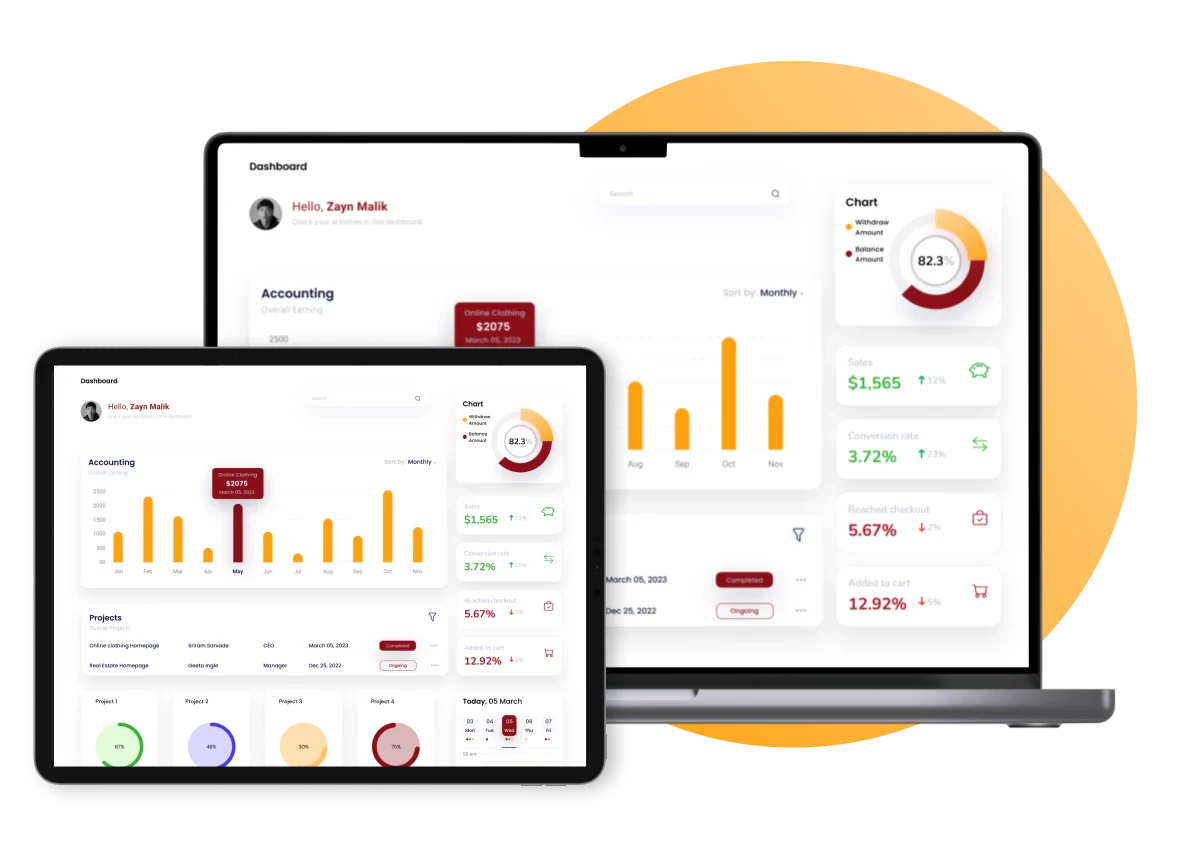
HashMicro’s accounting software helps Philippine businesses track receivables, monitor unpaid invoices, and manage bad debts more efficiently. By automating routine accounting tasks, it gives finance teams clearer financial data and more time to focus on business growth.
Here are five features that make comprehensive accounting platforms for Philippine businesses valuable for bad debt management:
- Auto Reconciliation: Matches bank transactions automatically, improving accuracy and helping teams identify unpaid invoices more quickly.
- Automated Customer Follow-Ups: Sends reminders for overdue invoices to encourage customers to settle their balances on time.
- Profit and Loss Tracking Against Budgets: Compares actual results with budgeted and forecasted figures, showing how bad debts affect profitability.
- Real-Time Cash Flow Reporting: Provides an up-to-date view of available cash, helping businesses plan around unpaid receivables.
- Budget vs. Actual Financial Statements: Highlights differences between planned and actual performance, allowing finance teams to adjust their budgets when bad debts increase.
These features in HashMicro’s accounting software simplify bad debt management by combining automated follow-ups, real-time reporting, and accurate financial records. Businesses can therefore monitor receivables proactively, reduce collection delays, and make better-informed financial decisions.
Conclusion
Bad debts can affect cash flow and profitability, but businesses can manage their impact through accurate receivables tracking, timely customer follow-ups, and regular budget comparisons. Applying the sales percentage or accounts receivable aging method also helps businesses estimate potential collection losses more effectively.
HashMicro’s accounting software supports bad debt management with auto-reconciliation, automated customer reminders, real-time cash flow reporting, and budget-versus-actual financial statements. These tools help Philippine businesses maintain accurate records, monitor unpaid invoices, and make informed financial decisions. Book a free consultation today to explore how HashMicro can support your receivables management.

FAQ About Bad Debts
An example of this is when a customer buys goods on credit but never pays. This uncollected payment is then written off as a financial loss for the business.
In accounting, they are recorded as an expense on the income statement. This reduces net income for the period to reflect the loss from uncollected payments.
To record this, debit the bad debt expense and credit the allowance for doubtful accounts. This entry adjusts financials to reflect expected losses from unpaid debts.