












Many retail managers across Malaysia currently struggle with disconnected legacy platforms that cause daily operational friction. When front end sales fail to sync with back end warehousing it creates inaccurate inventory tracking and a severe lack of real time insights. These bottlenecks inevitably frustrate customers and lead to missed revenue opportunities.
Fixing these issues is highly critical to fully capitalize on the expanding local market. According to Business Today the Malaysian consumer sector is projected to remain robust with steady growth reaching 4.2 percent through 2026. Seizing this economic momentum requires far more than just selling quality goods because businesses must execute flawless order fulfillment to genuinely satisfy modern shoppers.
Transitioning from manual workflows into a unified digital architecture is now absolutely essential for scaling profitably. The complete guide below breaks down the top platforms to help you find the exact fit for your store operations. Understanding the foundation of a reliable retail erp system framework will give you the practical clarity needed to cut administrative heavy lifting and secure your competitive edge.
Key Takeaways
Retail ERP systems are crucial for optimizing operations, managing stock, and boosting customer satisfaction in Malaysia’s fast-paced retail market.
Retail managers struggle with disconnected systems and poor inventory control, which ERP software solves with automation and real-time data integration.
When evaluating retail ERP options, it helps to look for key qualities such as inventory management, POS integration, CRM capabilities, supply chain control, and omnichannel support to ensure the system aligns with your business needs.
Beyond core ERP functions, Malaysian retailers also benefit from integrating CRM, procurement, workforce, and scheduling tools each playing a critical role in managing customer relationships, supply chains, and day-to-day staff operations efficiently
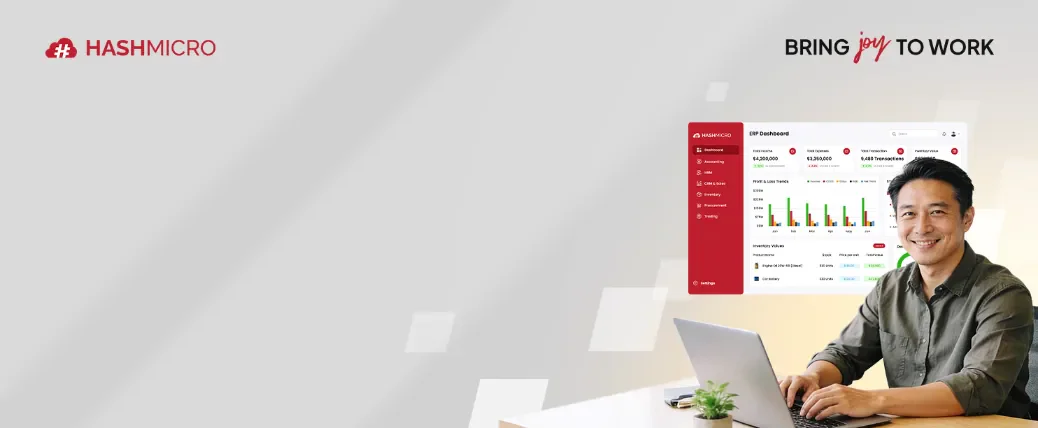
Managing retail complexities requires a system that stops waste and protects your bottom line. Click the banner below to discover how our solution supports your growth in competitive markets.
What is Retail ERP?
A retail ERP is a comprehensive solution that centralizes all retail operations into one integrated platform. By combining inventory management, customer tracking, and financial reporting, retail ERP systems help businesses operate more accurately and efficiently.
Retail ERP software enables real-time data flow across departments, eliminating the need for manual updates and reducing errors. When a sale occurs, the ERP system instantly updates inventory, financial records, and customer data for seamless coordination.
In Malaysia’s fast-paced retail sector, adopting retail ERP Malaysia solutions gives businesses a strong competitive advantage. With automation and synchronized workflows, an ERP system for retail businesses enables companies to focus on strategic growth and enhance the customer experience.
Hashy AI Fact

Hashy AI helps manage customer loyalty by automating reward tracking in your retail ERP, making it easier to build lasting relationships and encourage repeat purchases.
Request a free demo today!
Best Retail ERP Systems in Malaysia
A Retail ERP shortlist looks simple until you face the real operational hurdles: do you need real-time omnichannel inventory sync and automated LHDN e-invoicing, or will a basic Point of Sale (POS) system suffice? Are you managing a few boutique stores in the Klang Valley or a nationwide franchise network? And how much system transition can your frontline staff absorb without slowing down the customer checkout experience?
The list below highlights the top Retail ERP solutions used across different retail models, with short notes on what each option is typically best suited for to help you match the software to your actual floor operations.



Best Because
Best for retail companies needing an ERP built specifically for their industry.
Best Because
Best for retailers already using Microsoft tools across their operations.
Key Features of Retail ERP Systems
Retail ERP systems integrate various business functions into one platform, improving efficiency and decision-making. The key components typically include:
- Inventory Management: Real-time tracking of stock levels, ensuring the right products are available when needed, and preventing overstocking or stockouts.
- Point of Sale (POS) Integration: A robust POS system allows seamless transactions across all channels (online and offline), providing accurate and up-to-date sales data for the business.
- Customer Relationship Management (CRM): Integrates customer data for personalized marketing and promotions, improving customer retention and satisfaction.
- Supply Chain Management: Streamlines procurement, order fulfillment, and supplier collaboration, ensuring timely delivery of goods and services.
- Financial Management: Handles financial operations such as billing, invoicing, and accounting, helping businesses maintain accurate financial records and ensuring compliance.
- Human Resource Management: Manages workforce details, including payroll, attendance, and performance tracking, optimizing human resources across the business.
These components work in harmony to ensure smooth operations, better data accuracy, and improved customer experience.
Quick Comparison of 13 Best Retail ERP
The following comparison highlights how leading software addresses critical Malaysian retail requirements including multi outlet synchronization and LHDN electronic invoice compliance. This overview allows decision makers to quickly evaluate technical fit and budget constraints before reviewing individual vendor details.| Software | Best For | Retail Strength | Malaysia Fit | Pricing Model | Main Limitation |
|---|---|---|---|---|---|
| HashMicro | Medium to large enterprises | End to end retail modules with omnichannel sync | Full LHDN e invoice compliance and local KL support | Available upon request | High demand may cause demo scheduling delays |
| Epicor Propello | Companies seeking CRM driven improvements | E commerce integration and robust loyalty programs | Offers both cloud and on premises deployment | Starting at RM1435 | Complex deployment and higher maintenance costs |
| Acumatica | Growing businesses needing user friendly tools | Integrated CRM with real time data access | Highly scalable cloud architecture | Annual subscription RM41128 to RM82256 | Transaction volume can inflate subscription costs |
| Oracle NetSuite | Large enterprises requiring advanced analytics | Powerful POS integration and customer insights | Unified platform for complex multi channel operations | RM407 per user per month plus licensing fee | Steep learning curve and daunting complexity |
| Infor | Companies needing industry specific setups | Advanced global supply chain management | Tailored solutions for specific retail sectors | Available upon request | Longer implementation times for smaller teams |
| Microsoft Dynamics 365 | Businesses heavily reliant on Microsoft tools | Predictive analytics and omnichannel commerce | Seamless integration with Office 365 ecosystem | RM864 per user per month | Customization can be costly and time consuming |
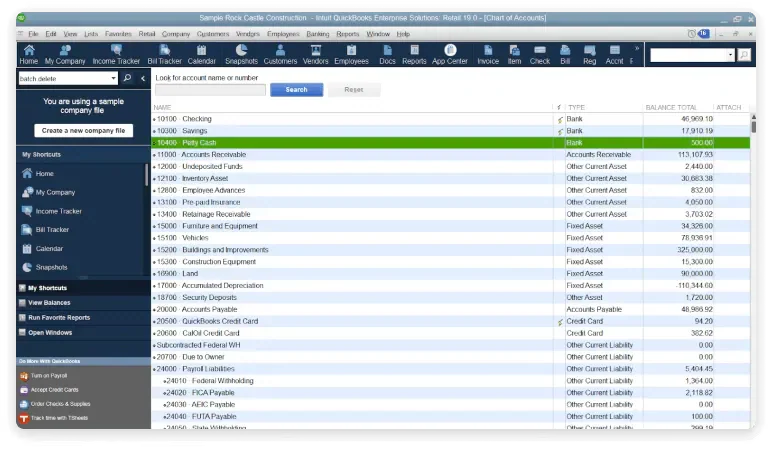
| QuickBooks POS | SMEs needing basic retail CRM and accounting | Simplified sales tracking and payment processing | Affordable and highly compatible hardware | RM3948 one time purchase | Limited scalability for complex enterprise needs |
| Aptean | Companies prioritizing real time data visibility | Specialized warehouse and omnichannel management | Enhances local supply chain compliance | Custom enterprise pricing from RM164512 | Specialized nature requires complex initial setup |
| Brightpearl | E commerce businesses managing stock at scale | Sales order management and retail accounting | Built specifically for retail and wholesale | Available upon request | Higher cost service tiers prohibitive for SMEs |
| SAP S/4HANA | Enterprises needing high performance operations | In memory computing and supply chain optimization | Flexible cloud and on premise options | RM740 to RM1028 per user per month | Resource intensive requiring robust IT support |
| Intact | Small to mid sized businesses seeking flexibility | POS ecommerce integration and stock control | Mobile access supports on the go management | Starting at RM8226 | Extensive customization complicates maintenance |
| Odoo | Companies wanting open source applications | Modular structure covering POS and inventory | Strong community support and scalable modules | RM102 to RM154 per user per month | Scaling up apps leads to increased monthly costs |
| Sage | Businesses looking for trusted cloud solutions | Inventory management and real time tracking | Proven track record across multiple industries | Available upon request | Limited mobile functionality and scalability |
How We Evaluated These 13 Retail ERP Platforms
Selecting the right management system requires a clear understanding of daily operational challenges across different store formats. To provide an objective and practical assessment for businesses operating in Malaysia, each software was evaluated against five essential criteria that determine long term efficiency, regulatory compliance, and overall scalability:
- Omnichannel and POS Sync: Real-time synchronization of stock, pricing, and sales data across physical stores and online channels.
- LHDN Compliance: Direct readiness for Malaysia’s MyInvois mandate, SST handling, and automated tax validation.
- Multi-Outlet Inventory: Efficiency in managing stock transfers, barcode tracking, and replenishment across multiple branches.
- Local Support: Availability of dedicated on-ground technical assistance and implementation teams in Malaysia.
- Cost and Scalability: Long-term software value, transparent pricing models, and flexibility to scale with business growth.
13 Best Retail ERP Recommendations in Malaysia
There are many retail ERP choices available in Malaysia. Because each one is unique, choosing the most suitable retail ERP for your business is important. So, here are several recommendations for the best retail ERP software in Malaysia.
- HashMicro: Serving many clients from medium to large enterprises in Malaysia.
- Epicor Propello: Combining CRM capabilities to enhance customer satisfaction and operational efficiency
- Acumatica: User-friendly ERP solutions with integrated CRM functionalities.
- Oracle NetSuite: Top choice for large enterprises, thanks to its in-depth analytics and advanced functionalities.
- Infor: Offering advanced technological solutions tailored to retail companies.
- Microsoft Dynamics 365: Integration with Office 365 and cloud-based services enables seamless operations.
- Cin7: Cloud inventory and retail management platform with multi-channel stock and order tracking.
- Aptean: Ensures smooth adoption and optimized operations through real-time data.
- Brightpearl: Offers a comprehensive suite for sales order, inventory, retail accounting, and supplier management.
- SAP: Offering a high-performance, in-memory database that integrates all critical business functions.
- Intact: Flexible ERP solution tailored for small to medium-sized businesses.
- Odoo: Provides a comprehensive suite of open-source business management applications.
- Sage: Trusted solution for retail, offering integrated CRM features and cloud-based tools to streamline processes.
1. HashMicro Retail ERP
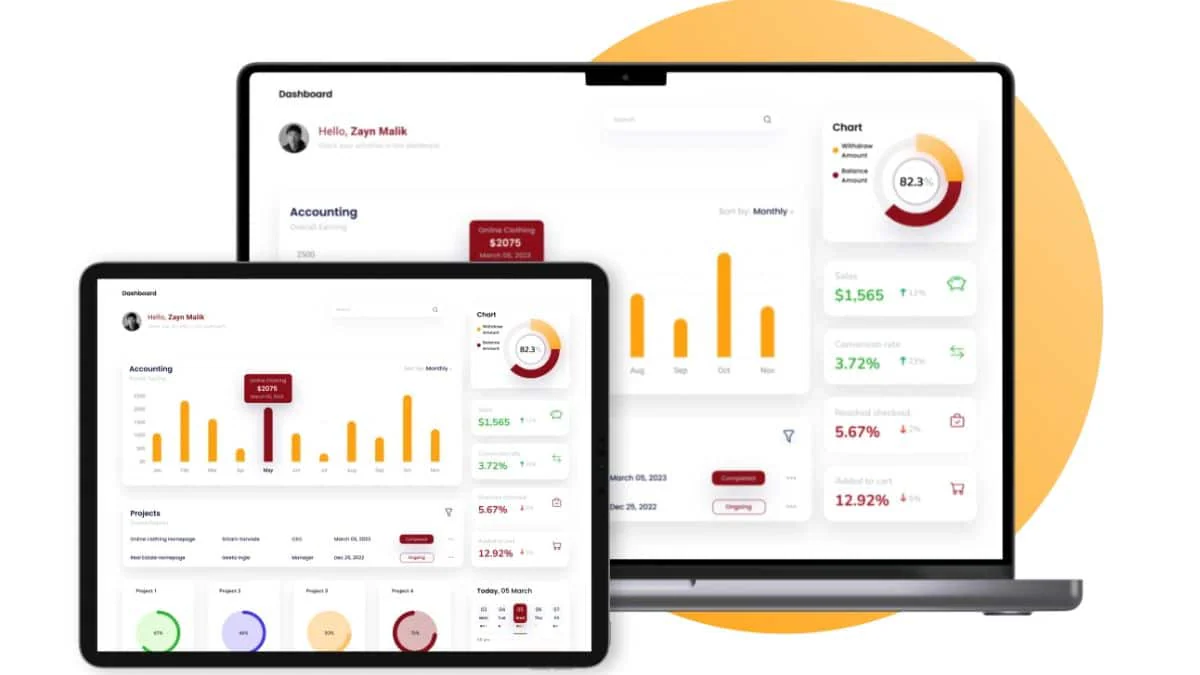
HashMicro ERP Software is the best retail ERP in Malaysia. This ERP provides a comprehensive cloud-based enterprise resource planning solution to enhance business processes through extensive workflow automation and seamless inter-departmental integration.
It is particularly well-suited for various industries, especially retail businesses. Serving a wide range of clients from medium to large enterprises in Malaysia, HashMicro offers numerous benefits, including customizable features, unlimited users, and a free demo service.
With exceptional customer support, HashMicro is ideal for retail businesses aiming to optimize operations and improve inventory management. Here are the key features of HashMicro Retail ERP:
- Stock Optimizer
- Centralized Multi-Branch POS
- Automated Promotion Management
- Loyalty Points Management
- Integrated with Barcode, RFID
- Settlement with Auto Reconciliation to Banks
- Omni-channel integration
Pricing: available upon request (contact HashMicro team)
Best for: medium to large Malaysian enterprises that need a fully integrated ERP and CRM ecosystem.
| Pros | Cons |
|
|
"HashMicro Retail ERP stands out as the most reliable and scalable solution I’ve reviewed, offering unmatched automation, seamless integration, and powerful analytics that truly elevate retail operations."
If you would like to get a personalized quote and understand the potential investment, you can download the price scheme below.
2. Epicor Propello for Retail
Epicor Propello specializes in ERP solutions for retailers, combining CRM capabilities to enhance customer satisfaction and operational efficiency. Its tailored business software addresses challenges in manufacturing, distribution, retail, services, and even niche areas like additive manufacturing ERP.
For retailers, Epicor retail ERP software offers robust cloud and on-premises solutions to meet various operational needs. However, its complexity and high deployment costs may pose challenges, particularly for smaller retailers or those without strong technical expertise.
Feature List:
- Payment Processing
- E-commerce Integration
- Customer Support
- Loyalty Programs
Pricing: starting at ~RM1,435 (from $349)
Best for: companies seeking CRM-driven improvements in customer satisfaction and operational visibility.
| Pros | Cons |
|
|
3. Acumatica Retail-Commerce Edition
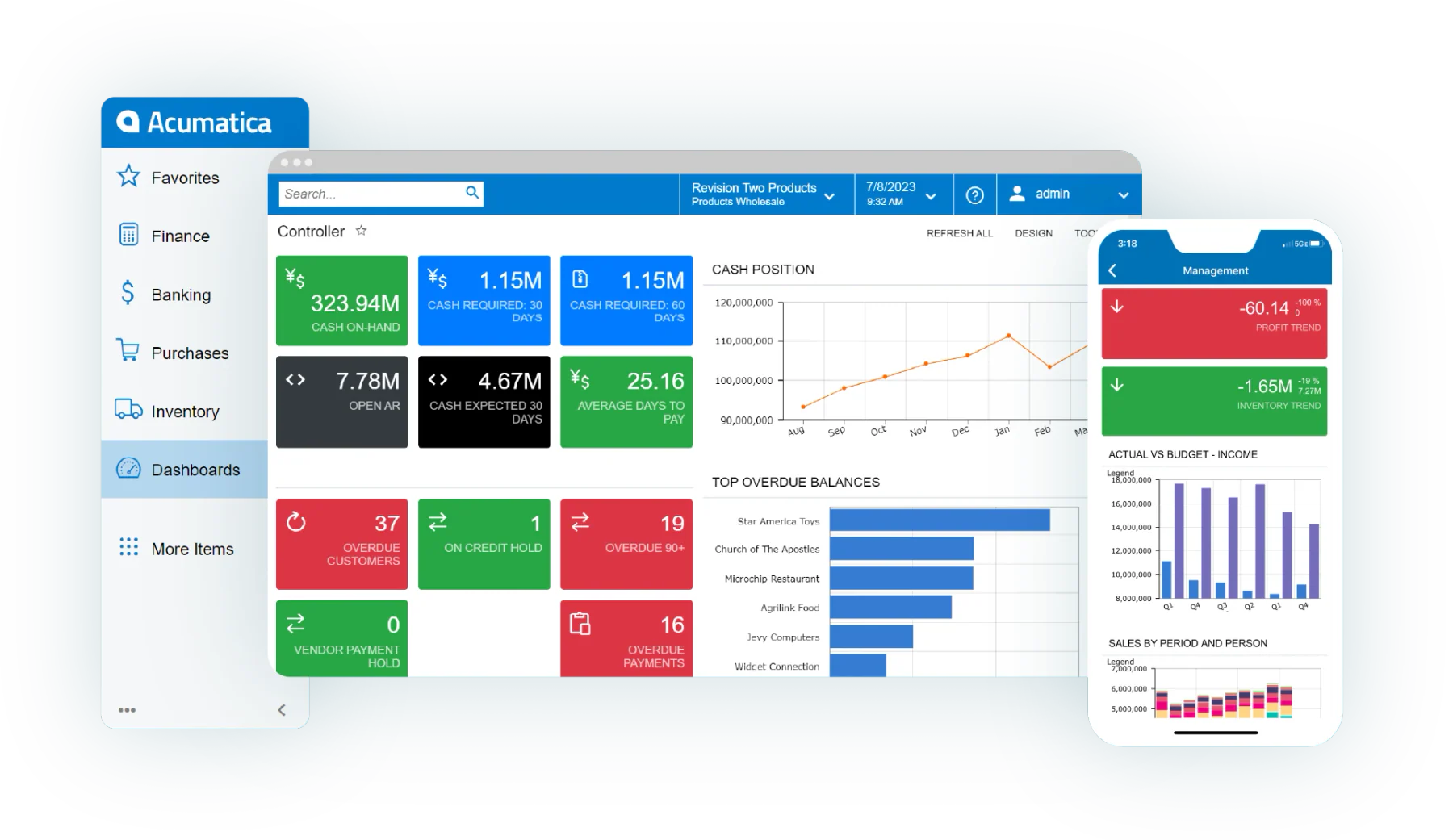
Acumatica offers a Retail-Commerce Edition designed for businesses seeking flexible, user-friendly ERP solutions with integrated CRM functionalities. This cloud-based system is tailored for small to mid-sized businesses, streamlining financials, inventory, CRM, and project management into a cohesive platform.
Despite its comprehensive features, Acumatica’s transaction-based pricing model can become costly for growing businesses. Additionally, Acumatica retail ERP software has extensive functionalities that may present a steep learning curve, often requiring additional training for users.
Feature List:
- Financial Management
- Manufacturing Management
- Project Accounting
- Retail Management
- Distribution Management
Pricing: annual subscription RM41,128–RM82,256+ (from $10k–$20k+ per year)
Best for: growing businesses that want a user-friendly ERP with built-in CRM features.
| Pros | Cons |
|
|
4. Oracle NetSuite OneWorld
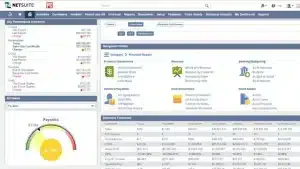
Oracle NetSuite OneWorld is a leading ERP solution offering powerful CRM tools and scalable features tailored for retail operations. It is a top choice for large enterprises, thanks to its in-depth analytics and advanced functionalities.
While Oracle Cloud ERP provides comprehensive tools like inventory management, POS, and customer insights, its complexity can pose challenges. Effective implementation often requires significant resources, training, and longer adaptation periods for users.
Feature List:
- Integrated Inventory Management
- Point-of-Sale System Integration
- Customer Insights
- Real-Time Data Analytics
Pricing: RM407 per user/month and RM4,109 monthly licensing fee.
Best for: large enterprises requiring advanced analytics and robust end-to-end CRM capabilities.
| Pros | Cons |
|
|
5. Infor for Retail
Infor’s retail-focused ERP combines CRM capabilities with AI-driven insights, offering advanced technological solutions tailored to retail companies. With industry-specific configurations, Infor CloudSuite ERP excels in supporting complex, global operations across sectors like manufacturing, healthcare, and retail.
However, its sophisticated features may pose challenges in implementation and maintenance, particularly for smaller businesses with limited IT resources. The system’s complexity often requires significant user training and higher costs, making Infor’s retail ERP software less accessible for enterprises with tight budgets.
Feature List:
- Advanced Analytics
- Global Supply Chain Management
- Industry-Specific Solutions
- Financial Management
Pricing: available upon request
Best for: retail companies needing industry-specific CRM and operational tools.
| Pros | Cons |
|
|
6. Microsoft Dynamics 365 Commerce for Retail
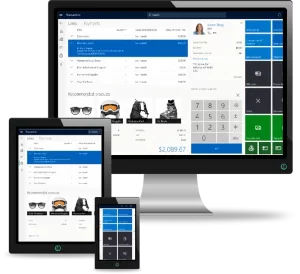
Microsoft Dynamics 365 provides a powerful suite for retail businesses, combining CRM and ERP functionalities with scalability and advanced technology. Its integration with Office 365 and cloud-based services enables seamless operations and enriched omnichannel experiences.
However, Dynamics 365’s extensive features and complexity may require significant time and resources for users to master. Customization to meet specific business needs can also be resource-intensive, potentially increasing costs for smaller businesses without dedicated IT support.
Feature List:
- Integrated with Office 365
- Predictive Customer Analytics
- Omnichannel Commerce
- Loyalty Program Management
Pricing: RM864 per user/month
Best for: businesses that rely heavily on Microsoft tools and want tight integration across cloud services.
| Pros | Cons |
|
|
7. Cin7
Cin7 is a cloud-based inventory and retail management platform that connects stock, orders, and customer data across multiple sales channels. It records sales, purchase, and fulfilment activity in one system, and supports retailers running both physical outlets and online stores.
Key Features:
- Real-time inventory tracking across warehouses and channels
- Order and fulfilment management
- Customer and sales record management
- Accounting and e-commerce platform integrations
Pricing: From around RM 1,466/month (US$349/month) for the entry plan
Best for: Retailers managing stock and customer data across multiple outlets and online sales channels.
| Pros | Cons |
|
|
8. Aptean ERP for Retail Industry
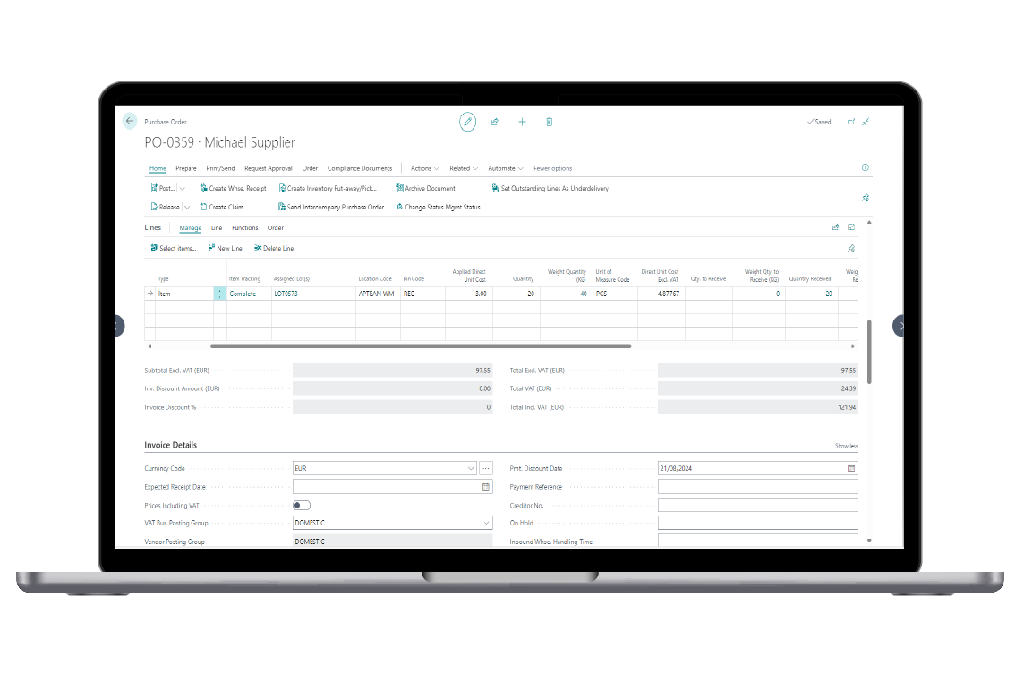 Aptean ERP provides a tailored solution for retail businesses, offering advanced CRM tools to boost efficiency and customer satisfaction. Aptean retail ERP software has a user-centric design that ensures smooth adoption and optimized operations through real-time data updates and standardized processes.
However, its industry-specific focus may limit flexibility for businesses operating across multiple sectors or needing extensive customization. Additionally, the specialized nature of the platform can make it less intuitive for users unfamiliar with industry-specific workflows, potentially extending onboarding time.
Feature List:
- Real-Time Data Updates
- Standardized Processes
- Warehouse Management
- Omnichannel Retail Management
Pricing: custom enterprise pricing; estimates often start RM164,512+ and can scale much higher depending on scope.
Best for: companies prioritizing smooth implementation and real-time data visibility across operations.
| Pros | Cons |
|
|
9. Brightpearl Retail ERP
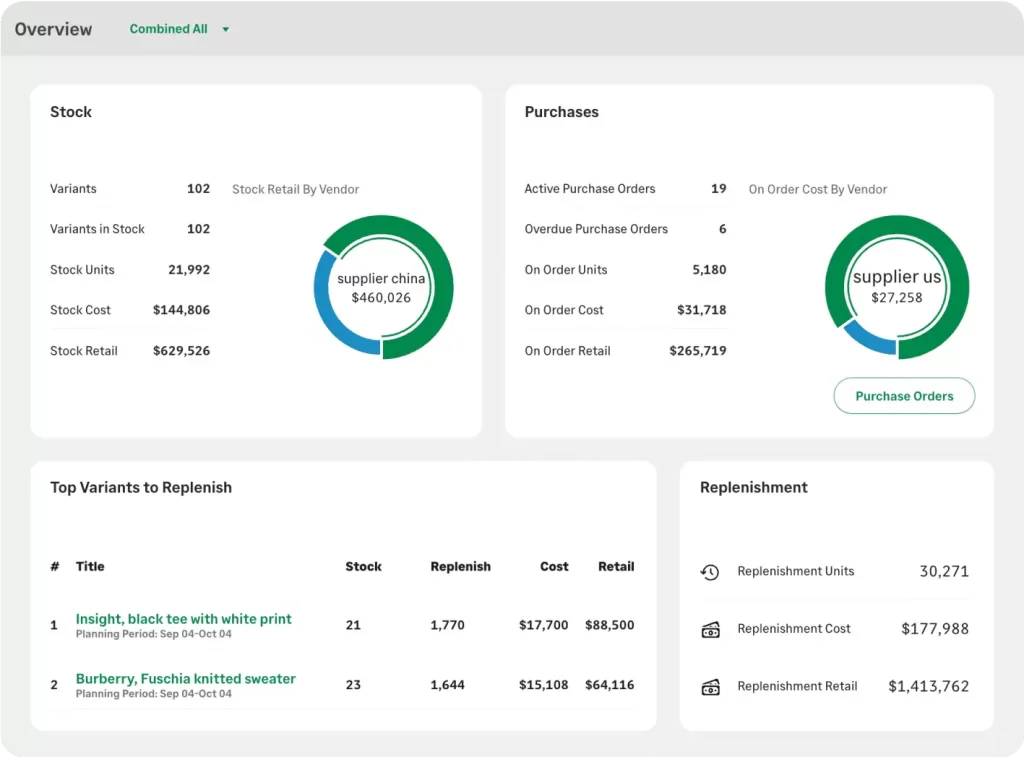
Brightpearl is a Retail Operations Platform designed for multi-channel retailers, combining CRM tools with robust ERP capabilities. It offers a comprehensive suite for sales order management, inventory, retail accounting, and supplier management.
While its features are powerful, Brightpearl’s retail ERP software pricing and service tiers may be challenging for smaller retailers. Additionally, the platform’s extensive functionalities often require significant training to maximize its potential.
Feature List:
- Sales Order Management
- Inventory Management
- Retail Accounting
- Purchasing & Supplier Management
Pricing: available upon request
Best for: retail and e-commerce businesses managing sales orders, stock, and supplier workflows at scale.
| Pros | Cons |
|
|
10. SAP S/4HANA Retail Industry Software
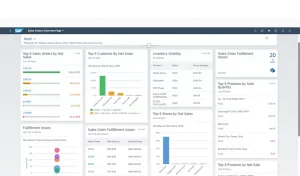
SAP S/4HANA is engineered specifically to meet the complex demands of the retail sector, offering a high-performance, in-memory database that integrates all critical business functions. It streamlines end-to-end retail processes from procurement to customer engagement.
Despite its comprehensive capabilities, SAP S/4HANA retail ERP software can be complex and resource-intensive, potentially leading to challenges in implementation, especially for smaller retailers without extensive IT infrastructure.
Feature List:
- In-memory computing
- Real-time analytics
- Supply chain optimization
- Customer engagement
Pricing: RM740–RM1,028 per user/month
Best for: enterprises requiring high-performance operations supported by a unified, in-memory data system.
| Pros | Cons |
|
|
11. Intact Business Software Retail
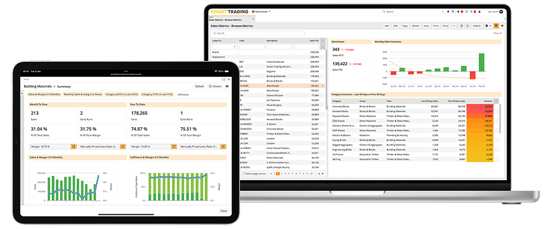
Intact iQ is a flexible ERP solution tailored for small to medium-sized businesses, offering a comprehensive view of business operations from a single platform. Known for its cloud capabilities, Intact iQ facilitates access across multiple mobile devices, enhancing connectivity and on-the-go management.
While Intact iQ retail ERP software offers broad functionality and flexible access, the platform’s extensive features may require a learning curve for some users. Additionally, the need for customization could complicate initial setup and ongoing management.
Feature List:
- Financial Management
- Stock Control
- Point of Sale
- Ecommerce Integration
Pricing: starting at RM8,226
Best for: small to mid-sized businesses seeking a flexible CRM-enabled ERP solution.
| Pros | Cons |
|
|
12. Odoo Retail ERP Solutions
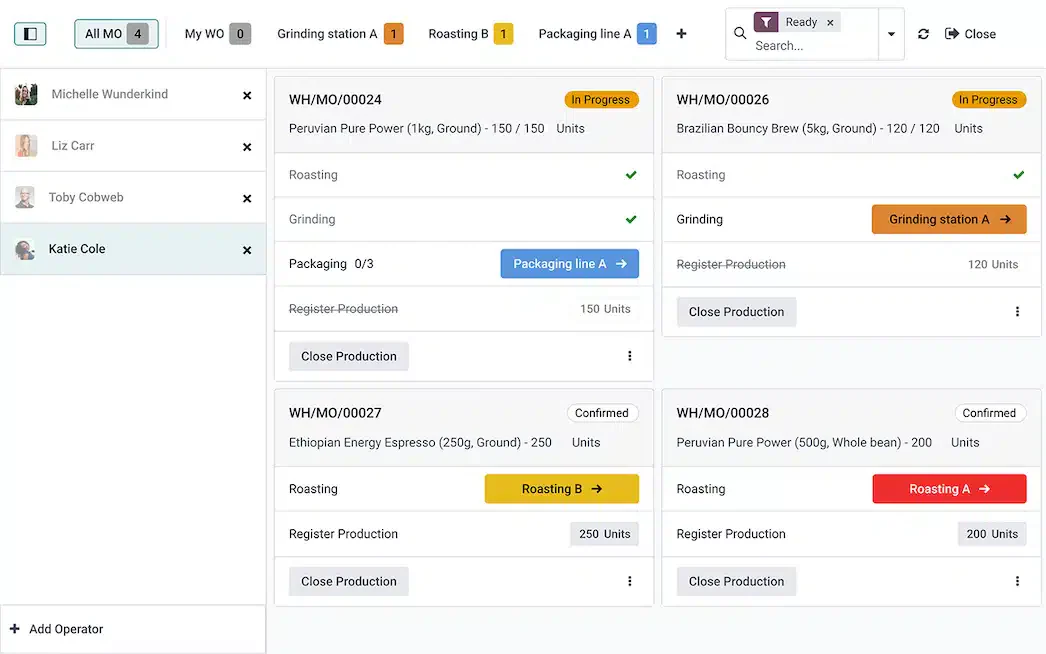
Odoo provides a comprehensive suite of open-source business management applications, designed to suit a variety of business needs, including CRM, e-commerce, inventory management, accounting, and more. This retail ERP software is especially noted for its modular structure, allowing companies to add or modify applications as their business grows.
Some users find the system’s extensive features overwhelming, and substantial customization may require technical expertise or external assistance. Furthermore, while Odoo does offer a free version, scaling up and utilizing more extensive features can become costly as more applications are added and more users are supported.
Feature List:
- CRM
- E-commerce
- Inventory Management
- Point of Sale
Pricing: standard RM102/user/month or custom RM154/user/month
Best for: companies wanting customizable, open-source applications across CRM and business operations.
| Pros | Cons |
|
|
13. Sage ERP for Retail Industry
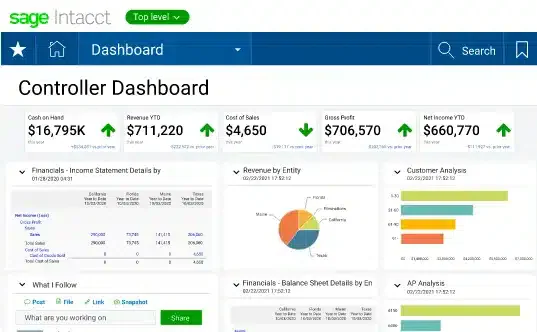
Sage ERP is a trusted solution for retail businesses, offering integrated CRM features and cloud-based tools to streamline processes. With options like Sage 100, 300, and X3, it caters to small and medium-sized businesses across industries such as wholesale, manufacturing, and retail.
Feature List:
- Inventory and order management
- Human Resources
- Accounting
- Customer Relationship Management (CRM)
- Inventory and order management
- Personalized customer engagement tools
- Real-time performance tracking
Pricing: available upon request
Best for: retail businesses looking for trusted CRM tools paired with cloud-based process streamlining.
| Pros | Cons |
|
|
Comprehensive Comparison of Retail ERP in Malaysia
| Provider | Omnichannel Sync | Local Compliance (LHDN) | POS & Store Ops | Multi-Outlet Scalability |
|---|---|---|---|---|
| HashMicro | ||||
| Oracle NetSuite | ||||
| Microsoft Dynamics 365 | ||||
| SAP Business One | ||||
| Acumatica | ||||
| Epicor Propello | ||||
| Infor | ||||
| QuickBooks Online |
Benefits of Retail ERP for Retail Businesses

Investing in a retail ERP is a strategic decision that can transform retail businesses’ operations. As a comprehensive business process management software, retail ERP offers numerous benefits, especially in the competitive market of retail ERP Malaysia:
- Streamline operations: A retail ERP system integrates critical business functions like sales, retail inventory management, and customer handling into one centralized system. This eliminates the need for separate tools and ensures smoother daily operations.
- Lower operational costs: By consolidating processes into a single platform, ERP for the retail industry reduces the reliance on additional software, cutting expenses on licenses and maintenance fees. This leads to more efficient resource management.
- Enhance real-time data access: With a retail ERP system, business owners can access real-time insights on sales, inventory levels, and customer behaviors. This improves decision-making and ensures businesses can respond promptly to changing market demands.
- Facilitate better communication: Integrated retail ERP systems break down silos between departments by providing a unified platform for data access. This improves collaboration and ensures everyone is working with accurate, up-to-date information.
- Automate routine tasks: From retail inventory management to order processing and financial reporting, retail ERP software automates routine tasks, minimizing human error. It also frees employees to focus on strategic initiatives that drive growth.
- Go paperless: Retail ERP systems store data digitally, eliminating the need for physical paperwork. This reduces storage costs, ensures data security, and allows easy access to essential records, especially with cloud-based solutions.
- Improve scalability: ERP for the retail industry can scale with your operations, whether expanding locations or introducing new products. This makes it an ideal long-term solution for businesses planning growth.
- Reduce IT maintenance: Cloud-based retail ERP Malaysia solutions automatically handle updates, security patches, and maintenance. This reduces the need for an in-house IT team and ensures you always have access to the latest features.
By adopting retail ERP software and retail accounting software, businesses can simplify their operations and position themselves for success in a dynamic market. With features like point-of-sale integration and real-time data, a retail ERP system is a must-have for modern retailers.
Key Qualities of the Best Retail ERP

When choosing a retail ERP for your business, looking for features that ensure smooth operations, scalability, and customer satisfaction is essential. Here are the defining attributes of the best retail ERP software:
- Comprehensive Inventory Management: A retail ERP offers real-time stock visibility across channels. It helps prevent overstock and stockouts, ensuring efficient inventory control for stores and e-commerce.
- Seamless Point-of-Sale Integration: A top retail ERP integrates with POS systems for fast, accurate transactions. It supports various payment methods for a smoother checkout experience.
- Enhanced Customer Relationship Management (CRM): With CRM features, retailers can manage customer data, run promotions, and create loyalty programs to boost engagement and repeat sales.
- Strong Supply Chain Management: ERP software simplifies procurement, order tracking, and demand forecasting ensuring products are stocked based on customer demand and market trends.
- Omnichannel Retail Support: The right ERP connects online and offline channels, delivering consistent customer experiences and centralized control over sales and inventory.
Choosing the right operations management software for the retail industry is a critical step for businesses in Malaysia aiming for growth and operational excellence. By focusing on these essential qualities, businesses can ensure they invest in a system that meets today’s needs and prepares them for tomorrow’s challenges.
How Retail ERP Connects Multi Store Operations
Running multiple stores every day means your front counter team and back room staff need to communicate clearly. A good retail ERP solves common daily problems by bringing your physical branches and online channels together into one main system.
Centralized Multi Outlet Inventory Control
When you have multiple locations you really need to know where your items are going. A retail ERP tracks stock moving between your branches live and tells you when it is time to restock. This clear view prevents empty shelves during busy shopping hours and stops you from wasting money on buying too much backup inventory.
Connecting POS and Omnichannel Sales
Linking your physical point of sale hardware with your online store keeps your item count accurate everywhere. Every time a customer pays the system directly updates the main stock database. This stops you from accidentally selling items you do not have and makes processes like buy online pickup in store much easier for your team to handle.
Handling Local Compliance and Daily Closing
A good retail ERP makes closing the shop at the end of the day much easier by matching your store sales with your bank records automatically. On top of that having direct support for Malaysia MyInvois requirements means your daily point of sale transactions stay compliant without forcing your store managers to do extra manual paperwork.
How to Choose an Ideal ERP Provider
Choosing the right ERP provider for your retail business is crucial to improving efficiency and ensuring long-term success. Here are the key steps to follow when selecting an ERP provider:
- Identify Your Business Needs: Understand your current processes, challenges, and objectives. Identify areas for automation, such as inventory management, CRM, or financial tools. Defining your needs helps narrow down suitable providers.
- Evaluate Scalability: Ensure the ERP system can grow with your business. The provider should offer customizable solutions that can be adjusted as your business needs evolve.
- Check Integration Capabilities: The ERP system should integrate seamlessly with your existing systems, such as POS, CRM, and supply chain software. This helps streamline operations and ensures that data flows smoothly across departments.
- Assess User-Friendliness: The system should be easy to use for both the management and employees. A complicated system can lead to resistance, errors, and training challenges.
- Consider Customer Support: Opt for a provider that offers reliable customer support and training resources. Ongoing support is essential to solve any issues promptly and keep operations running smoothly.
- Look for Industry Expertise: Choose an ERP provider with experience in your industry. A specialized provider will understand the nuances of your retail business and offer tailored solutions that are more effective.
By following these guidelines, you can select an ERP provider that fits your retail business goals and seamlessly integrates with retail POS software to help drive sustainable growth.
Which Retail ERP Software Suits Your Business?
To simplify the final selection, the matrix below pairs common retail business models with the most practical software options. This overview allows decision makers to quickly spot which platform matches their daily store setup and operational needs.
| Retail Scenario | Recommended Software | Why It Fits | Main Consideration |
|---|---|---|---|
| E commerce and marketplace sellers (Shopee Lazada TikTok Shop) | Brightpearl | Built specifically to sync massive online order volumes and manage fast moving stock | Higher cost tiers might be too much for smaller online sellers |
| Large multi entity retail groups | Oracle NetSuite | Handles complex finances across different companies and gives deep data insights | Very expensive and takes a long time for staff to learn |
| Mid market retailers with complex warehouses | Acumatica and SAP S/4HANA | Offers very strong inventory control and flexible cloud tools for growing operations | Setting up the warehouse rules requires heavy IT support |
| Multi branch retailers needing local compliance | HashMicro | Connects all physical stores easily and supports Malaysia MyInvois rules directly | You might need to wait for a demo due to high client demand |
| Small boutiques and simple retail shops | QuickBooks POS | Super simple to use for everyday sales and basic accounting without confusing features | You will outgrow it fast if you open many new branches |
Conclusion
A retail ERP is a vital tool for modern businesses, especially in Malaysia’s competitive retail landscape. Businesses can improve efficiency, enhance customer engagement, and achieve sustainable growth by automating operations through the best retail ERP software.
One of the leading solutions for retailers is HashMicro Retail ERP. Equipped with comprehensive features, HashMicro helps businesses streamline operations, cut unnecessary costs, and adapt to growing demands, ensuring a competitive edge in the ERP for the retail industry.
"HashMicro has become a reliable operational backbone that supports both day-to-day needs and long-term growth."
Don’t miss the opportunity to experience HashMicro Retail ERP’s benefits firsthand. Sign up for a free demo today and discover how it can revolutionize your retail operations.
FAQs about Retail ERP Malaysia
You should consider a Retail ERP when manual processes begin to hinder your growth. Key indicators include frequent overselling on Shopee or Lazada due to stock discrepancies, difficulty in consolidating financial reports from multiple outlets, and the administrative burden of manually processing LHDN e-invoices. If your team spends more time fixing data errors than serving customers at the POS, your business has outgrown basic accounting or POS software.
In the fast-paced Malaysian market, real-time synchronization ensures that your inventory levels are identical across physical stores and online marketplaces (omnichannel). This prevents “out-of-stock” disappointments for customers and eliminates the need for manual stock updates at the end of the day. Furthermore, it enables immediate compliance with LHDN MyInvois requirements, as every transaction is validated and recorded the moment it happens, protecting your business from tax audit risks and penalties
Prominent retail chains in Malaysia include AEON, Padini, and 99 Speed Mart. These companies utilize technology like ERP systems to manage inventory and optimize supply chains, ensuring efficiency and customer satisfaction.
1. On-premise ERP: installed and managed on a company’s own servers.
2. Cloud ERP: hosted by the vendor and accessed online via subscription.
3. Hybrid ERP: a mix of on-premise and cloud modules for flexibility and gradual migration.
An example of an ERP is HashMicro ERP. It offers integrated modules like accounting, inventory, procurement, HR, sales, and POS to help businesses centralize data and automate cross-department workflows. This makes it a practical option for companies that want better visibility, tighter control, and faster decision-making across operations.