









 Limited to 100 registrants

Filipino consumers are increasingly shifting from cash to digital payments for everyday purchases, bills, and online shopping. As customers expect faster and more convenient payment options, businesses need to adapt to changing payment habits to keep transactions simple and efficient.
According to Statista (2023), Southeast Asia saw rapid growth in mobile wallet users, reaching over 125 million across key markets, showing how quickly consumers are shifting to cashless habits. For businesses in the Philippines, this shift highlights the need to support digital payments and make transactions easier to manage.
This guide covers how e-wallets work, the different types available, and how businesses can integrate digital payments into daily operations while improving payment convenience and transaction tracking.
Key Takeaways
Integrating digital wallets improves visibility and control by letting businesses track payments easily and maintain reliable financial records.
Digital wallets boost payment speed and accuracy while giving customers a faster, more secure way to complete transactions.
Choosing the right digital wallets starts with understanding customer preferences, system compatibility, costs, compliance, and staff readiness.
What Is a Digital Wallet?
A digital wallet is a secure, software-based system that stores payment info like credit cards, debit cards, and bank details on devices such as smartphones or tablets. Additionally, it can hold coupons, tickets, loyalty cards, and ID cards, serving as an all-in-one financial hub.
From a business perspective, digital wallets are essential for connecting operations with modern consumer habits. They reduce checkout friction, speed queues, and improve customer experience. Additionally, they broaden market reach and facilitate seamless loyalty integrations, encouraging repeat business.
How E-Wallets Process Transactions?

When a customer pays using their phone, the wallet app transmits encrypted payment data to your terminal or payment gateway. The customer authenticates through fingerprint, face scan, or PIN before the transaction completes, usually in seconds.
Here’s what happens behind the scenes:
Core Technology
Most contactless payments use Near Field Communication (NFC), which lets devices exchange data when held close together. QR codes offer another option, the customer scans a code displayed at your counter. Understanding what NFC is helps when choosing compatible hardware.
The Payment Flow
Transactions follow four quick steps: initiation (customer taps or scans), authentication (biometrics or PIN), data transmission (encrypted and secure), and authorization (bank confirms payment). The entire process typically takes less than five seconds.
How Tokenization Protects Data
Instead of sharing actual card numbers, wallets use “tokens”—random strings that represent payment credentials. According to the PCI Security Standards Council, these tokens are useless to hackers if intercepted. This makes digital payments generally safer than handing over a physical card.
Types of E-Wallets: Which Fits Your Business?
Understanding the three main wallet categories helps you decide which payment methods to accept. Each type has trade-offs in terms of customer reach, control, and setup complexity.
Closed Wallets
A closed wallet works only within one company’s ecosystem. Think of Starbucks card balances or airline miles apps. Customers load funds specifically to use with that brand.
- Best for: Businesses with loyal repeat customers who want to build a rewards-based ecosystem. Restaurant chains and retail franchises sometimes use this model to increase customer retention.
Semi-Closed Wallets
These allow payments at partner merchants, both online and in physical stores. GCash and Maya fall into this category—users can pay at any business that accepts them.
- Best for: Most Philippine MSMEs. Joining these networks gives you access to millions of potential customers without building payment infrastructure yourself. The wallet provider handles compliance and security.
Open Wallets
Issued by banks in partnership with networks like Visa or Mastercard, open wallets work almost anywhere cards are accepted. They offer maximum flexibility for users.
- Best for: Businesses wanting to accept the widest range of payment methods. These integrate well with existing credit card processing setups.
Why Accepting Mobile Payments Helps Your Business
Beyond keeping up with customer expectations, e-wallets offer concrete operational benefits. Here’s what Philippine businesses typically gain:
- Faster Checkout, Happier Customers
Tap-and-go payments take seconds. No fumbling for exact change, no waiting for card machines to dial out. In busy retail environments or during lunch rush at restaurants, this speed adds up. Shorter lines mean more customers served per hour. - Better Security Than Cash or Cards
Tokenization and biometric authentication make e-wallet fraud difficult. Unlike physical cards that can be skimmed or cash that can be lost, mobile payments create a digital trail and require user verification. For business owners worried about theft or employee pilferage, this adds a layer of protection. - Simpler Daily Operations
Accepting fewer cash payments means less time counting, less risk of errors, and easier end-of-day reconciliation. Many wallet platforms provide transaction reports that sync with accounting systems, reducing manual data entry. For multi-branch operations—common in Philippine retail, centralized digital records help owners track performance across locations. - Fewer Abandoned Sales
The Baymard Institute found that complicated checkout processes cause many online shoppers to give up before paying. Offering one-tap wallet options removes friction. The same principle applies in-store: when paying is easy, customers are more likely to complete purchases. - Customer Insights and Loyalty
Many e-wallet platforms include built-in loyalty features or purchase tracking. This data shows buying patterns, popular items, and peak hours—information you can use for inventory planning or targeted promotions.
With the right setup, mobile payments can make everyday transactions faster, simpler, and easier to track. For businesses ready to improve payment management, the right POS system can bring sales and digital payments together in one platform.
Setting Up Mobile Payments: A Practical Approach
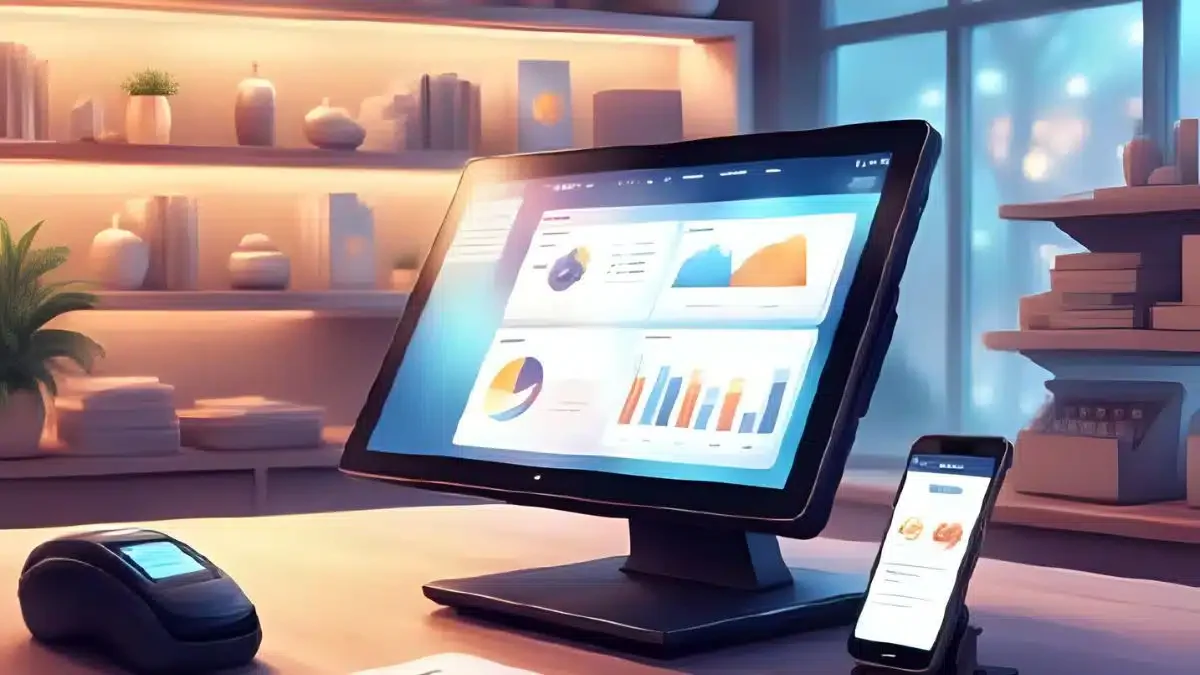
Adding wallet support requires more than just buying a new terminal. For smooth operations, consider how payments connect to your existing systems.
Point-of-Sale Integration
Your POS system is the hub. Modern terminals support NFC for contactless payments and can process various wallet brands. When choosing or upgrading POS hardware, check compatibility with GCash, Maya, and card-based wallets like Apple Pay and Google Pay.
The software side matters too, transactions should automatically record in your sales data, not require manual entry. This prevents errors and saves time.
Payment Gateway Selection
For e-commerce, your payment gateway bridges your website, customer wallets, and banks. A reliable gateway supports multiple wallet types, provides security features like 3D Secure, and offers analytics to monitor transactions.
When evaluating options, consider transaction fees, settlement speed, and integration complexity. Some gateways work better with certain e-commerce platforms than others.
Connecting to Accounting and Inventory
Here’s where many businesses miss opportunities. Every wallet transaction should flow into your accounting records and update inventory automatically. Manual reconciliation, as comparing bank statements to sales records becomes tedious as transaction volume grows.
An integrated system that syncs sales, updates stock levels, and generates reports saves hours weekly. This is especially valuable during BIR audits, when you need accurate, organized financial records.
Applying This to Your Business: A Quick Checklist
A well-planned digital payment setup helps businesses keep transactions simple and ready for changing customer needs. Before choosing which wallets to accept:
- Know your customers. What payment methods do they already use? If you serve younger, urban consumers, GCashGCash and Maya are likely priorities. If you cater to business clients, card-based wallets may matter more.
- Audit your current setup. Does your mobile POS or fixed terminal support contactless NFC? Can your accounting software import digital transactions? Identifying gaps helps you plan upgrades.
- Calculate costs. Transaction fees vary by wallet and volume. Compare these against the cost of cash handling (time, errors, security).
- Plan for BIR compliance. Electronic payment records should integrate with your official receipts system. The Bureau of Internal Revenue requires documentation of all sales for tax purposes.
- Train your team. Staff need to know how to process wallet payments, troubleshoot common issues, and explain options to customers.
Conclusion
E-wallets have become a normal part of how Filipinos pay. Businesses that accept these payments meet customers where they are, speed up transactions, and gain better visibility into their sales data. The technology itself isn’t complicated. What matters is setting it up properly and connecting it to your operations.
Start by understanding which payment methods your customers prefer. Then evaluate whether your current systems can handle digital payments or need upgrading. The investment typically pays off through faster checkout, fewer cash-handling problems, and cleaner financial records.
For businesses ready to improve payment management, try a free demo and see how the right POS system can connect digital payments with everyday sales operations.
FAQ about Digital Wallets
The terms are often used interchangeably. However, a digital wallet is a broader concept for software that stores payment info, while a mobile wallet specifically refers to a digital wallet on a mobile device like a smartphone.
Yes, they are extremely safe. Digital wallets use advanced security features like tokenization and biometric authentication, which make them more secure than traditional credit card transactions and protect businesses from fraud.
The most popular wallets vary by region. In Southeast Asia, businesses should consider accepting prominent local options like GCash, Maya, GoPay, OVO, and ShopeePay, alongside global players like Apple Pay and Google Pay to cover the widest customer base.
Yes. Many digital wallets can integrate with POS and accounting software through built-in integrations or payment gateways. This allows businesses to record digital payments more efficiently, reduce manual data entry, and simplify sales reconciliation. The available integration options depend on the wallet, POS, and accounting system being used.
Yes, especially when customers already prefer cashless payments. Accepting e-wallets gives sari-sari stores more payment flexibility and can make transactions faster during busy periods. It can also reduce the amount of cash handled and make digital payment records easier to track. Businesses should still consider transaction fees, internet access, and the payment methods most commonly used by their customers.