




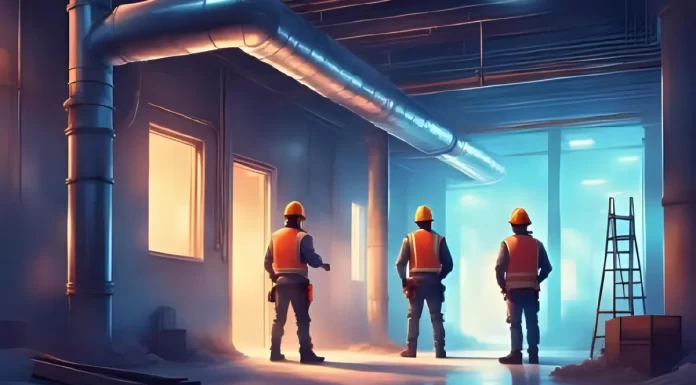
MEP stands for Mechanical, Electrical, and Plumbing the core systems that make a building functional and comfortable to use. From air conditioning and lighting to water supply and drainage, these elements work behind the scenes to support daily activities inside a building.
When MEP systems are properly planned and coordinated, projects run more smoothly. Good integration improves safety, boosts building performance, and helps different teams work efficiently without interfering with each other.
However, MEP is also one of the most common sources of issues on construction sites. Poor coordination can lead to system clashes, rework, delays, and unexpected cost increases, turning technical systems into major project bottlenecks if not managed carefully.
Key Takeaways
|
What Is MEP in a Construction Project?
MEP stands for Mechanical, Electrical, and Plumbing, forming the essential systems that make a building habitable. These disciplines work together to ensure the structure is safe, comfortable, and functional for occupants.
1. Mechanical systems
The mechanical system regulates the indoor environment, focusing primarily on heating, cooling, and ventilation. Common examples include HVAC units, elevators, and escalators that facilitate movement and comfort.
2. Electrical systems
Electrical systems distribute power throughout the structure to support lighting, devices, and security networks. This includes installing main panels, power outlets, and low-voltage systems like fire alarms.
3. Plumbing systems
Plumbing systems manage the flow of water, covering both clean water supply and safe wastewater disposal. Key components involve pipes, fixtures, water heaters, and sanitary drainage networks connected to sewers.
The Crucial Role of MEP in the Construction Project Lifecycle
Integrating MEP effectively is critical at every stage, from initial design concepts to final building maintenance. Proper management ensures systems function correctly and reduces the risk of expensive rework later.
- Pre-construction stage
The team collaborates to design integrated systems and analyze load requirements before work begins. Using modeling tools helps visualize potential clashes between ducts and beams to prevent future issues. - Construction stage
Contractors focus on installing systems according to approved drawings while coordinating with other trades on-site. The project manager oversees schedules and conducts testing to verify that equipment functions as intended. - Post-construction stage
The focus shifts to operations, where the team provides as-built drawings and manuals for facility management. This documentation assists with routine maintenance and repairs to ensure long-term system efficiency.
Key Challenges in MEP Coordination and How to Overcome Them

MEP coordination often faces obstacles due to the complexity of integrating multiple technical disciplines within limited spaces. Identifying these issues early allows managers to implement strategies that prevent delays and safety hazards.
- Managing multiple subcontractors
Coordinating various specialized trades can lead to scheduling conflicts and overlapping work areas on the site. Contractors often use performance bonds to ensure adherence to timelines and quality standards. - Handling design changes
Modifications during construction can cause significant rework if not communicated immediately to all parties. Centralized platforms ensure every stakeholder accesses the most current plans to avoid miscommunication. - Limited installation space
Congested ceiling voids often result in physical clashes between pipes, ducts, and structural beams. Detailed 3D modeling helps detect these spatial conflicts digitally before physical installation occurs.
MEP Integration with Technology
Modern technology has transformed how professionals design and manage complex building systems for greater accuracy. Digital tools provide the visibility needed to reduce errors and streamline the entire project lifecycle.
- Building Information Modeling (BIM)
BIM creates intelligent 3D models that visualize all mechanical and electrical components in detail. This technology detects physical clashes between systems automatically to resolve issues before construction. - Centralized data limitations
While BIM handles design well, it often lacks integration with financial and operational project data. This separation creates information silos that hinder comprehensive budget and schedule tracking. - Construction ERP integration
Integrating design models with management platforms connects technical data with financial workflows. This allows systems to automate material procurement and track budget impacts in real-time.
Future Trends Shaping MEP in the Construction Industry
The industry is evolving with trends that prioritize sustainability, efficiency, and smarter building operations. Staying updated with these innovations ensures projects remain competitive and meet modern environmental standards.
- Sustainability and green buildings
Designs now focus on energy efficiency through renewable energy sources and water-saving technologies. These systems aim to minimize the building’s carbon footprint and reduce long-term operational costs. - Prefabrication methods
Manufacturing components like pipe racks in off-site factories speeds up the installation process significantly. This approach improves quality control and reduces waste by assembling units in a controlled environment. - Internet of Things (IoT)
Smart buildings utilize interconnected sensors to automate temperature and lighting adjustments based on occupancy. These devices collect real-time data to optimize energy usage and predict maintenance needs.
Conclusion
MEP in construction plays a critical role in delivering buildings that are safe, comfortable, and fully functional for occupants. Proper coordination between mechanical, electrical, and plumbing systems helps prevent installation conflicts, reduce on-site errors, and maintain overall project quality from start to finish.
Managing design data, budgets, and schedules in an integrated manner is essential for handling the complexity of MEP works. With better visibility across project components, construction teams can make faster decisions, anticipate issues earlier, and maintain efficiency throughout both the planning and execution phases.
A strong understanding of MEP coordination strategies combined with the right supporting systems enables construction companies to improve productivity while minimizing risks related to time and cost overruns. Consult now to explore the most suitable approach for addressing your project’s specific challenges and requirements.

FAQ About MEP in Construction
-
What is the main difference between an MEP engineer and an architect?
An architect focuses on the aesthetic design, spatial layout, and overall form of a building, while an MEP engineer designs the functional systems within it. Essentially, the architect designs the building’s ‘body,’ and the MEP engineer designs its ‘vital organ systems’ like HVAC, electrical, and plumbing.
-
What is the estimated cost of MEP in a construction project?
MEP costs can vary greatly depending on the building’s type and complexity, but as a general rule, they typically range from 20% to 30% of the total construction cost. For technically demanding buildings like hospitals or data centers, this percentage can be much higher, reaching 40-60%.
-
Why is MEP crucial for long-term building maintenance?
MEP is vital for maintenance because these active systems require regular upkeep. The quality of MEP installation directly impacts operational costs, energy consumption, and repair frequency. Good MEP documentation, like as-built drawings, is crucial for facility management to perform preventive maintenance and diagnose issues effectively, extending the building’s lifespan.
-
What does MEP coordination mean?
MEP coordination is the process of ensuring that all mechanical, electrical, and plumbing systems are designed and installed without conflicting with each other or with structural and architectural components. This involves intensive collaboration to plan routes for pipes, ducts, and cables efficiently within limited spaces, often using software like BIM to detect potential clashes digitally.