




Over the past decade, managing finances in Australia has become more complex due to evolving digital reporting requirements from the Australian Taxation Office (ATO), such as Single Touch Payroll (STP) Phase 2 and e-invoicing. As businesses strive for stability and growth, relying on outdated systems like manual spreadsheets no longer ensures accuracy and can expose them to compliance risks.
The market is flooded with various financial software options, from simple invoicing tools for small businesses to sophisticated ERP systems for larger enterprises. Choosing the right solution requires careful consideration of specific business needs, especially in navigating local regulations like GST and BAS lodgements.
This guide explores the leading accounting software for Australian businesses, providing a detailed comparison to help you select the best fit for your company’s unique requirements and ensure smooth operations moving forward.
Key Takeaways
Accounting software automates financial transactions, improving accuracy and efficiency.
The top 11 accounting software options cater to different business sizes, budgets, compliance needs, and operational requirements.
Choose accounting software by mapping your workflows, testing Australian compliance features, checking integrations, and assessing scalability.

Australian Accounting Software At a Glance
The Australian accounting software market is shifting towards cloud-based solutions that offer real-time bank feeds and easy accessibility. Here’s a shortlist of leading vendors offering tailored solutions across industries, helping businesses automate financial management and ensure compliance with local regulations.
Best Because
Simplifies accounting and payroll with local compliance for Australian businesses.

Best Because
User-friendly cloud accounting for seamless financial management.

Best Because
Flexible accounting software designed for growing businesses.

Best Because
Best for mid-to-large Australian businesses that need accounting connected with inventory, procurement, manufacturing, or other operational workflows.


Best Because
Modular accounting software offering simplicity and cost-effectiveness.
What is Accounting Software and Why Australian Businesses Need It?
Accounting software is a digital tool that automates the recording, processing, and reporting of financial transactions. Beyond simply tracking income and expenses, it integrates with other business systems to streamline operations, making financial management more efficient.
In Australia, a comprehensive financial management solution is essential due to the country’s complex tax system. With regulations like GST and BAS reporting, manual processes are no longer viable.
The shift to Open Banking has enhanced the value of accounting software by providing secure, direct transaction feeds from financial institutions.
This integration enables businesses to monitor cash flow in real time, empowering owners to make informed decisions quickly and maintain financial stability.






What to Look for in Australian Accounting Software
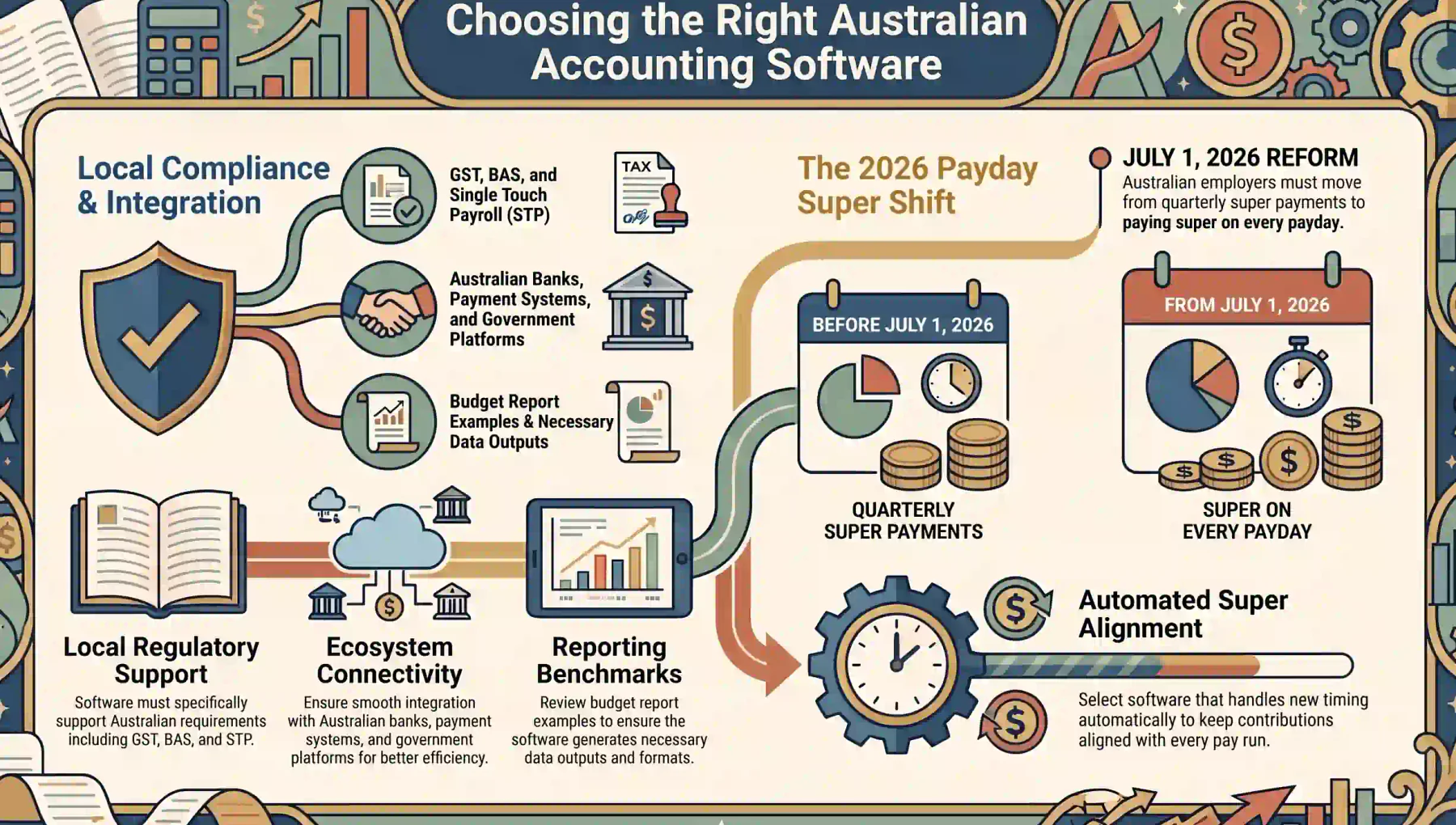
Choose accounting software that supports Australian requirements such as GST, BAS, and STP while integrating with banks, payment systems, and government platforms to improve efficiency and financial control.
Reviewing a budget report example can also help businesses set benchmarks before selecting software. It clarifies which reporting formats and data outputs a platform needs to support.
Superannuation compliance is another major consideration in 2026. From 1 July 2026, Payday Super reforms will require Australian employers to move from quarterly super payments to paying super on every payday.
This is a significant shift for payroll workflows, so it is worth choosing accounting software that handles the new timing automatically and keeps contributions aligned with each pay run without adding extra steps for your team.
https://www.hashmicro.com/au/blog/best-payroll-software/
"When evaluating accounting software for Australian businesses, the real test isn't the feature list. But it's whether the platform handles GST, BAS, STP Phase 2, and Payday Super on autopilot. Miss one compliance cycle, and you're exposed."
1. GST tracking and BAS lodgement
Look for accounting software in Australia that automatically tracks GST on all transactions, ensuring accurate reporting for BAS lodgement. The best software for accounting should also allow easy generation of BAS reports, and some even support direct lodgement to the ATO via Standard Business Reporting (SBR).
2. Single Touch Payroll (STP phase 2) compliance
STP Phase 2 compliance is essential for Australian businesses managing payroll obligations. The best accounting software helps automatically categorise payroll data and report it to the ATO, reducing manual work, lowering error risks, and simplifying superannuation and tax reporting.
3. ATO integration
The best accounting software should integrate directly with the ATO to verify ABNs, support lodgements, and streamline Taxable Payments Annual Reports (TPAR). This reduces administrative burden while helping your records stay aligned with government requirements.
4. Bank integration
Reliable bank feeds help integrate financial reporting and automate reconciliation across your accounting workflows. Choose software that supports direct feeds from major banks to reduce manual work.
5. Multi-currency support
For importers and exporters, the best accounting software in Australia supports multi-currency transactions. It automatically updates exchange rates, ensuring accurate financial reporting and eliminating manual calculation errors.
6. Data security and residency
Data security is critical for protecting financial information. Look for top accounting software that adheres to Australian Privacy Principles (APPs), ensuring that your data is securely hosted within Australia and protected by local privacy laws. Additionally, enforce Two-Factor Authentication (2FA) for added security.
This guidance will help you choose the best accounting software Australia has to offer, ensuring compliance and operational efficiency.
7. Automation
Accounting automation reduces manual data entry by connecting bank feeds, triggering payment reminders, and matching transactions without staff intervention.
The best platforms extend automation to payroll processing, BAS lodgement, and superannuation contributions, reducing the compliance workload for Australian businesses managing multiple reporting obligations.
Australian Accounting Compliance Standards for 2026
Australian accounting compliance is tightening fast, and 2026 brings a cluster of new obligations that accounting software must support out of the box to avoid pushing administrative work back onto finance teams.
Understanding each standard matters for software selection, because a platform that handles only one or two correctly will leave gaps elsewhere, and those gaps usually surface during ATO audits or lodgement deadlines.
1. GST and BAS reporting
Goods and Services Tax at 10 per cent applies to most goods and services sold in Australia, and every registered business must lodge a Business Activity Statement monthly, quarterly, or annually based on turnover.
Compliant accounting software calculates GST automatically, produces ATO-ready BAS reports, and ideally lodges through SBR-enabled channels, keeping each reporting cycle accurate without manual reconciliation work.
2. Single Touch Payroll Phase 2
STP Phase 2 requires employers to report employee pay, tax, and super to the ATO at each pay event, with richer data such as income type, country codes, and disaggregated gross components in every submission.
Accounting software must categorise payroll data to match the Phase 2 schema, submit lodgements in real time, and handle corrections cleanly when errors are identified after a pay run has been processed and sent.
3. Payday Super from July 2026
From 1 July 2026, employers must pay superannuation on the same day wages are paid, ending the long-standing quarterly super cycle and closing the gap that allowed unpaid super to accumulate across entire quarters.
This significant shift for payroll workflows requires accounting systems to calculate super contributions at each pay run, process payments through SuperStream, and reconcile fund confirmations automatically.
4. Peppol eInvoicing
Peppol is the international eInvoicing framework Australia has adopted, and through 2026 all Commonwealth government agencies require Peppol-compliant invoices from their suppliers for faster, more secure exchange.
Accounting software with Peppol capability sends and receives structured invoices between connected businesses directly through the network, removing PDF attachments and email delays from the payment cycle entirely.
5. ATO digital service providers and SBR
The ATO maintains a digital service provider register, and only listed accounting software can connect directly for lodgement, SuperStream processing, and STP submissions under the current operational framework.
Choosing software whose vendor is an approved digital service provider means smoother regulatory updates, faster adoption of new ATO services, and direct accountability if there is a technical failure in lodgement.
Quick Comparison Table
This is a brief and comprehensive comparison of all recommendations that highlights the strengths and weaknesses of each software. Insights included in this table can be helpful in your process of searching for the best accounting software for your business needs.
| Features | MYOB | Xero | QuickBooks | HashMicro | Reckon One | FreshBooks | Zoho Books | Sage | Wave | Rounded | Thriday |
|---|---|---|---|---|---|---|---|---|---|---|---|
| Ease of Use | |||||||||||
| Pricing Value | |||||||||||
| AU Compliance | |||||||||||
| Integration Quality | |||||||||||
| Scalability |
11 Top Accounting Software in Australia
The following list represents the leading accounting solutions available to Australian businesses in 2026. Each has distinct strengths, catering to businesses of different sizes and industries. HashMicro publishes this comparison and is included as one of the listed vendors. Our recommendation reflects the stated fit and features. Verify current capabilities, pricing, and implementation scope directly with each provider.
1. MYOB
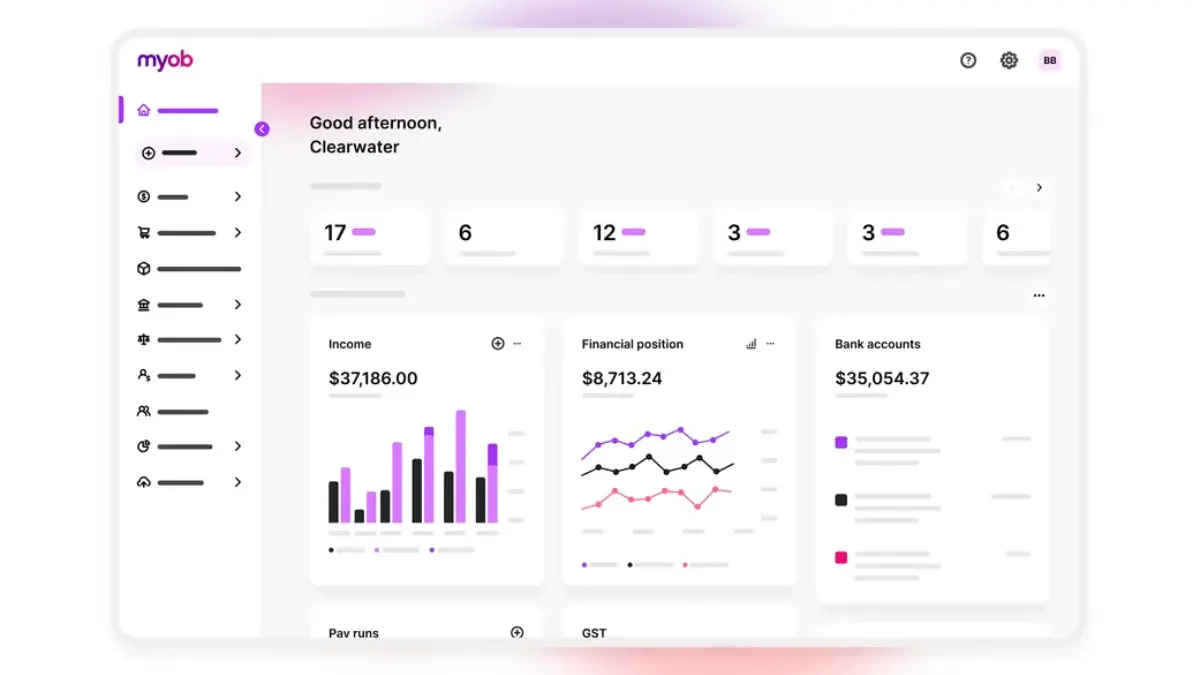
MYOB is a long-established Australian accounting brand with broad accountant familiarity.
Best for: Australian SMBs with complex payroll conditions and multi-employee setups that need deep local compliance.
Key Features:
- Deep Australian payroll handling, rooted in local industrial relations requirements
- Strong inventory management on higher-tier plans
- Seamless integration with a broad network of local accountants trained on the platform
- “Capture” app for easy receipt scanning and storage
- Strong local compliance built into every tier
| Pros | Cons |
| ✓ Extremely strong brand recognition and accountant familiarity. | × Can be more expensive than some competitors for basic features. |
| ✓ Excellent handling of complex Australian payroll conditions. | × The user interface, while improved, can feel denser than newer platforms. |
| ✓ Robust customer support based in the region. |
Indicative price: AUD $34/month (plan: Business Lite, billing: monthly, GST: unclear). The Pro tier sits at AUD $63/month.
2. Xero
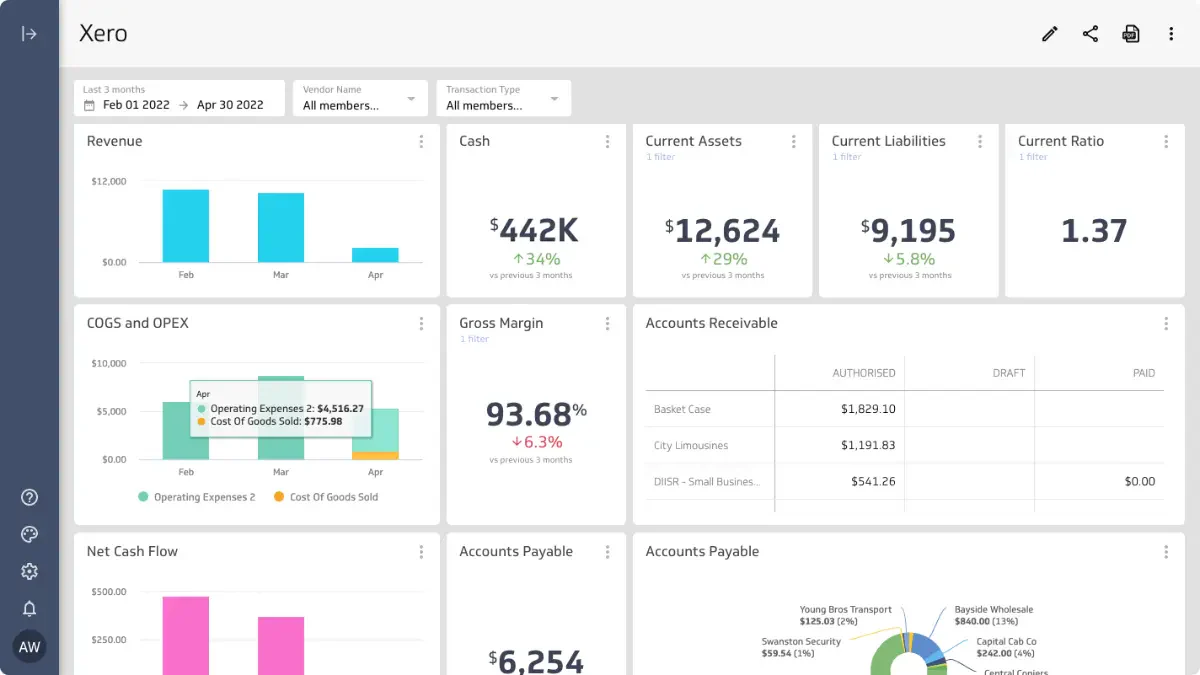
Born in New Zealand, Xero revolutionized the market by being “cloud-first.” Xero is widely used by Australian SMEs and is known for its cloud interface and integration ecosystem. Its success is built on a “beautiful” user experience and an open API that has spawned an ecosystem of over 1,000 third-party apps.
For software providers that want to offer a Xero integration without developing and maintaining it entirely in-house, unified API platforms can reduce the technical overhead involved.
For software providers that want to offer a Xero integration without developing and maintaining it entirely in-house, unified API platforms can reduce the technical overhead involved.
Best for: Growing Australian SMEs that want a clean interface, a wide integration ecosystem, and payroll across all plans.
Key Features:
- Clear, real-time dashboard for cash flow monitoring
- Gamified reconciliation process (Match, Create, Transfer)
- STP Phase 2 compliant payroll with Xero Me employee self-service portal
- Hubdoc data capture tool included in most plans
- Open API with over 1,000 third-party app integrations
| Pros | Cons |
| ✓ Intuitive, user-friendly interface ideal for non-accountants. | × Payroll is limited to a certain number of employees per plan; costs rise as you grow. |
| ✓ Massive ecosystem of integrations (inventory, CRM, POS). | × Multi-currency is only available on the most expensive “Premium” tier. |
| ✓ “Find and Recode” feature is a favorite among bookkeepers for fixing bulk errors. |
Indicative price: AUD $35/month (plan: Ignite, billing: monthly, GST: unclear). Grow runs at AUD $75/month and Comprehensive at AUD $100/month.
3. QuickBooks Online
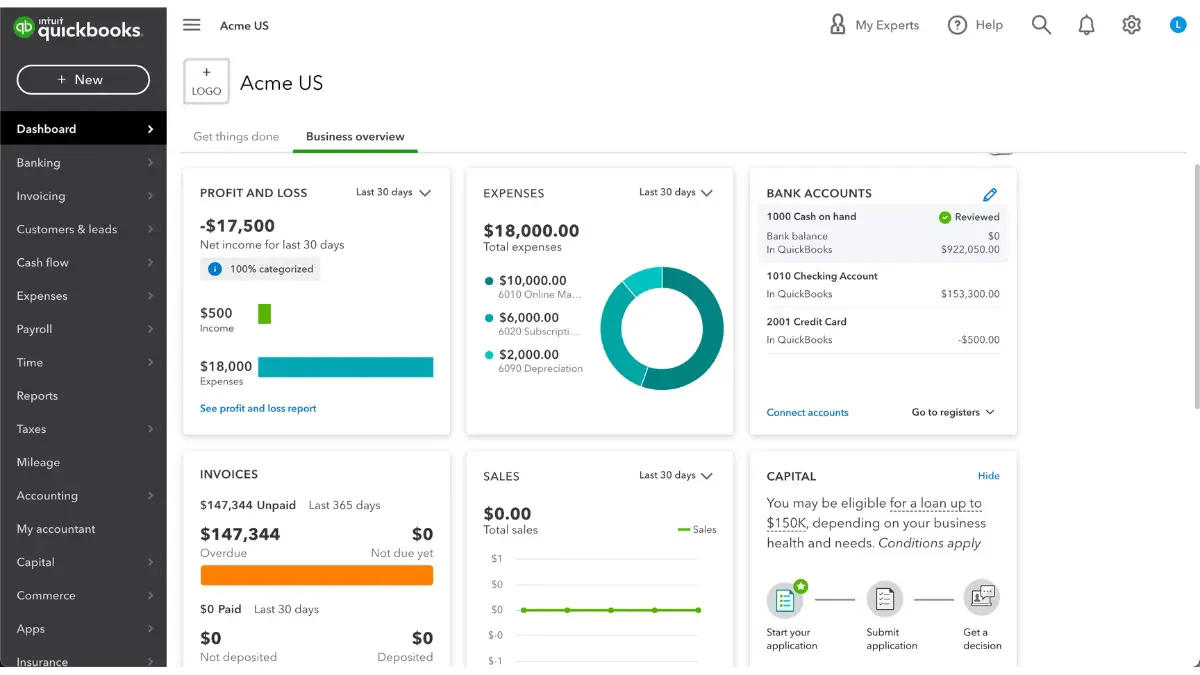
Developed by Intuit, QuickBooks is the global heavyweight in accounting software. In Australia, it competes aggressively on price and functionality. It is a powerful tool that offers deep reporting capabilities and automation features.
Best for: Businesses that need strong project profitability tracking and advanced reporting at an accessible price point.
Key Features:
- Project profitability tracking with income and expense tagging by job
- Highly rated mobile app for invoicing and receipt capture on the go
- Dedicated GST Centre for simplified BAS preparation
- Built-in mileage tracking via mobile
- Advanced reporting features available on lower-priced tiers
| Pros | Cons |
| ✓ Generally more affordable entry points compared to Xero and MYOB. | × The terminology can sometimes feel “Americanized” despite localization. |
| ✓ Advanced reporting features are available on lower tiers. | × Payroll is powered by a third party (KeyPay) in some versions, which is excellent but feels like a separate interface. |
| ✓ Mileage tracking is built in via the mobile app. |
Indicative price: AUD $12.50/month (plan: Simple Start, billing: monthly, GST: unclear). Essentials is AUD $20/month and Premier is AUD $27.50/month.
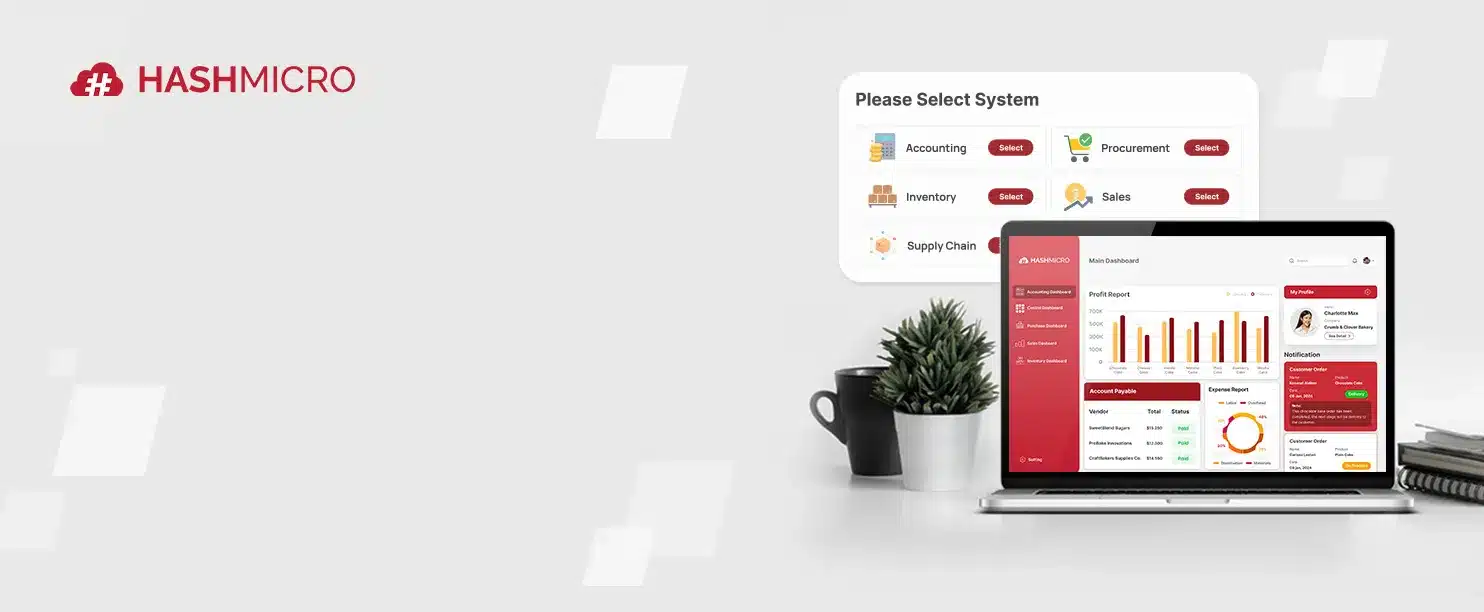
4. HashMicro
While many platforms on this list focus on small-business bookkeeping, HashMicro positions itself as a comprehensive solution for growing medium- to large-sized enterprises. It bridges the gap between standard accounting software and full-scale ERP systems. For businesses that require high levels of customization and complex operational workflows, HashMicro provides a modular approach.
Best for: Mid-to-large businesses in manufacturing, wholesale, or construction needing accounting, inventory, and operations connected in one system.
Key Features:
- Accounting module fully integrated with inventory, manufacturing, and procurement
- Multi-company structures for group reporting and consolidation
- Advanced budgeting and granular asset management
- Real-time financial data reflecting operational activities
- Highly customisable workflows for unique business needs
- Australian regulation compliant: GST tracking, BAS lodgement, and STP Phase 2 compliance
- Hashy AI assistant for querying ledger balances, invoices, and period summaries
- AI anomaly detection to flag irregular entries and reduce reconciliation time
| Pros | Cons |
| ✓ Highly customizable to fit unique business workflows. | × Implementation time is longer than “plug-and-play” SaaS tools due to its depth. |
| ✓ Seamless integration with non-financial modules (e.g., Warehouse Management System). | × May be overkill for sole traders or micro-businesses with simple needs. |
| ✓ Scalable architecture suitable for businesses outgrowing Xero or MYOB. |
Pricing is quote-based depending on modules and business size. Best for mid-to-large businesses in manufacturing, wholesale, or construction that need CRM, inventory, and finance connected in a single system rather than stitched together from separate tools.
Pricing is broken down by module and business size, making it easy to compare only relevant features. This helps decision makers request a quote that reflects real business needs.
5. Reckon One
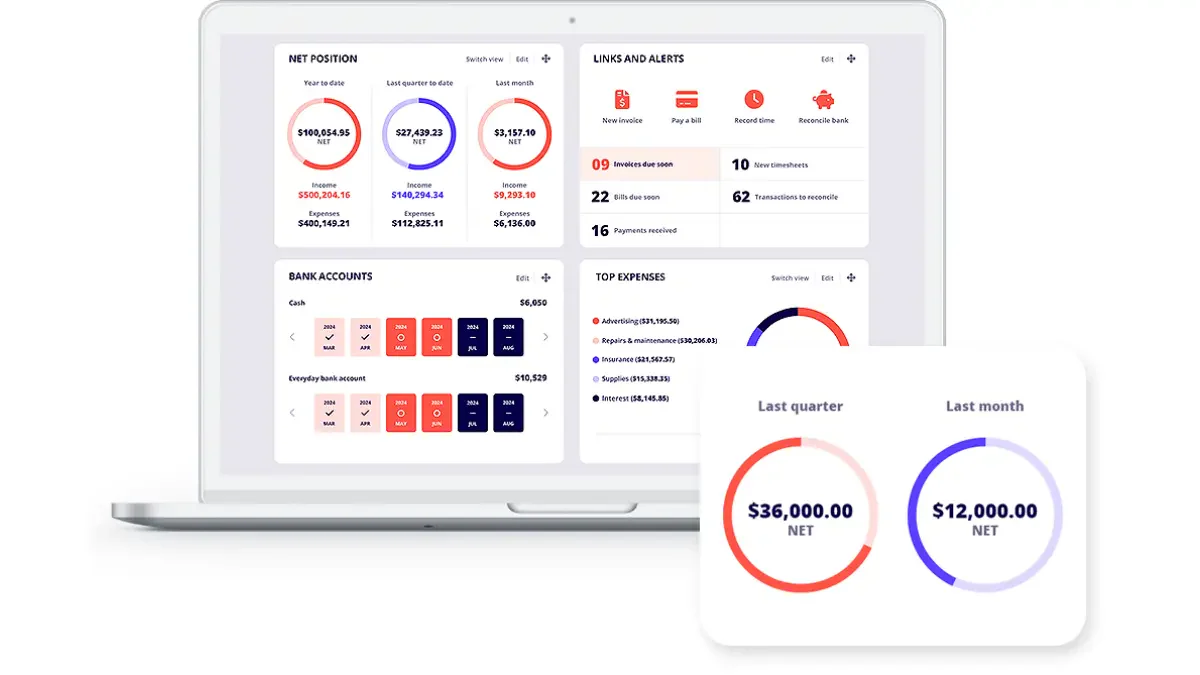
Reckon is another Australian stalwart. Reckon One is their cloud offering, known for its modular pricing structure. Instead of bundled tiers, users pay for a “base” and then add modules (Invoices, Payroll, Projects) as needed.
Best for: Cost-conscious small businesses that only want to pay for the features they actually use.
Key Features:
- Modular pricing where you only pay for the features you use
- STP-compliant payroll as an optional add-on module
- BAS reporting with all Australian compliance basics covered
- Bank feeds from major Australian banks
- Australian-owned software with data hosted locally
| Pros | Cons |
| ✓ Extremely cost-effective; you only pay for what you use. | × The ecosystem of third-party integrations is smaller than Xero’s. |
| ✓ Australian-owned and hosted data. | × The interface is functional but less modern than competitors. |
| ✓ Unlimited invoicing on the invoicing module. |
Indicative price: AUD $12/month (plan: base subscription, billing: monthly, GST: unclear). Invoicing, payroll, and projects modules are priced on top of the base.
6. FreshBooks
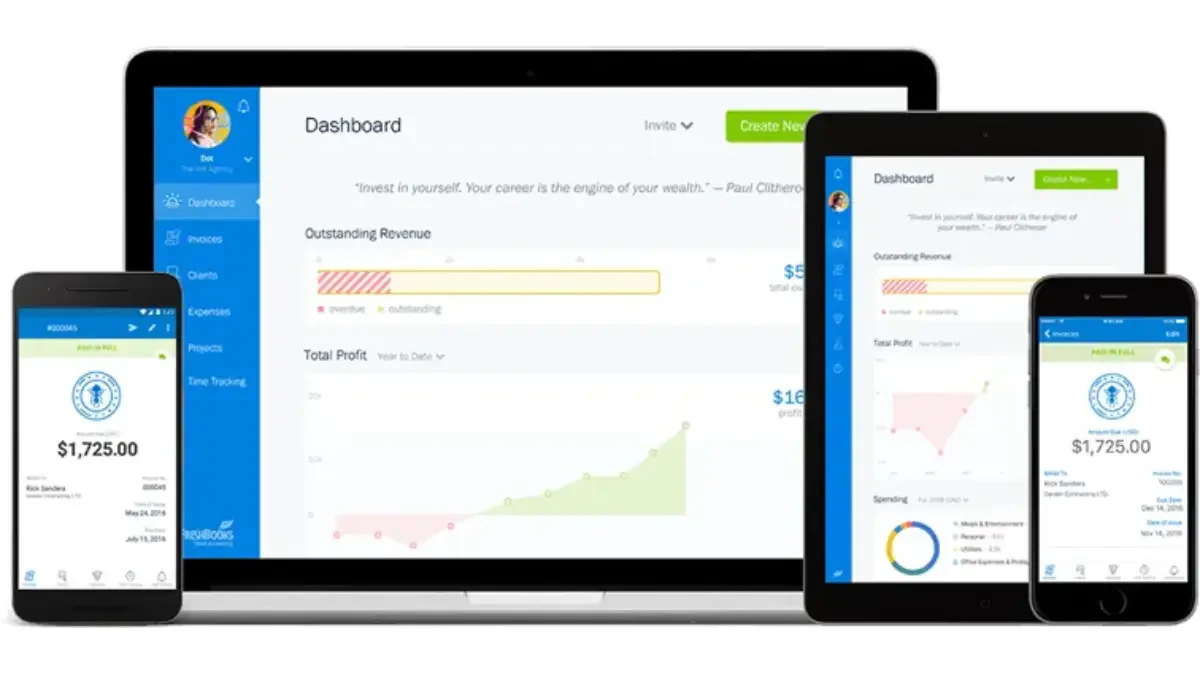
FreshBooks began as an invoicing tool for freelancers and has evolved into a full accounting platform. It is particularly popular among service-based businesses, agencies, and consultants who bill by the hour.
Key Features:
- Time tracking deeply integrated into invoicing
- One-click conversion of logged hours into invoices
- Client portals for online invoice viewing, payment, and discussion
- Double-entry accounting mode for professional reporting
- Strong proposal and estimate functionality
| Pros | Cons |
| ✓ Best-in-class invoicing and time-tracking user experience. | × Not suited for retail or businesses with heavy inventory needs. |
| ✓ “Double-entry accounting” mode allows for professional reporting. | × Australian payroll integration is less seamless than local competitors. |
| ✓ Excellent proposal and estimates functionality. |
Indicative price: AUD $17/month (plan: entry tier, billing: monthly, GST: unclear).
7. Zoho Books
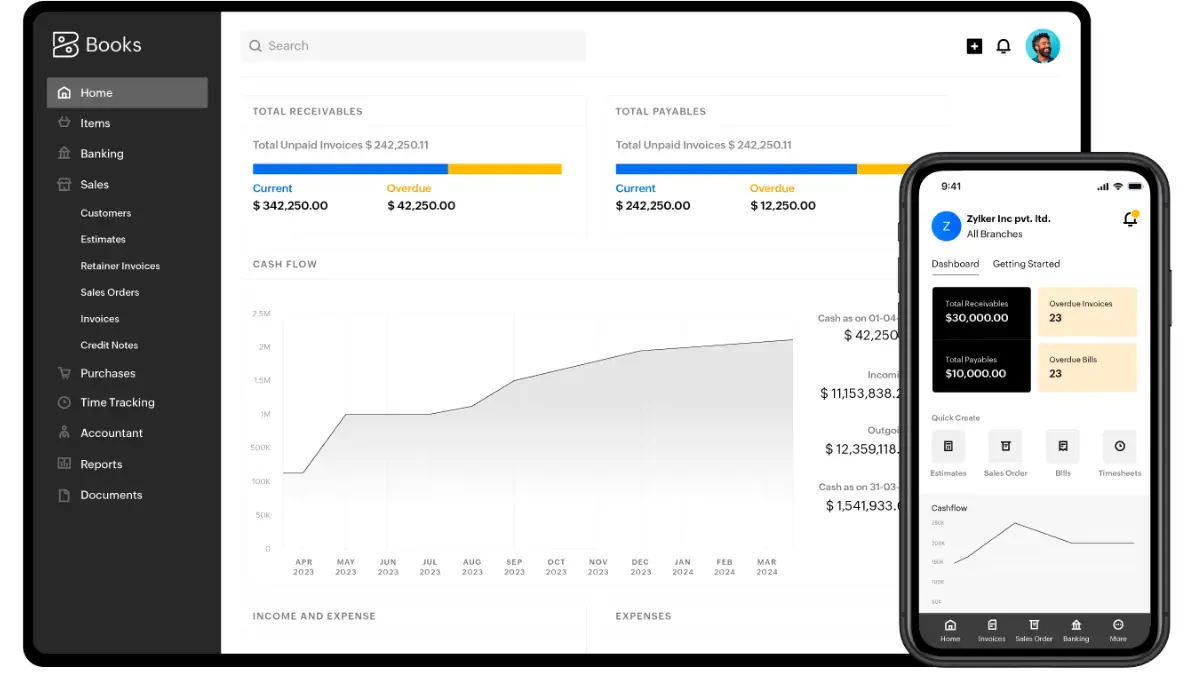
Part of the massive Zoho ecosystem, Zoho Books is a strong contender for businesses that want to run their entire operation on one platform (CRM, Mail, Desk, etc.). It offers a surprising depth of features at a competitive price point.
Key Features:
- Automated bank feeds and dedicated client portal
- End-to-end accounting with native Australian GST handling
- Trigger-based automated workflows for financial events
- Robust inventory management built into the accounting tool
- Deep integration with the broader Zoho ecosystem (CRM, Mail, Desk)
| Pros | Cons |
| ✓ Incredible value if you already use other Zoho apps. | × Payroll integration for Australia requires using Zoho Payroll (which is good) or KeyPay. |
| ✓ Extensive automation capabilities for workflows. | × The sheer number of settings can be overwhelming for beginners. |
| ✓ Robust inventory management for an accounting tool. |
Indicative price: AUD $16.50/month (plan: Standard, up to three users, billing: monthly, GST: unclear). A free tier covers businesses under $50K annual revenue.
8. Sage Business Cloud
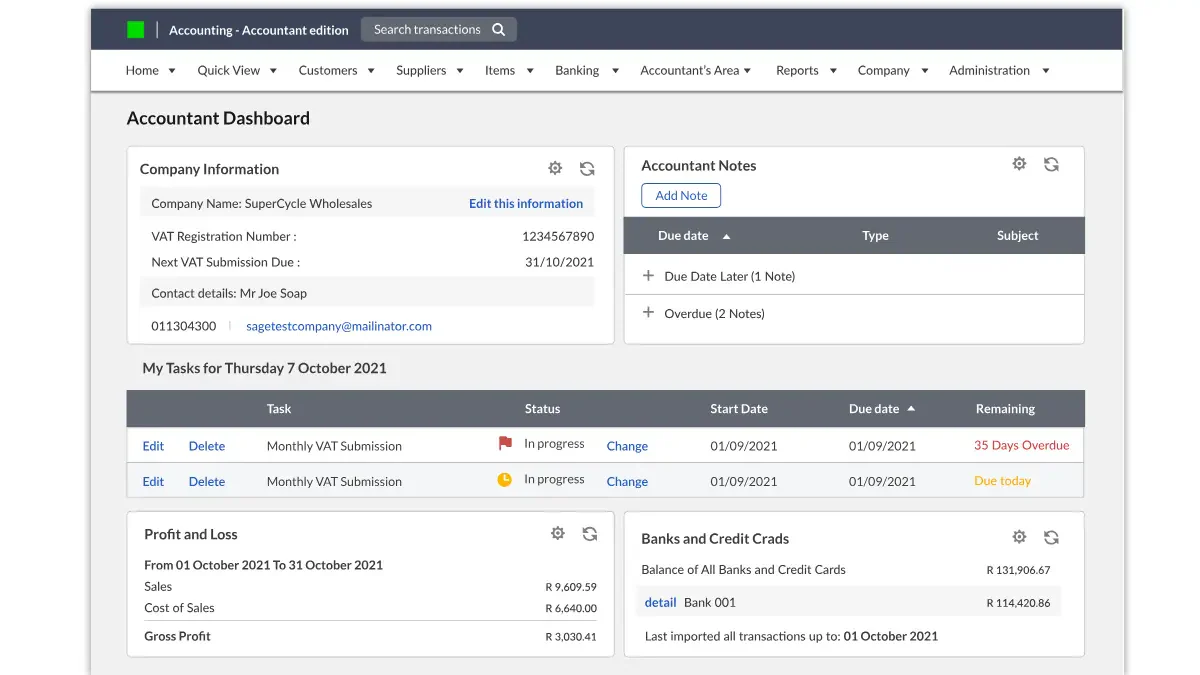
Sage is a global brand with a strong history in the mid-market. Sage Business Cloud Accounting (formerly Sage One) is their entry-level cloud product. It is straightforward and reliable, often favored by traditional accountants.
Best for: Professional services and construction-adjacent businesses needing strong audit trails and reliable uptime.
Key Features:
- Efficient invoicing, bank reconciliation, and BAS reporting
- Strong project tracking, especially valued in construction
- Multi-currency transaction support
- Strong audit trails and security features
- Reliable uptime and stable performance
| Pros | Cons |
| ✓ Very strong audit trails and security features. | × Marketing and interface feel less modern than Xero or QuickBooks. |
| ✓ Good support for multi-currency transactions. | × Fewer “delight” features or AI-driven insights. |
| ✓ Reliable uptime and performance. |
Indicative price: AUD $10 to $15/month (plan: entry tier, billing: monthly, GST: unclear).
9. Wave
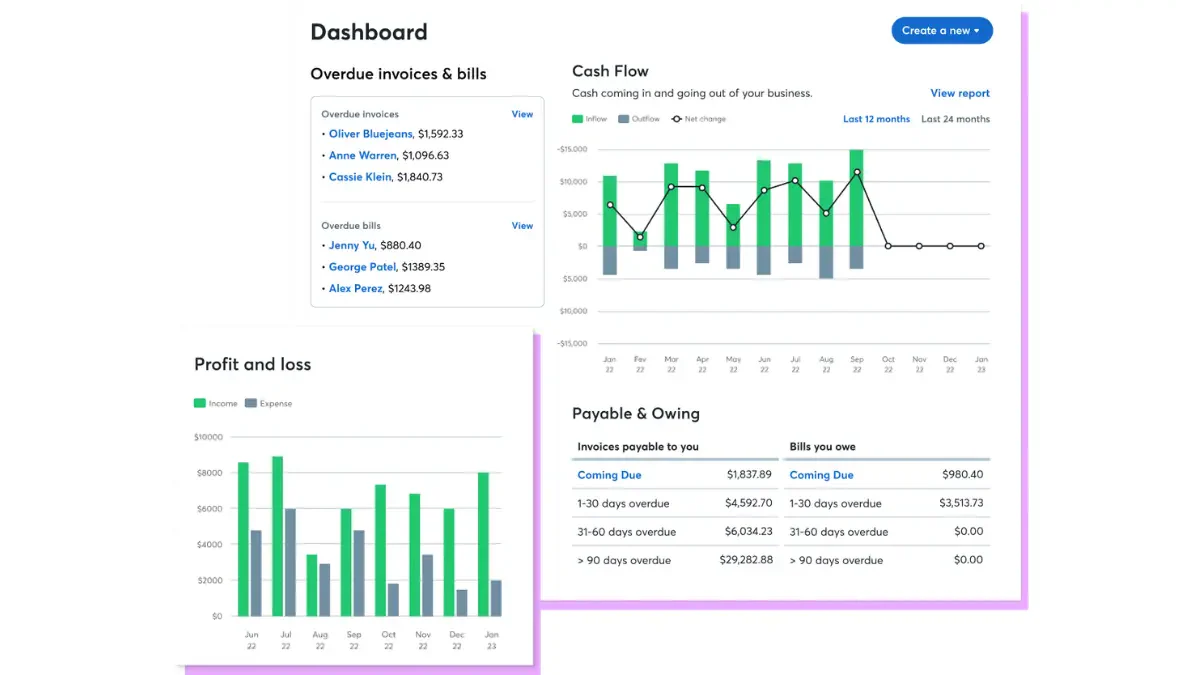
Wave made a name for itself by being completely free for accounting and invoicing. However, its availability and support structures have shifted over time. It remains a popular choice for micro-businesses and sole traders with zero budget.
Best for: Micro-businesses and sole traders with minimal transactions needing a clean, no-cost starting point.
Key Features:
- Unlimited income and expense tracking at no cost
- Unlimited invoicing with receipt scanning
- Bank account connectivity for transaction imports
- Simple, clean interface that is easy to learn
- Revenue model based on payment processing, not subscriptions
| Pros | Cons |
| ✓ Free to use for the core accounting modules. | × No Australian payroll support (you must calculate PAYG manually). |
| ✓ Simple, clean interface that is easy to learn. | × No direct BAS generation specific to ATO codes. |
| ✓ Good for separating personal and business finances for sole traders. | × Limited customer support for free users. |
Free for core accounting and invoicing (plan: free tier, billing: none, GST: not applicable). Revenue comes from payment processing fees rather than a subscription.
10. Rounded
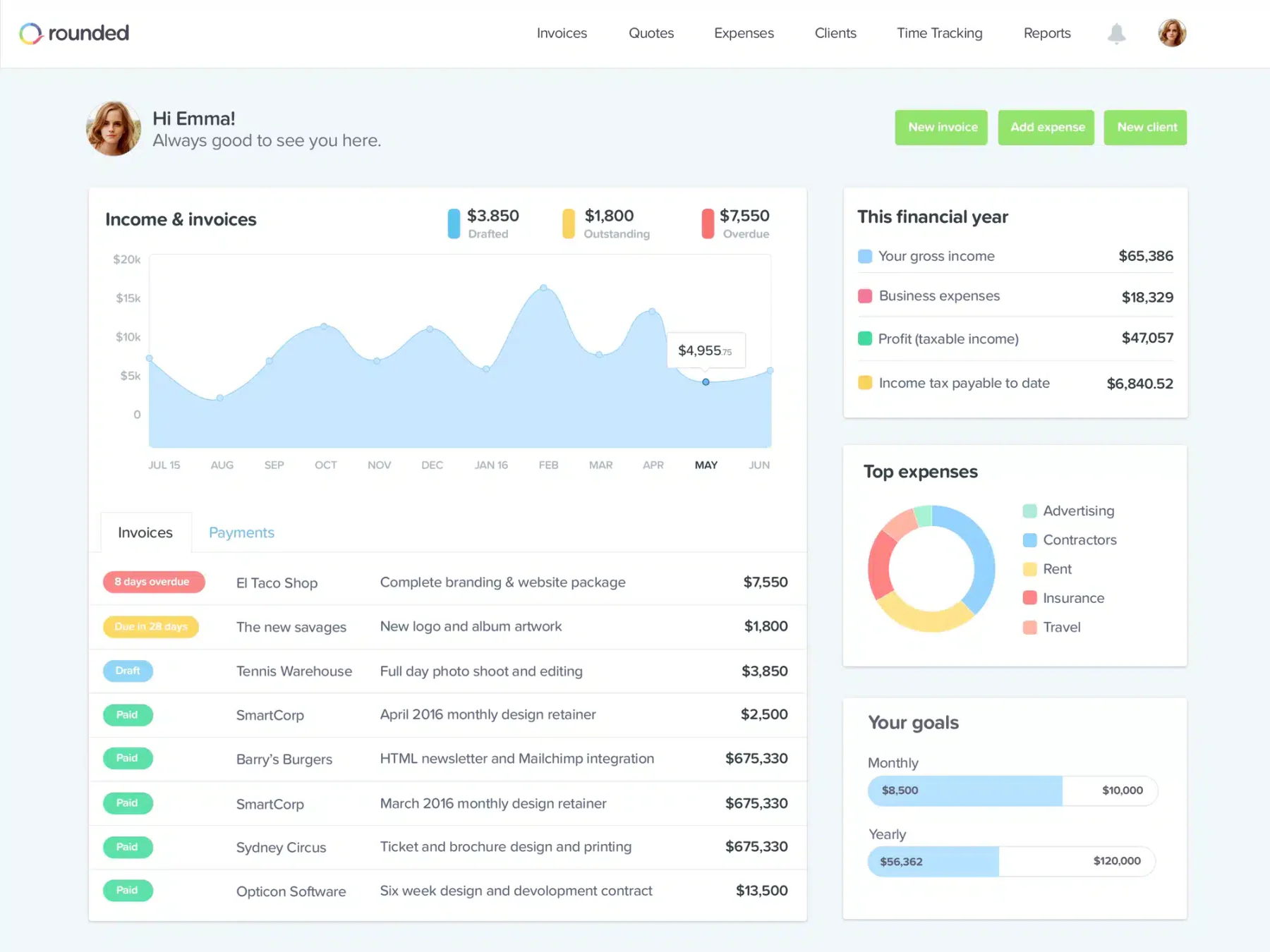
Rounded is an Australian-made accounting software built specifically for freelancers and sole traders. It focuses on the essentials, making it easier for solo operators to manage income, expenses, and tax-related admin without the complexity of larger systems.
Best for: Australian sole traders and freelancers wanting GST tracking, BAS support, and time-to-invoice in a lightweight tool.
Key Features:
- Simple income and expense tracking tailored to sole traders
- Built-in time tracking for hourly billing
- Native GST and BAS reporting aligned with ATO compliance
- Clean, intuitive interface for lightweight daily bookkeeping
- Invoice generation and basic payment tracking
| Pros | Cons |
| ✓ Very simple and easy to use for sole traders. | × Not suitable for businesses with employees. |
| ✓ Strong GST and BAS reporting support for Australian users. | × No payroll functionality. |
| ✓ Helps freelancers manage income, expenses, and time in one place. |
Indicative price: AUD $19.95/month (plan: entry tier, billing: monthly, with an annual flat rate that includes one month free, GST: unclear).
11. Thriday
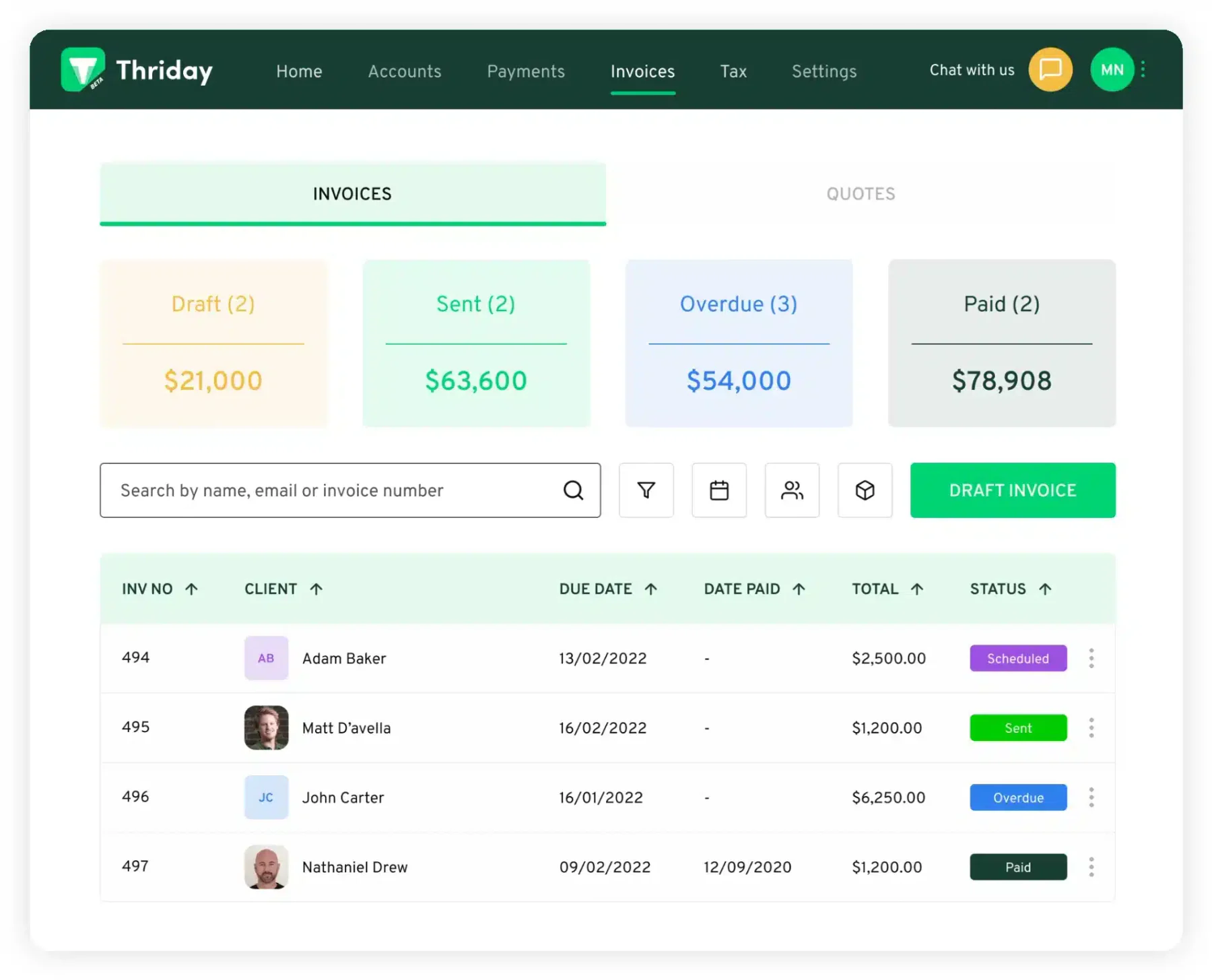
Thriday is an Australian accounting platform that combines banking, accounting, and tax tools in one system. It is especially suitable for tradies and small businesses seeking automation, robust GST support, and direct ATO integration.
Best for: Small business owners wanting banking, bookkeeping, and ATO compliance automated in a single platform.
Key Features:
- Invoicing, GST tracking, and BAS lodgement in one platform
- Receipt scanning and expense management built in
- Cash flow forecasting with Stripe-powered online payments
- Done-for-you tax returns and BAS on higher-tier plans
- Direct ATO integration for smoother compliance
| Pros | Cons |
| ✓ Strong value with free and low-cost paid plans. | × Limited scalability for larger or more complex businesses. |
| ✓ Direct ATO integration and strong GST/BAS support. | × Existing bank accounts do not support standard bank feeds. |
| ✓ Good mobile experience and helpful customer support. | × Best automation benefits require using Thriday’s banking product. |
Indicative price: AUD $29.95/month (plan: Time-saver, billing: monthly, GST: unclear). Higher tiers add done-for-you BAS and tax returns.
How to Choose the Best Accounting Software for Your Business
Selecting the right software is a strategic decision. To ensure you make the right choice for 2026 and beyond, follow this structured approach:
1. Map Your Workflows
Don’t start with the software; start with your business. Map out how money flows in and out. Do you need to track time? Do you hold stock? Do you have staff? Make a list of “Must-Haves” and “Nice-to-Haves.”
2. Consult Your Accountant
Your accountant or bookkeeper is a key stakeholder. They may have a preference based on efficiency. While you shouldn’t choose software solely for their benefit, using a platform they are certified in can save you billable hours in advisory fees.
3. Test the Australian Features
Verify the STP Phase 2 compliance and BAS functionality. Ask the vendor specifically about their ATO integration status. If the software is global, ensure the Australian localization is native, not an afterthought.
4. Check the Ecosystem
Look at the other tools you use. Check the integration marketplaces of the accounting software to ensure they can connect. Native integrations are preferred for core financial data.
5. Consider Scalability
Will this software still serve you in three years? If you plan to double your headcount or expand internationally, ensure the platform has a pricing tier or upgrade path that supports that growth without a painful data migration.
Accounting Software Market in Australia
The accounting software market in Australia continues to expand as businesses face tighter compliance requirements and heavier reporting workloads. Automation has become essential rather than optional for financial operations.
Cloud-based accounting platforms now dominate adoption across small and mid-sized businesses. Real-time reporting, automated BAS lodgements, and integrated payroll drive this shift away from spreadsheets and desktop systems.
This growing focus on financial reporting has also increased demand for practical resources, including financial analysis report example templates that help businesses evaluate performance and make informed decisions.
Adoption is strongest among businesses managing GST, payroll, and frequent ATO reporting. These companies rely on accounting software to reduce manual work and maintain accuracy across reporting cycles.
Regulatory changes such as STP Phase 2, Peppol eInvoicing, and the upcoming Payday Super reforms have accelerated demand. Accounting software now functions as core financial infrastructure, supporting compliance, visibility, and scalable growth.
Conclusion
The accounting software landscape in Australia in 2026 is evolving rapidly, with more businesses embracing automation to improve efficiency. From sole traders to large enterprises, there are tailored solutions to meet the diverse needs of businesses, whether it’s simple compliance or more complex financial management.
For many, the decision often comes down to popular choices based on affordability and functionality. However, businesses with unique requirements or those experiencing rapid growth may find it valuable to explore more customizable options or solutions that offer broader capabilities.
Choosing the right accounting software Australia has to offer can be overwhelming, but understanding your specific needs is key. Schedule a free consultation with our accounting software specialists to map the right platform for your compliance requirements, industry, and growth stage.

FAQ About Accounting Software Australia
Accounting software focuses primarily on financial management, such as invoicing, expenses, and payroll. An ERP (Enterprise Resource Planning) system integrates accounting with other core business processes like inventory management, supply chain, CRM, human resources, and manufacturing into a unified system.
Yes, Wave is a popular free alternative for basic accounting, though it lacks Australian-specific payroll features. Other options include the free tier of Zoho Books for very small businesses or open-source alternatives like Akaunting, though these may require more manual setup for ATO compliance.
Most Australian accounting software, including MYOB, Xero, QuickBooks, and HashMicro, tracks GST on transactions automatically and generates ATO-ready BAS reports, with SBR-enabled platforms lodging directly to the ATO.
Peppol eInvoicing is becoming mandatory for Commonwealth government suppliers through 2026, and platforms such as Xero, MYOB, and HashMicro support compliant invoice exchange across the Peppol network.
Pricing ranges from free (Wave, Zoho Books free tier) to AUD $15–$35 per month for entry-level plans, AUD $50–$100 per month for mid-tier platforms like Xero and MYOB, and custom quote-based pricing for solutions like HashMicro.
For mid-sized businesses moving beyond spreadsheets, QuickBooks Online and HashMicro are good options. QuickBooks is easy to set up and use, while HashMicro is better for businesses that need accounting connected with other modules in one system.
Usage varies by segment. Xero and MYOB are widely adopted choices for many small businesses and SMEs. QuickBooks Online and Reckon One are common alternatives. For mid-sized or larger businesses that need accounting connected with other modules, HashMicro is a suitable option to evaluate.
MYOB may suit businesses prioritising local payroll depth and established accountant workflows. Xero may suit SMEs prioritising cloud collaboration and integrations. Compare plan limits, support, migration, and current Australian