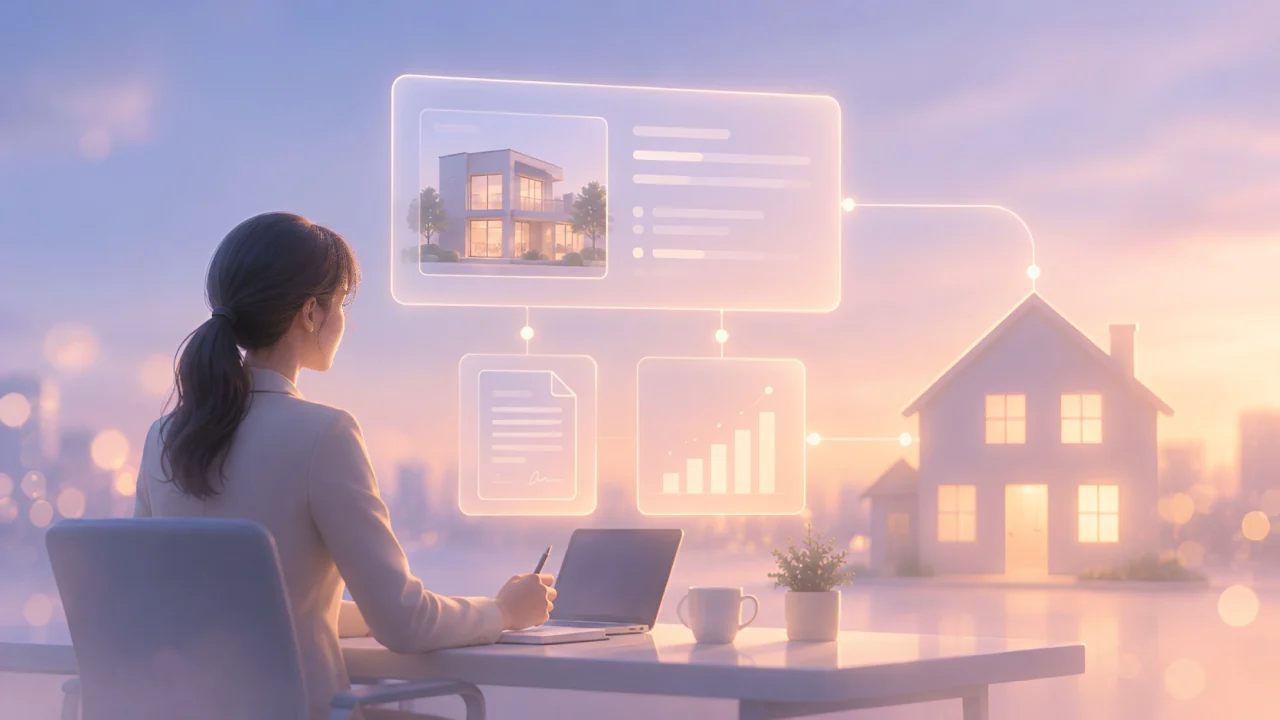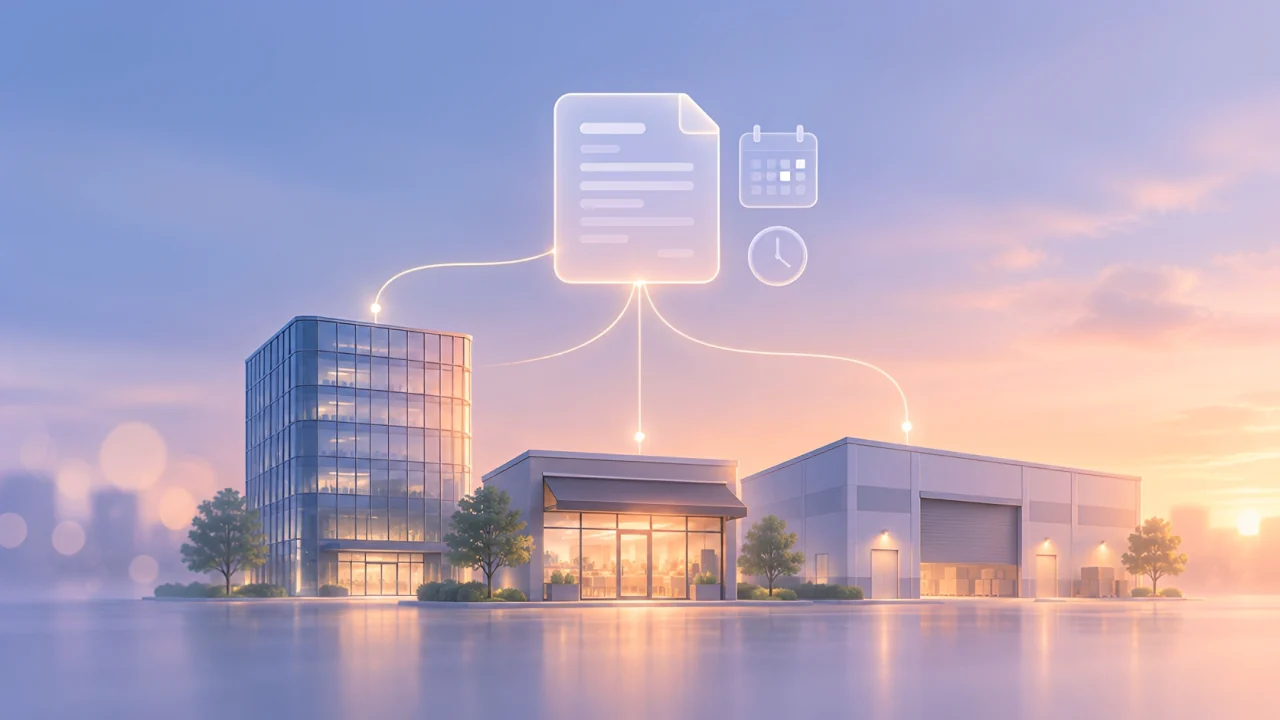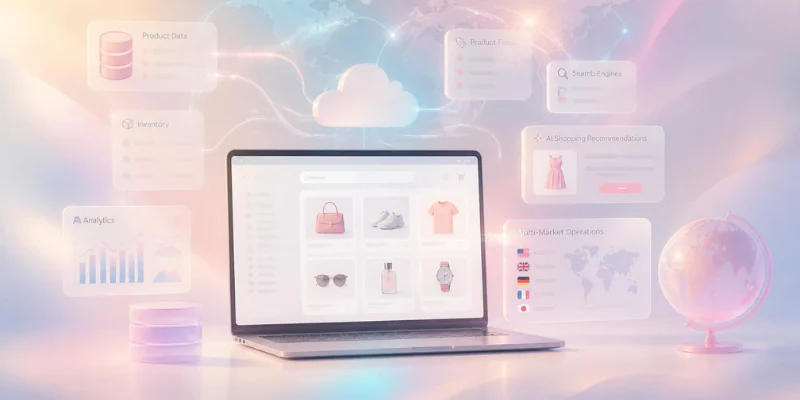

A property management system (PMS) provides digital solutions for property administration, helping businesses manage bookings, billing, maintenance, and operations more efficiently. Hotels and property managers use it to improve visibility and reduce manual work.
In hospitality, a PMS manages reservations, housekeeping, and guest payments. For property managers, the system supports lease tracking, rent collection, maintenance coordination, and tenant communication.
As portfolios grow, a PMS helps businesses centralise workflows, improve reporting accuracy, and manage occupancy or tenancy activity more efficiently.
Key Takeaways
A property management system centralises bookings, lease administration, maintenance, and billing in one platform, helping hotels and property managers reduce manual coordination.
Property management systems include features for reservation management, billing automation, maintenance tracking, and reporting that improve workflow efficiency across growing portfolios.
Australian property managers must track state tenancy laws, bond lodgement deadlines, minimum property standards, and privacy obligations.
Property Management System Definition
A property management system is software that helps businesses manage bookings, tenant records, payments, maintenance workflows, and operational reporting from one platform.
In hospitality, a PMS supports reservations, housekeeping, front-desk operations, and guest management. For residential and commercial properties, the software focuses more on lease tracking, rent collection, and maintenance coordination.
For businesses managing multiple commercial properties, enterprise property management software centralises lease management, outgoings reconciliation, rent reviews, and financial reporting in one platform.
Key Features of a Property Management System
The features included in a property management system vary depending on the type of property being managed. However, most platforms are designed to improve operational visibility, automate workflows, and centralise important business data.
1. Reservation, lease, and occupancy management
- Centralised occupancy tracking: Businesses can manage reservations, lease timelines, and vacancy schedules from one dashboard.
- Real-time availability updates: The system updates occupancy information automatically to reduce scheduling conflicts.
- Better operational visibility: Teams can monitor bookings, tenancy activity, and occupancy status more efficiently.
2. Check-in, billing, and payment automation
- Faster check-in workflows: Hospitality businesses can automate guest registration, room assignments, and payment confirmation.
- Automated billing processes: The system generates invoices and billing summaries automatically.
- Integrated payment tracking: Payments and outstanding balances are recorded within the same platform.
3. Housekeeping, maintenance, and task tracking
- Live housekeeping updates: Staff can monitor room cleaning status and task progress in real time.
- Maintenance coordination: PMS platforms provide solutions supporting asset maintenance, helping managers assign and track requests more efficiently.
- Improved task visibility: Teams can monitor outstanding repairs and operational issues from one system.
4. Guest, tenant, and property data management
- Centralised profile records: Guest and tenant information is stored within one connected platform.
- Simplified communication history: Teams can access previous requests, occupancy records, and operational notes more easily.
- Structured data management: Access controls and audit trails help businesses manage operational data more securely.
5. Reporting and operational visibility
- Real-time operational reporting: Businesses can track occupancy, revenue, maintenance activity, and property performance more accurately.
- Improved decision-making: Reporting dashboards help managers identify operational issues faster.
- Reduced manual reporting work: Automated reporting removes the need for manual spreadsheet consolidation.
Types of Property Management Systems
Different property businesses require different operational capabilities depending on the type of property being managed. Most property management systems are designed for hospitality, real estate, or cloud-based operations.
1. Hospitality PMS for hotels and short-stay properties
Hospitality PMS platforms are designed for hotels, resorts, serviced apartments, and short-stay accommodation providers. The system helps businesses manage reservations, housekeeping, guest check-ins, and billing workflows more efficiently.
Many hospitality businesses also use PMS software to connect booking channels and improve occupancy visibility across multiple properties.
2. Residential and commercial property management systems
Residential and commercial property management systems focus on lease administration, rent collection, and maintenance coordination. These systems act as platforms for tenant and property coordination across growing portfolios.
Commercial property businesses may also require contractor management, financial reporting, and multi-property oversight features.
3. Cloud-based vs on-premises PMS
Cloud-based PMS platforms are accessed through a web browser and managed by the software vendor. These systems are generally easier to deploy and more suitable for businesses managing multiple locations.
On-premises PMS software is installed within the business’s own infrastructure. However, this setup usually requires higher maintenance and IT management costs.
How a Property Management System Works

A property management system connects operational workflows, financial records, and property activity within one platform. This helps businesses manage day-to-day operations more efficiently.
1. Managing front-office operations
A PMS helps businesses manage reservations, tenant enquiries, check-ins, occupancy schedules, and customer interactions from one dashboard.
The system also reduces manual coordination by centralising booking activity, tenancy records, and operational scheduling.
2. Handling finance, maintenance, and integrations
Property management systems act as tools for asset tracking and maintenance, helping businesses manage invoicing, payment tracking, and operational workflows.
Many platforms also integrate with accounting software, CRM systems, and maintenance tools to reduce manual data entry.
3. Centralising real-time reporting and data
A PMS collects operational and financial information in real time across multiple properties or departments. Managers can monitor occupancy, maintenance activity, and revenue performance more efficiently.
Automated reporting also helps businesses reduce manual reporting work and improve operational visibility.
"Property management systems help businesses centralise bookings, maintenance, billing, and reporting workflows, making day-to-day operations easier to manage across growing property portfolios."
Benefits of Using a Property Management System
Property management systems help businesses centralise workflows, improve reporting visibility, and reduce manual administrative work. Integrated platforms also improve coordination across bookings, maintenance, billing, and tenant management activities.
1. Reducing manual administrative work
A PMS automates repetitive operational tasks such as booking updates, invoicing, maintenance scheduling, and occupancy tracking. This helps teams improve workflow efficiency and reduce manual coordination.
Centralised systems also reduce duplicate records, missed updates, and inconsistent reporting across properties.
2. Improving guest and tenant experience
Faster check-ins and organised communication records can improve guest and tenant satisfaction. Staff can also respond to requests more accurately because operational information is easier to access.
Better operational visibility helps businesses maintain more consistent service quality across properties.
3. Supporting occupancy and revenue management
Property management systems help businesses track occupancy, vacancy periods, and revenue activity more accurately. Hospitality businesses can also monitor booking trends and room availability in real time.
Improved visibility helps businesses make faster operational decisions while reducing revenue leakage.
4. Lowering operational and IT costs
Cloud-based PMS platforms reduce the need for disconnected systems and manual reporting processes. Businesses can manage operational workflows more efficiently from one platform.
Integrated systems also support tracking long-term asset costs while reducing software maintenance complexity.
| Operational Area | Manual Management | Using a PMS |
|---|---|---|
| Booking and occupancy tracking | Handled across spreadsheets and emails | Centralised in one live dashboard |
| Billing and payments | Manual invoicing and reconciliation | Automated billing and payment tracking |
| Maintenance coordination | Tasks managed manually | Real-time maintenance scheduling and updates |
| Reporting and visibility | Requires manual data compilation | Reports generated automatically |
Property Management System vs ERP and CRM
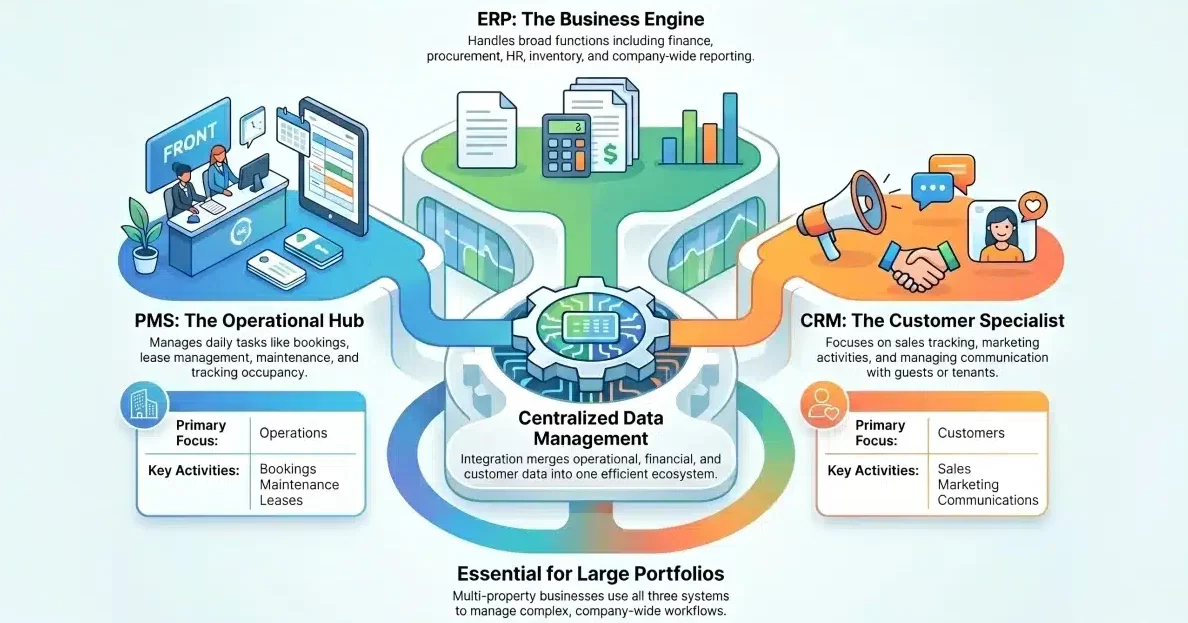
Property management systems are often compared with ERP and CRM software because all three support business operations and data management. However, each system focuses on different operational needs.
1. Differences between PMS and ERP systems
A property management system focuses on property operations such as bookings, lease management, maintenance, and occupancy tracking. ERP software manages broader business functions including finance, procurement, HR, and inventory.
Many larger property businesses use both systems together. The PMS manages operational activity, while the ERP handles company-wide reporting and financial management.
2. How PMS differs from CRM software
CRM software is designed for customer communication, sales tracking, and marketing activities. A PMS focuses more on operational workflows related to guests, tenants, bookings, and property management.
Some businesses use CRM software alongside a PMS to improve customer engagement and communication management.
3. When businesses use PMS, ERP, and CRM together
Larger hotel groups and property businesses may use PMS, ERP, and CRM systems together across different departments. Integrating these systems helps businesses centralise operational, financial, and customer data more efficiently through real estate technology.
This setup is more common in businesses managing multiple properties, larger portfolios, or complex operational workflows.
Who Needs a Property Management System in Australia?
Property management systems are used across hospitality, residential, and commercial property sectors. The operational requirements often depend on the type of property being managed and the size of the portfolio.
1. Hotels and short-stay accommodation providers
Hotels, resorts, serviced apartments, and short-stay providers use PMS software to manage reservations, housekeeping, guest check-ins, and billing workflows more efficiently.
Many hospitality businesses also rely on PMS platforms to improve occupancy visibility and coordinate operations across multiple booking channels.
2. Residential and commercial property managers
Residential and commercial property managers use PMS software to manage lease administration, rent collection, maintenance coordination, and tenant communication.
Many businesses also use these systems to support operational reporting, audit records, and compliance-related workflows across growing portfolios.
3. Businesses managing multiple properties
Businesses managing multiple properties often require centralised operational visibility across different locations or property types. A PMS helps teams monitor occupancy, maintenance activity, and financial reporting from one platform.
This is particularly useful for businesses managing properties across different states, where reporting and compliance requirements may vary.
Australian Tenancy Laws and What Property Managers Must Track
Tenancy legislation, bond procedures, minimum property standards, and privacy obligations each vary by Australian state. Non-compliance in any area can result in financial penalties or formal complaints.
1. State-based residential tenancy legislation
Each state governs residential tenancies through separate legislation with different rules for notice periods, lease conditions, and termination procedures:
- NSW (Residential Tenancies Act 2010)
- VIC (Residential Tenancies Act 1997, reformed 2021)
- QLD (Residential Tenancies and Rooming Accommodation Act 2008)
- WA (Residential Tenancies Act 1987, amended 2023)
A system that records tenancy details per jurisdiction helps managers avoid unintentional breaches across multiple states.
2. Bond lodgement and rent payment obligations
Each state manages bond lodgement through a separate authority: Rental Bonds Online in NSW, RTBA in VIC, RTA in QLD, and Bonds Administration in WA. In most states, bonds must be lodged within 10 business days of collection.
Late lodgement can attract financial penalties, making automated reminders and a complete bond audit trail valuable for any multi-property portfolio.
3. Minimum rental property standards
Several states require properties to meet defined standards before a tenancy can begin. VIC enforces 14 minimum standards covering heating, locks, and vermin-proofing.
QLD's Minimum Housing Standards apply to all new agreements from September 2023. WA applies similar requirements under its Residential Tenancies Act.
Property managers with large portfolios need a system that tracks inspection history and maintenance compliance per property.
4. Privacy obligations under the Privacy Act 1988
Property managers collect sensitive tenant information including income records, bank statements, and identification documents.
Under the Australian Privacy Principles (APPs), businesses must collect only relevant data, store it securely, and provide tenants access to their records on request.
Role-based access controls and a full audit trail help demonstrate compliance if a complaint is raised with the OAIC.
How AI Is Transforming Property Management in Australia
Property managers handling large portfolios spend considerable time on repetitive tasks: reconciling occupancy data, chasing maintenance updates, and compiling financial summaries across disconnected records.
AI tools built into modern property management platforms automate routine reporting, flag maintenance risks before they escalate, and surface occupancy trends without requiring manual data analysis.
Predictive maintenance is one of the clearer use cases. The system analyses asset data and usage patterns to schedule servicing before equipment fails.
This reduces reactive repair costs and minimises disruption to tenants and guests, two outcomes that are difficult to achieve through manual scheduling alone.
Vacancy forecasting is another practical application. AI can analyse booking trends, lease expiry timelines, and seasonal patterns to identify at-risk periods and prompt earlier action from property teams.
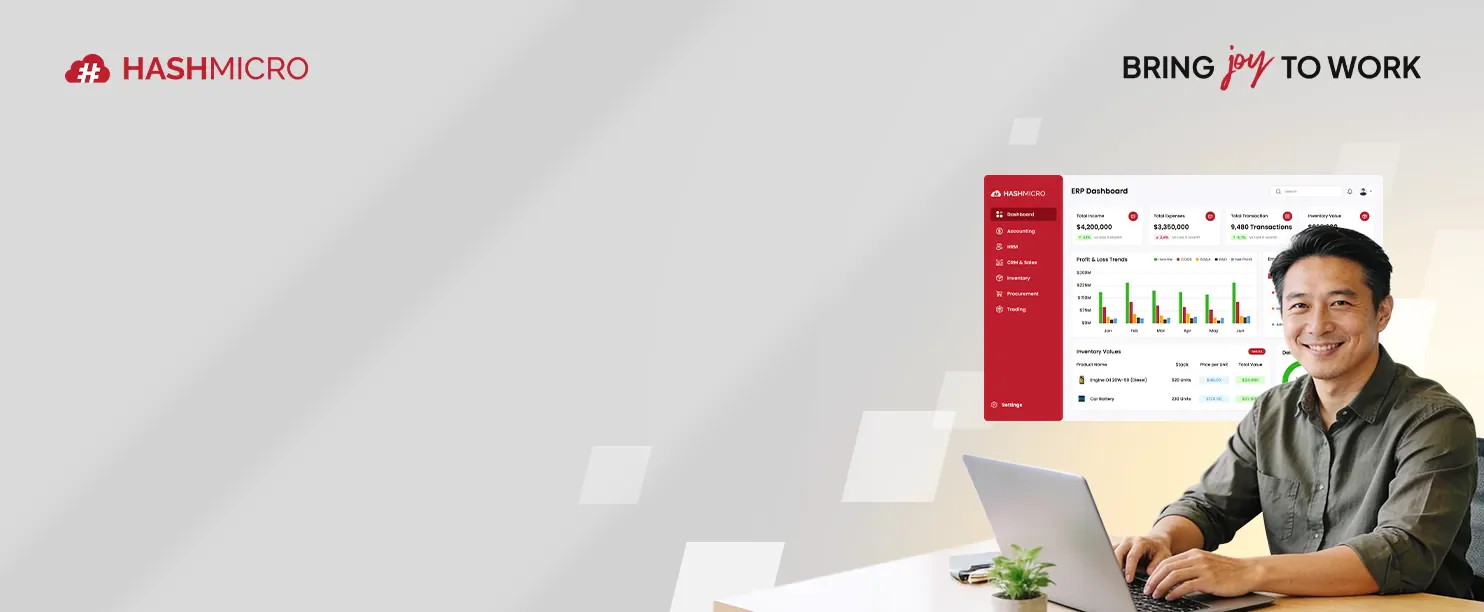
For property businesses running HashMicro's ERP, Hashy OS extends this further. Staff can query live property data and trigger workflows through natural conversation, without navigating multiple system screens.
Hashy OS extends these capabilities for businesses using HashMicro’s ERP. The banner below shows how teams query live data, identify property risks, and trigger follow-up workflows through one conversation.






Conclusion
A property management system helps businesses manage bookings, maintenance, billing, and operational reporting from one platform. PMS software also helps reduce manual administration and improve operational visibility.
As property portfolios grow, managing operations manually becomes more difficult. The right PMS can help businesses improve workflow efficiency and reporting accuracy across multiple properties.
If you are evaluating property management software for your business, you can schedule a free consultation with us to explore the most suitable solution for your operational needs.
Frequently Asked Question
A property management system is used to manage bookings, lease administration, maintenance workflows, billing, occupancy tracking, and operational reporting from one platform.
A property management system focuses on property operations such as bookings, lease management, maintenance, and occupancy tracking, while ERP software manages broader business functions including finance, procurement, HR, and inventory.
Yes, most property management systems support maintenance coordination, task tracking, repair scheduling, and operational monitoring across multiple properties.
Hotels, resorts, serviced apartments, residential property managers, commercial property businesses, and short-stay accommodation providers commonly use property management systems.
Cloud-based property management systems are generally easier to deploy, more scalable, and suitable for businesses managing multiple locations, while on-premises systems offer greater infrastructure control but require higher IT maintenance.