










 Limited to 100 registrants
Food production industry in Singapore has undergone a rapid transformation in recent years. Driven by a growing demand for high-quality, locally-sourced produce. Moreover, as the sector continues to expand, businesses are increasingly turning to technology to streamline their operations and gain a competitive edge. Additionally, one such technology that has gained traction in the industry is ERP software.
While ERP software is a widely-used technology across various industries, food production software is a specific type of ERP system designed to meet the unique needs of businesses in the food industry. Food production software includes specialized features and functionalities that cater specifically to the requirements of food manufacturers, distributors, and suppliers.
What is Food Production?

Food production is the process of transforming raw agricultural products into finished food products that can be consumed by humans. Moreover, the food production industry is a critical component of Singapore’s economy, providing essential goods and services in high demand locally and internationally.
The food production industry in Singapore is diverse, encompassing a wide range of activities, including farming, fishing, processing, packaging, and distribution. In addition, it plays a crucial role in meeting the growing demand for safe, nutritious, and sustainably-produced food products. And also supporting employment and economic growth in the country.
Food production in Singapore is subject to stringent regulations and standards to ensure the safety and quality of food products. Additionally, these regulations cover various aspects of the food production process, including food hygiene, packaging, labeling, and storage.
Food Production Process in Singapore
The food production process is indeed a multi-step process that involves transforming raw agricultural inputs into finished food products that are ready for consumption. The process can be broken down into three main stages. For instance:
Input
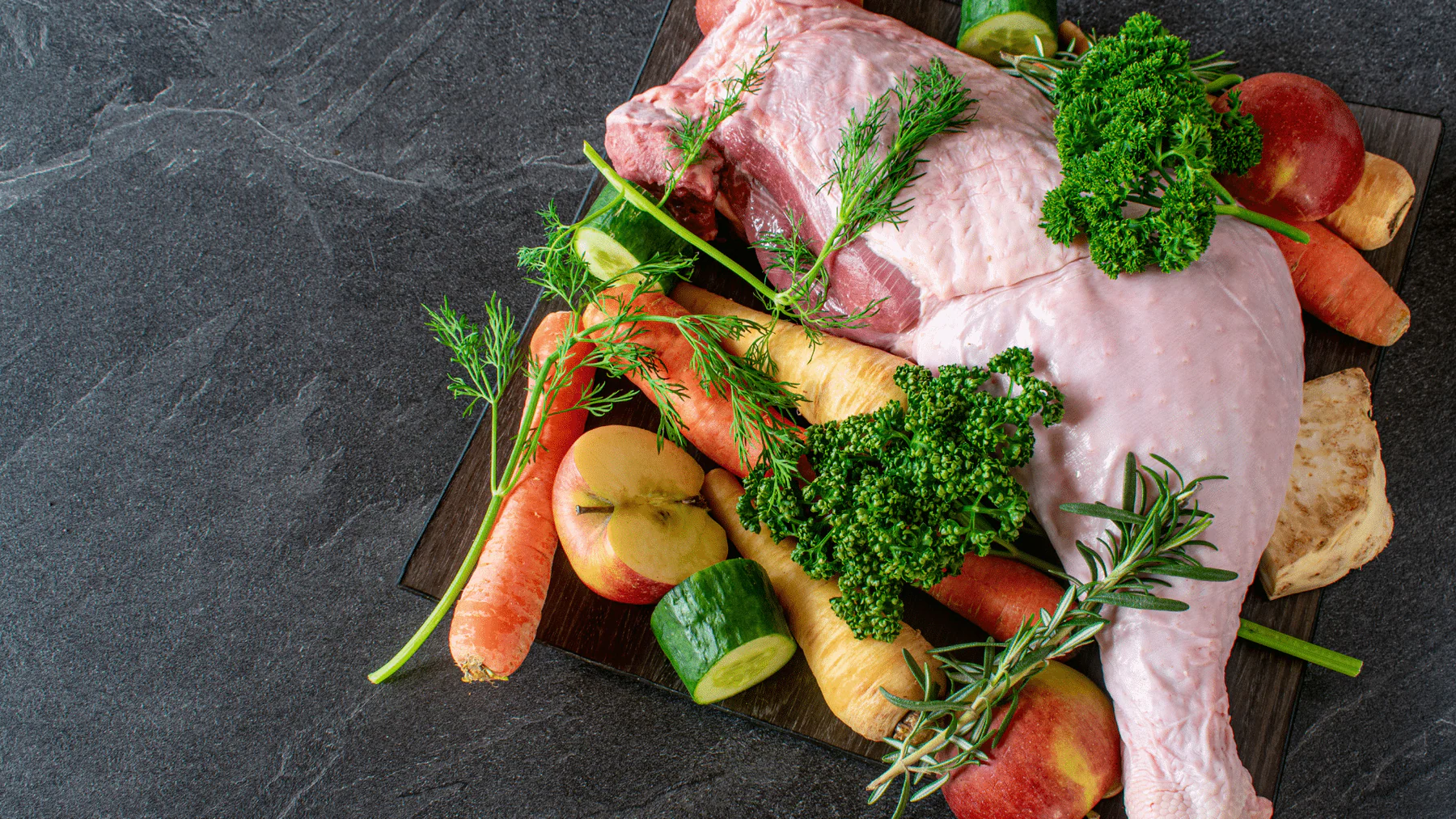
The input stage involves sourcing and preparing the raw materials needed for the food production process in Singapore. In addition, the quality of the raw materials is critical, as it directly impacts the quality of the final product. Inputs can also include packaging and labeling materials, as well as any necessary additives or preservatives.
Processing
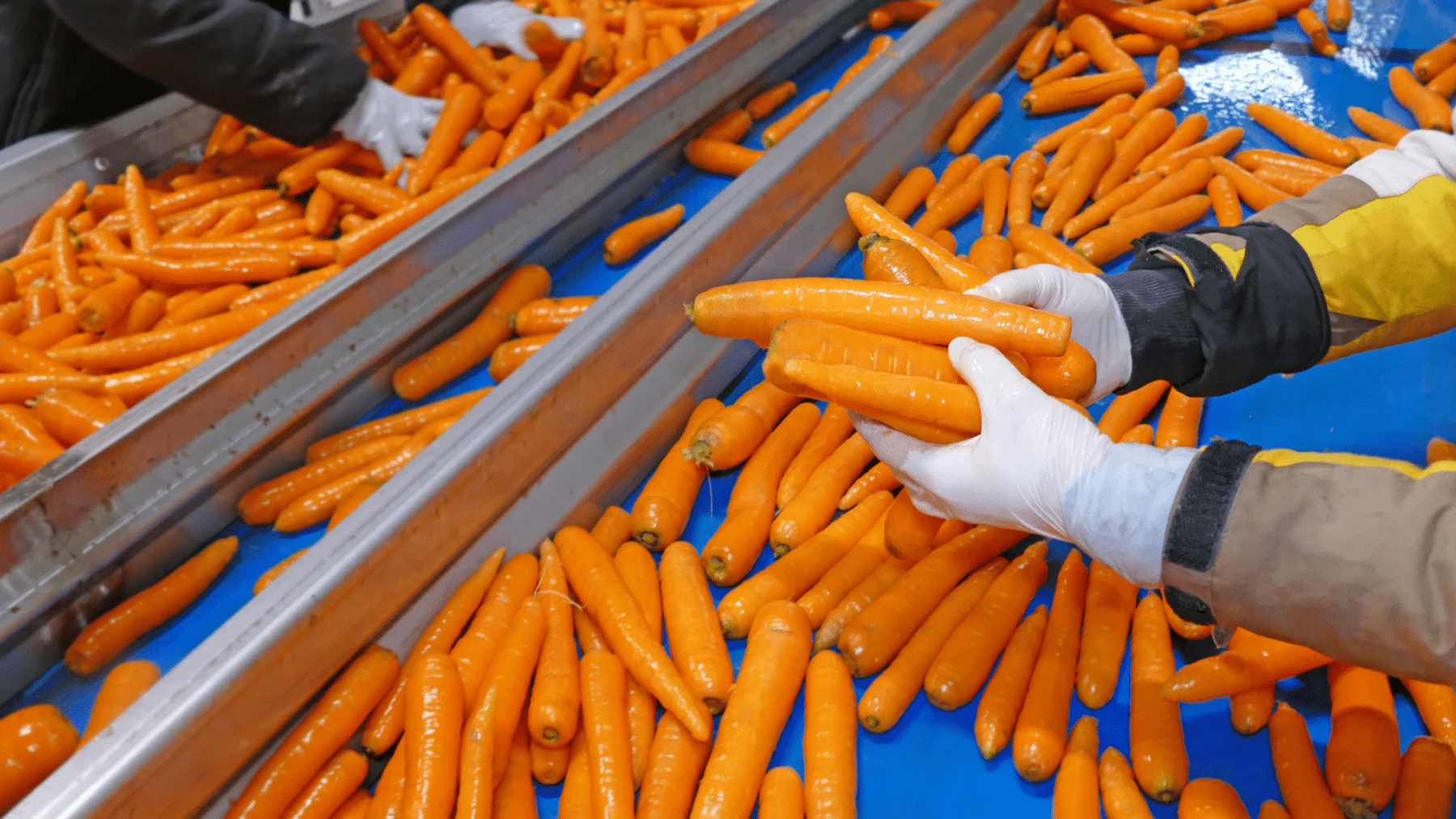
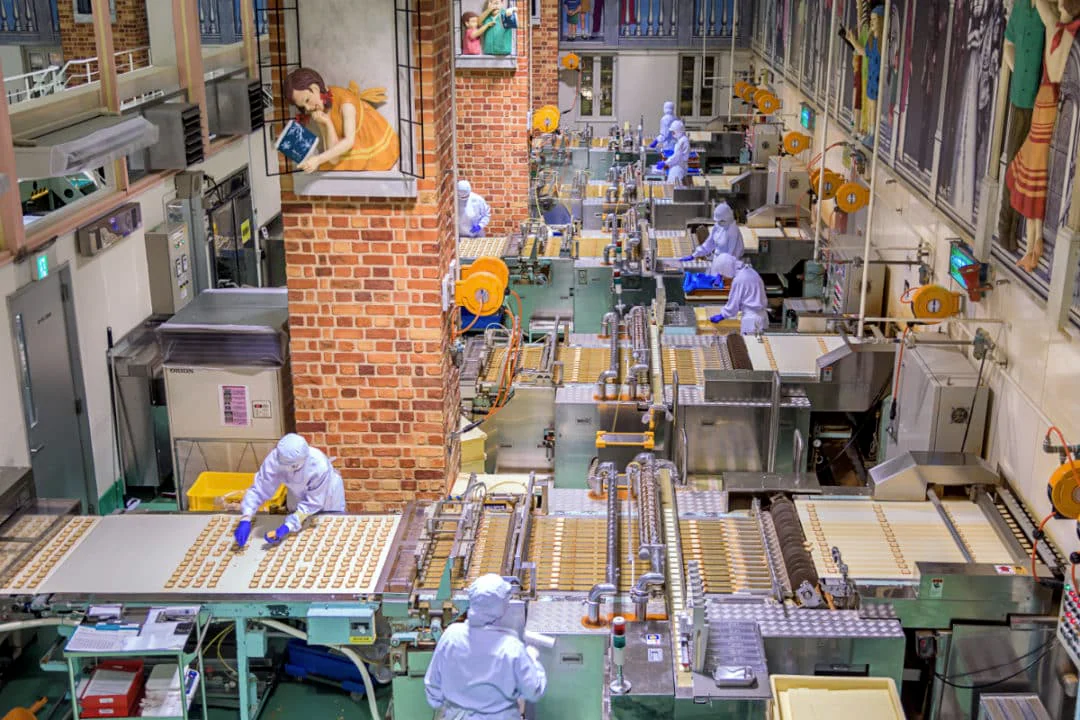
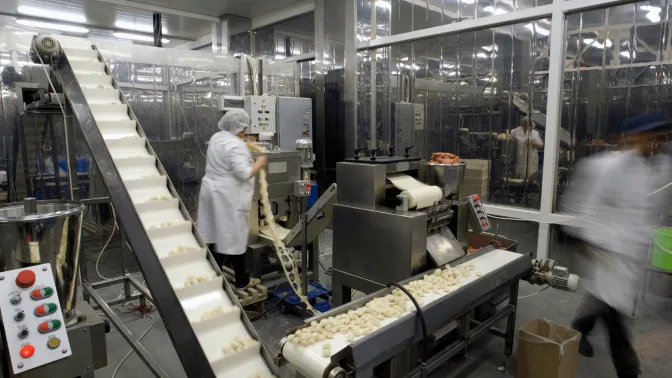
The processing stage of the food production process involves converting the raw materials and ingredients into finished food products. Food production companies in Singapore use various technologies and equipment to optimize the processing stage, including automated systems and also quality control measures to ensure the consistency and safety of the final product.
Output
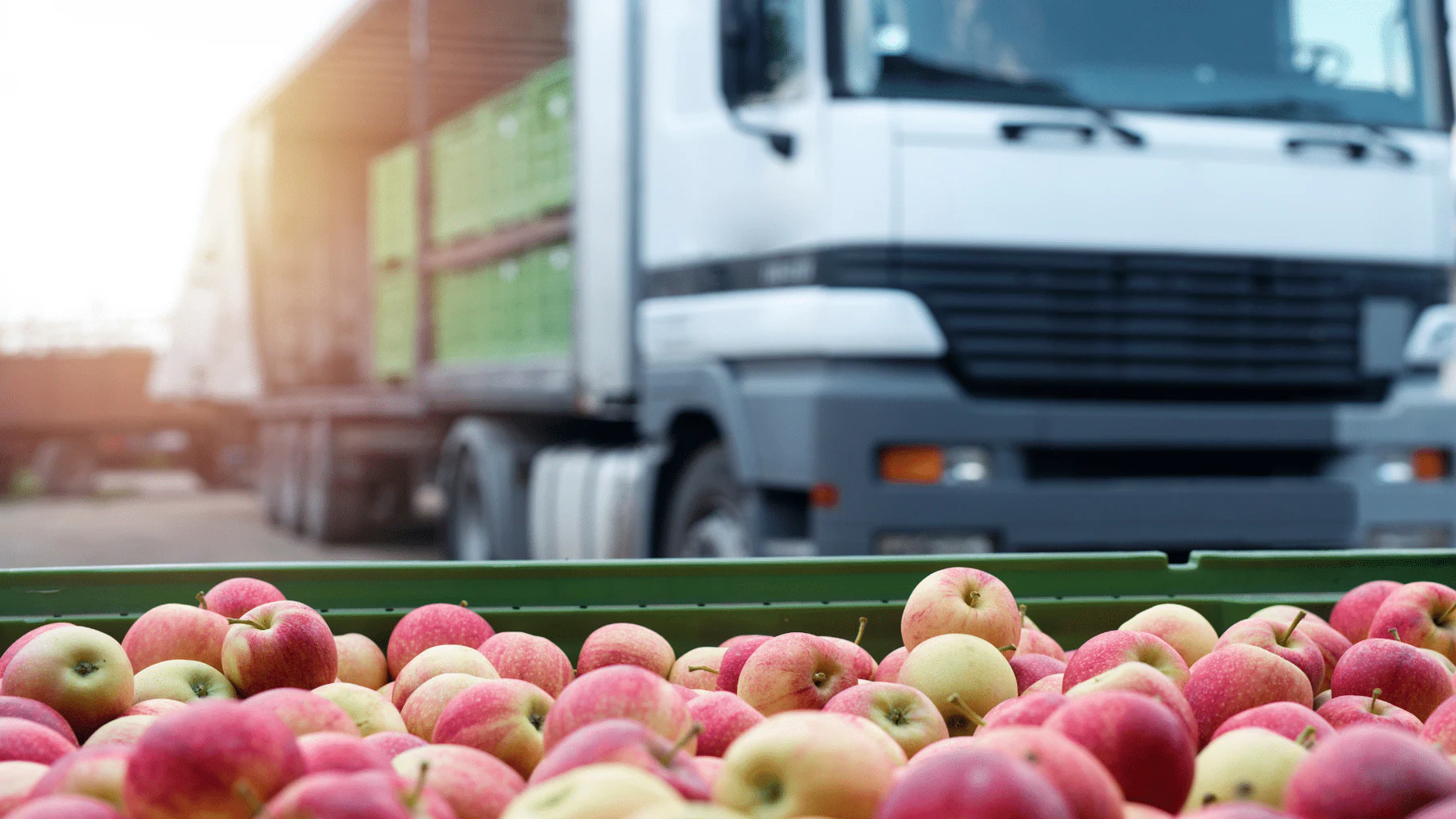
The output stage of the food production process involves the distribution and sale of the finished food products to consumers. Additionally, food production companies in Singapore must adhere to strict regulations for labeling, packaging, and transportation to ensure the safety and quality of the products.
Also Read: What are Food Production Software and Its Efficiency?
Food Production Software Benefits in Singapore
Food production software is a powerful tool that can help the food industry businesses in Singapore streamline their operations. Additionally, by leveraging food production software, companies can benefit from a range of features and functionalities that help them better manage their resources, reduce costs, and improve their bottom line. For example:
Cost and time saving for food production Singapore
One of the primary benefits of utilizing food production software in Singapore is the potential for significant cost and time savings. Moreover, by automating and streamlining various aspects of the food production process, businesses can reduce manual labor, minimize errors, and optimize their operations to save time and money.
Real-time factory management
Another significant benefit of utilizing food production software is the ability to achieve real-time factory management. Additionally, food production software can provide businesses with a comprehensive overview of their production processes, enabling them to monitor operations in real-time and make informed decisions to optimize their production processes.
Accurate and comprehensive report

Accurate and comprehensive reports can help businesses identify trends, analyze performance, and make informed decisions to improve their operations. For example, reports generated by food production software can help businesses identify inefficiencies in their production processes, such as bottlenecks or waste, and take corrective action to optimize their operations.
Controlled inventory and procurement
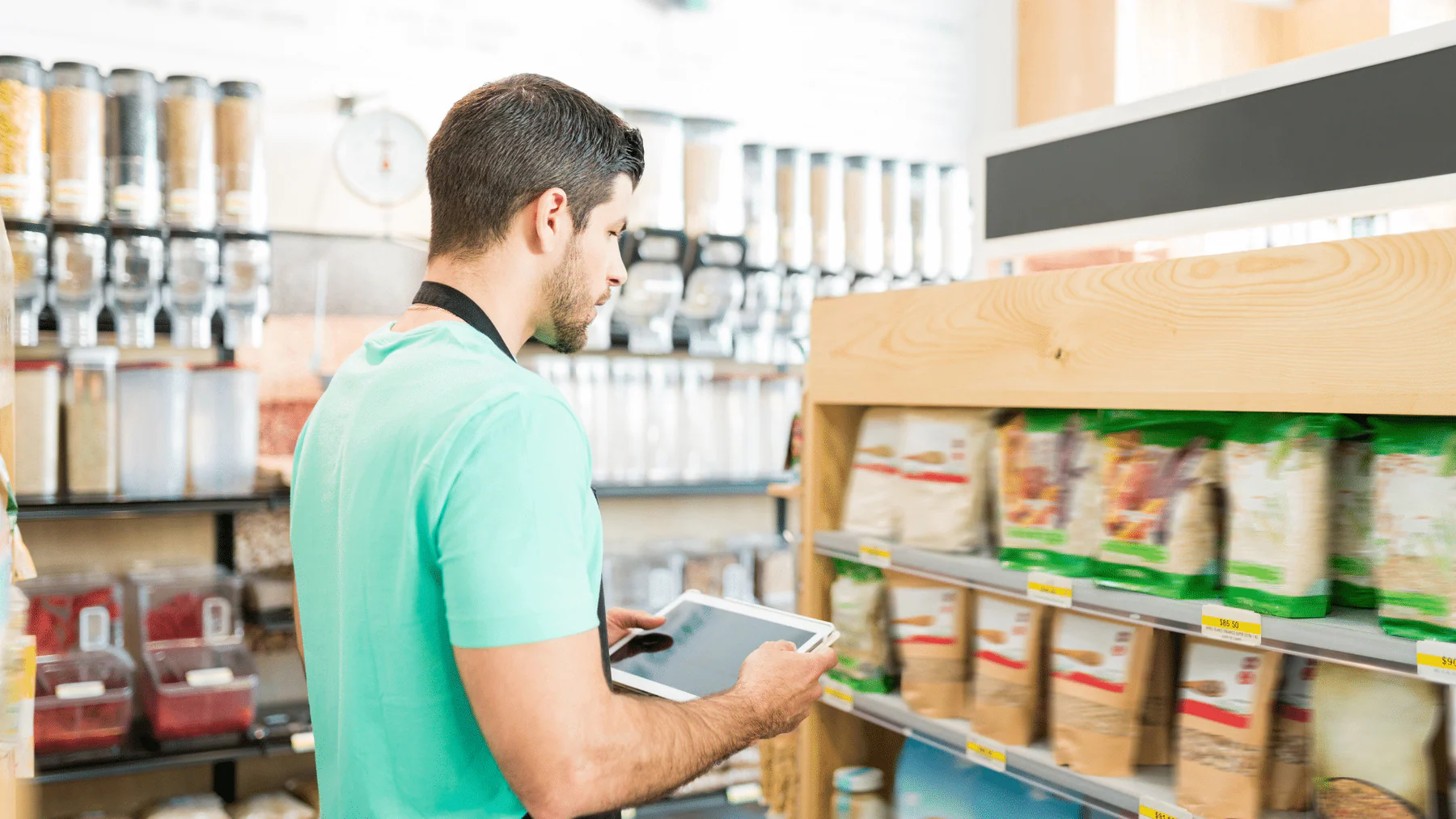
The software can help businesses keep track of inventory levels, monitor usage rates, and streamline the procurement process to ensure that they always have the necessary ingredients and supplies on hand. Food production software can also help businesses in Singapore avoid stockouts and reduce the risk of overstocking by accurately tracking inventory levels and usage rates.
Conclusion
In conclusion, food production software can bring significant benefits to businesses in Singapore. By utilizing this software, businesses can streamline their production processes. And also, leveraging food production software can position themselves for long-term success and remain competitive in the marketplace.
HashMicro is a trusted provider of food production software solutions that can help businesses in Singapore improve their operations and achieve their goals. In addition, HashMicro offers customized software solutions that are tailored to meet the unique needs of each business, ensuring that they get the most out of their investment. Try today for a free demo and get up to 50% off with PSG Grant and streamline your business.