










Learning management systems help Australian businesses deliver training, maintain compliance, and support employee development more efficiently. As organisations grow, managing training records, certifications, and learning programs manually becomes increasingly difficult.
Modern LMS platforms centralise training, automate enrolments, track completions, and provide real-time reporting from a single dashboard. This improves visibility, reduces administrative work, and helps businesses stay compliant with training requirements.
To help you choose the right solution, we have reviewed the 12 best learning management systems in Australia for 2026, comparing their features, pricing, and ideal use cases.
Key Takeaways
A learning management system (LMS) is a digital platform that delivers, tracks, and manages employee training and compliance education across an organisation.
Recommended learning management systems include TalentLMS, HashMicro, Go1, Moodle, and other solutions tailored to different business sizes and industry needs.
Implement an LMS by auditing training needs, matching the platform to industry requirements, evaluating data residency, and running a structured pilot before full rollout.
Best Learning Management Systems in Australia at a Glance

Best Because
a flexible cloud LMS with strong course-building tools and multi-department support.


Best Because
an Australian-built LMS focused on knowledge capture and structured onboarding.


Best Because
Australia's largest training content library integrated with popular LMS platforms.

Best Because
open-source LMS with full customisation, trusted by Australian education and RTOs.
What Is a Learning Management System?

A learning management system (LMS) is a platform that helps businesses create, deliver, track, and manage employee training in one place. It centralises courses, assessments, certifications, and learner records, making training easier to administer and monitor.
Instead of relying on spreadsheets or manual tracking, businesses can use an LMS to monitor progress, identify skill gaps, and ensure mandatory training is completed on time. This improves visibility and reduces administrative effort.
Many LMS platforms also support compliance tracking and audit-ready reporting. This helps Australian organisations maintain accurate training records and meet Fair Work, WHS, and industry-specific requirements more effectively.

Key Factors to Consider When Choosing an LMS in Australia
Choosing the right LMS involves more than comparing features. Businesses should evaluate compliance requirements, integrations, security, and scalability to ensure the platform supports both current and future training needs.
1. Australian Compliance Requirements
The LMS should support training compliance, certification tracking, renewal reminders, and audit-ready reporting to help meet Fair Work, WHS, and industry obligations.
2. Data Sovereignty and Local Hosting
Check where learner data is stored and whether the platform complies with Australian privacy and security requirements, particularly for regulated industries.
3. RTO and VET Sector Compatibility
RTOs and training providers should look for features such as USI integration, AVETMISS reporting, and support for nationally recognised qualifications.
4. Integration with HR and Payroll Systems
An LMS should connect with HR, payroll, and ERP systems to keep employee records, training data, and compliance requirements aligned.
5. Scalability and User Management
Choose a platform that can support business growth with flexible user management, multiple locations, and expanding training requirements.
Quick Comparison Table
| Features | TalentLMS | Tribal Habits | iSpring Learn | Acorn LMS | HashMicro | Go1 | Moodle | LearnUpon | Docebo | Sentrient | Cornerstone | Litmos |
|---|---|---|---|---|---|---|---|---|---|---|---|---|
| Ease of Use | ||||||||||||
| Pricing | ||||||||||||
| AU Compliance Support | ||||||||||||
| RTO/VET Suitability | ||||||||||||
| Integration Capability | ||||||||||||
| Mobile Access | ||||||||||||
| Reporting & Analytics | ||||||||||||
| Data Sovereignty |
The 12 Best Learning Management Systems in Australia (Fully Reviewed)
The following list represents the top-performing LMS solutions available to Australian businesses and training providers in 2026, ranging from lightweight cloud tools to enterprise learning suites.
1. TalentLMS
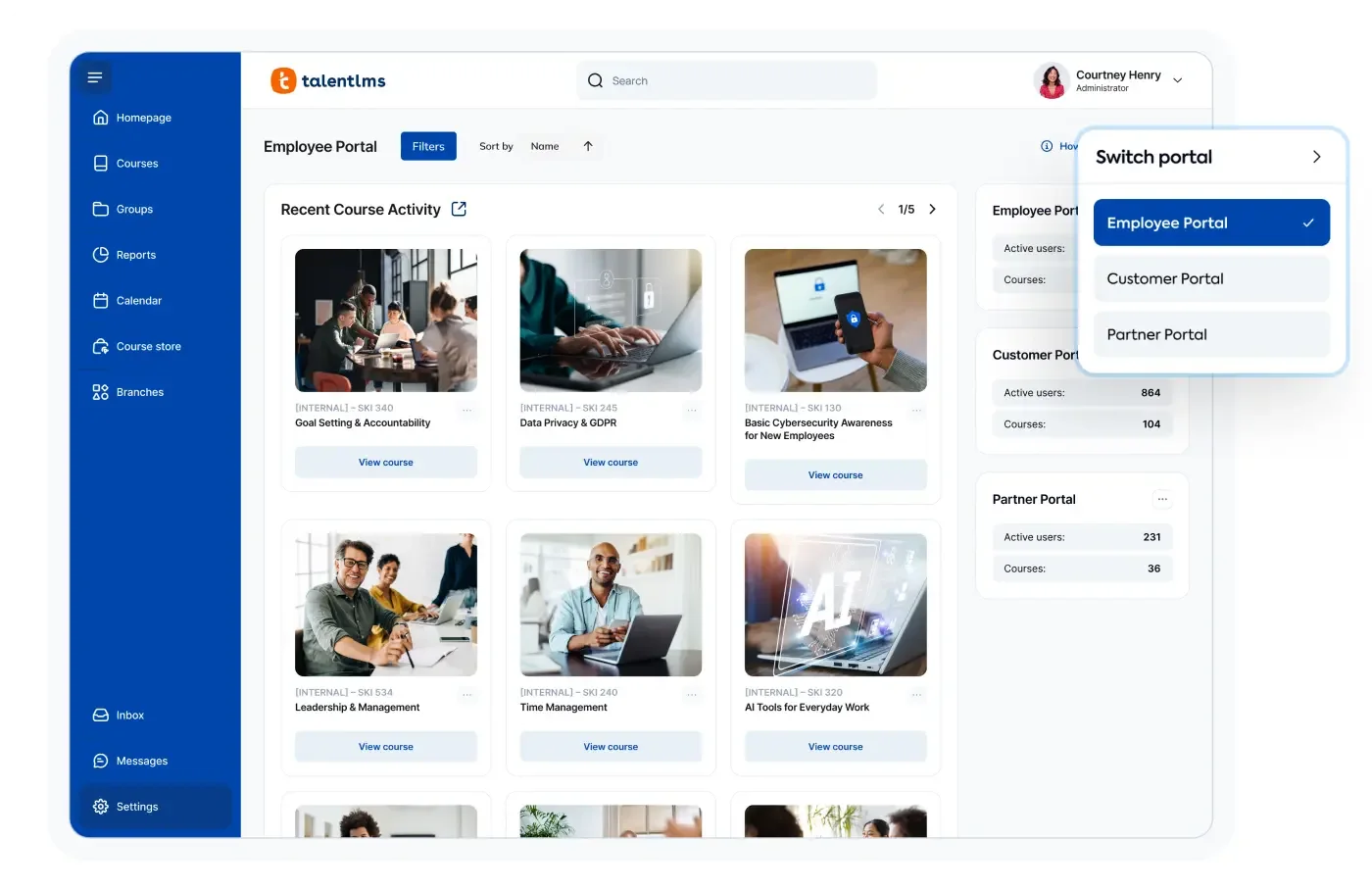
TalentLMS is a widely used cloud-based LMS known for its clean interface and fast deployment. It suits organisations that need multi-department training, course libraries, and automated enrolment without a long implementation. Its gamification features and mobile app help drive learner engagement for both onboarding and ongoing development.
Key Features:
- Course builder with video, SCORM, and quiz support
- Automated enrolment and completion tracking
- Gamification, badges, and leaderboards
- Custom reporting and multi-branch management
| Pros | Cons |
|---|---|
| Easy to deploy and use Affordable for SMBs Strong course management tools |
Limited advanced analytics Less suitable for complex enterprises Customisation options can be restrictive |
Pricing: TalentLMS offers tiered subscription plans starting from around AUD 100/month for up to 40 users, scaling by user volume. A free plan is available for up to 5 users and 10 courses, with enterprise pricing quoted on request.
Suitable for: SMBs and mid-market businesses that want a fast-to-deploy, easy-to-use LMS for general employee training and onboarding.
2. Tribal Habits
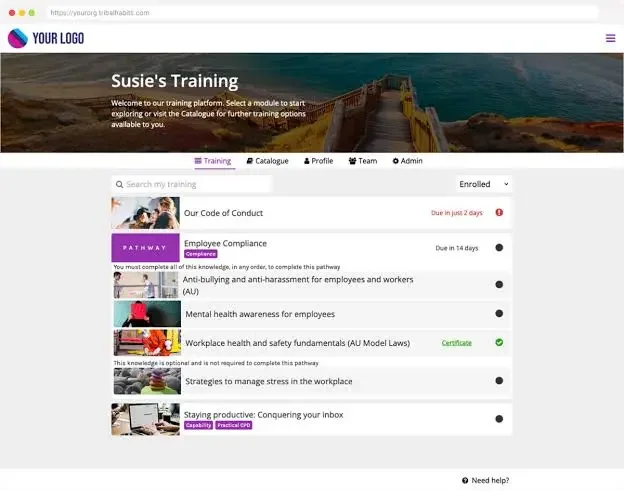
Tribal Habits is an Australian-built LMS designed around capturing and sharing internal knowledge, particularly for onboarding and process training. Its standout feature is a structured content-building workflow that guides subject matter experts to turn their know-how into repeatable digital learning without needing instructional design skills.
Key Features:
- Guided knowledge capture and course authoring
- Structured onboarding and competency pathways
- Learner progress tracking and completion reporting
- Australian-hosted data and local support
| Pros | Cons |
|---|---|
| Australian-built platform Strong compliance tracking Easy content creation tools |
Smaller ecosystem than global vendors Limited enterprise-scale features Advanced integrations may require setup |
Pricing: Tribal Habits uses a subscription model with per-user pricing, typically starting around AUD 4–8 per active user per month depending on plan. Pricing is available on request; a free trial is available.
Suitable for: Australian businesses that want to capture internal knowledge and build structured onboarding programs with local data hosting and support.
3. iSpring Learn
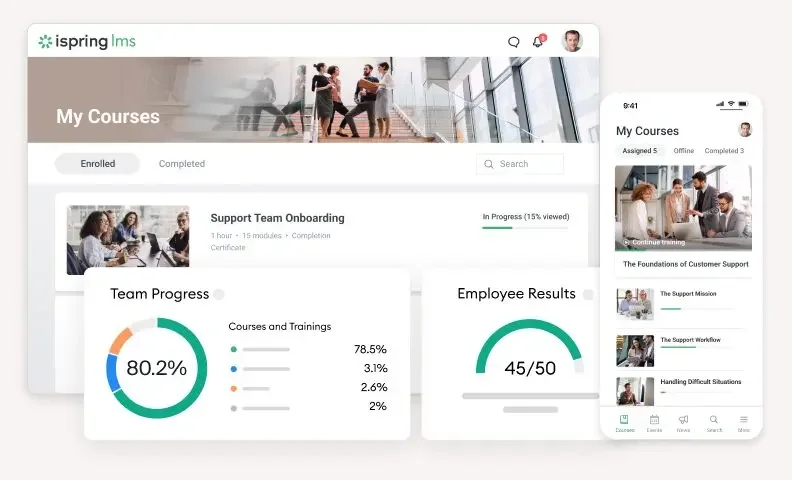
iSpring Learn is a cloud LMS tightly integrated with iSpring Suite, a PowerPoint-based course authoring tool. It is popular with organisations that want to convert existing presentations and training materials into interactive eLearning without a steep content authoring learning curve.
Key Features:
- PowerPoint-to-eLearning authoring via iSpring Suite
- SCORM and xAPI compliance
- Learner portals and completion tracking
- Mobile-friendly learning delivery
| Pros | Cons |
|---|---|
| Strong authoring capabilities Simple learner experience Quick implementation |
Limited advanced HR integrations Less suitable for large enterprises Reporting is less comprehensive than premium LMSs |
Pricing: iSpring Learn starts from around AUD 3.66 per user per month (billed annually), with iSpring Suite authoring tool priced separately. Enterprise plans are available on request; a 30-day free trial is offered.
Suitable for: Businesses with existing PowerPoint training materials that want a quick path to digital eLearning delivery.
4. Acorn LMS
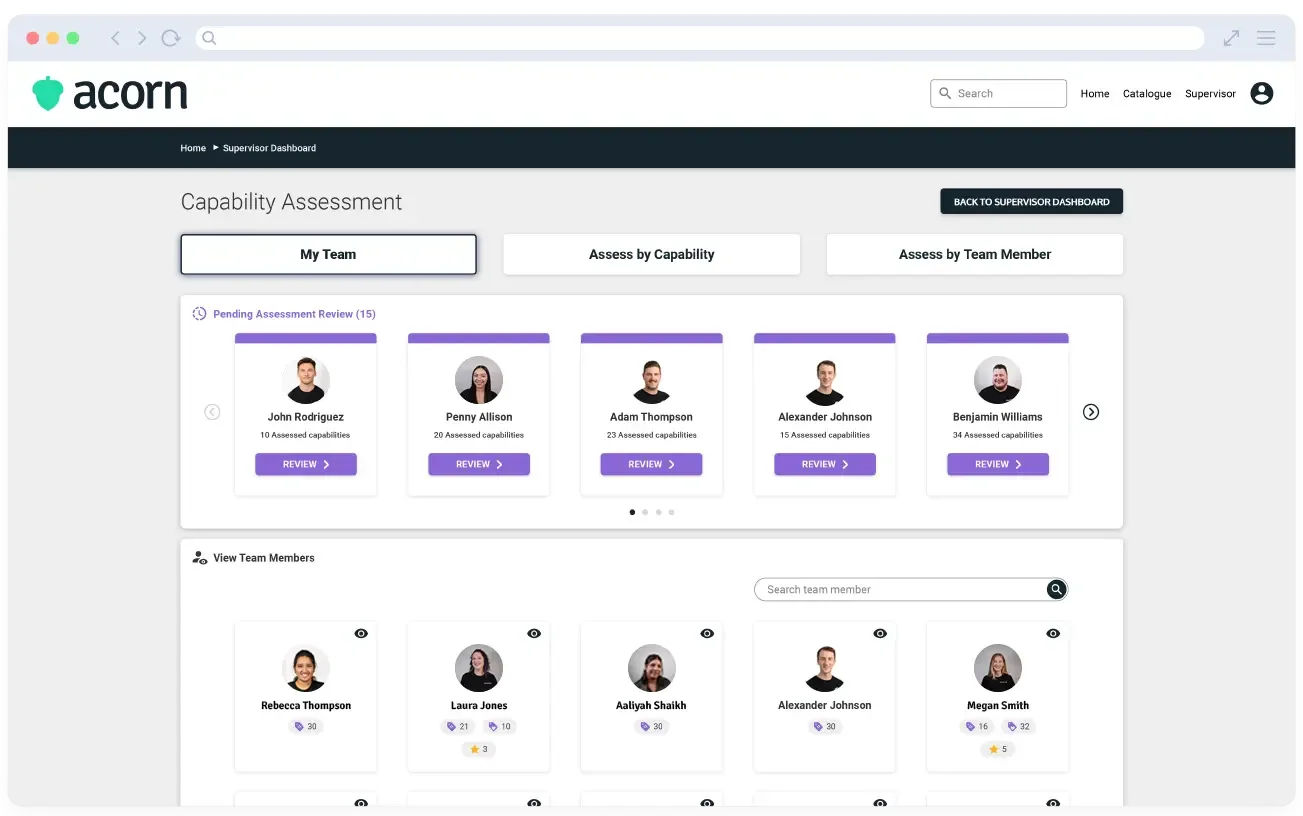
Acorn LMS is an Australian-built performance-first learning platform that links training directly to business outcomes and employee capability frameworks. It is designed for organisations that want more than course completion rates — aligning L&D investment with measurable performance improvement.
Key Features:
- Capability framework and skills gap mapping
- Learning pathways linked to performance goals
- Compliance tracking and audit-ready reporting
- Australian hosting and local support team
| Pros | Cons |
|---|---|
| Focus on skills and capability development Strong analytics and reporting Modern user interface |
Pricing may not suit smaller businesses Less focused on RTO requirements Advanced features require onboarding |
Pricing: Acorn LMS uses a quote-based subscription model depending on organisation size and modules. Pricing is available on request; a demo is offered.
Suitable for: Mid-to-large Australian organisations that want to link learning programs directly to workforce capability and performance outcomes.
5. HashMicro
HashMicro has established itself as a leading provider of ERP solutions in the Asia-Pacific region. Its HR and learning management module integrates natively with payroll, employee management, and compliance workflows, giving Australian businesses a unified system for training tracking without juggling separate platforms.
Key Features:
- Training management integrated with HR and payroll
- Mandatory training tracking and renewal alerts
- Compliance reporting and audit trail
- Employee competency and certification records
- Customisable learning workflows
| Pros | Cons |
|---|---|
| Integrated with HR and payroll modules Centralised employee and training records Customisable workflows and reporting |
Pricing available by consultation Implementation scope varies by requirements Some customisation may require onboarding support |
Pricing: HashMicro offers both perpetual licensing and subscription-based options with unlimited user access, helping larger businesses optimise total cost of ownership. Pricing is available upon consultation depending on modules selected.
Suitable for: Growing Australian businesses that want training management integrated with their HR, payroll, and ERP system rather than a standalone tool.
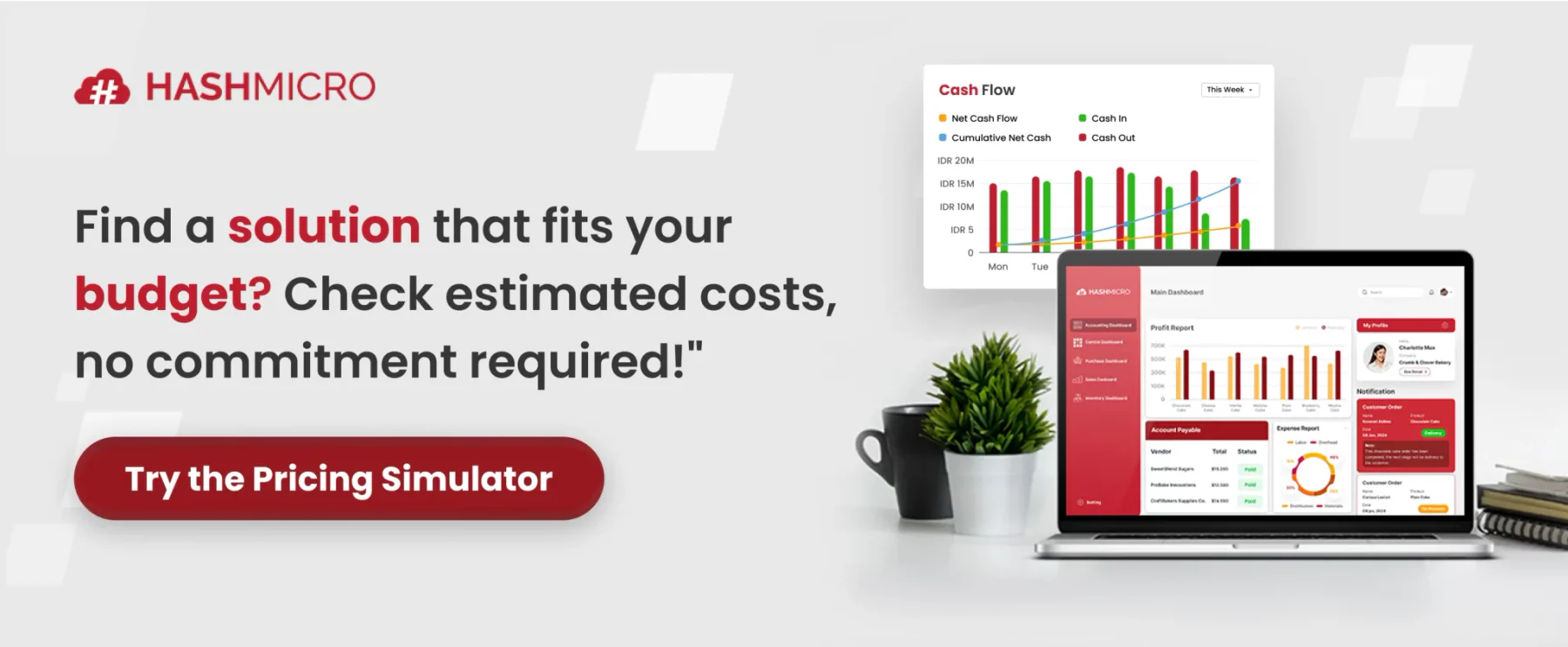
If you’re considering implementing HashMicro for your business, you can click the banner below to discover the pricing plan.
6. Go1
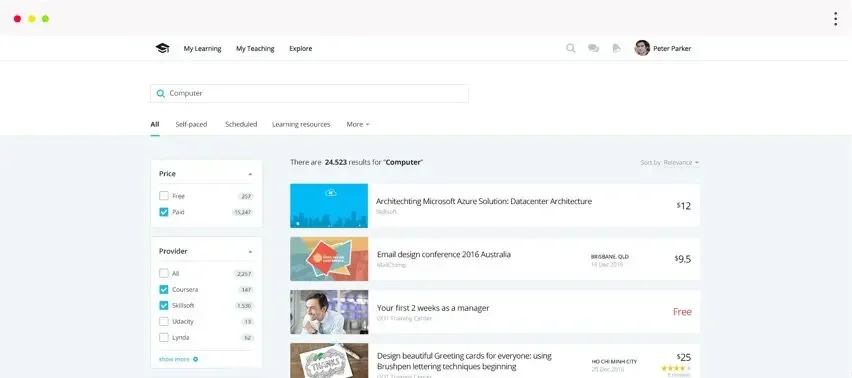
Go1 is less a traditional LMS and more Australia’s largest training content marketplace and aggregator. It connects organisations to hundreds of content providers — compliance training, skills development, professional development — through one subscription, and integrates with most major LMS platforms.
Key Features:
- Access to 100,000+ courses from global and local providers
- Compliance content for Australian WHS, privacy, and industry regulations
- Integrates with TalentLMS, Workday, SAP, and others
- Custom learning paths and team progress tracking
| Pros | Cons |
|---|---|
| Large content library Strong third-party integrations Ideal for continuous learning |
Not a full LMS on its own Content quality varies by provider May require integration with another platform |
Pricing: Go1 uses a subscription model starting from around AUD 15 per user per month, with enterprise plans quoted on request. A free trial is available.
Suitable for: Organisations that want a large, ready-made content library for compliance and skills training, integrated with their existing LMS.
7. Moodle
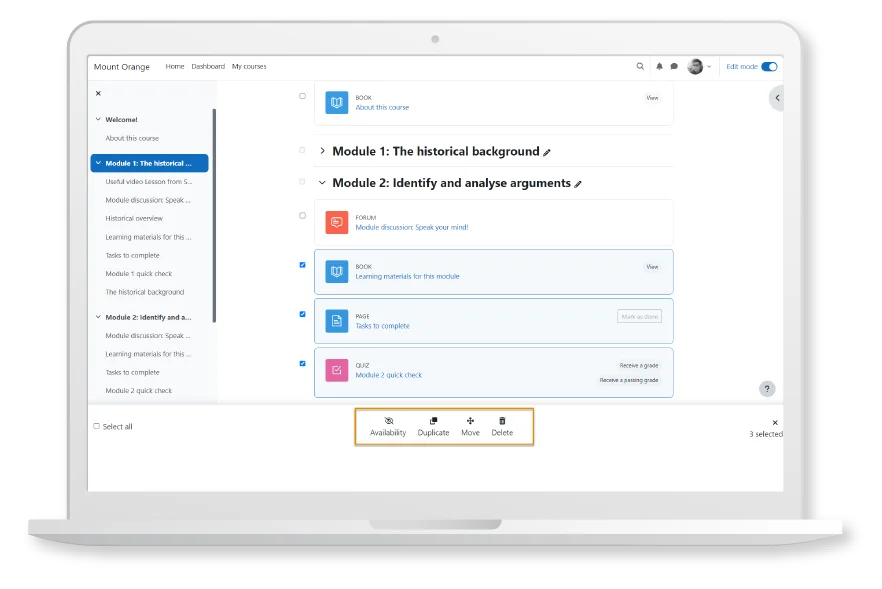
Moodle is the world’s most widely used open-source LMS and has a deep footprint in Australian universities, TAFE institutes, and Registered Training Organisations. Its flexibility is unmatched, but it requires technical resources to host, configure, and maintain.
Key Features:
- Fully open-source and customisable
- SCORM, xAPI, and AICC support
- RTO and VET delivery capability
- Large plugin ecosystem and community
| Pros | Cons |
|---|---|
| Free and open-source Highly customisable Large global community |
Requires technical expertise Hosting and maintenance responsibilities User interface can feel dated |
Pricing: Moodle software is free. Hosting and support services vary — MoodleCloud plans start from around AUD 135/month for up to 50 users. Moodle Workplace (enterprise version) is quote-based.
Suitable for: TAFE institutes, RTOs, and technically resourced organisations wanting maximum flexibility and control without per-user licensing costs.
8. LearnUpon
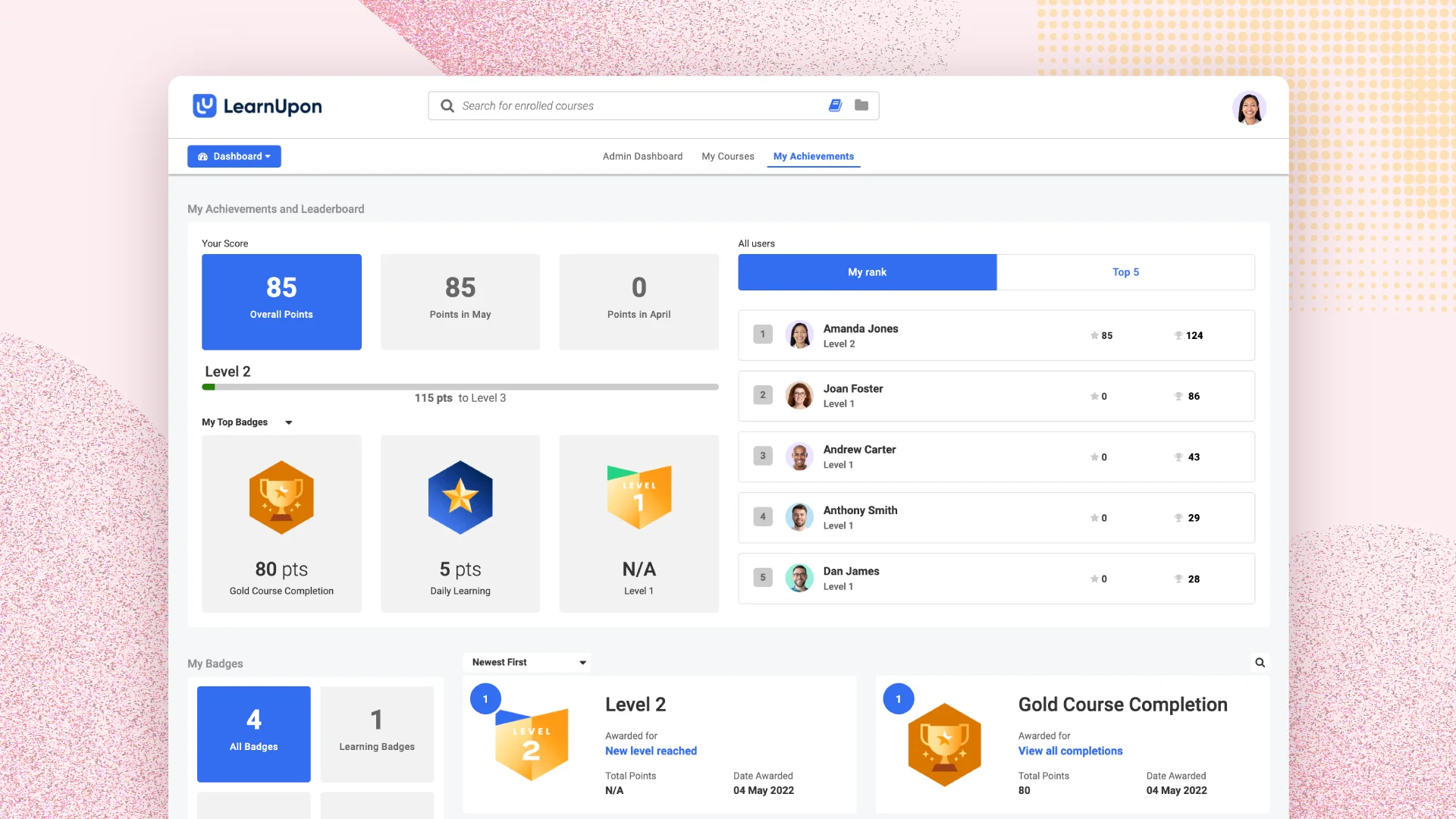
LearnUpon is a cloud LMS designed for businesses that need to train employees, partners, and customers from a single platform. Its multi-portal architecture makes it well suited to organisations running training programs for multiple distinct audiences.
Key Features:
- Multi-portal training for different audiences
- Course authoring, SCORM, and blended learning
- Salesforce, BambooHR, and HR system integrations
- Automated enrolment and learning paths
| Pros | Cons |
|---|---|
| Strong multi-portal management Good reporting and automation Scales well for growing organisations |
Higher pricing than SMB-focused LMSs Advanced features can increase costs Less flexible than open-source options |
Pricing: LearnUpon uses a quote-based subscription model, with plans typically starting from around AUD 600–800/month. Pricing scales by user volume and portals. A free trial is available.
Suitable for: Mid-market and enterprise businesses training employees, partners, and customers from one LMS.
9. Docebo
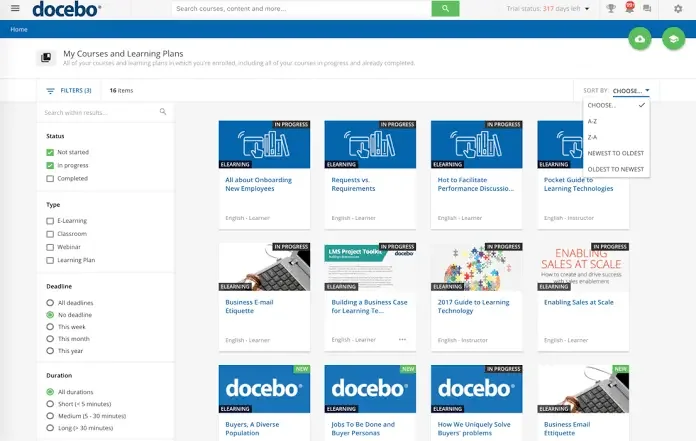
Docebo is an AI-powered enterprise LMS known for its personalised learning experience engine and broad integration catalogue. It suits large organisations that want to scale learning programs across complex organisational structures with AI-driven recommendations.
Key Features:
- AI-powered learning recommendations
- Formal, informal, and social learning support
- Extensive integration ecosystem (Salesforce, Workday, etc.)
- Custom branding and white-label portals
| Pros | Cons |
|---|---|
| AI-powered learning features Enterprise-grade scalability Extensive integrations |
Premium pricing Complex implementation for smaller teams Advanced features may require training |
Pricing: Docebo uses a quote-based subscription model with plans typically starting from around AUD 25,000/year. Pricing scales with user volume and features. No free plan is available; a demo is offered.
Suitable for: Large enterprises wanting AI-driven, personalised learning at scale with extensive system integrations.
10. Sentrient
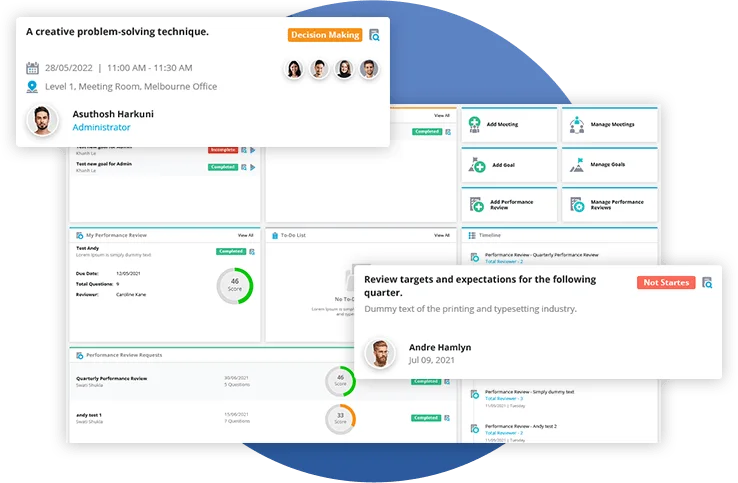
Sentrient is an Australian-built HR and compliance training platform purpose-built for workplace compliance, WHS training, and HR policy management. It is specifically designed for Australian employment law requirements, making it a strong choice for organisations where compliance is the primary driver.
Key Features:
- Pre-built Australian WHS and compliance course library
- Policy acknowledgement and sign-off tracking
- Australian-hosted data and local support
- HR policy and onboarding management
| Pros | Cons |
|---|---|
| Purpose-built for Australian compliance Strong WHS and policy training catalogue Local hosting and support |
Less suited to broader L&D programs Smaller feature set than enterprise LMSs Limited customisation for complex learning paths |
Pricing: Sentrient uses a subscription model starting from around AUD 3–6 per employee per month, with pricing depending on modules. A demo is available; pricing is quoted on request.
Suitable for: Australian businesses whose primary LMS need is workplace compliance training, WHS, and HR policy acknowledgement.
11. Cornerstone OnDemand
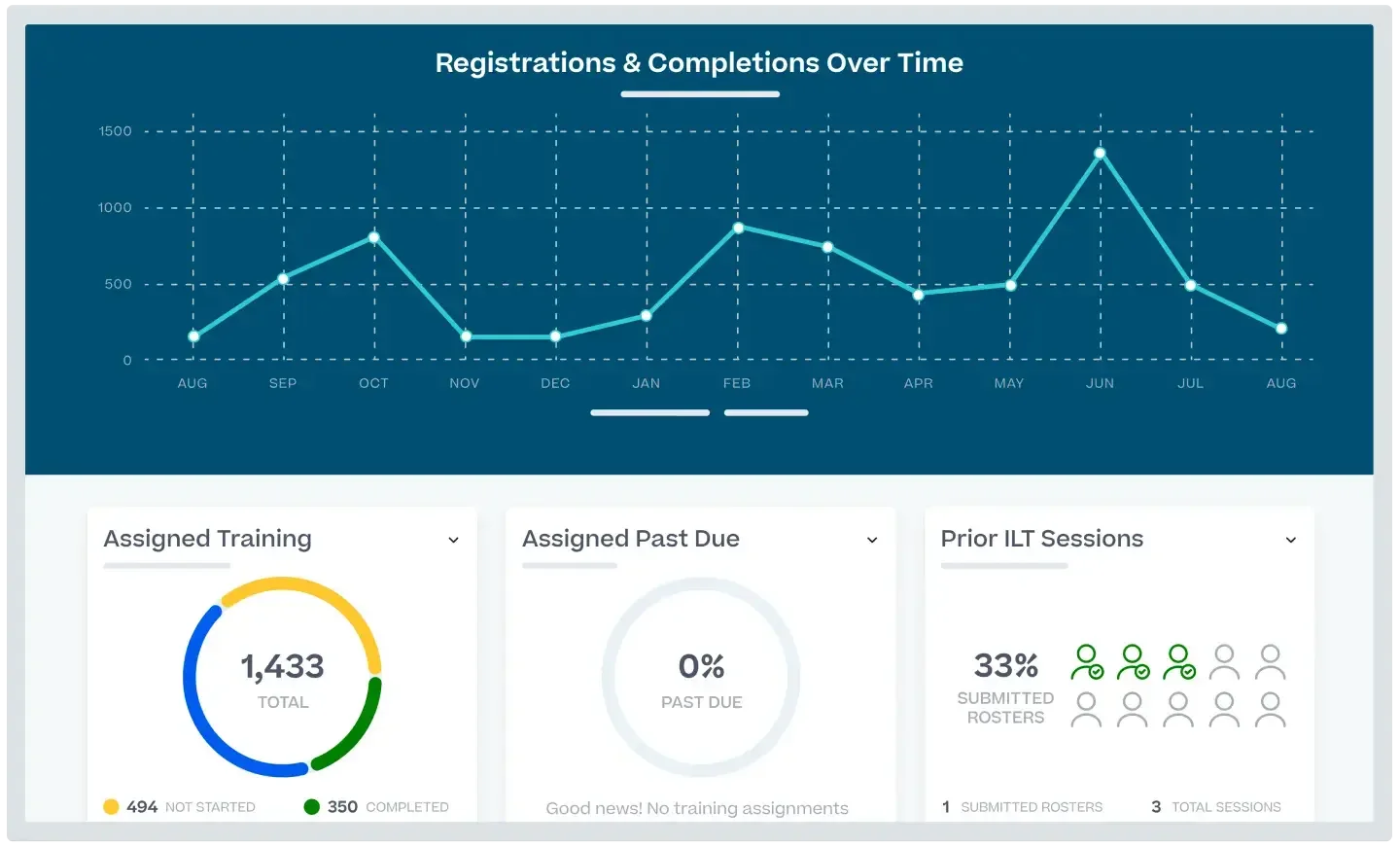
Cornerstone OnDemand is a comprehensive talent management suite that includes a powerful LMS component. It is a global leader in enterprise HR technology, offering learning, performance, and succession management in one connected system.
Key Features:
- Enterprise learning management and content delivery
- Skills and competency tracking
- Performance and succession integration
- Broad ERP and HRIS integration
| Pros | Cons |
|---|---|
| Comprehensive talent management suite Strong compliance and workforce tools Enterprise-scale reporting |
High implementation costs Complex setup process May exceed SMB requirements |
Pricing: Cornerstone OnDemand uses a quote-based subscription model. Costs typically start from AUD 6–10 per user per month at enterprise scale. No free plan is available; pricing is available on request.
Suitable for: Large Australian enterprises that need an integrated learning, performance, and talent management platform.
12. Litmos (SAP)
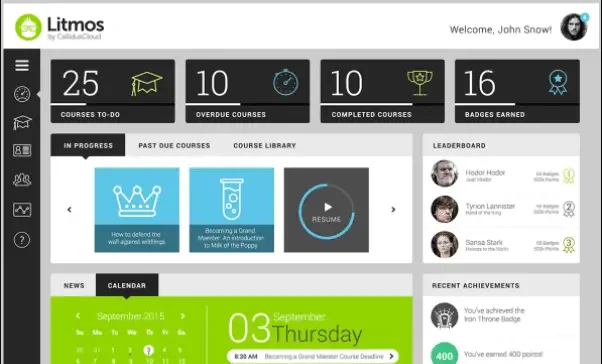
SAP Litmos is a cloud LMS owned by SAP, offering a content marketplace alongside its LMS. It is designed for fast deployment and is popular with organisations that need a reliable, low-administration learning platform that integrates with the broader SAP ecosystem.
Key Features:
- Ready-to-use course library (Litmos Heroes content)
- SCORM and xAPI support
- Salesforce and SAP integration
- Automated learning assignments and reporting
| Pros | Cons |
|---|---|
| Strong compliance training capabilities Mobile-friendly learning experience Good integration ecosystem |
Pricing not publicly available Advanced customisation can be limited Enterprise features may be unnecessary for small teams |
Pricing: SAP Litmos starts from around AUD 6 per user per month with a minimum user threshold. The Heroes content library is priced separately. Enterprise pricing is available on request; a free trial is offered.
Suitable for: Businesses already in the SAP ecosystem that need a reliable, fast-to-deploy LMS with built-in content options.
How to Implement an LMS in Your Australian Business
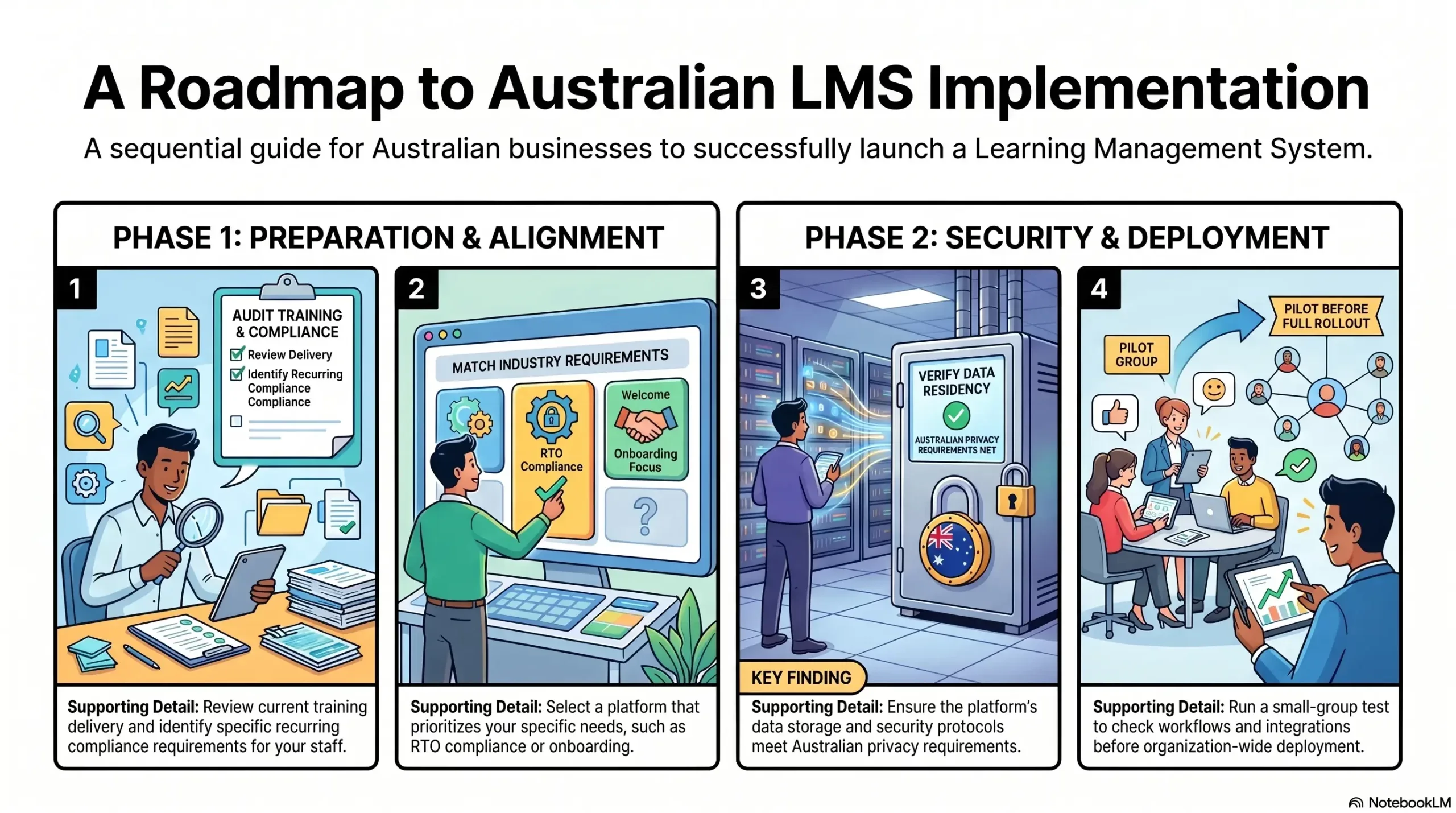
Implementing a learning management system starts with understanding your training and compliance requirements. A structured rollout helps businesses improve adoption, reduce disruption, and maximise the value of their LMS investment.
1. Audit Current Training Needs
Review the training your business delivers and identify any compliance requirements. Understanding who needs training and how often helps define your LMS requirements.
2. Match LMS to Industry Requirements
Choose a platform that aligns with your industry needs. For example, RTOs may require compliance-focused features, while other businesses may prioritise onboarding and employee development.
3. Evaluate Data Residency and Security
Check where learner data is stored and ensure the platform meets your privacy and security requirements. This is especially important for organisations handling sensitive employee information.
4. Pilot and Rollout
Run a pilot with a small group before full deployment. Testing workflows, reporting, and integrations early helps ensure a smoother organisation-wide rollout.
Choosing a Learning Management System for Registered Training Providers in Australia
Registered Training Organisations (RTOs) have different requirements from businesses using an LMS for employee training. In addition to delivering courses, RTOs must manage compliance, qualifications, learner records, and reporting obligations.
- What RTOs and vocational training providers need from an LMS: Manage qualifications, units of competency, assessment evidence, and learner progress while supporting Australian vocational training requirements.
- Compliance records, certificates, and learner progress tracking: Maintain assessment results, RPL decisions, qualification records, AVETMISS reporting, and audit-ready documentation.
- Why standard business LMS tools may not be enough for regulated training: Most corporate LMS platforms lack support for units of competency, training packages, and the compliance requirements expected by ASQA.
- When to choose an LMS with reporting and document control features: Select platforms with AVETMISS reporting, USI integration, document control, and proven use within Australian RTOs.
How Much Does an LMS Cost in Australia?
LMS pricing in Australia varies widely depending on the platform type, user volume, and features required. Here is a general guide to what to expect.
| Platform Type | Typical Cost Range | Notes |
|---|---|---|
| Free/Open-Source (e.g. Moodle) | Free software; AUD 135–500+/month for hosting | Requires technical resources to manage |
| SMB Cloud LMS (e.g. TalentLMS, iSpring) | AUD 3–8 per user/month | Best for 10–200 users |
| Australian-Built LMS (e.g. Tribal Habits, Acorn, Sentrient) | AUD 3–10 per user/month | Includes local hosting and support |
| Mid-Market LMS (e.g. LearnUpon, Go1) | AUD 600–2,000+/month | Better for 100–1,000 users |
| Enterprise LMS (e.g. Docebo, Cornerstone, SAP Litmos) | AUD 20,000–100,000+/year | Quote-based, for 500+ users |
| Integrated ERP + LMS (e.g. HashMicro) | Available on consultation | Includes HR, payroll, and training in one system |
Beyond licence fees, factor in implementation costs (setup, configuration, data migration), content creation or purchase, ongoing administration, and integration work with existing HR systems. Total cost of ownership is often 1.5–2x the licence fee in year one.
Conclusion
Learning management software helps Australian businesses deliver training more efficiently while maintaining compliance, improving employee development, and tracking learning outcomes at scale.
The best platform depends on your organisation’s size, training requirements, and operational complexity.
Businesses that need training management alongside HR, payroll, and workforce operations may benefit from an integrated solution rather than managing multiple standalone systems.
To explore how it can support your organisation’s training and compliance goals, book a free demo with our experts for a personalised consultation.
Frequently Asked Question
Popular free LMS options include Moodle and Canvas. They offer core learning management features, although larger organisations may require paid plans for advanced functionality and support.
Not always, but organisations in regulated industries often prefer Australian-hosted LMS platforms to meet privacy, security, and data sovereignty requirements.
Many RTOs use LMS platforms that support AVETMISS reporting, USI integration, and qualification management. The best option depends on compliance and operational requirements.
The Fair Work Act may require businesses to maintain evidence of employee training, particularly for compliance, workplace policies, and mandatory certifications. An LMS helps track and document this training.
Yes. Many modern LMS platforms integrate with HR, payroll, and ERP systems to synchronise employee records, training data, and compliance requirements automatically.