








Looking for a more innovative way to manage warehouse space in Singapore? Automated Storage and Retrieval Systems (AS/RS) boost logistics by maximizing vertical storage, streamlining operations, and saving valuable floor space; ideal for urban environments.
AS/RS designed for the urban warehouse of an industrial partner optimizes both storage and picking processes. Capable of operating fully autonomously, these systems support industries that demand continuous, round-the-clock pallet handling and faster throughput.
Whether installed in new facilities or retrofitted into existing warehouses, AS/RS extends the same round-the-clock, high-throughput capability to a wider range of urban warehouse layouts.
Key Takeaways
An AS/RS is a computer-controlled system that stores and retrieves inventory with limited manual handling.
Singapore warehouses can choose between vertical, carousel, unit-load, mini-load, or shuttle-based AS/RS types depending on load and space.
Choosing the right AS/RS configuration depends on load unit, item dimensions, throughput, available space, and WMS integration requirements.
AS/RS cost should be assessed as a total implementation cost, not equipment price alone, when weighing potential returns.
What Is AS/RS and How Does It Work?
An Automated Storage and Retrieval System (AS/RS) is a computer-controlled warehouse system that stores and retrieves inventory with limited manual handling. Racking, shuttles, cranes, or robotic carriers move under software direction rather than relying on a forklift operator for every pallet or carton.
A typical workflow includes receiving inventory, assigning a storage location, automated putaway, retrieval based on an order, and handoff to picking or dispatch. The exact sequence depends on the equipment type and its integration with the warehouse management system.
Types of AS/RS in Singapore
There are various types of AS/RS available to meet different storage needs. These systems are designed to optimize warehouse efficiency and improve inventory management. Let’s explore some of the commonly used types of AS/RS:
1. Vertical Lift Module (VLM)
The Vertical Lift Module is known for its space-saving features and ease of operation. It utilizes the vertical space up to the ceiling, making it ideal for warehouses with limited floor space. The VLM allows for efficient storage and retrieval of items, reducing manual handling and increasing productivity.
2. Horizontal Carousels
Horizontal Carousels provide easy access to stored items. With a single tap on a touch panel or barcode reader, you can control the movement of the carousel and retrieve the required item. This type of AS/RS is popular in industries where quick and accurate picking is essential.
3. Unit Load AS/RS
Unit Load AS/RS is designed for handling larger loads, such as pallets or large containers. It offers high-density storage and efficient retrieval of unit loads. This type of system is commonly used in industries that deal with bulk materials or heavy goods.
4. Mini Load AS/RS
Mini Load AS/RS is specifically designed for handling smaller items, such as cartons or cases. It provides high-density storage for smaller goods and is ideal for industries that require efficient storage and retrieval of a large number of small items.
5. Vertical Carousels
Vertical Carousels are suitable for storing long and bulky items, such as pipes or rolls of fabric. These systems maximize vertical space utilization and provide easy access to stored items, enhancing overall efficiency in warehouse operations.
6. Mid Load AS/RS
Mid Load AS/RS offers a balance between storage capacity and speed. It is ideal for industries that require efficient storage and retrieval of medium-sized items. This type is versatile and can be customized to meet specific requirements.
These different types of systems can be used individually or combined to create a customized system that best suits your warehouse needs. With the right selection and configuration of AS/RS, businesses in Singapore can optimize their storage capacity, improve operational efficiency, and streamline their warehouse management processes.
Benefits of Implementing AS/RS in Singapore

Implementing Automated Storage and Retrieval Systems (AS/RS) in Singapore brings several benefits to warehouse operations.
1. Lower long-term costs
One of the key advantages is a significant reduction in expenses. By eliminating the need for unnecessary parts and tools, AS/RS enables long-term cost savings for the business.
2. Reduced labour and fewer errors
Automation reduces the number of employees required to run the warehouse, resulting in substantial labour cost reductions. It also minimises problems caused by human error, ensuring accurate and efficient operations.
3. Faster order fulfilment
AS/RS establishes a seamless link between storage logistics and order processing. By integrating these two functions, the system minimises the time taken to retrieve inventory when fulfilling customer orders, which enhances customer satisfaction and productivity.
4. Real-time inventory visibility
AS/RS enables easy tracking of inventory, providing real-time visibility into stock levels. With accurate and up-to-date information, businesses can manage stock effectively and avoid costly stockouts or excess inventory.
5. AS/RS cost and ROI considerations
AS/RS cost should be assessed as a total implementation cost, not just equipment price. This includes installation, WMS integration, training, and ongoing maintenance, weighed against expected gains in labour, throughput, and inventory accuracy.
6. Operational trade-offs to consider
AS/RS can reduce manual handling, but it also creates dependencies on equipment availability, software integration, maintenance, and recovery procedures during downtime. The right solution therefore depends on throughput, load characteristics, facility conditions, and the business's tolerance for operational interruption.
AS/RS in Cold Room Environments

By integrating AS/RS into cold room architecture, it becomes possible to optimize the warehouse space. This integration reduces the roof footprint, leading to energy efficiency and lower operating costs. Furthermore, its systems minimize air exchange in the refrigerated space, resulting in reduced energy consumption for cooling purposes.
Consistent temperature control is vital for preserving inventory items in cold room environments. It ensures a stable environment, minimizing the risk of spoilage and maintaining product quality.
By combining AS/RS technology with cold room facilities, warehouse operators can optimize space utilization and enhance overall efficiency. This integration allows for seamless inventory management, improved energy efficiency, and reduced operational costs.
For cold-room applications, specify the stored load, retrieval frequency, temperature requirements, available rack height, and maintenance access before selecting an AS/RS configuration. The design should be assessed together with space utilisation, energy objectives, inventory protection, and integration with warehouse controls.
How to Choose the Right AS/RS Type
Before selecting an AS/RS configuration, assess the following five inputs:
- Load unit: whether the system needs to handle pallets, totes, cartons, or long items such as pipes and rolls affects which configuration fits best.
- Item dimensions and weight: smaller, lighter goods suit different equipment than bulky or heavy loads.
- Required throughput: how many retrievals or putaways the operation needs per hour shapes the speed and capacity the system must deliver.
- Available floor and vertical space: ceiling height and floor footprint determine whether a vertical or horizontal solution makes better use of the site.
- Integration requirements with the WMS: how much the AS/RS needs to communicate with existing inventory and order systems affects setup complexity.
These inputs determine whether a vertical, carousel, unit-load, mini-load, or shuttle-based configuration is appropriate.
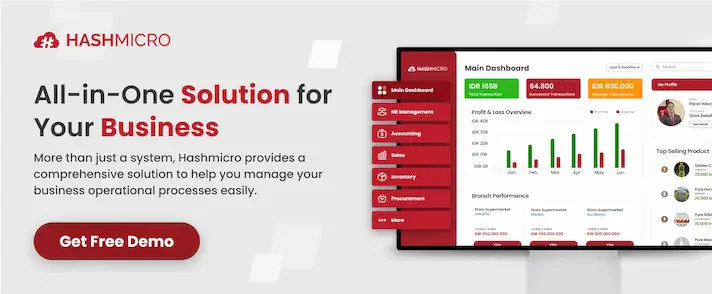
Integrate Your AS/RS System with HashMicro Warehouse Management Software
When it comes to integrating Automated Storage and Retrieval Systems with your warehouse management in Singapore, you can trust HashMicro to do that.
HashMicro WMS can support AS/RS workflows when item data, storage locations, putaway and retrieval signals, inventory status, replenishment rules, and exception handling are defined during integration. The required integration scope depends on the AS/RS equipment, warehouse processes, existing controls, and implementation plan. The WMS optimizes inventory placement, retrieval, and replenishment, helping AS/RS operations use available storage space more efficiently.
Furthermore, HashMicro’s automation solutions, including robotic process automation (RPA) and intelligent data processing, complement AS/RS by enhancing accuracy and minimizing manual tasks. Whether it’s inventory tracking or order processing, HashMicro’s tools ensure precision.
You also do not need to worry about safety protocols. HashMicro’s safety compliance modules ensure that businesses adhere to safety regulations. From employee training tracking to incident reporting, HashMicro prioritizes safety.
Conclusion
By implementing AS/RS in your Singapore warehouse, you can experience improved efficiency, reduced costs, and streamlined operations. Embracing this advanced technology will revolutionize your warehouse management, paving the way for long-term success and growth.
In summary, AS/RS systems redefine efficiency, and HashMicro complements this revolution by providing intelligent software solutions. Together, they pave the way for a smarter, more streamlined future in warehousing and logistics.
Are you interested in trying out HashMicro’s comprehensive system? You can register for a free demo now!
Frequently Asked Questions
An AS/RS is a computer-controlled warehouse system that stores and retrieves inventory with limited manual handling, moving items between storage locations and order fulfilment points automatically.
A typical workflow covers receiving and identifying inventory, assigning a storage location, automated putaway, retrieval based on an order, and handoff to picking or dispatch, with the exact steps depending on the equipment and WMS integration.
Common types include Vertical Lift Modules, horizontal and vertical carousels, unit-load, mini-load, and mid-load systems, each suited to different item sizes, load units, and throughput needs.
AS/RS cost should be assessed as a total implementation cost rather than equipment price alone, including storage equipment, facility modifications, controls and software, installation, WMS integration, training, and maintenance.
Integration depends on defining item data, storage locations, putaway and retrieval signals, inventory status, replenishment rules, and exception handling, so the WMS can optimise placement and retrieval across the AS/RS.