















How much control do you have over your procurement activities? Many companies struggle with fragmented sourcing, limited visibility, and supplier misalignment. A well-designed source-to-pay strategy connects these activities so businesses can control spending, manage suppliers, and reduce long-term procurement risks.
In fact, a McKinsey survey found that 45% of companies only have visibility into their first-tier suppliers. This lack of insight can lead to inefficiencies, compliance issues, and missed opportunities for collaboration, all of which negatively impact the bottom line.
That is where the source-to-pay process creates value. It connects strategic sourcing, supplier selection, contract management, purchasing, invoicing, and payment within one coordinated procurement cycle.
Many Philippine companies are adopting digital procurement tools to improve control and supplier relationships. This guide explains how source to pay works, how it differs from related procurement models, and how businesses can use it to improve efficiency, compliance, and cost management.
Key Takeaways
Unlike Procure-to-Pay (P2P), Source-to-Pay (S2P) offers a more comprehensive approach by integrating sourcing, supplier management, and payment for a more holistic solution.
Businesses optimize procurement, reduce costs, strengthen supplier relationships, and ensure compliance by managing seven source-to-pay stages in one structured cycle.
S2P software helps manage compliance and mitigate risks, ensuring businesses stay compliant with regulations, avoid penalties, and execute contracts correctly.
HashMicro’s procurement system streamlines procurement with advanced features like e-procurement, automatic vendor ratings, and budget tracking, helping businesses save time, reduce errors, and improve efficiency.
What is a Source-to-Pay (S2P)?
Source-to-Pay (S2P) manages the entire procurement cycle, from identifying business needs and selecting suppliers. Not only can businesses select suppliers, but they can also negotiate contracts, process orders, and pay invoices.
The source-to-pay process gives businesses greater control and visibility, enabling them to centralize supplier data, automate purchasing workflows, and support strategic sourcing through spend analysis, vendor evaluation, and risk management. When sourcing procurement team typically issue an RFQ to compare suppliers pricing, terms, and capabilities.
Modern source-to-pay software uses automation and analytics to classify spending, identify savings opportunities, reduce manual work, and improve data accuracy. These capabilities help procurement teams make faster, value-driven decisions.
Source-to-Pay vs. Procure-to-Pay: Key Differences

A source-to-pay vs procure-to-pay comparison helps businesses understand where each model begins and which procurement activities it manages. Although both models support purchasing and supplier payment, their scope and objectives differ. S2P begins before a supplier is selected and covers sourcing, evaluation, contracting, purchasing, and payment. By contrast, procure-to-pay begins after the organization has chosen a supplier and concentrates on purchase requests, purchase orders, receiving, invoice processing, and settlement.
The table below summarizes the core differences:
| Feature | Source-to-Pay (S2P) | Procure-to-Pay (P2P) |
| Scope | Full end-to-end process from sourcing to payment | Starts at procurement and ends at supplier payment |
| Focus Area | Strategic sourcing, supplier management, contract negotiation | Purchase orders, invoice processing, payment |
| Function | More strategic: includes supplier evaluation and selection | More operational: focuses on order and invoice workflow |
| Use Case | Suitable for organizations aiming for cost optimization and long-term supplier value | Ideal for companies focusing on transactional efficiency |
| Tools Needed | Requires source-to-pay software with sourcing and analytics features | Typically managed via procurement system or P2P tools |
Overall, Source-to-Pay provides a more comprehensive and strategic approach to procurement than Procure-to-Pay, making it ideal for businesses seeking greater efficiency and long-term value.
The 7 Key Stages of Source-to-Pay
The source-to-pay process is a structured cycle designed to help businesses streamline procurement and build stronger supplier relationships. Understanding each stage is essential to optimizing workflows, improving cost efficiency, and ensuring compliance.
Here’s a breakdown of the seven key stages in a standard source-to-pay system:
| Stage | Purpose | Responsible Team | Key Output | KPI |
|---|---|---|---|---|
| Spend Analysis | Analyze spending patterns to identify savings, consolidate vendors, and negotiate better contracts. | Procurement and Finance | Spend analysis report | Identified cost-saving opportunities |
| Sourcing | Identify suitable suppliers based on business requirements, pricing, capacity, and performance. | Strategic Sourcing | Supplier shortlist and RFQ | Sourcing cycle time |
| Supplier Selection and Qualification | Evaluate suppliers against compliance, quality, delivery, capacity, and pricing requirements. | Procurement, Quality, and Compliance | Approved supplier list | Supplier qualification rate |
| Contract Management | Use a procurement system to draft, approve, monitor, and renew supplier contracts consistently. | Procurement and Legal | Approved supplier contract | Contract approval cycle time |
| Procurement | Use purchasing software to standardize purchase requests, approvals, and purchase orders. | Purchasing Team | Approved purchase order | Purchase order cycle time |
| Invoice and Payment | Match supplier invoices with purchase orders and receipts before issuing accurate, timely payments. | Accounts Payable | Approved invoice and payment record | Invoice match rate |
| Supplier Performance and Risk Management | Monitor supplier delivery, quality, responsiveness, and risk to protect long-term procurement value. | Supplier Management and Risk | Supplier scorecard and risk report | On-time delivery rate |
Advantages of Source-to-Pay

Adopting a source-to-pay system provides businesses with more than mere automation. It enhances visibility, control, and strategic value for every procurement activity. Here are some of the key advantages:
- Centralized data and improved visibility
All procurement activities are managed in a unified system, making it easier to track spending, monitor supplier performance, and avoid redundant purchases. This transparency empowers smarter, faster decision-making.
- Enhanced cost control
A robust source-to-pay software helps businesses analyze spending behavior and identify cost-saving opportunities. By consolidating suppliers and leveraging data, companies can negotiate better deals and reduce procurement costs.
- Stronger supplier management
From selection to evaluation, S2P solutions improve supplier collaboration by enabling clearer communication, performance tracking, and compliance monitoring. This results in more stable and strategic vendor relationships.
- Streamlined procurement operations
Automated procurement workflows reduce manual workloads, minimize errors, and accelerate the entire procurement cycle. This efficiency allows teams to focus on strategic, high-value activities rather than repetitive paperwork.
- Better compliance and risk reduction
With audit trails, real-time alerts, and standardized workflows, source-to-pay solutions help businesses stay compliant with internal policies and regulatory standards, reducing the risk of costly oversights.
Through strategic sourcing, businesses strengthen supplier relationships, identify disruptions early, and respond to risks faster. A McKinsey survey links continuous supplier collaboration to stronger growth, lower operating costs, better profitability, and shared competitive advantages.
If you’re looking to maximize these benefits with smart automation and real-time control, now’s the time to explore a digital solution. Click the banner below to discover how much it would cost to implement HashMicro’s procurement system for your organization.
Improving Compliance and Managing Supplier Risk

Procurement compliance ensures that procurement activities, supply chains, and supplier relationships meet legal, ethical, and risk management standards. Source-to-Pay (S2P) software automates compliance checks, contract management, and recordkeeping, helping businesses reduce penalties and legal risks while improving efficiency and allowing procurement teams to focus on strategic goals.
Key considerations for managing supplier risk
- Identifying supplier risks:
Start by categorising potential risks, such as financial instability, geopolitical issues, or natural disasters that could affect your suppliers and, ultimately, your business operations.
- Evaluating supplier performance:
Assess each supplier’s risk profile, factoring in their financial stability, reputation, and past performance. This evaluation helps ensure that you work with reliable partners.
- Collaborating with suppliers:
Engage with suppliers to develop joint strategies for mitigating risks. Effective collaboration can lead to innovations that benefit both parties, enhancing overall supply chain resilience.
- Diversifying your suppliers:
Avoid putting all your eggs in one basket. By diversifying your supplier base, you reduce reliance on a single source, minimizing the risk of major disruptions in your supply chain.
- Securing contracts with safeguards:
Ensure contracts contain clear clauses for risk management, such as penalties, dispute resolution terms, and contingency plans. This protects your business from unforeseen challenges.
- Enhancing supply chain visibility:
Increase visibility across your supply chain to detect and respond to potential risks early. Tracking product movements and supplier activities helps ensure smoother operations and quicker action when needed.
- Leveraging data and analytics:
Use data analytics to gain deeper insights into your suppliers’ performance and dependencies. Real-time analytics can help identify vulnerabilities and support smarter decision-making in procurement.
Automate Your Source-To-Pay with Hashmicro Procurement Software
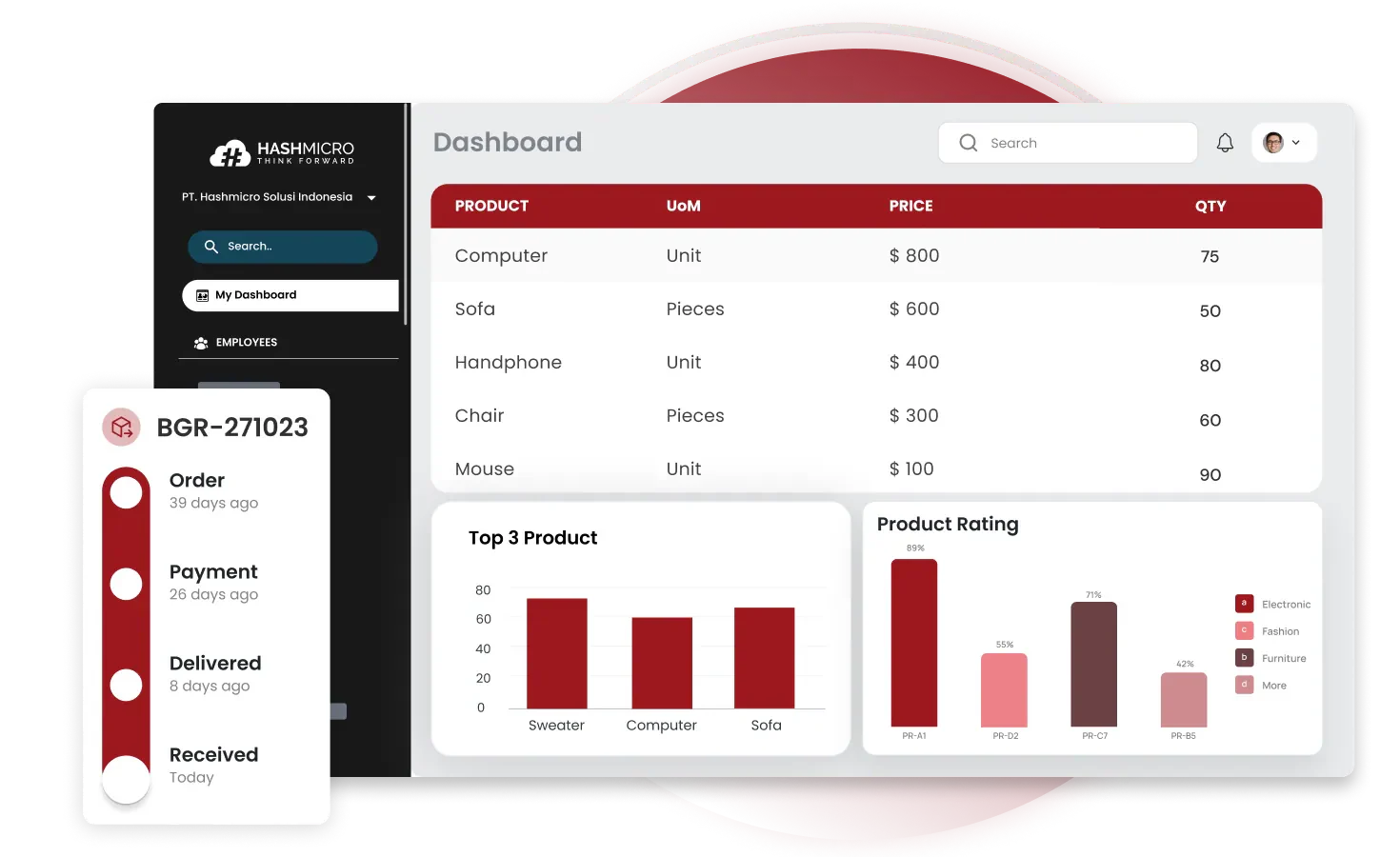
HashMicro’s Procurement System is the ideal solution for businesses in the Philippines that are aiming to enhance their procurement processes. This software helps companies minimise errors, improve speed, and provide real-time data for better decision-making, leading to efficient and cost-effective procurement operations.
In addition to the previously mentioned features, HashMicro’s procurement system includes several advanced tools that help businesses optimise their procurement workflows:
- E-procurement: Manage tenders and request quotations online, streamlining and accelerating the procurement process.
- OCR for RFQ: Use Optical Character Recognition (OCR) to quickly scan and process RFQ documents, reducing the risk of manual errors and saving valuable time.
- Automatic vendor rating: Automatically assess vendor performance based on criteria like punctuality, pricing, and completeness, ensuring that businesses select the best suppliers.
- Periodic vendor rating review: Regularly review vendor performance to maintain high standards and drive continuous improvement.
- KPI target per purchaser: Set individual targets for each purchaser, allowing businesses to track their performance and meet procurement objectives efficiently.
- Cost savings tracking and reporting: Monitor and report cost savings from procurement efforts, helping businesses measure the financial impact of their procurement activities.
- Vendor promotion program management: Manage promotions from vendors to strengthen supplier relationships and secure better deals.
- Custom printout in RFQ: Customize RFQ printouts based on different types of purchases, ensuring clarity and precision in requests.
- Budget tracking & limit per purchase: Track budgets and set purchase limits within the system, helping businesses control spending and avoid overspending.
By leveraging HashMicro’s advanced procurement tools, such as e-procurement, businesses can streamline their tendering processes and enhance supplier management. Additionally, features like regular vendor rating assessments and KPI tracking help create a more efficient and controlled procurement workflow.
Conclusion
Source-to-Pay (S2P) systems are essential for streamlining the procurement process, from identifying and sourcing suppliers to processing payments. A comprehensive S2P solution enables businesses to gain greater visibility, improve supplier relationships, and ensure compliance with relevant regulations, all while optimizing procurement efficiency.
HashMicro’s Procurement System offers an integrated solution with features such as e-procurement, vendor rating reviews, and budget management. Trusted by over 2,000 clients across Southeast Asia, HashMicro helps businesses optimise their procurement process and improve supplier management.
Ready to transform your procurement process with automation and efficiency? Book a free consultation with HashMicro today and discover how its procurement system can help you streamline operations, improve supplier relationships, and achieve your business goals.
FAQ for Source-to-Pay (S2P)
Businesses should evaluate workflow coverage, supplier management, spend analytics, automation, compliance controls, scalability, usability, security, implementation support, and total cost of ownership. They should also confirm that the Source-to-Pay solution integrates with existing ERP, accounting, inventory, and payment systems while supporting current processes and future growth.
Source-to-Pay suits both small businesses and large enterprises. Small businesses can use scalable modules to standardize purchasing, control spending, and manage suppliers without adding administrative work. Large enterprises can apply advanced sourcing, contract management, compliance, analytics, and multi-entity controls across complex procurement operations.
Yes. Source-to-Pay software can integrate with ERP systems through APIs, connectors, or middleware. The integration synchronizes supplier records, budgets, purchase orders, receipts, invoices, and payments, reducing duplicate data entry and improving visibility. Businesses should verify compatibility, data mapping, security, and real-time synchronization before selecting a solution.
A business should compare process coverage, automation, supplier onboarding, contract management, spend analytics, compliance controls, scalability, security, usability, and total cost. It should also confirm ERP integration, implementation support, reporting capabilities, and configuration flexibility. The best Source-to-Pay solution should match current procurement needs while supporting future operational growth.
Source-to-Pay implementation time depends on business size, process complexity, integration requirements, data quality, customization, and rollout scope. A focused deployment may move faster than a multi-entity transformation. Businesses should complete process mapping, data preparation, system integration, testing, user training, and phased adoption before launching the platform.